
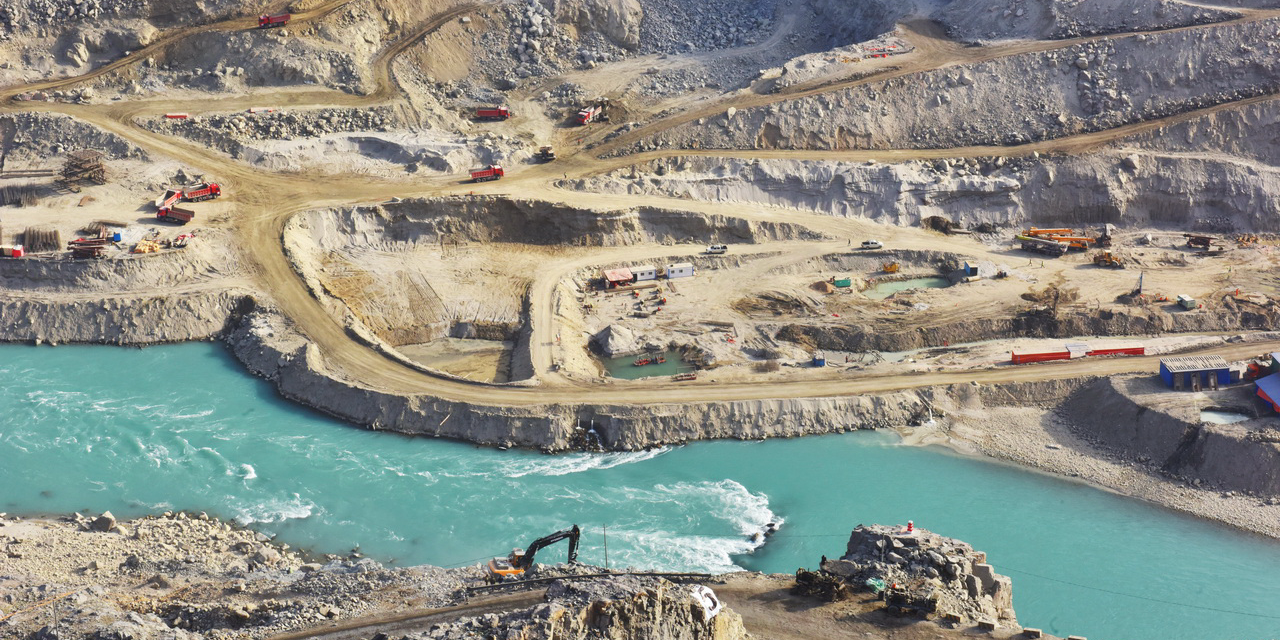
Diamer is a land of raw natural beauty, dramatic landscapes, and vibrant cultural heritage. Known to most as the “Gateway to Gilgit-Baltistan,” this remarkable district offers more than just a passageway into the northern territories—it is a destination in its own right. From the mighty Nanga Parbat to the hidden valleys of Darel and Tangir, Diamer is the beating heart of high-altitude adventure and authentic Pakistani mountain culture.
Where Is Diamer Located?
Diamer is located in the southern part of Gilgit-Baltistan, northern Pakistan, bordering Khyber Pakhtunkhwa to the west and the districts of Astore and Gilgit to the east and north respectively. It serves as the entry point into the mountainous north via the Karakoram Highway (KKH)—Pakistan’s engineering marvel that connects Islamabad with China through the Khunjerab Pass.
-
GPS Coordinates: 35.4206° N, 74.1000° E
-
Altitude: Ranges from 1,000 meters in the lowlands of Chilas to over 8,000 meters at Nanga Parbat’s summit.
The Landscape: Where Mountains Touch the Sky
Diamer is defined by its towering peaks, deep valleys, river gorges, and semi-arid plateaus. The terrain is rugged, isolated, and sometimes unforgiving. It is home to the Western face of Nanga Parbat (8,126 m), the ninth-highest mountain in the world, and its infamous Rupal and Diamer faces, which attract elite mountaineers from around the world.
This region is rich with glaciers, pine forests, alpine pastures, and rock formations that date back to prehistoric times. The Indus River cuts dramatically through the region, carving valleys and sustaining local agriculture.
Cultural and Ethnic Diversity
Diamer is home to a variety of ethnic groups and languages. The majority of the population is Shina-speaking, with pockets of Pashto and Urdu speakers due to inter-provincial migration. Unlike the predominantly Ismaili and Shi’a populations of upper Hunza and Skardu, Diamer is mostly Sunni Muslim, reflecting a distinct cultural identity within Gilgit-Baltistan.
Tribal customs are still practiced, and hospitality is a central part of the local ethos. Visitors often find themselves welcomed into homes for tea or local bread. Traditional wooden architecture, prayer stones, and ancient mosques reflect both Islamic influences and indigenous artistry.
Historical Significance
Diamer’s history is long and layered. It served as an ancient trade route between South Asia and Central Asia via the Indus Valley. The area around Thalpan, near Chilas, is home to thousands of petroglyphs and rock carvings—some dating back 5,000 years. These inscriptions are vital archaeological records that tell stories of Silk Road travelers, Buddhist pilgrims, and local dynasties.
In modern times, Diamer became strategically significant during the construction of the Karakoram Highway in the 1970s, a joint venture between Pakistan and China. The district has also played a critical role in the region’s integration into the national transport and power grid, with projects like the Diamer-Bhasha Dam shaping its future.
Climate and Weather Conditions
The climate of Diamer varies drastically with altitude and season:
-
Summer (May to September): Warm in Chilas (up to 40°C) but cool in the highlands.
-
Winter (November to March): Bitterly cold in mountainous areas; snow cuts off some villages for weeks.
-
Best Months to Visit: Mid-April to October. Monsoon is minimal, but landslides are common due to unstable terrain.
Packing Tip: Bring layered clothing. Days can be hot in Chilas, while nights near Fairy Meadows or Nanga Parbat base camps can be freezing.
Accessibility Challenges
Getting to Diamer isn’t always easy. The Karakoram Highway, while awe-inspiring, is prone to landslides, delays, and frequent closures during winter. Alternative routes via Babusar Pass or Swat-Kohistan backroads are equally stunning but can be dangerous during rain or snowfall.
There is currently no commercial airport in Diamer. Most travelers either:
-
Fly to Gilgit Airport, then drive ~3.5 hours south to Chilas
-
Or take a 12–16 hour road trip from Islamabad via Mansehra and Besham
Yet, these challenges are part of the journey—adding to the authenticity and thrill of exploring such a remote gem.
Why Visit Diamer?
Unlike the over-touristed towns of Hunza or Skardu, Diamer remains untouched by mass tourism. You won’t find cafes with Wi-Fi or glamping resorts. What you will find is:
-
Raw, unfiltered nature
-
Ancient trails once used by traders and monks
-
Traditional wooden homes perched on cliffs
-
A sense of timelessness and isolation
-
Some of the most dramatic landscapes in all of Pakistan
Highlights:
-
Nanga Parbat Base Camp (Fairy Meadows & Rupal Face)
-
Thalpan Petroglyphs
-
Darel and Tangir Valleys
-
Indus River viewpoints
-
Chilas Bazaar & Local Markets
Cultural Sensitivities and Traveler Etiquette
Diamer is a conservative district compared to other parts of Gilgit-Baltistan. Respect for local customs is crucial:
-
Dress modestly—especially women travelers
-
Avoid public displays of affection
-
Always ask before photographing people
-
Alcohol is strictly prohibited
-
Friday is a holy day; many shops close early
Local guides can help you navigate community dynamics, especially in tribal or remote valleys like Darel and Tangir.
Responsible Travel in Diamer
Traveling responsibly is not just a suggestion—it’s a necessity:
-
Leave no trace: Carry out all waste, especially in fragile zones like Fairy Meadows
-
Support local businesses: Stay in locally-run guesthouses, hire local porters and guides
-
Respect religious sites and gravesites
-
Avoid over-tourism hotspots by exploring lesser-known trails
This approach ensures your trip contributes positively to the environment and the people who live there.
Must-Visit Destinations in Diamer
Despite its rugged terrain and modest infrastructure, Diamer offers travelers some of the most surreal and soul-stirring destinations in all of Gilgit-Baltistan. This region is home to a mesmerizing blend of towering peaks, historical relics, fertile valleys, and ancient settlements. Whether you’re a hiker, cultural explorer, or photography enthusiast, these six must-see destinations in Diamer will give you a full taste of its wild charm.
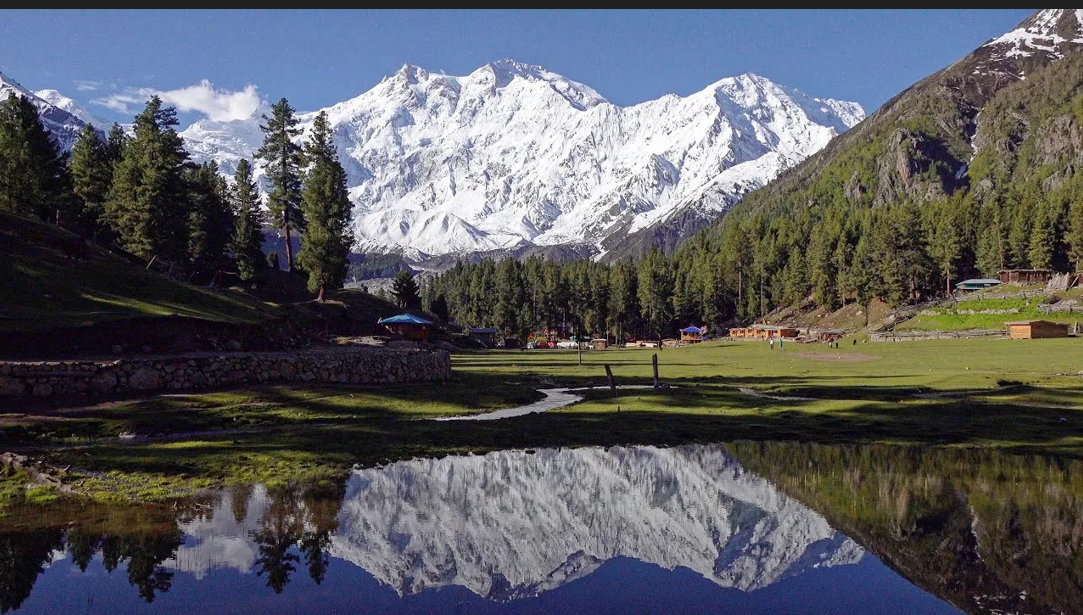
1. Fairy Meadows & Nanga Parbat Base Camp (North Face)
-
GPS Coordinates: 35.3785° N, 74.5986° E
-
Altitude: ~3,300 meters
-
Best Time to Visit: June to September
-
Access Point: Raikot Bridge on Karakoram Highway
Nestled beneath the icy majesty of Nanga Parbat (8,126m)—the world’s ninth-highest mountain—is the spellbinding alpine meadow known as Fairy Meadows. A UNESCO World Heritage Tentative Site, this lush green plateau is one of the most popular trekking destinations in Pakistan, drawing travelers from across the world.
Getting There:
-
Drive from Chilas to Raikot Bridge (~1 hour)
-
Take a 4×4 jeep to Tattu Village (~2 hours on one of the world’s most dangerous roads)
-
Trek 3–4 hours to reach Fairy Meadows
What to Do:
-
Stay in wooden log cabins under starlit skies
-
Trek to Nanga Parbat Base Camp (north face)
-
Capture the Milky Way over snow-clad peaks
Traveler Tips:
-
Book jeeps and cabins in advance during peak season
-
Limited mobile signals; bring a power bank and torch
2. Thalpan Petroglyphs & Rock Carvings
-
GPS Coordinates: 35.4305° N, 74.1821° E
-
Location: Thalpan village near Chilas
-
Estimated Visit Time: 1–2 hours
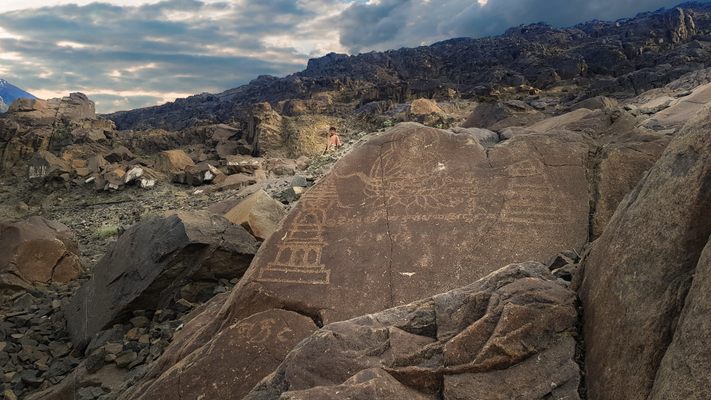
Diamer holds one of the largest collections of Buddhist and pre-Buddhist petroglyphs in South Asia. The Thalpan Petroglyph Site houses thousands of rock inscriptions—images of stūpas, ibex hunts, warriors, Buddhist scripts, and ancient graffiti—etched on the stones overlooking the Indus River.
These carvings are estimated to be 2,000 to 5,000 years old, offering insight into the region’s rich spiritual and cultural past, particularly as a trade and pilgrimage route during the Gandhara period.
Why Visit:
-
View prehistoric art without museum walls
-
Learn about early Silk Route travelers
-
Photograph historic engravings with Indus River backdrops
Caution: These rocks are not fenced or well-guarded—be respectful and avoid touching or stepping on carvings.
3. Darel Valley
-
GPS Coordinates: 35.1942° N, 73.8823° E
-
Altitude: ~1,900 meters
-
Access: From Chilas via Thor Nullah Road
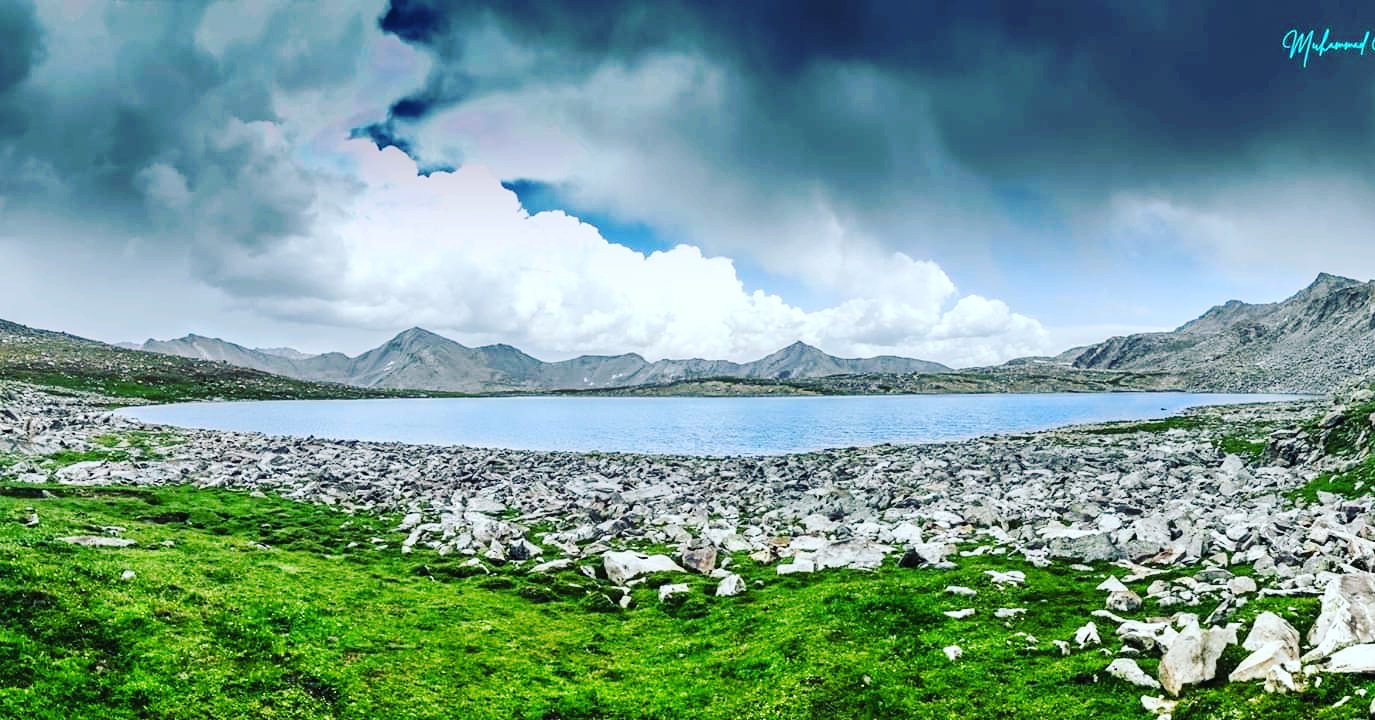
Darel Valley is a verdant, secluded region of Diamer, characterized by thick pine forests, flowing streams, and centuries-old traditions. It is culturally conservative, home to tribal communities with distinct Sunni Muslim traditions.
What to Expect:
-
Timber-framed homes clinging to hillsides
-
Traditional agriculture and pastoral life
-
Handcrafted wooden mosques and irrigation channels
Adventure Opportunities:
-
Hike through narrow forest trails
-
Observe authentic village life away from commercial tourism
-
Local trout fishing in icy brooks
Important: A local guide is highly recommended; permissions may be required to enter certain sub-valleys due to tribal customs.
4. Tangir Valley
-
GPS Coordinates: 35.1175° N, 73.8547° E
-
Access Route: From Darel or via Tangir Road (4×4 required)
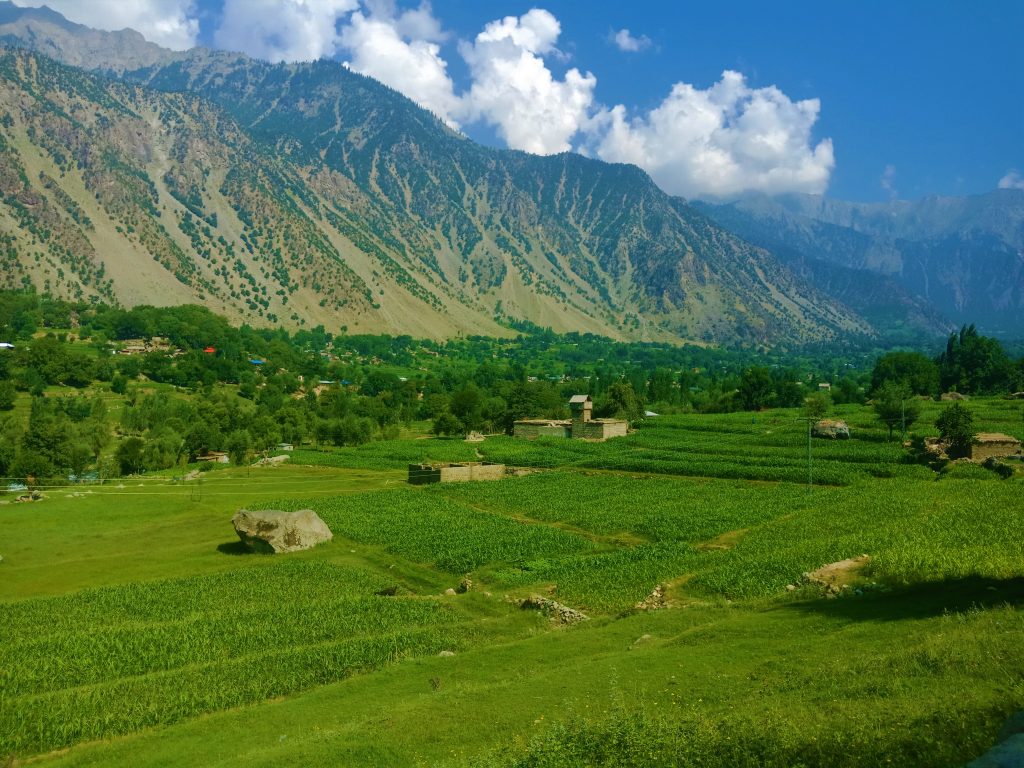
Just south of Darel, Tangir Valley remains one of the most unexplored regions of Gilgit-Baltistan, known for its scenic waterfalls, narrow gorges, and centuries-old tribal communities. The valley is fed by tributaries of the Tangir River, offering striking natural beauty.
What Makes It Unique:
-
Stone houses built into cliffs
-
Natural springs and micro water channels
-
Lush meadows for summer grazing
Cultural Tip: Photography should be approached respectfully. Always ask for permission, especially in women-populated areas.
Safety Advice: Travel with a local or tribal liaison if visiting deeper villages.
5. Chilas Town & Viewpoints
-
GPS Coordinates: 35.4219° N, 74.0975° E
-
Elevation: ~1,300 meters
-
Status: District headquarters of Diamer
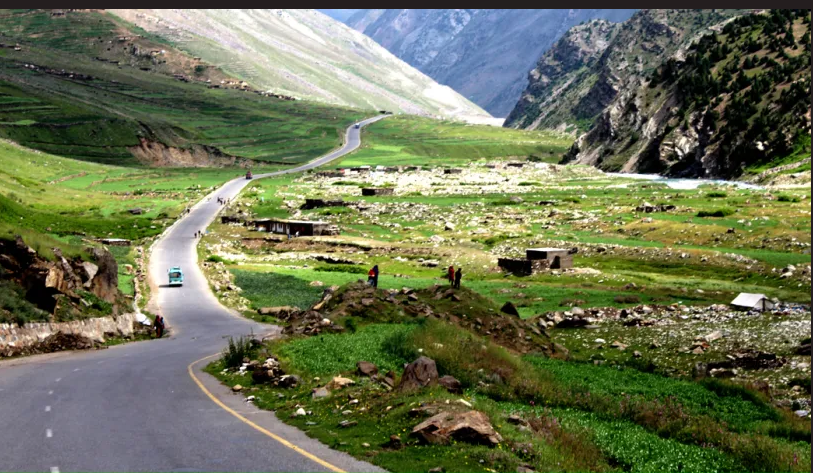
Chilas serves as the administrative and commercial hub of Diamer. Though modest in appearance, the town plays a strategic role in trade and transport, being a central stopover on the Karakoram Highway.
Things to Explore in Chilas:
-
Old Bazaar: Shops selling dry fruits, tribal handicrafts, and tools
-
Indus River Viewpoints: Watch the roaring waters carve through the rock
-
Sunset spots: Hills above the Chilas circuit house offer sweeping views
Traveler Notes:
-
Food options are basic but hearty (roti, daal, meat)
-
Internet is spotty; expect cash-only transactions
-
Fuel, SIM cards, and vehicle repairs are available here
6. Raikot Bridge & Nanga Parbat Trekking Route
-
GPS Coordinates: 35.3747° N, 74.3819° E
-
Distance from Chilas: ~1 hour drive
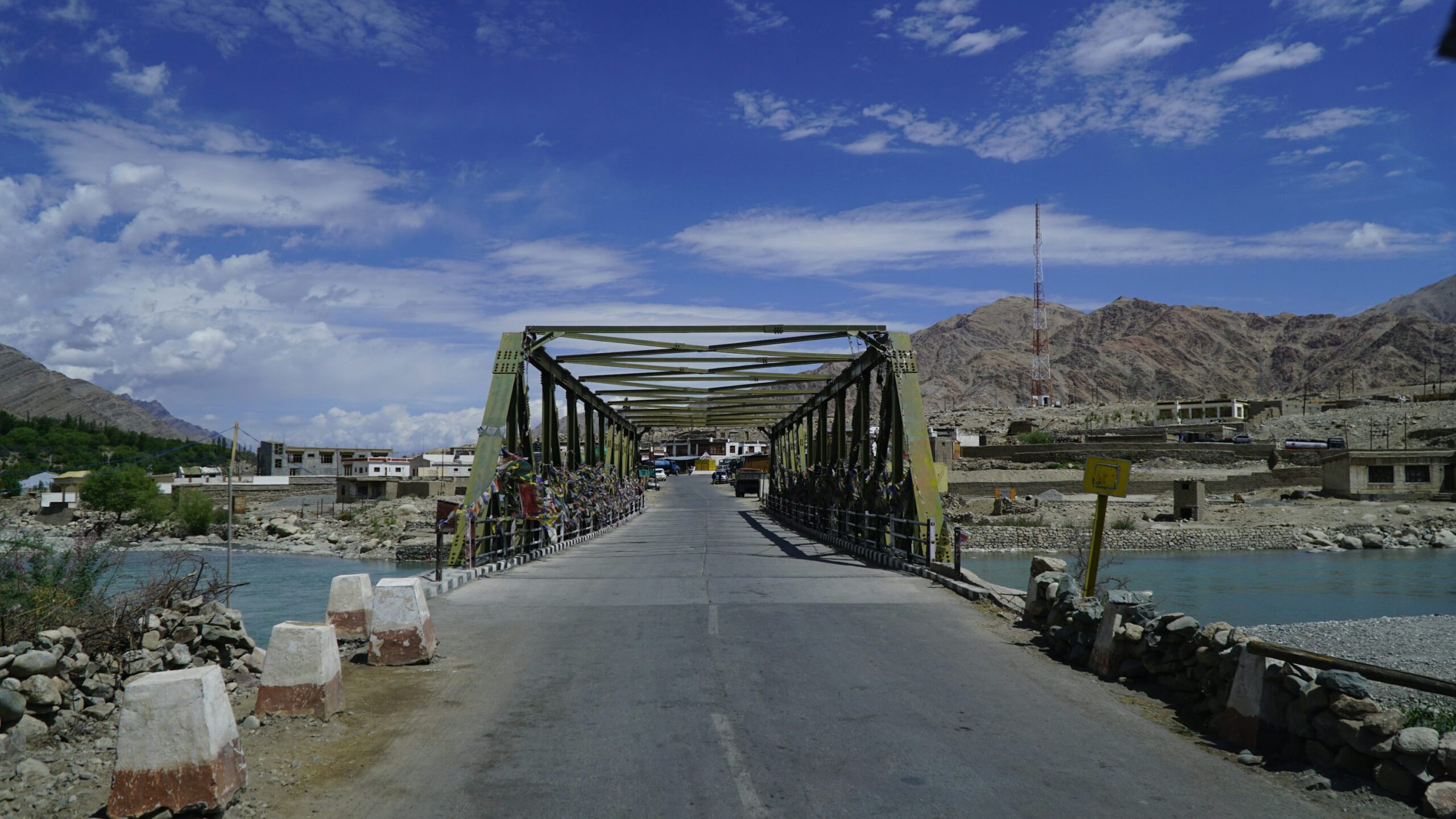
Raikot Bridge isn’t just a rest stop—it’s the launchpad for the legendary Nanga Parbat trekking expeditions. A few shops and tea stalls line the area, serving as a pit stop for hikers en route to Fairy Meadows and Nanga Parbat base camp.
Why Stop Here:
-
Gateway to some of the most extreme trekking in Pakistan
-
Scenic views of the Indus and Raikot glaciers
-
Opportunity to meet mountaineers from across the globe
Trekking to the base camp from this point involves serious physical effort and planning. Consider hiring porters, especially if camping overnight.
How to Reach Diamer Air & Road Transportation Guide
Reaching Diamer, the scenic gateway to Gilgit-Baltistan, is an adventure in itself. Due to its geographical isolation and challenging mountain terrain, traveling to this region requires both preparation and patience. While there are no direct flights into the district, a combination of air travel and road journeys makes this region accessible to the adventurous traveler. In this section, we’ll explore the major transportation options, road conditions, safety tips, and alternative routes for travelers planning a trip to Diamer, Gilgit-Baltistan.
Air Travel Options — The Closest Airports to Diamer
Diamer does not have its own airport, but nearby airstrips and regional airports serve as gateways.
1. Gilgit Airport (GIL)
-
Location: Gilgit city, ~130 km from Chilas (Diamer’s headquarters)
-
Flight Route: Daily PIA flights from Islamabad (weather-permitting)
-
Travel Time to Diamer: ~3.5 to 4 hours by road via KKH
-
Best Option For: Those who want to shorten road travel and avoid long bus rides
Note: Flights are highly dependent on weather conditions and may be canceled frequently due to visibility and wind patterns in the mountains.
2. Skardu Airport (KDU)
-
Location: Skardu city, ~300 km from Chilas via Skardu–Astak–Jaglot route
-
Travel Time: ~7 to 8 hours drive to Diamer
-
Advantage: More flight options and upgraded into an international airport in recent years
Overland Routes — Road Travel to Diamer
Most travelers prefer road access to Diamer, whether coming from Islamabad, Peshawar, Gilgit, Skardu, or Swat/Kohistan.
🔹 Route 1: Islamabad – Besham – Dasu – Chilas (KKH Route)
-
Total Distance: ~470 km
-
Estimated Time: 12–16 hours
-
Road Condition: Paved highway, subject to landslides and blockages, especially during monsoon
-
Route Overview:
-
Islamabad → Abbottabad → Mansehra → Besham (N-35/KKH)
-
Besham → Dasu → Pattan → Chilas
-
This is the most direct and common route for reaching Diamer. Bus services and private transport options are easily available.
🔹 Route 2: Islamabad – Naran – Babusar Top – Chilas
-
Total Distance: ~390 km
-
Travel Time: 10–12 hours (if Babusar Top is open)
-
Babusar Top Elevation: 4,173 meters
-
Route Season: Mid-June to October only (closed during snowfall)
-
Highlights:
-
Scenic alpine meadows and lakes
-
Breathtaking views of Nanga Parbat on descent into Chilas
-
This is a seasonal but incredibly scenic route, ideal for photographers and thrill-seekers.
🔹 Route 3: Gilgit – Jaglot – Chilas
-
Total Distance: ~130 km
-
Travel Time: 3.5 to 4 hours
-
Road Quality: Mixed—some well-maintained highway sections, some rough patches
-
Transport Options: Local jeeps, vans, and private taxis
Often used by those already in Gilgit or Hunza exploring surrounding areas before continuing south into Diamer.
🔹 Route 4: Swat/Kohistan Backdoor Route via Kandia & Darel
-
Difficulty: High (requires 4×4)
-
Travel Time: Variable — up to 20+ hours
-
Best for: Experienced overlanders or researchers
-
Purpose: Alternative entry into Darel or Tangir without using KKH
This off-the-grid route passes through extremely remote valleys with minimal tourist infrastructure. Travel only with local guides and prior permissions.
Public Transport Options
For budget-conscious travelers, several public transport options operate on the KKH.
NATCO (Northern Areas Transport Corporation)
-
Routes: Islamabad to Chilas / Gilgit
-
Buses: AC and Non-AC coaches
-
Departure Points: Rawalpindi Pir Wadhai terminal
-
Travel Time: 14–16 hours
-
Fare: ~Rs. 3,500–4,500 (as of 2025)
Coasters & Vans
-
Private coasters operate from Mansehra, Abbottabad, and Besham to Chilas
-
These are faster but less comfortable and not always reliable in terms of departure time
Ride-Hailing / Rental Cars
-
No Uber/Careem in Diamer
-
In Gilgit or Islamabad, you can rent a car or hire a 4×4 with a driver
-
Rental Cost: ~Rs. 10,000–15,000/day depending on season and vehicle type
Road Hazards and Travel Warnings
Travelers must be aware of the inherent risks while driving in Diamer and surrounding areas:
| Hazard | Description |
|---|---|
| Landslides | Frequent during monsoon and spring due to snow melt |
| Rockfalls | Sudden boulders often block roads near Raikot and Dasu |
| Narrow roads | Many blind turns and cliff-edge roads without guardrails |
| Local strikes | Political or tribal tensions may lead to road closures |
| Fuel scarcity | No 24/7 fuel availability after Dasu; fill up in Besham or Chilas |
Always check road status before departure. Local Facebook groups and WhatsApp updates from NATCO or GB Tourism can be helpful.
Travel Duration Guide from Major Cities
| From | To Diamer (Chilas) | Mode | Estimated Time |
|---|---|---|---|
| Islamabad | Chilas via KKH | Bus/Car | 14–16 hours |
| Gilgit | Chilas | Jeep/Van | 3.5–4 hours |
| Naran | Chilas via Babusar | Car | 10–12 hours |
| Skardu | Chilas | Jeep | 8–9 hours |
| Besham | Chilas | Bus | 6–7 hours |
Add buffer time for road conditions, military checkpoints, or weather interruptions.
GPS Coordinates for Key Waypoints
-
Chilas Town: 35.4219° N, 74.0975° E
-
Raikot Bridge (Nanga Parbat trek junction): 35.3747° N, 74.3819° E
-
Thalpan Petroglyphs: 35.4305° N, 74.1821° E
-
Babusar Top: 35.0361° N, 74.1344° E
-
Besham (KKH waypoint): 35.9376° N, 72.8664° E
Permits & Checkpoints
Though Gilgit-Baltistan is open to tourists, security checkpoints are present:
-
Carry original CNIC or passport
-
Foreign nationals may be required to register at police checkpoints
-
Avoid photography at military sites or bridges
Pro Tips for Travelers
-
Travel during daylight to avoid missing signs or potholes
-
Keep snacks and water; rest stops are limited between Besham and Chilas
-
Use offline maps like Maps.me or downloaded Google Maps
-
Consider hiring a local guide for Darel, Tangir, or Nanga Parbat access
Best Time to Visit Diamer, Gilgit-Baltistan
Choosing the right time to visit Diamer is crucial. This mountainous district in Gilgit-Baltistan is heavily influenced by its high-altitude geography, with extreme temperature fluctuations, varying road accessibility, and seasonal travel opportunities that can make or break your adventure. Unlike urban destinations where travel is year-round, visiting Diamer requires careful timing to maximize safety, scenery, and comfort.
Quick Overview of Diamer’s Climate
| Season | Temperature Range | Altitude Impact | Accessibility | Recommended? |
|---|---|---|---|---|
| Spring (Mar–May) | 10°C to 28°C (Chilas), colder in valleys | Snow melting, greenery starts | KKH open, Babusar closed | ✅ Good for early travelers |
| Summer (Jun–Sep) | 18°C to 40°C (Chilas); 10°C–25°C in highlands | Ideal for Fairy Meadows & treks | All routes open | ✅✅ Best season |
| Autumn (Oct–Nov) | 5°C to 20°C | Golden foliage, crisp air | Babusar closes late Oct | ✅ Calm & beautiful |
| Winter (Dec–Feb) | -10°C to 10°C | Heavy snow in valleys | High passes closed | ❌ Not recommended |
Spring in Diamer (March to May)
Spring marks the beginning of the tourist season in Diamer. As winter snow starts to melt, the rivers swell, wildflowers bloom, and fruit trees in valleys like Darel and Tangir awaken in color.
Highlights:
-
Melting glaciers create powerful riverscapes along the Indus
-
Lower Chilas and Thalpan become pleasant and green
-
Photography enthusiasts will love the contrast of snow-capped peaks with emerging green fields
Ideal For:
-
Early-season explorers
-
Cultural photography and local festivals
-
Light hiking and petroglyph tours
Challenges:
-
Roads to Fairy Meadows and Babusar Top still closed or dangerous due to lingering snow
-
Nights remain cold; higher villages may still be inaccessible
Summer in Diamer (June to September) — Peak Tourist Season
Summer is hands down the best time to visit Diamer. The district is fully accessible, all trekking trails are open, and temperatures in highland areas like Fairy Meadows are cool and pleasant.
Key Advantages:
-
Full access to Fairy Meadows, Nanga Parbat Base Camp, Raikot, and surrounding meadows
-
Babusar Pass opens, allowing a scenic route from Naran
-
Trekking, camping, and mountaineering are at their peak
-
Local bazaars and markets in Chilas are in full swing
Monthly Breakdown:
-
June: Babusar Top opens mid-month; early snow still visible
-
July: Lush green everywhere, busiest time in Fairy Meadows
-
August: Best month for camping, warm days and cool nights
-
September: Less crowded, ideal for mature travelers and nature lovers
Festivals:
-
Local summer festivals with traditional music and tribal games (check locally for dates)
-
Eid-ul-Adha (if it falls in summer) adds cultural excitement
Warnings:
-
Sudden rain-induced landslides can block roads temporarily
-
Flash floods in narrow valleys like Darel and Tangir
-
High UV exposure at altitude; carry sun protection
Autumn in Diamer (October to November)
As summer fades, autumn transforms Diamer into a tapestry of gold, amber, and crimson. With fewer tourists and stable weather, this is a perfect season for photographers and those seeking solitude.
What Makes It Special:
-
Stunning fall foliage in Darel, Tangir, and Fairy Meadows
-
Crisp air and clear skies make photography exceptional
-
Last chance to travel via Babusar Top before winter closure
Best For:
-
Solo travelers and couples looking for quiet retreats
-
Writers, photographers, and digital nomads seeking inspiration
-
Budget travelers (rates drop post-summer)
Limitations:
-
Babusar Pass usually closes by end of October
-
Nights get cold; camping is less comfortable without proper gear
-
Limited food options in remote villages after harvest season ends
Winter in Diamer (December to February)
Winter is not recommended for tourism unless you’re a researcher, documentary filmmaker, or trained mountaineer. The roads freeze, villages are snowed in, and temperatures in places like Nanga Parbat base camp drop below -20°C.
Conditions:
-
Chilas remains somewhat accessible due to low elevation
-
Heavy snow in Fairy Meadows, Darel, and Tangir cuts off villages
-
No tourist infrastructure open in winter
Best For:
-
Extreme adventurers with guides and gear
-
Researchers studying geology, glaciers, or local tribes in winter conditions
Absolute Essentials:
-
4×4 vehicles with chains
-
Generator and emergency food
-
Satellite communication device
-
Prior permissions and local guides
Climatic Zones within Diamer
Diamer spans several microclimates due to elevation differences:
| Region | Elevation | Climate Type | Summer Avg | Winter Avg |
|---|---|---|---|---|
| Chilas | 1,300 m | Hot semi-arid | 38–42°C | 0–10°C |
| Fairy Meadows | 3,300 m | Alpine/subarctic | 10–22°C | -10–5°C |
| Darel/Tangir | ~1,900 m | Forested mountain valley | 20–30°C | -5–10°C |
| Raikot Base Camp | 4,000+ m | High alpine/glacial | 5–15°C | -15 to -20°C |
🧥 Always check your destination’s altitude to pack appropriately. Thermal wear, rain jackets, sunscreen, and altitude medicine are essentials for trekking above 3,000 m.
Best Month-by-Month Guide to Visit Diamer
| Month | Recommended? | Why? |
|---|---|---|
| January–February | ❌ | Closed routes, harsh snow, road blockages |
| March | ⚠️ | Transition from winter, limited access |
| April | ✅ | Melting snow, moderate weather in Chilas |
| May | ✅✅ | Wildflowers, flowing rivers, improving road access |
| June | ✅✅✅ | Babusar opens, all routes accessible |
| July | ✅✅✅ | Best weather, festivals, greenery |
| August | ✅✅ | Warm, stable conditions |
| September | ✅✅✅ | Fewer crowds, ideal weather |
| October | ✅✅ | Autumn views, cooler but accessible |
| November | ⚠️ | Uncertain weather, Babusar closes |
| December | ❌ | High-altitude routes shut down |
🧳 Seasonal Packing Tips
| Item | Spring | Summer | Autumn | Winter |
|---|---|---|---|---|
| Light jacket | ✅ | ✅ | ✅✅ | ❌ |
| Thermal innerwear | ⚠️ | ❌ | ✅ | ✅✅✅ |
| Hiking boots | ✅✅ | ✅✅✅ | ✅✅ | ✅✅✅ |
| Sunscreen/sunglasses | ✅ | ✅✅✅ | ✅ | ✅ |
| Sleeping bag (0°C rated) | ⚠️ | ✅ | ✅✅ | ✅✅✅ |
| Umbrella/rain cover | ✅ | ✅✅ | ⚠️ | ❌ |
Responsible Timing for Sustainable Travel
-
Visit in shoulder seasons (May, September) to ease summer pressure on fragile environments like Fairy Meadows
-
Avoid overcrowding during Eid holidays unless you plan ahead
-
Respect local harvest cycles—don’t overburden village supply chains during off-seasons
op Things to Do in Diamer, Gilgit-Baltistan
“Diamer Unlocked: Adventures, Exploration, and Local Wonders”
Diamer is not just a scenic corridor—it’s an adventure-filled landscape where the Indus River roars beneath towering cliffs, ancient petroglyphs whisper history, and majestic peaks like Nanga Parbat crown the skyline. Whether you’re a trekker, historian, photographer, or cultural explorer, Diamer offers unforgettable experiences that go far beyond the ordinary.
1. Trek to Fairy Meadows and Nanga Parbat Base Camp
Arguably the most iconic activity in Diamer, the Fairy Meadows trek leads you into an alpine paradise at the base of the world’s ninth-highest mountain—Nanga Parbat (8,126 m).
What to Expect:
-
Jeep ride from Raikot Bridge to Tattu Village (2–3 hours)
-
2–3 hour moderate hike through pine forests to reach Fairy Meadows
-
Optional 8-hour trek to Nanga Parbat Base Camp, passing through Beyal Camp
Highlights:
-
Jaw-dropping views of Nanga Parbat’s north face
-
Star-lit nights and alpine campsites
-
Interaction with local herders and villagers
Best Time:
-
June to September (when the area is snow-free and green)
Pro Tip: Book a tent or wooden hut in Fairy Meadows in advance—spaces fill up quickly in peak season.
2. Explore the Thalpan Petroglyphs (Rock Inscriptions)
Thousands of ancient Buddhist and pre-Buddhist rock carvings, estimated to date back as early as 1000 BCE, line the Karakoram Highway near Thalpan village, just outside Chilas.
Highlights:
-
Over 50,000+ carvings etched into stone
-
Scenes of ibex hunting, inscriptions in Kharosthi, Brahmi, and Sogdian scripts
-
Declared a UNESCO tentative heritage site
Why It’s Unique:
-
Offers a glimpse into ancient trade and pilgrimage routes
-
Ideal for history buffs, archaeologists, and cultural travelers
Access:
-
Easily reachable from Chilas (15–20 minutes)
-
Guided tours available from local historians
Tip: Bring binoculars or a zoom lens—many inscriptions are high on boulders or cliffs.
3. Drive the Karakoram Highway (KKH)
Known as the Eighth Wonder of the World, the KKH slices through Diamer, offering one of the world’s most scenic and adventurous road trips.
Key Attractions:
-
River gorges, tunnels, hanging bridges, and landslide-prone cliffs
-
Epic views of Nanga Parbat, Indus River, and steep granite walls
-
Frequent road-side vendors selling dried fruits, snacks, and traditional clothing
Best Stops Along the Way:
-
Raikot Bridge (for Fairy Meadows access)
-
Hudur Village (scenic views)
-
Chilas city bazaar
-
Tatta Pani (hot springs)
Safety Note: Always check weather and road updates—landslides are common after rain.
4. Visit Darel and Tangir Valleys
Hidden away from the hustle of Chilas, the Darel and Tangir Valleys offer a more authentic, untouched experience of mountain life.
What You’ll Find:
-
Wooden houses perched on steep cliffs
-
Hanging footbridges over roaring rivers
-
Locals who speak Shina and wear traditional attire
Cultural Appeal:
-
Agricultural villages surrounded by terraced fields
-
Indigenous tribal customs and oral storytelling
-
Ancient wooden mosques and locally-built fortresses
Access:
-
From Chilas via unpaved jeep tracks—only advisable in summer
Travel Tip: Travel with a guide and respect local customs—these areas are conservative and tourism is still emerging.
5. Camping and Bonfires in Diamer’s Meadows
Diamer is filled with unnamed meadows that offer raw camping opportunities, especially for those exploring off the beaten path.
Ideal Spots:
-
Beyal Camp (en route to Nanga Parbat Base Camp)
-
Tattu Village outskirts
-
Side valleys in Darel and Tangir
Best Experiences:
-
Milky Way photography
-
Mountain tea by a bonfire
-
Interacting with yak herders and shepherd families
Caution: Pack warm gear even in summer—the nights can be freezing above 3,000 meters.
6. Mountaineering and Adventure Climbing
Diamer is a world-renowned mountaineering destination, thanks to Nanga Parbat’s notorious Rupal and Diamer Faces. This area is only suitable for experienced climbers and expedition teams.
Key Routes:
-
Kinshofer Route (Diamer Face) – Most climbed route to Nanga Parbat
-
Mazeno Ridge Traverse – One of the world’s most difficult mountaineering traverses
Important Info:
-
Requires permits, local porters, and professional equipment
-
Pakistani army checkpoints require documentation
Note: Climbing season is May to August only.
7. Landscape and Nature Photography
With dramatic vistas and golden hour light, Diamer is a photographer’s dream.
Photo Hotspots:
-
Nanga Parbat at sunrise from Fairy Meadows
-
Thalpan rock carvings at dusk
-
Indus River winding below granite cliffs
-
Terraced fields in Tangir Valley
Recommended Gear:
-
Wide-angle lens for landscapes
-
Tripod for astrophotography
-
Polarizer filter for rivers and skies
Local Tip: The reflection of Nanga Parbat in Fairy Meadow’s streams is best captured at dawn before the wind starts.
8. Visit Chilas City and Local Bazaars
While often viewed as a transit town, Chilas offers authentic local culture and hospitality.
Activities:
-
Browse bazaars selling hand-woven caps, daggers, gems, and dried apricots
-
Try local cuisine like yak meat karahi or mutton pulao
-
Visit old mosques and interact with Shina-speaking locals
Unique Aspects:
-
Fusion of ancient and modern lifestyles
-
Hot and dry climate contrasts sharply with the cool meadows nearby
Budget travelers can find affordable hotels and eateries here, along with local jeep hire.
9. Day Hikes and Ridge Walks
Not every traveler is up for a full trek. Diamer offers day hikes that reward with stunning views and minimal effort.
Suggestions:
-
Tattu Ridge (Fairy Meadows area): 3–4 hours, moderate
-
Hike along the Indus River banks near Chilas: 2 hours, easy
-
Local guided walk in Tangir Valley to see village life: 2–3 hours
Essentials:
-
Carry water, wear sturdy shoes, and inform locals before venturing out
-
Avoid remote hikes solo due to wildlife and trail ambiguity
10. Participate in Local Festivals and Gatherings
Though not commercialized, local tribal festivals are held across villages in summer.
What to Expect:
-
Traditional dances and flute music
-
Goat or sheep roasting feasts
-
Wrestling and archery contests
Cultural Tips:
-
Always ask before taking photographs
-
Dress modestly and learn a few Shina greetings—it goes a long way
Bonus Experiences for the Curious Traveler
| Experience | Where to Try | Unique Appeal |
|---|---|---|
| Yak herding | Darel Highlands | Rare pastoral lifestyle |
| Fossil hunting | Near Thalpan riverbeds | Marine fossils in a mountain desert |
| River rafting | Indus near Chilas | For the brave and experienced |
Local Culture, Language, and Traditions of Diamer, Gilgit-Baltistan
Diamer is not just a geographical marvel; it is a cultural sanctuary where centuries-old traditions continue to thrive amid towering peaks and roaring rivers. This region, while geographically rugged, is equally rich in intangible heritage—its people, language, rituals, attire, music, and hospitality define the soul of the land. For travelers seeking immersive experiences, understanding the local culture is essential to unlocking Diamer’s true identity.
1. Ethnic Composition and Tribes of Diamer
The inhabitants of Diamer predominantly belong to various indigenous tribes, each with its own customs, dialects, and oral histories. The major tribes include:
-
Yashkuns: One of the oldest tribal groups, primarily found in Chilas.
-
Gujjars: Traditionally pastoralists, known for their herding lifestyle.
-
Doms: A marginalized artisan caste with deep roots in music and craftsmanship.
Tribal affiliations are important here, influencing everything from marriage customs to conflict resolution. Tribal elders or Jirgas (traditional councils) play a central role in maintaining order and resolving disputes.
2. Language: Shina – The Voice of the Valleys
Shina is the most widely spoken language in Diamer, an ancient Dardic tongue passed down through generations. Unlike Urdu or English, Shina has its own phonetics, grammar, and regional variations.
Key Features:
-
Oral tradition: Stories, poems, and folklore are passed down verbally.
-
Rich vocabulary describing nature: Over 20 words for snow, rain, and wind.
-
Scriptless until recently: Now written using adapted Urdu script for documentation.
Visitors who greet locals in Shina are often met with warm smiles and enthusiasm. Common phrases include:
-
“Bismillah” – Welcome
-
“Shukria” – Thank you
-
“Kiya haal cha?” – How are you?
Learning a few basic words can go a long way in building connections with locals.
3. Traditional Attire and Dress Codes
Diamer’s traditional clothing is a blend of functionality and symbolism, suited to the mountainous terrain and modest cultural expectations.
Men typically wear:
-
Woolen shalwar kameez
-
Chitrali cap (Pakol) or embroidered skullcaps
-
Wool cloaks during winter
Women’s attire includes:
-
Long dresses with intricate embroidery
-
Headscarves or shawls
-
Handmade jewelry with semi-precious stones
In highland villages, both men and women often wear handwoven woolen garments dyed using natural pigments. Dress is not just about modesty but also about climate adaptation.
4. Cultural Norms and Social Etiquette
Diamer is a conservative and traditional society, rooted in Islamic principles but enriched by tribal customs.
Key Etiquettes:
-
Greet elders with respect; men usually shake hands, women often avoid direct contact with strangers.
-
Hospitality is paramount—guests are treated with utmost honor.
-
Modesty in dress and behavior is appreciated by locals.
Travelers should refrain from public displays of affection, smoking in public areas, or photographing women without permission.
5. Festivals and Celebrations
While Diamer doesn’t have a commercial festival culture like Hunza or Skardu, it does celebrate a variety of Islamic religious festivals and tribal seasonal events.
Main Celebrations:
-
Eid-ul-Fitr and Eid-ul-Adha: Marked with communal prayers, meat feasts, and family gatherings.
-
Shab-e-Barat: A night of prayer and remembrance.
-
Harvest Festivals (unofficial): In rural areas, families celebrate the end of harvest season with music and communal meals.
In many valleys, you might witness flute and drum performances during weddings or post-harvest feasts, usually accompanied by circular dances.
6. Food and Local Cuisine
The cuisine of Diamer is hearty, simple, and energy-dense—ideal for high-altitude living.
Signature Dishes:
-
Chapshuro: Meat-filled flatbread, baked over a fire.
-
Balay: Hand-pulled wheat noodles in a rich beef or yak broth.
-
Giyaling: Local pancakes made of wheat or buckwheat, served with honey.
-
Dried fruits and nuts: Common snacks and winter staples.
Tea is an important social drink—served salty or sweet depending on the valley. Yak butter tea is popular in higher villages and often served to guests as a sign of respect.
7. Arts, Crafts, and Music
Though not commercialized, Diamer’s artistic traditions are deeply rooted in its tribal and pastoral life.
Handicrafts:
-
Woven woolen rugs
-
Embroidered caps and waistcoats
-
Wooden prayer beads and utensils
Music:
-
Instrumentation includes flutes, drums, and rababs
-
Songs often recount legends, battles, and natural beauty
-
Local ballads are passed down orally, often sung in group settings
Artisans often sell their crafts during market days in Chilas or during local festivals. Buying from them helps preserve these rare traditions.
8. Oral Traditions and Storytelling
Diamer has a rich oral history tradition. Elders narrate epic tales of local heroes, tales of Nanga Parbat’s spirits, or tragedies from ancient trade caravans.
One famous legend is about a shepherd boy who saw a “white spirit” on Nanga Parbat, believed to be the guardian of the mountain. These stories, though unverifiable, are deeply embedded in local belief systems and shape how people view nature and fate.
Travelers interested in anthropology or folklore would find great value in recording or observing these storytelling sessions, usually held around winter fires.
9. Religious and Spiritual Beliefs
Diamer is predominantly Sunni Muslim with a deeply spiritual outlook. Daily prayers, Quranic recitation, and mosque-based community discussions are common.
Religious Observances:
-
Mosques serve as both religious and social hubs.
-
Ramadan is observed with community Iftars.
-
Local Sufi shrines are visited for blessings and spiritual healing.
Though conservative, Diamer is welcoming and respects peaceful visitors who honor local religious practices.
10. Community Structure and Gender Roles
The social structure in Diamer is tightly knit. Extended families often live together, and decisions are made collectively.
Roles:
-
Men: Typically handle agriculture, livestock, and external affairs.
-
Women: Manage homes, gardens, weaving, and childcare.
While gender segregation exists in public spaces, women’s contributions to the household economy and culture are deeply respected within the community.
Accommodation and Food in Diamer – Where to Stay and What to Eat
Diamer may be known for its rugged terrain and remote beauty, but that doesn’t mean travelers can’t find comfort during their journey. While the district remains less commercialized than tourist-heavy areas like Hunza or Skardu, Diamer still offers a range of accommodation options and local food experiences that reflect the warmth and hospitality of the region. Whether you are a backpacker, an adventure seeker, or a cultural traveler, this guide to staying and dining in Diamer will help you plan your visit with clarity and convenience.
Types of Accommodation Available in Diamer
The most accessible hub for accommodation in Diamer is Chilas, the district’s administrative center. Owing to its strategic location on the Karakoram Highway, Chilas offers basic guesthouses, government rest houses, and small hotels suitable for short and medium-term stays. However, services are limited due to the area’s remote nature and lack of tourism infrastructure.
Hotels and Guesthouses in Chilas
-
Panorama Hotel Chilas: Offers basic facilities like clean rooms, parking, and hot water. Ideal for short overnight stays.
-
Midtown Hotel Chilas: Located near the main bazaar, it provides rooms with attached bathrooms and food services.
-
Chilas Inn Guest House: A popular budget option for travelers heading to Fairy Meadows or Gilgit.
-
PTDC Motel Chilas (currently inactive but occasionally operational seasonally): Was once a standard stop for tourists, featuring larger rooms and scenic views.
Most accommodations are priced between PKR 3,000 to PKR 6,000 per night, depending on the season and availability. Due to limited options, advance booking via local tour operators is recommended during peak season (June to September).
Rest Houses and Campsites in Remote Valleys
In places like Darel, Tangir, and Thak, accommodations are extremely basic and often hosted in local homes or small rest houses managed by community elders or local government departments. These stays offer an authentic rural experience but lack modern amenities.
-
Forest Department Rest Houses: Located in scenic forest areas, they require advance permissions from local administrative offices.
-
Community-Based Homestays: These offer cultural immersion and include local meals, though sanitation and privacy might be minimal.
-
Camping Sites: Available near riverbanks and green pastures, but travelers need to bring their own tents and supplies.
GPS-coordinates and directions to specific sites can be obtained through local guides or the Gilgit-Baltistan Tourism Department.
Safety and Comfort Considerations
-
Sanitation: Most rural accommodations lack western toilets and may have limited access to clean water.
-
Electricity: Load shedding is common, so carry power banks and solar chargers.
-
Connectivity: Internet access is patchy, and mobile signals (particularly for Telenor and SCOM) are unreliable in remote areas.
-
Security: While generally safe, travelers should inform local police or administrative units of their stay in smaller towns or villages.
Where and What to Eat in Diamer
The cuisine of Diamer is influenced by its unique climate, limited agriculture, and ethnic traditions. While you won’t find fast-food chains or fine dining, you will enjoy hearty, home-cooked meals using local ingredients.
Traditional Dishes of Diamer
-
Chapshuro: Meat-filled bread cooked on an iron pan, popular across Gilgit-Baltistan.
-
Gholmandi: Flatbread filled with butter and crushed walnuts, often served with salty tea.
-
Shilajit Tea: While not a meal, this tea made with the famed local mineral is often offered to guests.
-
Mantu: Dumplings filled with minced meat, served with spicy yogurt.
-
Local Lentils and Rice: Served with ghee or butter, ideal for vegetarians.
Most meals are prepared with seasonal vegetables, dried meat, yak butter, and wheat-based products. Cooking is done over wood-fired stoves in villages, while small urban eateries in Chilas offer simple menus of rice, chicken curry, dal, and roti.
Places to Eat in Chilas
-
Al-Haram Restaurant: Known for rice and chicken karahi.
-
Mountain View Dhaba: Popular among truck drivers; offers authentic, spicy Pakistani meals.
-
Local Bakeries: Selling dry cakes, biscuits, and sweet items with local flavors.
Travelers with dietary restrictions should inform their hosts in advance. Vegetarian options are available but limited. For those who require packaged snacks, it’s best to stock up from major cities before entering Diamer.
Cultural and Social Aspects of Dining
-
Hospitality: Guests are often offered tea, bread, and dried fruit as a welcome gesture.
-
Seating: In village homes, dining is typically on carpets or mats.
-
Gender Roles: In traditional villages, men and women may eat separately, especially when hosting outsiders.
-
Eating with Hands: A cultural norm, especially in rural settings.
Being respectful of local customs will enhance your travel experience and foster meaningful connections with the residents.
Responsible Travel and Sustainable Stay
Due to the fragile ecosystem and limited waste management, travelers are strongly encouraged to:
-
Carry reusable water bottles and avoid single-use plastic.
-
Leave no litter in valleys or water sources.
-
Respect local homes and properties during stays.
-
Support local guesthouses and homestays instead of multinational tour operators.
Final Tips for Staying and Dining in Diamer
-
Cash is King: No card facilities are available; bring sufficient cash (PKR).
-
Self-Sufficiency: Carry basic toiletries, medicine, snacks, and first aid supplies.
-
Pack Light but Smart: Include warm clothes even in summer due to high-altitude chill at night.
-
Learn Local Phrases: Even simple greetings in Shina or Urdu can go a long way in building trust.
Costs and Budgeting – Planning Your Trip to Diamer, Gilgit-Baltistan
Planning a trip to the rugged and captivating landscapes of Diamer requires more than just a sense of adventure—it requires careful budgeting. As one of the more remote and less-developed regions in Gilgit-Baltistan, Diamer offers a mix of affordability and logistical challenges. This section provides an exhaustive breakdown of travel costs, enabling travelers to create a practical and well-informed budget for their trip.
Overview of Travel Expenses
Travel costs to Diamer can vary depending on the traveler’s style—budget backpacker, mid-range explorer, or organized tour participant. Unlike tourist-heavy destinations like Hunza or Skardu, Diamer has fewer luxury options and limited infrastructure, which means fewer expenses in areas like fine dining or premium accommodation, but potentially higher transportation and logistics costs due to remoteness.
Here’s a categorized breakdown of common travel costs:
1. Transportation Costs
Air Travel (to Nearby Cities)
Diamer doesn’t have a commercial airport. The nearest option is Gilgit Airport, approximately 130 km from Chilas.
-
Islamabad to Gilgit (One-way): PKR 12,000–18,000 (depending on season and airline availability)
-
Private Jeep from Gilgit to Chilas: PKR 10,000–15,000
-
Shared Transport/Van: PKR 800–1,500 per seat
Road Travel (via Karakoram Highway)
-
Islamabad to Chilas by Bus (Daewoo/Natco): PKR 3,500–4,500 (one way)
-
Private Car/Hiace Rental (with driver): PKR 10,000–18,000 per day
-
Fuel Costs: Approximately PKR 300–400 per 100 km (vehicle-dependent)
Estimated One-Way Road Trip Cost from Islamabad to Chilas (Private Trip): PKR 20,000–30,000 for group of 3–4 people
2. Accommodation Costs
Chilas and Nearby Areas
-
Basic Hotel/Guesthouse: PKR 2,000–4,000 per night
-
Mid-range Hotels: PKR 5,000–7,000 per night
-
Community Homestays (Tangir/Darel): PKR 1,000–2,500 per night (includes meals)
-
Camping (self-arranged): Free to PKR 500 (landowner permission may be required)
Total for 5-night stay (mid-range budget): PKR 25,000–30,000
3. Food and Daily Meals
-
Local Breakfast (paratha, tea, eggs): PKR 200–400
-
Lunch/Dinner at Local Dhabas: PKR 300–600
-
Meals at Hotel Restaurants: PKR 600–1,200
-
Bottled Water/Snacks: PKR 100–300/day
Average daily food cost (per person): PKR 1,000–1,500
For a 5-day trip: PKR 5,000–7,500
4. Guide and Permit Costs
-
Local Tour Guide (per day): PKR 2,000–3,000
-
Porters (for hiking or exploring valleys): PKR 1,000–2,000 per day
-
Administrative Permissions (for restricted areas): Typically free but requires ID and local registration
-
Forest Rest House Booking Fees: PKR 1,000–2,500 (must be arranged in advance)
Guided exploration (3 days): PKR 6,000–9,000
5. Miscellaneous Costs
-
Mobile recharge/Internet (if SCOM/Telenor available): PKR 500–1,000
-
Local crafts or souvenirs: PKR 500–2,000
-
Tips (for hotel, guide, or locals): PKR 500–1,000
-
First Aid & Medication: PKR 1,000–2,000 (recommended to carry personal supplies)
6. Sample Budget Estimates
Budget Traveler (Backpacker Style, 5 Days):
| Category | Cost (PKR) |
|---|---|
| Transport (Bus + Shared) | 7,000 |
| Accommodation | 10,000 |
| Food | 5,000 |
| Guide (Optional) | 3,000 |
| Miscellaneous | 2,000 |
| Total Estimate | 27,000 |
Mid-Range Traveler (Comfort + Guide + Private Travel):
| Category | Cost (PKR) |
|---|---|
| Private Car/Jeep Hire | 25,000 |
| Accommodation | 25,000 |
| Food | 7,500 |
| Guide and Permits | 7,000 |
| Miscellaneous | 3,000 |
| Total Estimate | 67,500 |
High-End Travel (Private Driver, Best Hotels, Extended Stay):
| Category | Cost (PKR) |
|---|---|
| Transport & Fuel | 40,000 |
| Best Hotels in Region | 35,000 |
| Fine Meals & Snacks | 10,000 |
| Private Guide & Porters | 10,000 |
| Emergency Reserve | 10,000 |
| Total Estimate | 105,000+ |
Budgeting Tips for Diamer Travel
-
Travel in Groups: Share jeep rentals, guides, and accommodations to reduce individual costs.
-
Off-Season Travel: Prices drop significantly from October to April, but weather may be a challenge.
-
Cash Over Cards: Bring cash in Pakistani Rupees; there are no ATMs in smaller towns.
-
Book Local: Avoid third-party websites for hotels—direct booking or local operator coordination is cheaper and more reliable.
-
Limit Luxuries: Avoid unnecessary spending on snacks, branded items, and souvenirs. Diamer is best explored with a minimalist approach.
Hidden Costs to Consider
-
Unexpected Road Closures: May force extra nights or alternate transport routes.
-
Emergency Health Needs: Local medical care is limited; travelers should carry health insurance and first-aid.
-
Cultural Gifts: In villages, small tokens or gifts may be expected during home stays—factor this into your budget.
My Story: Unveiling the Untouched Beauty of Diamer
My journey began in Islamabad on an early morning in July. Accompanied by a friend and our backpacks, we set out on the Karakoram Highway, the mighty KKH, unaware of the extraordinary encounters awaiting us. After nearly 12 hours of navigating sharp mountain turns, crossing raging rivers, and passing through narrow tunnels, we reached Chilas, the gateway to Diamer. The town greeted us with scorching sun, towering cliffs, and a deep silence that only remote regions seem to hold.
Chilas may seem rugged and dry at first, but it possesses a silent, ancient beauty. From the sun-baked rocks bearing Buddhist petroglyphs at Thalpan to the mighty Indus River roaring in the distance, the region felt frozen in time. We spent our first night in a modest guesthouse, hosted by a local teacher who shared not only his dinner with us but also his stories of Diamer’s forgotten history.
The following days led us into Darel Valley, where lush green meadows unexpectedly broke the arid spell of Chilas. We trekked to the upper reaches of Tangir, crossing wooden bridges over roaring streams, guided by barefoot village boys with unmatched agility and curiosity. The people of Diamer, particularly in its remote valleys, welcomed us with open arms and warm chai, despite linguistic and cultural differences.
One memory stands out: under the moonlit sky in a shepherd’s hut in Darel, our host played a single-stringed rubab and sang in Shina—a language we didn’t understand but felt in our hearts. It was in that moment, with nothing but the firelight and mountain shadows dancing around us, that I truly connected with the spirit of Diamer: raw, humble, and untouched by commercial tourism.
Leaving Diamer wasn’t easy. It wasn’t just about saying goodbye to the landscapes or the people—it was leaving behind a part of myself that found peace in this distant, often-overlooked corner of Pakistan.
Frequently Asked Questions About Visiting Diamer
Is Diamer safe for travelers?
Diamer is generally safe for domestic travelers, especially those who are culturally respectful and travel with local guidance. The people are hospitable and welcoming, but given the tribal nature of the region, it is important to be cautious and respectful. Foreign tourists must check security updates and travel advisories before planning a visit, as special permissions like a No Objection Certificate (NOC) are often required.
Do I need a permit to visit Diamer?
Pakistani citizens can usually visit Diamer without a special permit. However, foreign nationals are required to obtain a No Objection Certificate (NOC) due to the sensitive nature of the region, which borders restricted military zones. It is advised to consult the Gilgit-Baltistan Home Department or a licensed tour operator before making arrangements.
What is the best time to visit Diamer?
The most suitable time to visit Diamer is between May and September, when the weather is relatively mild and accessible. During these months, roads are generally open, and the landscape is vibrant with greenery in the valleys and clear views of surrounding mountains. Winters are harsh and often cut off access due to heavy snowfall and road closures.
How do I reach Diamer?
Diamer can be reached by road via the Karakoram Highway from Islamabad, which typically takes 10 to 14 hours depending on conditions. The nearest airport is in Gilgit, from where one can continue the journey to Chilas by road. While the road journey is long and tiring, it offers stunning views of the Himalayas and Indus River along the way.
Are there accommodation options in Diamer?
Yes, but they are limited. Chilas offers a handful of guesthouses and basic hotels suitable for short stays. In more remote valleys like Darel and Tangir, accommodation is either extremely basic or in the form of local homestays. Travelers are advised to book in advance or go through a local travel agency that can arrange safe and comfortable lodging.
What type of food is available in Diamer?
Food in Diamer is traditional and simple. Expect meals that include lentils, vegetables, rice, and bread, along with tea and dairy products. In some areas, local meat dishes may be served. Due to limited market access, options for snacks or fast food are minimal, so carrying your own dry food is highly recommended.
Is there mobile network and internet in Diamer?
Mobile coverage is very limited in Diamer. SCOM is the only service provider that works in parts of Chilas, but it is unreliable. In valleys like Darel and Tangir, there is often no signal at all. Internet access is poor or non-existent, so travelers should not expect online connectivity during most of their visit.
Can I travel to Nanga Parbat from Diamer?
Yes, the Diamer face of Nanga Parbat is one of the three main routes to this iconic mountain. However, it is a challenging trek and not suitable for beginners. The base camp trek begins from the village of Bunar or Tato, and proper gear, a local guide, and acclimatization are essential. The trek can take several days and should not be undertaken without preparation.
What language is spoken in Diamer?
The main language spoken in Diamer is Shina, a Dardic language of the region. Urdu is understood by many, especially in Chilas and administrative centers. English is rarely spoken except by educated locals or guides. It is helpful to learn a few basic Shina or Urdu phrases for smoother communication.
What cultural customs should I respect?
Diamer is a conservative area with strong tribal traditions. Visitors should dress modestly, avoid taking photographs without permission, and refrain from discussing religious or political topics. Women travelers should wear loose-fitting clothing that covers arms and legs. Showing respect for elders, greeting people properly, and being mindful of gender boundaries are essential for a positive travel experience.


