
Introduction to Hunza Valley: The Jewel of Gilgit-Baltistan
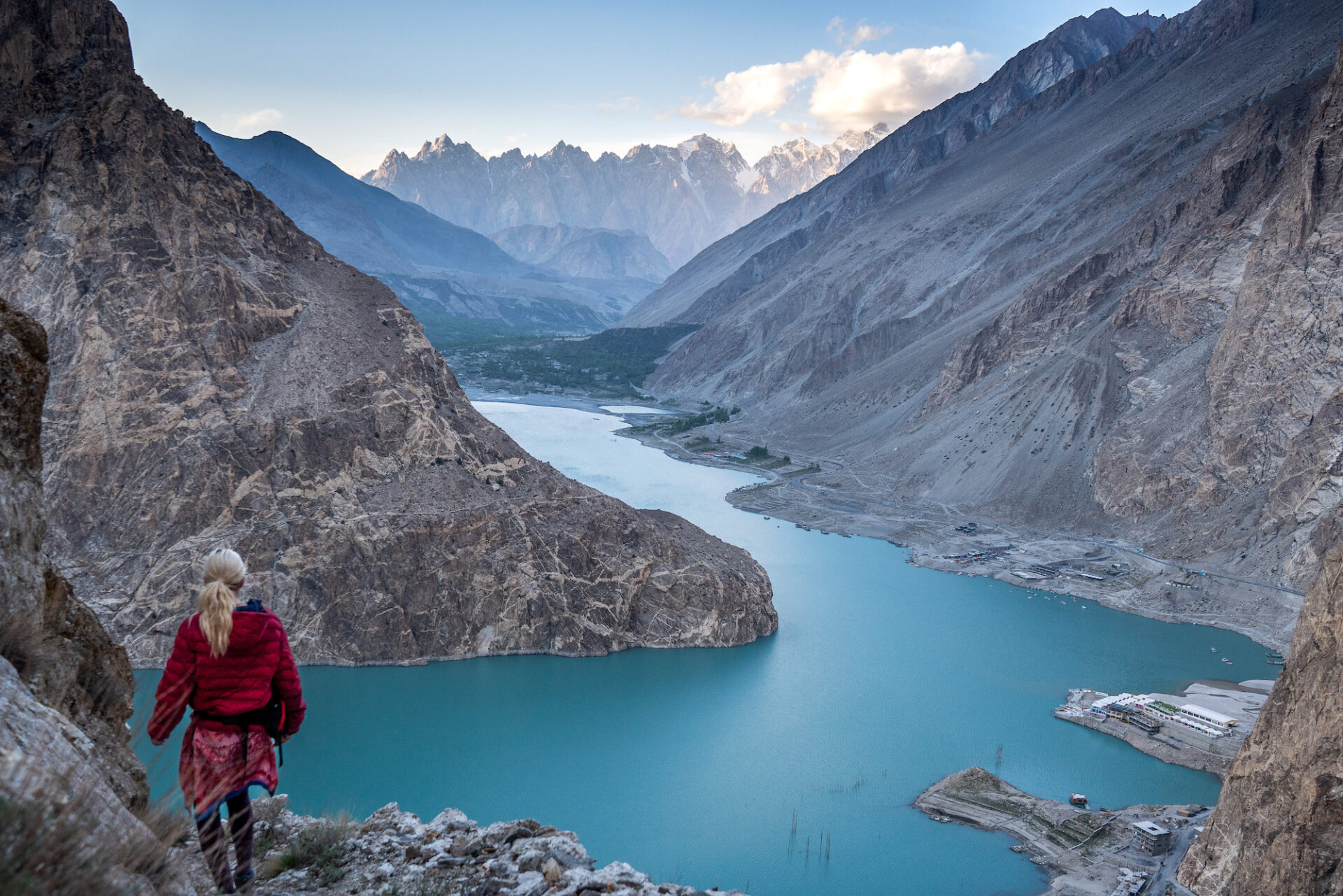
Tucked away in the rugged embrace of the mighty Karakoram mountain range in northern Pakistan lies Hunza Valley — a land where snow-capped peaks, turquoise lakes, and timeless traditions weave a mesmerizing tapestry. This remote valley, sitting at an altitude of approximately 2,500 meters (8,200 feet), has become one of Pakistan’s most iconic destinations, renowned not only for its jaw-dropping natural beauty but also for its rich cultural heritage and warm-hearted people. For centuries, Hunza remained shrouded in mystery, isolated from the rest of the world by towering mountains and treacherous routes. Today, it beckons travelers, adventurers, and cultural explorers from across the globe.
A Glimpse into the Past
Hunza’s history is as captivating as its landscape. Historically, it was a princely state under the British Raj, ruled by local Mirs (kings) who managed to maintain a degree of autonomy due to the valley’s strategic location along the ancient Silk Route. The valley served as a vital link between South and Central Asia, with traders and travelers passing through its challenging mountain passes. Many historians believe Hunza was influenced by various civilizations, from early Indo-Aryans to Tibetan and Chinese cultures, leaving a rich archaeological and cultural legacy that still echoes through its forts and folklore.
One of Hunza’s most fascinating aspects is its association with longevity. Locals have long been admired for their health, vitality, and extended lifespans, giving rise to legends of the “Shangri-La” — a mythical paradise of eternal youth. Though romanticized, these stories stem from real cultural practices centered around organic farming, clean glacial water, and active lifestyles, which continue to intrigue researchers and health enthusiasts.
Geography: Land of Giants
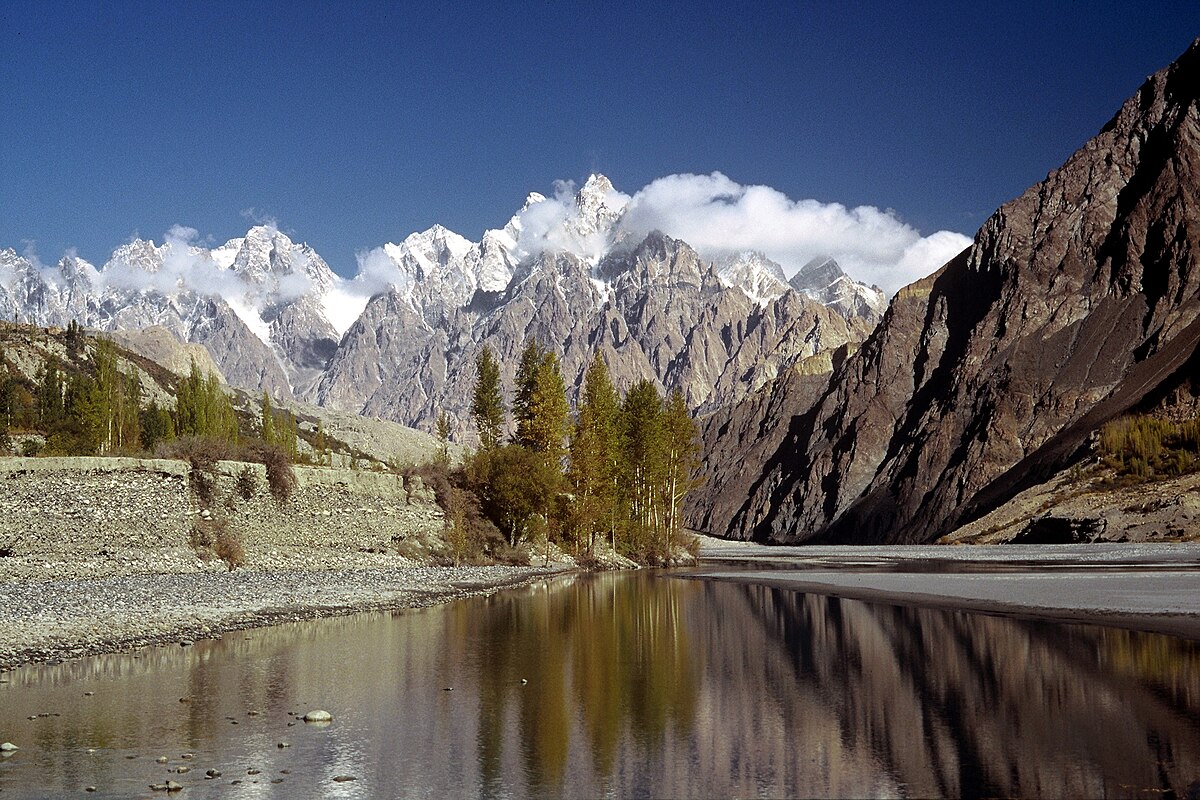
Geographically, Hunza is a marvel of nature. Located in the Gilgit-Baltistan region of Pakistan, the valley is surrounded by some of the world’s highest peaks, including Rakaposhi (7,788 meters), Ultar Sar, and Ladyfinger Peak. These majestic mountains serve as natural sentinels, standing guard over lush green meadows, dramatic river gorges, and picturesque villages scattered across the valley.
Hunza Valley is divided into three primary regions: Lower Hunza (Shinaki), Central Hunza (Karimabad), and Upper Hunza (Gojal). Each region offers a distinct experience. Lower Hunza is known for its historical settlements and agricultural beauty, Central Hunza for its iconic landmarks like Baltit and Altit forts, and Upper Hunza for its dramatic alpine scenery and access to Khunjerab Pass — the highest paved international border crossing in the world.
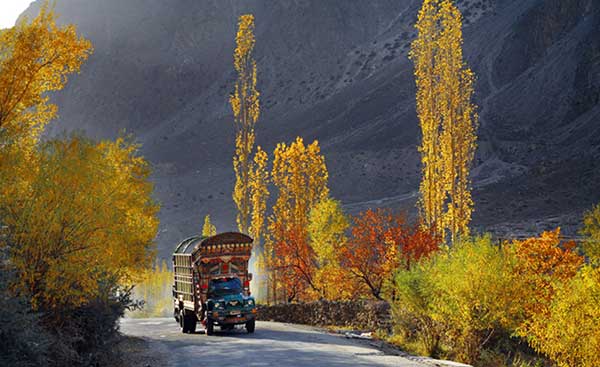
The Hunza River, fed by the melting glaciers of the Karakoram, winds through the valley, sustaining life and carving one of the most scenic landscapes in all of South Asia. In spring, the valley bursts into a riot of colors with apricot, cherry, and apple blossoms painting the hillsides, while autumn transforms it into a golden paradise with fiery foliage and crisp mountain air.
Cultural Significance: A Heritage of Harmony
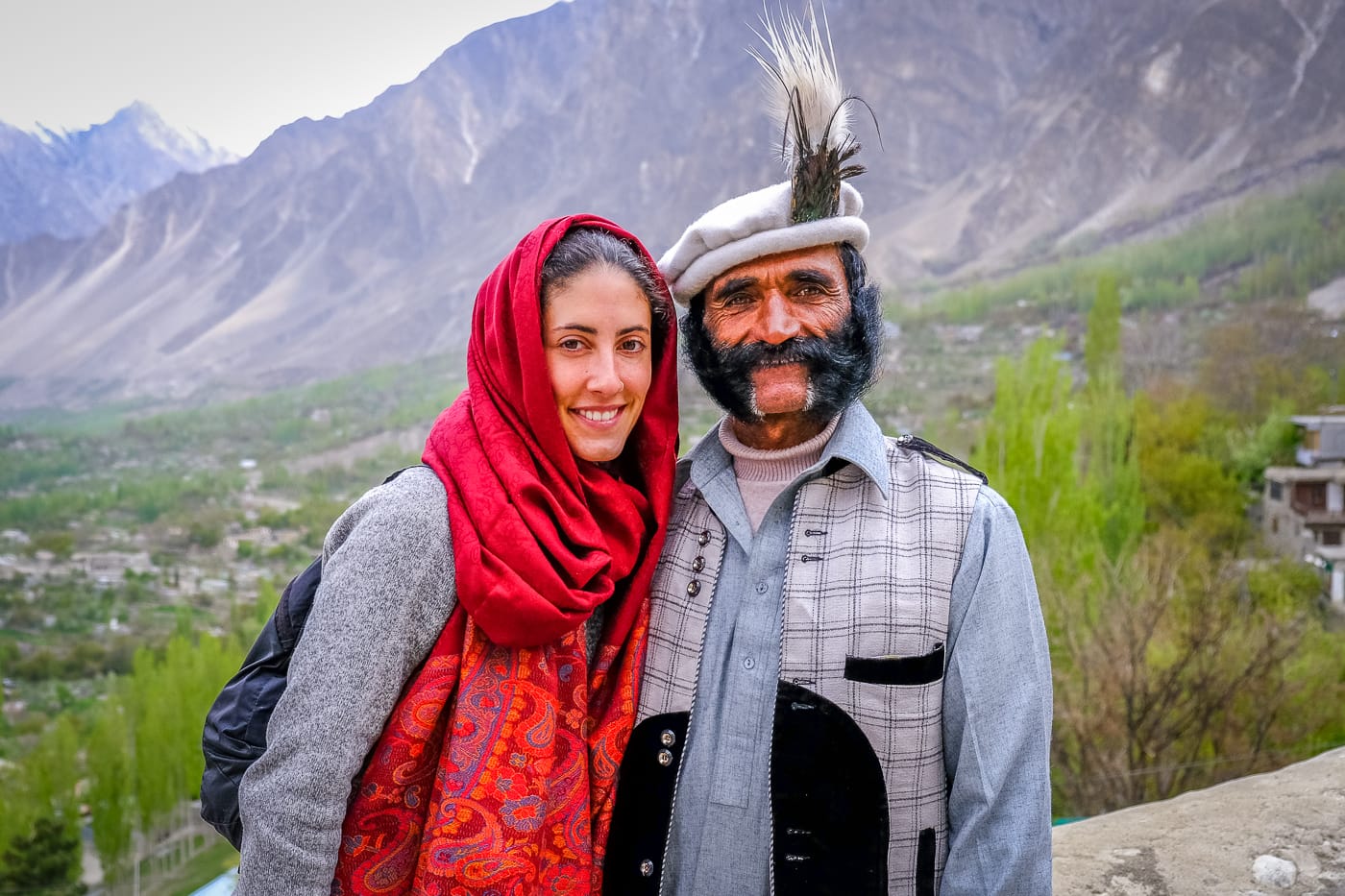
Hunza is not just about towering peaks and scenic views; it is equally defined by its people and culture. The majority of the population in Central and Upper Hunza are Ismaili Muslims who follow the spiritual leadership of His Highness the Aga Khan. This has fostered a culture of tolerance, education, and gender equality, setting Hunza apart from many other regions in Pakistan.
The people of Hunza are known for their hospitality, resilience, and progressive mindset. Education is highly valued, with one of the highest literacy rates in the country. Women play a visible role in society, running businesses, participating in community development, and contributing to the region’s thriving tourism industry.
The primary languages spoken in Hunza are Brushuski in Central Hunza, Wakhi in Upper Hunza, and Shina in Lower Hunza. However, many residents also speak Urdu and English, making it easier for travelers to communicate and immerse themselves in local culture.
Hunza’s cultural identity is further enriched by its traditional music, festivals, handicrafts, and culinary heritage. The valley celebrates several local festivals such as Ginani (harvest festival) and Nowruz (Persian New Year), where communities come together to perform traditional dances, prepare local delicacies, and pay homage to their ancestral roots.
Why Hunza is a Unique Travel Destination
Hunza offers an experience unlike any other in Pakistan. It seamlessly blends nature’s grandeur with cultural richness and a tranquil pace of life that’s hard to find in modern cities. Whether you are an adrenaline junkie eager to trek through mountain trails, a photographer chasing the golden glow of Rakaposhi at sunrise, or a cultural traveler fascinated by ancient forts and vibrant bazaars, Hunza has something to offer.
For solo travelers, it provides safety and a welcoming environment. For families, it offers peaceful retreats and meaningful cultural exchanges. For digital nomads, its serene backdrop and connectivity make it an emerging hub of slow travel and remote work. And for spiritual seekers, the valley’s serene environment, clean air, and simple living invite a journey inward.
In recent years, Hunza has also become a symbol of sustainable tourism. Locals are increasingly aware of preserving their environment and culture while offering authentic experiences to visitors. Many eco-lodges, homestays, and community-based tourism initiatives now enable travelers to contribute positively to the region they explore.
Hunza is not merely a destination — it is a feeling, an experience that stays with you long after you’ve left its valleys and peaks behind. The combination of history, culture, geography, and human warmth makes Hunza one of the crown jewels of Pakistan’s tourism landscape
How to Reach Hunza Valley: Your Complete Transportation Guide
Hunza Valley, nestled deep in the mountains of Gilgit-Baltistan, feels like a secluded paradise. Yet, getting there is far more achievable than many imagine. Thanks to recent improvements in infrastructure and growing tourism interest, travelers now have multiple options to access this once-remote destination. Whether you’re flying in from abroad or setting out on a road trip from within Pakistan, this guide covers every practical aspect of reaching Hunza with ease and confidence.
By Air: The Fastest Route to the North
Flying is the quickest and most convenient way to begin your journey toward Hunza. The nearest airport is Gilgit Airport (GIL), located approximately 100 kilometers from central Hunza (Karimabad). While Hunza itself does not have an airport, Gilgit is the main aerial gateway to the valley.
Domestic Flights:
-
From Islamabad: Pakistan International Airlines (PIA) operates regular daily flights between Islamabad and Gilgit. The flight duration is around 45–60 minutes, offering breathtaking views of the Himalayas and Nanga Parbat, weather permitting.
-
Flight Considerations: These flights are highly dependent on weather conditions, and cancellations or delays are common, especially in winter and monsoon seasons. Always book a flexible ticket and keep backup plans ready.
Getting from Gilgit to Hunza:
-
After landing at Gilgit Airport, travelers can hire a private car, take a shared van, or use local minibus services (Hiace) to reach Hunza.
-
The journey from Gilgit to Karimabad takes around 2.5 to 3.5 hours, depending on road conditions and traffic.
By Road: A Scenic Adventure via the Karakoram Highway
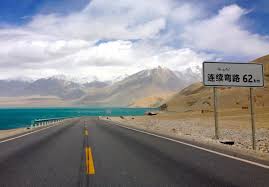
If you’re seeking adventure, traveling by road is an experience in itself. The legendary Karakoram Highway (KKH), often dubbed the “Eighth Wonder of the World,” connects Islamabad to Hunza through winding mountain passes, deep gorges, and river valleys. It is one of the most scenic and thrilling drives in the world.
Route Overview:
-
Start Point: Islamabad or Rawalpindi
-
Main Route: Islamabad – Abbottabad – Mansehra – Besham – Dassu – Chilas – Gilgit – Hunza
-
Total Distance: Approximately 600 to 700 kilometers
-
Travel Time: 18–24 hours (depending on the stopovers and road conditions)
Alternate Route via Babusar Pass (Seasonal):
-
Islamabad – Naran – Babusar Top – Chilas – Gilgit – Hunza
-
This route is only open from June to October and cuts several hours from the journey.
-
It’s extremely scenic, with highlights like Lulusar Lake, Jalkhad, and the dramatic climb to Babusar Top.
Transport Options for Road Travel:
-
Private Car:
-
Offers flexibility, comfort, and the chance to stop for sightseeing or photography.
-
Ideal for families or groups.
-
Recommended for confident drivers only due to narrow roads and sharp bends.
-
-
Tour Packages:
-
Multiple travel agencies offer group tours to Hunza from Islamabad and Lahore.
-
These packages include transportation, accommodation, and guided tours.
-
-
Bus and Van Services:
-
NATCO (Northern Areas Transport Corporation): Offers regular buses and deluxe vans from Rawalpindi to Gilgit and Hunza.
-
Silk Route Movers and Mashabrum Tours also offer direct routes from major cities to Hunza.
-
These buses are affordable and relatively comfortable, though they take longer due to frequent stops.
-
-
Ride Sharing & Co-Traveler Groups:
-
Social media groups and travel forums often connect solo travelers looking to share costs on fuel and transport.
-
Apps like BlaBlaCar or Facebook travel groups in Pakistan can help find companions.
-
From Skardu (Alternative Northern Route):
If you are already traveling within Gilgit-Baltistan and wish to visit multiple locations, you can reach Hunza from Skardu, though this is a long and rugged journey.
-
Skardu to Hunza Distance: 350+ km
-
Travel Time: 10–12 hours (via Gilgit)
-
Roads are scenic but can be tough; a 4×4 vehicle is highly recommended.
Private vs. Public Transport: What to Choose?
| Transport Mode | Ideal For | Pros | Cons |
|---|---|---|---|
| Private Car/Jeep | Families, groups, photographers | Flexibility, comfort, privacy | Expensive, requires experienced driver |
| Tour Packages | First-time travelers, families | Hassle-free, guided experience | Fixed itinerary |
| Public Bus (NATCO etc.) | Budget travelers, solo visitors | Affordable, safe | Longer travel time |
| Flights to Gilgit | Time-sensitive travelers | Fastest option | Unpredictable cancellations |
Suggested Itinerary (Islamabad to Hunza)
-
Day 1: Depart Islamabad early, overnight stay in Chilas or Naran.
-
Day 2: Continue toward Gilgit, then reach Hunza by evening.
-
Optional: Take a direct flight to Gilgit, then drive to Hunza on the same day.
Hunza Valley is remote, but its increasing accessibility is helping it emerge as one of the most visited gems of Pakistan. Whether you choose to soar over the mountains or wind through them by road, the journey to Hunza is more than just transportation — it’s an unforgettable part of the experience. Every curve of the highway, every panoramic stop, and every warm encounter on the road sets the tone for the magical adventure that awaits in Hunza.
Famous Destinations in Hunza Valley
Baltit Fort: The Timeless Sentinel of Hunza
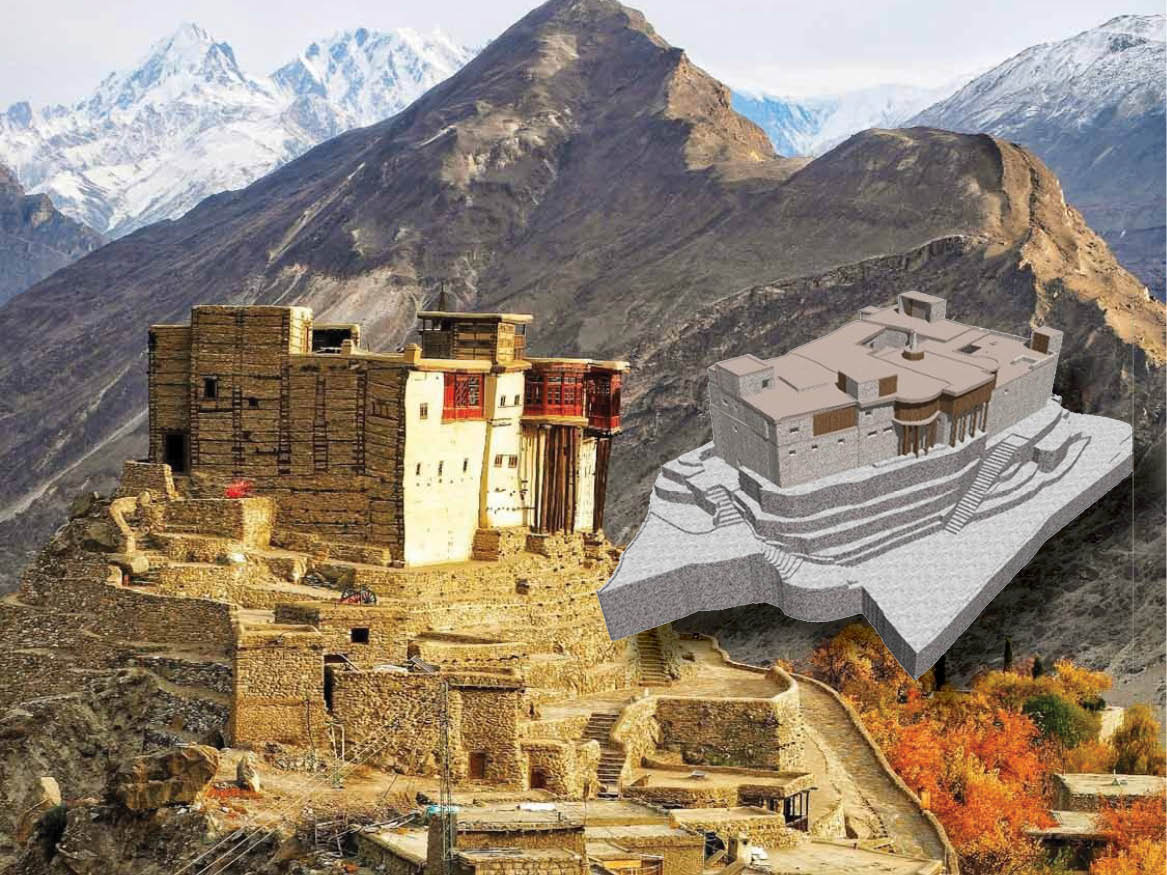
Perched dramatically on a natural stone platform overlooking Karimabad, Baltit Fort is a symbol of Hunza’s rich heritage and resilience. With over 700 years of history etched into its wooden beams and stone foundations, this majestic fort stands as a proud testimony to the valley’s royal legacy, architectural brilliance, and strategic significance in the ancient Silk Road era.
Historical Significance
Baltit Fort was originally constructed in the 8th century CE, heavily influenced by Tibetan architecture, especially that of the Potala Palace in Lhasa. The fort served as the royal residence of the Mirs (kings) of Hunza for centuries. Due to its commanding location, it played a vital defensive role in safeguarding the region against invaders and maintaining the sovereignty of the Hunza Kingdom.
Its long, colorful history is interwoven with tales of power, warfare, and diplomacy. It was here that Hunza rulers plotted their military strategies, received foreign envoys, and engaged in trade negotiations along the Silk Route. After the fort was abandoned in the 1940s, it began to decay, until the Aga Khan Trust for Culture intervened with a meticulous restoration project completed in 1996. Today, it’s listed among UNESCO World Heritage tentative sites.
Architecture and Layout
The fort is a fascinating fusion of Tibetan, Kashmiri, and Balti architectural styles, constructed using local materials like wood, mud, and stone. The lower levels are solid and robust, while the upper stories feature elaborately carved wooden balconies that offer panoramic views of Rakaposhi, Diran Peak, and the entire Hunza Valley.
Inside, the fort is a maze of corridors, watchtowers, royal chambers, prisons, weapon rooms, and communal gathering areas. The museum housed within displays rare artifacts, photographs of Hunza royalty, antique weapons, manuscripts, and jewelry — each item narrating a piece of Hunza’s story.
Visiting Experience
Visitors to Baltit Fort are often awed by its commanding presence and the sweeping views it offers. The guided tours provide deep insights into Hunza’s past, while the surrounding cobbled streets of Karimabad enhance the fort’s fairytale-like setting. Don’t miss the wooden balconies at sunset — the valley turns golden, and the silence is soul-stirring.
The entrance fee is modest, and the funds contribute to the fort’s maintenance. Local guides, usually multilingual, are well-versed in the region’s history and cultural context.
Traveler Tips:
-
Best visited during daylight for the full guided experience.
-
A moderate uphill walk from Karimabad Bazaar is required.
-
Carry water, especially in summer months.
-
Photography is allowed in most areas.
Altit Fort: Cradle of Hunza’s Civilization
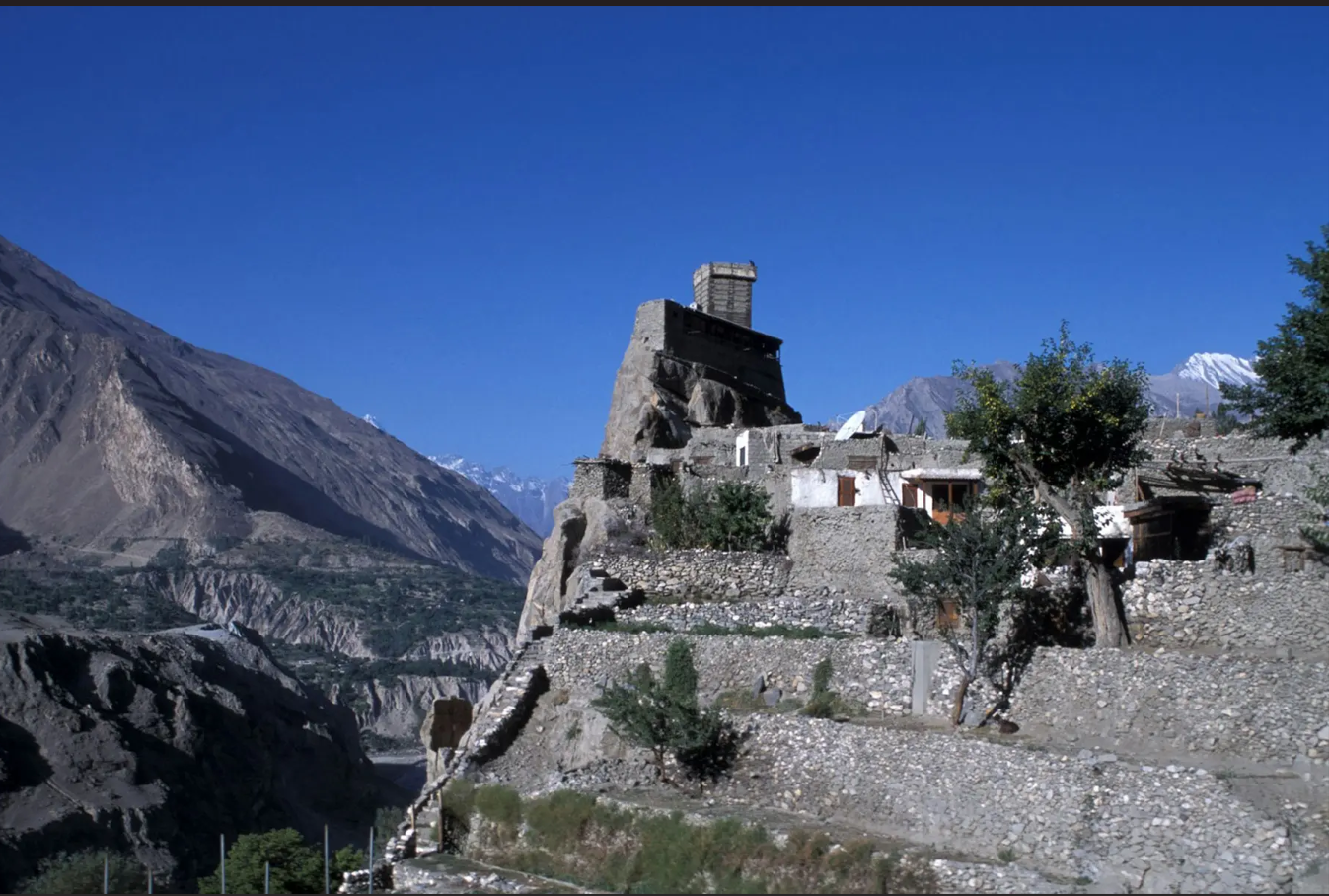
Just 3 kilometers downhill from Baltit Fort lies the Altit Fort, one of the oldest standing monuments in the region — estimated to be around 900 years old. Overlooking the Hunza River and the deep gorge below, Altit Fort is more than just a stone structure; it’s a living embodiment of the valley’s ancestral past, cultural wisdom, and survival through centuries of change.
Origins and Strategic Importance
Built by the ruling family of Hunza to protect against external threats and to exert control over the local population, Altit Fort is believed to have been the first residence of the Mirs before Baltit Fort was constructed. According to legend, it was a wedding gift from a Balti prince to a Hunza princess, signifying the long-standing cultural and political connections between the regions.
Its positioning on the edge of a cliff was no accident. This made it a formidable lookout post for monitoring movements along the river and nearby trails. Its high towers provided both shelter and surveillance, making Altit a crucial strategic location for centuries.
Restoration and Cultural Rebirth
Like Baltit Fort, Altit was also on the verge of collapse when it was restored by the Aga Khan Trust for Culture in the early 2000s. The restoration preserved its authenticity while converting the fort into a cultural center and community space. The adjacent Altit settlement, known as Ganesh Village, is a UNESCO-recognized heritage site and among the oldest continually inhabited places in Central Asia.
The fort’s museum rooms feature royal artifacts, antique kitchen utensils, historic maps, and ancient weapons. What makes Altit particularly special is its serene garden — the Altit Kha Basi Garden — where visitors can relax among cherry and apricot trees while enjoying tea and traditional snacks.
Architectural Highlights
Altit Fort’s architecture is more raw and compact than Baltit’s. It uses thick timber logs, mud-plastered stone walls, and low entryways that were once used to defend against invasions. The inner chambers remain cool even in the summer and are eerily quiet — perfect for absorbing the echoes of a forgotten era.
The top-level tower, where the ruling family once held court, offers a breathtaking view of the river below, the mountains of Nagar across the valley, and the snow-capped peaks in the distance.
Why Visit Altit Fort?
-
It offers a more intimate and authentic experience of Hunza’s early history.
-
The area around the fort is less commercial and rich with local interactions.
-
You can explore Ganesh Village, one of the oldest neighborhoods in the region.
Traveler Tips:
-
Best combined with a visit to Baltit Fort on the same day.
-
Local women often manage the ticketing and garden café — a great way to support community empowerment.
-
Guided tours are available and highly recommended.
-
Visit in the morning or late afternoon for best light and cooler weather.
Attabad Lake: A Tragedy Turned into a Turquoise Wonder
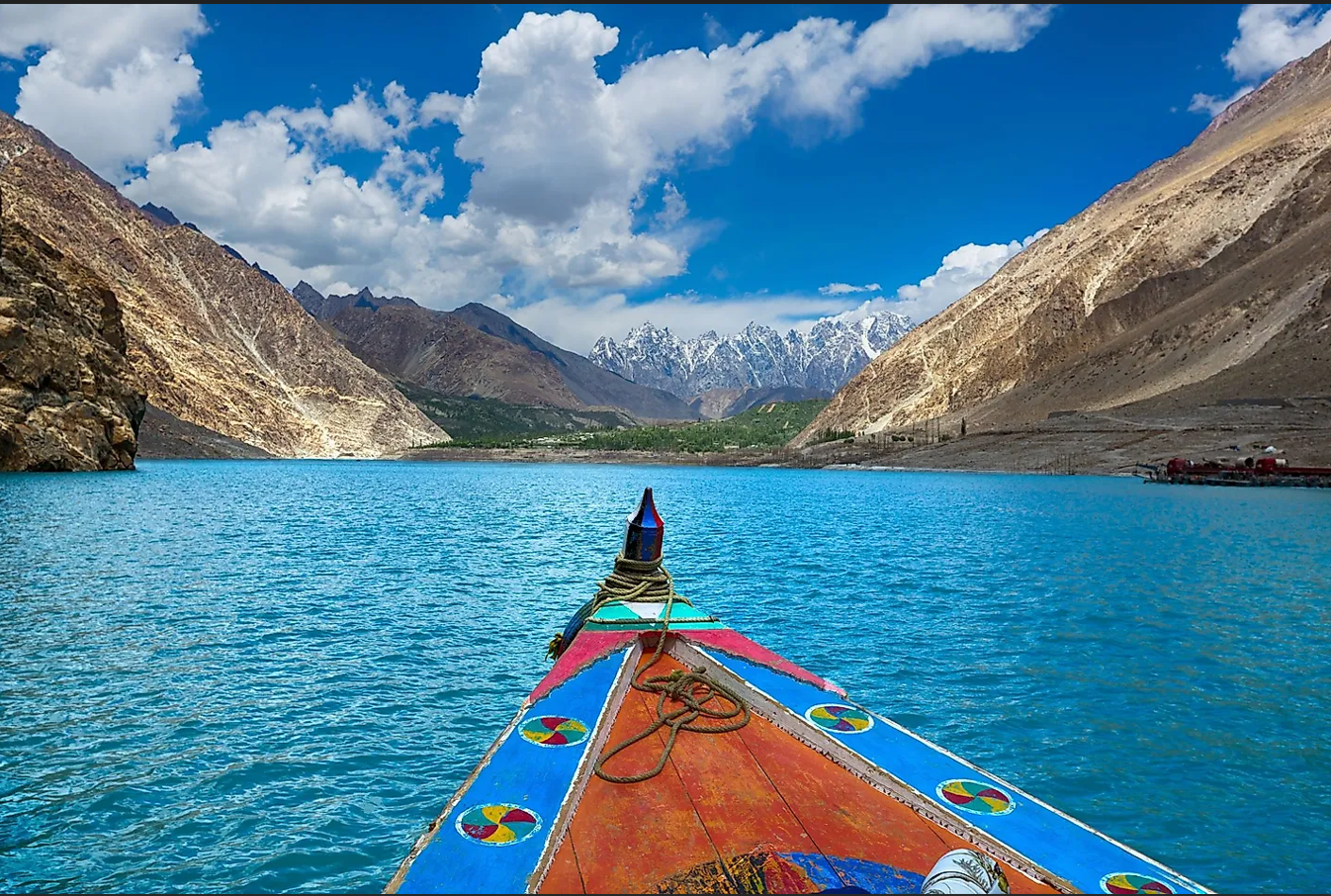
Attabad Lake, with its surreal turquoise waters and dramatic cliffs, is one of the most breathtaking sights in Hunza. Formed in January 2010 after a massive landslide blocked the Hunza River, this lake is a remarkable example of nature’s power and resilience. What started as a devastating natural disaster has since become one of Pakistan’s most visited and photographed tourist attractions.
How It Was Formed
The Attabad landslide was one of the most catastrophic in Hunza’s history. A massive chunk of mountain collapsed, killing 20 people and blocking the Hunza River. As the water backed up behind the debris, it submerged several villages, including Ainabad, Shishkat, and parts of Gulmit. More than 6,000 residents were displaced, and the Karakoram Highway — Pakistan’s main road to China — was cut off.
What emerged, however, was a stunning 21-kilometer-long lake with pristine blue-green water surrounded by steep cliffs and towering peaks. Over time, the government and local communities rebuilt infrastructure, and Attabad Lake was transformed into a thriving tourist hub.
Things to Do at Attabad Lake
Attabad is a paradise for nature lovers, couples, and adventurers alike. The lake offers a range of activities:
-
Boating and Jet Skiing: Glide across the glassy water or rev up your adrenaline with a thrilling ride.
-
Fishing and Angling: Enjoy peaceful fishing in the early morning hours.
-
Luxury Glamping: Stay in lakeside glamping resorts that offer stunning sunrise and sunset views.
-
Photography: The reflections of the rugged cliffs on the lake’s surface make for award-worthy travel photos.
Accommodation and Facilities
A number of resorts and boutique hotels have opened around the lake in recent years. Some popular choices include Luxus Hunza, Hard Rock Hunza Resort, and Serena Altit Inn. These accommodations offer comfortable stays with direct lake views, fireplaces, and warm local hospitality.
There are also small cafés and food stalls that serve fresh trout, local snacks like Chapshuro, and piping-hot tea with panoramic views of the water.
Traveler Tips:
-
The lake is freezing cold year-round, so swimming is not recommended.
-
Visit in spring or summer for the most vibrant lake color.
-
Early morning light is best for photos; avoid midday glare.
-
Mobile signals are limited — enjoy being unplugged!
Passu Cones: The Crown Jewels of Upper Hunza
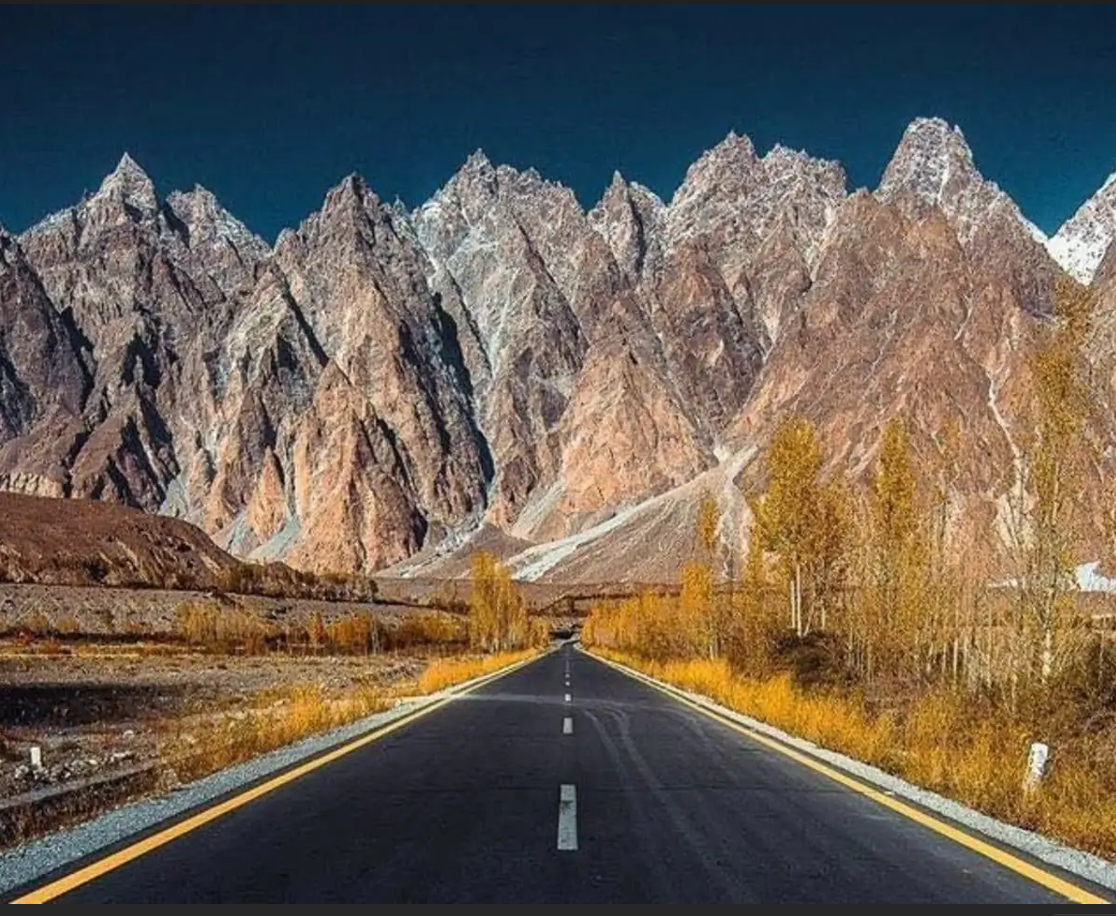
Driving along the Karakoram Highway past Gulmit, you’ll suddenly find yourself face-to-face with the Passu Cathedral, or more commonly, the Passu Cones — jagged, vertical peaks that slice dramatically into the sky. These iconic rock formations are among the most photographed natural landmarks in Pakistan, and they truly live up to their awe-inspiring reputation.
Geological Marvel
The Passu Cones are part of the Passu Massif, located in Upper Hunza (Gojal Valley). These pinnacles, known for their unusual pointed shapes and golden-gray hues, are made up of granite and sedimentary rock formed over millions of years due to glacial activity and tectonic forces. Their stark rise from the valley floor without any lower rolling hills makes them appear even more dramatic and photogenic.
Standing beneath these jagged spires, one can’t help but feel tiny — a reminder of the raw, untamed power of nature. They’re part of the Batura Muztagh, a subrange of the Karakoram Mountains.
Scenic Surroundings and Accessibility
You don’t need to trek far to admire the Passu Cones. The view is easily accessible by road and is clearly visible from the Karakoram Highway itself. A number of scenic cafés and roadside spots — like Yak Grill, Passu Café, and Glacier Breeze — offer the perfect setting for a meal or tea with a million-dollar view.
Nearby attractions include:
-
Passu Glacier: A short hike leads you to this beautiful, creaking glacier at the base of the cones.
-
Borith Lake: A tranquil lake ideal for birdwatching and peaceful walks.
-
Hussaini Suspension Bridge: Often dubbed one of the most dangerous bridges in the world — it’s thrilling and very close by.
Trekking and Adventure
For adventure seekers, Passu offers multiple short treks and day hikes:
-
Passu Glacier Viewpoint Hike (2–3 hours)
-
Passu to Borith Trek (easy and scenic)
-
Passu to Shimshal Trek (for experienced trekkers only)
The region is also popular for rock climbing, ice climbing, and photography expeditions, especially during autumn when the foliage contrasts vividly with the cones’ granite gray.
Local Culture
The area is home to the Wakhi-speaking community. These villagers are known for their unique customs, vibrant festivals, and incredible hospitality. Don’t be surprised if you’re invited in for tea — it’s a cultural norm that often leads to heartfelt conversations and learning about life in the highlands.
Traveler Tips:
-
Dress in layers — weather shifts quickly in the highlands.
-
Stay in Passu Village or nearby Gulmit for easy access and authentic experiences.
-
Best time to visit: May to October
-
Bring binoculars or a zoom lens — the peaks are massive and distant.
Khunjerab Pass: The Highest Border Crossing in the World
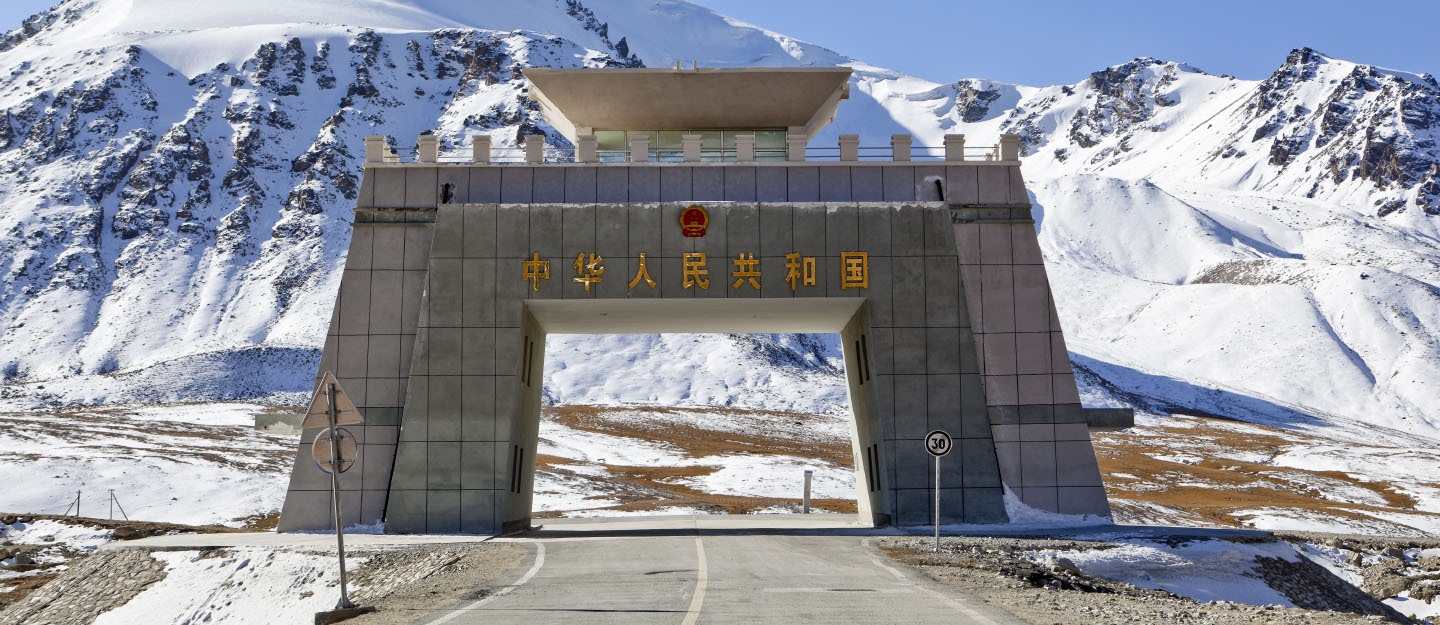
Rising to a staggering elevation of 4,693 meters (15,397 feet) above sea level, Khunjerab Pass is not only a vital geographical landmark but also a profound symbol of international connectivity between Pakistan and China. Located in Upper Hunza’s Gojal region, Khunjerab is the highest paved international border crossing in the world and marks the end of the legendary Karakoram Highway (KKH).
Gateway to China
Khunjerab Pass serves as the official border between Pakistan’s Gilgit-Baltistan and China’s Xinjiang province. The road that leads here is part of the China-Pakistan Economic Corridor (CPEC) and serves as a significant trade and tourism link. On the Pakistani side, the area is protected under the Khunjerab National Park, while the Chinese side features a modern immigration complex and customs checkpoint.
Although the border crossing is functional for trade and official travel, tourists are not allowed to cross into China from here without proper documentation and pre-approved visas. Nonetheless, visitors can approach the border gate, take photos with the iconic stone arch that marks the end of Pakistan’s territory, and even interact with Chinese tourists through the gates during busy seasons.
Scenic Marvel and Wildlife Zone
Getting to Khunjerab is an adventure in itself. The route from Sost to Khunjerab (approximately 85 km) takes you through stark alpine deserts, rolling plains, and snow-covered terrain. The drive is surreal, with sudden drops in temperature, yak herds grazing along the roads, and the chance to spot rare wildlife like Marco Polo sheep, snow leopards, and ibex — especially if you’re lucky and traveling in the early morning or late afternoon.
The Khunjerab National Park is one of Pakistan’s largest high-altitude wildlife parks. Nature lovers will enjoy the vast openness of this area, where even the sky seems bigger. The silence, broken only by wind or distant marmots, is a spiritual experience.
Travel Tips:
-
Open to tourists from May to November (closes in winter due to snow).
-
Dress warmly — even in summer, the temperature can fall below freezing.
-
Carry snacks, water, and extra fuel — the route has no shops after Sost.
-
Altitude sickness can occur — hydrate and ascend gradually.
Eagle’s Nest Viewpoint: The Best Panoramic View in Hunza
Located above the Duikar village, the Eagle’s Nest Viewpoint is one of the most iconic and accessible spots for soaking in a 360-degree view of Hunza’s majestic mountain ranges. At an elevation of ~2,850 meters, this natural balcony offers unmatched sunrise and sunset views of some of the tallest peaks in the region.
Mountains in Every Direction
From the viewpoint, you can see an incredible lineup of peaks, including:
-
Ultar Sar (7,388 m)
-
Ladyfinger Peak (6,000 m)
-
Rakaposhi (7,788 m)
-
Diran Peak
-
Golden Peak (Spantik) in the far distance
The magical sight of Rakaposhi glowing golden at sunrise or being bathed in pink hues during sunset is something travelers remember for a lifetime. The dramatic depth of the Hunza Valley below adds to the spectacle, making this spot a photographer’s dream.
Accommodation and Access
Eagle’s Nest is accessible via a 20–30 minute drive from Karimabad. The road is steep but paved, and 4×4 vehicles or local jeeps are readily available. The viewpoint is named after the Eagle’s Nest Hotel, a well-known resort perched right at the cliff’s edge. Even if you’re not staying overnight, you can visit the hotel for a meal, a cup of tea, or simply to enjoy the viewing decks.
For budget travelers, Duikar village offers smaller homestays and guesthouses, where you can stay with locals and enjoy authentic meals with panoramic backdrops.
Ideal Activities
-
Sunrise and Sunset Photography: Bring a tripod — the golden hour here is legendary.
-
Stargazing: Minimal light pollution makes it an ideal place for astrophotography.
-
Tea with a View: Enjoy a hot cup while watching eagles soar above the valley.
-
Short Hikes: Trail walks around the ridge offer secluded views and peace.
Why It’s Called Eagle’s Nest
The viewpoint is named after the eagles that frequently nest and soar in this high-altitude area. It’s common to spot these majestic birds gliding gracefully with the thermals, adding to the mystical aura of the place.
Traveler Tips:
-
Best visited early in the morning or around 5 PM for golden lighting.
-
Bring a jacket even in summer — evenings get chilly.
-
Book a window-side table in the café well in advance during peak season.
Hussaini Suspension Bridge: Dare to Cross One of the World’s Most Dangerous Bridges
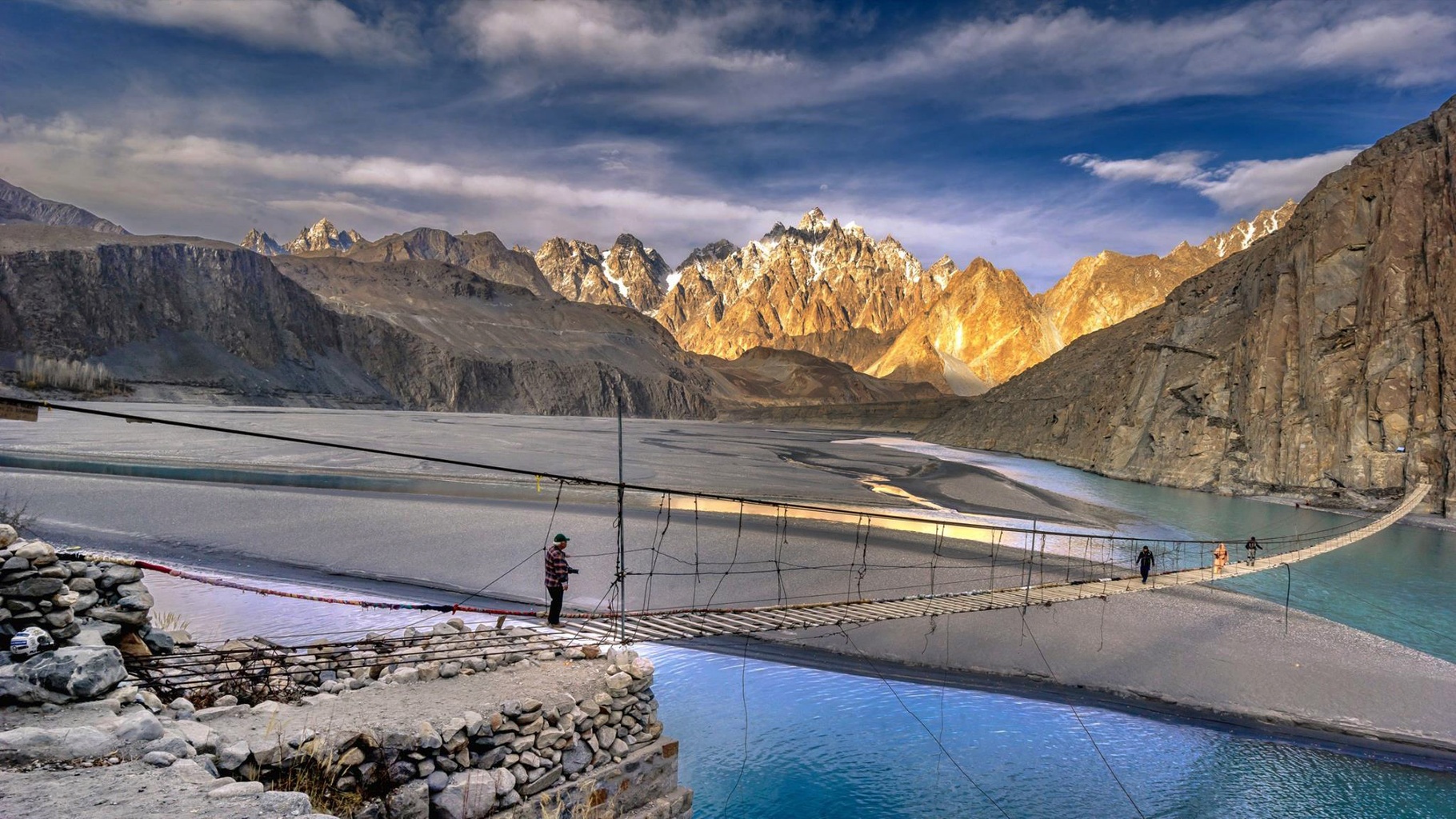
High above the Hunza River, suspended between two rocky cliffs, swings the iconic Hussaini Suspension Bridge — often referred to as one of the most dangerous bridges in the world. Located in Upper Hunza (Gojal Valley) near the village of Hussaini, this bridge is not for the faint of heart. With widely spaced wooden planks, swaying cables, and gushing waters below, it offers both a thrilling test of courage and a unique glimpse into local mountain life.
A Lifeline for Locals
Built by the local community, the bridge was never intended to become a tourist attraction. For decades, it served as a lifeline for villagers, connecting Hussaini to Zarabad across the river. Although other bridges have since been constructed for safer passage, the original bridge still stands — now famous worldwide for its precarious look and heart-pounding crossing experience.
Despite its reputation, the bridge is regularly maintained and relatively safe when used cautiously. The distance between the wooden planks and the strong winds that whistle through the valley give it a terrifying appearance, but it remains functional and structurally sound.
Adventure Tourism at its Peak
Crossing the Hussaini Suspension Bridge is one of the top adrenaline-pumping activities in Hunza. It takes about 15 to 20 minutes to cross, depending on your pace and nerves. For those who manage to make it across, the reward is breathtaking views of Passu Cones, the Hunza River, and surrounding glaciers.
Even if you choose not to cross, the area is scenic and peaceful, perfect for photography or enjoying local snacks from small tea stalls nearby.
Photography Tip:
Capture the entire span of the bridge with Passu Cones in the backdrop for a truly iconic shot.
Safety Tips:
-
Wear good grip shoes.
-
Don’t cross during rain or strong winds.
-
Hold the side cables at all times.
-
Avoid overcrowding — only a limited number of people should cross at once.
Nearby Attractions:
-
Passu Glacier
-
Borith Lake (reachable by hike or vehicle)
-
Hussaini Village — known for its friendly Wakhi-speaking locals and apple orchards
Karimabad Valley: The Heart and Soul of Hunza
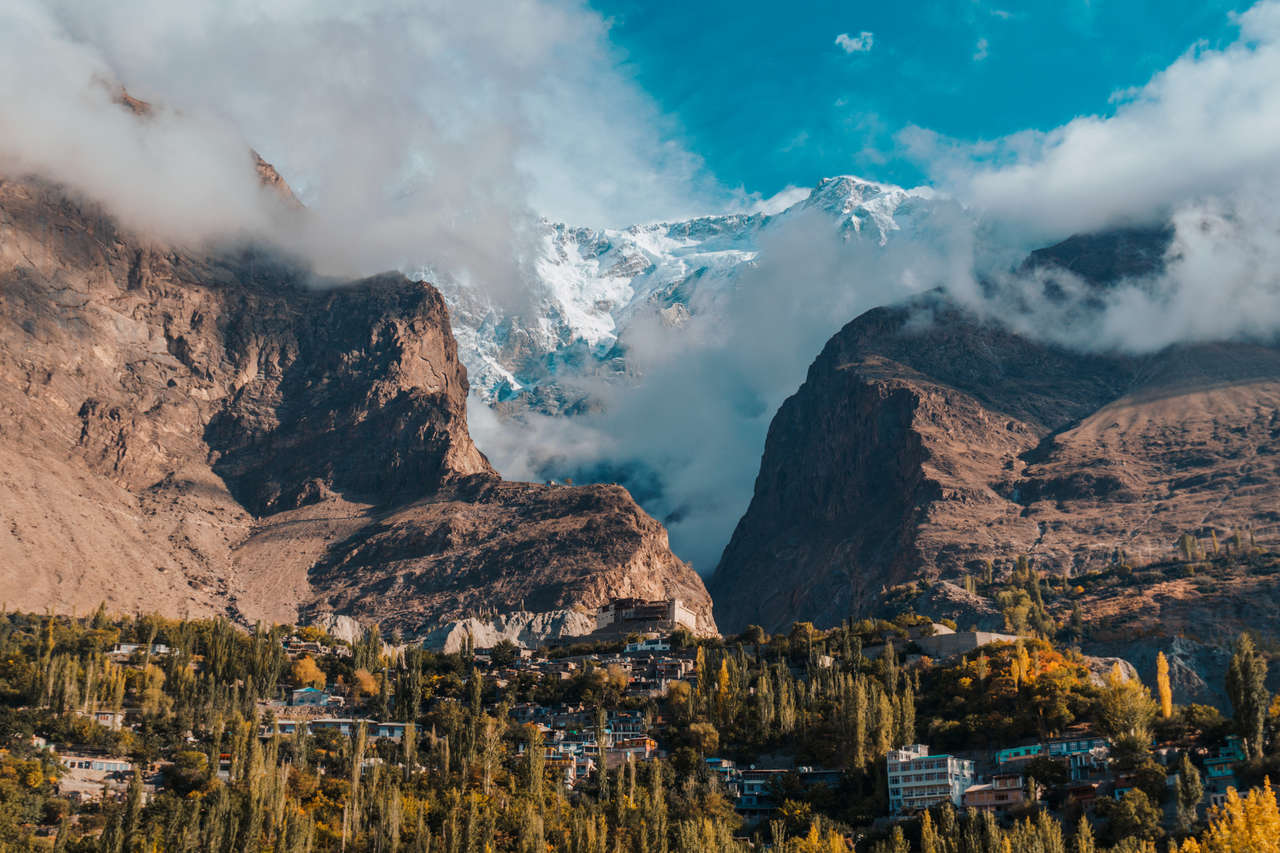
When people think of Hunza, the first place that usually comes to mind is Karimabad — a charming hilltop town surrounded by snow-capped peaks and lush terraced fields. Located in Central Hunza, Karimabad is the cultural, economic, and touristic heart of the region. It’s the perfect blend of scenic beauty, historic landmarks, and warm hospitality, making it an ideal base for exploring the valley.
A Town Steeped in History
Karimabad was once the capital of the Hunza State and home to the royal family. Today, the area is known for its two famous forts — Baltit and Altit, which dominate the skyline. These historical sites not only offer insight into Hunza’s rich past but also provide unmatched views of the surrounding landscape.
Walking through the narrow cobblestone streets, you’ll discover traditional stone houses, artisan shops, bakeries, and small cafés — all set against the dramatic backdrop of Rakaposhi and Ultar Sar.
Markets and Local Life
The Karimabad Bazaar is the best place to experience daily life in Hunza. Here you’ll find:
-
Locally made handicrafts
-
Semi-precious gemstones like aquamarine and garnet
-
Embroidered caps, woolen shawls, and handmade jewelry
-
Traditional dried fruits, herbal teas, and organic honey
You’ll also meet locals who are proud of their heritage and happy to share stories of Hunza’s customs, festivals, and family traditions.
Educational and Social Progress
Karimabad is also a symbol of modern progress in a traditional setting. With one of the highest literacy rates in Pakistan, the town is home to well-established schools, community centers, and institutions supported by the Aga Khan Development Network. The emphasis on education and gender equality is evident — you’ll see women running shops, guiding tours, and participating actively in the economy.
Things to Do in Karimabad:
-
Visit Baltit and Altit Forts
-
Watch the sunrise from the Hunza View Point
-
Enjoy fresh apricots, mulberries, or cherries in season
-
Attend a traditional music performance or cultural gathering
-
Explore local cafés like Cafe de Hunza, known for its walnut cake and views
Where to Stay
Karimabad offers a variety of accommodations — from budget guesthouses and family-run inns to mid-range and luxury hotels. Most places provide stunning mountain views, Wi-Fi, and warm local meals.
Traveler Tips:
-
Book accommodations in advance during summer and autumn.
-
Walk as much as possible — the narrow roads are best explored on foot.
-
Don’t miss golden hour for photography — the town glows under the setting sun.
Shimshal Lake: The Hidden Jewel of Upper Hunza
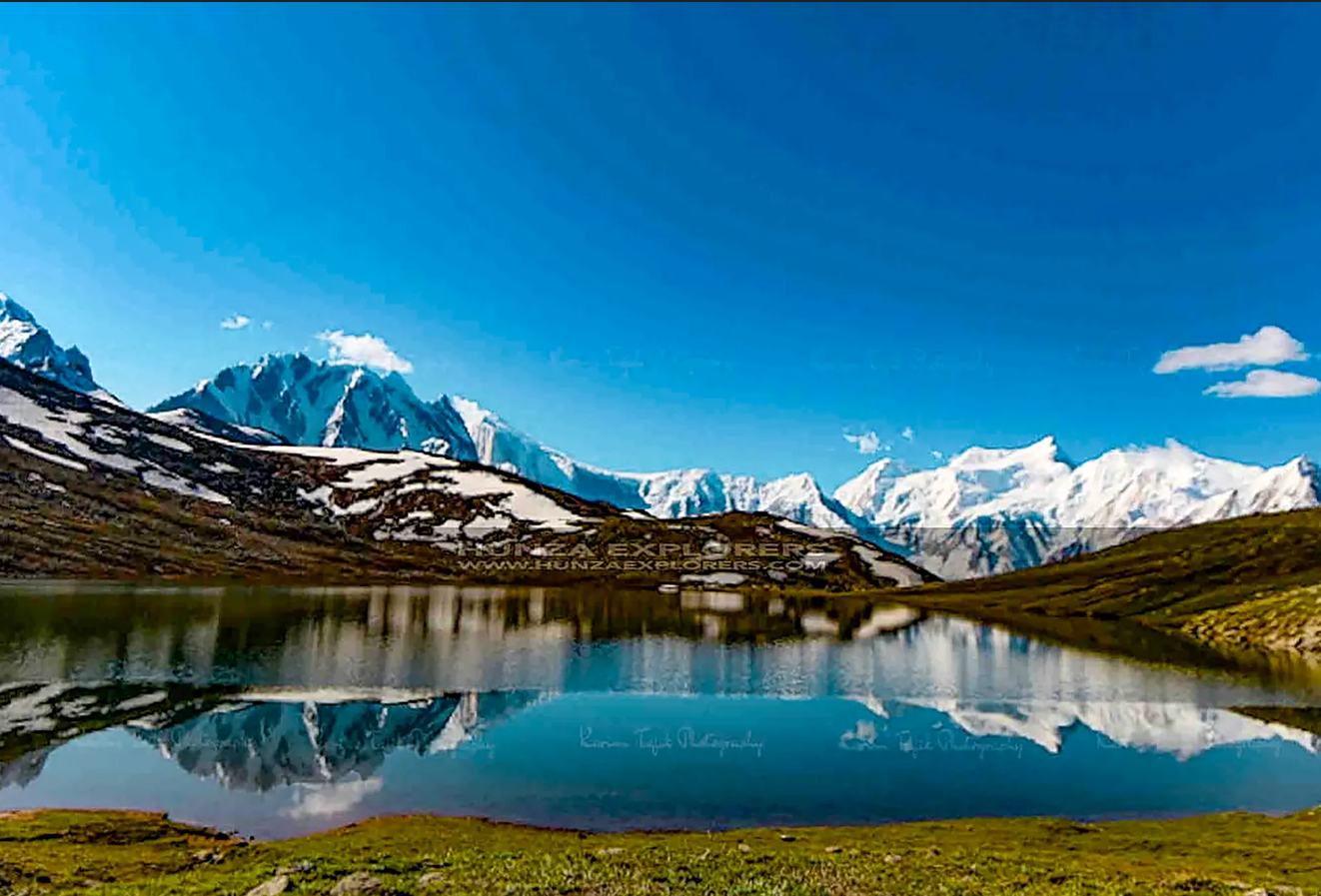
Tucked away in one of the most remote corners of Hunza, Shimshal Lake is a pristine alpine treasure that few travelers ever reach. Located in the Shimshal Valley, this glacier-fed lake rests at an elevation of over 4,100 meters, surrounded by snow-capped peaks and untouched wilderness. It’s an off-the-beaten-path paradise for serious trekkers and adventure lovers.
Getting There: A Journey of Endurance and Reward
Shimshal Lake can only be reached via the Shimshal Valley trek, which begins near Passu and stretches through dramatic gorges, suspension bridges, and pastoral landscapes. It typically takes 4–5 days of trekking from Shimshal village to the lake. The route is challenging and suited for experienced hikers, but the journey is a reward in itself—filled with yak herders’ camps, roaring rivers, and silence broken only by nature.
Why Visit Shimshal Lake?
-
Raw, Unspoiled Beauty: The lake reflects the mighty Minglik Sar (6,050 m) and Distaghil Sar, with wildflowers and glaciers all around.
-
Rich Cultural Immersion: Shimshalis are known for their resilience and unique lifestyle. You’ll often be invited into local homes or shepherd huts for tea or a hot meal.
-
Perfect for High-Altitude Camping: Set up your tent beside the turquoise lake, breathe in the crisp air, and wake up to a panoramic sunrise over the Karakoram.
Trek Highlights
-
Shujerab River Crossing: A glacial river that tests your grit and balance.
-
Yazgil Glacier: A spectacular white expanse en route to the lake.
-
Yak Encounters: Local herders still use yaks and goats for transportation and milk.
-
Chopan Huts: Traditional stone shelters that serve as resting stops for shepherds and trekkers.
Tips for Trekkers
-
Acclimatize properly; altitude sickness is a real risk.
-
Go with a certified local guide—trails can be confusing and isolated.
-
Carry purification tablets and enough food for 5–7 days.
-
Ideal months: July to early September when trails are snow-free.
Shimshal Lake isn’t just a destination—it’s a testament to nature’s raw power and isolation. It’s not for the faint of heart, but for those who dare, it’s a soul-stirring experience.
Kalamdarchi Fort: The Forgotten Bastion of the Wakhan Corridor
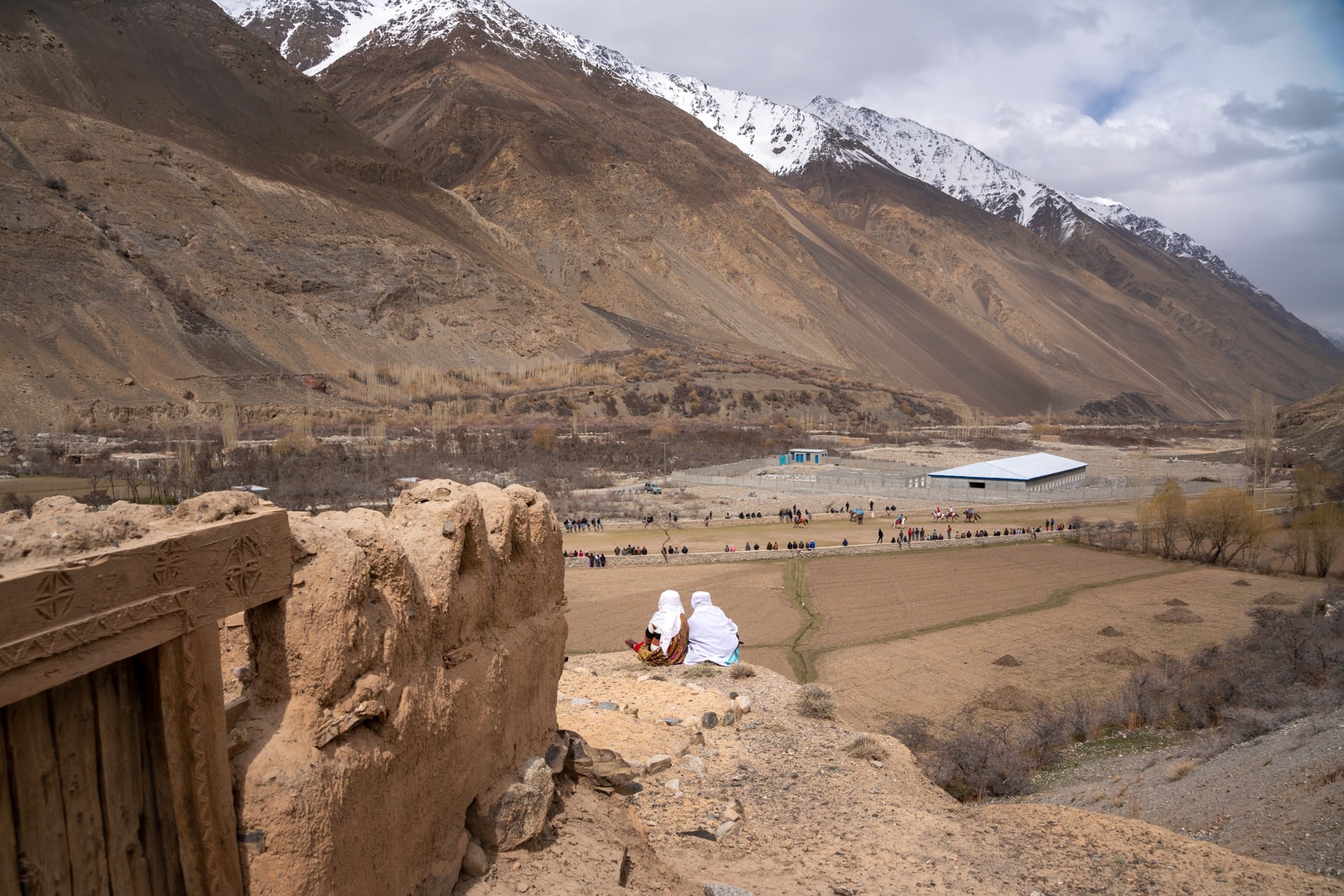
Nestled near the strategic Mintaka and Kilik passes along the ancient Silk Route, Kalamdarchi Fort is a historical gem that once stood as a guardian of trade and migration. Built during the days of the Great Game, this rugged fortress is now an eerie reminder of the past in the stark and desolate terrain of the upper Misgar Valley.
Historical Importance
Kalamdarchi Fort (also referred to as the Mintaka Fort) was constructed by the British in the late 19th century to guard the northern entrances into British India. Positioned near the borders with China (Xinjiang) and Afghanistan (Wakhan Corridor), the fort was a military checkpoint along a highly contested trade route. It served as a lookout post, tax station, and shelter for passing caravans.
The name “Kalamdarchi” is derived from a Wakhi term meaning “fort of the pen” or “station of knowledge,” referring to its documentation and registration role during travel.
Reaching the Fort
-
Start from Sost or Misgar village—drive or hike toward the Mintaka Pass.
-
A moderate trek of 3–4 hours from Misgar takes you to the fort, which sits on a dry slope overlooking the high-altitude plains.
The journey involves barren mountains, ancient petroglyphs, and panoramic views of the Hindu Kush and Karakoram.
What to Expect
-
Ruins of Watchtowers and collapsed stone walls still stand defiantly.
-
360-Degree Views of the borderlands, showing strategic terrain.
-
Yaks and Wild Sheep are common, as are rare birds like Lammergeiers.
Despite its dilapidated condition, Kalamdarchi Fort sparks the imagination of travelers and historians alike. There are no official markers or tourist facilities—it’s purely a raw, self-guided discovery.
Why Visit Kalamdarchi Fort?
-
For History Buffs: Experience a piece of the British colonial frontier.
-
For Solitude Seekers: The area is one of the least-visited in all of Hunza.
-
For Photographers: The harsh, windswept environment offers dramatic visuals.
Traveler Notes
-
Carry your CNIC/passport; military checks are common near the border.
-
Permits may be required depending on border zone restrictions—check in Sost.
-
Best time to visit: June to September, when passes are open.
Kilik and Mintaka Passes: Ancient Gateways of the Silk Road
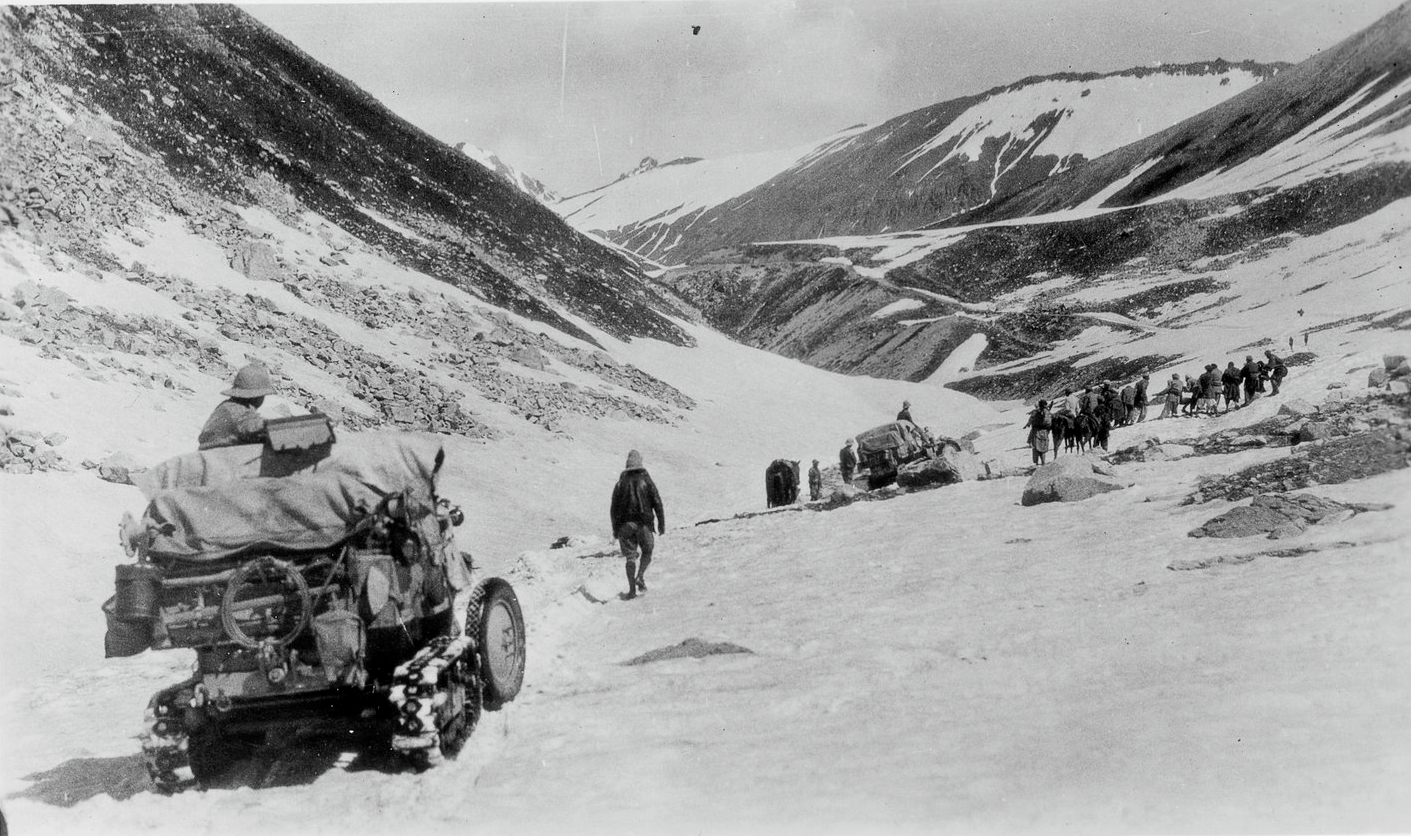
The Kilik Pass (4,827 meters) and Mintaka Pass (4,709 meters) are two legendary high-altitude passes that once served as the main arteries of the ancient Silk Road, linking China with South and Central Asia. Located in the upper Misgar Valley of Gojal, these passes are steeped in history, echoing with the footsteps of traders, pilgrims, and explorers who once crossed these formidable frontiers.
Historical and Strategic Significance
For centuries, caravans of yaks and camels laden with silk, spices, and salt traversed through these mountain passes, connecting the Taklamakan Desert to the Indian subcontinent. The Mintaka Pass, in particular, was preferred due to its gentler gradient and accessibility in winter. Both passes were watched over by the Kalamdarchi Fort to control movement and collect levies during the British colonial period.
During the 19th century, these routes gained renewed importance in the geopolitical contest known as the Great Game, as British and Russian empires vied for control over Central Asia.
Reaching the Passes
The journey begins at Misgar village, where trekkers can arrange porters and guides. A 3 to 4-day trek leads through harsh yet hauntingly beautiful terrain, with wide plateaus, glacier-fed rivers, and grazing pastures. The hike is challenging and remote, with little to no tourist infrastructure, offering a true wilderness experience.
Why Visit Kilik and Mintaka Passes?
-
Step Into History: Walk on ancient paths once used by Buddhist monks and Central Asian traders.
-
Crossroads of Cultures: The region connects Wakhi, Tajik, and Chinese cultures.
-
Incredible Views: The surrounding peaks and valleys provide sweeping vistas of the Pamir, Hindu Kush, and Karakoram ranges.
-
Wildlife and Solitude: Spot Marco Polo sheep, ibex, and golden eagles in one of Pakistan’s most untouched ecosystems.
Trek Highlights
-
Guruki Ziarat: A sacred site passed along the way where travelers historically prayed before crossing.
-
High-Altitude Campsites: Sleep under a canopy of stars beside glacial streams.
-
Yurt Camps: Wakhi-style tents may still be seen during summer migrations.
Practical Tips
-
No cell signal—carry a satellite phone or Garmin InReach.
-
Bring a sturdy tent, warm clothing, and your own food supplies.
-
Porters are a must; the terrain is physically demanding and unpredictable.
-
Trek is best from mid-June to September; snow closes passes in winter.
For those craving an expedition that fuses adventure with heritage, the Kilik and Mintaka Passes are unparalleled. It’s a journey into time, territory, and terrain.
Sost Valley: The Last Outpost Before China
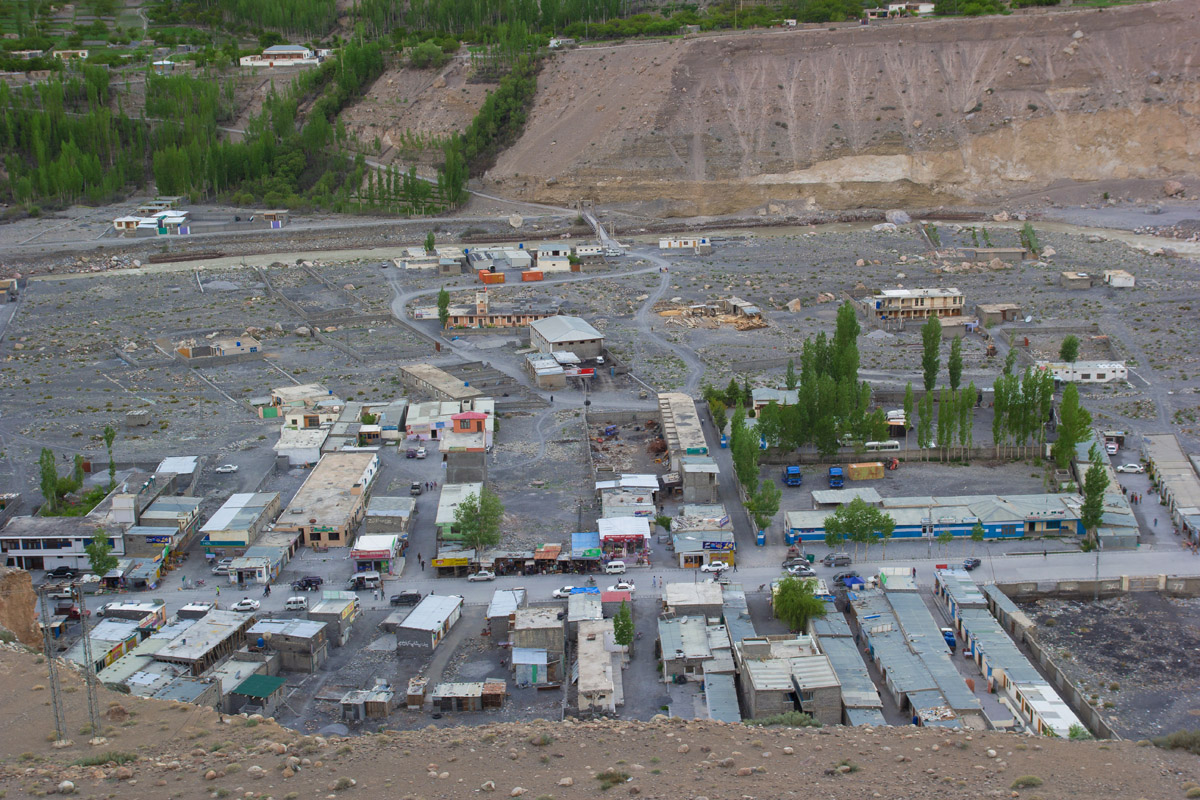
Sost, situated at around 2,800 meters above sea level, is the last major town in Pakistan on the Karakoram Highway before reaching the Khunjerab Pass and entering China. A hub of international commerce, Sost functions as both a border town and a gateway to several high-altitude adventures in upper Gojal.
Strategic and Economic Importance
Sost is home to Pakistan’s Customs and Immigration Post, making it the official entry and exit point for trade and travelers between Pakistan and China via the Khunjerab Pass. It’s a bustling place during the summer when goods from Kashgar in Xinjiang are imported by Chinese trucks into Pakistani markets.
The town also hosts the Dry Port, built in collaboration with China to facilitate trade and logistics.
Local Life and Culture
While it may seem commercialized at first glance, Sost is home to a resilient and multicultural population including Wakhi, Burusho, and Khik peoples. The local bazaar offers everything from Chinese electronics to Hunza dry fruits. You’ll hear multiple languages and see trucks, tourists, and traders all mingling in a single afternoon.
Why Visit Sost?
-
Gateway to the Border: Most tours to Khunjerab Pass or Chapursan Valley start here.
-
Adventure Launchpad: Sost serves as a base for treks into Baba Ghundi, Ziarat, and the Pamir Mountains.
-
Cultural Exchange: It’s one of the few places where Chinese and Pakistani cultures visibly interact.
-
Convenience and Amenities: Sost has guesthouses, currency exchange, fuel stations, and food stalls for travelers heading north.
Nearby Attractions
-
Chapursan Valley: A wild, ethereal valley of Sufi shrines and Pamiri settlements, accessible via a bumpy 4×4 road from Sost.
-
Baba Ghundi Shrine: A sacred site dedicated to a Central Asian saint, offering spiritual peace and stunning landscapes.
-
Yarzerech Glacier and Lupghar Valley: Remote treks that begin within striking distance of Sost.
Traveler Tips
-
Carry your original CNIC or passport; frequent ID checks occur.
-
Chinese SIM cards often work here, though Pakistani networks are patchy.
-
The best months to visit are May through October—in winters, heavy snowfall can cut off access.
Passu Glacier: A River of Ice Amid Giants
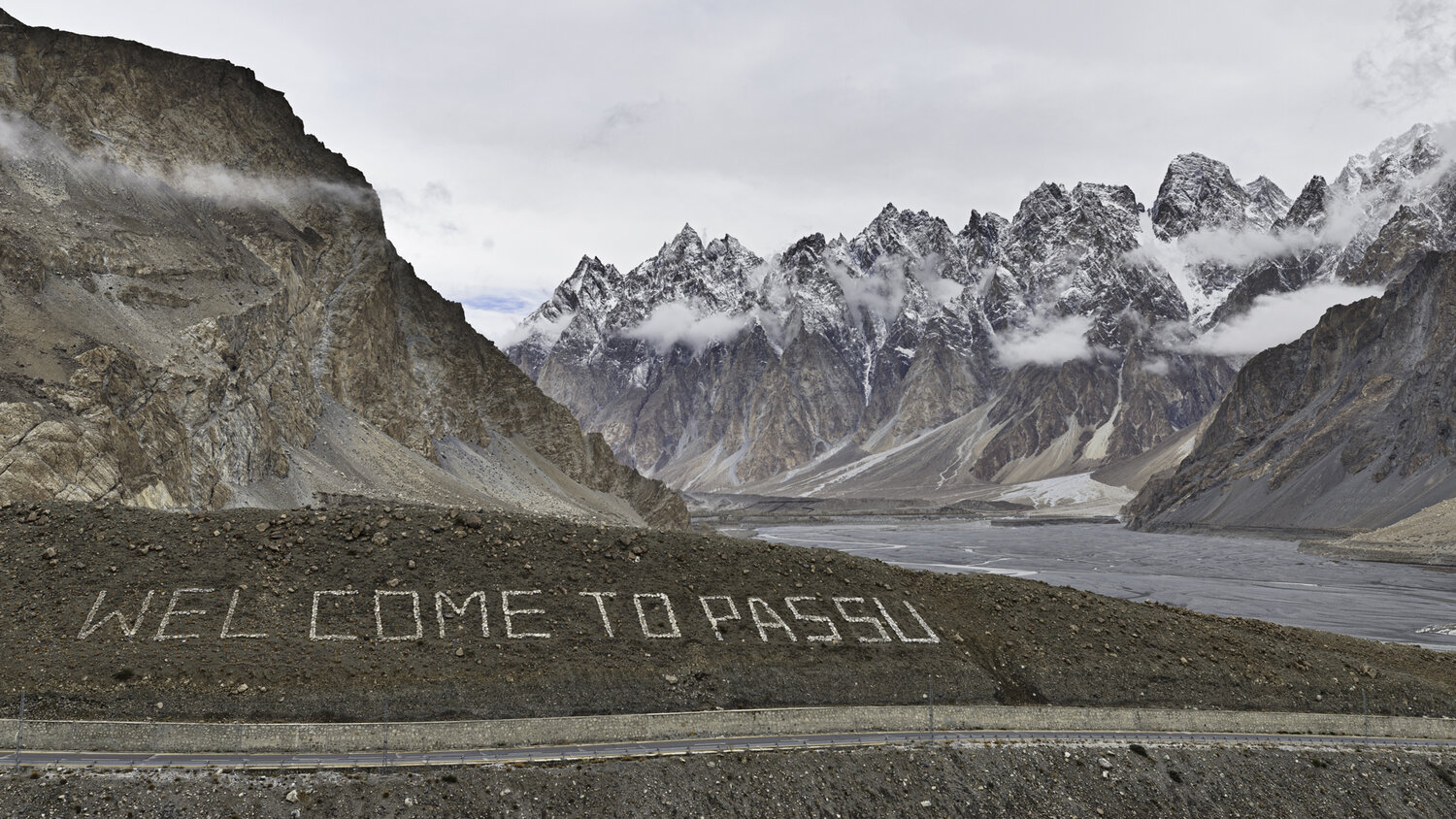
Nestled beneath the majestic Passu Cones and stretching like a frozen river into the valley, the Passu Glacier is one of Hunza’s most awe-inspiring natural wonders. It originates from the Passu Peak and connects to the Batura Glacier system, forming part of one of the longest glacier chains outside the polar regions. Its ethereal beauty and raw, untouched terrain offer a surreal experience for those adventurous enough to approach it.
Where is Passu Glacier Located?
Located just beyond the village of Passu, about 15 km north of Gulmit, the glacier is easily visible from the Karakoram Highway. However, accessing its snout or exploring its icy surface requires a guided trek through rugged terrain, lush meadows, and moraine fields.
Trekking to Passu Glacier
The most common approach is a moderate trek starting near Borith Lake, passing through Kamaris village, and up toward the glacier’s lower edge. The trail passes through shepherd huts and alpine wildflower fields, making the journey just as mesmerizing as the destination.
Depending on the route, it can take 3–5 hours round trip, and it’s suitable for those with moderate fitness levels and a taste for adventure.
What Makes Passu Glacier Special?
-
Glacial Patterns and Ice Caves: The textures and crevices of the glacier create a breathtaking labyrinth of ice ridges, especially during late summer.
-
Surrounding Peaks: Watch Shispare, Passu Sar, and Batura I tower over you as the glacier winds below.
-
Wildlife: Marmots, ibex, and eagles are often seen along the trek route.
-
Photographer’s Paradise: With changing hues and light patterns, Passu Glacier offers perfect shots at sunrise and sunset.
Best Time to Visit
The trek is accessible from May to October, with July and August offering the most stable weather. Early in the season, the glacier and surrounding trails may still have snow patches.
Safety Tips
-
Always go with a local guide—glacial terrain is unpredictable and dangerous without experience.
-
Wear sturdy trekking shoes and carry sunscreen, water, and energy snacks.
-
Keep an eye on changing weather—glacier fog and rain can reduce visibility drastically.
Passu Glacier is not just a physical feature—it’s a living, breathing element of Hunza’s ancient landscape. A visit here connects you to a geological story that began millennia ago and continues to evolve.
Borith Lake: Tranquility Above the Valley
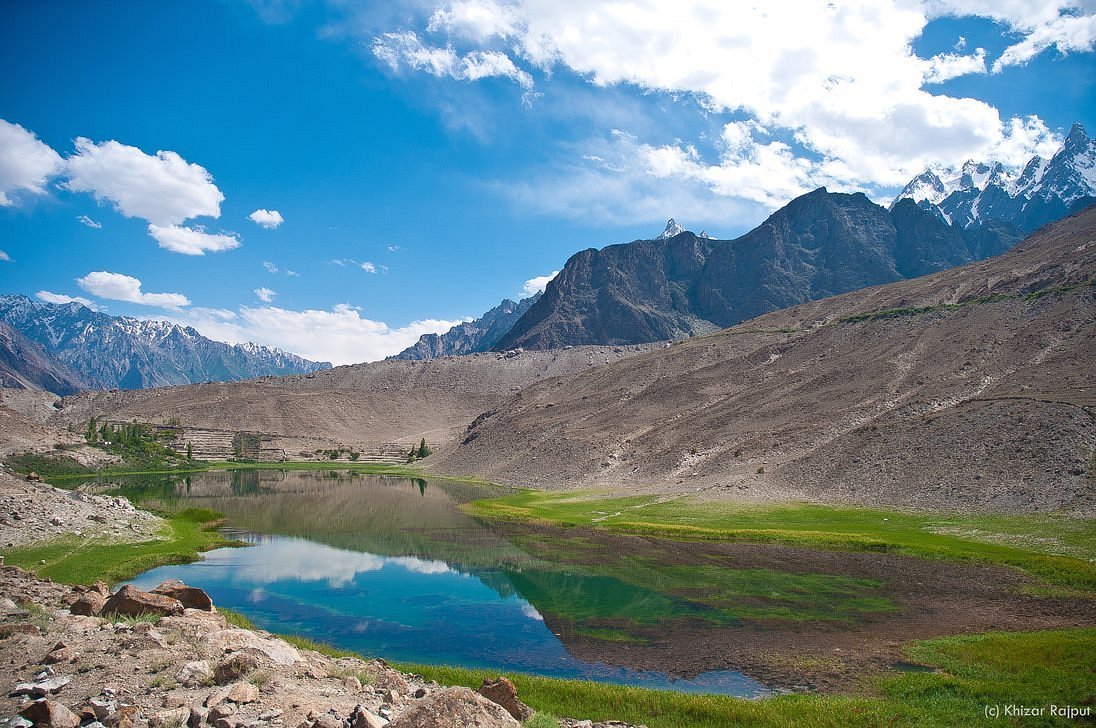
Located at an elevation of 2,600 meters, Borith Lake is a serene, high-altitude freshwater lake tucked away in the Upper Hunza region near Gulmit. It’s a haven for migratory birds, nature lovers, and those seeking peace away from the tourist crowds. The lake is fed by glacial meltwater from Ghulkin Glacier and offers mirror-like reflections of the surrounding peaks.
Getting There
Borith Lake is accessible via a rough jeep track (around 2 km from Husseini Village) or a scenic 1-hour hike from Gulmit. The hike itself is a treat, winding through blooming apricot orchards, yak trails, and shepherd fields.
Another route involves a hike from Passu village, crossing the Passu Suspension Bridge, and climbing a gentle slope toward the lake—a thrilling adventure combining adrenaline with beauty.
Why Visit Borith Lake?
-
Birdwatcher’s Paradise: Borith is a rest stop for migratory birds, especially ducks and geese, traveling between Central Asia and India during spring and autumn.
-
Stunning Landscapes: The calm lake, backed by snow-clad mountains and golden pastures, offers a dreamlike escape.
-
Perfect Picnic Spot: Lay down a mat and enjoy local cherries or dried apricots under a crystal-clear sky.
-
Photography & Stargazing: The reflection of the stars and moon over the still waters is nothing short of magical.
Activities to Enjoy
-
Boating (during high water months)
-
Short treks to nearby glaciers like Ghulkin or Black Glacier
-
Overnight Camping near the lake under the stars
-
Butterfly spotting during the spring season
Nearby Attractions
-
Ghulkin Glacier Trek: A short but rewarding trek from Borith toward the Ghulkin Glacier.
-
Passu Bridge Adventure: Combine a trip to Borith with the iconic Hussaini Suspension Bridge walk.
-
Local Culture in Gulmit: Visit traditional Wakhi homes and explore the nearby Gulmit Museum.
When to Visit
The best time to visit Borith is from April to October. In April and September, bird migrations are at their peak. Winter visits are possible but may require hiking through snow.
Tips for Travelers
-
Light jackets are essential—even in summer, evenings get chilly.
-
Carry water and snacks—limited food options at the site.
-
Respect local customs—this area is deeply connected to Wakhi culture.
Borith Lake is an experience of silence, reflection, and connection with nature. Whether you stay for a few hours or pitch a tent overnight, the lake leaves a lasting impression of tranquility and wonder.
Misgar Valley: A Hidden Frontier of Wild Beauty
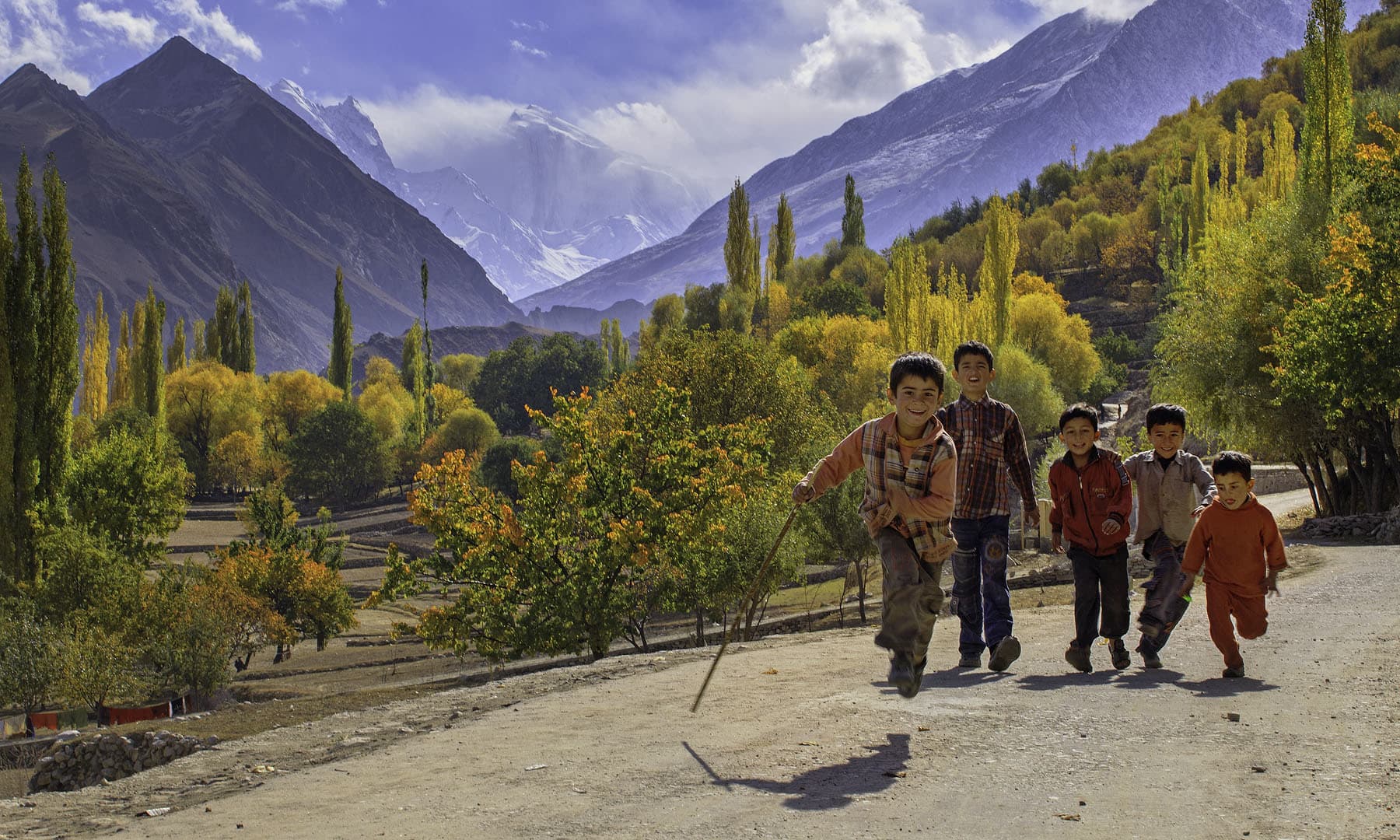
Tucked into the northernmost reaches of Pakistan, Misgar Valley is a secluded gem in Upper Hunza near the Chinese border. This frontier settlement lies at the convergence of ancient Silk Route trails and remains a place of quiet resilience, inhabited by hospitable Wakhi-speaking communities.
Where Is Misgar Valley?
Located about 35 km north of Sost, Misgar is a high-altitude valley surrounded by towering peaks and crisscrossed by glacial streams. At over 3,100 meters above sea level, it serves as a strategic location near Mintaka and Kilik passes, which historically connected South and Central Asia.
Why Visit Misgar Valley?
-
Raw, Untouched Landscape: Misgar is isolated, offering surreal beauty with high mountain pastures, turquoise rivers, and distant snowy peaks.
-
Historical Routes: The valley served as a passage for traders, monks, and invaders on the ancient Silk Road.
-
Unique Flora & Fauna: Ibex, snow leopards (rare sightings), and marmots inhabit the surrounding mountains.
-
Cultural Preservation: The community holds fast to traditional Wakhi customs, dress, and folk music.
Attractions Within Misgar
-
Dhee and Murkushi Pastures: Alpine meadows ideal for summer treks and grazing yak herds.
-
Mintaka & Kilik Pass Base Camps: Both ancient passes, now largely unused but accessible for experienced trekkers with guides.
-
Remnants of the Watchtowers: These ancient structures once monitored Silk Road caravans.
-
Pak-China Friendship Border Stone: Near Mintaka, symbolizing trade and history.
Access and Transportation
You’ll need to:
-
Drive from Sost to Misgar on a bumpy 4×4 jeep track.
-
Obtain NOC (No Objection Certificate) from authorities since Misgar is a border zone.
-
Possibly arrange local guidance from Sost or Hunza for travel beyond the main village.
Best Time to Visit
The ideal season is June to September, when pastures bloom, and weather allows for safer trekking and camping. Winter snows make the valley virtually inaccessible.
Important Tips
-
Be self-sufficient: There are no hotels—only homestays or camping options.
-
Respect local customs and religious practices, especially when photographing people.
-
Carry identification and permits, and check in with local security before heading to trails.
For the off-the-grid explorer, Misgar is a mystical journey into the soul of Hunza’s frontier — quiet, rugged, and full of stories whispered by the wind.
Best Time to Visit Hunza Valley
Planning your trip to Hunza Valley hinges greatly on timing. The region experiences distinct seasons, each offering unique scenery, cultural events, and activities. Whether you’re chasing blooming cherry blossoms, snowcapped peaks, or autumnal colors, knowing when to visit is essential for maximizing your travel experience.
Spring (March to May): A Symphony of Blossoms
Spring in Hunza is an enchanting experience. From late March to early May, the valley transforms into a sea of soft pinks and whites as apricot, cherry, apple, and almond trees burst into bloom.
Highlights:
-
Cherry Blossom Season (locally called “gul-e-gulabi”) draws photographers and nature lovers from across the world.
-
Days are pleasant (15–20°C); nights still chilly.
-
Excellent time for cultural festivals, village walks, and photography.
Pros:
-
Ideal for scenic beauty.
-
Fewer tourists than peak summer.
-
Prices for hotels and transport are more reasonable.
Cons:
-
Some remote areas (like Khunjerab Pass) may still be inaccessible due to snow.
-
Trekking routes might remain closed at high altitudes.
Recommended for: Photographers, honeymooners, cultural travelers.
Summer (June to August): Peak Tourist Season
Summer is the most popular and accessible season in Hunza Valley. With mild daytime temperatures (25–30°C) and long daylight hours, it’s perfect for full-day adventures, treks, and sightseeing.
Highlights:
-
High-altitude passes and areas like Khunjerab, Shimshal, and Misgar become accessible.
-
Lakes like Attabad and Borith are ideal for boating and camping.
-
Summer festivals and local polo matches add to the charm.
Pros:
-
All regions and roads open.
-
Ideal time for long treks and outdoor activities.
-
Great connectivity and frequent transport availability.
Cons:
-
Peak season means crowded tourist spots.
-
Hotel prices spike.
-
Expect heavy traffic on Karakoram Highway (especially during public holidays).Recommended for: Families, adventure seekers, group tours.
Autumn (September to November): The Golden Season
Autumn is arguably the most magical time in Hunza. As September progresses, the leaves begin to change to stunning shades of red, yellow, and gold, offering jaw-dropping landscapes that rival the cherry blossoms of spring.
Highlights:
-
Spectacular fall foliage across Karimabad, Altit, Nagar, and Gulmit.
-
Crisp, clean air and golden sunlight enhance photography.
-
Temperatures start to drop—daytime is mild (15–20°C), but nights can be cold.
Pros:
-
Fewer crowds than summer.
-
Ideal conditions for hiking and photography.
-
Calm atmosphere in local villages.
Cons:
-
Days begin to shorten.
-
Some remote trekking routes begin closing by late October due to snow.
Recommended for: Solo travelers, photographers, off-peak tourists.
Winter (December to February): A Silent, Snowy Wonderland
In winter, Hunza Valley enters hibernation mode. Snow blankets the mountains and valleys, turning Hunza into a serene, white landscape. While travel becomes difficult, it’s an ideal season for those seeking tranquility and cultural immersion.
Highlights:
-
Frozen lakes, snowy Karakoram peaks, and quiet streets.
-
Traditional Hunzai hospitality shines as families welcome you indoors.
-
Winter festivals like “Tagham” (traditional Wakhi event) held in remote areas.
Pros:
-
Peaceful, crowd-free atmosphere.
-
Unique winter photo opportunities.
-
Experience real Hunzai village life.
Cons:
-
Harsh temperatures (can drop below -10°C).
-
Several roads and passes (like Khunjerab) are closed.
-
Limited transport and accommodation options.
-
Power outages can occur in remote areas.
Recommended for: Adventure seekers, cultural enthusiasts, spiritual travelers.
Festival Calendar in Hunza
If you’re planning a culturally rich trip, consider aligning your travel dates with these local festivals:
| Festival | Month | Description |
|---|---|---|
| Ginani Festival | June | Celebrates the harvesting season with dancing, singing, and traditional food. |
| Nowruz | March 21 | Persian New Year celebrated in upper Hunza with cultural rituals. |
| Spring Blossom Festival | April | Promotes cultural exchange with music, food, and handicrafts. |
| Pakistan-China Friendship Festival | May-June | Held near Khunjerab to strengthen cross-border ties. |
| Shandoor Polo Festival | July (in nearby Shandoor) | World’s highest polo ground hosts thrilling matches. |
Summary: Best Time Based on Interests
| Interest | Best Season |
|---|---|
| Cherry Blossoms | Late March to Mid-April |
| Trekking & Exploration | June to August |
| Autumn Colors | Late September to Mid-November |
| Quiet, Off-the-Grid Travel | December to February |
| Cultural Experiences | March, June, and October |
Top Things to Do in Hunza Valley
Hunza Valley is more than just picturesque landscapes — it’s a cultural, historical, and adventurous experience packed into one high-altitude haven. From ancient forts and turquoise lakes to thrilling treks and immersive local life, Hunza offers something for every kind of traveler. Here’s a complete guide to the most exciting and meaningful things to do in this breathtaking region.
1. Visit Baltit Fort – The Iconic Crown of Hunza
Perched high above Karimabad, Baltit Fort is a 700-year-old architectural marvel built by the rulers of Hunza. Its Tibetan-inspired design, wooden balconies, and stone masonry reflect a blend of local and foreign influences.
Why go:
-
Panoramic views of Ultar Sar, Ladyfinger Peak, and the valley.
-
Insight into Hunza’s royal history and Buddhist roots.
-
Museum with royal artifacts and ancient weapons.
Pro Tip: Visit during sunset when the golden light washes over the fort and surrounding peaks — perfect for photography.
2. Explore Altit Fort and Royal Garden
Older than Baltit Fort, Altit Fort was once the seat of Hunza’s original ruling family. Beautifully restored, it now stands as a symbol of cultural revival.
Don’t miss:
-
Guided tours through its restored halls and chambers.
-
The Royal Garden, a peaceful space with apricot trees and flower beds.
-
Cultural events and storytelling sessions hosted by the community.
Traveler’s tip: Sip traditional apricot juice at the café run by local women.
3. Boat or Kayak on Attabad Lake
Born from a tragedy — a 2010 landslide that dammed the Hunza River — Attabad Lake has become Hunza’s aquatic jewel. Its mesmerizing blue-green waters are a dreamscape for photographers and adventurers.
Activities:
-
Boating, jet skiing, and kayaking.
-
Lakeside cafés with warm chai and panoramic views.
-
Tunnel drive through the 5.4 km long Pak-China Friendship Tunnels.
Stay Options: Luxury glamping and lakeside resorts.
4. Hike to Passu Glacier and Passu Cones
The Passu Cones, also called Cathedral Ridge, are dramatic peaks that pierce the sky. Near them lies Passu Glacier, which can be reached via a gentle hike from the village.
What to Expect:
-
Suspension bridges over roaring rivers.
-
Wildlife sightings (ibex, marmots).
-
Serene vistas of ice, rock, and clouds.
For Trekkers: Try the hike to Passu Suspension Bridge – an adrenaline rush!
5. Cross the Hussaini Suspension Bridge
Often dubbed “the most dangerous bridge in the world,” the Hussaini Suspension Bridge swings wildly over the Hunza River. Despite its reputation, it’s fairly safe and absolutely thrilling.
Why try it:
-
Test your nerve on one of Pakistan’s wildest travel experiences.
-
Epic views of Passu Glacier and peaks.
-
A unique photo opportunity.
Caution: Not for those afraid of heights — but worth every heartbeat!
6. Camp at Eagle’s Nest Duikar
Eagle’s Nest is a high-altitude viewpoint above Karimabad offering 360° views of Hunza’s giants like Ultar, Rakaposhi, Golden Peak, and Diran.
Why it’s special:
-
Best spot for both sunrise and sunset views.
-
Amazing night skies for stargazing.
-
Quaint resorts and campgrounds with local hospitality.
Perfect for: Photographers, honeymooners, and solo travelers.
7. Road Trip Along the Karakoram Highway (KKH)
Dubbed the Eighth Wonder of the World, the KKH winds dramatically through the mountains from Gilgit to Khunjerab Pass (Pak-China border). A road trip here is packed with breathtaking scenery and cultural encounters.
Stops to include:
-
Gulmit village for cultural immersion.
-
Attabad Lake for a lakeside break.
-
Sost for local markets and roadside food.
-
Khunjerab Pass for high-altitude thrills at 15,397 feet.
Fun Fact: It’s the world’s highest paved international highway.
8. Discover Local Culture in Ganish and Gulmit Villages
Ganish Village is the oldest settlement in Hunza, a UNESCO-awarded site with over 1,000 years of history.
What to do:
-
Walk through mud-brick mosques, wooden watchtowers, and cobbled lanes.
-
Meet local artisans making stoneware, carpets, and wooden carvings.
-
Taste home-cooked food and apricot-based dishes.
In Gulmit: Visit the Gulmit Museum, a local cultural space with Wakhi heritage items and costumes.
9. Taste the Flavors of Hunza Cuisine
Hunza’s cuisine is as soulful as its landscapes. Try these must-eats:
-
Chapshuro – meat-stuffed bread, Hunza’s take on a meat pie.
-
Diram Phitti – sweet bread made with wheat and apricot oil.
-
Harissa – thick, spicy wheat-meat porridge eaten in winters.
-
Butter tea – salty, energizing, and warming.
-
Fresh apricots, mulberries, and walnuts in season.
Local Secret: Ask for Balay, a yogurt-based pasta soup not found on standard menus.
10. Engage in Wellness & Mindfulness
Hunza is famously home to some of the longest-living people on earth. Many attribute it to their lifestyle, diet, clean air, and peaceful mindset.
What to experience:
-
Join local morning yoga or meditation sessions near the mountains.
-
Drink glacial water and detox naturally.
-
Hike to solitary spots for journaling or mindfulness.
Health Tip: Try apricot kernel oil massages available at local homestays.
Bonus: Top Photography Spots
Hunza is an open-air gallery for photographers. Don’t miss:
-
Rakaposhi Viewpoint near Nagar.
-
Golden Peak View from Hopar.
-
Eagle’s Nest at sunrise.
-
Attabad Lake from above via drone or elevated viewpoints.
Final Thoughts
Hunza is not just a destination—it’s a journey into the heart of the mountains, the soul of ancient culture, and the spirit of adventure. Whether you’re looking for thrill, peace, or connection, Hunza’s diversity of experiences guarantees memories that will last a lifetime.
Accommodation in Hunza Valley
Hunza Valley offers a wide range of accommodations, from luxurious lakeside resorts and eco-friendly lodges to cozy guesthouses and budget homestays. Whether you’re a backpacker seeking authenticity or a family looking for comfort, Hunza’s hospitality scene is warm, diverse, and ever-evolving. This guide covers the best areas to stay, top-rated hotels, unique experiences, and tips to help you find your perfect home in the mountains.
Top Hotels & Guesthouses in Hunza Valley
Luxury Options
-
Luxus Hunza Attabad Lake Resort
-
Ultra-modern lakefront rooms
-
Infinity views, boat dock, top-tier service
-
Price: $$$
-
-
Eagle’s Nest Hotel (Duikar)
-
Premium views of Ultar, Rakaposhi
-
Rustic charm with panoramic decks
-
Price: $$–$$$
-
-
Hard Rock Hunza Resort & Villas
-
Beautiful architecture, cozy interiors
-
Lake-facing villas with private terraces
-
Price: $$$
-
Mid-Range Favorites
-
Hunza Serena Inn (Karimabad)
-
Blend of comfort and tradition
-
Garden dining, mountain views
-
Price: $$
-
-
Hidden Paradise Guest House (Passu)
-
Close to Passu Cones
-
Locally run, home-style meals
-
Price: $$
-
-
Baltit Heritage Inn
-
Near Baltit Fort, traditional decor
-
Affordable yet clean and scenic
-
Price: $–$$
-
Budget & Homestays
-
Old Hunza Inn
-
Backpacker favorite
-
Friendly staff, basic facilities
-
Price: $
-
-
Gulmit Tourist Inn
-
Community-run guesthouse
-
Ideal for cultural exchanges
-
Price: $
-
-
Wakhi Cultural Homestays
-
Experience true local life
-
Participate in farming, cooking
-
Price: Donation-based or minimal fee
-
Traveler’s Tip: Always book in advance between May and September. Rooms fill quickly during peak season.
Unique Stays & Experiences
Eco-Lodges & Sustainable Tourism
Hunza is moving toward sustainability. A few lodges now operate on solar power, locally sourced food, and plastic-free policies.
-
Mulberry Lodge (Gulmit): Promotes organic farming and local employment.
-
Mountain Story Eco Lodge (Aliabad): Offers cultural workshops, mountain biking.
Camping & Glamping
For a more immersive natural experience:
-
Hoper Glacier Base Camp (Nagar side): Tents and basic facilities available.
-
Attabad Lake Glamping Pods: Luxury tents with heating and private washrooms.
-
Khunjerab Pass Wild Camping: For the extreme adventurer (bring your own gear).
Homestays: Live Like a Local
Homestays are a fantastic way to experience Hunza’s culture. Local families open their homes and hearts, sharing meals, stories, and daily life.
Advantages:
-
Authentic cultural experience
-
Home-cooked Hunza dishes
-
Deeper understanding of traditions
Platforms to Explore:
-
Airbnb (select homestays in Gulmit and Ganish)
-
Facebook travel groups and Hunza tourism pages
-
Local tour guides and community tourism desks
Tips for Choosing Accommodation in Hunza
-
Book Early: Especially from May to September, as rooms are limited and demand is high.
-
Altitude Considerations: Some high-altitude areas (Duikar, Khunjerab) can get very cold, even in summer — check heating options.
-
Connectivity: Internet may be weak or non-existent in remote areas — download maps and guides beforehand.
-
Cash is King: Many guesthouses and lodges don’t accept cards. Bring enough cash from Gilgit or Aliabad.
-
Ask About Meals: Many guesthouses offer delicious traditional meals — ask if meals are included or available on request.
Travel Tips and Essentials for Visiting Hunza Valley
Planning a journey to Hunza Valley is a thrilling experience, but being prepared with the right knowledge and travel essentials can make your adventure smoother, safer, and more enjoyable. Below are some practical tips and essentials that every traveler should consider before setting off to this mountainous paradise in Gilgit-Baltistan.
1. Packing Essentials for Hunza’s Terrain and Climate
Hunza’s weather is known for its extremes. While summer (May to September) is pleasant during the day, nights can be chilly, especially in higher-altitude villages. Winter can be brutally cold and snowbound. Therefore, pack layers of clothing: thermal wear, fleece jackets, waterproof outerwear, and warm socks are must-haves. Don’t forget good quality hiking boots, sunglasses, a hat, and sunscreen, especially if you plan to trek or explore high-altitude areas like Khunjerab Pass.
2. Health and Safety Tips
Altitude sickness is rare in Hunza (approx. 2,500 meters) but can occur, particularly if traveling to higher areas like Khunjerab (4,693 meters). Keep hydrated, take breaks, and avoid strenuous activity for the first day or two. Carry a basic first aid kit with motion sickness tablets, altitude pills (if recommended), and essentials like antiseptic, painkillers, and plasters. There are local clinics in major towns like Aliabad and Karimabad, but critical care facilities are limited, so insurance that covers medical evacuation is recommended for international travelers.
3. Connectivity and Communication
Mobile networks like Zong and SCOM offer the best coverage in Hunza. Internet speeds vary — don’t expect seamless connectivity, especially in remote villages like Passu, Shimshal, or Misgar. Download offline maps and translation tools in advance. Learning a few basic words in Brushuski or Urdu can go a long way in connecting with locals and earning their respect.
4. Respecting Local Culture and Etiquette
Hunza is known for its hospitality and tolerance, but cultural sensitivity is important. Dress modestly, particularly in village areas. Always ask permission before photographing people. During Ramadan or local religious events, be respectful about eating or dressing in public. The majority Ismaili Muslim population values cleanliness, education, and peace — show appreciation by being a mindful guest.
5. Cash and Payment Essentials
Cash is king in most parts of Hunza. Only a few hotels or shops in Karimabad or Aliabad accept card payments. Carry sufficient Pakistani rupees, as ATMs are limited and sometimes out of service. Exchange money in Islamabad or Gilgit before heading into the valley.
Costs and Budgeting for a Trip to Hunza Valley
Traveling to Hunza Valley offers incredible value for money, especially compared to other international mountain destinations. Whether you’re a backpacker on a shoestring or a traveler seeking comfort, Hunza caters to all types of budgets. Understanding the typical costs can help you plan more efficiently and avoid unexpected expenses during your journey.
1. Transportation Costs
Getting to Hunza typically involves either a flight from Islamabad to Gilgit followed by a road trip to Hunza (approx. 2–3 hours), or a full-day road journey via the scenic Karakoram Highway. Here’s a rough breakdown:
-
Flight (Islamabad to Gilgit): PKR 10,000–25,000 (varies by season and airline)
-
Shared Jeep or Hiace from Gilgit to Hunza: PKR 500–800
-
Private car rental (Islamabad to Hunza): PKR 20,000–30,000 one way
-
Local transport within Hunza (taxis, jeeps): PKR 500–2,000 per ride, depending on the location and distance
Traveling by road is more budget-friendly but time-consuming. Public buses from Rawalpindi to Hunza cost around PKR 3,000–4,000.
2. Accommodation Costs
Hunza has a wide range of lodging options:
-
Budget Guesthouses & Hostels: PKR 1,000–2,500 per night
-
Mid-range Hotels: PKR 3,000–7,000 per night
-
Luxury Resorts and Boutique Hotels: PKR 10,000–25,000+ per night
Camping is also an option in some parts of the valley, especially in Passu, Borith, or near glaciers. If you’re carrying your own gear, this can reduce accommodation expenses significantly.
3. Food and Dining Budget
Hunza offers affordable and healthy food options:
-
Street food/snacks: PKR 200–500
-
Local meals at small cafes: PKR 300–800 per meal
-
Dining at mid-range restaurants: PKR 800–1,500 per person
-
High-end or resort dining: PKR 2,000–4,000 per person
Try local dishes like Chapshuro, Dawdo soup, and walnut cake, which are filling and budget-friendly.
4. Sightseeing and Activity Expenses
Most natural attractions in Hunza are free to access. However, a few places charge nominal entrance fees:
-
Baltit Fort & Altit Fort: PKR 600–1,000 each
-
Khunjerab Pass (entry fee): PKR 500 for locals, PKR 1,000+ for foreigners
-
Guided tours or treks: PKR 2,000–5,000 depending on the trek and duration
Hiring a guide is optional but recommended for remote treks or historical sites.
5. Daily Budget Estimates
-
Budget Traveler: PKR 3,000–5,000/day
-
Mid-range Traveler: PKR 6,000–10,000/day
-
Luxury Traveler: PKR 15,000–30,000/day
A Journey Through the Heart of Hunza: A Personal Travel Story
The journey to Hunza Valley wasn’t just a trip—it was a transformation. I had read about the place countless times—its fairytale forts, pristine lakes, and the majestic Karakoram peaks—but nothing could have prepared me for the emotions it would stir.
My adventure began in Islamabad, from where I took a 22-hour road trip along the legendary Karakoram Highway. Tired yet exhilarated, I arrived in Karimabad just as the sun dipped behind Ultar Sar. The golden light on the Baltit Fort made it look like a castle from an epic film, and I stood still for minutes, mesmerized.
Hunza isn’t just about landscapes; it’s about its people. At a guesthouse run by a local family in Aliabad, I was welcomed with walnut cake, apricot tea, and warm smiles. Their hospitality felt like home. We sat on traditional carpets under a wooden ceiling and talked about everything—from the history of the region to climate change and how it’s impacting their glaciers.
The next morning, I visited Altit Fort. A young guide from the Hunza Cultural Forum explained how the fort was once a royal palace and how its renovation helped preserve Hunza’s identity. Standing on the ancient watchtower, with a panoramic view of the valley below and Ladyfinger Peak piercing the sky, I felt the blend of history and nature like never before.
Another day, I trekked to Passu Glacier. The trail wound through narrow valleys and suspension bridges that swayed with the wind. At times, it felt like nature was whispering secrets only the mountains could understand. Despite the fatigue, reaching the glacier felt like arriving at the edge of the world—raw, icy, and serene.
But what stayed with me most wasn’t just the scenery. It was the moment I sat in silence by Attabad Lake, where the reflection of the Passu Cones danced across turquoise water. The lake itself was born from a tragedy—a landslide that buried villages in 2010—but now stands as a symbol of resilience.
I left Hunza with more than photos. I left with stories. Of a shepherd who climbs Shimshal Pass every summer. Of a woman in Gojal who weaves wool shawls during winter. Of children playing in Karimabad, running with kites against the mighty backdrop of Rakaposhi.
Traveling to Hunza was not about ticking off a bucket list. It was about reconnecting—with nature, with people, and with a quieter version of myself. If there’s one place that can make you feel small in the best possible way, it’s Hunza.
Frequently Asked Questions (FAQs) About Visiting Hunza Valley
Q1: Where exactly is Hunza Valley located?
Hunza Valley is located in the Gilgit-Baltistan region of northern Pakistan, near the border with China. It lies along the Karakoram Highway, one of the highest paved roads in the world, and is surrounded by the majestic Karakoram Mountains.
Q2: What is the best time to visit Hunza Valley?
The best time to visit is from April to October. Spring (April–June) brings cherry and apricot blossoms, while summer (July–August) offers pleasant weather and clear skies. Autumn (September–October) transforms the valley into a riot of red, gold, and orange foliage. Winter is beautiful but harsh, often limiting access due to snow.
Q3: Is Hunza safe for tourists?
Yes, Hunza Valley is considered one of the safest regions for both domestic and international tourists in Pakistan. The locals are known for their hospitality, and crime is extremely rare. That said, always keep up with local travel advisories and weather conditions.
Q4: Do I need a visa to visit Hunza Valley as a foreigner?
Yes, international travelers need a valid Pakistani visa to enter the country. Depending on your nationality, you may be eligible for an e-visa. Once in Pakistan, you may also need a No Objection Certificate (NOC) to travel within certain parts of Gilgit-Baltistan, though this requirement has been relaxed for many areas, including Hunza.
Q5: How can I reach Hunza?
The most common way is by road via the Karakoram Highway (KKH) from Islamabad. It’s a long journey (18–24 hours) but incredibly scenic. Alternatively, you can take a flight to Gilgit (subject to weather) and then drive to Hunza (2–3 hours from Gilgit).
Q6: What kind of accommodation is available?
Hunza offers a range of accommodations, from budget guesthouses and homestays to luxury hotels and eco-lodges, especially in Karimabad, Aliabad, and Passu.
Q7: What currency is accepted in Hunza?
The Pakistani Rupee (PKR) is the only accepted currency. Make sure to carry enough cash, especially when traveling to remote villages. ATMs are available in larger towns like Aliabad, but may not always be functional.
Q8: What should I pack for a trip to Hunza?
Layers are key! Even in summer, temperatures can drop significantly at night. Pack warm clothing, comfortable trekking shoes, sunblock, sunglasses, a reusable water bottle, and any personal medications.
Q9: Are there medical facilities in Hunza?
Basic medical care is available in Aliabad and Karimabad, but for serious emergencies, the nearest well-equipped hospitals are in Gilgit. Always carry essential medicines and a first-aid kit.
Q10: What language is spoken in Hunza?
The main local language is Burushaski, but many people also speak Urdu and English, especially in the tourism industry, so communication shouldn’t be a major issue.


