
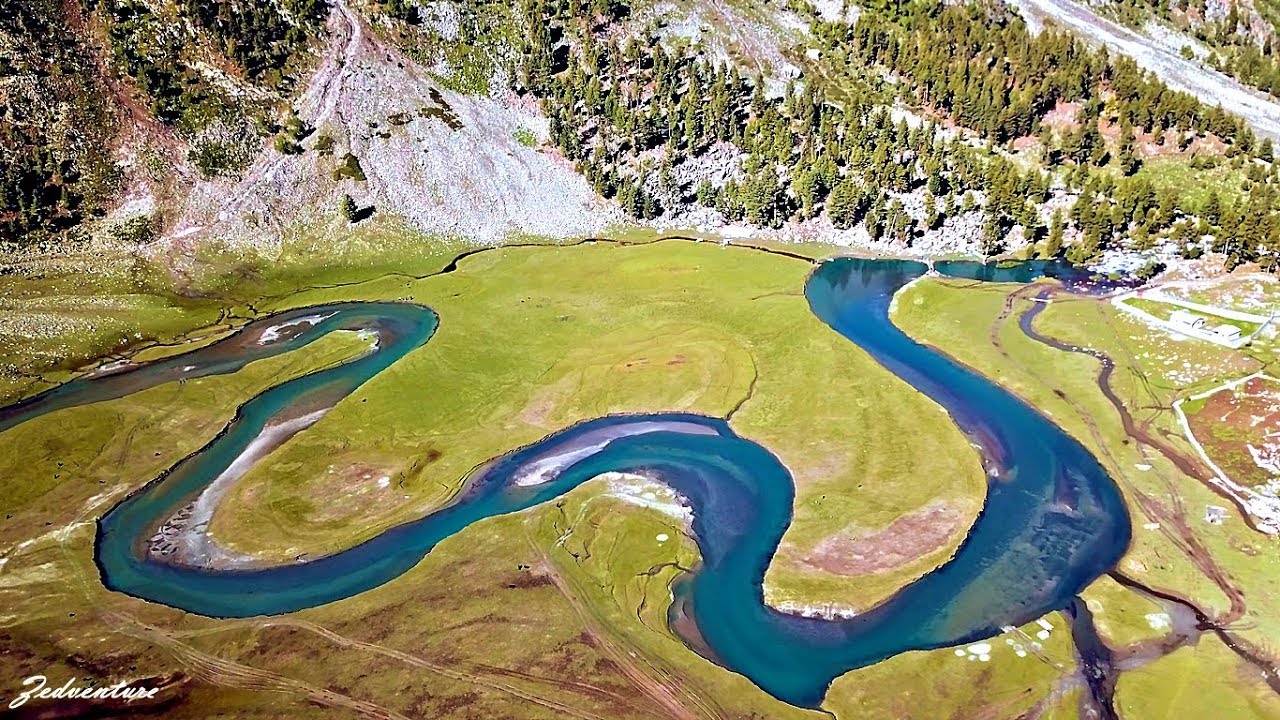
Nestled deep within the awe-inspiring folds of the Astore Valley in Gilgit-Baltistan lies a pristine high-altitude lake that has quietly eluded the radar of mainstream tourism—Allah Wali Jheel. Surrounded by snow-capped peaks, lush green meadows, and whispering pine forests, this glacial alpine lake is a hidden paradise for those who crave unspoiled nature, solitude, and the raw beauty of the northern Pakistan mountains. With its untouched serenity and breathtaking vistas, Allah Wali Jheel represents the kind of rare destination that seasoned travelers dream about but seldom encounter.
Though lesser known compared to famous lakes like Saif-ul-Mulook, Sheosar, or Rush Lake, Allah Wali Jheel is gaining attention among off-the-beaten-path explorers and alpine trekking enthusiasts. This lesser-documented wonder lies at an altitude of approximately 3,400 meters (11,155 feet) above sea level and boasts crystal-clear turquoise waters, reflecting the vast sky and encircling peaks like a natural mirror. The lake is named “Allah Wali Jheel,” literally translating to “Lake of God’s Friend,” which locals say refers to the area’s sacred tranquility and spiritual calmness felt by many visitors upon arrival.
Located approximately 50 to 60 kilometers from the main Astore town, the journey to Allah Wali Jheel is as much a part of the experience as the destination itself. The route is rugged and adventurous, passing through quaint mountain villages, glacial streams, and narrow alpine passes that test your endurance but reward your soul. The lake remains largely untouched by commercialization, offering a unique opportunity for immersion into both raw Himalayan nature and authentic local life.
From a geographical standpoint, Allah Wali Jheel lies within the boundaries of the Astore District, which is part of the Gilgit-Baltistan territory of Pakistan. This region is known for its exceptional biodiversity, unique geology, and a rich tapestry of cultural traditions tied to the various ethnic groups inhabiting its remote valleys. The lake is fed by glacial meltwater and seasonal snow runoff, forming a natural freshwater reservoir surrounded by grassy knolls and stone outcrops that serve as natural campgrounds. During the summer months, especially from June to August, the area transforms into a palette of colors—vivid blue skies, emerald grasslands, and wildflowers in bloom.
What truly sets Allah Wali Jheel apart is the almost mythical silence that envelops it. With no signs of urban encroachment or excessive tourist footfall, the lake exudes a meditative aura. It is a place where you can hear your own heartbeat echo across the water and where the starlit nights offer views of the Milky Way so vivid that they make city skies seem fictional. The stillness and majesty of the setting foster a deep, almost spiritual connection with the environment.
This blog will serve as your ultimate travel guide to Allah Wali Jheel, packed with every essential detail you need to plan an unforgettable journey. From exact travel routes and GPS coordinates to personal tips and local cultural etiquette, you’ll find everything you need right here. Each section of this guide has been meticulously crafted to not only inform but also inspire—a true testament to the spellbinding beauty and uniqueness of this high-altitude treasure.
Whether you’re a seasoned hiker, a solo traveler chasing moments of clarity, or a nature photographer seeking uncharted landscapes, Allah Wali Jheel offers an adventure that’s both thrilling and soul-stirring. The lake is also ideal for those practicing eco-conscious and responsible travel, as it remains a fragile alpine ecosystem that must be preserved for generations to come. Efforts are currently underway by local communities and nature enthusiasts to ensure that the lake remains untouched by pollution and tourism mismanagement—a cause every traveler should be a part of.
Moreover, this blog is designed with SEO optimization in mind, featuring relevant long-tail keywords such as “how to reach Allah Wali Jheel Astore,” “best time to visit Allah Wali Jheel,” “Astore hidden travel destinations,” and “offbeat trekking routes in Gilgit-Baltistan.” By the end of this guide, not only will you be equipped with all the logistical and cultural information required for a safe journey, but you’ll also be deeply moved by the magic that this lesser-known destination holds.
In the upcoming sections, you’ll discover the intricate route to Allah Wali Jheel, the region’s history and cultural influences, essential travel tips, hidden experiences off the usual trail, and a personal storytelling segment that will bring this enchanting location to life. Whether you plan to go next month or next year, bookmark this blog as your go-to digital compass for exploring Allah Wali Jheel in Astore.
How to Reach Allah Wali Jheel – Travel Routes, Access Points, and Local Transport Tips
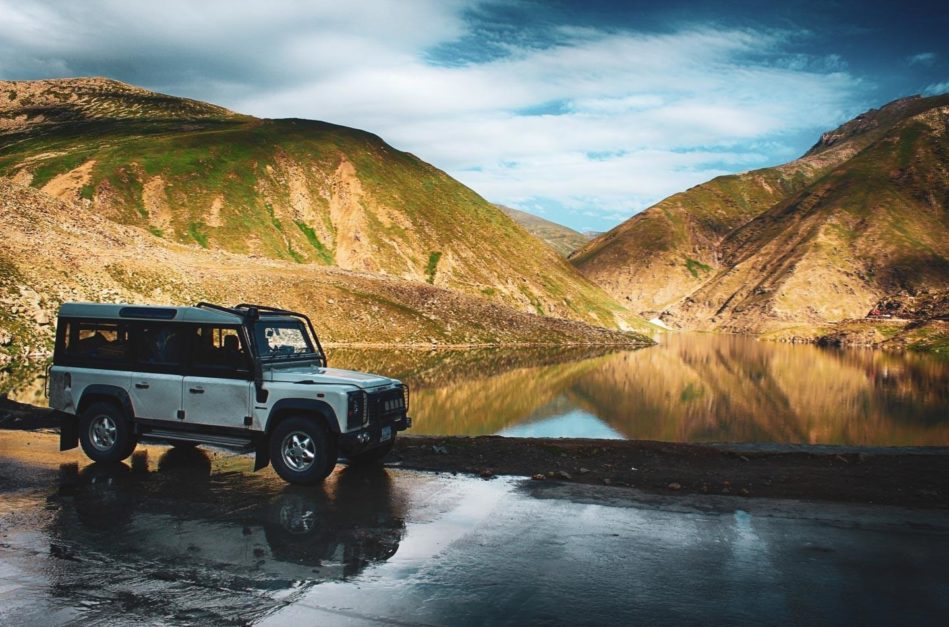
Reaching Allah Wali Jheel in Astore, Gilgit-Baltistan is no ordinary journey—it is a thrilling expedition through some of Pakistan’s most rugged, awe-inspiring mountain terrain. The remoteness of this alpine lake means that accessibility can be challenging, especially for those unfamiliar with the region, but with the right planning and spirit of adventure, the journey becomes an unforgettable experience. This section provides comprehensive details on how to reach Allah Wali Jheel, including major routes, transport options, trekking distances, and local travel tips for both domestic and international travelers.
Starting Point: Islamabad – The Gateway to Gilgit-Baltistan
Your journey to Allah Wali Jheel typically begins in Islamabad, Pakistan’s capital. From Islamabad, travelers have two main options to reach Astore Valley, the administrative district that hosts the lake.
Option 1: By Road via Karakoram Highway (KKH)
-
Route: Islamabad → Abbottabad → Mansehra → Besham → Dasu → Chilas → Astore
-
Total Distance: Approx. 630 km
-
Travel Time: 14–18 hours (depending on weather and road conditions)
This overland route takes you through the iconic Karakoram Highway (KKH), often referred to as the Eighth Wonder of the World. It’s a scenic but demanding ride, especially in the Besham–Chilas stretch where landslides and roadblocks are frequent. From Chilas, you’ll exit KKH at Rama Road Junction, a narrow mountain path leading directly into Astore Valley.
Option 2: By Air (to Gilgit) + Road to Astore
-
Flight: Islamabad to Gilgit (1 hour, operated by PIA)
-
Road: Gilgit to Astore (approx. 115 km, 4–5 hours via Jaglot and Astore Junction)
This is the faster and more convenient option, especially during the summer months when flights are regular and weather permits smooth operations. Once in Gilgit, you can hire a jeep or 4×4 to reach Astore through Jaglot, located on the KKH. The road from Jaglot to Astore is narrow and unpaved in several segments, requiring experienced drivers and rugged vehicles.
Travel Tip: Flights to Gilgit are weather-dependent and often canceled due to cloud cover. Always keep an extra buffer day in your itinerary if flying.
Reaching Allah Wali Jheel from Astore Town
The real adventure begins once you’ve arrived in Astore Town, the district capital. Allah Wali Jheel is located in the Minimarg Sector, approximately 55–60 km from Astore, close to the Line of Control (LoC) with Indian-administered Kashmir. Due to its proximity to sensitive military areas, Non-Pakistani nationals currently require special permission from local authorities or the Pakistan Army to travel into Minimarg.
Road Journey from Astore to Minimarg
-
Route: Astore → Chilm → Domail → Minimarg → Allah Wali Jheel
-
Travel Time: 4–6 hours by 4×4 jeep
-
Vehicle Type: Mandatory use of high-clearance 4×4 (Land Cruiser or Prado recommended)
The route from Astore to Minimarg is a narrow, high-altitude dirt road that winds through glacial rivers, alpine ridges, and rocky valleys. It passes through Chilm and Domail, two small outposts with basic food and fuel facilities. The final stretch to Minimarg opens up into a wide valley dotted with wooden huts, river crossings, and open meadows—the gateway to Allah Wali Jheel.
Jeep Rentals and Local Transport
-
From Astore Bazaar: Locally operated jeeps are available for hire, especially during summer (June–September)
-
Cost Range: PKR 10,000 to PKR 15,000 (round trip, including waiting time)
-
Driver Knowledge: Always hire a local driver familiar with Minimarg and military check posts
Trekking to Allah Wali Jheel
Once in Minimarg, you have two choices—drive all the way to the lake (if the terrain allows during dry season) or trek the final 2–3 km to the lake, especially during monsoon or post-snow periods when vehicles can’t proceed beyond a certain point.
-
Trek Duration: 1 to 1.5 hours (easy to moderate)
-
Elevation Gain: Moderate, but can be physically demanding due to altitude
-
Trail Condition: Rocky with some boggy patches, no formal signage, but well-trodden by locals
The hike itself is spellbinding—surrounded by wildflowers, birdsong, and the sound of distant glacial streams. You’ll often see mountain goats or yak herders on the trail. The final approach to Allah Wali Jheel involves crossing a meadow followed by a small ridge, after which the lake reveals itself like a secret hidden in the lap of the mountains.
GPS Coordinates and Map Details
-
Allah Wali Jheel Coordinates: Latitude: 34.8401° N | Longitude: 75.0032° E
-
Altitude: Approximately 3,400 meters (11,155 feet)
-
Map Access: Available on Google Maps but not with marked trail; offline maps via Maps.me or Gaia GPS recommended
Pro Tip: Download offline maps in Astore or Gilgit as mobile signals are almost non-existent in Minimarg and around Allah Wali Jheel.
Travel Permit and Security Protocols
Given the lake’s strategic proximity to the LoC:
-
Domestic Travelers: No permit required, but ID (CNIC) is checked at multiple points
-
Foreign Nationals: Restricted area—advance NOC required from Ministry of Interior & coordination with army checkpoints
-
Check Posts: Several army-controlled posts along the way; polite communication and valid ID are essential
The military presence also ensures that the area remains safe and protected. Locals maintain a cordial relationship with security personnel, and most travelers report feeling safe and welcomed.
Seasonal Accessibility
The route to Allah Wali Jheel is only accessible between late May and early October, depending on snowfall. During winter and early spring, the Minimarg sector is snowbound and completely cut off. Even in summer, sudden rains or landslides can temporarily block access roads.
Warning: Never attempt this journey without checking weather forecasts, road conditions, and current security advisories.
Final Logistics and Local Advice
-
Fuel Stations: Last reliable pump at Astore Town; carry extra fuel if going deeper into Minimarg
-
Food Stops: Domail and Minimarg have a few dhabas (small tea hotels) with basic meals (dal, rice, chai)
-
Toilets and Facilities: Extremely limited; prepare accordingly
-
Guides and Porters: Available in Astore or through local tour companies
Historical and Cultural Background of Allah Wali Jheel – Legends, Ethnic Roots, and Mystical Lore
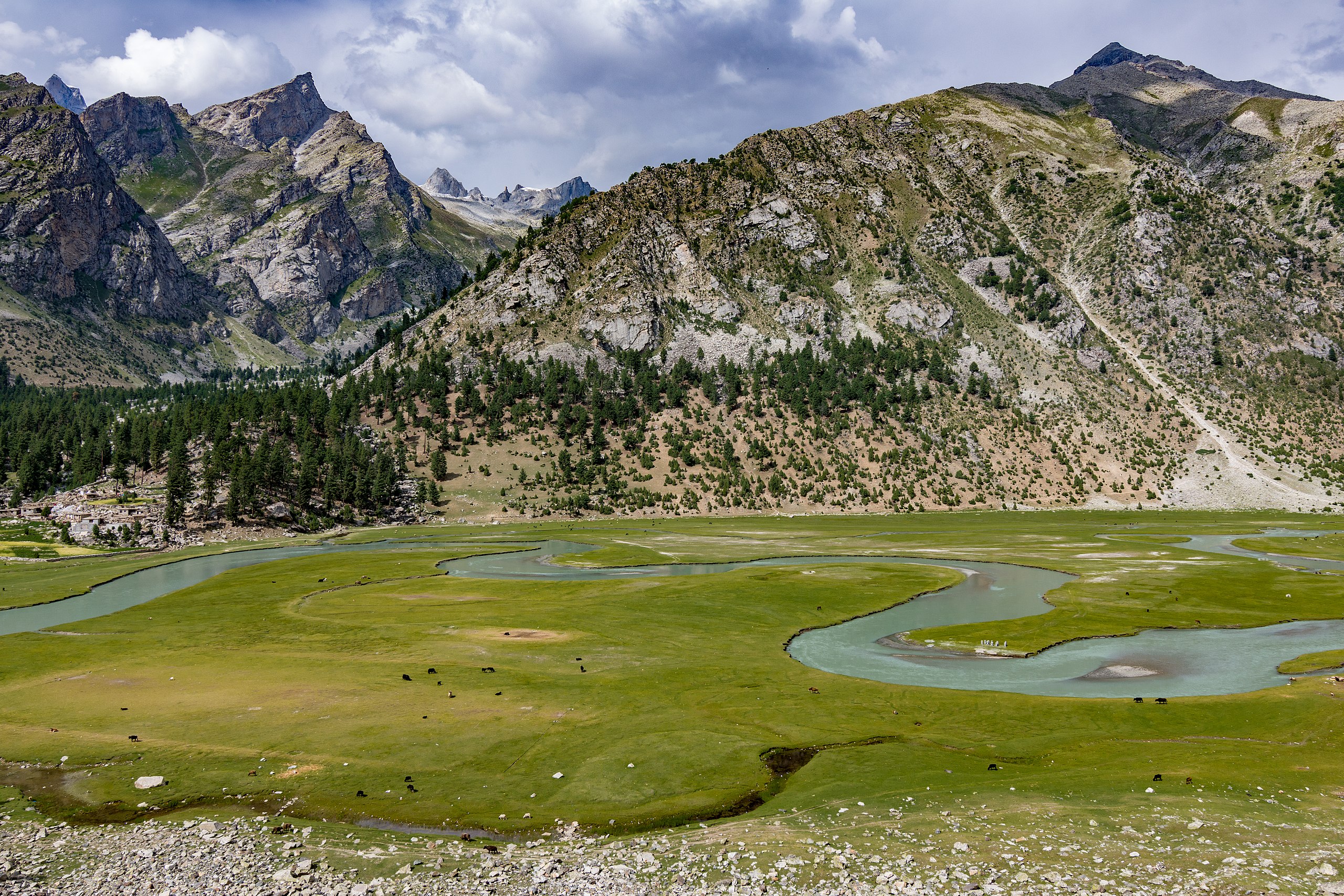
Despite being a remote destination surrounded by untamed wilderness, Allah Wali Jheel in the Astore Valley of Gilgit-Baltistan is far from being devoid of human story. Hidden in this high-altitude haven is a rich tapestry of folklore, cultural heritage, tribal legacy, and religious mystique that give the lake its revered name and spiritual ambiance. Understanding the historical and cultural background of Allah Wali Jheel is vital for any traveler who wishes not just to see the lake, but to experience it.
Origins of the Name – “Allah Wali Jheel”
The lake’s name, Allah Wali Jheel, literally translates from Urdu as “The Lake of God’s Friend.” Locals believe the name originated from ancient Sufi legends passed down orally across generations. One popular tale suggests that a dervish or mystic, believed to be a Waliullah (friend of God), once resided in solitude near the lake’s shores. He is said to have spent years in prayer, meditation, and communion with nature, believing the lake to be a divine reflection of paradise. Locals who visited him claimed that miracles occurred in the valley—sick livestock were healed, lost travelers found their way, and the water level of the lake would rise and fall according to his presence.
To this day, elders in Minimarg and surrounding hamlets refer to the lake with a quiet reverence, and some even leave flowers or pebbles at the lake’s edge as tokens of spiritual respect. It is believed by many villagers that the soul of the mystic still lingers in the area, watching over those who visit the lake with a pure heart.
The People of Minimarg and Astore – Ethnic Diversity and Resilience
The cultural roots of the region around Allah Wali Jheel are deep and complex. Minimarg, the closest village settlement, is home to a resilient and diverse population consisting mainly of Sheen, Yashkun, and Gujjar ethnic groups. These communities have lived in the rugged terrain of Astore for centuries, adapting to its harsh winters, high altitudes, and seasonal isolation with ingenuity and strong communal ties.
-
Sheen: Often considered the original inhabitants of Gilgit-Baltistan, they are known for their unique language, Shina, and are recognized for their hospitality and farming skills.
-
Yashkun: Related ethnically and linguistically to the Sheen, they often intermarry with them and share cultural traditions.
-
Gujjars: Traditionally nomadic, the Gujjars are cattle herders who migrate with the seasons, often bringing their flocks to graze near the lake in summer.
These groups coexist peacefully and follow a blend of Sunni Islam and local Sufi traditions. Cultural festivals, prayer rituals, and folklore all play an integral role in shaping the spiritual aura that permeates the region, particularly around Allah Wali Jheel.
The Lake in Oral Histories and Mythology
The absence of written documentation about the lake’s past is compensated by a wealth of oral traditions, some of which trace the lake’s sacred significance back centuries. One such story passed down in Minimarg tells of a time when the lake was considered a place of judgment—a mirror for the soul. It is said that only those with pure intentions could see the lake’s reflection clearly, while others would see ripples or fog clouding the waters.
Another intriguing legend claims that the lake is guarded by invisible forces, possibly Pirs (holy men) or nature spirits, who deter greedy outsiders and reward those who come in peace. Stories of mysterious lights seen hovering over the lake at night, especially during full moons, are common among villagers and shepherds.
Though these accounts may blur the line between myth and reality, they add an invaluable layer of cultural meaning to Allah Wali Jheel. For locals, the lake is not merely a body of water—it’s a living entity imbued with consciousness and divinity.
Religious Significance and Sufi Influence
Islamic spirituality, particularly Sufism, plays a central role in the historical narrative of the Astore Valley. Many of the villages that lead toward Allah Wali Jheel have small ziyarats (shrines) or grave markers of revered saints and mystics. The region has long served as a refuge for Sufi wanderers, whose poetry, teachings, and music emphasized love for nature, God, and the unity of all existence.
It is believed that several saints traveled through the Minimarg area on their way to Kashmir or Ladakh centuries ago, using the lake as a resting and meditation point. Today, though no official shrine exists at the lake, many still view it as a natural sanctuary where one can feel closer to the Divine.
Travelers often report feeling a sense of inner peace and tranquility upon reaching the lake—an experience described as “soul-healing” or “spiritually awakening.” This might be partly due to the elevation and remoteness, but local belief attributes it to the barakah (blessing) of the Waliullah who once lived there.
Role During the Ancient and Modern Era
Historically, the route passing through Minimarg and near Allah Wali Jheel was part of a trans-Himalayan trade and communication corridor that connected Astore with parts of Kashmir and Ladakh. Traders, monks, and warriors frequently traversed this corridor until borders were redrawn in the 20th century, especially after the Partition of British India in 1947.
Post-partition, Minimarg and Allah Wali Jheel became part of a militarily sensitive zone due to their proximity to the Line of Control (LoC). Since then, public access has been restricted, and the area remained off the radar until recently. This restricted exposure helped preserve the lake’s ecological and cultural integrity but also limited awareness about its beauty.
In recent years, however, controlled tourism and local community initiatives have begun introducing the lake to Pakistan’s wider adventure community. With an emphasis on eco-tourism and cultural preservation, villagers and local NGOs are attempting to build a sustainable tourism model that respects both nature and heritage.
Cultural Practices and Traditions
Life in Minimarg revolves around agrarian customs, seasonal festivals, and spiritual observances. During the summer season, communities often move closer to high-altitude pastures, including the areas around Allah Wali Jheel. It is common to see women weaving wool, men herding cattle, and children playing with wooden toys handmade by local artisans.
Language, music, and poetry are vibrant in local gatherings. Traditional instruments like the rabab and ghitara are played during festivals and family events. Although such events are rare around the lake itself due to its sacred status, the cultural heartbeat of Minimarg is evident in the hospitality and storytelling of its people.
Respect Local Culture: When visiting Allah Wali Jheel, dress modestly, seek permission before photographing people, and avoid littering. Many locals view the lake as sacred and expect visitors to behave respectfully.
Best Time to Visit Allah Wali Jheel – Seasons, Climate, and Ideal Travel Windows
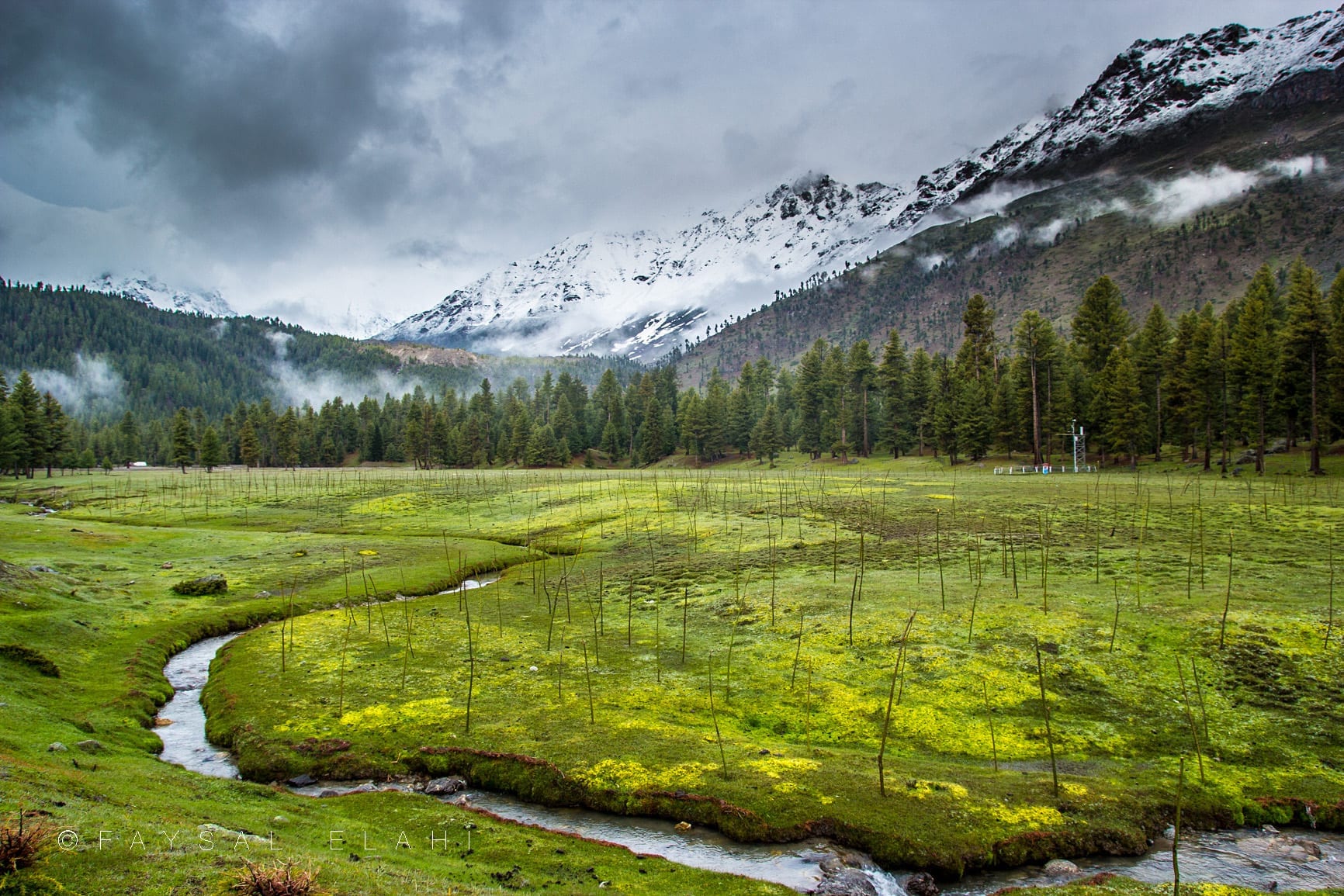
When planning a journey to Allah Wali Jheel in Astore, timing is not just important—it is everything. The lake’s location at approximately 3,400 meters (11,155 feet) in the Minimarg sector of Gilgit-Baltistan places it within a highly sensitive and seasonal mountain zone, where access is dictated by snowmelt, glacial movement, and army checkpoint schedules. Understanding the best time to visit Allah Wali Jheel ensures that you experience its full majesty—without the risk of getting stranded, blocked by snow, or restricted due to weather-related closures.
Seasonal Access – A Strict Summer Window
Allah Wali Jheel is only accessible during the summer season, typically from late May to early October. Outside of this window, the route leading to the lake—especially the Chilm and Domail sectors—becomes impassable due to heavy snow, glacial ice, and landslides.
High Season (June to August)
-
Weather: Clear skies, cool temperatures, blooming wildflowers, and flowing streams
-
Daytime Temperature: 10°C to 22°C (50°F to 71°F)
-
Nighttime Temperature: Drops to 2°C to 8°C (35°F to 46°F)
-
Access: Easiest and safest
-
Visibility: High – ideal for photography and trekking
-
Landscape: Verdant alpine meadows, turquoise lake, grazing livestock
This is the ideal time to visit Allah Wali Jheel. During these months, the snow has melted from the jeep tracks and trails, allowing vehicles to reach Minimarg and even get close to the lake’s vicinity. The scenery is vibrant and colorful, with grazing yaks and goats dotting the lush green valleys.
The water in the lake reaches its most vivid turquoise hue during this time due to glacial melt. Wildflowers bloom in the surrounding meadows, and the sun, though mild, offers long daylight hours that are perfect for exploration, photography, and even light trekking.
Shoulder Season (Mid-May & Late September to Early October)
-
Weather: Unpredictable – warm days but rapidly cooling nights
-
Daytime Temperature: 5°C to 15°C (41°F to 59°F)
-
Nighttime Temperature: Sub-zero to 5°C (32°F to 41°F)
-
Landscape: Mixture of thawing ice and early snow
-
Risks: Increased chances of road closures, army restrictions, and cold nights
During mid to late May, the lake begins to thaw, but road access can still be blocked by ice or mudslides. Similarly, late September into early October marks the onset of autumn in the higher valleys. The meadows start turning golden-orange, which is visually stunning, but you also risk sudden snowfalls and freezing conditions, especially at night.
Travelers during this period should be well-equipped with winter trekking gear, insulated sleeping bags, and portable cooking supplies in case of delays.
Off-Season (November to April)
-
Completely inaccessible
-
Temperature Range: -20°C to -5°C (-4°F to 23°F)
-
Snowfall: Heavy accumulation; jeep tracks buried
-
Risk Level: Extreme – routes cut off, zero support, severe weather
During winter and early spring, Allah Wali Jheel is essentially cut off from the outside world. The entire Minimarg sector receives heavy snowfall—up to several feet—which blocks not just the lake access routes but also key arteries into Astore and Chilm. Avalanche risk, closed checkpoints, and zero tourist services make it impossible and unsafe to attempt travel during this time.
Warning: Do not attempt winter exploration without official permits, full military clearance, and survival-grade expedition support.
Month-by-Month Breakdown
| Month | Accessibility | Landscape | Conditions | Ideal For |
|---|---|---|---|---|
| May | Partial | Thawing snows | Cold, muddy, limited access | Adventurous trekkers, early birds |
| June | Full | Green meadows | Pleasant, safe, open tracks | General tourists, photographers |
| July | Peak | Lush and vibrant | Warm days, cool nights | Families, campers, nature lovers |
| August | Peak | Blooming flora | Mild monsoon, beautiful skies | Trekkers, spiritual travelers |
| September | Shoulder | Turning golden | Crisp air, occasional frost | Photographers, seasoned hikers |
| October | Risky | Early snow | Cold, limited support | Only for experienced adventurers |
| Nov–Apr | Closed | Deep snow | Hazardous, no accessibility | Not recommended |
Ideal Time Based on Traveler Type
-
Nature Lovers & Casual Tourists: Late June to early September
-
Photographers & Videographers: Mid-July to mid-August (for best light and reflections)
-
Adventure Trekkers: May end and September start
-
Spiritual Travelers / Meditation Seekers: June and September (for fewer crowds)
Important Weather Considerations
The high-altitude climate of Astore Valley means weather can change rapidly, even in summer. A sunny morning can turn into a hailstorm by afternoon, so pack accordingly.
-
Carry: Waterproof jackets, thermal layers, gloves, sunblock, and backup food
-
Expect: Afternoon rain showers in August, especially during the monsoon spillover
-
Prepare for: Delays due to landslides, road erosion, or military clearances
Sunlight Tip: The lake lies in a valley that gets clear golden light during early morning (6 AM–9 AM) and dramatic shadows in the evening. Plan your photography accordingly.
Astrophotography and Stargazing
One of the lesser-known seasonal advantages of visiting Allah Wali Jheel in peak summer is its potential for astrophotography. With zero light pollution and crystal-clear skies, July and August offer some of the most magnificent night skies in Pakistan.
-
Milky Way Visibility: Very high
-
Best Time: Between 1 AM and 4 AM
-
Conditions: No moon, dry air, open sky
-
Gear Suggested: Tripod, wide-angle lens, remote shutter, thermal jacket
Many travelers report the experience of lying beside the lake at night and witnessing shooting stars and planetary alignments, making it a surreal memory etched forever.
Festival & Cultural Events Calendar
Though no major public festival is held directly at the lake due to its remoteness, the surrounding villages host seasonal fairs and local gatherings in Astore and Minimarg during the accessible months.
-
July: Agricultural blessings and livestock fairs in Minimarg
-
August: Independence Day (Aug 14) celebrated patriotically in army-controlled zones
-
September: Harvest festivals and spiritual gatherings in nearby hamlets
If you’re lucky to be in the region during these times, you may be invited by local families for tea, traditional music, or even a local game of polo or buzkashi.
Things to Do Around Allah Wali Jheel – Attractions, Activities, and Nature Exploration

Visiting Allah Wali Jheel is more than just standing beside a high-altitude lake—it’s an immersive experience that engages all your senses. This untouched paradise in the heart of Minimarg, Astore, isn’t just a destination; it’s a gateway to nature, culture, and spiritual serenity. From serene hikes and wildlife encounters to cultural exploration and meditation in silence, the things to do around Allah Wali Jheel are ideal for travelers seeking depth and authenticity.
1. Explore the Lake Perimeter – A Walk into Tranquility
Begin your exploration with a peaceful walk around Allah Wali Jheel. The terrain surrounding the lake is gentle in most places and presents an incredible 360-degree panoramic view of snow-clad mountains, meadows bursting with wildflowers, and the lake’s constantly changing surface—from jade green in the morning to sapphire blue at dusk.
-
Trail length: Approx. 2.5 km loop
-
Duration: 1 to 1.5 hours at an easy pace
-
Highlights: Wildflowers, yak sightings, perfect photo spots
The western side of the lake offers rocky outcrops ideal for photographers or those seeking solitude. On the eastern side, a small ridge reveals stunning views of the Minimarg Valley below, with mist often rolling in from the forests.
📸 Tip: The southern edge of the lake gives the most dramatic sunrise reflections—arrive just after dawn for magical colors.
2. Trek to Adjacent Meadows and Ridges
Beyond the lake lies an expansive alpine ecosystem full of hidden treasures. You can venture out on short trekking trails to nearby meadows, ideal for picnics, photography, or simply soaking in nature.
Recommended Spots:
-
Rangwali Top: A short 1.5 km uphill hike offering wide-angle views of Allah Wali Jheel and the surrounding ranges.
-
Shaikhan Gali: A flat meadow area northeast of the lake where locals graze their cattle in summer.
-
Pine Rock Point: Known for its centuries-old twisted pine trees and views of the hidden ravines to the east.
These micro-trails are perfect for day hikes and require no guide, though a local porter can enhance the experience with storytelling and insider knowledge.
3. Wildlife Watching and Bird Photography
The region around Allah Wali Jheel is part of a transitional alpine ecosystem, home to a surprising diversity of wildlife. Early morning and late afternoon are the best times for wildlife sightings.
Species to Watch For:
-
Himalayan marmots: Commonly seen near rocks, whistling loudly when alarmed
-
Ibex and Markhor: Rare but occasionally seen on distant cliffs
-
Golden eagles and lammergeiers: Circling high above the lake
-
Himalayan snowcocks: Often heard before seen in higher meadows
Bring a binoculars or zoom lens if wildlife watching is part of your itinerary. Since the lake is largely undisturbed by human activity, sightings here feel intimate and special.
🐾 Eco Tip: Avoid feeding animals or disturbing nesting sites—preserve their natural behavior for future generations.
4. Lakeside Meditation and Nature Journaling
There are few places more suited for reflection and inner peace than Allah Wali Jheel. The absolute silence—broken only by rustling grass or distant streams—makes it an ideal spot for meditation, yoga, or journaling.
Some travelers choose to sit for hours on the lake’s western shore, letting their thoughts flow freely, inspired by the vastness of the natural world. This is where many say they feel the “sacredness” of the lake—the same serenity that gave rise to its name.
-
Best Spots: Near the large granite boulders along the southern shore
-
Suggested Gear: Lightweight mat, blanket, and a weatherproof journal
🌿 Spiritual Insight: Locals believe that spending silent time at the lake invites blessings from the Wali (mystic) who once lived nearby.
5. Star-Gazing and Astrophotography
One of the rarest and most rewarding activities at Allah Wali Jheel is night-time stargazing. With zero light pollution, the skies here are among the clearest in the world.
-
Milky Way visibility: Peak during July and August
-
Ideal Conditions: New moon nights with dry, clear skies
-
Gear Needed: DSLR or mirrorless camera, wide-angle lens, tripod, and thermal wear
Some travelers camp overnight just to capture long-exposure shots of the Milky Way reflected in the lake, creating dreamlike symmetrical images few places on Earth can offer.
6. Photography – Capture Landscapes that Tell Stories
Whether you’re a seasoned landscape photographer or an amateur with a smartphone, Allah Wali Jheel offers frame-worthy shots at every angle. The lake’s changing light, reflective surface, and surrounding ridgelines create a natural composition canvas.
Iconic Photo Angles:
-
Reflection Shot: South ridge early morning
-
Panorama: Drone shot from Rangwali Top
-
Wildlife Close-up: Near the eastern boulders
-
Sunset Silhouette: From the north bank, facing southwest
Image Alt Text Tip: For SEO, describe each image with detail like: “Allah Wali Jheel sunset reflecting mountain peaks in Astore Valley, Gilgit-Baltistan”
7. Cultural Interaction with Locals
If your route includes a night or day in Minimarg or Domail, spend time interacting with local communities. The Sheen and Yashkun tribes are hospitable, and their oral storytelling, cuisine, and pastoral life add a human richness to your journey.
-
Tea invites: You may be offered traditional “namkeen chai” (salt tea)
-
Folk music: If lucky, you might hear tunes played on a local rabab
-
Handicrafts: Women weave woolen shawls and hand-knit socks—perfect souvenirs
Even if communication is limited (many speak Shina or Urdu), smiles and shared moments break all language barriers.
8. Painting or Sketching
The serenity of the landscape draws artists, painters, and illustrators, who find the lake’s silence and visual harmony perfect for plein air painting. Whether you’re using watercolors, graphite, or simply pen and ink, the lake offers endless inspiration.
Creative Tip: Capture not just the lake but also the silhouettes of locals, fluttering prayer flags, or wildflowers blowing in the wind.
Local Food and Cuisine in Astore & Minimarg – A Culinary Introduction to Gilgit-Baltistan’s Remote Heart
Travel isn’t only about breathtaking views and soul-stirring landscapes—it’s also about tasting the culture. When visiting Allah Wali Jheel, the culinary journey begins in the surrounding villages of Minimarg, Domail, and Astore, where ancient flavors and traditional cooking methods still dominate the food scene. The local food in Gilgit-Baltistan reflects the harsh terrain and vibrant community lifestyle—nutritious, hearty, simple, yet incredibly fulfilling.
1. Understanding the Culinary Landscape
Gilgit-Baltistan’s remote valleys like Minimarg have limited agricultural land, so their cuisine has evolved to maximize local resources like grains, dairy, and seasonal vegetables. You’ll find hand-ground wheat, barley, yak butter, wild herbs, and mountain honey in everyday meals.
Local cooking is mostly done on open wood-fire stoves, adding a smoky aroma that makes even the simplest dishes feel gourmet. Spices are used sparingly—more for warmth and aroma than heat—making the food enjoyable for most palates.
2. Must-Try Local Dishes Near Allah Wali Jheel
a. Chapshuro (Meat Pie)
Chapshuro is often dubbed the “pizza of Gilgit-Baltistan.” It’s a stuffed bread filled with minced yak or goat meat, onions, coriander, and green chilies. Cooked on a hot griddle and served with mint chutney, it’s filling and flavorful.
- Best eaten: Fresh off the griddle in Domail bazaar
b. Gooli (Wheat Dumplings)
These soft, steamed dumplings are made with whole wheat flour and served with a savory yak-butter broth. Popular in winter, Gooli is comfort food for the mountain soul.
- Local tip: Add a spoonful of apricot oil for a nutty flavor.
c. Mamtu (Steamed Meat Dumplings)
Influenced by Central Asian cuisine, Mamtu are dumplings filled with minced meat and onions, steamed in stacked pots and served with garlic-yogurt dip.
- Try it at: Local guesthouses in Minimarg
d. Dried Apricots and Mulberries
The region is famous for sun-dried fruits, especially apricots and mulberries. These are often served with tea or ground into chutneys and sauces.
- Great as: Travel snacks and gifts
3. Traditional Beverages
a. Namkeen Chai (Butter Tea)
A staple in cold highlands, this tea is made from green tea leaves, salt, milk, and yak butter. Its savory flavor may surprise first-time drinkers but offers essential calories and warmth.
- Pair with: Local bread or barley biscuits
b. Kahwa (Saffron Green Tea)
Infused with cardamom, saffron, and sometimes almonds, Kahwa is a delicacy reserved for guests and special gatherings.
- Where to find: Offered in most homestays
4. Meal Etiquette and Hospitality
Eating with locals is a humbling experience. Meals are typically shared from a central platter, and you’re expected to eat with your right hand. Don’t be surprised if a family invites you for tea or insists you stay for dinner—their hospitality is legendary.
- Respect tip: Always accept at least one cup of tea when offered—it’s considered disrespectful to refuse.
5. Where to Eat
There are no formal restaurants near Allah Wali Jheel, but local guesthouses and community-run tea stalls provide freshly cooked meals. Options are limited, so it’s recommended to:
- Pre-order meals in Minimarg or Domail
- Carry high-energy snacks like nuts, energy bars, and biscuits
- Pack essentials like your preferred spices or instant food if you have dietary restrictions
6. Sustainable and Responsible Eating
As tourism increases, so does the risk of pollution and resource strain. When dining in the region:
- Avoid packaged food that generates waste
- Carry reusable utensils and bottles
- Support local produce and small kitchens instead of bringing processed items
7. Cooking with Locals – An Unforgettable Experience
Some homestays or guides may offer cooking classes or allow you to assist in meal prep. This is an extraordinary way to:
- Learn ancient cooking methods
- Hear local stories while kneading bread or stoking firewood
- Exchange recipes and share your own culinary traditions
“The aroma of Chapshuro sizzling on a wood-fired stove as you sip salty tea in a hand-carved wooden hut—this is food not just for the body, but for the soul.”
Accommodation Options Near Allah Wali Jheel – Staying Amidst Wilderness and Warmth
Finding a place to stay near Allah Wali Jheel is not like checking into a typical hotel. This high-altitude gem in the heart of Astore Valley offers more than just a roof—it offers raw connection to nature, local culture, and unmatched serenity. Since Allah Wali Jheel lies in a remote alpine zone near Minimarg and Domail, accommodation options are limited, but with the right guidance, you can have a cozy, authentic, and memorable stay.
1. Understanding the Accommodation Landscape
Due to the lake’s secluded location and the absence of a formal tourism infrastructure, there are no hotels or luxury resorts near Allah Wali Jheel. Instead, travelers can choose from:
-
Family-run guesthouses
-
Army-supervised rest houses (with permission)
-
Camping under the stars
-
Homestays in nearby villages
This blend of options allows visitors to immerse themselves in the natural and cultural rhythms of the region, though it also demands a degree of preparation and flexibility.
2. Guesthouses in Minimarg and Domail
Minimarg and Domail, both accessible within 2-3 hours from the lake (by jeep or trekking), host the most viable accommodation for travelers heading to Allah Wali Jheel.
a. Minimarg Guesthouses
These simple yet welcoming setups usually consist of wooden cabins with basic furniture, blankets, and sometimes solar-powered lights.
-
Notable stays: Al-Aziz Guesthouse, Domail Lodge, Mountain Soul Huts
-
Facilities: Basic bedding, local food, shared washrooms
-
Average cost: PKR 3,000–5,000 per night (negotiable)
-
Booking: Typically walk-in; advanced booking via local tour guides is recommended
b. Domail Valley Lodgings
Domail has slightly better infrastructure thanks to its proximity to the military base and strategic location.
-
Expect: Neater accommodations, army-managed zones (permissions needed)
-
Security: High, due to army presence
-
Accessibility: Best base camp for a trip to the lake
Tip: It’s best to hire a local guide from Astore or Minimarg who can arrange both accommodation and permissions.
3. Homestays – A Cultural Immersion
In Astore and the outlying villages like Chillam, Gudai, and Rattu, homestays offer an intimate look into local life. You stay with a host family, eat their food, hear their stories, and often help in daily tasks.
-
Benefits: Cultural exchange, authentic food, warm hospitality
-
Drawbacks: Lack of privacy, language barrier
-
Price: Donation-based or PKR 1,500–2,500 per night
-
Etiquette: Bring small gifts, be respectful of customs, ask before taking photos
Homestays can often be arranged on the spot but for high-season visits (July–September), contacting locals via social media pages or local tourism offices is advisable.
4. Army Rest Houses – Exclusive and Regulated
The Pakistan Army has strategic rest houses near Domail and Minimarg, built for military personnel but sometimes available to civilians with prior approvals.
-
How to book: Through military contacts or permits issued from Astore headquarters
-
Pros: Secure, clean, located near the lake
-
Cons: Restricted access, red tape, curfews
-
Important: Always carry original CNIC, and respect all rules inside cantonment areas
Warning: Unauthorized entry near army posts is strictly prohibited and can lead to legal issues.
5. Camping – A Night Under the Stars
For seasoned trekkers and adventure lovers, camping near Allah Wali Jheel is the ultimate experience. The meadows around the lake offer flat, scenic spots for tent pitching and watching the Milky Way unfold.
-
Requirements: Your own tent, sleeping bags, stove, food supplies
-
Best season: June to early September (no snow, clear skies)
-
Precautions:
-
Avoid camping too close to the lake (respect wildlife zones)
-
Use eco-friendly gear
-
Never leave trash behind
-
Ideal Camping Spots
-
Southern banks of Allah Wali Jheel
-
Upper ridges offering panoramic views
-
Near shepherd huts for safety
“Waking up to the glassy reflection of snow-draped peaks in Allah Wali Jheel, with nothing but the sound of the wind and birds—this is where silence speaks loudest.”
6. Travel Agencies and Local Tour Operators
Several Gilgit-Baltistan-based tour operators offer full-board packages to Allah Wali Jheel, including transportation, guided trekking, camping, and lodging.
-
Reliable options:
-
WanderBeyond Pakistan
-
NatureHolic Tours
-
Rattu Valley Treks
-
Booking through these operators ensures streamlined accommodation and travel, but prices can be higher (PKR 30,000–60,000 for 3–4 day trips).
7. Booking Tips and Essentials
-
Avoid last-minute plans; limited spots fill up fast during peak season
-
Always confirm amenities—not all guesthouses have running water or heating
-
Carry your own bedding (sleeping bag/blankets) if you’re unsure about cleanliness
-
Bring solar-powered chargers for devices—electricity is inconsistent
8. Responsible Travel and Accommodation Choices
Given the ecological fragility of the region:
-
Avoid using plastic at guesthouses and campsites
-
Tip local hosts generously—many rely on seasonal tourism
-
Leave no trace: take back every item you bring, especially wrappers and cans
Travel Tips and Essentials for Visiting Allah Wali Jheel – Navigate the Journey Like a Local Explorer
Venturing to Allah Wali Jheel is no ordinary vacation—it’s a journey into one of the most remote, serene, and untouched alpine environments in Pakistan. To ensure a safe, comfortable, and immersive experience, travelers need to plan meticulously and prepare beyond the basics. From what to pack and wear to dealing with altitude sickness, this section is your ultimate companion guide to making the most of your visit to this breathtaking lake.
1. Prepare for the Remoteness
Allah Wali Jheel lies deep within the Astore region, beyond Minimarg, where paved roads fade into dusty trails and phone signals are a luxury. There are no supermarkets, ATMs, or hospitals nearby, so self-sufficiency is essential.
- Carry sufficient cash (preferably in small denominations)
- Download offline maps and GPS tools
- Pack all necessary medications, including altitude pills, painkillers, and antiseptics
- Inform someone of your itinerary before heading off-grid
Local Tip: Carry a power bank or small solar charger—electricity can be inconsistent, especially in guesthouses.
2. Best Gear to Pack
Even during summer, the region’s high elevation brings sudden weather shifts. Mornings can be bright and sunny, while afternoons may bring rain, wind, or cold gusts.
Must-haves include:
- Insulated waterproof jacket
- Layered thermal clothing
- High-ankle trekking boots
- Woolen cap and gloves
- Sunglasses with UV protection
- Sunscreen (SPF 50+)
- Lip balm with SPF
- Lightweight, reusable water bottle
Eco Tip: Carry reusable utensils and a collapsible cup to reduce waste.
3. Health and Safety Considerations
At altitudes above 3,000 meters, visitors may experience symptoms of Acute Mountain Sickness (AMS) like headaches, nausea, dizziness, or fatigue.
To avoid this:
- Ascend gradually (especially if coming from lower altitudes)
- Stay hydrated but avoid alcohol and caffeine
- Consume high-calorie, nutritious meals
- Rest frequently
If symptoms persist, descend immediately.
Also bring a basic first-aid kit that includes:
- Bandages, gauze, antiseptic
- Ibuprofen or paracetamol
- Antihistamines
- Insect repellent
4. Clothing Etiquette and Cultural Respect
Gilgit-Baltistan is deeply rooted in conservative cultural values, especially in smaller settlements like Domail and Minimarg. Dress modestly and respectfully.
- Women should wear loose clothing, preferably with a shawl or dupatta
- Men should avoid sleeveless shirts or shorts in public
- Avoid public displays of affection
Respect local customs and always ask before photographing locals or homes.
5. Language and Communication
The primary language spoken is Shina, though many locals also understand Urdu. English is limited to educated youth or tour guides.
Learn a few key phrases:
- Shukriya – Thank you
- Assalamualaikum – Hello/Peace be upon you
- Meherbani – Please
Carrying a phrasebook or translation app (downloaded offline) can be very helpful.
6. Connectivity and Power
There is no cell service or Wi-Fi at Allah Wali Jheel. Limited signal is sometimes available in Minimarg or Domail if you use SCOM (the regional telecom provider). Other networks won’t work.
Electricity may only be available during limited hours via solar or small generators.
- Charge devices whenever you find power
- Carry an extra memory card for your camera
- Use Airplane Mode to conserve battery
7. Permits and Identification
Since Minimarg is a sensitive border zone, travelers (especially foreigners) need to acquire special NOC (No Objection Certificate) permits in advance.
- Pakistani travelers should carry their CNIC at all times
- Foreigners must apply for the NOC through their embassy or a registered tour operator
Check for latest regulations with local authorities or tourism offices before your trip.
8. Photography and Drone Use
The landscapes are surreal, and photography is a must. However, drone flying is restricted in sensitive areas near the border.
- Always seek permission before launching drones
- Do not photograph military personnel or installations
- Avoid taking pictures of women or elders without consent
Bonus Tip: Early morning and sunset provide the most stunning light for photography.
9. Navigation and Terrain Awareness
Allah Wali Jheel is accessed through unpaved trails and rugged mountain paths. Unless you’re an experienced trekker, hiring a local guide is strongly recommended.
- Use GPS or downloaded maps for backup
- Wear shoes with good grip—many trails are rocky or slippery
- Watch out for landslides or sudden weather changes
10. Emergency Contacts and Local Assistance
While there are no hospitals, the Pakistan Army maintains posts in Minimarg and Domail, which may offer basic emergency assistance in dire situations.
Keep a list of emergency contacts including:
- Nearest tour operator
- Police post (in Astore town)
- Local guesthouse contacts
Family back home
Costs and Budgeting for Your Trip to Allah Wali Jheel – Plan Your Adventure Wisely
Visiting Allah Wali Jheel is not just a scenic experience but also a logistical one. Unlike conventional tourist destinations, where expenses are predictable, a trip to this remote alpine lake requires a well-thought-out budget. From transportation and permits to food and emergency funds, this guide provides a comprehensive breakdown of potential costs to help you plan your journey realistically and efficiently.
1. Transportation Costs
Getting to Allah Wali Jheel involves multiple legs of transport:
- Islamabad to Astore: Roughly PKR 3,000–5,000 by bus or van (one way)
- Astore to Minimarg/Domail: 4×4 vehicle hire costs around PKR 12,000–18,000 per day (split among 4–6 passengers)
- Local Jeep Rental (to reach trailhead): PKR 6,000–8,000 per trip
- Guide Fees: PKR 2,000–4,000 per day depending on experience and services
Pro Tip: Travel in groups to split the cost of jeeps and guides.
2. Permits and Documentation
For Pakistani nationals:
- CNIC: No cost, but must be carried at all times
For foreigners:
- NOC Permit: Typically free but must be applied for in advance via registered tour operators or embassies
- Tour operator fee: May charge processing fees of PKR 5,000–15,000 depending on services
3. Accommodation Budget
Options near the lake are limited, so most travelers stay in Domail or Minimarg:
- Basic Guesthouses: PKR 1,000–2,500 per night per person
- Mid-range lodges: PKR 3,000–5,000 per night (with better facilities)
- Army Rest Houses (if available): May require permission and cost PKR 1,000–3,000
Note: Book in advance during summer peak months (June to August).
4. Food and Daily Meals
While traveling in remote regions:
- Local meals: PKR 300–500 per person per meal
- Snacks and water: PKR 100–300 per day
- Cook service (if camping): PKR 1,500–2,500 per day for a hired cook
Suggestion: Pack dry fruits, instant noodles, and energy bars from Astore or Islamabad.
5. Camping Equipment and Rentals
If you choose to camp near Allah Wali Jheel:
- Tent rental: PKR 500–1,000 per night
- Sleeping bags: PKR 300–500 per night
- Cooking gear rental: PKR 200–500 per day
- Porter charges (optional): PKR 1,000–2,000 per day
Tip: Bring your own camping gear if you plan multiple adventures—it’s more cost-effective long term.
6. Emergency and Medical Funds
Because of the remote setting, always set aside a buffer:
- Emergency fund: PKR 5,000–10,000 minimum
- Satellite phone rental (if needed): PKR 1,000–2,000 per day
- Basic medical supplies: PKR 500–1,000
Life-saving Tip: Always inform someone of your expected return time and have a contact list printed.
7. Miscellaneous and Hidden Costs
- Tips for guides or drivers: PKR 200–500
- Entry or photography fees (rare): PKR 200–500
- Fuel surcharge or tolls: PKR 500–1,000
- Local souvenirs or handmade crafts: PKR 300–2,000
8. Total Budget Estimation (Per Person for 5 Days)
| Category | Cost Range (PKR) |
|---|---|
| Transport | 10,000 – 18,000 |
| Accommodation | 5,000 – 12,000 |
| Food | 3,000 – 6,000 |
| Permits/Docs | 0 – 15,000 (foreigners) |
| Gear Rentals | 2,000 – 5,000 |
| Emergency Buffer | 5,000 – 10,000 |
| Miscellaneous | 1,000 – 3,000 |
| Total | 26,000 – 69,000 |
Note: This is a general range. Solo travel will cost more per person than traveling in groups.
9. Budgeting Tips
- Travel in groups to split transport and accommodation
- Buy supplies in Astore where prices are more reasonable
- Negotiate rates especially for jeep hires and local guides
- Keep receipts and record spending to avoid budget overruns
Hidden Gems and Offbeat Experiences Around Allah Wali Jheel – Discover the Untouched Corners of Astore
While Allah Wali Jheel itself is a crown jewel of Astore’s natural wonders, the surrounding area is dotted with secret spots and lesser-known marvels that are often missed by mainstream tourists. For the true explorer, venturing slightly off the beaten path reveals stunning alpine meadows, crystal-clear streams, forgotten shrines, and local stories passed through generations. This section unveils those rare experiences and hidden gems that make your journey even more unforgettable.
1. The Hidden Valley of Domail Bala
Tucked above Domail village, a lesser-known track leads to Domail Bala, a pristine high-altitude valley embraced by snowcapped peaks and wildflower meadows. Often bypassed by trekkers en route to Minimarg or the lake, this valley is a natural amphitheater of silence, solitude, and untouched beauty.
- Expect to see wild marmots, grazing yaks, and patches of alpine iris
- Best visited early morning for soft sunlight and misty ambiance
- Local guides from Domail can lead you there in under two hours
Explorer’s Note: There are no signs—ask locals for Gali Bala trail leading north of Domail.
2. Traditional Wood-Carved Mosques
Along the narrow lanes of Domail and Minimarg lie centuries-old wooden mosques, constructed in classic Balti and Tibetan architectural style. With steep-pitched roofs, intricately carved cedar wood, and slate walls, these mosques represent the artistic soul of the region.
- Visit the Shahi Masjid of Minimarg, known for its hand-carved Quranic verses
- Remove your shoes and ask for permission before entering
- Locals may share fascinating stories about the mosque’s construction
Cultural Tip: Be respectful and modest; many of these are active places of worship.
3. The Secret Waterfall of Laspur Stream
Halfway between Minimarg and Domail lies a narrow offshoot of the Laspur Stream that cascades down a rock face into a hidden gorge. Not marked on maps, this spot is often heard before it’s seen—the rush of water is a welcome surprise in the dense pine woods.
- A short 15–20 minute hike from the main jeep track
- Ideal for a break or picnic
- Crystal-clear water and moss-covered rocks make it a photographer’s dream
Safety Note: The rocks can be slippery—wear proper hiking shoes.
4. High-Altitude Shepherd Camps
If you trek early in the season (May–June), you’ll come across temporary shepherd settlements known locally as gaari. These camps consist of stone enclosures and yak-hair tents where Gujjars or local Balti shepherds live while grazing livestock.
- Share a cup of salty butter tea (gur gur cha) with the shepherds
- Learn how they survive extreme conditions with simple tools
- They may offer you fresh milk, yogurt, or stories passed from elders
Cultural Insight: Always ask before entering a camp and offer a small token of appreciation.
5. Abandoned Silk Route Trail
In ancient times, parts of Astore were linked to the historic Silk Road network. A few old trails, now overgrown, still connect Domail to the valleys beyond Gurez via hidden passes. These trails were once used by traders carrying herbs, salt, wool, and even jade.
- These trails are not suitable for solo treks—hire a local guide
- Remnants of ancient stone markers and shelter caves can be found
- Ideal for historical exploration and slow trekking
Fun Fact: Locals still call one ridge “Baazaar Gali”—meaning Market Ridge.
6. The Forgotten Shrine of Baba Gharib
Located near a glacial spring, the shrine of Baba Gharib is a sacred site revered by both Shia and Sunni communities. It is said that a wandering saint once meditated here for decades, blessing the area with harmony and prosperity.
- Visitors leave colorful flags, beads, and small stones as offerings
- Women usually pray from outside the main enclosure
- It is considered bad luck to litter or speak loudly at the site
Local Belief: Drinking water from the nearby spring is said to cure fatigue and strengthen resolve.
7. Stargazing from Toot Gali
Toot Gali, a ridge above Allah Wali Jheel, is a celestial observatory with zero light pollution. At night, the Milky Way sprawls across the sky, and shooting stars streak across the silence.
- Best to hike during daylight and camp overnight
- Carry a thermal blanket and binoculars
- Ideal from July to September during new moon phases
Tip for Astro Enthusiasts: Use a stargazing app like Stellarium (offline mode) to identify constellations.
8. Wild Berry Picking in Summer
During late July and early August, the meadows around the lake bloom with wild mulberries, raspberries, and currants. Many locals use these for jams and herbal medicine.
- Be sure to correctly identify edible berries—ask your guide
- Don’t over-pick; leave enough for wildlife and locals
- Rinse them with fresh stream water before eating
Eco Note: Avoid stepping on delicate moss or flowers while foraging.
9. The Hidden Ice Cave of Halmat Ridge
A few seasoned guides in Minimarg speak of a small ice cave that remains frozen year-round, hidden along the Halmat Ridge. Its location is known only to experienced locals.
- Requires a full-day guided hike from Domail or Minimarg
- The cave’s walls shimmer with frozen layers resembling crystal
- A torch or headlamp is essential to explore safely
Warning: Ice inside can be fragile—enter cautiously and avoid loud noises.
Personal Experience and Storytelling from Allah Wali Jheel – A Journey into Silence and Soul
I still remember the moment the mist parted, unveiling the pristine waters of Allah Wali Jheel for the very first time. The lake wasn’t just beautiful—it was humbling. It didn’t scream for attention like other popular tourist spots; it whispered stories of resilience, solitude, and untouched majesty. This was not just a destination. This was a pilgrimage into the wild, a communion with the divine that lies hidden in the folds of mountains.
A Journey That Begins with Uncertainty
We started our trek from Domail, under a sky slowly turning the color of copper. Our local guide, Yousuf, a wiry man in his late 50s with laughter lines deeper than the gorges we crossed, carried nothing but a walking stick and a flask of namkeen chai. He didn’t speak much, but when he did, it was in stories—stories about the jinns guarding the lake, the Sufi saints who came here to meditate, and the shepherds who dreamt of stars at Toot Gali.
Every step of the way, I felt the mountain test me. The terrain was rugged, the air thin, and silence almost sacred. The usual distractions of city life—notifications, traffic, urgency—melted away, replaced by the crunch of gravel under boots and the occasional trill of a Himalayan bird.
First Glimpse of the Divine
It took us almost six hours to reach the lake. There were no signs, no fencing, no welcome boards—just the scent of juniper, the rustle of alpine grass, and then, a sudden shimmer in the distance. Allah Wali Jheel appeared like a secret revealed only to those who truly seek. The waters were an impossible hue—somewhere between jade and turquoise—mirroring the sky and the circling eagles above.
We fell silent, instinctively. No words felt worthy. Even our guide sat down on a boulder and bowed his head. “Allah ka noor hai yeh,” he said. “This is God’s light.”
Living at the Lake’s Edge
We camped on a flat patch near the lake’s eastern shore, away from the icy breeze that swept from the western glaciers. As the night fell, temperatures plummeted, but the view of the Milky Way arching over the lake was enough to forget the cold. Wrapped in layers and sipping hot soup, I scribbled in my journal by the light of a solar lamp, capturing not just sights but feelings—solitude, awe, belonging.
That night, sleep was thin but sacred. The wind howled through the valleys like ancestral voices, and the lake gleamed under starlight like an eye open to the heavens.
Morning Rituals and Silent Blessings
At dawn, the lake changed colors again. Mist curled over its surface like incense in a shrine. I walked to the edge, barefoot and cautious, and dipped my hands into the freezing water. A local custom, Yousuf had said. “Manatein poori hoti hain yahan” (wishes are fulfilled here), he had told me.
I didn’t make a wish. I just offered gratitude.
I remembered the shrine of Baba Gharib, the wild berry jam we had tasted the day before, the faces of children waving at us from wooden balconies in Domail. Each memory stitched itself into the fabric of the journey. I realized then that travel isn’t just about going places—it’s about becoming someone else through the going.
Meeting the Keepers of the Mountain
One of the most touching parts of the journey was meeting the shepherds at Gaari. They welcomed us with thick slabs of chapshoro, steaming butter tea, and stories of wolves, blizzards, and ancestral migration routes. They offered us a place by the fire, taught us how to tie woolen knots to repair tents, and sang a folk song about a lake that holds the tears of angels.
A young boy named Amir, no more than 12, asked me why I had come so far. I said I was looking for beauty. He laughed and pointed to the lake, “Yahan sirf khamoshi milti hai, sahab. Aur asli khushi bhi.” (“You’ll find only silence here, sir. And real joy.”)
A Farewell Etched in Time
When we packed up to leave, I found myself stalling. Picking up pebbles, adjusting straps on bags unnecessarily, walking back to the lake’s edge one more time. It felt like leaving behind a piece of myself. I understood now why few people talk about this place online—not because it isn’t worth sharing, but because it’s too sacred to commodify.
We left quietly, like pilgrims exiting a shrine. Yousuf placed a small black stone under a cairn and said a silent prayer. I did the same.
Reflection on the Way Back
The trek back was lighter, not physically, but emotionally. The mountains no longer looked intimidating—they looked familiar. I felt like I had passed a test, been let into a secret. I wasn’t just carrying photos and journal entries—I was carrying a sense of peace I hadn’t known I needed.
That night, as we returned to Astore town and reconnected with the world of buzzing phones and glowing screens, the silence of Allah Wali Jheel stayed with me like a soft echo in the mind.
Frequently Asked Questions About Allah Wali Jheel
Q1: Where exactly is Allah Wali Jheel located? Allah Wali Jheel is situated in the Astore District of Gilgit-Baltistan, Pakistan, near the village of Domail and close to the Minimarg region. It lies within a high-altitude alpine zone surrounded by the majestic Himalayas.
Q2: How do I get to Allah Wali Jheel? You can reach Astore by road from Gilgit or Skardu. From Astore town, you’ll need a 4×4 vehicle to reach Domail. From Domail, a moderate trek of several hours will take you to the lake. It’s advisable to hire a local guide for directions and safety.
Q3: What is the best time to visit the lake? The ideal time to visit is between June and September, when the weather is milder, and the roads are accessible. Snow may block the route in other months.
Q4: Is camping allowed near the lake? Yes, responsible camping is allowed, but visitors must follow Leave No Trace principles. Avoid littering and maintain a safe distance from the lake to protect its ecosystem.
Q5: Are there any accommodations nearby? There are basic accommodations and homestays available in Domail and Minimarg. For the best experience, many travelers prefer to camp near the lake.
Q6: Do I need a permit to visit Allah Wali Jheel? As the region is close to the Line of Control (LoC), permits may be required for certain areas, especially for foreigners. Check with local authorities or tour operators before planning your trip.
Q7: What should I pack for the trip? Warm clothing, sturdy trekking boots, a tent, a sleeping bag, food supplies, a first aid kit, water purification tablets, and a flashlight are essential. Cell service is limited, so download maps or carry a GPS.
Q8: Is the trek suitable for beginners? While the trek isn’t very technical, the altitude and terrain can be challenging. Beginners should consider hiring a guide and preparing physically before the trip.
Q9: Can I visit with children or elderly travelers? Due to the high altitude and trekking involved, it’s not recommended for very young children or elderly individuals unless they are experienced with such conditions and in good health.
Q10: Are there any cultural considerations to keep in mind? Yes, always dress modestly, respect local customs, ask before taking photos, and greet villagers politely. Showing cultural sensitivity enhances your experience and fosters goodwill.


