
Introduction: Unveiling Kala Pani Astore
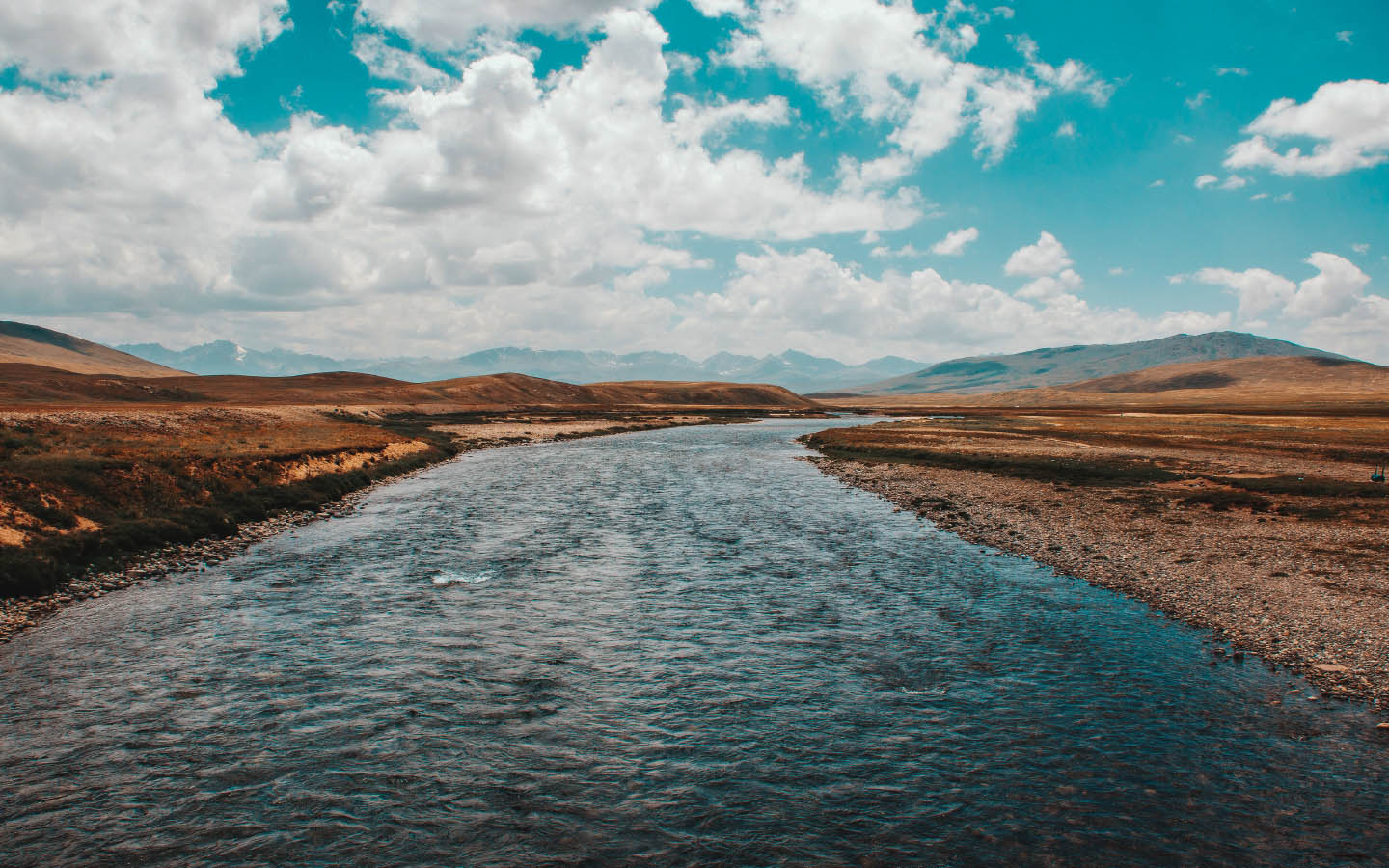
Kala Pani Astore is a secluded alpine location in the Astore district of Gilgit-Baltistan, Pakistan. Renowned for its pristine rivers, glacial streams, and surrounding mountain walls, this hidden valley remains largely unexplored compared to more popular tourist destinations. Its name “Kala Pani” (translated as black water) is attributed to the striking deep-blue hue of its river, framed by jet-black granite cliffs and forested terrain. A few hours’ drive from Astore town, Kala Pani offers a unique blend of tranquility, ruggedness, and natural beauty that draws in adventure seekers, trekking enthusiasts, and eco-tourists looking for off-the-beaten-path experiences. This introduction will guide readers through everything from travel logistics to the cultural richness of the area, establishing Kala Pani as an essential yet underrated destination for those looking to uncover Gilgit-Baltistan’s hidden treasures.
Historical Background: Tracing the Legacy of Kala Pani Astore
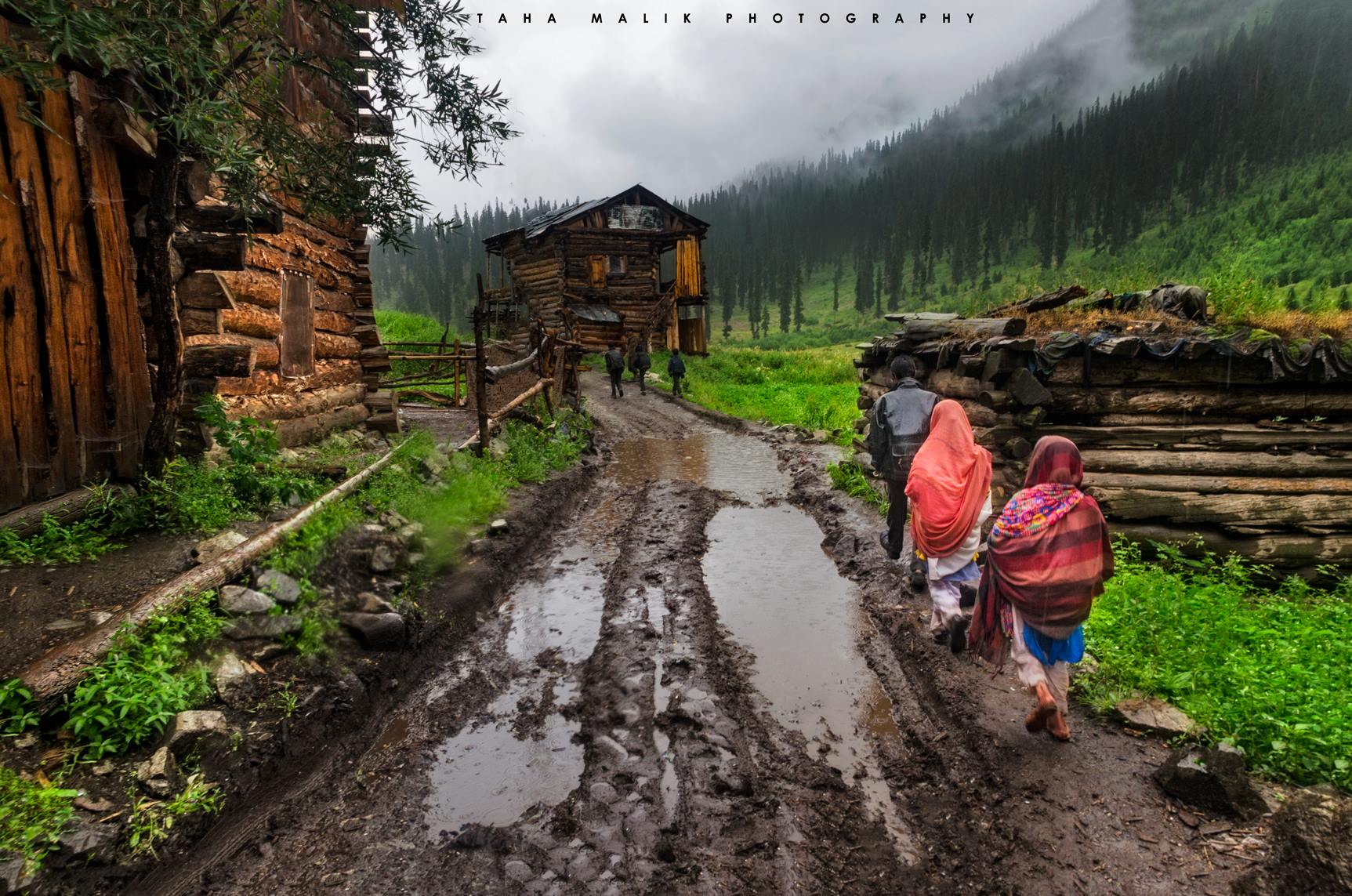
Kala Pani Astore, while remote and lesser-known, carries a subtle yet compelling historical backdrop rooted in the broader context of Gilgit-Baltistan’s shifting geopolitical and cultural landscape. Historically, the Astore Valley served as a vital corridor connecting Kashmir with Baltistan and Gilgit. Though Kala Pani was never a major trade route like the Burzil or Deosai Passes, it was part of pastoral migration routes used by nomadic communities for centuries. Local shepherds from the Shina-speaking tribes often traversed through Kala Pani to graze livestock in higher summer pastures, establishing a pattern of seasonal transhumance that continues to this day.
During the British colonial period, explorers and surveyors like George Hayward and Aurel Stein traversed the greater Astore region to chart its topography and cultural frontiers. While Kala Pani itself may not have been a focal point in British cartography, nearby routes and settlements played supporting roles in their reconnaissance missions. Oral traditions in local villages near the Kala Pani area speak of clan-based conflicts and alliances, often linked to land, water access, and spiritual beliefs tied to the valley’s sacred sites. These oral histories, though undocumented formally, add a layer of mystery to the terrain—especially with local myths about djinn and guardian spirits inhabiting the darker stretches of the river and surrounding cliffs.
Additionally, during the 20th century, with increased military activity in Gilgit-Baltistan due to Pakistan-India border tensions, areas like Kala Pani gained strategic importance for defensive observation and temporary troop movement. Though it remains a civilian zone today, its proximity to sensitive mountain passes and the Line of Control has made it a silent witness to regional tensions.
Travel Accessibility: Getting to Kala Pani Astore
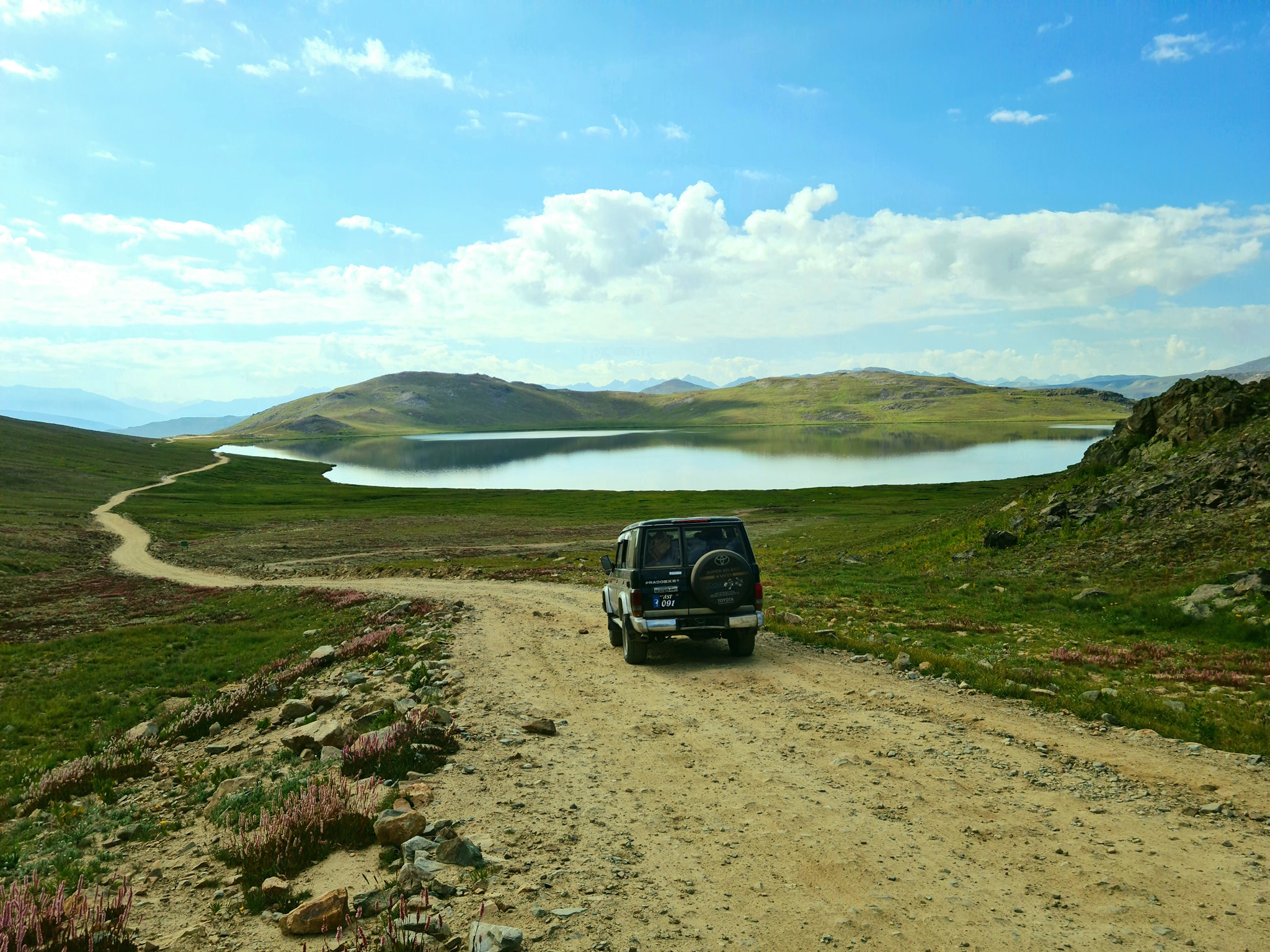
Reaching Kala Pani Astore requires determination, preparation, and a willingness to venture into the less-charted routes of Gilgit-Baltistan. The journey typically begins in Islamabad, from where travelers take the Karakoram Highway (N-35) toward Chilas, passing through scenic valleys and high mountain tunnels. At Jaglot, a pivotal junction before Gilgit, travelers divert eastward toward the Astore Valley. The road from Jaglot to Astore is rugged but drivable, stretching roughly 60 kilometers and offering breathtaking views of pine-covered slopes and snow-capped peaks.
Once in Astore town, the journey continues through a combination of paved and dirt roads toward Chilam Chowki, a remote military outpost that also serves as a common checkpoint. It is advisable for travelers, especially foreign nationals, to carry valid identification and, in some cases, a No Objection Certificate (NOC) issued by the Gilgit-Baltistan authorities, although local requirements may vary seasonally. From Chilam Chowki, a narrower road snakes further southward toward Kala Pani, and this portion often requires a 4×4 vehicle due to unpaved terrain, landslides, and frequent river crossings.
The drive between Astore and Kala Pani can take anywhere between 3 to 5 hours, depending on road conditions and weather. It is highly recommended to travel with a local driver or guide familiar with the terrain, as road markers are scarce and GPS signals can be unreliable. During winter months and early spring, snowfall and glacial melt often make the road impassable. Therefore, the optimal time to visit is between late May and early October, when the routes are accessible and the weather relatively stable.
Public transportation options are limited beyond Astore town, making private transport or guided tours essential for those aiming to reach Kala Pani. Jeep rentals are available in Astore, and local tourism offices or guesthouses can assist in arranging logistics. While the infrastructure may be challenging, it contributes to Kala Pani’s allure—only those committed to the journey are rewarded with its untouched natural beauty.
Geographical Significance: The Natural Architecture of Kala Pani Astore
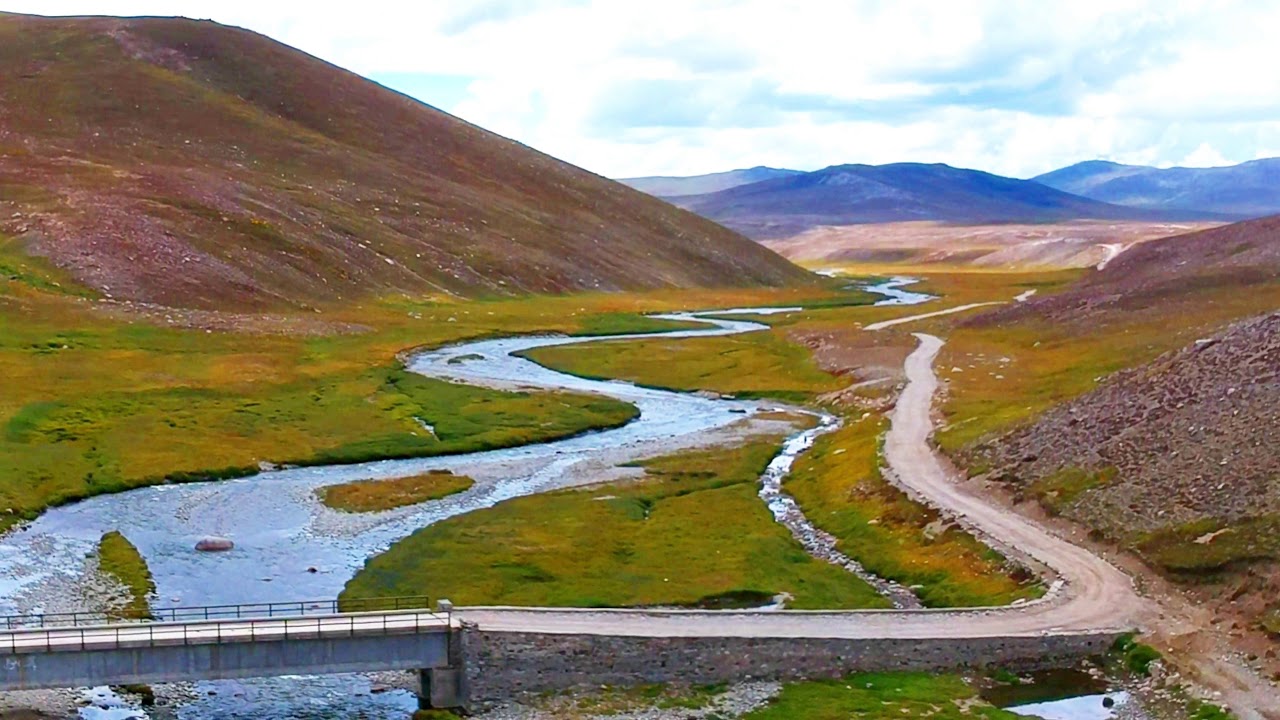
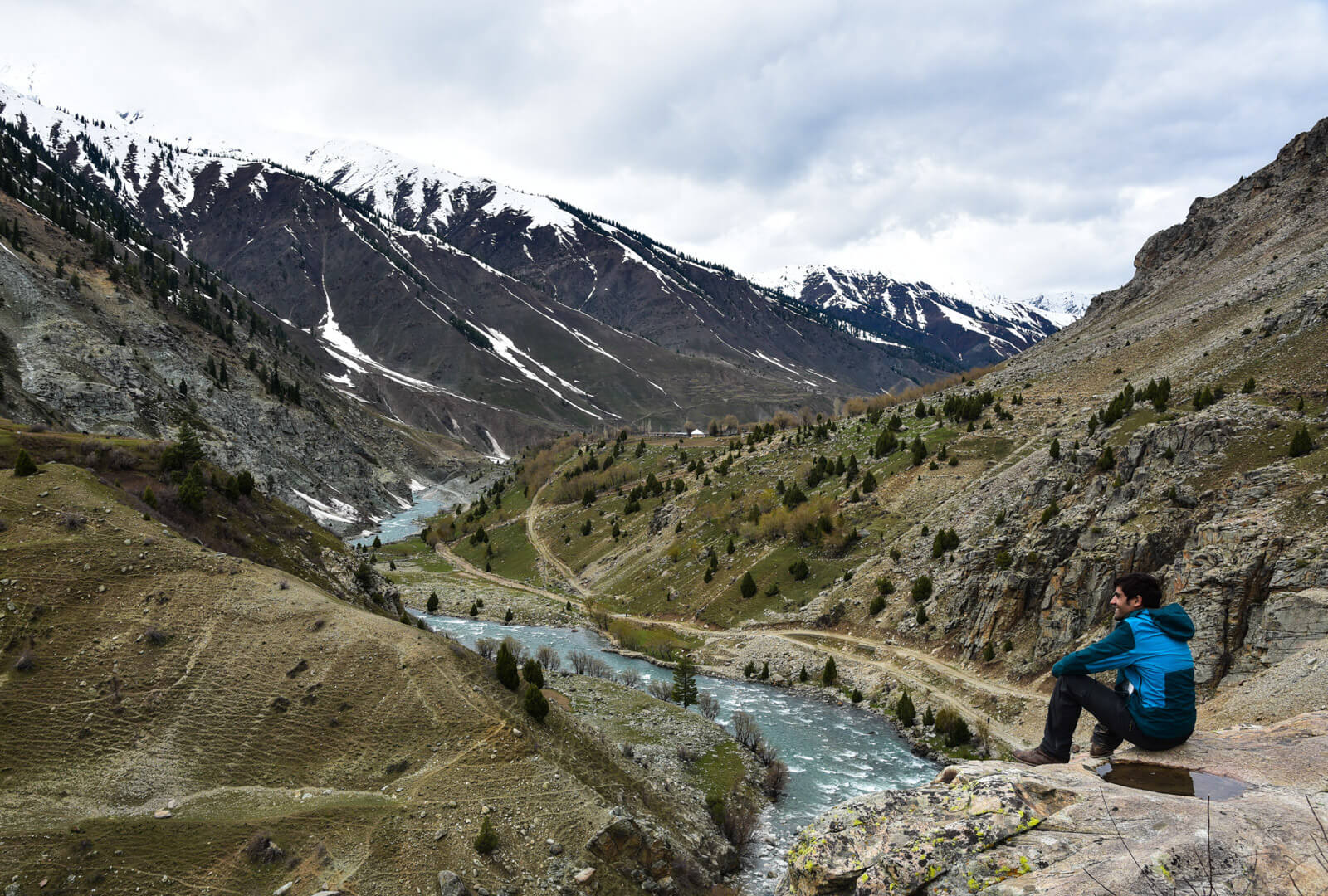
Kala Pani Astore is defined by its dramatic alpine geography, sculpted by glacial activity, tectonic movement, and centuries of erosion. Nestled deep within the Astore Valley, the Kala Pani region lies at an approximate altitude of 3,100 to 3,600 meters (10,200 to 11,800 feet) above sea level, making it part of the high-altitude subregion of the western Himalayas. The area is surrounded by towering ridgelines, snow-covered peaks, and deeply incised valleys that feed into the Kala Pani stream, a glacial river whose dark, mineral-rich waters give the location its name.
One of the defining features of Kala Pani’s landscape is the convergence of sedimentary cliffs, dark granite outcrops, and glacial moraines, forming a rugged yet strikingly symmetrical visual profile. The river carves its way through deep, narrow gorges flanked by vertical rock walls that appear almost black under shade, especially during overcast weather—a phenomenon that accentuates the valley’s name and mystique. These high rock faces are remnants of ancient seabeds that were pushed upward during the Himalayan orogeny, and their mineral content contributes to the coloration of the water, often giving it an inky-blue or blackish appearance under direct sunlight.
The surrounding terrain is interspersed with subalpine meadows, glacial deposits, and scree slopes, making it a dynamic landscape that constantly evolves due to seasonal glacial melt and minor seismic activity. The region is also known for its proximity to the Rupal Face of Nanga Parbat, which lies southwest of the valley. Though not directly visible from Kala Pani, the massif influences the valley’s microclimate and hydrology through snow runoff and wind patterns.
Due to its glacial origin, Kala Pani’s hydrological system plays a crucial role in the local ecosystem and the Astore River basin. The stream contributes to the irrigation of downstream villages and supports a network of tributary brooks and wetlands that sustain both flora and fauna. The terrain also presents challenges for travelers—sharp elevation gains, unpredictable river crossings, and loose rocks require steady navigation and experienced trekking.
For geographers and earth scientists, Kala Pani offers a unique case study of Himalayan geomorphology, where features such as U-shaped valleys, hanging glaciers, and tectonic scars can be observed in close proximity. The raw and undeveloped nature of the landscape provides an authentic look into pre-industrial mountain environments, untouched by concrete or steel. For travelers, it’s a place where the earth’s ancient architecture is laid bare, inviting exploration, reverence, and humility.
Climate and Weather Patterns: Understanding Kala Pani’s Alpine Atmosphere
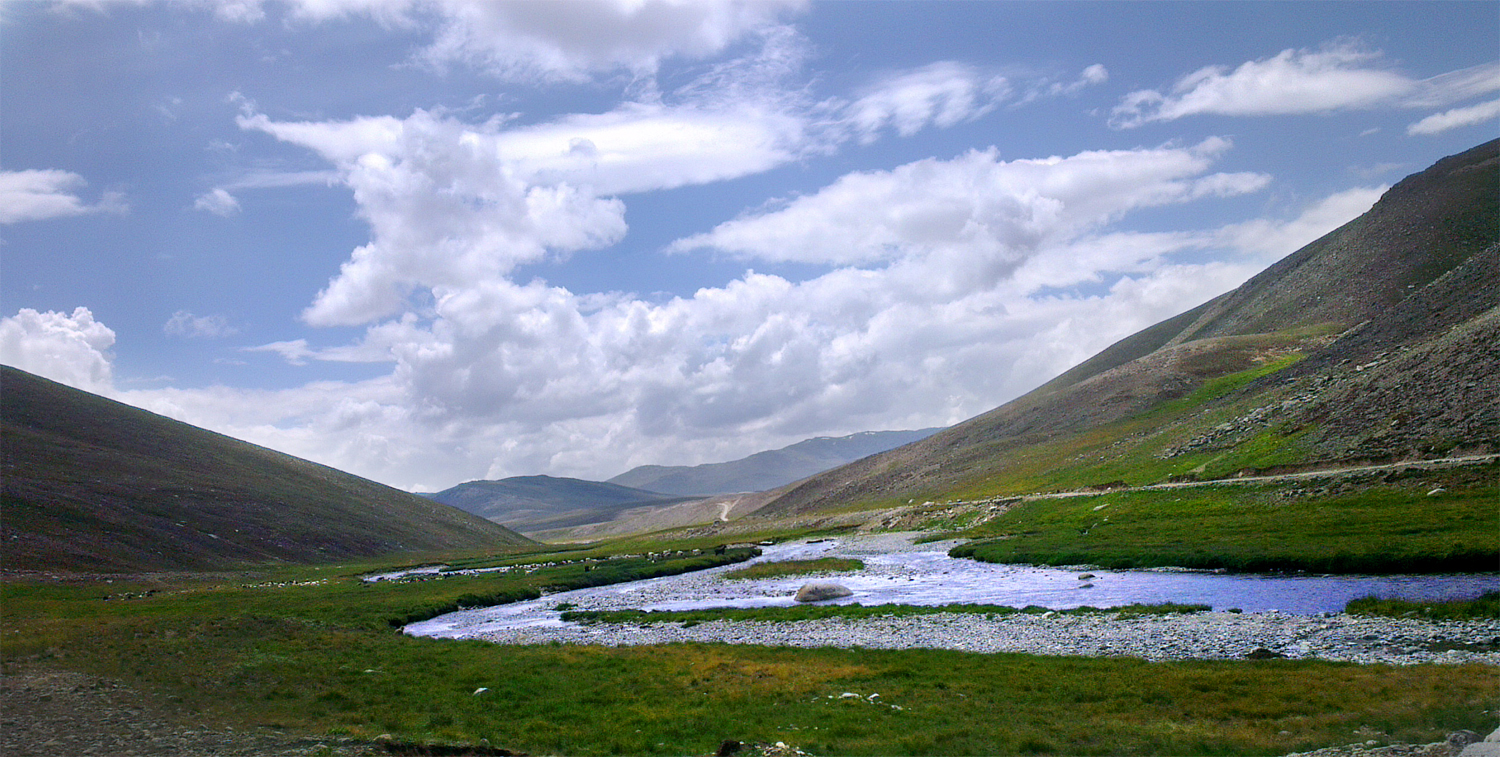
The climate of Kala Pani Astore is characteristic of high-altitude Himalayan valleys, where dramatic shifts in temperature, precipitation, and wind patterns are the norm rather than the exception. Due to its elevation—ranging between 3,100 and 3,600 meters—the area experiences a cold alpine climate, with long winters, short growing seasons, and a narrow summer window that allows for human activity and tourism. The valley’s unique topography, surrounded by towering peaks and glacial ridges, also contributes to microclimatic variations that can affect travel plans and daily routines.
Summers (June to early September) are the most accessible time to visit Kala Pani. During these months, daytime temperatures can range from 10°C to 20°C (50°F to 68°F), while nighttime temperatures may drop to near freezing, especially at higher elevations. The days are generally clear and sunny, although brief afternoon showers or hailstorms can occur due to convective heating. This is also the period when most of the region’s flora blooms, and the glacial rivers flow at their fullest due to snowmelt from the surrounding peaks.
Winters (late October to April) are harsh, with temperatures frequently falling below -15°C (5°F). The valley becomes mostly inaccessible due to heavy snowfall, icy roads, and avalanche risk. Even in early spring, access routes may remain blocked, and travel is strongly discouraged unless undertaken by trained expeditions with proper equipment and local guides. Snow accumulation can exceed several feet, particularly around shadowed slopes and river crossings, making basic mobility nearly impossible for standard vehicles.
The shoulder months of May and September present transitional conditions. In May, lingering snow from winter melts rapidly, which can lead to landslides and swollen rivers. In September, the area begins to cool again, and early snow may dust the upper ridgelines. These months are less predictable in terms of weather stability but may offer quieter trekking experiences with fewer visitors.
The region receives limited monsoonal rainfall, unlike areas to the south. Instead, most of its precipitation comes from western disturbances that originate from the Mediterranean and bring snow and rain between December and March. These weather systems are highly influential in shaping the valley’s seasonal rhythms and are crucial for maintaining glacial health and water resources.
Due to the unpredictability of mountain weather, travelers are advised to check real-time meteorological data (if available) or consult with local authorities and guides before planning their trip. It’s also recommended to pack for temperature fluctuations, sudden storms, and intense UV exposure, which is common at such altitudes. The climate of Kala Pani, while challenging, adds to the overall mystique and adventure of exploring this isolated corner of Gilgit-Baltistan, offering both moments of serene sunshine and sudden, awe-inspiring storms that sweep across the valley.
Local Language Characteristics: Voices of the Valley
The primary language spoken in and around Kala Pani Astore is Shina, a Dardic language belonging to the Indo-Aryan branch of the Indo-European family. As the most widely spoken language in the Astore Valley, Shina serves not only as a medium of everyday communication but also as a carrier of local identity, oral traditions, and cultural memory. It is a language rich in metaphors, proverbs, and folk expressions, deeply reflective of the valley’s natural environment, seasonal rhythms, and communal heritage.
While standard Shina has multiple dialects spread across Gilgit-Baltistan, the variant spoken in Astore has its own unique phonetic and lexical features, shaped by centuries of geographical isolation and intertribal interaction. Villagers in areas surrounding Kala Pani may also use localized idioms or expressions that are unfamiliar to speakers from other valleys, giving the region a distinct linguistic texture. This dialectical variation is particularly evident in storytelling, ritual chants, and traditional songs passed down through generations.
In addition to Shina, Urdu, Pakistan’s national language, is understood and spoken to varying degrees—especially by younger generations and those involved in tourism or public services. While not commonly spoken in remote households, Urdu serves as a lingua franca when locals interact with outsiders, particularly domestic tourists, researchers, and government officials. English is rarely spoken in rural Kala Pani, though educated individuals in Astore town may have basic conversational proficiency.
Religious sermons, school instruction (where available), and official communications are typically delivered in Urdu, while Shina remains the dominant language for interpersonal communication, oral history, and cultural expression. During local festivals or community gatherings, one may hear ballads, prayer chants, and riddles in Shina, all of which contribute to preserving the valley’s linguistic heritage despite external influences.
It’s worth noting that language is a key element of hospitality in Kala Pani. Travelers who learn even a few Shina words or greetings are often met with appreciation and warmer interactions. Simple phrases such as “Ba safar boshey” (have a good journey) or “Mani naw [name] as” (my name is [name]) can create an instant connection and demonstrate respect for local culture.
Language preservation efforts are growing slowly in Astore, with NGOs and cultural scholars beginning to document oral literature, folk songs, and local narratives in both written and audio formats. However, much of the linguistic richness remains undocumented, living only in the memories and daily conversations of the region’s older generations.
In Kala Pani, where modern communication networks are limited, language retains its ancient power—not just as a tool for communication, but as a bridge between people, past, and place. For travelers and researchers alike, understanding the linguistic dynamics of Kala Pani adds depth to the journey, offering a rare window into a world where words still carry the weight of history, identity, and survival in a rugged Himalayan setting.
Cultural Demographics: The People and Traditions of Kala Pani Astore
The cultural fabric of Kala Pani Astore is deeply interwoven with the broader social tapestry of the Astore Valley, characterized by Shina-speaking highlanders who have maintained traditional lifestyles rooted in pastoralism, seasonal agriculture, and tight-knit kinship networks. The population in and around Kala Pani is sparse, scattered across a few small hamlets and summer settlements that become active during the warmer months. These communities are typically semi-nomadic, migrating with livestock in spring and returning to lower altitudes before winter sets in.
Religion plays a foundational role in the valley’s cultural identity, with the majority of the population adhering to Sunni Islam, though pockets of Shia and Noorbakhshi communities exist in other parts of Astore. Islamic rituals, prayers, and community events are observed with sincerity, yet they are often interlaced with ancient mountain traditions that reflect the unique spiritual cosmology of the region. Locals also hold deep respect for natural elements—mountains, rivers, and glaciers—which are sometimes viewed with reverence or caution, especially in oral stories passed through generations.
The social structure in Kala Pani’s surrounding communities is clan-based, with extended families often living in clustered homes or grazing settlements. Elderly figures usually preside over communal decisions, and Jirga (council) systems are used to mediate disputes, allocate resources, and guide seasonal planning. Marriage customs are traditional, with arranged marriages being the norm, and celebrations often extending across multiple days, accompanied by folk music, rhythmic drumming (dadang), and communal feasts prepared using locally-sourced ingredients.
Gender roles remain largely defined by tradition, though women play vital roles in daily life—tending to livestock, preparing food, and managing household affairs. In recent years, with the growing influence of education and NGO activity in Astore, there has been slow but visible progress in promoting literacy and vocational skills among women and youth, even in remote areas like Kala Pani.
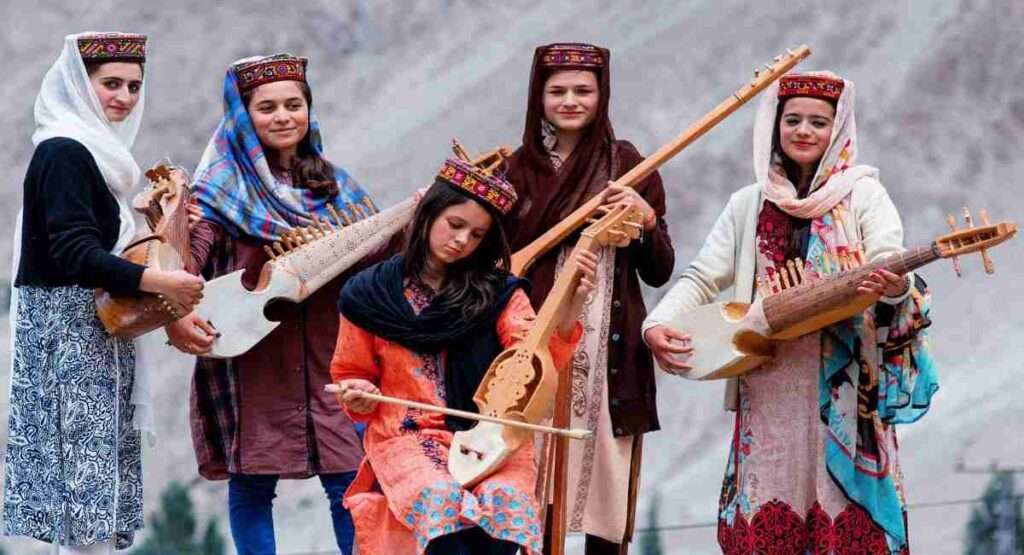
Festivals in the region, though limited in scale due to logistical constraints, are full of joy, dance, and storytelling. Events such as Nowruz (Persian New Year) and Eid festivals are celebrated with vigor, involving the whole community in shared prayer, food preparation, and the wearing of traditional garments such as woolen cloaks, embroidered caps (topi), and handmade jewelry for women.
Artistic expression in Kala Pani is mostly oral—epic poetry, lullabies, and mythological tales form the primary medium for storytelling. Crafts such as wool weaving, basket-making, and wood carving are practiced on a small scale, often passed from elders to children through practical demonstration. Songs often recount tales of longing, exile, and bravery, reflecting the hardship and resilience required to survive in such isolated terrains.
In a rapidly globalizing world, Kala Pani offers a rare glimpse into a culture that remains deeply connected to land, ancestry, and spiritual heritage. Though small in population, its people carry a rich and enduring cultural legacy—one that travelers often find as compelling as the landscape itself. Immersing oneself in this human dimension reveals the soul of Kala Pani: one of endurance, unity, and timeless rhythm, echoed in every stone path, prayer call, and mountain whisper.
Local Flora: Alpine Biodiversity in Kala Pani Astore
The flora of Kala Pani Astore paints a breathtaking canvas of ecological diversity, reflective of its high-altitude Himalayan environment. Tucked within a remote corner of Gilgit-Baltistan, Kala Pani is home to a unique mixture of alpine, sub-alpine, and montane vegetation, making it not only a wonder for visiting naturalists but also an ecologically significant habitat for rare plant species. These rugged terrains, exposed ridgelines, and lush valleys are shaped by altitude, glacial runoff, and temperature gradients that allow a varied palette of flora to thrive.
During spring and early summer, wildflowers burst into bloom, carpeting the meadows with a vibrant display of colors. Species such as blue Himalayan poppy (Meconopsis betonicifolia), Gentians, Primulas, and Edelweiss flourish in this region, creating breathtaking scenic panoramas. These flowers are not just ornamental—they are ecologically vital, attracting pollinators like butterflies and bees and sustaining the food web of this fragile mountain ecosystem.
Moving slightly downward into sub-alpine zones, travelers will find dense patches of coniferous forests dominated by blue pine (Pinus wallichiana), silver fir (Abies pindrow), and juniper (Juniperus excelsa). These ancient trees form the backbone of the valley’s forest cover, offering habitat for local wildlife and stabilizing the steep, erosion-prone slopes. In some parts of Kala Pani, birch and willow trees also grow near glacial streams, their branches bending gracefully with the weight of snow in colder months.
One of the most intriguing aspects of Kala Pani’s flora is the presence of medicinal plants used by local communities for centuries. Species like Artemisia (wormwood), Saussurea (costus), and Rheum emodi (Himalayan rhubarb) are well known for their therapeutic properties and form a crucial part of the indigenous knowledge system. Villagers often use these herbs to treat ailments such as altitude sickness, digestive issues, and skin disorders, passing down their applications orally from generation to generation.
Despite its isolation, the botanical diversity of Kala Pani is under increasing threat from climate change, overgrazing, and unsustainable plant harvesting. Glacial retreat, changing precipitation patterns, and longer dry spells have started to affect the growth cycles of many native plants. In addition, expanding tourism—though still limited—is beginning to have an environmental footprint, particularly when trekkers trample delicate vegetation or discard non-biodegradable waste.
In response to these pressures, some local NGOs and researchers are working to document, conserve, and promote sustainable interaction with Kala Pani’s botanical resources. Educational outreach programs aimed at local youth and seasonal guides are beginning to highlight the importance of flora conservation, fostering an emerging awareness of ecological stewardship.
For travelers and photographers, the flora of Kala Pani offers more than just visual delight—it provides a direct, living connection to the valley’s natural rhythm and resilience. Walking through a glacial meadow in full bloom, or resting under the canopy of ancient fir trees, evokes a sense of timelessness and harmony that’s hard to find elsewhere. Every flower, shrub, and tree in Kala Pani tells a story of survival in harsh conditions—a narrative that mirrors the strength of the land and its people.
Regional Cuisine: Traditional Flavors of Kala Pani Astore
The regional cuisine of Kala Pani Astore reflects both the ruggedness of its high-altitude environment and the cultural depth of the Astore Valley. Influenced by centuries-old traditions, seasonal availability, and highland pastoral lifestyles, the food in this remote locale is hearty, organic, and deeply satisfying. Meals here are not just nourishment—they are expressions of culture, community, and the adaptive ingenuity of the people who inhabit one of the most isolated parts of Gilgit-Baltistan.
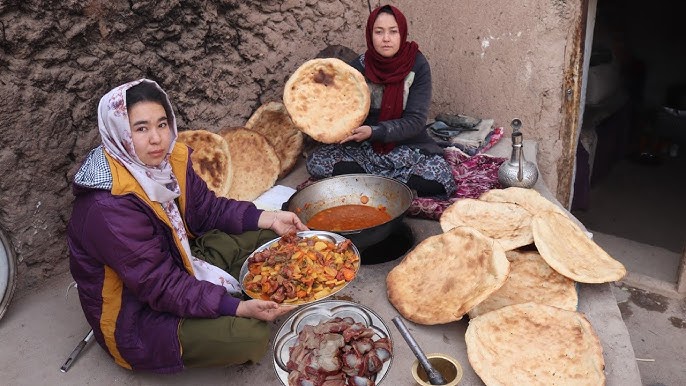
One of the staple components of the local diet is wheat and barley, ground into flour and used to prepare various forms of flatbread, including “Chapshoro”—a type of meat-filled pastry often compared to a local version of a calzone. Unlike the commercially made varieties found in towns like Skardu, the Chapshoro in Kala Pani is usually handmade, stuffed with yak or goat meat, seasoned with locally grown onions, and cooked on flat stones over open flames.
Another culinary staple is “Gooli,” a porridge made from roasted barley or wheat flour, often mixed with butter, salt, or sugar depending on the occasion. It is traditionally served during breakfast or to energize field workers during long trekking days. In winters, locals often rely on dried meat (shishan), legumes, and preserved vegetables to sustain themselves when snow cuts off access to fresh supplies.
Dairy products are central to the Kala Pani foodscape. Families who migrate with their livestock during the summer months produce fresh butter, yogurt, and a type of dried cottage cheese known as “Qurut”. These items are often used in cooking or eaten plain, offering a protein-rich supplement to their mostly vegetarian meals. Butter tea—“Namkeen Chai”—is a daily ritual, especially during cold mornings and long travel days, providing both hydration and calories.
Vegetables are seasonal and mostly grown in small household gardens or gathered from the wild. Common vegetables include potatoes, turnips, spinach, and nettles. Locals also forage for wild herbs to use as flavor enhancers or medicinal teas, such as thyme, mint, and ajwain. Meals are often flavored subtly, with salt, cumin, turmeric, and dried chilies being the most widely used spices.
One of the culinary highlights for visitors is a communal meal served during special occasions or when guests arrive—called “Daigh”, where rice is cooked with meat and aromatic spices in large copper pots. Such meals are usually accompanied by sherbet made from berries or wild rosehips, followed by locally prepared desserts such as “Zarda” (sweet saffron rice) or milk-based halwa sweetened with honey.
Eating in Kala Pani is more than a personal experience—it is a social and communal act, often conducted on woven mats, where elders serve the food and the group eats from shared platters. The meals reflect the values of generosity, simplicity, and sustainability that guide life in the mountains.
Despite its simplicity, Kala Pani’s cuisine offers a memorable and nourishing journey for travelers. It reminds one of a time when food was grown close to home, cooked with intention, and shared without haste. Every bite tells a story of adaptation, survival, and cultural pride—a quiet testament to the resilience of a people who have learned to thrive at the edge of the world.
Travel Routes: How to Reach Kala Pani Astore
Reaching Kala Pani in Astore is not for the faint of heart, but for those drawn to unspoiled natural beauty and off-grid adventures, the journey itself becomes a memorable part of the experience. Nestled deep within the Himalayan reaches of Gilgit-Baltistan, Kala Pani is accessible via a network of rugged mountain roads, hiking trails, and seasonal pathways that wind through one of Pakistan’s most majestic and remote valleys.
The first leg of the journey begins from Islamabad or Rawalpindi, where travelers typically head toward Gilgit via the Karakoram Highway, also known as the eighth wonder of the world. From Gilgit, the route diverts southeast toward Astore Valley—a drive of approximately five to six hours over paved but often narrow and winding roads. Public transport is available in the form of local buses and jeeps, but private 4×4 vehicles are highly recommended due to the uneven terrain and variable weather conditions.
Upon reaching Astore town, travelers must then proceed toward Rama Meadows, a well-known alpine area that serves as a base for further treks into the valley. From Rama, the path to Kala Pani becomes more isolated and challenging. There is no direct motorable road to Kala Pani, making it a destination primarily for trekkers, mountaineers, and those accompanied by experienced local guides. The journey involves trekking through pine forests, rocky plateaus, and river crossings, often requiring one to camp overnight in designated or wild campsites.
Several established trekking routes lead to Kala Pani. One of the more popular trails starts from the village of Rattu and goes through the scenic areas of Gorikot and Tarishing before eventually linking to the Deosai Plateau. This route allows trekkers to witness the mesmerizing views of Nanga Parbat and the lush green valleys that characterize the Astore region. Another possible access point is through the Mazino Pass, which connects the southern flank of Nanga Parbat with the remote Kala Pani basin, although this path is only recommended for highly skilled and physically prepared mountaineers.
During the summer months, temporary footbridges are constructed by local communities to ease travel across glacial streams and rivers, but in winter, these routes become largely impassable due to snowfall and landslides. Hence, the ideal time to travel to Kala Pani is between June and September when the weather is milder, trails are open, and the landscape is in full bloom.
Travelers are advised to obtain necessary permissions from local administrative offices in Astore before venturing into restricted or ecologically sensitive areas. It is also beneficial to hire local porters and guides, not only for navigation but also for cultural insight and safety. Their knowledge of terrain, weather patterns, and logistical needs can make the difference between a difficult trek and a life-changing exploration.
Despite the physical demands, the route to Kala Pani rewards travelers with views that defy description—crystal-clear streams, jagged snow peaks, hanging glaciers, and a profound silence that speaks to the soul. For those willing to step away from paved roads and convenience, the paths leading to Kala Pani offer an unforgettable entrance into one of Pakistan’s last untouched natural sanctuaries.
Traveler Recommendations: Tips for a Safe and Fulfilling Journey to Kala Pani Astore

Kala Pani Astore is a destination that rewards the prepared traveler. Its remote location, high altitude, and lack of modern infrastructure make it a true off-the-grid experience. For adventurers, nature lovers, and cultural explorers, visiting Kala Pani can be the journey of a lifetime — but only if approached with careful planning and respect for the region’s natural and cultural environment.
First and foremost, travelers should understand that Kala Pani is not a casual tourism spot. It is remote, physically demanding, and requires a reasonable level of fitness and endurance. Prepare for long treks, possible altitude sickness, and unpredictable weather conditions. Anyone considering this journey should spend time acclimatizing in Astore or Rama Meadows before proceeding higher into the mountains.
Hiring a local guide is not just helpful — it’s essential. Many paths in and out of Kala Pani are unmarked and subject to seasonal changes. Local guides know the safest routes, the locations of water sources, and how to deal with wildlife encounters or sudden weather shifts. They also provide valuable insight into the culture, history, and landscape of the area. In addition, hiring locals contributes to the economy of the small villages that rely on seasonal tourism.
Another critical recommendation is to travel light but smart. Bring only what is necessary — quality trekking boots, weatherproof outerwear, layered clothing, water-purifying tablets, and a high-capacity power bank or solar charger. A compact first-aid kit, snacks with high caloric value, and a GPS or offline map application are strongly advised. Since there is little to no cellular coverage in Kala Pani, communication devices such as a satellite phone or radio are useful for emergencies.
Respecting the local culture and environment is a major part of being a responsible traveler. The people of Astore are deeply hospitable but also traditional. Dress modestly, avoid public displays of affection, and always ask before photographing individuals. It’s also polite to learn a few basic greetings in the local language — it goes a long way in fostering goodwill.
Leave-no-trace principles should be strictly followed. This means taking back all non-biodegradable waste, avoiding damage to natural resources, and not disturbing wildlife. Campfires should only be made in designated spots, and the use of single-use plastics should be minimized. In short, treat the environment as sacred — because to the locals, it is.
As for logistics, always check in advance with the Gilgit-Baltistan Tourism Department or local authorities regarding permits and safety advisories. Weather can shift dramatically, and landslides or flooding can make travel impossible at a moment’s notice. It’s wise to have contingency plans and additional days in your itinerary in case you’re delayed.
Solo travel is not advisable in Kala Pani unless you are an experienced high-altitude trekker with local support. Group travel enhances safety and also enriches the overall experience through shared knowledge and camaraderie. For photographers, researchers, or cultural documentarians, inform local leaders of your intentions — they can offer access, introductions, and crucial support.
In conclusion, the key to a fulfilling journey to Kala Pani lies in planning, preparation, and humility. It’s a destination for those willing to respect the landscape and its people. Done right, a trip here will not only challenge you physically but also awaken a profound appreciation for nature, resilience, and the enduring beauty of untouched places.
Photography and Travel Equipment Guide for Kala Pani Astore

Photography in Kala Pani Astore is a rewarding pursuit for both amateur and professional photographers. The region’s vast alpine meadows, snow-covered peaks, glacial rivers, and dramatic weather patterns create a dynamic canvas for landscape and nature photography. However, due to the remote nature of the area and the lack of facilities, choosing the right equipment and preparing accordingly is essential.
For photography enthusiasts, the most important decision is selecting the right camera gear. A DSLR or mirrorless camera with interchangeable lenses is ideal for capturing the diverse scenery. A wide-angle lens is perfect for sweeping landscapes and panoramic shots, while a zoom lens helps capture distant mountain peaks and wildlife from a safe distance. For macro photography of alpine plants and insects, a dedicated macro lens can be included if weight allows. However, it’s important to keep your gear lightweight, as you’ll be trekking long distances in changing weather.
Carrying extra batteries is crucial. Cold temperatures in higher altitudes can quickly drain battery life. At least three to four fully charged batteries are recommended, along with a reliable solar charger or portable power bank. Since there are no charging stations in the wilderness areas around Kala Pani, energy conservation becomes part of the travel routine.
A sturdy but lightweight tripod is highly recommended for landscape photography and night skies. Kala Pani offers clear, low-pollution skies perfect for astrophotography. If you plan to capture star trails or the Milky Way, bring a fast lens with a wide aperture and a remote shutter release for long exposures. A weather-sealed camera bag with padding is essential to protect gear from rain, dust, and accidental knocks during hikes.
Drones can offer stunning aerial perspectives of Kala Pani’s valleys and glacial formations, but travelers must check local regulations. In Gilgit-Baltistan, drone usage may be restricted in certain areas for security reasons. If permitted, a foldable drone with high-resolution capability can add a cinematic element to your documentation. Always fly responsibly and avoid disturbing local communities and wildlife.
For general travel documentation, a good smartphone with a high-resolution camera and optical stabilization can be a lightweight and effective backup. Smartphones also allow for quick photo and video captures during moments when setting up a larger camera isn’t practical.
In terms of data storage, bring multiple memory cards and an external hard drive if possible. Since there’s no internet access for cloud backups, physical storage becomes crucial. Protect memory cards in waterproof cases and label them clearly for organization.
Other useful items include lens cleaning kits, microfiber cloths, rain covers, a headlamp for night shoots, and dry bags to store electronics during river crossings or rain. Packing gear smartly with a balance of protection and accessibility is key, especially during treks.
Overall, capturing Kala Pani through the lens is a rewarding experience that demands not just creativity but also discipline and preparation. With thoughtful planning and respect for nature, photographers can bring back some of the most breathtaking images of one of Pakistan’s most hidden treasures, helping others appreciate the extraordinary beauty of this untouched part of Astore.
Recreational Activities in Kala Pani Astore
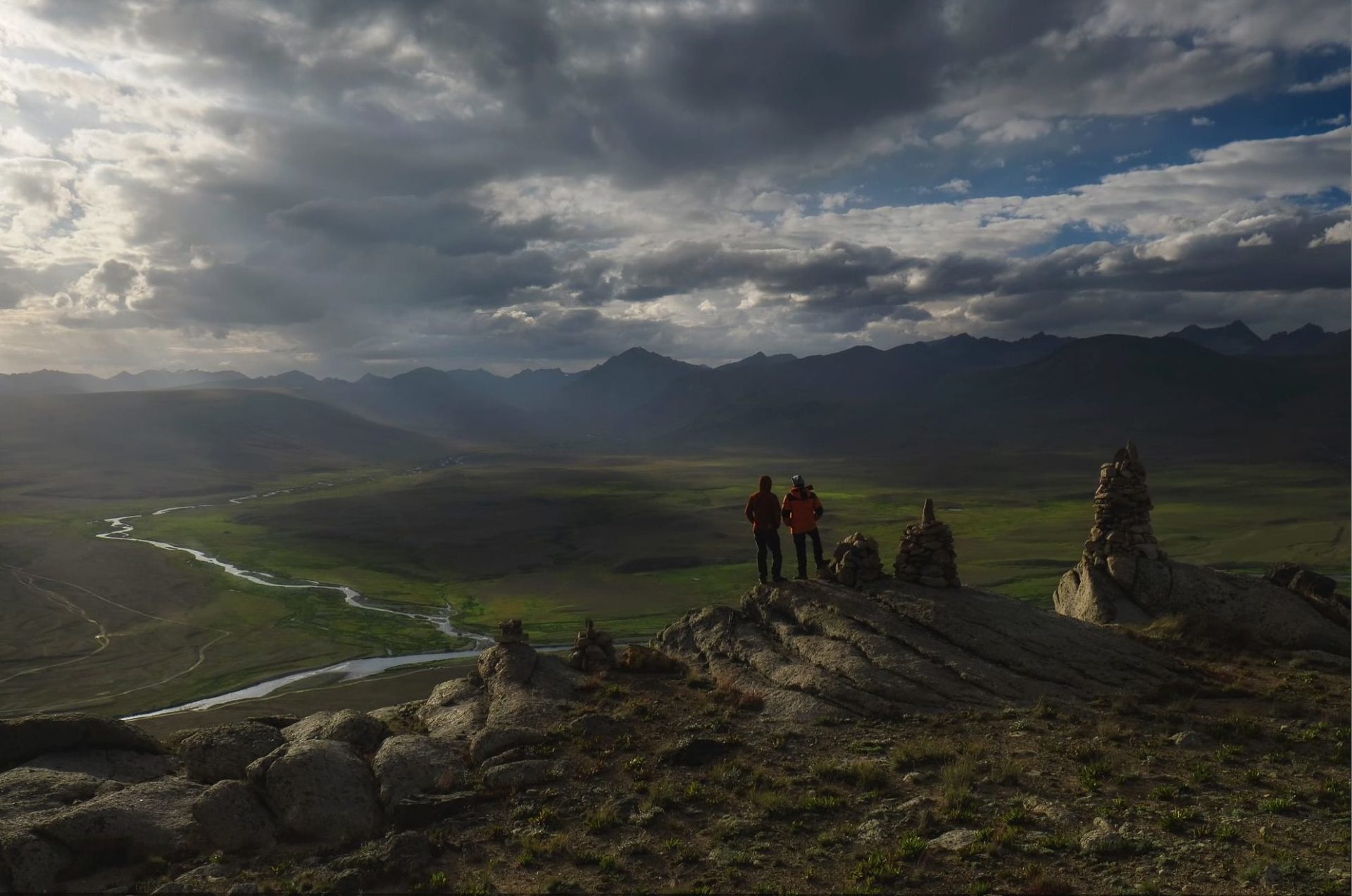
Kala Pani Astore offers a unique playground for outdoor enthusiasts, nature lovers, and cultural explorers seeking raw, immersive experiences. Due to its remoteness and untouched environment, recreational activities here are deeply connected with nature, blending adventure with tranquility. Visitors who journey to this pristine location often find themselves captivated by the blend of rugged terrain, vibrant meadows, and serene alpine beauty that allows for both high-intensity adventures and peaceful introspection.
One of the most popular activities in Kala Pani is trekking. The trails that wind through the Astore Valley and ascend toward Kala Pani are not marked by commercial signs or built infrastructure but by shepherd paths and local guides. Trekking here offers panoramic views of surrounding peaks, alpine lakes, and untouched pastures. Trekkers should prepare for moderate to challenging routes, often crossing glacial streams, rocky ridgelines, and narrow valleys. Some trails may also connect to nearby regions like Rupal Valley or Mazino Pass, making it a hub for extended expeditions.
Camping is another highlight of the Kala Pani experience. The high-altitude meadows provide ideal open grounds for pitching tents. Camping beneath a clear night sky filled with stars, far from city lights and noise, is an experience travelers rarely forget. Portable camping gear including a four-season tent, thermal sleeping bags, and cooking equipment is essential for overnight stays. It’s important to choose camping spots responsibly, avoiding sensitive vegetation or water sources, and practicing leave-no-trace ethics.
For those interested in wildlife observation, Kala Pani is home to a range of alpine species. With patience and the help of local guides, travelers may spot Himalayan ibex, foxes, marmots, golden eagles, and a variety of endemic bird species. Early mornings and evenings are often the best times for animal sightings, and binoculars or telephoto lenses enhance the experience without disturbing the habitat.
Botany and ecological exploration are ideal for researchers or enthusiasts. Kala Pani’s microclimates support diverse plant life, especially during the summer bloom. Wildflowers like blue poppies, primulas, and edelweiss are commonly found in the high meadows. Visitors interested in herbal medicine or alpine flora may find the region rich in rare species used traditionally by local communities.
Cultural exchange, though subtle, is also a rewarding recreational element. While the area is sparsely populated, meeting locals during the trek — such as shepherds or families in nearby seasonal settlements — offers insight into a way of life far removed from modern convenience. Travelers are often welcomed with warm hospitality, traditional stories, and locally prepared food if mutual respect and curiosity are shown.
For the meditative traveler, Kala Pani provides unmatched solitude. The natural quiet of the valleys, the rhythmic sound of mountain streams, and the visual grandeur of snow-clad peaks make it an ideal place for mindfulness, journaling, or simply detaching from the digital world. Artists, writers, and thinkers seeking inspiration will find the landscape to be a deep well of creative energy.
While the area does not support commercial recreational facilities such as organized tours or adventure parks, this is precisely what makes Kala Pani exceptional. Its purity lies in its detachment from mass tourism. Each activity becomes a personal journey — whether it’s a challenging ascent, a peaceful sunrise meditation, or photographing a rare alpine flower.
In essence, Kala Pani offers more than recreational activities — it delivers life experiences that blend the physical with the spiritual. Those who approach the valley with humility, preparation, and curiosity will leave with memories and personal growth that few destinations in the world can offer.
Comprehensive FAQs about Kala Pani Astore
Q1: Where exactly is Kala Pani located in Astore?
Kala Pani is a remote alpine region in the Astore Valley of Gilgit-Baltistan, Pakistan. It lies deep within the eastern Himalayan range, near Rupal and Mazino Pass, and is accessible via a rugged trail from the main Astore town, generally through the Rupal Valley route or other seasonal trekking paths.
Q2: Is a permit required to visit Kala Pani?
As of now, no official government permit is required specifically for Kala Pani. However, foreign tourists traveling in Gilgit-Baltistan are often required to register at police checkpoints. It’s advisable to consult local tourism offices or guides prior to departure for the most up-to-date requirements.
Q3: What is the best time to visit Kala Pani?
The ideal time to visit Kala Pani is from mid-June to early September, when the snow has melted, meadows are in bloom, and weather conditions are relatively stable. Outside this window, the region may become inaccessible due to heavy snowfall or hazardous trails.
Q4: How physically demanding is the trek to Kala Pani?
The trek is considered moderately to highly challenging depending on the route and the traveler’s experience. It involves steep ascents, uneven paths, and river crossings. Those with prior trekking experience or good physical fitness will fare better. Local porters and guides are strongly recommended.
Q5: Can solo travelers visit Kala Pani?
Technically yes, but it is not recommended due to the isolation, lack of mobile connectivity, and difficult terrain. Solo travelers should always inform someone of their itinerary, hire a local guide, and carry proper safety equipment including satellite communication devices if possible.
Q6: Are there any lodging or food facilities in Kala Pani?
There are no permanent hotels or food establishments in Kala Pani itself. Travelers usually carry their own camping gear and food supplies. Local homestays may be available in nearby villages, but not directly in the Kala Pani area.
Q7: What kind of wildlife can I expect to see?
The region is home to alpine wildlife such as Himalayan ibex, marmots, foxes, and various high-altitude bird species. Sightings depend on the season and time of day. Wildlife observation should be conducted quietly and respectfully.
Q8: Is it safe to drink water from streams in Kala Pani?
While glacial streams appear clean, it’s best to boil or filter water before drinking to avoid waterborne illnesses. Carrying a portable water filter or purification tablets is highly advisable for all trekkers.
Q9: What are the essential items to pack?
Key items include a four-season tent, sleeping bag, layered clothing, trekking boots, trekking poles, portable stove, first-aid kit, water filtration system, flashlight/headlamp, and a physical map or GPS device. For a complete list, refer to the dedicated packing section in this article.
Q10: Can families with children visit Kala Pani?
Due to the harsh terrain and remoteness, Kala Pani is not suitable for small children or inexperienced travelers. It’s best suited for adults with prior hiking or camping experience and the ability to manage extreme outdoor conditions.
Q11: Is there cellular service or internet connectivity in the area?
No, Kala Pani has no mobile or internet service. The last point of connectivity is often in Astore or Rupal Valley depending on the provider. All communication should be done in advance.
Q12: Are there any cultural sensitivities to be aware of?
Yes. While the area is mostly uninhabited, passing through nearby villages requires respectful behavior. Dress modestly, seek permission before photographing people or property, and avoid littering or disturbing natural elements.
Q13: What precautions should be taken for altitude sickness?
Kala Pani is located at high elevation, and altitude sickness can occur. Ascend gradually, stay hydrated, and monitor your health closely. Carry medication like Diamox, and descend immediately if symptoms worsen.
Q14: Is Kala Pani open all year round?
No. The valley becomes inaccessible during winter months due to heavy snowfall, landslides, and impassable routes. It is a seasonal destination, open only in summer.
Q15: Are there any emergency services available nearby?
No formal emergency services exist in Kala Pani. A basic medical facility may be found in Astore town, several hours away. Travelers must be self-reliant and well-prepared for emergencies.


