
Waking Up With the First Light of Phander
A cool gray dawn was settling over Phander when we stepped out of our room, the valley still wrapped in a thin layer of silence. The first call of the morning breeze brushed across the landscape, carrying with it the scent of wet earth and fresh grass. This was our earliest morning of the entire tour 5:30 am, and the world around us seemed to slowly stretch awake as the sky began to brighten.
The village looked beautifully calm at this hour. A few homes showed hints of life: a wooden door creaking open, smoke rising lazily from a stove, and the faint sound of someone sweeping their courtyard. The stillness of the valley made us pause and appreciate a side of Phander that most travelers never witness. It felt like we were seeing the village in its purest form unfiltered, peaceful, and deeply connected to the rhythm of nature.
As we mounted our motorcycles, the cool drizzle began to fall, adding a gentle shimmer to the landscape. The rain was light, just enough to perfume the air and deepen the valley’s colours. This early start was necessary; the Ghizer Gilgit road was under construction, and certain sections closed daily for blasting. If we didn’t get past them before closure hours, our entire day could have slipped away in waiting. With a long ride ahead and a target of Batakundi by evening, every minute mattered.
As we rolled out of Phander and whispered a small dua for protection and ease, the journey stretched open before us mysterious, fresh and promising.
Bidding Farewell to Phander
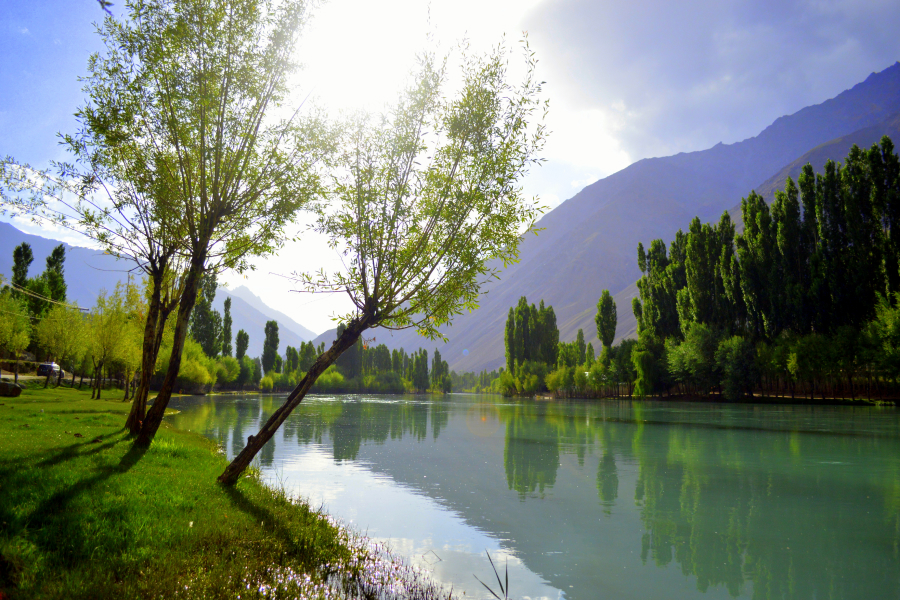
A thin mist hovered over the landscape as we rode past PTDC Motel, perched on a cliffside like a quiet guardian watching over the valley. Once known for its unmatched hospitality and scenic locations, the PTDC chain had long been shut down but their old buildings remained as nostalgic reminders of what tourism once looked like in northern Pakistan.
Our own hotel sat at the very entrance of Phander, which meant the village disappeared behind us much faster than expected. The moment we crossed that boundary, the true adventure began. This was the stretch I had done twice before both times at night and now finally, I was seeing it unfold in the full glory of daylight.
Everything felt new. Everything felt different.
For the first time, the road, the river, the cliffs, and the endless green meadows revealed themselves clearly. Locals were right this route is breathtaking. With each turn, the valley seemed to paint a new picture, a different shade of blue, green, and gold.
Villages Every Few Kilometers
One of the most unique features of the Ghizer region is its unusually high number of villages spread across the valley floor. Every five kilometers or so, another cluster of stone houses appeared, each one home to families who had been living here for generations. Children with school bags walked along the roadside, smiling shyly as our motorcycles passed. Farmers led their cattle toward the fields, while elders rested outside their homes, sipping morning tea and watching the day begin.
The greenery was mesmerizing. Phander and its neighbouring villages have an almost surprising lushness, especially for a region so close to rugged mountainous terrain. This land is generously fed by water channels flowing straight from glaciers and springs, creating fertile patches that glow vibrantly at sunrise.
Riding early in the morning brought a kind of charm that daytime travel rarely offers. The air felt rare and untouched, the scenery seemed crisp and freshly painted, and the soothing music of the flowing Ghizer River accompanied us mile after mile. It felt like we were gliding through a living painting each frame more beautiful than the last. With the road mostly empty, we rode comfortably and maintained a steady pace. Starting early was clearly the right choice.
Riding Beside the River
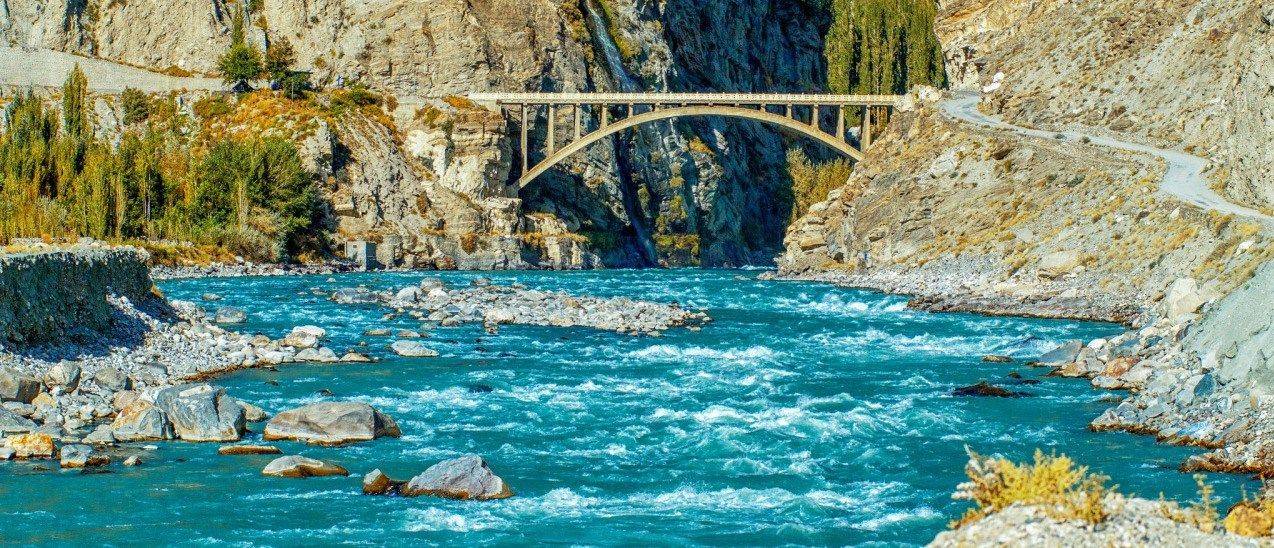
As the valley widened, the ribbon like road led us closer to the river, allowing us to ride right alongside its rushing currents. The sound of water striking rock echoed beautifully in the morning stillness. This area is currently undergoing major expansion; more rocks will soon be blasted to broaden the road, and seeing the drilling and dynamite preparations reminded us how rapidly tourism and infrastructure are evolving here.
Makeshift cable cars hung across the valley, built by local families to cross the river during emergencies or harvest seasons. These DIY cable crossings tell the story of resilience and innovation rooted deeply into the lives of mountain communities.
Early morning light falling on the greenery and cliffs created postcard like scenes. It was hard not to stop every few minutes just to take it all in.
Crossing Construction Sections Before Closure
As we approached one of the major blasting sites, the ticking clock reminded us why we had left so early. Workers were already preparing the next explosion, drilling holes into the mountain. If we had been even 10 minutes late, we would have been forced to wait until after 8 am. Thankfully, we crossed just in time.
The next closure was scheduled from 10 am to 11 am, and we needed at least two more hours to reach that point. So, without wasting time, we kept riding moving steadily through narrow valleys, sharp bends, and towering rock walls.
First Break of the Day
After more than an hour of nonstop riding, the valley finally opened up into the beautiful settlement of Gupis. This small town sits in the middle of the Ghizer district and blends natural beauty with cultural warmth. It was here that we stopped for our first break of the day.
The river looked dramatically different today thick, muddy, and roaring with force. Heavy rains in the upper valleys had filled it with soil and debris. Even the joining of the Yasin River further darkened its colour, creating a vivid contrast where a clear stream merged directly into muddy water. The sight was stunning in its own way, telling a story of monsoon clouds and restless mountains.
We grabbed some fresh buns from a small shop and asked the locals about the construction closure. With confirmation that we still had a few minutes to spare, we sat by the roadside and enjoyed the cool breeze that drifted through the valley. This was brunch for us simple, quick, and practical.
Through the Closing Section & Towards Gilgit
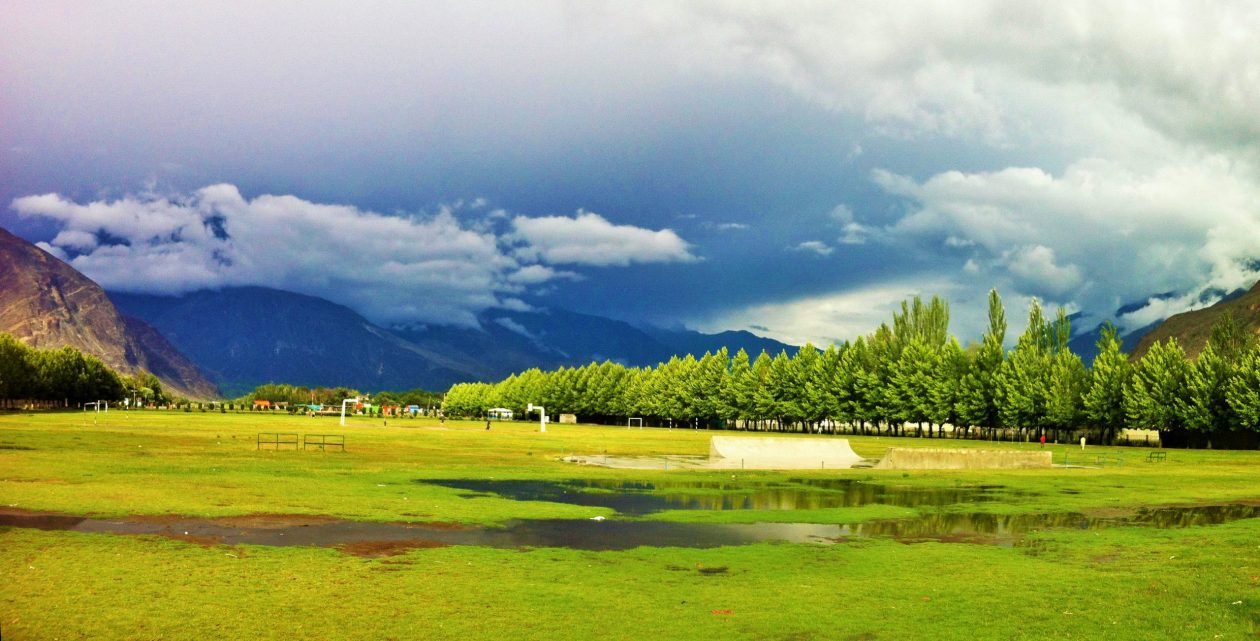
We reached the next restricted area just in time. The police officers confirmed that we had made it before closure, so we sped through the rough stretches without stopping. Soon the landscape began to change broader roads, scattered houses, and increasing traffic signaled that we were approaching Gilgit.
As we entered the city, the weather transformed dramatically. The cool air of Phander vanished and was replaced by the dry heat of Gilgit. The city was alive with activity cars honking, shopkeepers calling out, and crowds moving through narrow streets. Gilgit always has a distinct buzz, a reminder that it is the central lifeline of the northern region.
We hoped to find a good café for a proper meal, but the traffic was thick and unforgiving. However, fate had a sweet surprise waiting for us before we left the city.
Through Gilgit, Into the Heat of Chilas & Toward the Clouds of Babusar
A Warm Gilgit Welcome in the Middle of Chaos
The roads grew tighter, the horns louder, and the traffic heavier as we entered Gilgit. The city was buzzing with its usual mix of tourists, locals, students, shopkeepers, and government vehicles. Even though the heat felt almost shocking after the cool valleys of Phander, the energy of Gilgit was infectious. This city sits at the heart of mountain tourism in Pakistan, and you can sense that spirit in every corner.
As we slowly navigated through the streets in search of a good café, the unexpected happened. A local man named Imran waved us over with a bright smile. He recognized our motorcycles and came forward carrying two chilled coffees. His gesture was so genuine that for a moment, the noise of the city disappeared, replaced by heartfelt warmth.
He shared how he follows our journeys and how tourism content encourages people to explore the beauty of Gilgit-Baltistan. It’s always humbling when someone takes a moment from their day just to appreciate our work. Encounters like these are the soul of travel reminders that journeys are not just about scenery, but also about the people who welcome you along the way.
After thanking Imran and exchanging good wishes, we continued moving through Gilgit’s lively streets. But the heat was intensifying, urging us to push onward toward cooler elevations.
The Road to Chilas
Once we exited the city, the surroundings transformed again. The land became drier, the colours harsher, and the shade scarcer. The road stretched endlessly, cutting through barren rock faces. This was the approach to Chilas a place known for its scorching heat.
For the next hour, we rode under a relentless sun. Sweat gathered under our gloves and jackets, and every gust of wind felt like it had been heated inside an oven. Chilas has a reputation, and it lived up to every bit of it.
Yet, despite the harsh weather, the road carried its own kind of charm. The raw, rugged mountains towered above us like silent sentinels guarding the gateway to Kaghan Valley. The contrast from the lush greenery of Phander was almost unbelievable a reminder of how dramatically landscapes change across northern Pakistan.
From Burning Heat to Freezing Winds
After crossing the dusty plains of Chilas, we finally reached the point where the climb to Babusar Top begins. From here, the world shifts entirely. Within minutes, the air cools, the colour of the sky softens, and the harsh rocks begin giving way to patches of grass.
The ascent is steep, and at such high altitude even a 150cc motorcycle feels underpowered. But slowly, steadily, the climb continues. With every kilometer, we left Chilas’ heat further behind and moved into a realm of cold winds, clouds, and breathtaking views.
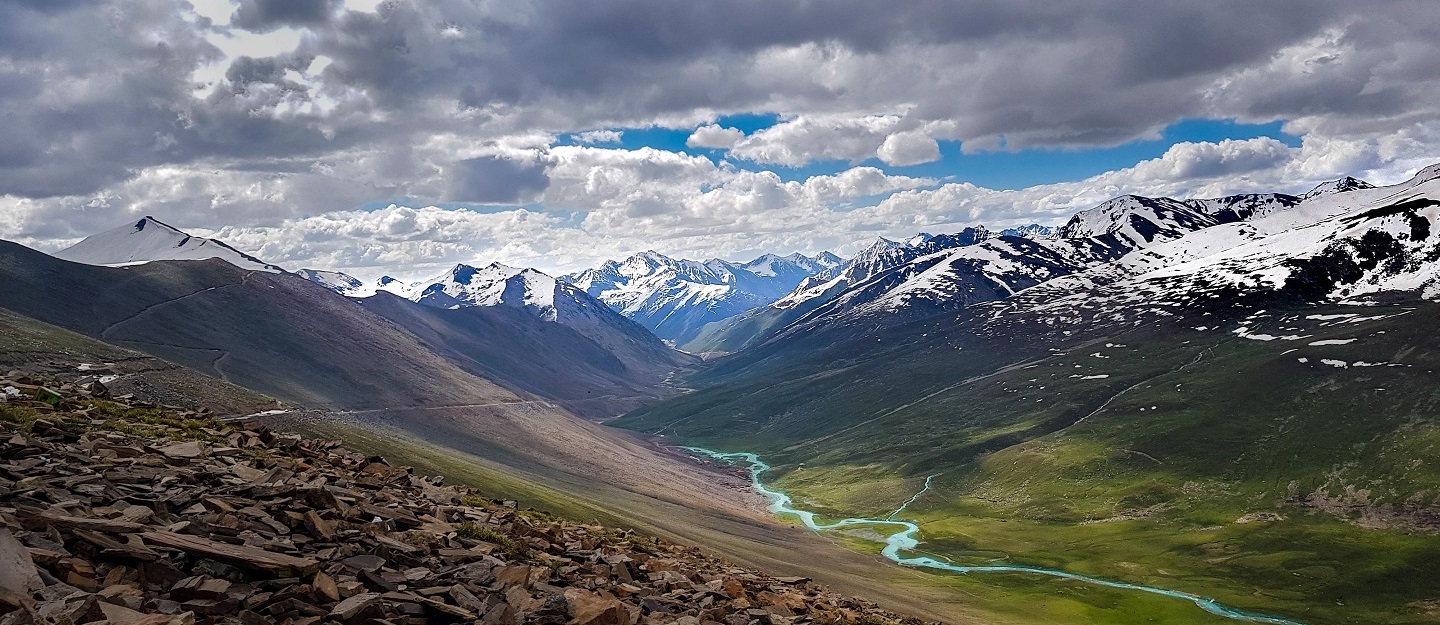
Near the glacier point, we saw residents of Chilas collecting chunks of ice. They loaded pieces of frozen glacier onto their vehicles, carrying them back home to battle the scorching summer heat. The scene illustrated the contrast of this region intense heat at the base, and freezing cold just a few kilometres above.
As we approached Babusar Top, the landscape turned magical. Low hanging clouds drifted across the mountains, swallowing the peaks one moment and revealing them the next. The temperature dropped sharply, forcing us to stop and zip up our jackets.
Just before reaching the top, we rode through an increasingly touristy zone. Food stalls, rental bikes, ziplines, and small markets lined the roadside. Visitors roamed everywhere, laughing, taking selfies, bargaining with vendors, or just breathing in the crisp mountain air.
The atmosphere felt festive a bustling mountain carnival set against a backdrop of swirling clouds.
Meeting Families, Fans & Fellow Travelers at Babusar Top
At Babusar Top, we decided to pause for a short break. What was meant to be a quick stop turned into one of the most memorable moments of the day.
As soon as we parked, a family from Gujranwala approached us warmly. They recognized us from our vlogs and introduced their children with a lot of excitement. Their kindness and admiration left us humbled yet again. Another couple shared how our videos inspired them to explore northern Pakistan, even though the wife carried a fear of heights. She laughed nervously while insisting she wouldn’t push her limits any further, while her husband insisted he wanted to go all the way to Sost because of our recommendations.
These small interactions added vibrant colour to our journey. It felt as if the entire mountain pass had transformed into a social hub where strangers connected over shared passions for adventure.
Cold Winds, Hot Coffee & A Drone Mission Above the Clouds
The clouds at Babusar were dancing dramatically, sometimes engulfing the road completely. The cold was piercing, sharper than we expected so much so that a family driving alongside us stopped to offer us hot coffee out of pure generosity. That warm cup felt like liquid gold.
With the weather turning moody, this seemed like the perfect moment to send the drone up. Ali launched it into the clouds and directed it toward the hidden lakes of Sambaksar and Dharamsar. These lakes are stunning from above, but today they were partially tucked under the cloudy veil. Still, the footage looked magical, with clouds swirling like curtains around the mountains.
The drone traveled farther than we had ever flown it before nearly 4.5 kilometers away capturing views that our eyes couldn’t reach from the top. The return journey of the drone felt tense; the signals were weak, and at that altitude even the wind could become a challenge. But eventually, Ali spotted the tiny black dot emerging from the clouds, gliding back home safely.
We took a deep breath, relieved and excited for the footage we had captured.
From Clouds to Rain
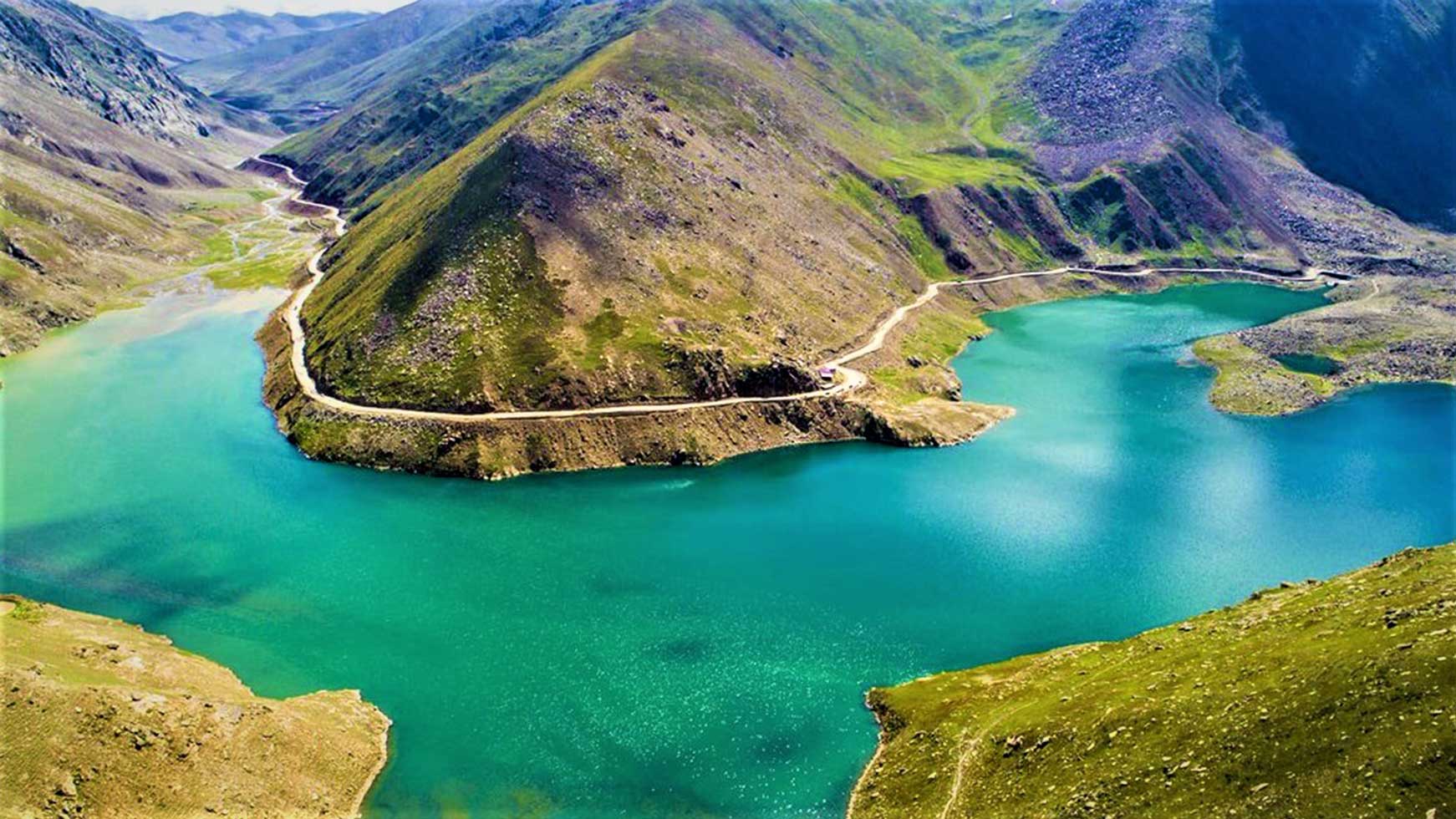
Right after Babusar, the ride turned dramatic. As we approached Lulusar Lake, thick clouds rolled in from one side, creating an almost cinematic scene. The lake appeared and disappeared behind waves of shifting mist. Just a short distance away, the sky opened into clear blue again a strange but beautiful dance of weather.
But soon enough, the rain began. What started as light drizzle quickly transformed into a consistent downpour. The road shimmered beneath our wheels, the mountains darkened, and the temperature dipped even further. Riding a motorcycle in rain at high altitude is not easy; every curve requires precision, and every slippery patch demands focus.
For nearly an hour, we rode soaked, shivering slightly, and pushing through the storm. It felt exhausting, but the beauty of the landscape kept us going.
Rain, Relief & Rest: The Final Miles to Batakundi
Battling the Rain
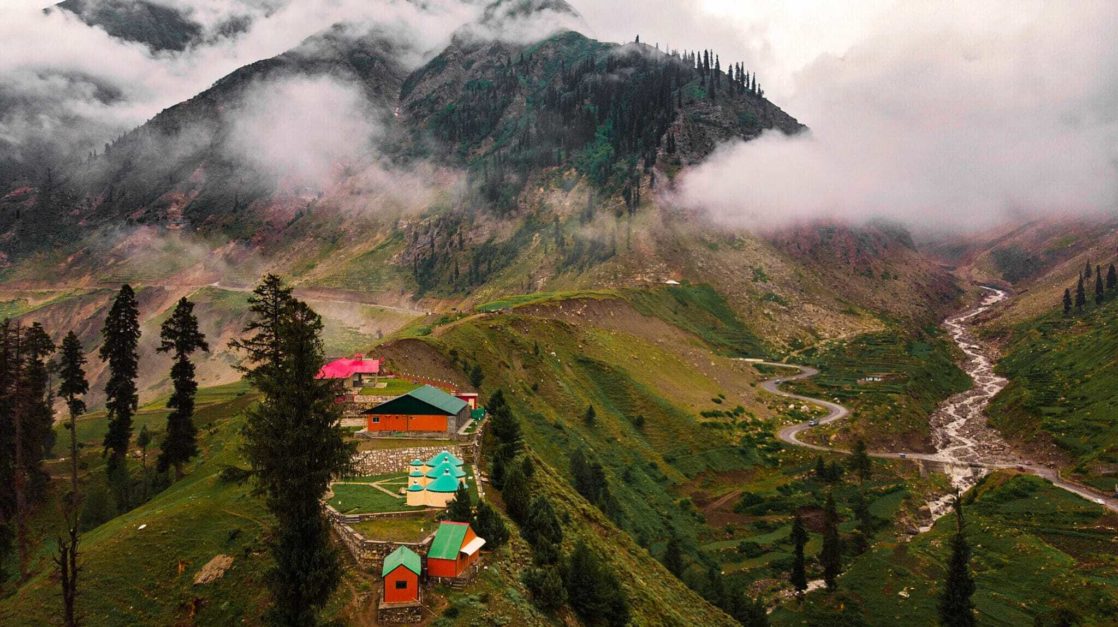
As we left the high-altitude clouds behind, the road wound downward into valleys where the weather shifted yet again. What began as a drizzle near Lulusar soon turned into a steady rainfall, wrapping the mountains in grey tones. Each raindrop felt sharp against our faces, and our jackets slowly became heavier as they soaked through.
This last hour of the ride was easily one of the toughest sections of the entire day. The rain blurred our visors, the cold stiffened our fingers, and the winding curves demanded full concentration. The sound of the engine echoed differently in the rain, more muted, almost swallowed by the damp air. There was a stark beauty in that silence only the hum of the bike, the falling rain, and the mountains watching over us.
Visibility dropped drastically at some points, forcing us to slow down. Water streamed across the roads, creating small pools that demanded careful steering. Motorcycles offer freedom, but on days like this, they also test your endurance and courage. Even then, the landscape around us, drenched and glistening, seemed fresher, more alive, as though the rain was revealing another side of the mountains we had not seen before. Despite the difficulty, the determination to reach Batakundi kept us moving steadily forward.
A Sudden Break in the Weather
Just when we began to think the rain might follow us all the way to our destination, the weather surprised us once again. As we entered Barwayi, the downpour faded as if someone had switched it off. The sky remained cloudy but calm, and the road appeared dry as though it hadn’t seen rain at all.
This transition felt almost magical a reminder of how unpredictable mountain weather can be. Our clothes were dripping, our gloves soggy, and our shoes squished with each step. But the sight of clearer skies offered a renewed sense of relief.
The landscape here shifted once again. The slopes grew gentler, small houses appeared scattered across the valley, and the air felt lighter. After hours of intense riding, Barwayi felt like a soft welcome before the final stretch.
We were close. Very close.
A Reward After a Long Day
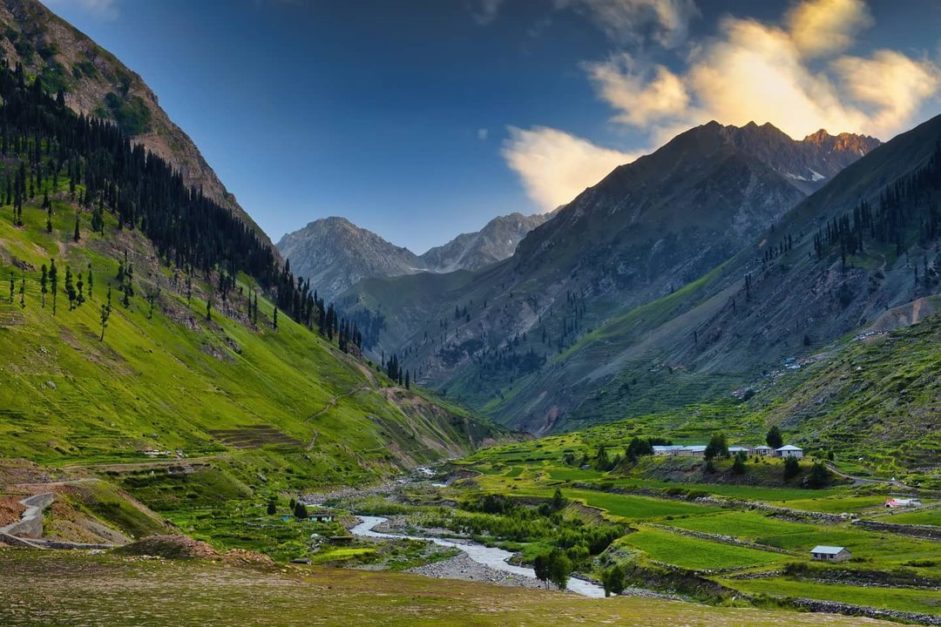
After a long, challenging, and adventure-packed ride that began before sunrise in Phander, we finally rolled into Batakundi. The sight of the familiar buildings, the valley opening wide, and the cool evening air felt like a warm embrace.
Batakundi always has a special charm. Surrounded by towering peaks and dense greenery, it feels peaceful in a way that instantly settles your heart. Despite the exhaustion gripping our bodies, we felt a rush of accomplishment as we parked our motorcycles outside the hotel.
The same hotel we stayed at earlier awaited us with its warm lighting and tidy atmosphere. The moment we entered, a wave of comfort washed over us. A clean room, warm beds, and hot water after an entire day on the road, these things feel like luxuries.
The first thing I did was head straight for a hot shower. The warmth seeped into my bones, chasing away the cold from Babusar and the chill from the rain. Those few minutes under hot water repaired both muscle and mood.
Meanwhile, our soaked clothes needed urgent attention. We hung them around the room wherever possible, hoping the room heater would rescue them before the next morning.
A Much-Needed Dinner
After settling in, hunger reminded us that we had barely eaten properly all day. Our brunch in Gupis and the failed “Kabuli pulao” experiment had left us craving real food. We went downstairs with zero expectations but plenty of appetite.
To our pleasant surprise, the hotel’s menu offered more variety than usual. Instead of ordering the same evening karrahi we had been eating for days, we decided to try something different burgers and Chinese food. The taste felt surprisingly refreshing after so many similar meals on the road.
Warm food, hot tea, and the cozy atmosphere of the dining area made for the perfect ending to a long ride. The fatigue slowly eased, replaced with quiet satisfaction.
A Quiet Mountain Calm
After dinner, we returned to our room. The rain-soaked jackets lay drying near the heater, our bags sat neatly against the wall, and the soft glow of the room’s lights filled the space with warmth and comfort.
Outside, the valley was completely silent. No traffic. No voices. No movement. Only the faint whisper of the wind brushing through the trees. It’s a kind of silence that cities can never offer a silence that resets your mind.
As we sat on the edge of our beds, replaying the day in our heads, the magnitude of the journey set in. From waking up in the quiet green meadows of Phander at dawn, to navigating construction closures in Ghizer, to experiencing the heat of Chilas and the cold of Babusar, to pushing through rain and finally reaching Batakundi the day had been nothing short of a full adventure.
We knew tomorrow would bring new places, new roads, new surprises. But for now, rest was all we needed. Before turning off the lights, the last thing we said just like every night on the road was a simple request:
“Remember us in your prayers.”
Closing Note – A Day Etched Into Memory
Some journeys are smooth, others challenging, and some unforgettable. This day fell into the last category. It was a ride full of contrasts cold and heat, sunshine and rain, calm and chaos, exhaustion and excitement.
What makes this route special is not just the stunning landscapes but how rapidly and dramatically they change. Phander’s green villages, Gupis’ muddy rivers, Gilgit’s lively roads, Chilas’ blazing heat, Babusar’s icy clouds, and Batakundi’s serene embrace each place stamps its own memory on the heart.
Travel isn’t just about reaching a destination. It’s about collecting moments, faces, stories, and emotions along the way. And today, we gathered more memories than we expected.
As the night deepened outside our window in Batakundi, we knew one thing for sure:
This was a day we would never forget.


