
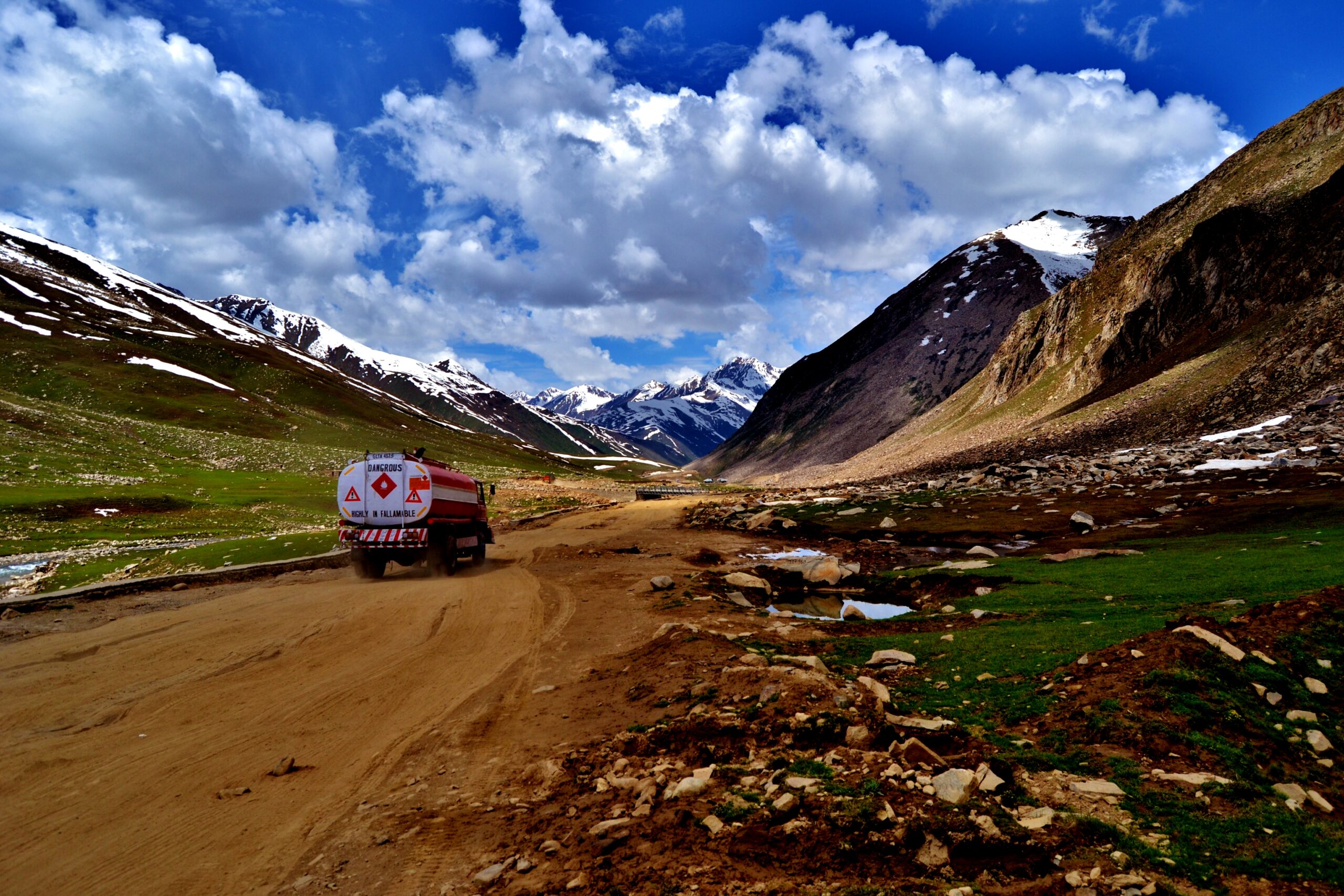
Babusar Top is one of the most breathtaking high-altitude mountain corridors in the Gilgit-Baltistan region of Pakistan. Connecting the verdant Kaghan Valley of Khyber Pakhtunkhwa with the arid, majestic landscapes of Chilas in the Diamer District, this natural marvel acts as a vital artery between two vastly different yet equally mesmerizing terrains. For adventurers, culture seekers, photographers, and solitude chasers alike, Babusar Pass is more than just a mountain crossing—it’s a journey into the heart of Pakistan’s most raw and regal geography.
The Geographical Grandeur of Babusar Pass
Nestled within the mighty Himalayan ranges, Babusar Pass is a testament to nature’s architectural genius. Surrounded by snow-capped peaks, alpine meadows, and winding rivers, the area boasts panoramic vistas that remain etched in the memory of every traveler. The pass lies on the historic route linking the lower valleys to Gilgit-Baltistan, and during the summer months, it becomes a lifeline for tourism and trade. As you ascend from the lush meadows of Naran towards the top, the landscape transforms rapidly—from pine forests and flowing streams to barren, rocky cliffs and glacier-fed rivulets.
The pass itself, flanked by jagged ridgelines, offers a 360-degree view that feels almost otherworldly. On clear days, one can witness distant peaks such as Malika Parbat or even faint glimpses of the Nanga Parbat massif. It’s no wonder then that Babusar Pass is regarded as a crown jewel of high-altitude travel in Pakistan.
Cultural and Historical Significance
Historically, Babusar Pass held a strategic position as part of ancient trade routes, particularly during the time when segments of the fabled Silk Road passed through this region. Merchants, herders, pilgrims, and explorers have trodden this path for centuries, leaving behind a rich yet understated legacy. Though the modern Karakoram Highway (KKH) has taken over most of the freight and long-distance travel, Babusar Pass continues to thrive as a vital seasonal route and cultural landmark.
The name “Babusar” itself is said to be derived from “Babar Sar,” a reference to Mughal Emperor Babur, who reportedly crossed this route during his expeditions into the Indian subcontinent. Oral histories in nearby communities still echo tales of caravans navigating the dangerous ascent long before there were paved roads or motorized vehicles.
A Portal to Natural Wonder
More than a means of passage, Babusar Pass is a destination in its own right. It serves as the gateway to a multitude of experiences—from hiking and stargazing to wildlife observation and cultural immersion. The surrounding areas, including Lulusar Lake, Fairy Meadows, and Raikot Bridge, enrich any journey with layers of ecological and cultural diversity.
In spring and summer, the slopes near the pass are carpeted with wildflowers, attracting nature enthusiasts and photographers from all over the world. By autumn, the air turns crisp, and the surrounding trees wear their golden cloaks, offering a completely different flavor of beauty. Winter, however, renders the pass impassable due to heavy snowfall and avalanches, effectively cutting off this majestic artery until the next thaw.
A Photographer’s Paradise
For shutterbugs and travel bloggers, Babusar Pass is a goldmine. The ever-changing light patterns, the interplay of clouds and mountain silhouettes, and the vibrant colors of local nomads and their livestock—all offer picture-perfect moments. Whether you’re capturing the stars in the crystal-clear night sky or focusing your lens on a yak grazing on the green slopes, every shot at Babusar Pass tells a story of resilience and natural grandeur.
Why You Must Visit
Visiting Babusar Pass isn’t merely about sightseeing—it’s about feeling the pulse of northern Pakistan’s highlands. It’s about inhaling air so pure it stings, witnessing landscapes that render you speechless, and experiencing a journey that connects the soul to the mountains. The road to Babusar is a rite of passage for anyone who calls themselves a true traveler.
This travel guide will take you through everything you need to know—from how to reach the pass and where to stay, to the best time to visit, what to eat, and how to stay safe. Whether you’re a solo backpacker, a couple in search of romance, or a family seeking adventure, this blog will help you plan the trip of a lifetime to Babusar Pass.
How to Reach Babusar Pass
Navigating the Gateway to Northern Majesty
Reaching Babusar Pass is an unforgettable journey in itself—an expedition through some of Pakistan’s most spectacular and diverse landscapes. The pass lies on the road between Naran (in Khyber Pakhtunkhwa’s Kaghan Valley) and Chilas (in Gilgit-Baltistan’s Diamer District), making it a key transit route for travelers heading toward northern marvels like Fairy Meadows, Hunza, Skardu, and Nanga Parbat. However, due to its high-altitude terrain and seasonal accessibility, planning your route with care is essential.
Air Travel: The Nearest Airports
There are no airports near Babusar Pass itself, but several options can bring you closer to the region:
-
Islamabad International Airport (ISB):
This is the most common starting point for both domestic and international travelers. From here, you’ll need to travel by road to reach Babusar Pass via Abbottabad, Mansehra, and Naran. -
Gilgit Airport (GIL):
If you’re exploring Gilgit-Baltistan and coming from Skardu or Hunza, Gilgit is the closest airport to Babusar Pass from the northern side. Flights to Gilgit are weather-dependent and often delayed, so keep this in mind during planning. -
Skardu Airport (KDU):
Another option in Gilgit-Baltistan for those planning a longer loop through northern Pakistan. From Skardu, travelers can connect through Gilgit and Chilas toward Babusar Pass.
While air travel can save time, it often introduces logistical complexities, especially given the unpredictable weather in mountain areas.
Road Routes: From South to North and Beyond
The two most common approaches to Babusar Pass are:
1. Southern Approach: Islamabad → Abbottabad → Mansehra → Naran → Babusar Pass
-
Total Distance: Approx. 300 km
-
Estimated Travel Time: 9–12 hours (without overnight stops)
-
Route Description:
Begin your journey from Islamabad and head north toward Abbottabad via the Hazara Motorway. From Mansehra, follow the N-15 highway through Balakot and Kaghan to Naran. From Naran, a scenic but winding climb takes you to Babusar Top, crossing multiple alpine meadows, pine forests, and glacial streams. -
Road Conditions:
The road from Islamabad to Naran is fully paved and in good condition. From Naran to Babusar, the road narrows and climbs sharply, requiring cautious driving. Landslides are common in monsoon season (July–August). -
Travel Tip:
Make an overnight stop in Naran for rest and acclimatization before attempting the high-altitude ascent to Babusar Pass the next morning.
2. Northern Approach: Gilgit → Chilas → Babusar Pass (via Karakoram Highway)
-
Total Distance: Approx. 160 km
-
Estimated Travel Time: 6–8 hours
-
Route Description:
From Gilgit, take the Karakoram Highway (N-35) to Chilas. From there, a detour via Thak Das and Gittidas leads you toward Babusar Top from the northern side. -
Road Conditions:
The KKH is mostly paved but prone to rockfalls and weather-related disruptions. From Chilas to Babusar Pass, the route becomes narrower and more rugged. -
Travel Tip:
This route is more remote with fewer tourist facilities compared to the southern approach. Plan fuel, food, and accommodation accordingly.
Public Transportation Options
While private vehicles offer the most flexibility and comfort, budget travelers can also opt for the following:
-
Local Vans and Coasters (Naran-bound):
From Islamabad’s Pir Wadhai Bus Terminal, you can catch a van or minibus to Balakot or Naran. These buses usually leave early in the morning and are affordable, though not always comfortable for long journeys. -
Jeep Rentals (from Naran):
From Naran, you can hire jeeps (with or without drivers) to take you to Babusar Top. This is highly recommended for groups, as the terrain beyond Naran is steep and challenging. -
Northern Area Transport Service (NATCO):
A reliable bus service operating from Rawalpindi to Gilgit, with a stop in Chilas. You can connect to Babusar Pass from there via local transport or hired jeeps.
9Self-Driving to Babusar Pass
Driving yourself can be an incredible way to explore this scenic route, but be mindful of:
-
High-Altitude Driving:
The steep gradients and hairpin turns demand experience and confidence. Drivers should be familiar with mountain driving. -
Vehicle Type:
While a 4×4 is not strictly necessary in the summer months, it is highly recommended for better control and comfort. -
Fuel Availability:
Fuel stations are available in Abbottabad, Mansehra, Balakot, and Naran. Beyond Naran, fuel becomes scarce, so top up your tank before the ascent. -
Emergency Gear:
Carry snow chains (for early or late season travel), a first-aid kit, extra fuel, flashlight, GPS device, and offline maps.
Travel Time and Distance Calculations
| Route | From | To | Distance (km) | Estimated Time |
|---|---|---|---|---|
| Islamabad → Naran | 270 km | 7–9 hrs | ||
| Naran → Babusar Pass | 65 km | 2–3 hrs | ||
| Gilgit → Chilas | 130 km | 4–5 hrs | ||
| Chilas → Babusar Pass | 30 km | 2–3 hrs |
Times vary with road and weather conditions. During weekends or holidays, traffic near Naran and Babusar Pass can significantly increase travel time.
Famous Places to Visit Near Babusar Pass (5000 words)
1. Lulusar Lake
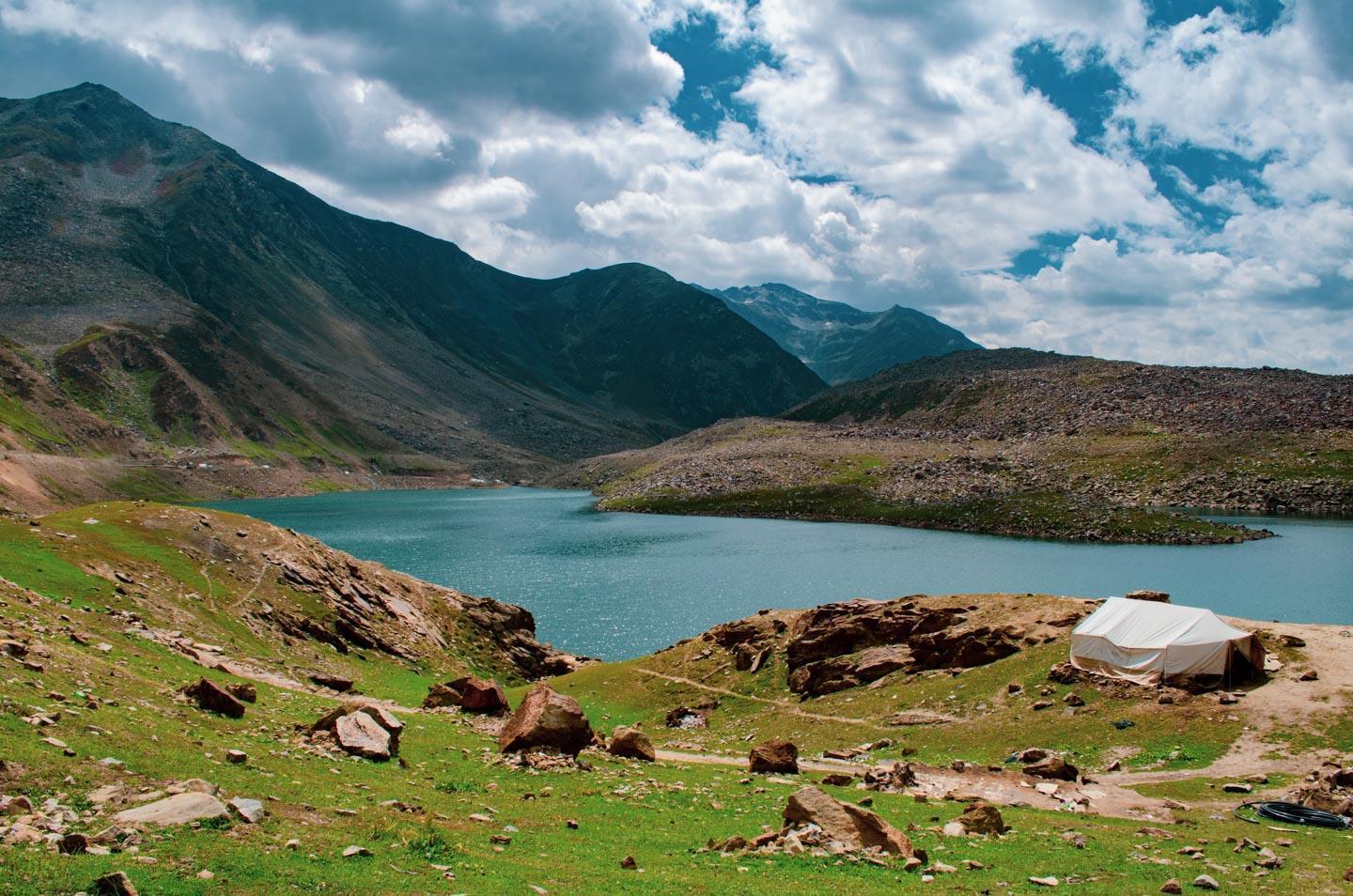
Tucked in the upper reaches of the Kaghan Valley, Lulusar Lake is a crystalline, turquoise gem surrounded by snowcapped peaks. Located at an altitude of around 3,410 meters and only 48 km from Naran, this lake is a must-visit stop en route to Babusar Pass. The name “Lulusar” is derived from the surrounding mountain ranges that cradle the lake in an amphitheater of natural beauty.
The lake is the primary source of the Kunhar River and plays a vital ecological role in sustaining the valley below. Visitors will be mesmerized by its mirror-like reflections, particularly during early morning or sunset. It’s a haven for photographers, nature lovers, and those seeking solitude amidst alpine serenity. Although boating isn’t offered due to conservation measures, you can enjoy picnics, photography, and short hikes in the surrounding landscape.
During the summer months, colorful wildflowers surround the lake, attracting native birds and butterflies, making it feel like a natural sanctuary in the clouds. A short roadside stop allows easy access for travelers heading towards Babusar Pass.
2. Gitidas Meadows
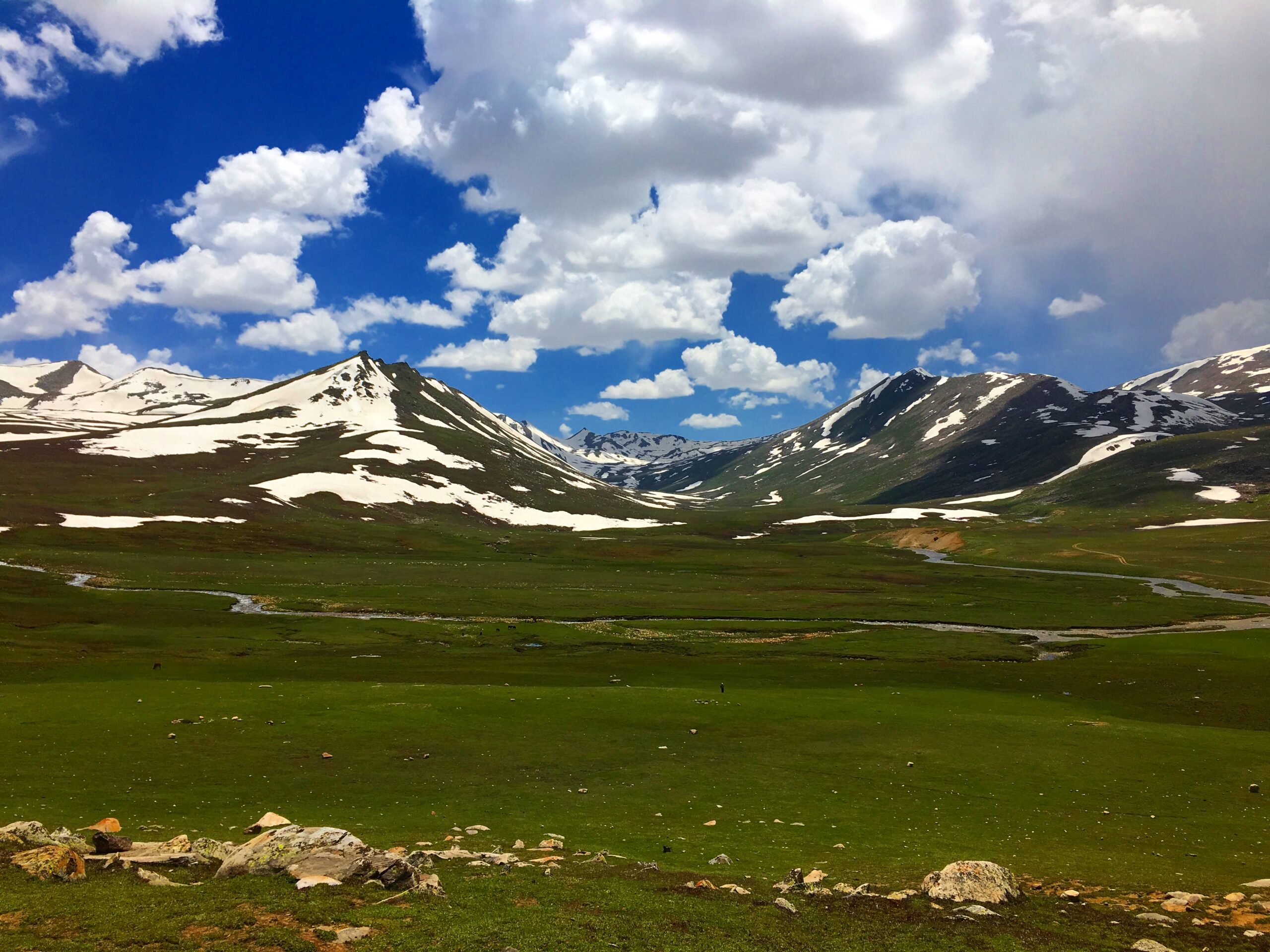
A hidden treasure located between Babusar Top and Chilas, Gitidas Meadows (also spelled Gittidas) offer a visual feast of rolling green plains, studded with wildflowers and surrounded by towering peaks. These meadows are often compared to the famed “Deosai Plains” in Skardu but are far more secluded and pristine due to their remote location.
In the summer, local herders bring their livestock to graze, and travelers can interact with the semi-nomadic communities who still preserve their traditional way of life. It’s a great spot to rest before reaching Babusar Top from the northern side, especially for those coming from Chilas.
The tranquility and sweeping views here are ideal for meditation, photography, sketching, or even short hikes. Though underdeveloped in terms of facilities, the raw beauty of Gitidas makes it a top-tier off-the-beaten-path destination near Babusar Pass.
3. Babusar Top (The Summit Point)
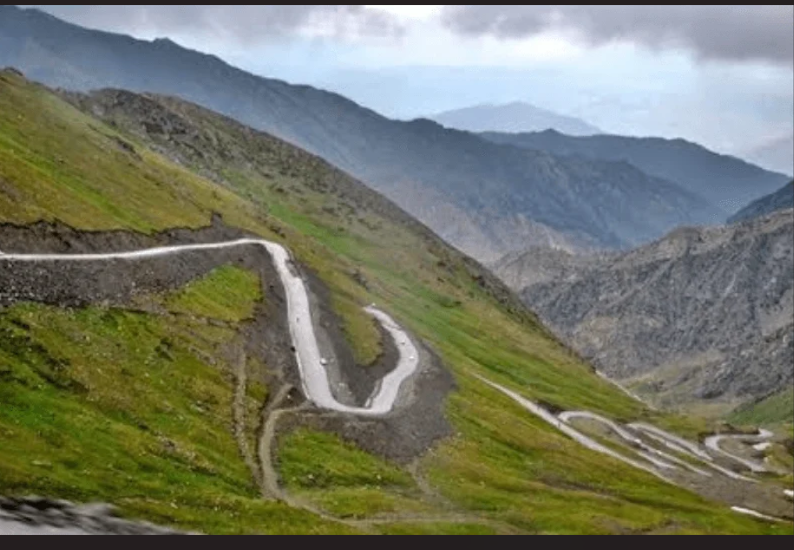
At the very heart of this journey lies Babusar Top, the summit point of the pass and one of Pakistan’s most iconic roadside destinations. Standing at 4,173 meters, Babusar Top delivers a 360-degree panoramic view of the surrounding mountain ranges. On a clear day, you might even spot the distant silhouette of Nanga Parbat to the north.
The experience at the top is nothing short of magical. The crisp, high-altitude air carries whispers of the wind as visitors take in the views, often lost in the vastness of the terrain. Vendors sell chai, snacks, and trinkets, while adventure seekers snap photos at the iconic stone sign marking the elevation.
It’s also a spot for spiritual reflection. Many travelers pause for prayer or silent meditation here, humbled by the vastness around them. There’s a small parking area, but visitors should tread carefully as the ground can be uneven or icy, even in summer.
4. Jalkhand Valley
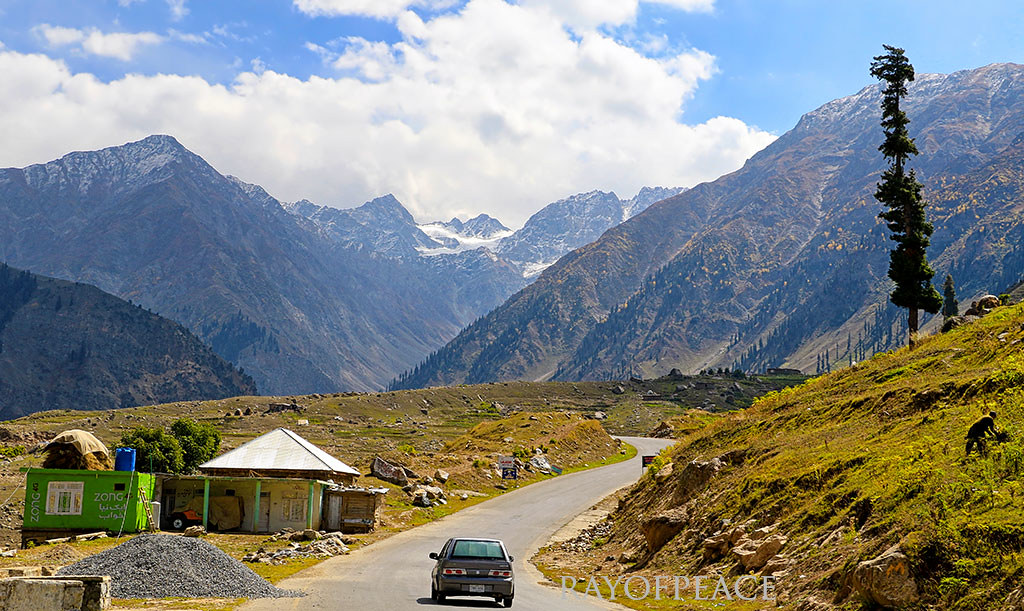
Jalkhand is a lesser-known but incredibly scenic village between Batakundi and Lulusar Lake. It acts as a transitional point from the lush pine forests of lower Kaghan Valley to the barren, alpine terrain of Babusar. Its sweeping meadows, grazing sheep, icy rivulets, and backdrop of cloud-kissed mountains make it a postcard-perfect destination.
The road snakes through this quaint valley, often lined with mobile tea stalls and resting spots where travelers can pause to admire the landscape. The river that flows through Jalkhand glistens in the sun, fed by glacier melt and mountain springs.
Jalkhand is ideal for short treks, nature walks, and photography. If you’re visiting in June or July, you’ll find the area blooming with pink and purple wildflowers. It’s also one of the safest and calmest places to stop for a meal or tea before continuing toward Lulusar or Babusar Top.
5. Batakundi Waterfalls
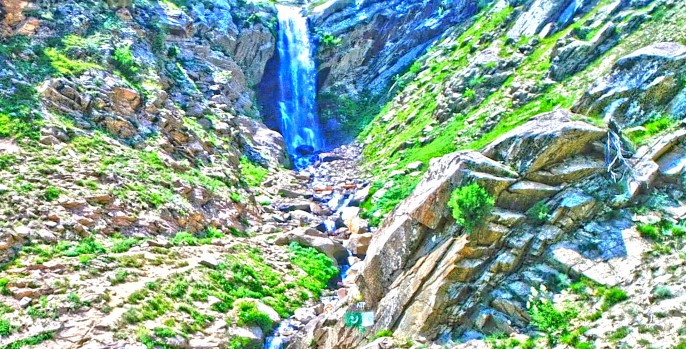
Just 16 kilometers north of Naran lies the charming village of Batakundi, known for its refreshing waterfall and lush surroundings. The cascading water emerges from a high cliff, forming a misty curtain that refreshes both body and soul—especially during summer.
Batakundi is also a prime spot for a night stay, offering a handful of guesthouses and food stalls that serve freshly caught trout and piping-hot parathas. The area’s elevation makes it cooler and more pleasant than Naran, and its relative calm is a relief for those seeking peace.
The waterfall is easily accessible via a short roadside trek. It’s a great family-friendly location with a safe environment and opportunities for splash play. Locals are welcoming, and the simple beauty of Batakundi reflects the slow pace of life in these highlands..
6. Saiful Muluk Lake (Detour from Naran)
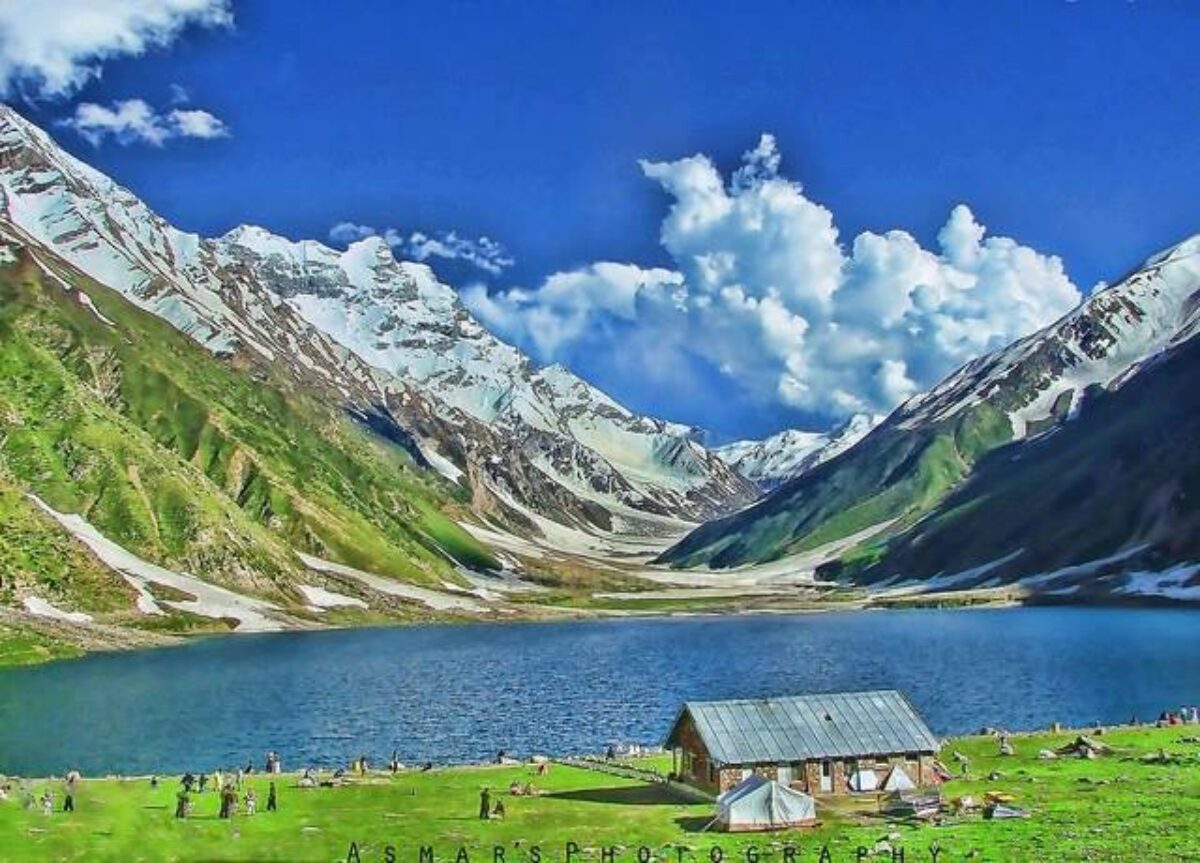
Although not on the direct path to Babusar Pass, Saiful Muluk Lake is a magical detour from Naran, just 9 km away by jeep. This high-altitude glacial lake sits at 3,224 meters and is steeped in folklore. According to legend, Prince Saiful Muluk fell in love with a fairy here.
The emerald-green lake, surrounded by towering snow peaks and glacial streams, is a bucket-list destination for nature lovers and romantics. Visitors can rent boats, enjoy trout dishes at lakeside stalls, and take in the mystic ambiance.
The road to the lake is rugged and often requires a hired jeep, but the effort is richly rewarded with mesmerizing scenery and peace.
7. Pyala Lake (Jalkhand)
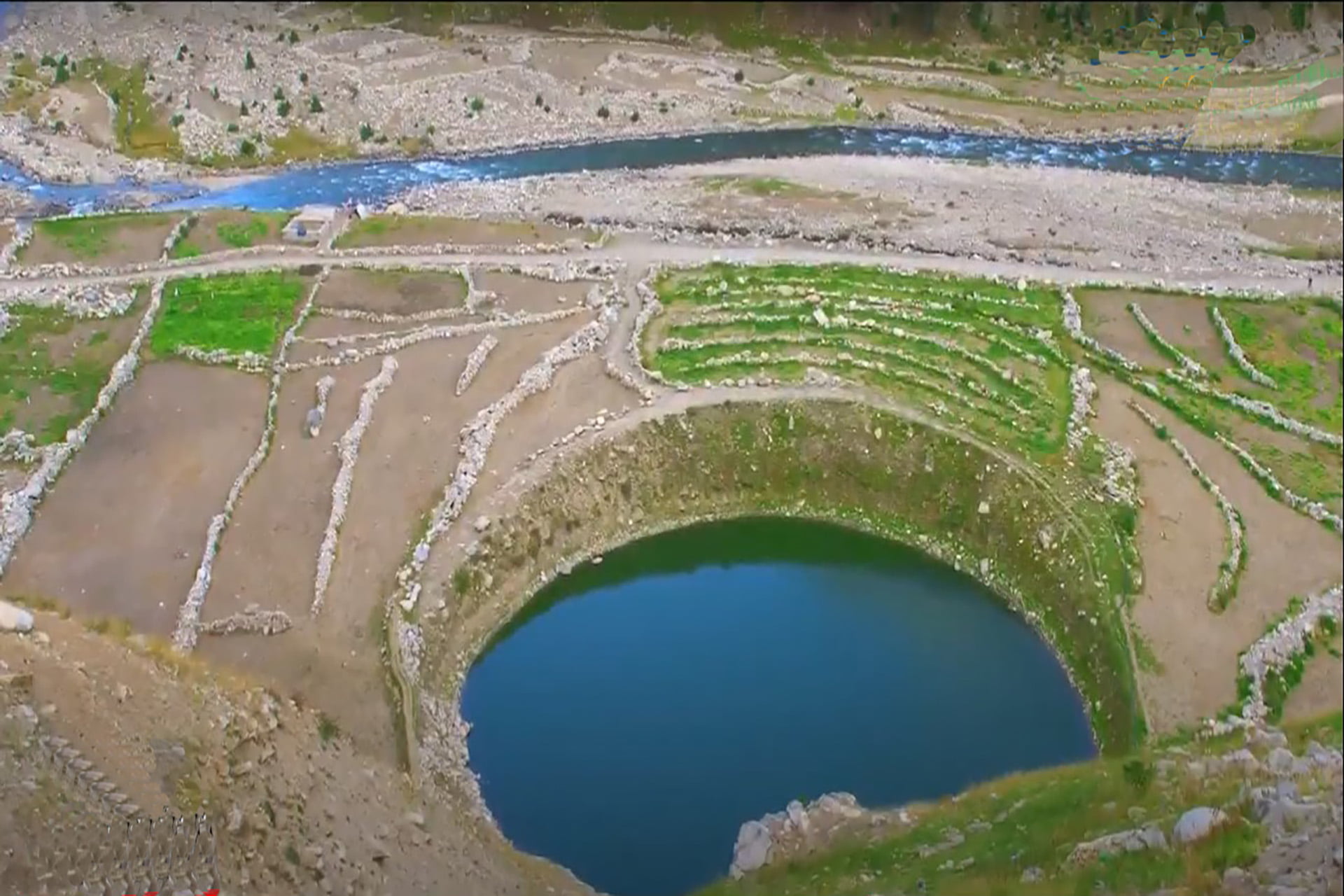
Located just before Lulusar Lake, Pyala Lake is a bowl-shaped lake that is unique in its formation and serene beauty. Its circular shape, surrounded by ridges, resembles a massive bowl (“pyala” in Urdu), hence the name.
While not as famous as Lulusar or Saiful Muluk, Pyala Lake’s pristine, untouched environment makes it a peaceful stop on your journey to Babusar. It’s ideal for a quick photo session, rest break, or simply marveling at how silence and stillness can speak volumes.
Best Time to Visit Babusar Pass
When Heaven Opens Its Gates: Timing Your Journey to Babusar Pass
Babusar Pass, with its majestic elevation of 4,173 meters, is a destination that dramatically changes with the seasons. As one of the highest roads in Pakistan, it offers some of the most spectacular weather-driven transformations—lush green meadows in summer, snow-laden silence in winter, and golden hues in autumn. However, visiting this alpine wonder requires precise timing. The harsh weather, snow-blocked routes, and remote terrain mean that only certain months are suitable for travel—but when chosen well, the experience is nothing short of magical.
Understanding the Climate of Babusar Pass
Babusar Pass falls under an alpine mountain climate, characterized by short, cool summers and long, brutal winters. Even during the warmest months, the summit can experience sudden rain, hailstorms, or drops in temperature. The weather is unpredictable and extreme, especially at the higher elevations near the top.
-
Average Summer Temperature (June to August): 10°C to 18°C
-
Average Night Temperature: Drops to as low as 0°C
-
Winter Temperature (November to March): Can plummet below -20°C
These temperature shifts make planning ahead absolutely critical for a safe and enjoyable journey.
Seasonal Breakdown
Summer (Mid-June to Late September)
✓ Best Time to Visit
This is the golden window when Babusar Pass becomes fully accessible. The snow begins to melt by early June, and by mid-June, the road from Naran to Chilas is usually open for all types of vehicles. Travelers can enjoy lush green meadows, blooming wildflowers, and crystal-clear skies. This is also when you’ll get the best visibility from Babusar Top for panoramic photos.
-
Pros:
-
Open roads and passable terrain
-
Active tourism infrastructure (jeep rentals, food stalls)
-
Ideal for photography, hiking, picnicking
-
Safe weather with fewer road risks
-
-
Cons:
-
Crowded on weekends and holidays
-
Price hikes in Naran and Batakundi
-
Limited accommodation at higher altitudes
-
Recommendation:
Visit between late June and early September for optimal conditions. Early morning departures are best to avoid traffic and afternoon weather shifts.
Autumn (October to Mid-November)
✓ Visually Stunning but Weather-Risky
As September ends, the meadows turn amber and golden, creating a rich, painterly landscape. The skies are usually clear, but temperatures start to dip significantly. While the road may remain open until early November, conditions become increasingly uncertain due to early snowfall or frost.
-
Pros:
-
Fewer tourists, peaceful atmosphere
-
Autumn foliage and soft light
-
Budget-friendly accommodation
-
-
Cons:
-
High chance of snow or black ice
-
Some transport services shut down
-
Not suitable for overnight camping
-
Recommendation:
Only travel during early October and check with local authorities (NHA or KPK Tourism) for road status before departure.
Winter (Mid-November to Late April)
✗ Not Recommended – Pass Closed
During the long winter season, Babusar Pass becomes inaccessible. Heavy snowfall, avalanches, and zero visibility make it extremely dangerous. Authorities close the road from Naran to Chilas for all traffic. The pass itself is buried under meters of snow, with temperatures often falling below -20°C.
-
Pros:
-
None for tourists. Only for research teams or locals via alternative lower routes.
-
-
Cons:
-
Road closure and impassable terrain
-
Risk of getting stranded
-
No tourist infrastructure
-
Recommendation:
Avoid all travel plans to Babusar Pass from mid-November to April. Instead, consider alternative winter destinations like Malam Jabba, Murree, or Skardu (if accessible).
Spring (May to Mid-June)
✓ Beautiful but Unpredictable
Spring brings rebirth to the valleys leading up to Babusar Pass, especially in Jalkhand and Batakundi. However, the pass itself usually remains closed until mid-June due to lingering snow. Travelers can still explore lower elevations, but attempting to reach the top can be risky.
-
Pros:
-
Spring wildflowers and blooming meadows
-
Ideal for photographers and hikers in lower zones
-
Moderate temperatures and clear skies
-
-
Cons:
-
Uncertainty about road clearance
-
High risk of landslides due to melting snow
-
Few operational accommodations in high areas
-
Recommendation:
If you’re eager to catch spring beauty, visit Batakundi or Jalkhand in late May. Wait until the second or third week of June to attempt Babusar Top.
Recommended Months for Specific Activities
| Activity | Ideal Months |
|---|---|
| Sightseeing & Landscape Photography | July – September |
| Trekking in Nearby Valleys | Late June – Early October |
| Wildlife & Bird Watching | August – September |
| Camping (Lower Elevations) | July – August |
| Cultural Interaction with Nomads | July – September |
| Autumn Foliage Photography | Late September – Early October |
Climate Change Considerations
In recent years, climate change has caused unpredictable variations in Babusar’s seasonal patterns:
-
Delayed Openings:
Unseasonal snowfall has kept the pass closed into late June. -
Early Closures:
Some years, snowfall in October has been severe enough to shut down the route earlier than expected. -
Flash Floods and Landslides:
Intense rainfall events during monsoon season (especially in August) have triggered landslides in the Naran–Babusar belt.
As a result, it’s essential to verify road conditions and weather updates via the National Highway Authority (NHA), the local tourism department, or the PakMet office before travel.
Key Tips for Timing Your Visit
-
Always call ahead. Hotels and jeep services in Naran or Chilas often have real-time knowledge of road status.
-
Avoid monsoon weeks. Though Babusar is drier than lower valleys, the Naran road is prone to flooding and landslides.
-
Start early. Most weather disturbances occur in the afternoon. Plan your drive to Babusar Top before 11 a.m.
-
Have a buffer day. Weather changes rapidly. Build flexibility into your itinerary.
Things to Do at and Around Babusar Pass
From Adventure to Serenity: Top Activities to Enjoy at Babusar Pass
Babusar Pass is far more than just a high-altitude crossing—it is an experiential destination brimming with outdoor adventures, soul-stirring vistas, and rich local encounters. Whether you’re an adrenaline junkie or a nature enthusiast, the area offers a wide range of activities that allow you to connect with the rugged spirit of northern Pakistan truly.
1. Scenic Photography and Drone Filming
Difficulty Level: Easy
Equipment: DSLR/Smartphone, Drone (where permitted), Tripod
Best Time: Early morning and sunset
Babusar Pass is a dreamland for landscape photographers. With snow-capped peaks, expansive meadows, winding roads, and crystal-clear skies, the area offers a new frame-worthy shot at every turn. The top of the pass provides a panoramic view unlike any other—often with clouds floating below your feet.
For drone users, the aerial perspective of the serpentine roads, Gitidas Meadows, and the dramatic drop into Chilas is simply spellbinding. Note, however, that drone use may require special permission in sensitive areas—especially around military zones or near checkposts.
Photography Tip: Shoot at golden hour (just after sunrise or before sunset) for the most dramatic lighting.
2. Hiking and Trekking
Difficulty Level: Moderate
Recommended Routes: Gitidas Meadows, Jalkhand Hills, and Lulusar perimeter
Equipment: Trekking boots, water bottle, walking stick, sunblock
Several short and moderate hikes are available around Babusar Pass and nearby valleys. While the main road is motorable, side trails from Gitidas or Jalkhand offer peaceful hikes through flower-strewn meadows and gentle hills. These are perfect for nature lovers who wish to absorb the serenity of the highlands on foot.
Trekkers often explore towards little-known ridges or along glacial streams near Gitidas, spotting marmots, butterflies, and wildflowers. It’s an ideal place for a peaceful, solitary trek away from the buzz of Naran.
Safety Note: Avoid hiking in poor weather, and don’t trek alone in remote areas without informing someone of your route.
3. Stargazing and Astrophotography
Difficulty Level: Easy to Advanced
Best Time: July to September (new moon nights preferred)
Equipment: DSLR with long exposure settings, tripod, telescope (optional)
At 4,173 meters above sea level, Babusar Pass offers incredibly clear night skies, far from light pollution. Milky Way viewing is extraordinary here, particularly on moonless nights. Campers, photographers, and space enthusiasts can enjoy a surreal experience lying under a blanket of stars.
During summer months, astrophotographers gather here to capture long-exposure shots of the galaxy, star trails, and sometimes even meteor showers.
Travel Tip: Bring thermal wear—even in summer, nighttime temperatures can drop below freezing.
4. Cultural Encounters with Local Nomads
Difficulty Level: Easy
Best Time: June to August
Recommended Spots: Gitidas, Pyala Lake outskirts, and near Lulusar grazing zones
Every summer, semi-nomadic communities from Kohistan and Diamer migrate with their herds to the high-altitude pastures of Babusar. These shepherd families live in tents or simple stone huts and practice age-old herding traditions that have remained unchanged for centuries.
Engaging with them—if done respectfully—can provide insight into a fading way of life. Offer greetings, ask questions with humility, and if invited, accept their hospitality with gratitude. You may be offered lassi (buttermilk), chapati, or goat’s milk tea.
Cultural Tip: Always ask before taking photos and offer small gestures of thanks, such as dry fruit or tea packets.
5. River Picnicking and Nature Immersion
Difficulty Level: Easy
Recommended Spots: Kunhar River (near Jalkhand), meltwater streams near Batakundi
Essentials: Picnic mat, snacks, water shoes, trash bag
The gushing meltwater streams that cascade down the slopes near Babusar and Jalkhand are ideal for family picnics and peaceful reflection. The sound of the rushing river, combined with crisp mountain air and open sky, creates an atmosphere of tranquility difficult to find elsewhere.
Kids can paddle in shallow waters (with supervision), while adults relax with chai and sandwiches. Some streams even have makeshift seating areas crafted by locals for day-use.
Responsible Travel Note: Always take your trash with you—this region’s pristine beauty must be preserved.
6. Jeep Safari from Naran to Babusar
Difficulty Level: Easy (rider), Moderate (driver)
Best Time: Mid-June to September
Recommended Vehicles: 4×4 jeeps or sturdy SUVs
Driving from Naran to Babusar Top is considered one of Pakistan’s most scenic jeep rides. The road gradually climbs through pine forests, mountain cliffs, waterfalls, and alpine meadows—culminating at the rocky summit of Babusar.
Hiring a local jeep with a driver allows you to enjoy the views without worrying about driving on challenging terrain. The drivers also act as informal guides, sharing local folklore and pointing out hidden gems along the way.
Tip: Leave early morning to avoid fog and make stops at Jalkhand, Lulusar, and Gitidas en route.
7. Fly Fishing in Alpine Streams
Difficulty Level: Intermediate
Licensing: Check with local authorities or guides in Naran
Species: Brown trout, rainbow trout
Though not widely commercialized, fly fishing in the icy streams around Babusar and Lulusar Lake is possible with the right gear and patience. The Kunhar River and its tributaries are known for their trout population.
Experienced anglers can enjoy a few quiet hours casting flies into crystal waters surrounded by nature. For beginners, hiring a guide in Naran is recommended.
Note: Practice catch-and-release and respect local conservation rules.
8. Bird Watching and Wildlife Spotting
Difficulty Level: Easy
Best Season: July to September
Species: Himalayan griffons, golden eagles, marmots, Himalayan ibex (rare sightings)
The high-altitude habitat of Babusar is home to a variety of avian and small mammal species. Bird watchers may catch glimpses of soaring eagles, choughs, partridges, and even rare vultures like the Himalayan griffon.
Marmots are common and can often be spotted standing upright near hiking trails or scurrying into their burrows. Occasionally, herds of sheep or goats descend from the hills, led by nomadic shepherds.
Bring binoculars, a quiet demeanor, and patience—you’ll be rewarded with sightings in their natural, undisturbed environments.
9. Local Food Exploration
Difficulty Level: Easy
What to Try: Chapli kababs, trout fish, lentil curry, apricot jam
Though limited in options, small stalls near Babusar Top and Batakundi offer traditional highland meals prepared with local ingredients. There’s something profoundly satisfying about eating a piping hot paratha and sipping chai while surrounded by snow and sky.
Try the fresh trout grilled over coals, or ask for the local lentil stew (daal) served with thick wheat roti. Many vendors also sell dried apricots, walnuts, and honey sourced from nearby valleys.
Budget Tip: Most meals cost between PKR 300–800 and are cooked fresh on the spot.
10. Meditation and Silence Retreats
Difficulty Level: Easy
Best Spots: Babusar Top, Gitidas, and riverside patches near Lulusar
Babusar’s sheer silence and grandeur make it ideal for personal reflection, journaling, and digital detox. Some travelers use their time here as a mental retreat from urban chaos. Whether you meditate on a boulder at sunrise or simply sit and absorb the stillness, the experience is profoundly grounding.
Tip: Disconnect from Wi-Fi, turn off your phone, and immerse yourself in nature’s language of wind, water, and stone.
Local Cuisine of Babusar Pass and Surrounding Areas (1000 Words)
A Taste of the Highlands: Traditional Foods and Flavors of the Region
The cuisine around Babusar Pass and its neighboring areas such as Naran, Batakundi, Chilas, and Lulusar is a delightful blend of traditional Pakistani flavors with unique influences from the high-altitude communities of Gilgit-Baltistan and Kohistan. While the terrain may be rugged, the food is hearty, flavorful, and deeply rooted in centuries-old traditions. Here’s a culinary journey through the mountains, featuring signature dishes, cooking styles, and where to find them.
1. Chapli Kabab – The Highland Favorite
A staple dish along the route from Mansehra to Chilas, chapli kababs are a meat lover’s dream. Made from spiced minced beef or mutton, these flat patties are shallow-fried to achieve a crisp exterior and juicy inside.
Locally, chapli kababs are made fresh with added tomatoes, green chilies, and coriander, and are typically served with tandoori naan or paratha. Many roadside dhabas (small eateries) in Batakundi and Naran offer these with mint chutney and raita.
Where to Try:
-
Roadside eateries in Batakundi
-
Naran bazaar stalls
-
Tea shops near Babusar Top (basic version)
2. Trout Fish – Fresh from the Kunhar River
The cool, fast-moving waters of the Kunhar River and its tributaries are home to abundant trout—both rainbow and brown varieties. In villages like Jalkhand and near Lulusar, freshly caught trout is grilled or fried with local spices and served with boiled potatoes or roti.
In some spots, travelers can even pick their fish live before it is cleaned and cooked on the spot. The simple yet satisfying flavor of the trout—lightly seasoned to allow the natural taste to shine—is a must-try for any visitor.
Where to Try:
-
Trout farm restaurants in Jalkhand and Kaghan
-
Small fish huts along the road to Lulusar
-
Naran’s “trout valley” stalls
3. Daal Chawal and Local Lentil Stews
Simple, nutritious, and fulfilling, lentils (daal) served with steamed rice or roti are a common dish in the highlands. The variety used in this region is often red or yellow lentil (masoor or moong), slow-cooked with garlic, cumin, and turmeric to warm the body in cold climates.
Many local eateries will serve this dish with a spicy achar (pickle) and a raw onion salad, providing a perfect vegetarian alternative.
Where to Try:
-
Truck stops between Naran and Chilas
-
Roadside chai dhabas at Gitidas and Babusar
-
Local mess kitchens if traveling with guides or drivers
4. Lassi and Salted Chai – Beverages of the North
When it comes to drinks, the north prefers lassi (a yogurt-based drink) in summer and salted chai in colder weather. Lassi is made by blending yogurt, sugar, and sometimes cream or butter into a frothy, cooling beverage.
Salted chai, locally known as “namkeen chai” or “gur gur chai” in Gilgit-Baltistan, is made from green tea leaves, milk, salt, and sometimes butter. It’s pink in color and has a distinct flavor that might be unfamiliar to new visitors—but it’s perfect for warding off altitude fatigue.
Where to Try:
-
Local homes (if invited)
-
Small shops in Astore, Chilas, and near Lulusar
-
Babusar Top tea stalls (for namkeen chai)5. Apricot Jam, Honey, and Dry Fruits
The valleys around Babusar, particularly in Diamer and nearby Gilgit regions, are famous for producing apricots, mulberries, almonds, and walnuts. These fruits are often sun-dried and turned into jams, oils, and snacks.
Apricot jam is commonly homemade and served with local wheat bread or chapati during breakfast. Many vendors also sell jars of pure mountain honey sourced from wild bees around Gitidas and Kaghan Valley.
Where to Buy:
-
Local women selling homemade products near Jalkhand and Lulusar
-
Naran Bazaar dried fruit stalls
-
Roadside seasonal fruit vendors in Chilas
6. Tandoori Roti and Paratha
Bread is a staple of every meal in this region. Tandoori roti, made from whole wheat, is cooked in clay ovens and served hot with stews, kababs, or curries. Parathas, layered and fried with ghee, are often enjoyed for breakfast with a cup of chai or a spoonful of apricot jam.
In high-altitude places like Babusar Top, roti is made fresh to order—sometimes using a makeshift tandoor built into the roadside stone huts.
Pro Tip: Ask for a “makai ki roti” (corn bread) in colder months, often made in Kohistani homes.
7. Seasonal Greens and Mountain Herbs
Local cuisine also incorporates wild herbs and seasonal greens found along the slopes and meadows of Babusar. Spinach, mustard greens, and herbs like wild thyme and sorrel are sautéed with onions and chilies to create healthy side dishes.
Some homestays or shepherd huts (rare to access) may even prepare nettle soup or dishes flavored with juniper and other alpine herbs—believed to have healing properties.
Note: These dishes are seasonal and not commonly found in restaurants but may be available during guided cultural visits.
8. Yak or Goat Meat (In Winter)
Though not regularly served to travelers, during winter or special occasions, locals in Diamer and nearby valleys may prepare goat meat stews or even yak meat. These are cooked slowly over fire pits, spiced with red chilies, garlic, and salt.
Due to the high cost and limited supply, this food is reserved for festivals, weddings, or travelers who build rapport with local hosts.
Cultural Insight: Meat is a symbol of honor in these communities and is not wasted—every part is used in cooking or preservation.
9. Traditional Kohistani and Shina Dishes
The Kohistani people and Shina-speaking communities of Diamer have unique food customs. Dishes like “shelput” (wheat flatbread with butter and tea) or “saprakh” (rice and meat broth) are rich in flavor and nutrition.
If you get a chance to dine with a Kohistani family, they may offer you “tulku”—a thick porridge of barley, ghee, and jaggery. It’s a nourishing meal that keeps you energized for treks and cold nights.
Travel Tip: Respect local customs by sitting on the floor, washing hands before meals, and waiting for elders to start eating.
10. Where to Eat: Top Local Spots
Here are a few traveler-friendly places to enjoy authentic food:
-
Moon Restaurant (Naran): Known for chapli kababs and trout.
-
Batakundi View Point Café: Offers fresh parathas, tea, and panoramic views.
-
Gitidas Tea Hut (seasonal): Basic lentil meals and namkeen chai with a view.
-
Local Homes (with guides): Arrange through a local tour agency for a cultural food experience.
Travel Tips and Essentials for Babusar Pass (1000 Words)
A Complete Pre-Trip Guide for First-Time and Returning Travelers
Traveling to Babusar Pass can be one of the most thrilling yet demanding journeys in Pakistan. Nestled high in the mountains, this region offers majestic landscapes and unforgettable adventures — but also requires travelers to be prepared for high-altitude conditions, seasonal changes, and remote terrain. This section provides a well-rounded checklist and set of practical tips to ensure you’re fully equipped and ready.
Packing Essentials
When packing for Babusar Pass, consider the high-altitude conditions, unpredictable weather, and remote location:
-
Warm Layers: Include thermal inners, fleece jackets, and a windproof outer layer. Even in summer, temperatures drop sharply.
-
Waterproof Gear: A raincoat or waterproof jacket is crucial during monsoon months (July–August).
-
Sturdy Footwear: Prefer high-ankle trekking boots with grip for walking on rocky and uneven surfaces.
-
Daypack: Carry a light backpack for water, snacks, a first-aid kit, and essential documents.
-
Sunglasses & Sunscreen: UV exposure is stronger at high altitudes. Protect your eyes and skin.
-
Reusable Water Bottle: Stay hydrated — refill it at hotels or streams (filtered if needed).
-
Portable Charger/Power Bank: Electricity may be unstable in remote areas.
Safety Protocols
Safety should always be your top priority while traveling in northern Pakistan, especially to a place as elevated and remote as Babusar Pass.
-
Altitude Sickness: Take breaks during your journey to acclimate. Avoid heavy exertion and stay hydrated. Symptoms include nausea, headache, and dizziness.
-
Travel Insurance: Strongly recommended — especially one that covers medical evacuation.
-
Emergency Supplies: Carry a flashlight, multitool, pain relievers, motion sickness tablets, and any personal medication.
-
Navigation: Download Google Maps offline or carry a paper map in case of low mobile signal.
-
Avoid Night Travel: Curvy roads, wildlife, and lack of lighting make nighttime risky.
Travel Documents & Permits
While Babusar Pass generally doesn’t require special permits for domestic tourists, it’s best to carry essential ID at all times.
-
CNIC (for Pakistanis): Required at checkpoints.
-
Passport & Visa (for foreigners): Keep both handy along with photocopies.
-
Police Registration (for foreigners): In some cases, tourists are asked to register upon arrival in Gilgit-Baltistan or when crossing from Naran to Chilas.
-
Vehicle Documents: If you’re self-driving, ensure you have a valid license, vehicle registration, and insurance.
Health Considerations
-
First-Aid Kit: Carry basic supplies including antiseptics, bandages, painkillers, and altitude sickness medication (e.g., Diamox).
-
High-Altitude Response: Know the signs of Acute Mountain Sickness (AMS) and descend immediately if symptoms worsen.
-
Food Hygiene: Prefer freshly cooked food from clean places; avoid raw water.
-
Hand Sanitizer/Wet Wipes: Essential for hygiene in remote areas.
Cultural Etiquette
Babusar lies between culturally conservative regions — Kaghan (KPK) and Chilas (Diamer, GB). Travelers should respect local customs and traditions.
-
Dress Modestly: Men and women should wear loose, covered clothing.
-
Photography: Always ask permission before photographing locals, especially women and children.
-
Respect Religious Practices: Many locals observe Islamic norms strictly — avoid loud music, PDA, or inappropriate attire.
-
Hospitality Norms: If offered tea or food, it’s polite to accept or at least taste it.
📞 Emergency Contacts & Local Help
In remote areas, it’s important to have access to support networks:
| Type | Contact |
|---|---|
| Emergency Services | 1122 |
| Police | 15 |
| Gilgit-Baltistan Tourism Police | +92 5811 920209 |
| Local Hospital (Chilas) | DHQ Hospital: +92 5812 920087 |
| Pakistan Red Crescent | +92 51 9250405 |
Tip: Share your route with a friend or family member, and check in regularly.
🌐 Connectivity and Network Access
-
Mobile Coverage: Sparse around Babusar Top. Better signals in Naran and Chilas.
-
Recommended Networks: Telenor and SCOM offer relatively better coverage in GB.
-
Offline Maps & Guides: Download prior to your trip — don’t rely entirely on the internet.
Cash & Payments
-
Cash Is King: Most places don’t accept credit/debit cards.
-
Carry Small Denominations: Helpful for tipping, small purchases, and tea stops.
-
ATMs: Limited to cities like Mansehra or Chilas — not available on the pass route.
🏕️ Responsible & Sustainable Travel
-
Leave No Trace: Carry trash bags and dispose of waste responsibly.
-
Eco-Friendly Gear: Use reusable bottles, biodegradable wipes, and reduce plastic.
-
Support Local Economy: Buy souvenirs from local artisans and dine at local eateries.
✨ Bonus Tip: What You Might Forget But Shouldn’t
-
Altitude acclimatization snacks: Nuts, chocolates, and glucose packs help with energy.
-
Thermal socks and gloves: Cold feet or hands can ruin your trip at altitude.
-
Printed hotel and transport bookings: Internet is unreliable, and having a printout helps with confirmations.
Summary Checklist
Here’s a final summary for quick reference:
-
CNIC or Passport + Visa
-
Warm clothes + rain gear
-
Sturdy hiking boots
-
First-aid kit + personal meds
-
Altitude sickness pills (optional)
-
Cash (small and large notes)
-
Power bank, flashlight
-
Printed maps/bookings
-
Offline Google Maps
-
Reusable bottle + dry snacks
-
Sunscreen + sunglasses
-
Emergency numbers noted
Costs and Budgeting – What You’ll Spend
Traveling to Babusar Pass can be both affordable and luxurious, depending on your choices. Here’s a quick cost breakdown to help you plan smartly:
💸 Estimated Daily Budget
-
Budget Traveler: PKR 4,000–6,000/day
-
Mid-Range Traveler: PKR 7,000–10,000/day
-
Luxury Traveler: PKR 12,000+/day
🚗 Transportation Costs
-
Fuel (round trip from Islamabad): ~PKR 10,000–12,000
-
Public Transport (buses/vans): PKR 1,500–3,000
-
Private car rental with driver: PKR 7,000–10,000/day
-
Jeep hire for off-road areas: PKR 5,000–8,000/day
🏨 Accommodation
-
Guesthouses: PKR 1,500–3,000/night
-
Mid-range hotels: PKR 4,000–7,000/night
-
High-end lodges (Naran/Chilas): PKR 10,000–15,000/night
🍛 Food Expenses
-
Local dhabas: PKR 300–600/meal
-
Mid-range restaurants: PKR 800–1,200/meal
-
Snacks & drinks: PKR 200–400/day
🎟️ Activities & Entry
-
Most places (lakes, viewpoints) are free.
-
Jeep safaris, boating, or guides may cost extra (~PKR 2,000–4,000)
💡 Money-Saving Tips
-
Travel in a group to split fuel/hotel costs
-
Eat local and avoid fancy restaurants
-
Pre-book hotels in off-season for better rates
-
Use your own vehicle or carpool
💰 Payment Methods
-
Cash is essential in remote areas.
-
Only major towns accept bank cards or mobile wallets.
-
Carry small bills (PKR 50, 100, 500) for smooth transactions.
⚠️ Unexpected Expenses
-
Vehicle breakdowns or road blockages
-
Health emergencies
-
Weather-related detours
A Journey Through the Clouds: My Personal Experience at Babusar Pass
It was early September when we set out for Babusar Pass—a time when the summer was gently retreating, and the first crispness of fall began creeping through the Himalayan breeze. I had long heard tales of Babusar’s dramatic beauty, its snow-dusted peaks, and winding roads that dared gravity. But no story could prepare me for the spiritual clarity I’d feel once I stood above the clouds.
Departure: The Call of the North
Our journey began in Islamabad at dawn. We packed lightly but intentionally—layers of warm clothes, thermal gear, a camera, and of course, chai snacks for the road. As we left the bustle of the capital behind and drove north through Abbottabad and Balakot, excitement bubbled inside me. With every mile, concrete gave way to wilderness.
By the time we reached Naran, the sun was beginning to set behind the pine-covered slopes. We stayed overnight at a modest wooden lodge—nothing fancy, but the smell of freshly made chapli kebabs from the nearby dhaba made it feel like luxury. I barely slept that night, giddy with anticipation for Babusar.
The Ascent: Where Roads Whisper Adventure
The next morning, we hit the road early. The climb toward Babusar Top was both thrilling and humbling. Steep turns, sheer drops, and the constant backdrop of towering peaks reminded us how small we are in the grand theater of nature. The road, lined with wildflowers and prayer flags fluttering in the wind, seemed like something out of a dream.
Midway, our jeep halted at a roadside stall run by a cheerful elderly man serving hot pink Kashmiri tea. Sipping that salty, buttery brew while wrapped in layers of fleece, with eagles soaring overhead—it felt like we had stepped out of time.
Babusar Top: Touching the Sky
Reaching Babusar Top at 4,173 meters was surreal. The air was thin, crisp, and laced with the scent of pine and stone. Clouds drifted below us, creating the illusion that we were standing at the edge of the earth. I stood still, just breathing. No sound but the wind, no thought but wonder.
It wasn’t just the view that moved me—it was the emotion. Standing there, I felt a deep sense of connection: to the earth, to my ancestors who might have walked similar paths centuries ago, and to the idea of Pakistan itself, a land full of mystery, hardship, and soul-stirring beauty.
We met a group of schoolchildren from Chilas who had trekked up with their teacher. Wide-eyed and curious, they asked about our city lives and laughed at our sunburns. One of them, barely ten years old, recited a poem about mountains he had written in Urdu. I remember scribbling it down in my journal, moved by his spirit.
The Descent: Lessons in Letting Go
As we began our descent back toward Chilas, I found myself changed. It wasn’t just the altitude that took my breath away—it was the realization that places like Babusar Pass exist to remind us of simplicity, silence, and surrender. You don’t conquer such places; you absorb them.
That evening, we stopped by Lulusar Lake, its waters reflecting a thousand shades of blue and silver under the moonlight. It was a fitting end to a perfect journey.
Reflections: Why It Mattered
Babusar Pass didn’t just offer me views—it offered perspective. It reminded me that beauty isn’t always easy to reach, but the effort is always worth it. That sometimes, the best conversations happen in silence, and that nature doesn’t need filters or hashtags to be unforgettable.
When I returned to the city, I kept a pebble from Babusar in my bag. Not because I needed proof I was there—but because every time I touched it, I remembered how it felt to stand above the clouds and feel free.
Frequently Asked Questions (FAQs) About Babusar Pass
This section addresses the most common and unique traveler questions about Babusar Pass, helping you plan your journey with clarity and confidence.
Q1: What is the altitude of Babusar Pass?
Babusar Pass sits at approximately 4,173 meters (13,691 feet) above sea level. Due to this high elevation, travelers may experience altitude-related discomfort, so acclimatization and hydration are important.
Q2: Is Babusar Pass open year-round?
No, Babusar Pass is only open from late May to early October. It is closed in winter due to heavy snowfall and dangerous road conditions.
Q3: What is the best time to visit Babusar Pass?
The best time is between June and September, when the road is fully accessible and the weather is relatively mild. July and August offer lush green views and vibrant landscapes.
Q4: Can I reach Babusar Pass with a regular car?
Yes, but 4×4 vehicles are recommended, especially if you’re planning to continue toward Chilas. While the road is paved, certain segments can be steep or slippery, particularly after rain.
Q5: Are there any hotels or rest houses at Babusar Top?
No, Babusar Top has no hotels. The nearest accommodations are in Naran, Batakundi, or Chilas. It’s advised to visit during the day and return before dark.
Q6: Is it safe to travel to Babusar Pass?
Generally, yes, it’s safe for tourists. However, always check weather conditions, avoid traveling at night, and keep fuel, food, and water supplies with you.
Q7: Can children and elderly people visit Babusar Pass?
Yes, but with caution. Due to high altitude, some individuals may experience altitude sickness. It’s best to consult a doctor beforehand and ascend gradually.
Q8: Do mobile networks work at Babusar Pass?
Mobile network coverage is limited or non-existent at Babusar Top. Jazz and Telenor may work in nearby areas like Batakundi or Naran.
Q9: Are there restrooms or food stalls at Babusar Top?
Only basic food stalls and portable toilets are available. It’s better to use restrooms and eat before you begin the ascent or at Batakundi.
Q10: Is there public transport to Babusar Pass?
Public vans and buses usually go as far as Naran. From there, you can hire a private jeep to visit Babusar Top. Ride-sharing with other tourists is common.
Q11: Is a special permit required for visiting Babusar Pass?
No permit is needed for Babusar Pass itself. However, always carry your CNIC or passport for identification, especially if crossing into Gilgit-Baltistan.
Q12: What is the distance from Naran to Babusar Pass?
The distance is approximately 65 kilometers, and it typically takes 2 to 2.5 hours by car due to steep terrain and photo stops.
Q13: Can I visit Babusar Pass on a motorcycle?
Yes, many bikers do. However, make sure your motorcycle is in top condition, wear warm gear, and be cautious on sharp bends.
Q14: Is Babusar Pass part of the Silk Route?
Yes. Historically, it was a critical link in the ancient Silk Route, used by traders and travelers crossing the Himalayas between Central and South Asia.
Q15: Are there any lakes near Babusar Pass?
Yes. The Lulusar Lake and Dudipatsar Lake are major attractions en route to Babusar Pass and offer breathtaking alpine views.


