
Table of Contents
ToggleIntroduction: Discovering Jhelum The Crossroads of History and Heritage
Nestled along the serene banks of the Jhelum River in the northern region of Punjab, Pakistan, the city of Jhelum stands as a living testament to centuries of history, culture, and resilience. Often referred to as the “Land of Martyrs,” Jhelum’s identity is deeply intertwined with its military legacy, having produced some of the most celebrated soldiers in the annals of Pakistani and British Indian Army history. But beyond its military heritage lies a city of immense geographical significance, rich archaeological treasures, and vibrant local traditions that make it a must-visit destination for both local and international travelers.
Jhelum’s roots stretch back to ancient times, with legends suggesting that the city was established by Alexander the Great in 326 BCE following the historic Battle of the Hydaspes. The battle site is believed to be near modern-day Jhelum, marking the city as a witness to one of history’s most legendary confrontations. The area is dotted with ancient ruins and relics that echo tales of conquest, trade, and spiritual growth, making it a haven for historians and culture seekers alike.
Geographically, Jhelum enjoys a strategic position between the Pothohar Plateau and the plains of Punjab, serving as a crucial link between northern and central Pakistan. This makes it not only accessible but also an ideal base for exploring nearby attractions like the Salt Range, Rohtas Fort, and Mangla Dam. Its location near the Grand Trunk Road and the main railway line connecting Rawalpindi, Lahore, and beyond adds to its appeal for travelers seeking convenience without sacrificing authenticity.
What sets Jhelum apart is its ability to offer an immersive travel experience — where the echoes of ancient battles meet the calm of the riverbanks, and bustling bazaars stand beside centuries-old mosques, forts, and temples. Whether you’re an intrepid explorer, a history enthusiast, or someone in search of genuine Pakistani hospitality, Jhelum promises a journey filled with discovery, wonder, and cultural connection.
Rohtas Fort: A Citadel of Strength and Strategy
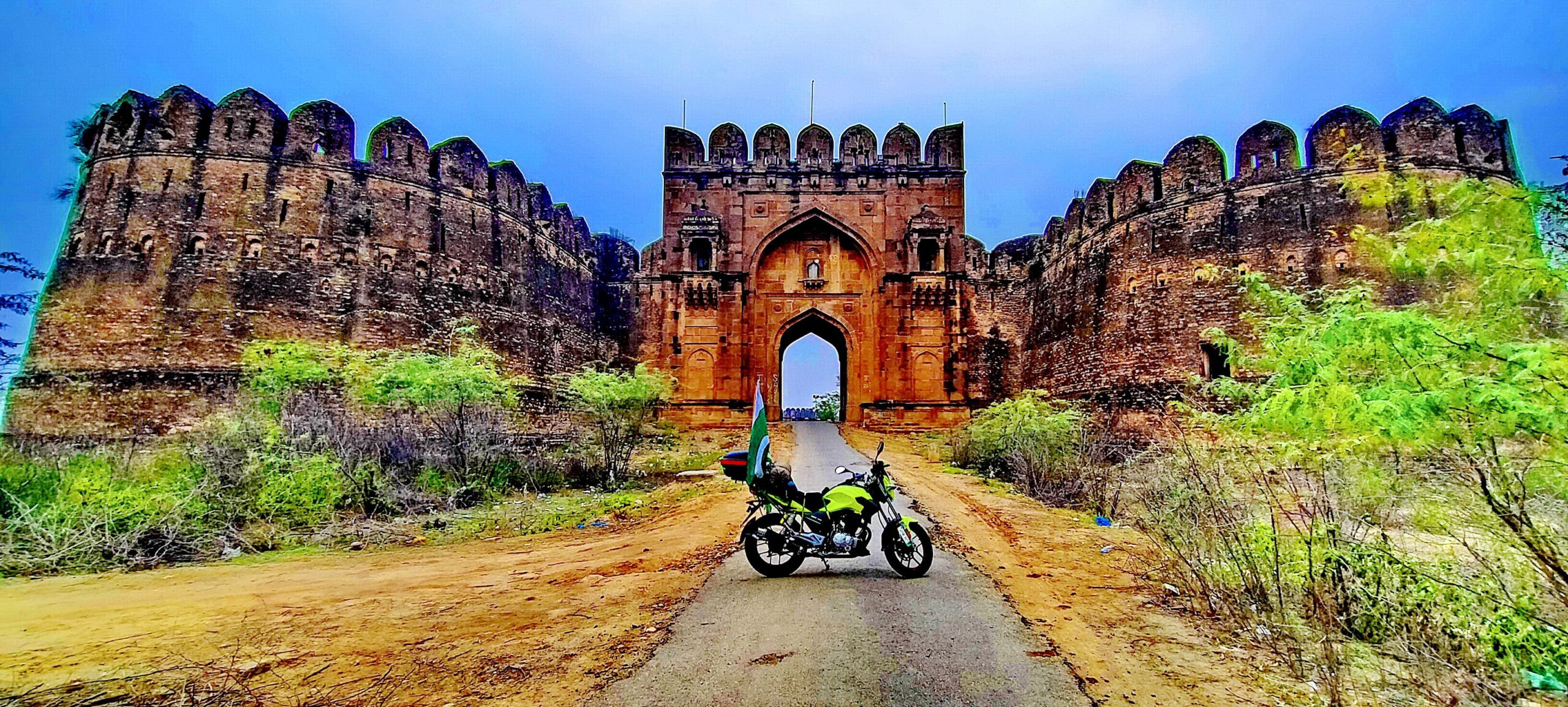
Located near the town of Dina in Jhelum District, Rohtas Fort is one of the most remarkable historical sites in Pakistan. It stands as a symbol of military genius, architectural brilliance, and cultural legacy. Designated as a UNESCO World Heritage Site, the fort draws visitors from all over the world who come to witness its colossal walls, intricate gates, and enduring historical significance.
Historical Significance and Background
Commissioned in 1541 by Sher Shah Suri, Rohtas Fort was designed to serve both as a stronghold and a statement of power. It was built following Sher Shah’s conquest of northern India and aimed to subdue the rebellious Gakhar tribes while also blocking the potential return of Mughal Emperor Humayun from Persia.
The construction blends Pashtun military architecture with indigenous South Asian styles, symbolizing a unique architectural evolution. Despite its strategic importance, the fort was never tested in battle, which accounts for its remarkably preserved condition.
Architectural Highlights
Spanning 70 hectares, Rohtas Fort features:
-
Massive fortification walls up to 12 meters high and 4 meters thick
-
68 bastions for defense and surveillance
-
12 monumental gates, each with distinct architectural elements
One of the most impressive is the Sohail Gate, adorned with calligraphy and geometric stonework. The Kabuli Gate, used for ceremonial entries, still echoes with the grandeur of royal processions. Inside the fort, visitors will find remnants of:
-
Rani Mahal – a former royal residence
-
Baolis – deep stepwells used for water storage
-
Mosques and pavilions – reflecting Islamic design and functionality
What to Expect During Your Visit
Rohtas Fort offers an immersive experience for both history enthusiasts and casual travelers. Walking through its grand gates and along its fortified walls transports visitors into a different era. The elevated setting offers panoramic views of the Pothohar Plateau, ideal for photography and scenic reflection.
Interpretive signage is installed throughout the complex, and local guides are available for personalized tours that delve into the legends, secrets, and military strategies once employed here. The fort is also a peaceful location for picnics and nature walks, especially during spring and autumn.
How to Get There and Entry Details
Rohtas Fort is conveniently accessible from major urban centers:
-
Distance from Jhelum City: ~20 minutes by car
-
From Islamabad: ~2-hour drive via the Grand Trunk Road (N-5)
A dedicated ticket booth is located near the main entrance:
-
Local Entry Fee: PKR 50
-
Foreign Tourist Fee: PKR 500
-
Parking: Available on-site
It’s recommended to visit early morning or late afternoon to avoid peak heat hours. Wear comfortable footwear as exploring the expansive site involves considerable walking and mild uphill climbing.
Mangla Dam Engineering Marvel and Scenic Retreat
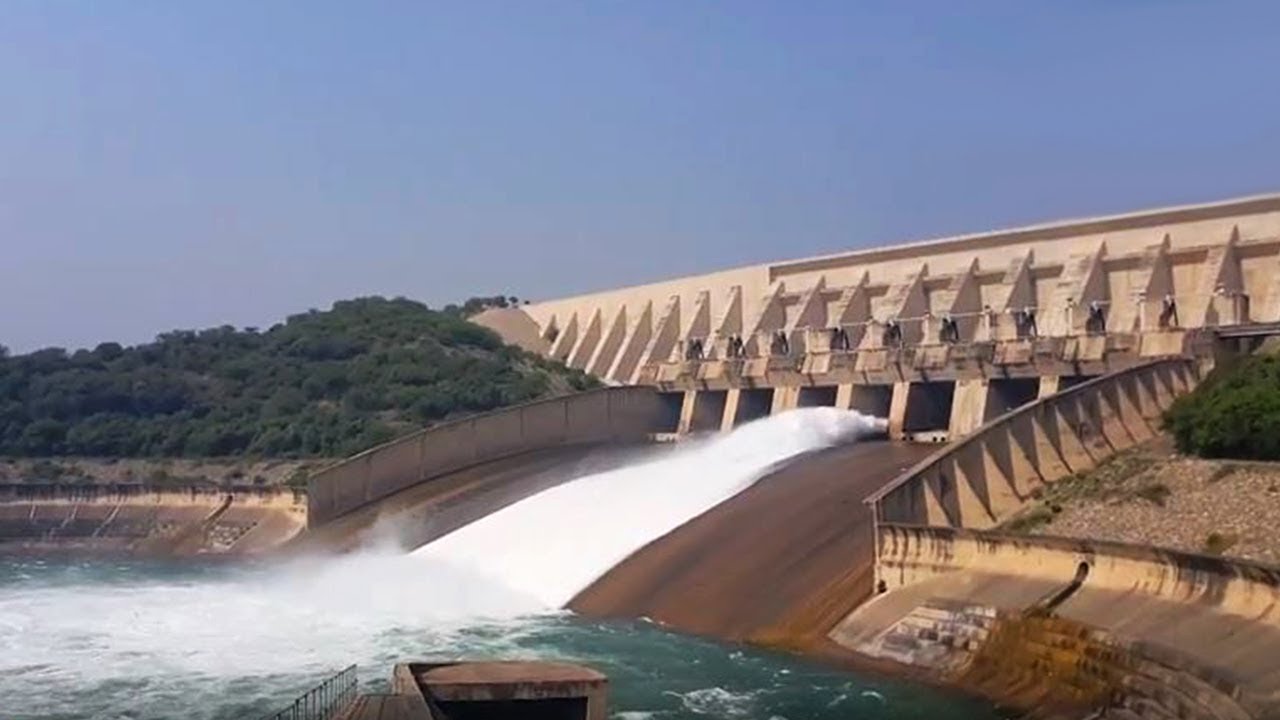
Located about 30 kilometers southeast of Jhelum city, near the town of Mangla in Mirpur District, Mangla Dam is not only one of the largest earth-filled dams in the world but also a popular recreational spot for nature lovers and adventure seekers. Straddling the border of Punjab and Azad Jammu and Kashmir, the dam offers breathtaking landscapes, water-based activities, and a peaceful escape from the bustle of city life.
Historical Background and Significance
Constructed in 1967 as part of the Indus Basin Project, Mangla Dam was a joint venture between the governments of Pakistan and the United States under the auspices of the World Bank’s water-sharing agreement. Its primary purpose is to store water for irrigation and generate hydroelectric power for millions across Pakistan.
With a height of 147 meters and a reservoir capacity of over 7 million acre-feet, the dam has played a crucial role in Pakistan’s energy and agriculture sectors. The Mangla Power Station, equipped with a capacity of 1,150 megawatts, is one of the country’s most significant sources of hydroelectricity.
Attractions and Visitor Experience
Mangla Dam is more than just an engineering feat — it’s a destination in itself. The reservoir lake, created by the damming of the Jhelum River, spreads over 250 square kilometers, providing a stunning setting for outdoor activities.
Popular experiences include:
-
Boating and Jet Skiing: Available at various points near the dam, especially at Mangla View Resort
-
Fishing: A favorite pastime for both locals and tourists, with permits often available on-site
-
Picnics and Camping: Scenic spots along the reservoir are ideal for family outings and camping
-
Sunset Views: The lake’s expansive horizon offers some of the best sunset photo opportunities in the region
Visitors can also explore the nearby Mangla Fort, a historical structure overlooking the dam. The fort’s high vantage point provides panoramic views of the lake and surrounding hills, perfect for sightseeing and photography.
Accessibility and Entry Information
Mangla Dam is well-connected and easily reachable:
-
From Jhelum City: ~40-minute drive via GT Road and Dina–Mangla Road
-
From Islamabad: ~2.5-hour drive via M2 and Dina
For access:
-
Entry Fee: Most public viewing areas are free, but entry to private resorts like Mangla View Resort may require fees (approx. PKR 300–500)
-
Boating Charges: Typically range from PKR 500 to PKR 1500, depending on boat type and duration
-
Best Visiting Hours: Morning to early evening (resorts close by sunset)
Parking is available near the dam and at associated resorts. Basic facilities such as restrooms and snack vendors are also present near popular viewpoints.
Tilla Jogian – The Sacred Summit of Saints and Seekers
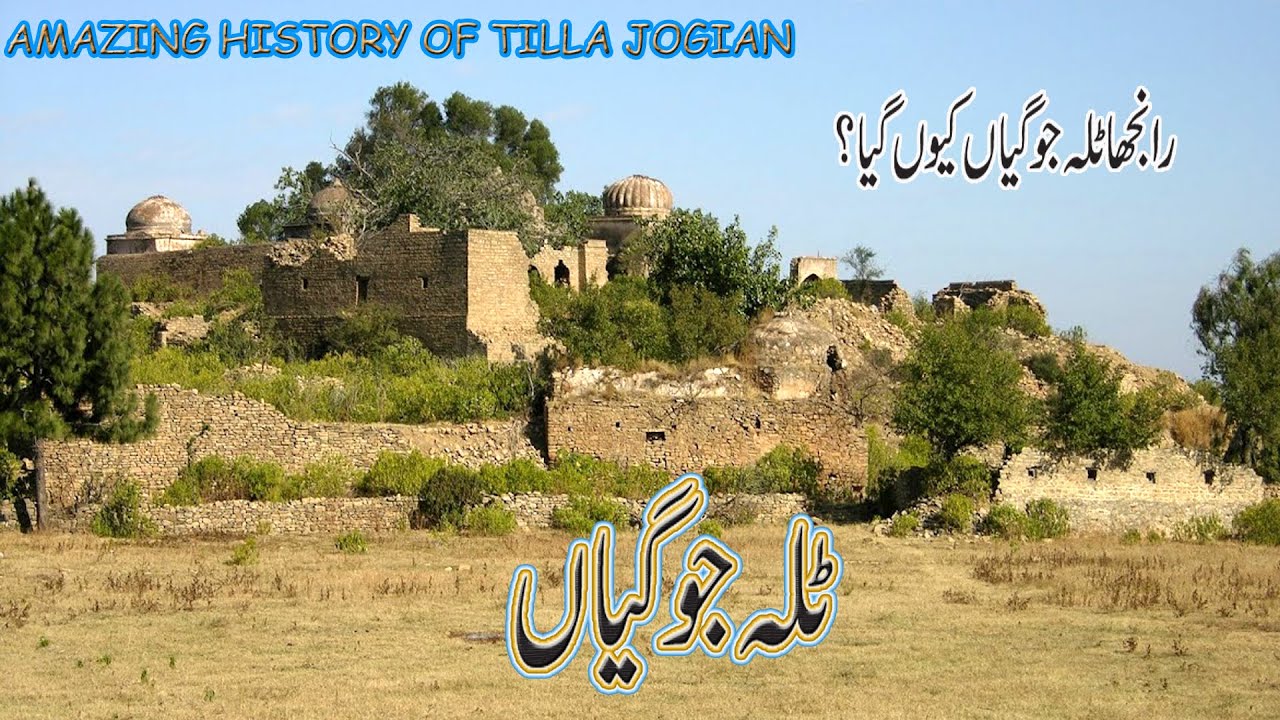
Towering over the Salt Range at an altitude of approximately 975 meters (3,200 feet), Tilla Jogian is one of the most spiritually significant and visually stunning destinations near Jhelum. Located about 25 kilometers west of the city, this ancient hilltop complex blends mythology, mysticism, and history, offering a unique experience for pilgrims, trekkers, and cultural explorers alike.
Historical and Spiritual Significance
Tilla Jogian, which translates to “Hill of the Jogis (ascetics),” was once a prominent Hindu spiritual center associated with the Kanphata Jogis, a Shaivite order of ascetics founded by Guru Gorakhnath. The site served as a major monastery and meditation retreat for centuries before the Partition of British India in 1947.
It is believed that Guru Nanak Dev, the founder of Sikhism, meditated here during his spiritual journeys. The complex housed numerous temples, caves, bathing pools, and ashrams, most of which still stand in ruins today, echoing centuries of spiritual devotion and practice. Tilla Jogian remained a thriving pilgrimage site until it was abandoned post-Partition, but it still retains its aura of sanctity and solitude.
Hiking, Exploration, and Visitor Experience
Reaching Tilla Jogian requires a moderately challenging hike of 3–4 hours through a scenic trail that begins near Domeli village. The path meanders through thick scrub forests, rocky ridges, and serene plateaus, offering occasional glimpses of wildlife and panoramic views of the Pothohar Plateau.
Key features at the summit include:
-
Ruins of the monastery: Weather-worn yet majestic, these structures reveal ancient stonework and religious carvings
-
Sacred Pools (Sarovars): Used for ritual purification by ascetics
-
Meditation caves: Small, naturally formed or carved-out shelters where yogis meditated in isolation
-
Watchtower and Viewpoints: Offering expansive views of Jhelum, the Salt Range, and Mangla Lake on clear days
Visitors often report a profound sense of peace and introspection at the site, making it ideal not just for trekkers but also for those seeking a spiritual retreat or nature immersion.
Accessibility and Travel Tips
-
Starting Point: Domeli or Rohtas village (about 45 minutes from Jhelum city)
-
Trek Duration: 3–4 hours each way (round trip approx. 8–10 km)
-
Difficulty: Moderate – not recommended during intense summer heat
-
Best Season: October to March for pleasant weather and clearer views
Important Tips:
-
Carry sufficient water and snacks; no facilities exist at the top
-
Wear sturdy hiking shoes and light, breathable clothing
-
Avoid solo trekking; consider hiring a local guide
-
Mobile signals are limited, so plan navigation in advance
Although it is currently uninhabited, efforts by local heritage organizations are underway to preserve and promote the site responsibly. Visitors are encouraged to respect the ruins and leave no litter behind to maintain its sanctity.
Jhelum River & Boat Tours – Serenity Along the Ancient Hydaspes
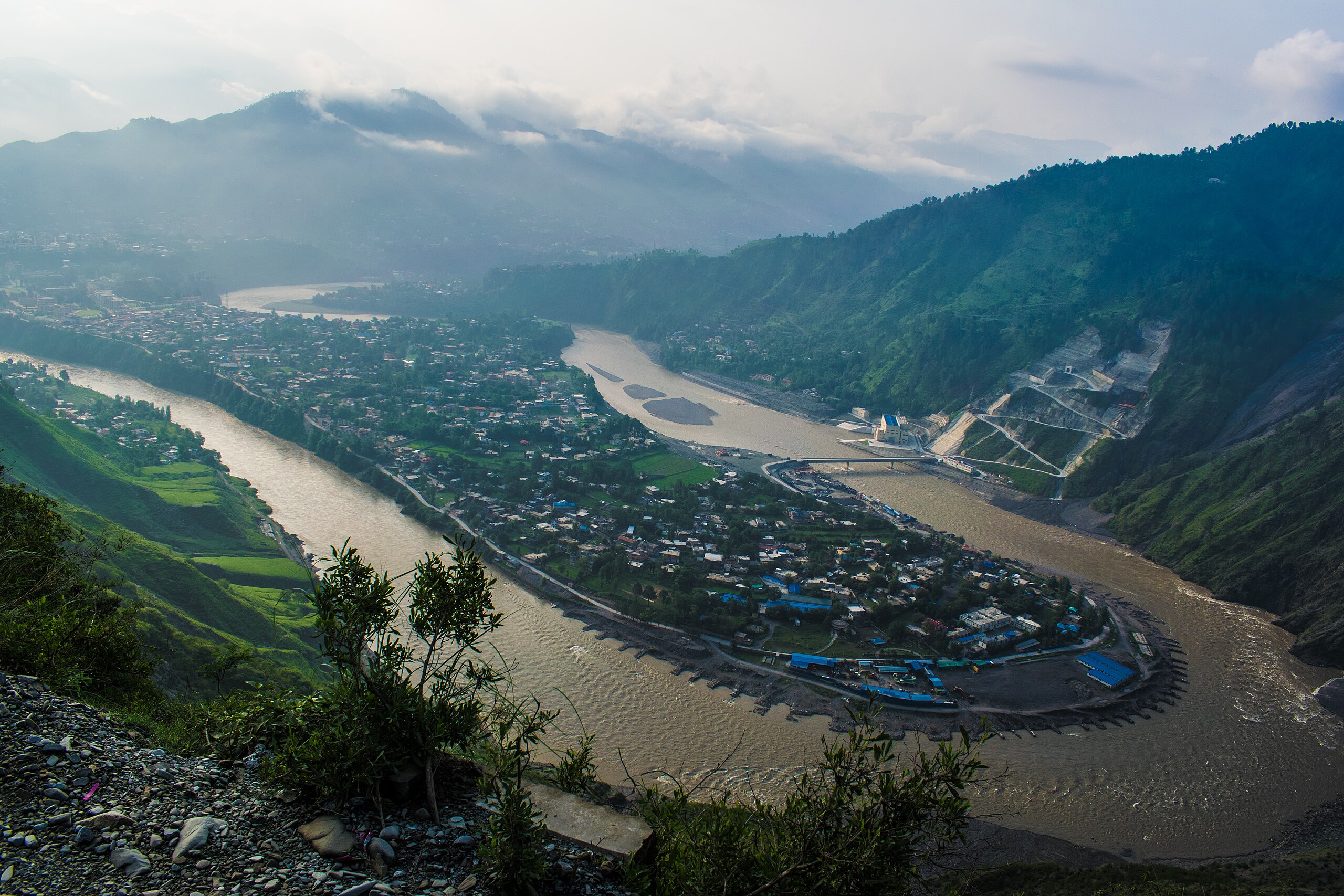
Flowing gracefully through the heart of the city, the Jhelum River is not only the lifeblood of the region but also a scenic and historically significant waterway. Known to ancient Greeks as the Hydaspes River, it was the site of the famous Battle of the Hydaspes between Alexander the Great and King Porus in 326 BCE — an event that forever linked Jhelum to global history. Today, the river serves as a tranquil destination for boating, sightseeing, and cultural connection.
Historical and Geographical Significance
The Jhelum River originates from the Verinag Spring in Indian-administered Kashmir and travels through Azad Jammu & Kashmir before entering Punjab near Mangla and flowing past the city of Jhelum. Historically, it has served as a natural defense line and trade route for millennia, shaping the settlements and civilizations along its banks.
During the time of Alexander’s campaign, it was the stage for one of his most celebrated battles, where he crossed the swollen river during the monsoon to launch a surprise attack on Porus’ war elephants and army. That strategic brilliance is commemorated at several sites near Jhelum, making the river not just a natural wonder but a thread woven into the city’s identity.
River Activities and Visitor Experience
The Jhelum River offers a surprisingly relaxing escape from the city’s activity. Several public and private spots along the riverbank have been developed for visitors to enjoy the natural beauty and engage in water-based activities.
Popular experiences include:
-
Boat Tours: Small motorboats and rowboats are available for hire, especially near Gharibanwala Bridge, Tareem Road, and the Mangla spillway side. These short tours offer scenic views and a calming ride along the water.
-
Fishing: The river is home to various local fish species, and fishing is a favored weekend activity for residents.
-
Riverfront Picnics: Families often gather for leisurely meals by the riverbanks, particularly near shaded spots with clear river access.
-
Photography: The golden hour along the Jhelum River is perfect for capturing reflections, birds, and boats against the backdrop of fading light.
Accessibility and Practical Details
-
Location: The river passes through central Jhelum and is accessible via multiple points, including Jhelum Cantt, Tandlianwala Sugar Mill Road, and Civil Lines.
-
Boat Rentals: Local vendors offer 30–45 minute rides starting from PKR 300–700, depending on the type of boat and time of day.
-
Peak Hours: Weekends and evenings; mornings are quieter and offer better light for photography.
-
Best Season: October to March for calm waters and cooler temperatures.
Tips for Visitors:
-
Safety gear like life jackets may not always be available — confirm before boarding
-
Carry drinking water and sunscreen
-
Avoid boating during monsoon or flood season (typically July–September)
Efforts by local authorities to develop eco-friendly riverfront areas are in progress, with proposed walkways, food stalls, and guided river history tours in development. The Jhelum River experience allows visitors to reflect on the region’s ancient past while enjoying the present-day rhythm of life flowing along its banks.
Rasool Barrage Engineering Precision Meets Natural Beauty
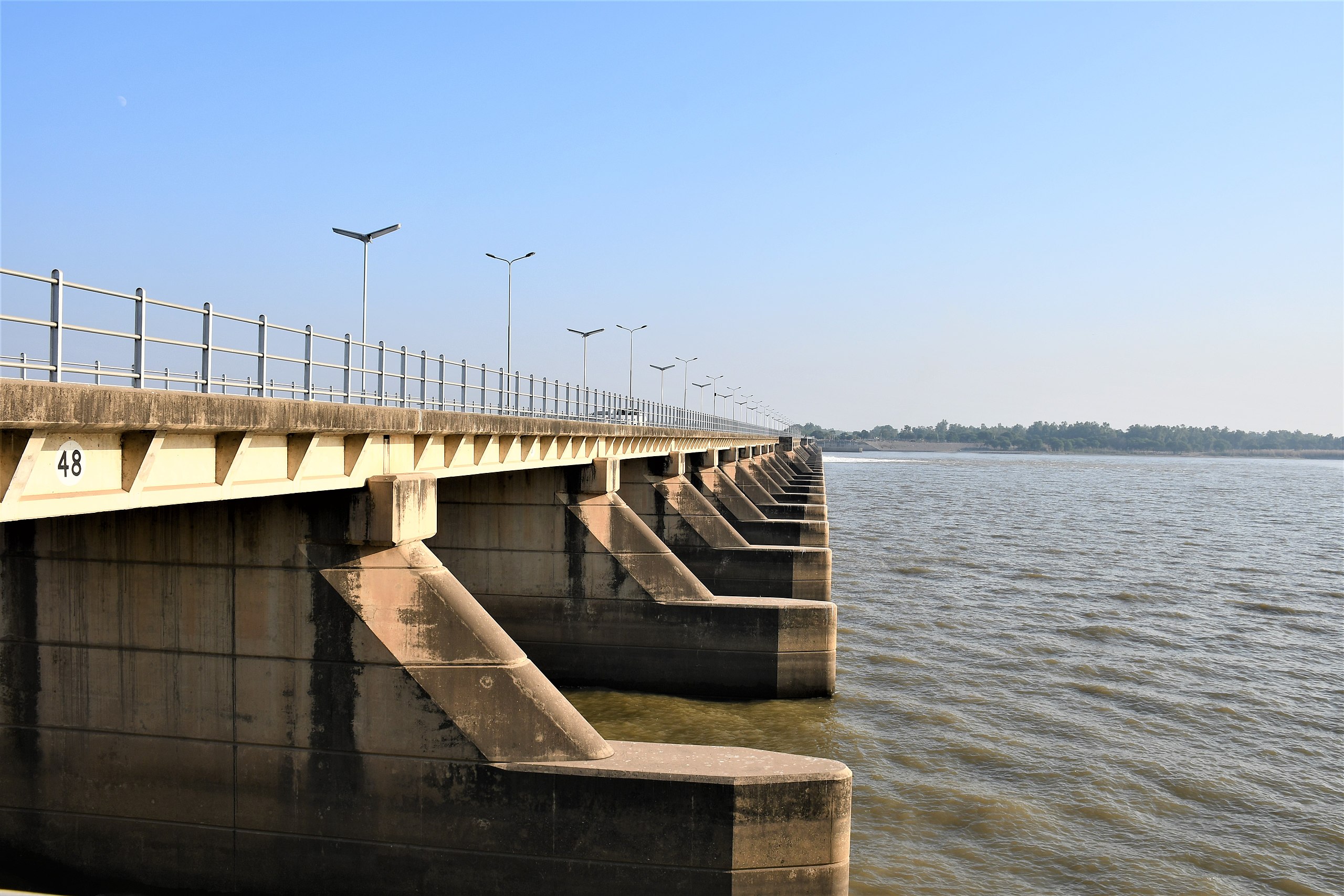
Situated about 40 kilometers southeast of Jhelum city, near the village of Rasool on the Jhelum River, Rasool Barrage is a significant feat of hydraulic engineering and a picturesque location for nature lovers and casual explorers. Constructed in the early 20th century, the barrage not only plays a vital role in irrigation and flood control but also provides a scenic environment ideal for birdwatching, photography, and peaceful getaways.
Strategic and Agricultural Importance
Completed in 1967, Rasool Barrage was built as part of the Indus Basin Irrigation System, the largest contiguous irrigation network in the world. It was designed to divert the waters of the Jhelum River into the Lower Jhelum Canal, enabling year-round irrigation of vast agricultural lands in Punjab.
The barrage features 22 gates, each over 60 feet wide, and helps regulate river flow, store water, and mitigate the effects of seasonal flooding. Over the decades, it has become indispensable to the farming communities of the Jhelum and Mandi Bahauddin districts.
What to See and Do
Beyond its technical importance, Rasool Barrage has become a hidden gem for travelers seeking tranquility and nature-rich surroundings. Its open riverbanks, old railway bridge, and scenic views make it an ideal stop for a peaceful day trip from Jhelum or Lahore.
Top visitor experiences include:
-
Riverbank Picnics: Shaded trees and grassy embankments make for a relaxing outdoor setting
-
Birdwatching: The area is home to numerous migratory and native bird species, particularly in winter
-
Photography: Capture the barrage’s mechanical structure against the slow-moving Jhelum River
-
Evening Walks: The breeze from the river and the golden light of dusk offer a refreshing, meditative escape
In addition, the Rasool Engineering College (now part of UET Lahore) is located nearby, often hosting student visitors and researchers studying water engineering and environmental sciences.
Accessibility and Entry Details
-
Distance from Jhelum City: Approx. 1-hour drive via G.T. Road and Rasool Road
-
Nearby Cities: Also accessible from Mandi Bahauddin (~45 minutes away)
-
Entry: There is no official ticket or fee; open access is permitted for sightseeing along designated areas
-
Timings: Open during daylight hours; security presence restricts access after dark
Travel Tips:
-
Bring binoculars if interested in birdwatching
-
Wear light clothing and a hat/sunglasses in summer
-
Respect all safety and restricted zones marked near water channels and gates
-
Avoid visiting during heavy rain or the peak monsoon season
While Rasool Barrage is not yet commercialized as a tourist hotspot, its natural serenity and quiet rural surroundings offer a welcome break from city noise — perfect for those who appreciate waterworks, countryside life, and sustainable agriculture in action.
CMH Mosque: A Blend of Spiritual Grace and Colonial Heritage
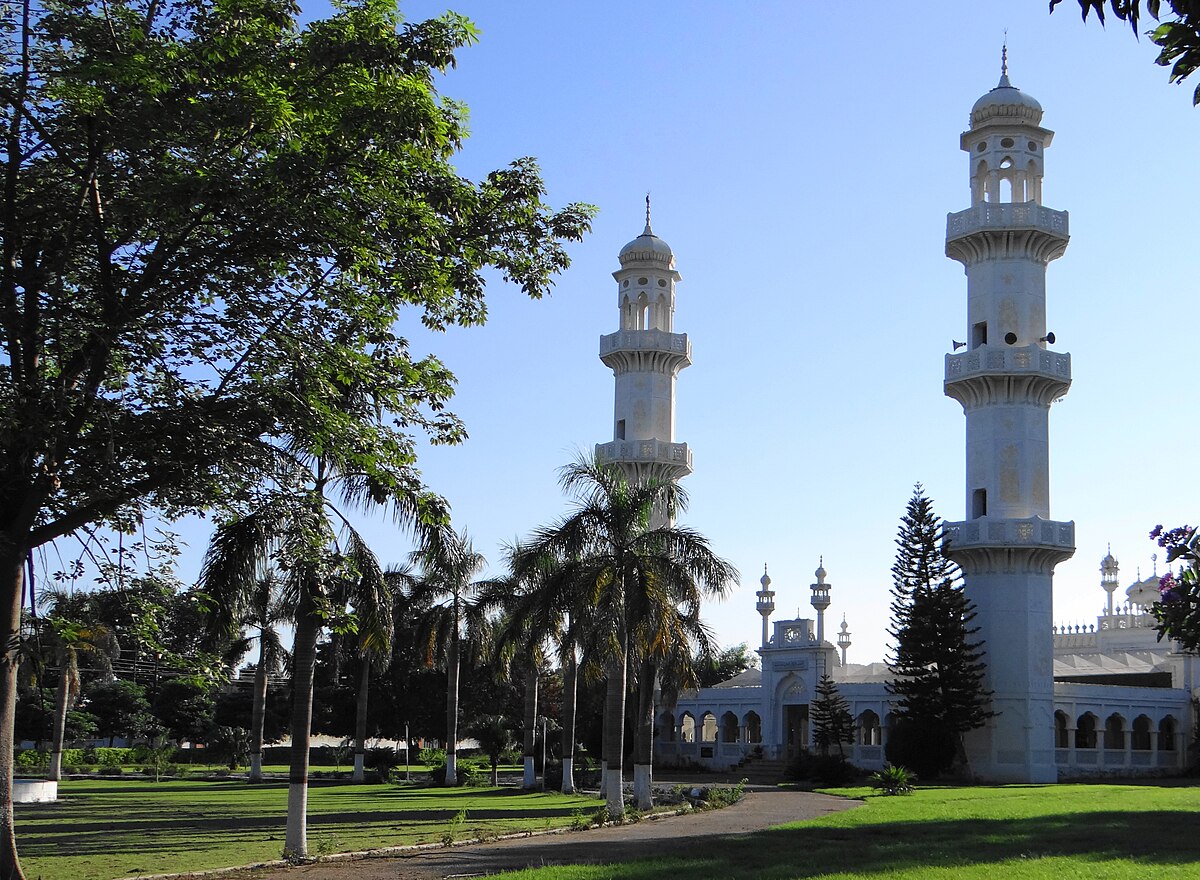
Located within the secure and lush surroundings of Jhelum Cantonment, the CMH Mosque is one of the most recognizable landmarks in the city, celebrated for its Islamic architecture, peaceful ambiance, and close association with the city’s military and colonial history. While not a large-scale tourist destination, this mosque attracts visitors seeking spiritual reflection, architectural appreciation, and a glimpse into the cultural identity of Jhelum’s cantonment life.
Historical and Cultural Significance
The Combined Military Hospital (CMH) complex was established during British colonial rule as part of the garrison infrastructure in Jhelum, which has long served as a strategic military outpost. The CMH Mosque was later constructed to cater to the spiritual needs of both soldiers and residents of the cantonment.
Its design reflects traditional Mughal-style architecture, infused with modern structural elements. White marble flooring, finely crafted minarets, and arched entryways create a harmonious blend of simplicity and elegance. The mosque has since evolved into one of the most active spiritual centers in the city, particularly during Friday congregations, Ramadan, and Eid prayers.
What to Expect During Your Visit
The CMH Mosque offers more than just a place of prayer — it provides an atmosphere of calm, reflection, and discipline that mirrors the organized life of the cantonment itself.
Key highlights for visitors:
-
Architectural Beauty: Symmetrical domes, clean courtyards, and intricate tile work make the mosque aesthetically appealing
-
Serene Environment: Surrounded by green spaces and tree-lined avenues, the mosque feels peaceful and well-maintained
-
Cultural Insight: Offers a firsthand look at how religious practice is integrated into military life in Pakistan
-
Photography: While photography within the mosque may be restricted, its exterior and surroundings are often captured for their tranquility
Though access is regulated due to the mosque’s location within the cantonment, visitors accompanied by a local or holding valid ID are generally permitted entry, especially during prayer times.
Accessibility and Visitor Guidelines
-
Location: Inside Jhelum Cantonment, near CMH Hospital and Military College Jhelum
-
Entry Requirements: May require CNIC and security check at cantonment gate
-
Best Time to Visit: Early morning or just before Maghrib prayer for a calm experience
-
Dress Code: Modest clothing is essential; women should cover their heads with a scarf
-
Photography: Restricted within interior premises unless permitted by guards
Tips:
-
Pair your visit with a stroll through Jhelum Cantt Park or the Military College campus nearby
-
Fridays are busier due to Jummah prayers; plan visits during off-peak hours for a quieter experience
-
Respect local customs and avoid loud conversations or disruptive behavior within mosque premises
The CMH Mosque stands as a spiritual anchor within a community defined by discipline, heritage, and national pride — a place where faith, history, and order converge.
Major Akram Shaheed Memorial – Honoring a National Hero
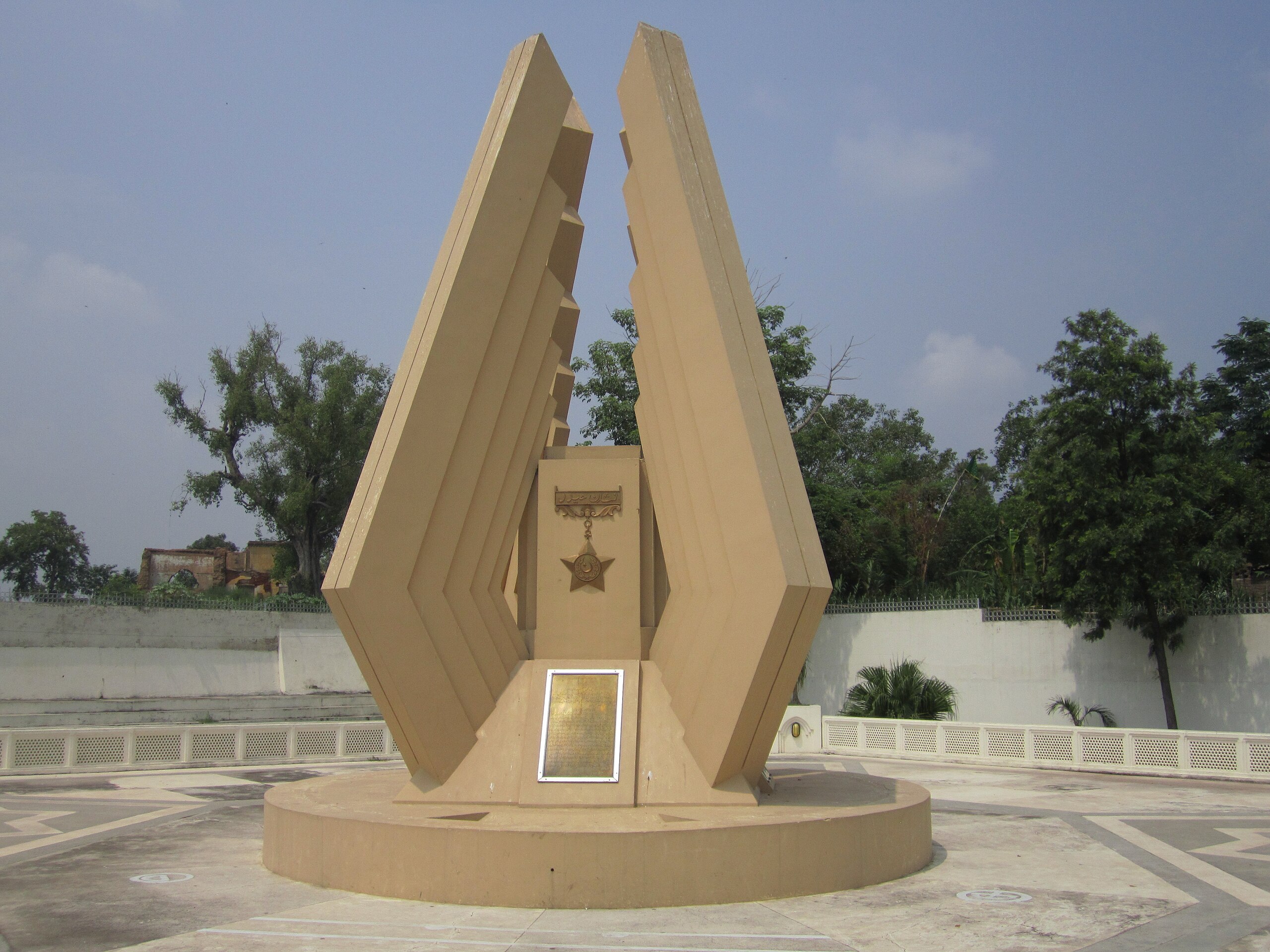
Located in the heart of Jhelum city, the Major Muhammad Akram Shaheed Memorial stands as a proud and poignant reminder of bravery, patriotism, and sacrifice. It commemorates Major Muhammad Akram, a decorated officer of the Pakistan Army and a recipient of the Nishan-e-Haider, the country’s highest military honor. The memorial is both a national heritage site and a sacred place of reflection for citizens who come to honor those who laid down their lives in service of Pakistan.
Who Was Major Muhammad Akram?
Major Muhammad Akram was born in Dinga, near Jhelum, and served in the 4th Frontier Force Regiment. During the 1971 Indo-Pak War, he commanded troops in the Hilli Sector of East Pakistan (now Bangladesh). Against overwhelming odds, Major Akram and his men held their positions for over two weeks, inflicting heavy losses on the enemy.
He was martyred in action on December 5, 1971, but not before he demonstrated extraordinary valor and tactical brilliance. In recognition of his bravery, he was posthumously awarded the Nishan-e-Haider, making him one of the only eleven individuals in Pakistan’s history to receive this prestigious award.
Memorial Features and Visitor Experience
The memorial is a simple yet powerful structure, reflecting both military discipline and national pride. Located on GT Road, the site includes:
-
A granite cenotaph engraved with Major Akram’s name and citation
-
Raised platform with a flagpole, often surrounded by flower wreaths during national holidays
-
Landscaped gardens, benches, and informational plaques
-
Wall of Honor with photographs and dedications from the Pakistan Army
Visitors to the memorial are often moved by the quiet dignity of the space, making it ideal for moments of reflection and remembrance. School groups, military cadets, and travelers stop here regularly to pay their respects and learn about Major Akram’s legacy.
Accessibility and Practical Information
-
Location: On GT Road, near the Old City area of Jhelum
-
Entry Fee: Free
-
Visiting Hours: Open during daylight; generally accessible seven days a week
-
Accessibility: Well-marked for travelers, and parking is available nearby
Tips for Visitors:
-
Visit on Pakistan Day (March 23) or Defence Day (September 6) to witness official commemorations
-
Respect the sanctity of the memorial — avoid loud talking, littering, or disrespectful behavior
-
Combine with a visit to the Jhelum Cantt, which houses more military sites and museums
The Major Akram Shaheed Memorial is more than a monument — it’s a national landmark that tells the story of duty, honor, and sacrifice, instilling pride and reflection in all who visit.
Lehri Nature Park – Jhelum’s Hidden Eco-Escape
Tucked away in the foothills of the Salt Range, about 35 kilometers from Jhelum city, Lehri Nature Park is a serene, forested sanctuary offering a refreshing change of pace from the city’s historical and military heritage. Spanning 17,000 acres, the park is a perfect getaway for nature lovers, families, hikers, and photographers, and it’s one of the region’s best-kept secrets.
Natural Beauty and Biodiversity
Lehri Nature Park is home to a variety of flora and fauna native to the Pothohar Plateau and Salt Range ecosystems. Towering acacia and eucalyptus trees, flowering shrubs, and grassy clearings form the backdrop for a quiet and immersive outdoor experience.
The park is known for its:
-
Natural springs and freshwater streams, especially during the monsoon
-
Birdwatching opportunities, including partridges, kingfishers, and falcons
-
Wildlife sightings, such as jackals, hares, foxes, and the occasional wild boar
-
Botanical diversity, with numerous indigenous plant species
For ecology enthusiasts and casual visitors alike, Lehri Nature Park offers a rare glimpse into Pakistan’s lesser-known natural heritage.
Activities and Visitor Experience
The park is well-equipped to accommodate recreational activities while preserving its wild charm. It’s an ideal site for picnics, trekking, outdoor games, camping, and photography.
Popular experiences include:
-
Forest Walks: Well-marked trails wind through shaded woodlands and rocky outcrops
-
Camping & BBQ: Designated zones are available for campers and day-trippers
-
Children’s Play Area: Includes swings and slides for families
-
Viewing Points: Several hilltop spots provide panoramic views of the Salt Range
A small wildlife enclosure within the park also allows visitors to view a selection of native animals up close, including deer and peacocks.
Accessibility and Visitor Information
-
Location: Near Lehri village, ~35 km from Jhelum via Sohawa–Chakwal Road
-
Transport Options: Accessible by private vehicle or local vans; road condition is fair but narrow in parts
-
Entry Fee: Approx. PKR 30–50 per person (subject to change)
-
Timings: Open from 8:00 AM to sunset, daily
-
Parking: Available inside the park gate
Tips for Visitors:
-
Bring your own food, water, and picnic supplies — facilities are limited
-
Best visited during spring (March–April) or autumn (October–November)
-
Avoid during heavy rains due to slippery trails and flash flooding in streams
-
Respect wildlife and avoid feeding animals
Lehri Nature Park is a rejuvenating destination for those who seek peaceful nature, unspoiled beauty, and family-friendly outdoor fun, all within a short drive of Jhelum.
Transportation in Jhelum: How to Get There and Move Around
Reaching and navigating Jhelum is relatively straightforward, thanks to its strategic location along the historic Grand Trunk Road (N-5) and its proximity to major cities like Islamabad and Lahore. Whether you’re traveling by road, rail, or private car, Jhelum offers a variety of accessible and affordable transport options for domestic and international visitors.
Getting to Jhelum
By Road
Jhelum is well-connected by the National Highway (N-5), which runs from Karachi to Torkham, passing through Lahore, Rawalpindi, and Jhelum. It lies about:
-
120 km from Islamabad (2 hours via GT Road)
-
180 km from Lahore (3.5 hours via GT Road)
-
90 km from Mirpur (AJK)
Travelers can use intercity buses, coaster vans, and private hire vehicles from major bus terminals in nearby cities. Popular bus services such as Daewoo Express, Faisal Movers, and Skyways operate regular routes to and from Jhelum.
By Train
Jhelum Railway Station is part of Pakistan Railways’ main Lahore–Rawalpindi–Peshawar line. Daily express and passenger trains connect Jhelum with:
-
Lahore
-
Rawalpindi/Islamabad
-
Karachi (via overnight express routes)
Trains like Awam Express, Khyber Mail, and Green Line offer a comfortable and budget-friendly travel alternative for long-distance travelers.
By Air
While Jhelum doesn’t have its own airport, the Islamabad International Airport (ISB) is the nearest major hub, located about 95 kilometers away. From the airport, travelers can take a car, cab, or van to reach Jhelum in under 2 hours.
Local Transportation in Jhelum
Once in Jhelum, travelers can explore the city and its surrounding sites using several local transport modes:
-
Rickshaws and Qingqis: Ideal for short trips within the city or bazaars
-
Taxis and Ride-Hailing Apps: Traditional taxis are available, though app-based services like Careem are limited
-
Local Vans and Buses: Operate fixed routes around the city and nearby villages
-
Private Car Rentals: Recommended for day trips to remote sites like Rohtas Fort or Lehri Park
For tourists who value flexibility and comfort, hiring a private driver or vehicle for the day is a practical and economical choice.
Jhelum’s transportation infrastructure ensures that visitors can easily reach the city and explore its top attractions with minimal hassle, making it a convenient destination for history buffs, cultural travelers, and nature enthusiasts alike.
Cuisine of Jhelum – A Flavorful Journey Through Traditional Punjabi Taste
Jhelum’s culinary scene is deeply rooted in Punjabi culture, offering a mouthwatering fusion of traditional desi flavors, barbecue delights, and modern street food influences. While it may not be as commercially diverse as metropolitan cities, the city boasts a rich food heritage that reflects its rural heart, Mughal past, and contemporary tastes.
Traditional Dishes You Must Try
Jhelum offers a variety of classic Punjabi dishes that are a treat for any food lover. Whether you’re dining at a dhaba or a local restaurant, these signature meals stand out:
-
Saag and Makki di Roti – A winter favorite made from slow-cooked mustard greens and corn flatbread, served with white butter or lassi.
-
Chicken and Mutton Karahi – Cooked in thick, spicy tomato gravy, often served sizzling hot with naan.
-
Haleem – A slow-cooked stew made of lentils, wheat, and shredded meat, garnished with fried onions and lemon slices.
-
Paye (Trotters Curry) – A gelatinous delicacy eaten for breakfast or dinner, especially in colder months.
-
Desi Murgh (Village Chicken) – Cooked with rich spices and served with tandoori roti, commonly available at highway-side eateries.
Famous Eateries and Street Food Spots
Best Places to Eat in Jhelum
Here are a few well-known food spots that locals and tourists alike recommend:
-
Nirala Dera (GT Road) – Famous for karahi and grilled meats in a rustic outdoor setting.
-
Rasoi Restaurant – Offers a mix of Pakistani and Chinese cuisine in a family-friendly environment.
-
Anarkali Restaurant – Renowned for traditional desi food, including nihari, biryani, and BBQ platters.
Popular Street Foods
Jhelum’s bustling bazaars are home to numerous street food vendors selling:
-
Gol Gappay (Pani Puri)
-
Chana Chaat and Dahi Bhallay
-
Seekh Kebabs and Bun Kebab
-
Pakoras and Samosas during Ramadan and rainy seasons
In the evening, the Main Bazaar and Civil Lines areas come alive with food carts and stalls catering to locals on foot and travelers looking for a quick bite.
Sweet Treats and Desserts
No culinary tour of Jhelum is complete without sampling its traditional desserts:
-
Gulab Jamun – Deep-fried sweet dumplings soaked in rose-scented syrup.
-
Jalebi – Crisp spirals of sugary sweetness, often eaten hot in the morning with milk.
-
Barfi and Patisa – Made fresh at local sweet shops like Shafiq Sweets or Kaka Sweets.
-
Kulfi Falooda – A creamy frozen dessert served with vermicelli, jelly, and rose syrup – perfect for summer evenings.
From humble dhabas to family-run restaurants and sweet shops, Jhelum’s cuisine offers a rich taste of Punjab with every bite. Whether you’re a meat lover, vegetarian, or dessert enthusiast, you’re sure to leave the city with a full stomach and lasting memories
Accommodation in Jhelum: Where to Stay for Comfort and Convenience
Jhelum offers a range of accommodation options for travelers, from budget-friendly guesthouses to comfortable mid-range hotels. Whether you’re passing through for a day or planning a longer stay to explore the city’s history and surroundings, you’ll find convenient lodging to suit your needs.
Top Hotels and Guesthouses in Jhelum
The city may not have luxury five-star chains, but it does boast several clean, reliable, and well-reviewed establishments:
-
Tulip Hotel Jhelum
Located on GT Road, this is one of the most popular hotels in the city. It offers air-conditioned rooms, room service, a restaurant, and 24/7 front desk assistance. Ideal for business travelers and families alike. -
Midway Hotel
Situated between Jhelum and Dina, Midway Hotel offers spacious rooms and a peaceful environment, often used by tourists stopping en route to northern areas. -
Hotel Grand Regency
A newer hotel that provides modern amenities including Wi-Fi, a restaurant, and event spaces. It’s well-suited for business meetings and short stays. -
New Shaheen Hotel
Located in the city center, this budget option is good for solo travelers or backpackers who want to explore the city without spending too much.
Guesthouses and Rental Options
For longer stays or a more personalized experience:
-
Airbnb and Local Rentals
While Airbnb isn’t widely used in Jhelum, local rental listings are available through Facebook groups or WhatsApp property dealers. These are great for families or researchers staying for several weeks. -
Military Rest Houses (for Armed Forces Personnel)
Jhelum, being a garrison city, has several official messes and rest houses accessible to military families or those with valid references.
Key Factors When Choosing Accommodation
Before booking your stay in Jhelum, consider the following:
-
Proximity to GT Road or Railway Station – Most travelers find it convenient to stay near the main transportation hubs.
-
Security and Privacy – Choose hotels that offer CCTV surveillance and reception staff around the clock.
-
Amenities – Ensure Wi-Fi, air conditioning, hot water, and dining services are available, especially in summer.
-
Parking and Accessibility – Many travelers come by car, so confirm whether the hotel offers on-site or nearby parking.
Budget Range Overview
| Accommodation Type | Price Range (PKR/night) | Features |
|---|---|---|
| Budget Guesthouses | 1,500 – 3,000 | Basic facilities, fans, local food |
| Mid-Range Hotels | 4,000 – 7,000 | AC, Wi-Fi, on-site restaurant |
| High-End Local Hotels | 7,000 – 10,000+ | Executive rooms, room service |
Weather and Best Time to Visit Jhelum – A Seasonal Travel Guide
Jhelum experiences a subtropical climate, marked by hot summers, mild winters, and a distinct monsoon season. Understanding the seasonal variations can help travelers plan the perfect trip, whether they’re seeking sightseeing adventures or a relaxing escape.
Seasonal Overview of Jhelum’s Climate
Here’s a breakdown of the weather across the four main seasons in Jhelum:
-
Spring (March to May)
Spring is a great time to visit Jhelum. The temperatures range between 18°C to 32°C, with blooming flora and pleasant evenings. Outdoor activities, historical tours, and cultural events are particularly enjoyable in this season. -
Summer (June to August)
Summer in Jhelum can be intensely hot, with temperatures often reaching 40°C or higher, especially in June. July and August bring monsoon rains, which can provide some relief but also cause flooding in low-lying areas. -
Autumn (September to November)
This is arguably the best time to visit Jhelum. With temperatures dropping to a more tolerable range of 20°C to 30°C, and minimal rainfall, sightseeing is comfortable. The skies are generally clear, making it ideal for photography and outdoor excursions. -
Winter (December to February)
Winters are mild and dry, with average temperatures between 5°C and 18°C. Travelers who prefer cooler weather will find this season suitable. However, early mornings and nights can get chilly, so warm clothing is recommended.
Best Time to Visit Jhelum
-
Ideal Months:
The most favorable time for travel is October to March when the weather is mild, the skies are clear, and the cultural landscape is vibrant. -
Avoid If Possible:
Try to avoid June and July due to excessive heat and humidity. Travelers sensitive to high temperatures or those planning outdoor activities should especially avoid this period.
Travel Tips Based on Weather
-
Pack Accordingly:
-
Spring/Autumn: Light cotton clothes, sunglasses, and a sunhat.
-
Summer: Breathable fabrics, sunscreen, and plenty of hydration.
-
Winter: Layered clothing, especially for evening walks or early morning sightseeing.
-
-
Stay Weather-Informed:
Always check the local weather forecast, especially during the monsoon season to avoid travel disruptions. -
Hydration & Heat Protection:
During hot months, carry water bottles, electrolytes, and avoid direct exposure during peak sun hours (12–4 PM).
Jhelum’s diverse climate offers something unique in every season. Whether you enjoy exploring in cool winter breezes or vibrant spring blooms, planning around the weather ensures a comfortable and memorable journey.
FAQs About Traveling to Jhelum: Everything You Need to Know
To help you plan a smooth and informed trip to Jhelum, here’s a comprehensive list of frequently asked questions. These cover essential travel aspects, cultural tips, safety advice, and more.
Q: Where is Jhelum located?
A: Jhelum is located in the northern part of Punjab province, Pakistan, near the Pothohar Plateau and the banks of the Jhelum River. It’s approximately 121 kilometers southeast of Islamabad.
Q: Is Jhelum safe for tourists?
A: Yes, Jhelum is considered one of the safer cities in Punjab. The locals are hospitable, and crime rates are low. However, like any travel destination, it’s advised to stay aware of your surroundings and avoid remote areas at night.
Q: What is Jhelum famous for?
A: Jhelum is famous for its military history, historic landmarks like the Rohtas Fort, riverfront beauty, and strong cultural roots. It also has a high number of retired army personnel and contributes significantly to the defense forces of Pakistan.
Q: How do I get to Jhelum?
A: You can reach Jhelum by:
-
Road: Via GT Road or M-2 Motorway.
-
Train: Jhelum Railway Station is well-connected to major cities.
-
Bus: Intercity bus services are available from Lahore, Rawalpindi, and Islamabad.
Q: Is public transport available within Jhelum?
A: Yes, you’ll find rickshaws, taxis, vans, and local buses. App-based ride services like Careem are also available in some parts of the city.
Q: Are there good hotels in Jhelum?
A: Yes. Options range from budget guesthouses to 3-star and 4-star hotels like Tulip Riverside Hotel, Midway Hotel, and Hotel Grand City Jhelum.
Q: What kind of food is available in Jhelum?
A: Jhelum offers a wide variety of Punjabi cuisine, including BBQ, desi karahi, biryani, and traditional sweets. You’ll find both local dhabas and modern eateries.
Q: What language is spoken in Jhelum?
A: The main language is Punjabi, followed by Urdu. English is understood in urban areas and by hotel staff.
Q: What should I wear in Jhelum?
A: Modest clothing is recommended. Lightweight attire for summer and layers for winter. Female travelers should consider carrying a scarf or shawl for visits to religious or traditional sites.
Q: Are there ATMs and internet access?
A: Yes. ATMs are widely available in the city. Internet access is reliable, with 3G/4G coverage and Wi-Fi in most hotels and restaurants.
Q: Do I need vaccinations before visiting Jhelum?
A: Routine vaccinations such as Hepatitis A & B, Typhoid, and Tetanus are recommended. Consult your healthcare provider before traveling.
Q: Is the tap water safe to drink?
A: It is advised to drink bottled or filtered water to avoid any stomach issues.
Q: Are there hospitals or clinics in Jhelum?
A: Yes, Jhelum has both government hospitals like DHQ Hospital and private clinics with qualified medical staff.
Traveling to Jhelum can be a deeply enriching experience filled with history, hospitality, and cultural discovery. With proper planning and awareness, you’ll find it a welcoming and insightful destination.
More from our travel journal:
- Traveling to Peshawar? Here’s the Ultimate Guide You’ll Need
- Planning a Trip to Khyber Agency? Explore Its Hidden Attractions and What to Know Before You Go
- Top 20 Enchanting Places to Explore in Pakistan
See more destinations and book tours at dedestination.com.


