
Okara is a city that beautifully blends history, culture, and modern growth. Known as the “Mini Lahore” for its vibrant lifestyle and agricultural richness, Okara has evolved into a significant hub for travelers, researchers, and cultural enthusiasts. Its strategic location on the Grand Trunk Road (N-5) and Karachi–Peshawar railway line makes it not only historically relevant but also highly accessible for visitors. With a population of over 530,000 residents (2023 census), the city represents a true reflection of Punjab’s rural and urban identity.
The name “Okara” is derived from the Okaan tree, once abundant in the region. Historically, Okara was part of Montgomery District (now Sahiwal) until it became a separate district in 1982. The city has witnessed major historical episodes, from the Mughal era to British colonial times. During the British Raj, Okara gained importance as a military dairy center and later became central to the development of agriculture and livestock. The district is also home to the historic town of Depalpur, which carries traces of Mughal, Ghaznavid, and Afghan rulers. Sites such as the Gogera Fort and the tombs of Sufi saints link the city deeply to Pakistan’s spiritual and cultural past.Okara is a city where Punjabi traditions thrive. The majority of the population speaks Punjabi, though Urdu and English are also commonly understood, especially in urban areas. Islam is the predominant religion, and religious festivals like Eid, Urs celebrations at saints’ shrines, and traditional melas (festivals) reflect the city’s communal spirit. Folk music, Punjabi poetry, and the famous Bhangra dance add a rhythmic charm to cultural gatherings. Local crafts, especially Thatta Kedona’s doll-making village, have gained international recognition for their authenticity and artistry.
Located between Lahore (110 km) and Multan (200 km), Okara enjoys a prime location in central Punjab. The fertile soil of the district is nourished by the Bari Doab Canal system, making it one of Pakistan’s agricultural powerhouses. The city is renowned for its cotton, wheat, sugarcane, and rice production, along with being the largest milk-producing district in Pakistan. Okara’s landscape is a blend of lush green fields, rural villages, and expanding urban infrastructure, offering visitors both scenic beauty and modern amenities.
With a rapidly growing urban population, Okara reflects both traditional Punjabi village life and modern urban development. The majority of people are engaged in farming, trade, and dairy industries. Education is also flourishing, with institutions like the University of Okara contributing to the intellectual and academic growth of the region. The city’s youth, influenced by both heritage and modern trends, are shaping Okara into a progressive and dynamic destination.
Table of Contents
ToggleTransportation in Okara: How to Get There and Move Around?
When planning a trip to Okara, Punjab, understanding the city’s transportation system is essential for smooth travel. The city is strategically located along the Grand Trunk Road (N-5) and is directly connected to Pakistan’s major cities by road and rail, making it an accessible and convenient destination for both domestic and international travelers. While Okara does not have its own airport, nearby air routes, strong road networks, and a functional railway system ensure seamless connectivity.
Air Travel: Nearest Airports to Okara
Although Okara does not host a domestic or international airport, travelers can easily reach the city via airports in neighboring cities:
-
Allama Iqbal International Airport (Lahore) – approximately 120 km away, this is the nearest international airport offering flights to Europe, the Middle East, North America, and across Pakistan.
-
Multan International Airport – located around 200 km from Okara, offering regional and international connectivity.
-
Faisalabad International Airport – about 130 km away, serving domestic travelers and select international routes.
For international visitors, Lahore is the most practical entry point, followed by a 2-hour drive to Okara via GT Road or M-3 Motorway.
Road Connectivity
Okara’s greatest strength lies in its road networks.
-
National Highway N-5 (Grand Trunk Road): This historic road passes directly through Okara, connecting it to Lahore, Multan, Faisalabad, and Sahiwal.
-
Motorway Access: Travelers from Lahore or Islamabad can take the M-3 Motorway, exit at Shahkot, and drive to Okara through linked highways.
-
Bus Terminals: Okara has multiple intercity bus terminals with regular services by Daewoo Express, Faisal Movers, Skyways, and other operators. These buses link Okara with Karachi, Lahore, Islamabad, Faisalabad, and Multan daily.
Local road infrastructure is steadily improving, though some areas face congestion and road maintenance issues. Travelers should allow extra time when navigating through busy intersections and market areas.
Railway Connectivity
The Okara Railway Station, built in 1927, is an important stop on the Karachi–Peshawar railway line, Pakistan’s most significant train corridor.
-
Major Train Services: Karakoram Express, Awam Express, Tezgam, and Green Line Express connect Okara with Karachi, Lahore, Rawalpindi, Multan, and Faisalabad.
-
Facilities: The station is undergoing modernization, including the installation of solar power systems for sustainable energy.
-
Travel Advantage: Train journeys are economical, scenic, and often more comfortable for long-distance travel compared to buses.Local Transportation
Once inside the city, visitors can choose from a variety of local transport options:
-
Rickshaws & Qingqis: The most common and affordable mode for short distances.
-
Motorcycles: A popular choice among locals, with rentals available for visitors.
-
Public Vans & Mini-Buses: Operate within the city and connect nearby villages.
-
Ride-Hailing Apps: Services like Careem and Uber are gradually expanding into Okara, though availability may be limited compared to Lahore or Faisalabad.
-
Private Cars & Taxis: Recommended for families or travelers seeking comfort and flexibility.
Travel Tips & Accessibility
-
Best Road Option: From Lahore, the GT Road drive is faster and more scenic than railway travel.
-
Avoid Rush Hours: Central Okara experiences heavy traffic during morning and evening rush hours.
-
Rural Access: If visiting surrounding villages or farms, opt for a private car or van hire for convenience.
-
Safety: Roads are generally safe, but travelers should avoid late-night intercity travel unless with a trusted service.
Tourist Attractions in Okara
1. Safdar Shaheed Park (Company Bagh)
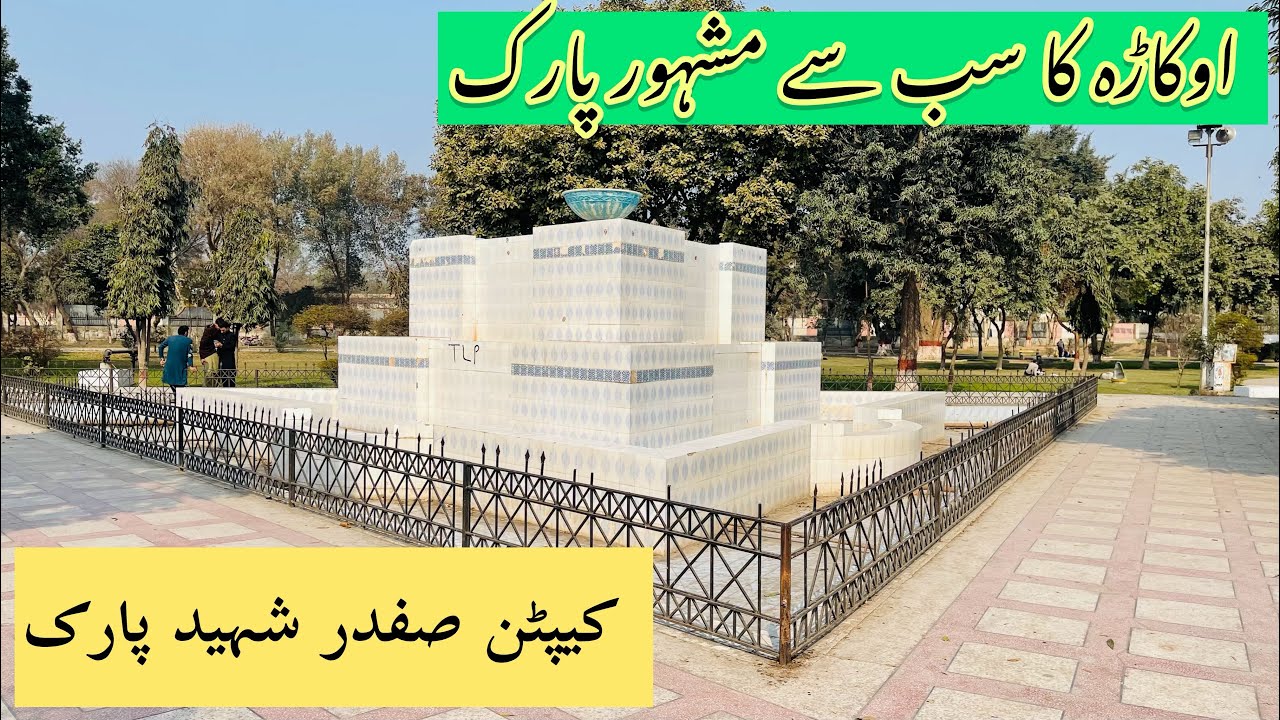
Safdar Shaheed Park, commonly known as Company Bagh, is the largest and most visited park in Okara. The park was renamed after Captain Muhammad Safdar Shaheed, a national hero, and serves as both a recreational hub and a memorial space.
The park features well-maintained jogging tracks, children’s playgrounds, picnic lawns, and fountains that light up beautifully at night. Families flock here on weekends to enjoy the greenery, and fitness enthusiasts use the park daily for exercise. Street food vendors and small cafés at the edges of the park make it a lively social spot.
-
Location: Central Okara, easily accessible by road and rickshaw.
-
Best Time to Visit: Early morning for jogging and evening for family gatherings.
-
Tip: Bring a camera—the colorful fountains and evening lights make for excellent photos.
2. Jinnah Park
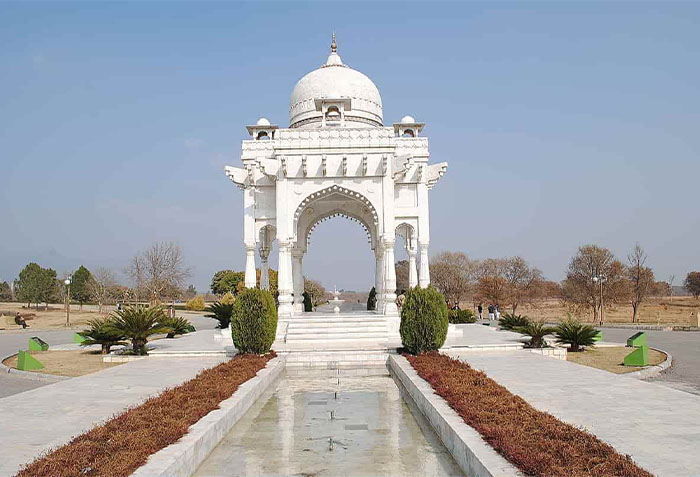
Named after Pakistan’s founding father, Quaid-e-Azam Muhammad Ali Jinnah, this is the second-largest park in Okara. What sets Jinnah Park apart is its round-the-clock accessibility—it remains open 24 hours a day, making it a safe and welcoming place even late at night.
The park offers wide walking paths, shaded areas, and fountains. It is less crowded compared to Company Bagh, which makes it perfect for those looking for a peaceful environment. Couples, families, and elderly visitors enjoy the serenity here, while children can play freely in designated areas.
-
Location: Close to Okara city center.
-
Best Time to Visit: Late evening, when the fountains are lit.
-
Tip: Ideal for travelers seeking a quieter alternative to Safdar Shaheed Park.
3. Farid-ud-Din Water Park & Joyland

Established in 2014, this amusement destination is one of the few modern recreational venues in Okara. It combines a water park and a small amusement park, making it a popular weekend getaway for families, especially during the hot summer months.
The water park includes swimming pools, water slides, splash zones, and kids’ pools. Joyland features funfair-style rides, bumper cars, swings, and food stalls. The park is particularly lively during school holidays and festival seasons like Eid.
-
Location: Within Okara city, accessible by local transport.
-
Facilities: Separate pools for children, snack bars, and changing rooms.
-
Best Time to Visit: April to September, especially in summer afternoons.
-
Tip: Carry swimwear if you plan to enjoy the water rides. Families should arrive early to avoid long queues.
4. Renala Khurd Hydropower Plant
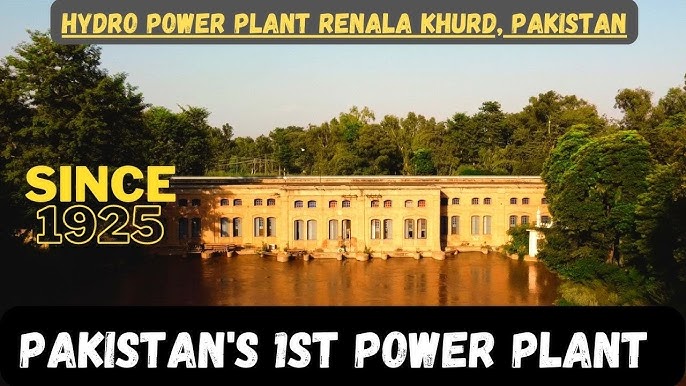
Located in Renala Khurd, about 15 km from Okara, this hydropower station is a unique historical attraction. It was built in 1925 by Sir Ganga Ram, a legendary engineer of British India who also designed many iconic buildings in Lahore.
This plant is one of Pakistan’s oldest functioning hydropower projects. It was designed to use canal water from the Lower Bari Doab Canal, highlighting the region’s early adoption of renewable energy. Even today, it continues to generate electricity.
Visitors are often fascinated by the colonial-era architecture, massive turbines, and canal system surrounding the plant. While entry to the power station itself may be restricted, the surrounding area is scenic and ideal for photography.
-
Location: Renala Khurd, a short drive from Okara city.
-
Best Time to Visit: Winter or spring, when the weather is pleasant.
-
Tip: Combine this visit with a trip to Depalpur or Hujra Shah Muqeem for a day-long heritage tour.
5. Depalpur Fort & Historic Town
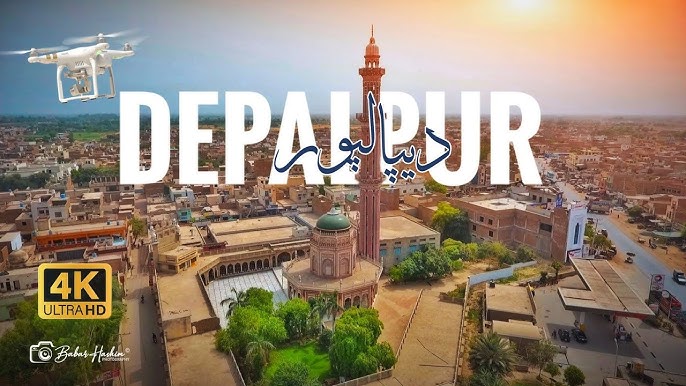
Depalpur, located in Okara district, is an ancient walled town with roots tracing back over 1,000 years. The ruins of the Depalpur Fort are believed to date to the Ghaznavid and Mughal eras. The town itself was a strategic center for Muslim rulers and later played a role during the Afghan and Sikh periods.
Although much of the fort lies in ruins, visitors can still see sections of the defensive walls, old gates, and mounds that narrate stories of past empires. Depalpur is also home to bustling traditional bazaars, offering handicrafts, spices, and authentic Punjabi street food.
The mix of heritage and vibrant town life makes Depalpur a must-visit for history enthusiasts. Local guides sometimes share oral histories and legends associated with the fort and its rulers, enriching the experience.
-
Location: About 25 km from Okara city.
-
Best Time to Visit: Winter and spring, when exploring the ruins is more comfortable.
-
Tip: Wear comfortable shoes—walking on the fort’s uneven grounds can be challenging.
6. Gogera Fort
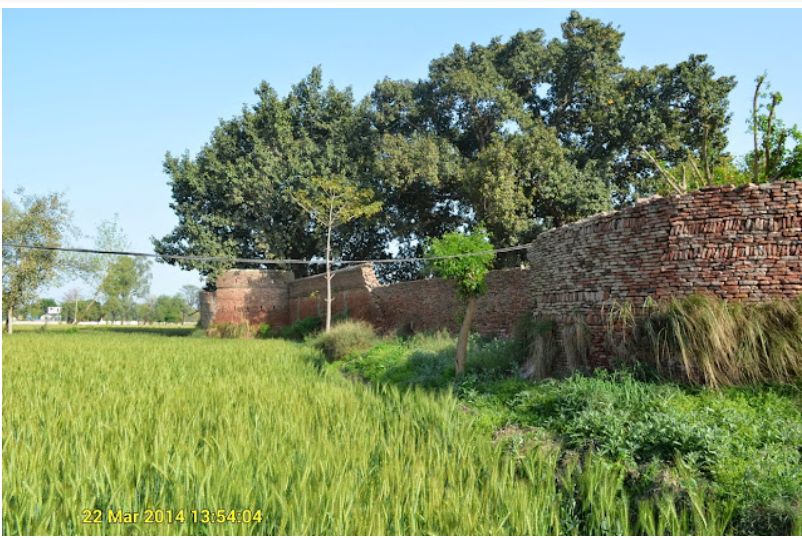
The Gogera Fort holds a special place in Pakistan’s independence history. Located in the small town of Gogera, this fort became a center of resistance during the War of Independence in 1857. It is closely associated with the legendary freedom fighter Rai Ahmad Khan Kharal, who led a local uprising against British colonial rule.
Though much of the fort now stands in ruins, visitors can still walk among the weathered walls, gateways, and old bastions that once served as strongholds. The fort is not just a historical site but also a symbol of courage and sacrifice. Each year, locals commemorate Rai Ahmad Khan Kharal’s bravery through gatherings and cultural events, making it a living part of Okara’s heritage.
-
Location: Gogera town, about 25 km from Okara city.
-
Best Time to Visit: Winter and spring, when walking tours are easier.
-
Tip: Hire a local guide to hear oral histories about Rai Ahmad Khan Kharal and his struggle.
7. Hujra Shah Muqeem

Hujra Shah Muqeem is one of the most spiritually significant towns in Okara district. It is famous for its shrines of revered Sufi saints, particularly Hazrat Shah Muqeem. Pilgrims from across Punjab visit the shrine, especially during the annual Urs festival, which transforms the town into a vibrant center of devotion, music, and culture.
The shrine complex is surrounded by traditional bazaars, where visitors can shop for local sweets, handicrafts, and religious memorabilia. During Urs, qawwali performances, traditional Punjabi music, and Sufi rituals attract thousands of devotees and tourists alike.
-
Location: About 30 km from Okara city.
-
Best Time to Visit: During the Urs festival (dates vary annually), though it can be crowded.
-
Tip: Dress modestly and respect local customs; photography may be restricted inside the shrine.
8. Thatta Kedona – The Doll Village
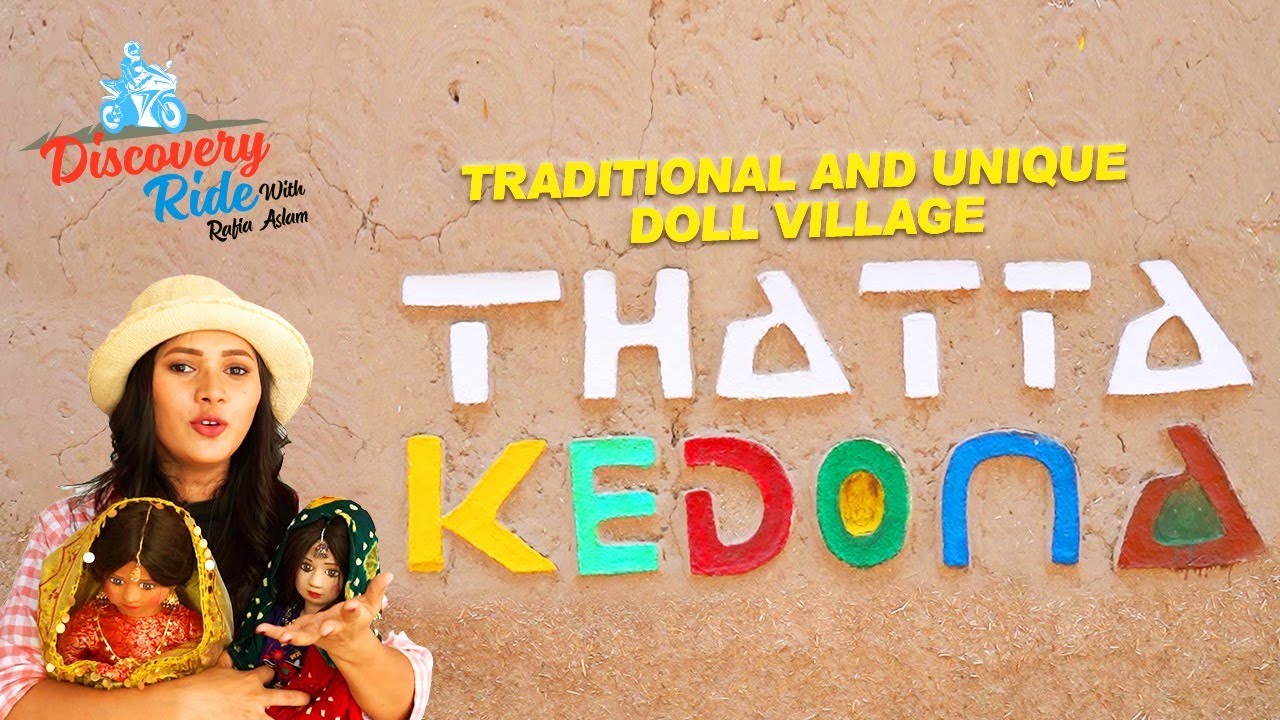
Thatta Kedona, meaning Village of Dolls, is an internationally recognized social project located in Okara district. Launched in the 1990s, it aimed to empower local women by training them in handmade doll-making and crafts. Today, the village has gained fame as a unique cultural attraction where visitors can see and purchase beautifully dressed dolls that represent Punjabi traditions, folk stories, and rural lifestyles.
The project also emphasizes sustainable development and community empowerment, making it a model of rural innovation. Tourists visiting Thatta Kedona can not only buy souvenirs but also interact with artisans, watch demonstrations, and learn about the project’s history.
-
Location: Thatta village, near Okara.
-
Best Time to Visit: Year-round, but spring festivals make it more colorful.
-
Tip: Purchasing directly from artisans helps sustain the project—carry some extra cash for souvenirs.
9. Kharal Lake
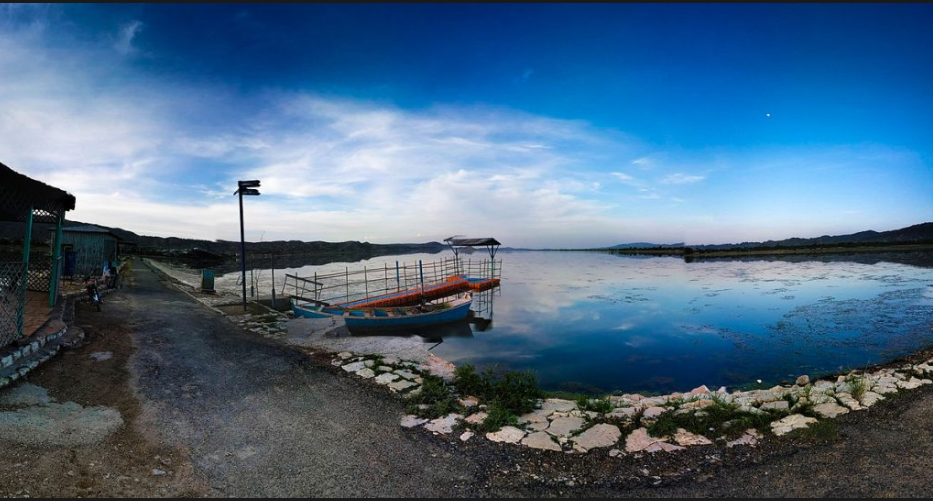
Named after the local hero Rai Ahmad Khan Kharal, Kharal Lake is a natural retreat offering breathtaking views of calm waters and surrounding greenery. It is a hidden gem for nature lovers, birdwatchers, and photographers. The lake is also used by locals for fishing and irrigation purposes.
Visitors often come here for picnics, boating (seasonally), and photography. During winter, migratory birds can be spotted, making it especially appealing for wildlife enthusiasts. The area around the lake reflects rural Punjab’s charm, with farmers working in fields and children playing along the waterbanks.
-
Location: Near Gogera, easily combined with a trip to Gogera Fort.
-
Best Time to Visit: Winter (for birdwatching) or spring (for picnics).
-
Tip: Carry snacks and water—facilities near the lake are limited.
10. Satghara & Tomb of Hazrat Ghous Muhammad Bala Pir
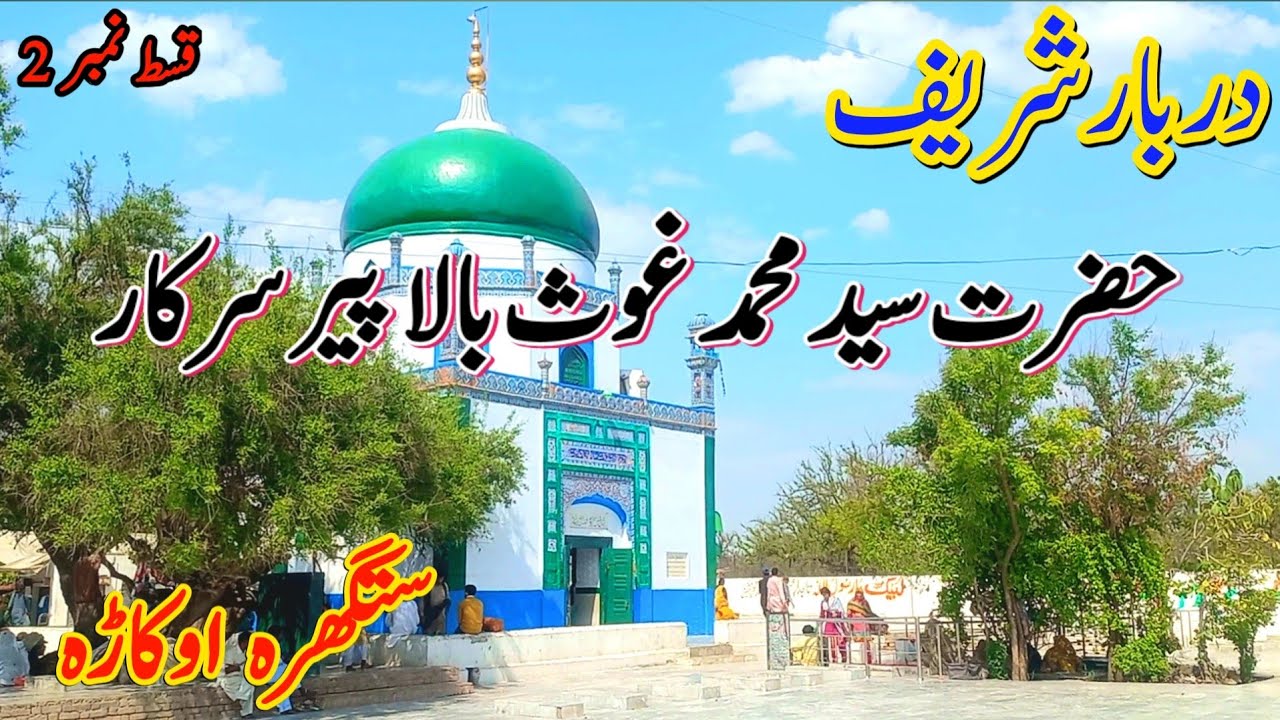
Satghara is a small but historically rich town in Okara district, well-known for the tomb of Hazrat Ghous Muhammad Bala Pir, a revered Sufi saint. The shrine is a place of spiritual reflection, where devotees gather to offer prayers and seek blessings.
Apart from the shrine, Satghara itself is dotted with ancient mounds and archaeological remains, suggesting that it was once an important settlement. Local legends and folklore add mystery to the town, making it fascinating for history enthusiasts. Visitors can also explore the local bazaar, which sells traditional sweets and handmade crafts.
-
Location: Satghara, about 30 km from Okara.
-
Best Time to Visit: During Urs celebrations or spring, when the weather is pleasant.
-
Tip: Visit with a local guide to learn about the legends associated with the town’s mounds.
Climate and Weather in Okara: What Travelers Need to Know
When planning a visit to Okara, understanding its climate and weather patterns is essential for a comfortable and enjoyable trip. Okara, like much of central Punjab, experiences a semi-arid climate with hot summers, a distinct monsoon season, and cool winters. Seasonal variations are significant, influencing not only the daily lives of locals but also the experiences of visitors.
Summer (May – July)
Summers in Okara are long, hot, and dry, with temperatures often climbing above 40°C (104°F). June is typically the hottest month, where the mercury can touch 45°C (113°F) during heatwaves. Days are extremely hot, while nights remain warm, providing little relief.
For tourists, outdoor activities during midday can be challenging, but evenings often bring a lively atmosphere in parks and open-air tea stalls. Travelers visiting in summer should carry light cotton clothing, sunblock, sunglasses, and plenty of water. Air-conditioned transport and hotels are strongly recommended.
Monsoon Season (July – September)
The arrival of the Southwest Monsoon brings relief from the scorching heat. Okara receives around 600–650 mm of annual rainfall, much of it concentrated during this period. Showers are often heavy but short, leaving behind cooler air and fresh greenery.
Monsoon season can be both rewarding and tricky for travelers. On one hand, the countryside looks stunning with lush green fields, making it ideal for photography. On the other, sudden downpours may cause waterlogging, traffic slowdowns, and muddy rural roads. An umbrella or raincoat is essential, and flexibility in travel plans is advised.
Autumn (October – November)
Autumn is a pleasant transition period in Okara, with temperatures ranging from 20°C to 30°C (68°F–86°F). The skies are usually clear, humidity levels drop, and fields are golden with harvest crops. This is one of the best times for sightseeing, attending local festivals, and exploring rural life.
Travelers find this season ideal for heritage tours (Depalpur Fort, Gogera Fort) and nature excursions (Kharal Lake). Photography enthusiasts will enjoy the soft golden light and colorful rural landscapes.
Winter (December – February)
Winters in Okara are cool and sometimes foggy. Temperatures often dip to 3°C (37°F) at night, while daytime averages hover around 15°C (59°F). Heavy fog in December and January can reduce visibility on highways, sometimes disrupting train and road travel.
Despite the fog, this season is favored by many visitors because of its crisp mornings, vibrant bazaars, and warm traditional foods like halwa, paye, and hot chai. Woolen clothing is necessary, and travelers should be cautious when planning early-morning intercity journeys due to fog delays.
Spring (March – April)
Spring is arguably the most beautiful season in Okara. Temperatures range between 20°C to 28°C (68°F–82°F), flowers bloom in parks, and fields turn green with wheat crops. Festivals and local fairs are common, bringing together music, dance, and Punjabi folk traditions.
This is the ideal season for tourism, as the weather is comfortable for both urban exploration and rural adventures.
Summary: Climate Impact on Travel
-
Best Months to Visit: March–April (spring) and October–November (autumn).
-
Challenging Months: May–July (extreme heat) and December–January (fog).
-
Photography Season: Monsoon and spring for lush greenery and vibrant fields.
-
Packing Tips: Light clothes for summer, rain gear for monsoon, and warm jackets for winter.
Best Time to Visit Okara: A Month-by-Month Travel Guide
When planning a trip to Okara, timing can make all the difference in how enjoyable your experience will be. Since Okara has hot summers, a rainy monsoon, mild autumn, and cool winters, travelers should carefully consider when to visit based on weather, local events, and personal preferences. Below is a detailed guide to help you choose the best time to visit Okara.
Spring (March – April): The Ideal Season
Spring is widely regarded as the best time to visit Okara. With daytime temperatures ranging from 20°C to 28°C (68°F–82°F), the weather is mild and pleasant. Fields turn green with wheat crops, flowers bloom in parks, and the countryside is alive with color.
Local melas (fairs) and festivals often take place during this season, showcasing Punjabi culture, music, and folk dances. Outdoor sightseeing is comfortable, making it the perfect time to explore Depalpur Fort, Gogera Fort, and Kharal Lake.
Why Visit in Spring?
-
Comfortable weather for city and countryside tours
-
Perfect for photography of blooming fields
-
Vibrant cultural fairs and seasonal festivals
Summer (May – July): For Heat-Resistant Travelers
Summers in Okara are extremely hot, with temperatures reaching up to 45°C (113°F) in June. This period is not ideal for most tourists due to intense heat, though local bazaars and evening food streets still thrive with activity.
Budget-conscious travelers might find lower hotel rates in summer since it’s considered the off-season. If visiting during this time, stay indoors during peak heat hours and explore in the cooler evenings.
Why Visit in Summer?
-
Lower travel and hotel costs
-
Evening bazaars and food streets come alive
-
Fewer tourist crowds at historical sites
Monsoon (July – September): For Nature Lovers
The monsoon brings relief from the heat as well as lush greenery across Okara’s countryside. With 600–650 mm of annual rainfall, most of which falls in these months, the surroundings become ideal for nature photography and rural exploration.
However, travelers should be prepared for sudden downpours, muddy roads, and occasional flooding. If you love the countryside at its greenest, this is the season for you.
Why Visit in Monsoon?
-
Lush green fields and beautiful rural landscapes
-
Fresh, cool air after rainfall
-
Unique photography opportunities
Autumn (October – November): A Golden Season
Autumn is another highly recommended time to visit Okara, with clear skies, moderate temperatures (20°C–30°C), and golden harvest fields. The pleasant weather makes it easy to tour both urban and rural attractions.
October is also the season of agricultural harvest celebrations, allowing visitors to experience local traditions and hospitality.
Why Visit in Autumn?
-
Ideal weather for sightseeing
-
Harvest celebrations and local festivals
-
Crisp, clear skies perfect for travel
Winter (December – February): Cool and Cozy
Winters in Okara are cool, with daytime temperatures around 15°C (59°F) and nights dropping to 3°C (37°F). Fog in December and January can cause travel delays, especially for trains and highways.
Despite the fog, winter is a great time to enjoy Okara’s traditional cuisine—warm dishes like nihari, paye, and gajar ka halwa are especially popular. It’s also a season when bazaars are lively, and cultural life thrives indoors.
👉 Why Visit in Winter?
-
Perfect for enjoying local cuisine
-
Lively winter bazaars and shopping streets
-
Cozy weather for cultural explorationSummary Table: Best Time to Visit Okara
| Season | Months | Weather | Travel Highlights |
|---|---|---|---|
| Spring | Mar–Apr | Pleasant, 20–28°C | Festivals, sightseeing, photography |
| Summer | May–Jul | Very hot, 35–45°C | Budget travel, evening bazaars |
| Monsoon | Jul–Sep | Rainy, humid | Green countryside, nature photography |
| Autumn | Oct–Nov | Mild, 20–30°C | Harvest season, cultural experiences |
| Winter | Dec–Feb | Cool, foggy | Food festivals, lively markets, cozy tours |
Local Cuisine and Restaurants in Okara
Food in Okara is a true reflection of Punjabi culture—rich, flavorful, and deeply rooted in tradition. The city is famous not just for its fertile agricultural lands but also for its dairy products, traditional Punjabi dishes, and street food culture. Visitors to Okara can indulge in everything from authentic desi breakfasts to modern dining experiences.
Traditional Food Culture in Okara
Okara’s cuisine has strong Punjabi influences, emphasizing meat, dairy, and wheat-based dishes. Some iconic items include:
-
Lassi (buttermilk): A refreshing drink served sweet or salty, often enjoyed with breakfast.
-
Makki di Roti & Sarson da Saag: A winter specialty made from cornflour bread and mustard leaves.
-
Nihari & Paya: Slow-cooked meat dishes often eaten for breakfast.
-
Desi Ghee & Dairy Products: Okara is known as a hub of dairy farming, so fresh butter, ghee, and milk products are unmatched in taste.
-
BBQ & Karahi Dishes: Popular in roadside dhabas and restaurants, cooked with rich spices and served with naan.
-
Sweets: Jalebi, gulab jamun, and gajar ka halwa are favorites among locals.
Street Food Culture
Food streets in Okara, especially around Jinnah Road and City Center, come alive in the evenings. Vendors serve gol gappay, chaat, samosas, pakoras, and grilled corn, creating a lively atmosphere where locals and tourists gather.
Restaurant Recommendations
Okara offers a blend of desi dhabas (roadside restaurants) and modern eateries. Below is a detailed restaurant table for travelers:
| Restaurant Name | Cuisine Type | Location | Price Range | Specialties | Contact Info |
|---|---|---|---|---|---|
| Bundu Khan Restaurant | Pakistani & BBQ | GT Road, Okara | Mid-High | Chicken Karahi, Seekh Kebabs, BBQ Platter | +92-44-2523456 |
| Salt’n Pepper Village | Pakistani & Continental | Okara Bypass | High | Buffet, BBQ, Handi, Traditional Desserts | +92-44-2511122 |
| Shaheen Shinwari | Afghani & BBQ | Faisalabad Road | Mid | Shinwari Karahi, Namkeen Tikka, Chapli Kabab | +92-44-2558899 |
| Desi Dhaba Okara | Local Punjabi Food | Jinnah Road | Budget | Lassi, Paya, Nihari, Makki di Roti | Walk-in only |
| Food Club Okara | Fast Food & Continental | Cantt Area | Mid | Burgers, Pizzas, Fried Chicken | +92-44-2535678 |
| Al-Karim Hotel | Desi & Traditional | Near Okara Railway | Budget | Mutton Karahi, Biryani, Tea | +92-44-2547788 |
| Chaudhry Sweets | Traditional Desserts | Railway Road | Low | Gajar Halwa, Jalebi, Gulab Jamun | +92-44-2579933 |
| The Coffee House | Café & Modern Cuisine | Okara Cantt | Mid-High | Coffee, Sandwiches, Cakes, Pasta | +92-44-2591122 |
Traveler’s Tips for Food Lovers
-
Try breakfast at a local dhaba—fresh parathas, desi ghee, and lassi are unmatched.
-
If visiting in winter, don’t miss Makki di Roti with Saag.
-
For authentic Punjabi hospitality, dine at roadside eateries instead of only big restaurants.
-
Okara’s dairy products (butter, yogurt, ghee) make even simple meals taste extraordinary.
Accommodation in Okara
Finding the right place to stay in Okara is relatively easy, as the city offers a variety of options ranging from budget-friendly guesthouses to comfortable mid-range hotels. While Okara may not yet have ultra-luxury 5-star chains like Lahore or Islamabad, it offers clean, affordable, and hospitable stays for both local and international travelers.
Types of Accommodation in Okara
-
Budget Hotels & Guesthouses
-
Ideal for students, researchers, and travelers on a tight budget.
-
Located near bus stands, railway stations, and markets.
-
Basic facilities: clean rooms, Wi-Fi, and local food service.
-
-
Mid-Range Hotels
-
Popular with families and business travelers.
-
Offer amenities like AC rooms, dining facilities, and secure parking.
-
Located along GT Road, Railway Station Road, and Okara Cantt.
-
-
Government Rest Houses & Lodges
-
Often available for officials and visitors with prior booking.
-
Located in scenic or central parts of the city.
-
Offer spacious rooms and affordable rates.
-
Recommended Hotels in Okara
Below is a hotel guide with key details to help visitors choose their stay:
| Hotel Name | Star Rating | Location | Price Range | Amenities | Contact Info |
|---|---|---|---|---|---|
| Hotel One Okara | 3-Star | GT Road, Okara Bypass | Mid-High | AC Rooms, Wi-Fi, Restaurant, Conference Hall | +92-44-2512345 |
| Midway Hotel | 2-Star | Near Okara Cantt | Mid | Parking, Dining, Room Service, Family Rooms | +92-44-2536789 |
| Safari Hotel | 2-Star | Railway Road, Okara | Budget-Mid | Basic Rooms, Breakfast Service, Meeting Room | +92-44-2557788 |
| Al-Karim Hotel | 2-Star | Near Okara Railway Sta. | Budget | Pakistani Food, Hot Water, Tea Service | +92-44-2548899 |
| Royal Guest House | Guesthouse | Jinnah Road, Okara | Budget | Wi-Fi, Family Rooms, Laundry Service | +92-44-2579900 |
| Okara Rest House (Govt) | Lodge | Okara City Center | Low-Mid | Spacious Rooms, Garden View, Secure Parking | Booking Required |
| City Inn Hotel | 2-Star | Faisalabad Road | Mid | Free Wi-Fi, Restaurant, Family-Friendly | +92-44-2591122 |
| Galaxy Guest House | Guesthouse | Okara Cantt | Budget | Affordable Rooms, Local Cuisine, Car Parking | +92-44-2593311 |
Traveler’s Tips for Staying in Okara
-
Book early if traveling during peak wedding or festival season.
-
Check location—staying near GT Road or Cantt is more convenient for travel.
-
Government rest houses require prior booking and approval, usually through official contacts.
-
Always confirm room facilities (AC, Wi-Fi, hot water) before booking.
-
For extended stays, guesthouses may be more budget-friendly than hotels.
Frequently Asked Questions (FAQ) about Okara
Travelers, researchers, and locals often have many queries before visiting Okara. Below is a comprehensive FAQ section designed to answer the most common questions and provide practical insights for first-time visitors.
1. Where is Okara located in Pakistan?
Okara is located in the Punjab province of Pakistan, about 110 km south of Lahore and 25 km from Sahiwal. It lies on the historic Grand Trunk Road (GT Road), making it an easily accessible city.
2. How can I reach Okara from Lahore or Islamabad?
-
From Lahore: You can reach Okara within 2–2.5 hours by road via the National Highway (N-5) or M-3 Motorway.
-
From Islamabad: The journey takes around 5–6 hours by road.
-
Train services such as Shalimar Express and Tezgam also connect Okara with major cities.
3. What is Okara famous for?
Okara is renowned for:
-
Its agricultural products like milk, vegetables, and cash crops.
-
The Okara Military Dairy Farm, one of the largest in Asia.
-
Historical landmarks like Mir Chakar Rind’s Tomb and Haveli structures.
-
Its role in Punjab’s Sufi culture and folklore.
4. Is Okara safe for tourists?
Yes, Okara is generally a safe and hospitable city. Like most places in Punjab, locals are friendly, and crime rates are relatively low. Standard precautions (avoiding deserted areas at night, safeguarding belongings) are advisable.
5. What language do people speak in Okara?
The primary language spoken in Okara is Punjabi, while Urdu is widely understood and used for formal communication. English is spoken in hotels, educational institutions, and by younger generations.
6. What is the best time to visit Okara?
The best time to visit is during winter (November to February) when the weather is pleasant, or spring (March-April) when fields are lush green. Summers (May–July) can be very hot, so travelers should prepare accordingly.
7. Are there any famous foods in Okara?
Yes! Okara is known for:
-
Makki di Roti and Sarson da Saag (traditional Punjabi dishes).
-
Doodh Patti Chai (milky tea).
-
Fresh dairy products from local farms.
-
Tikka and BBQ dishes served at roadside dhabas and local restaurants.
8. What are the top tourist attractions in Okara?
Some must-visit sites include:
-
Haveli of Mir Chakar Rind
-
Okara Military Dairy Farm
-
Renala Khurd Hydropower Plant
-
Canal Rest Houses
-
Parks, gardens, and historical mosques
9. Are there shopping areas in Okara?
Yes, Okara has vibrant shopping centers like:
-
Ravi Bazaar – traditional clothes and handicrafts
-
Akbar Road Market – modern fashion and electronics
-
Cantt Bazaars – variety of local goods
10. Does Okara have quality hotels?
Yes. Okara offers budget guesthouses, mid-range hotels, and government rest houses. Popular choices include Hotel One Okara, Midway Hotel, and Safari Hotel.
11. Can foreigners visit Okara easily?
Absolutely! Foreign visitors are welcome. However, it is advisable to carry valid identification, inform your hotel about your stay, and check for any travel advisories before visiting.
12. Is Okara a good stopover city?
Yes. Due to its location on GT Road, Okara is often a stopover for travelers heading from Lahore to Multan or Karachi. It’s perfect for a short rest, meal, or overnight stay.


