
Tucked away in the northwestern frontier of Pakistan, Khyber Agency is a region that pulses with history, culture, and raw natural beauty. Once part of the Federally Administered Tribal Areas (FATA) and now integrated into Khyber Pakhtunkhwa (KP), this storied land has long served as a strategic passage between South Asia and Central Asia. The legendary Khyber Pass, which cuts through its mountainous terrain, has witnessed the rise and fall of empires—from the armies of Alexander the Great to the caravans of the Silk Road and the colonial ambitions of the British Raj.
For centuries, Khyber Agency has been more than just a geographical location; it has been a symbol of resilience, resistance, and cultural richness. The region is predominantly inhabited by the Pashtun tribes, whose traditions, hospitality, and warrior spirit have shaped the identity of this land. Despite its turbulent past, Khyber Agency is now emerging as a promising destination for cultural tourism, adventure travel, and historical exploration.
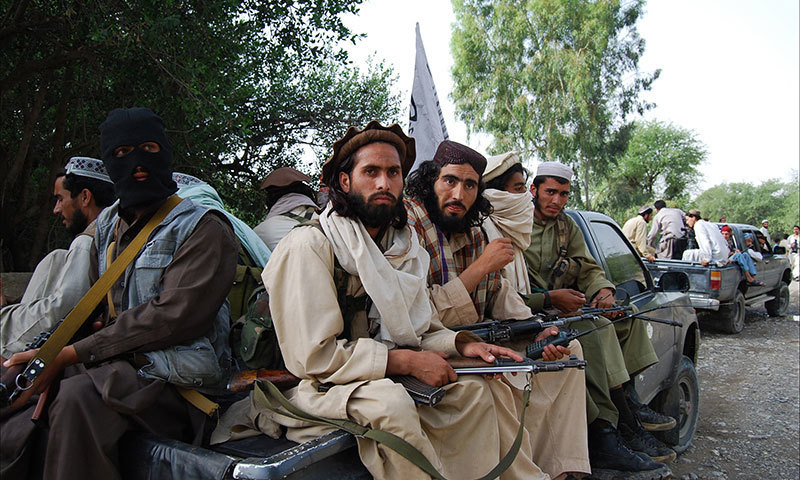
The landscape here is nothing short of dramatic. Towering mountains, deep valleys, and winding roads create a natural fortress that has protected its people and preserved its heritage. The Jamrud Fort, standing guard at the mouth of the Khyber Pass, is a testament to the region’s strategic importance and architectural legacy. Nearby, the Michni Post offers panoramic views of the pass and surrounding hills, making it a favorite spot for photographers and history buffs alike.
But Khyber Agency is not just about ancient forts and military history. It’s a place where tradition meets transformation. The local bazaars are alive with the colors of handwoven fabrics, tribal jewelry, and spices that tell stories of trade and craftsmanship. The aroma of Kabuli Pulao, Chapli Kebabs, and roasted lamb wafts through the air, inviting travelers to indulge in the rich flavors of Pashtun cuisine.
Adventure seekers will find plenty to explore—from trekking in the Tirah Valley to discovering hidden waterfalls and caves. Nature lovers can unwind in serene spots like Shalman Park, while cultural enthusiasts can immerse themselves in the rhythms of tribal music and dance. The region’s oral storytelling traditions, passed down through generations, offer a glimpse into the soul of its people.
Security improvements and infrastructure development have made Khyber Agency more accessible than ever before. With better roads, mobile connectivity, and growing interest in eco-tourism and heritage travel, the region is opening its doors to both domestic and international visitors. Yet, it remains largely untouched by mass tourism, offering a rare opportunity to experience authentic tribal life in a setting that feels both ancient and alive.
Khyber Agency is also a place of spiritual significance. Shrines, mosques, and sacred sites dot the landscape, reflecting the deep religious and cultural roots of its inhabitants. The Bara River, flowing through the region, adds a touch of tranquility to the rugged terrain, while the surrounding hills echo with the sounds of nature and tradition.
In this comprehensive travel guide, we’ll take you on a journey through Khyber Agency’s most captivating attractions, practical travel tips, and insider insights. Whether you’re planning a solo adventure, a family vacation, or a cultural expedition, this guide will help you navigate the region with confidence and curiosity.
From how to get there by air, road, or train, to the top 10 tourist attractions, climate and weather, best time to visit, local food and restaurants, accommodation options, and frequently asked questions, we’ve got everything covered. Our goal is to provide you with a complete travel resource that’s not only informative but also optimized for search engines—so you can find exactly what you need, when you need it.
So pack your bags, charge your camera, and prepare to be enchanted by one of Pakistan’s most fascinating and historically rich regions. Welcome to Khyber Agency—where every stone has a story, and every journey is a step into legend.
How to Get to Khyber Agency: Air, Road, and Rail Travel Guide
By Air: Flying into the Frontier
The most convenient way to reach Khyber Agency is by air. The nearest major airport is Bacha Khan International Airport (PEW), located in Peshawar, approximately 35 km from the Khyber Pass and the administrative capital Landi Kotal. This airport is well-connected to major cities across Pakistan, including Islamabad, Lahore, and Karachi, as well as international destinations such as Dubai, Doha, and Jeddah.
Key Air Travel Tips:
- Domestic Airlines: PIA, Serene Air, and Airblue offer regular flights to Peshawar.
- International Access: Travelers from abroad can connect via Islamabad or Lahore.
- Airport Transfers: From Peshawar Airport, taxis and rental cars are available to reach Khyber Agency. The drive takes around 45 minutes to 1 hour depending on traffic and security checkpoints.
By Road: Scenic Drives and Local Transport
Traveling by road offers a more immersive experience of the region’s dramatic landscape. The journey from Peshawar to Jamrud, the gateway to the Khyber Pass, is approximately 30 minutes by car. From Jamrud, travelers can continue onward to Landi Kotal and other parts of Khyber Agency.
Road Travel Options:
- Private Car or Taxi: Renting a car or hiring a local taxi is the most flexible and comfortable option.
- Local Buses: Public buses run from Peshawar to Jamrud. From there, onward travel may require special permissions due to the sensitive nature of the region.
- Tour Groups: Joining an organized tour is highly recommended for first-time visitors. These tours often include transportation, guides, and necessary permits.
Important Notes:
- Permits: Non-local visitors may need special permission to enter certain areas of Khyber Agency. Always check with local authorities or tour operators.
- Security: The region has improved in terms of safety, but travelers should stay updated on current conditions and advisories.
By Train: A Historic Route with Limited Access
Historically, the Khyber Railway was one of the most iconic train routes in South Asia, running from Peshawar to Landi Kotal through the Khyber Pass. However, due to security and infrastructure challenges, this route is currently non-operational for public transport.
Alternative Rail Options:
- Travelers can take trains to Peshawar Railway Station from major cities like Lahore and Rawalpindi.
- From Peshawar, onward travel to Khyber Agency must be completed by road.
Top Tourist Attractions in Khyber Agency
1. Jamrud Fort – Sentinel of the Khyber Pass
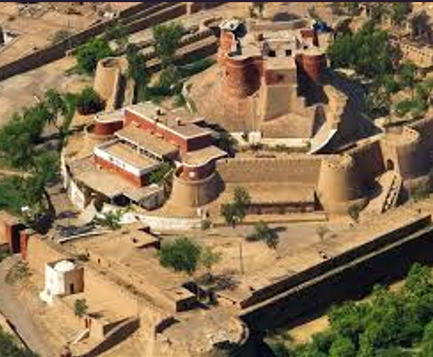
Standing proudly at the mouth of the legendary Khyber Pass, Jamrud Fort is one of the most iconic historical landmarks in Khyber Agency. Built in 1823 by Sikh General Hari Singh Nalwa, this fort served as a strategic military outpost to guard the entrance to the pass and protect the Peshawar Valley from invasions. Its imposing structure, made of stone and mud, reflects the architectural style of the time and offers a glimpse into the region’s turbulent past.
Historical Significance
Jamrud Fort has witnessed centuries of conflict and diplomacy. It was a key defensive structure during the British colonial era and played a pivotal role in controlling trade and military movement through the Khyber Pass. The fort’s location made it a crucial checkpoint for armies, traders, and travelers moving between South Asia and Central Asia.
Architectural Features
The fort is built in a rectangular layout with high walls, watchtowers, and a central courtyard. Its thick ramparts and bastions were designed to withstand sieges and artillery attacks. The main gate, adorned with traditional carvings, opens into a spacious interior that once housed soldiers, horses, and supplies.
What to See
- Main Gate: A massive wooden structure with iron reinforcements.
- Watchtowers: Offering panoramic views of the surrounding mountains and valleys.
- Courtyard: A peaceful area where visitors can imagine the bustle of military life.
- Historical Plaques: Informative boards detailing the fort’s history and significance.
Visitor Experience
Jamrud Fort is open to visitors year-round, though access may be restricted during certain times due to security protocols. Guided tours are available through local travel agencies, and it’s recommended to visit with a knowledgeable guide who can share stories of battles, alliances, and legends associated with the fort.
Photography & Views
The fort offers stunning views of the Khyber Pass, especially during sunrise and sunset. Photographers will find plenty of opportunities to capture the rugged beauty of the landscape and the timeless charm of the fort’s architecture.
2. Khyber Pass – Corridor of Conquerors and Cultures
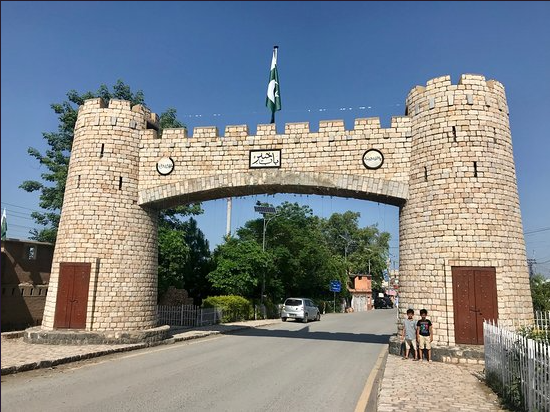
The Khyber Pass is not just a mountain pass—it’s a living chronicle of human history. Stretching approximately 53 kilometers through the Safed Koh mountains, this rugged corridor connects Peshawar in Pakistan to Jalalabad in Afghanistan, serving as a gateway between the Indian subcontinent and Central Asia. For centuries, it has been the route of choice for traders, conquerors, pilgrims, and nomads, each leaving behind echoes of their journey in the stones and soil of the pass.
Historical Legacy
Few places in the world have witnessed as many historic events as the Khyber Pass. It was traversed by Alexander the Great, Genghis Khan, Timur, and the Mughals, and later became a strategic focal point during the British colonial era. The pass played a central role in the Great Game, the geopolitical rivalry between Britain and Russia in the 19th century. More recently, it served as a vital supply route for NATO forces during the Afghan conflict.
The pass was also part of the Silk Road, facilitating trade and cultural exchange between Asia, the Middle East, and Europe. Its narrowest point—just 16 meters wide—made it a natural chokehold for military campaigns and a strategic asset for empires.
Natural Beauty and Terrain
The Khyber Pass is a geographical marvel. With elevations reaching over 1,070 meters (3,510 feet), the terrain is steep, dramatic, and awe-inspiring. Travelers are greeted by rugged cliffs, deep ravines, and lush valleys that contrast beautifully with the arid mountain slopes. The landscape changes with the seasons, offering a different kind of beauty in summer, autumn, and winter.
Cultural Significance
The pass is home to diverse Pashtun tribes, each with their own customs, dialects, and traditions. The cultural richness of the region is reflected in the music, dance, and oral storytelling that have been passed down through generations. Visitors often find themselves immersed in tales of heroism, hospitality, and tribal honor.
What to See and Do
- Michni Post: A military observation point offering panoramic views of the pass and surrounding valleys.
- Historic Caravan Routes: Trace the paths once used by traders and pilgrims.
- Tribal Villages: Experience authentic Pashtun hospitality and culture.
- Photography: Capture the dramatic landscapes and ancient trails.
Accessibility
The Khyber Pass is accessible via road from Peshawar, with the journey taking approximately 1 to 1.5 hours depending on traffic and security conditions. While the route is open to domestic tourists, foreign visitors may require special permits due to the sensitive nature of the region. It’s highly recommended to travel with a registered tour operator who can arrange logistics and permissions.
Safety and Travel Tips
- Check Travel Advisories: Conditions can change, so stay updated.
- Travel with a Guide: Local guides offer insights and ensure safety.
- Respect Local Customs: Dress modestly and be mindful of tribal norms.
- Photography Restrictions: Some areas may have limitations due to military presence.
Why It’s a Must-Visit
Visiting the Khyber Pass is like stepping into a time machine. Every bend in the road, every stone underfoot, carries the weight of centuries. It’s a place where history, geography, and culture converge, offering a travel experience that’s both educational and emotionally resonant. Whether you’re a history buff, a nature lover, or a cultural explorer, the Khyber Pass promises a journey unlike any other.
3. Michni Fort – The Watchtower of the Frontier
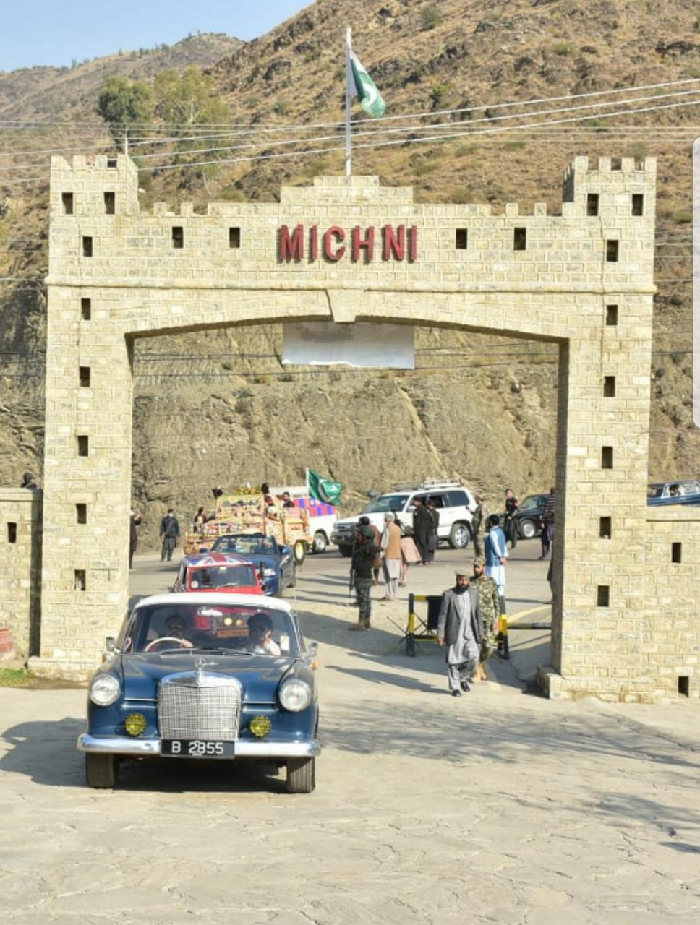
Perched atop a rugged hill overlooking the Bara Valley, Michni Fort is a striking remnant of colonial military architecture and a symbol of strategic resilience in the Khyber Agency. Built during the British colonial era in the 19th century, the fort was part of a network of military outposts designed to secure the volatile northwest frontier and monitor movement through the Khyber Pass.
Historical Significance
Michni Fort played a pivotal role during the Anglo-Afghan Wars, serving as a base for British troops and a staging ground for military expeditions into Afghanistan. Its elevated position allowed for surveillance of tribal movements and potential incursions, making it a key asset in the British Empire’s defense strategy. Despite frequent attacks and sieges by Afghan forces and local tribes, the fort remained under British control, a testament to its formidable design and strategic location.
After Pakistan’s independence in 1947, Michni Fort continued to serve as a military outpost, though its strategic importance gradually declined. Today, it stands as a silent witness to the region’s turbulent past, its weathered walls echoing stories of conflict, endurance, and colonial ambition.
Architectural Features
The fort is constructed from stone and mud, typical of frontier military architecture. Its bastions, watchtowers, and thick ramparts were built to withstand artillery fire and prolonged sieges. The layout includes a central courtyard, barracks, and observation posts, all designed to support a garrison of troops in harsh terrain and climate.
Visitors can still see remnants of the original structures, including:
- Observation Towers: Offering sweeping views of the Khyber Pass and surrounding valleys.
- Barracks and Storage Rooms: Now in ruins but evocative of the fort’s operational past.
- Outer Walls: Weather-beaten but sturdy, showcasing colonial engineering.
Scenic Views and Photography
Michni Fort is a dream location for photographers and nature lovers. From its vantage point, one can capture panoramic shots of the Bara Valley, the winding trails of the Khyber Pass, and the distant peaks of the Safed Koh mountains. The fort is especially captivating during sunrise and sunset, when the golden light bathes the landscape in dramatic hues.
Cultural and Strategic Importance
The fort is not just a relic of colonial history—it’s a symbol of the region’s strategic importance and the resilience of its people. Local tribes have long revered the site, and it remains a point of pride for the communities of Mohmand and Khyber Agencies. The fort also serves as a reminder of the complex interplay between imperial ambition and tribal autonomy that has shaped the region’s identity.
Accessibility and Travel Tips
Michni Fort is located near Jamrud, and can be reached via a short drive from Peshawar. The road is paved but narrow, winding through hills and valleys. While the site is open to domestic tourists, foreign visitors may require special permits due to its proximity to sensitive border areas.
- Best Time to Visit: Spring and autumn offer the most pleasant weather and clear skies.
- Travel Essentials: Bring water, sun protection, and a camera. Wear sturdy shoes for walking on uneven terrain.
- Local Guides: Hiring a guide is recommended to learn about the fort’s history and navigate the area safely.
Why Visit Michni Fort?
Michni Fort is a perfect blend of history, architecture, and natural beauty. It offers a quieter, more contemplative experience compared to the bustling Khyber Pass, making it ideal for travelers seeking solitude and reflection. Whether you’re a history enthusiast, a photographer, or simply someone who appreciates off-the-beaten-path destinations, Michni Fort delivers a memorable and enriching experience.
4. Shalman Park – Nature’s Retreat in the Tribal Belt
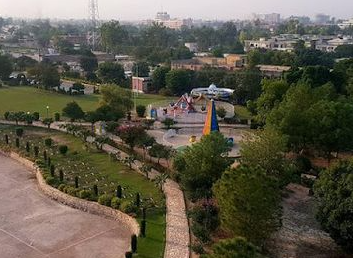
In the heart of Hayatabad, near the edge of Khyber Agency, lies a serene oasis known as Shalman Park. Often overlooked by mainstream travel guides, this park is a local favorite for morning walks, family outings, and quiet reflection. With its expansive green lawns, jogging tracks, and tranquil canal, Shalman Park offers a refreshing contrast to the rugged terrain and historical landmarks that define the region.
A Breath of Fresh Air
Shalman Park is designed for relaxation and wellness. It features double jogging tracks that run alongside a clean canal, bordered by manicured flowerbeds and shaded pathways. Whether you’re looking to stretch your legs after a long road trip or simply want to soak in the natural beauty, this park delivers a peaceful experience that’s hard to find elsewhere in the tribal belt.
Landscape and Layout
The park spans a wide area and is thoughtfully divided into zones:
- Jogging and Walking Tracks: Gravel and paved paths for all fitness levels.
- Children’s Play Area: Equipped with swings, slides, and climbing structures.
- Open-Air Gym: A public fitness zone with basic workout equipment.
- Picnic Lawns: Ideal for families and groups to relax and enjoy meals outdoors.
A stream runs through the center of the park, adding a soothing soundtrack to your visit. The surrounding greenery is meticulously maintained, with seasonal flowers and native trees creating a vibrant, photogenic environment.
Local Favorite
Shalman Park is especially popular among residents of Phase 2 and Phase 6 of Hayatabad, who frequent the area for morning and evening walks. It’s not uncommon to see groups of joggers, yoga enthusiasts, and families enjoying the fresh air and scenic surroundings. The park’s accessibility and clean environment make it a standout destination for both locals and visitors.
Activities and Experiences
- Morning Yoga: Join informal yoga groups or practice solo in the quiet hours.
- Photography: Capture the lush greenery, floral arrangements, and reflections in the canal.
- Bird Watching: Spot local species in the early morning or late afternoon.
- Community Events: Occasionally hosts wellness workshops and cultural gatherings.
Accessibility
Shalman Park is located in Sector F-4, Phase 2, Hayatabad, just a short drive from Jamrud and Peshawar. It’s easily accessible by car, taxi, or local transport. Parking is available near the entrance, and the park is open from early morning until dusk.
Travel Tips
- Best Time to Visit: Early morning or late afternoon for cooler temperatures and fewer crowds.
- What to Bring: Comfortable shoes, water bottle, camera, and a picnic blanket.
- Safety: The park is well-lit and patrolled, but evening visits should be planned with care due to limited lighting in some areas.
Why It’s Worth Visiting
While Khyber Agency is known for its forts and mountain passes, Shalman Park offers a different kind of charm—one rooted in tranquility, community, and natural beauty. It’s a perfect stop for travelers seeking a break from historical sightseeing or those looking to connect with the local lifestyle in a relaxed setting.
Whether you’re stretching your legs after exploring Jamrud Fort, winding down from a trek through the Khyber Pass, or simply craving a moment of peace, Shalman Park is a must-visit destination that adds balance and serenity to your Khyber itinerary.
5. Tirah Valley – The Hidden Gem of Tribal Wilderness
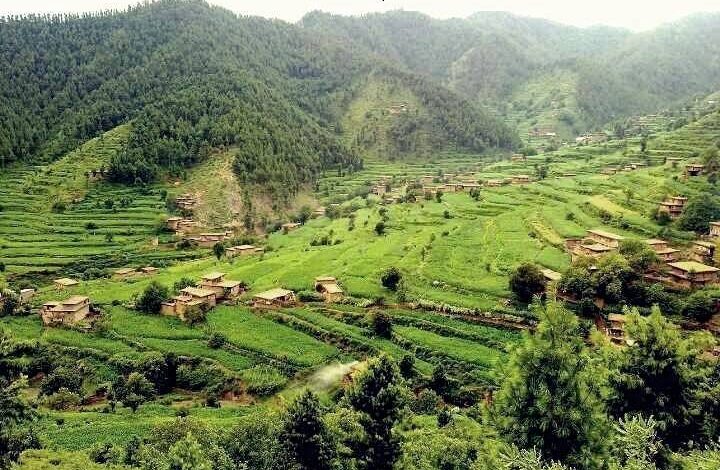
Nestled deep within the Khyber District, Tirah Valley is a place of raw beauty, tribal heritage, and untamed wilderness. Often referred to as Wadi-e-Tirah, this mountainous region lies between the Khyber Pass and the Khanki Valley, bordering Afghanistan. It’s a land of steep slopes, dense forests, and narrow ravines, inhabited primarily by the Afridi, Orakzai, and Pakhtun tribes, whose traditions and resilience have shaped the valley’s identity for centuries.
A Landscape of Legends
Tirah Valley’s terrain is dramatic and diverse. From blue pine forests to fruit orchards, the valley offers a visual feast for nature lovers. The region is dotted with prominent mountain passes such as Sampagha Pass, Arhanga Pass, and Sapri Pass, each offering panoramic views and challenging trails for trekkers and explorers.
The valley’s strategic location along the Pak-Afghan border has made it a focal point of historical conflicts and tribal autonomy. Its isolation has preserved its natural beauty and cultural integrity, making it one of the most authentic destinations in Pakistan for those seeking off-the-grid travel experiences.
Historical Depth
Tirah Valley has a rich and complex history. In the 17th century, it was part of a rebellion led by Pir Roshan, an Afghan warrior who challenged Mughal rule. The valley became a battleground between Mughal forces and tribal warriors, with notable events such as the massacre of 300 Daulatzai Orakzais under Mahabat Khan, and later invasions by Ghairat Khan and Muzaffar Khan.
Despite repeated attempts by empires to control the valley, Tirah remained fiercely independent. Its tribes resisted colonial domination and maintained their own systems of governance, rooted in Pashtunwali—the traditional code of honor, hospitality, and justice.
What to See and Do
- Sampagha Pass: A historic mountain pass offering breathtaking views and a glimpse into tribal resistance history.
- Fruit Orchards: Explore groves of apples, apricots, peaches, and almonds that thrive in the valley’s fertile soil.
- Tribal Villages: Visit settlements where traditional mud houses, tribal councils (jirgas), and local crafts reflect centuries-old lifestyles.
- Trekking Trails: Ideal for seasoned hikers looking to explore untouched terrain and remote highlands.
- Cultural Immersion: Engage with locals to learn about tribal customs, music, and oral storytelling.
Climate and Environment
Tirah Valley experiences hot, dry summers and freezing winters, with temperatures dropping to 0°C at night during the coldest months. The valley’s elevation and forest cover create microclimates that support diverse flora and fauna. Blue pines, wildflowers, and fruit trees add color and life to the rugged landscape.
Accessibility and Travel Tips
Due to its remote location and sensitive border proximity, Tirah Valley is not easily accessible. Travel requires coordination with local authorities and may involve special permits. The safest route is via Landi Kotal, followed by a guided journey through tribal areas.
- Best Time to Visit: Spring and early autumn for mild weather and blooming landscapes.
- Travel Essentials: Hiking gear, warm clothing, water purification tablets, and a local guide.
- Security: Always check travel advisories and coordinate with registered tour operators.
Why Tirah Valley Is a Must-Visit
Tirah Valley is a destination for the bold and the curious. It offers a rare opportunity to witness tribal life untouched by modernity, explore historical battlegrounds, and immerse yourself in nature’s grandeur. For travelers seeking authenticity, adventure, and cultural depth, Tirah Valley is a revelation.
6. Torkham Border – The Gateway Between Nations (700 words)
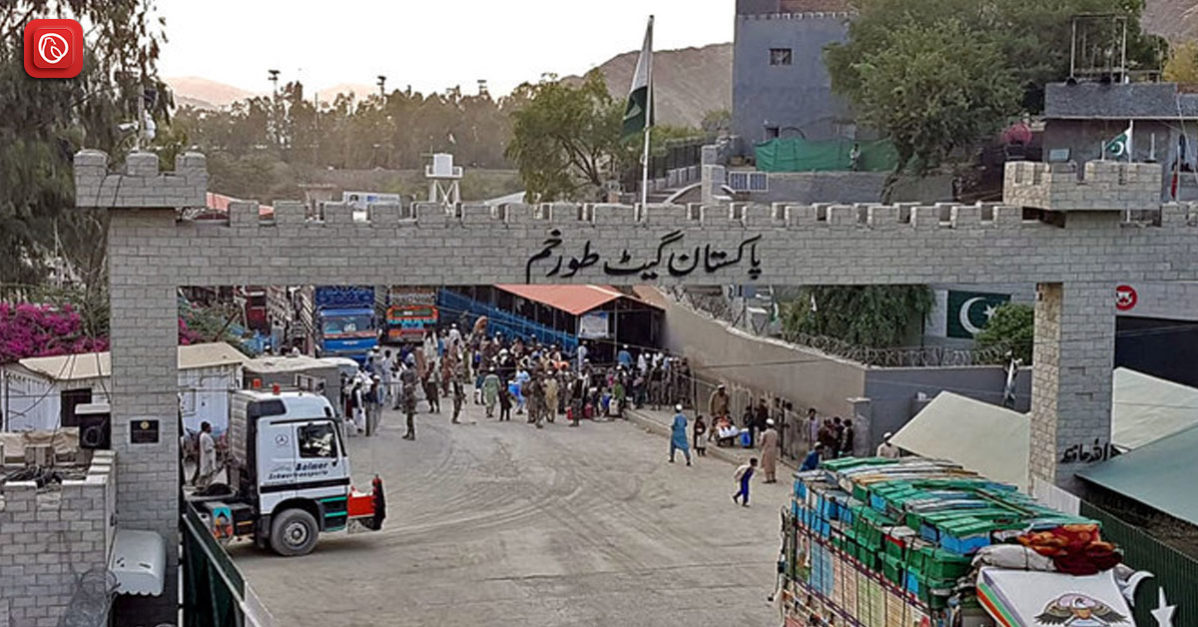
The Torkham Border, located at the western edge of Khyber Agency, is more than just a checkpoint—it’s a symbol of connectivity, diplomacy, and resilience. As one of the busiest and most strategically important border crossings between Pakistan and Afghanistan, Torkham has served as a lifeline for trade, migration, and military logistics for centuries. It lies just west of the Khyber Pass, making it a natural extension of the historic corridor that has linked civilizations across South and Central Asia.
Historical and Geopolitical Importance
Torkham has long been a focal point in regional politics. During the Soviet-Afghan War, it became the primary entry point for millions of Afghan refugees fleeing conflict. Later, it played a critical role in the NATO supply chain, serving as a route for transporting goods and equipment into Afghanistan. The border has also been central to Pakistan’s efforts to regulate cross-border movement, combat smuggling, and enhance security through fencing and surveillance.
The town of Torkham, located in Khyber District, was previously part of the Federally Administered Tribal Areas (FATA). It now falls under the jurisdiction of Khyber Pakhtunkhwa, reflecting Pakistan’s broader efforts to integrate tribal regions into the national framework.
What to See and Experience
- Border Crossing Ceremony: Similar to the Wagah Border in Punjab, Torkham occasionally hosts flag-lowering ceremonies and military parades that showcase national pride and discipline.
- Customs and Immigration Complex: A modern facility where travelers and traders undergo inspection and clearance.
- Truck Convoys: Witness the massive convoys of goods moving between Pakistan and Afghanistan, a testament to the region’s economic interdependence.
- Local Markets: Explore roadside stalls selling Afghan carpets, dry fruits, and tribal handicrafts.
- PTDC Motel: A government-run motel nearby offers basic amenities and a place to rest for travelers and officials.
Cultural Exchange
Torkham is a melting pot of Pashtun culture, with influences from both sides of the border. The languages spoken include Pashto, Urdu, and Dari, and the cuisine reflects a fusion of Pakistani and Afghan flavors. Visitors can enjoy Kabuli Pulao, Afghani Naan, and grilled lamb skewers in local eateries.
The border also serves as a cultural bridge, facilitating the movement of artists, scholars, and pilgrims. Despite its militarized nature, Torkham remains a place where stories, traditions, and relationships transcend boundaries.
Accessibility and Travel Tips
Torkham is approximately 60 kilometers from Peshawar, accessible via the N-5 National Highway. The road is well-maintained but heavily monitored, with multiple security checkpoints. Travelers must carry valid identification and, in some cases, special permits.
- Domestic Travelers: Pakistani citizens can visit with a CNIC and travel pass.
- Foreign Nationals: Require a visa and clearance from border authorities.
- Best Time to Visit: Early morning to avoid long queues and traffic congestion.
Safety and Regulations
Due to its sensitive location, Torkham is under strict surveillance. Photography may be restricted in certain areas, and travelers are advised to follow all instructions from border personnel. The border is occasionally closed due to political tensions or security incidents, so it’s essential to check the latest updates before planning a visit.
Why Visit Torkham Border?
Torkham offers a unique blend of history, culture, and real-time geopolitics. It’s a place where you can witness the pulse of international relations, the resilience of border communities, and the enduring legacy of the Khyber Pass. For travelers interested in political geography, cross-cultural exchange, or simply experiencing a place where history meets modern diplomacy, Torkham is a must-see.
7. Ayub Afridi Fort – The Tribal Legacy of a Warlord
In the rugged hills of Landi Kotal, a town nestled within the Khyber Pass, stands the enigmatic Ayub Afridi Fort—a structure that embodies the complex legacy of one of the region’s most controversial figures: Haji Ayub Afridi. Known as a tribal leader, politician, and alleged drug lord, Ayub Afridi’s influence shaped the socio-political landscape of Khyber Agency for decades. His fort, built as a symbol of power and autonomy, remains a point of fascination for locals and travelers alike.
Who Was Ayub Afridi?
Born in the Zakha Khel clan of the Afridi tribe, Ayub Afridi rose from humble beginnings as a truck driver to become a powerful figure in the tribal belt. He was deeply involved in cross-border trade and later became infamous for his alleged role in the Afghan heroin trade during the 1980s and 1990s. Despite his controversial reputation, Afridi was also a political actor, serving as a Member of the National Assembly and maintaining close ties with military and intelligence circles during Operation Cyclone, the CIA-backed effort to support Afghan Mujahideen against Soviet forces.
The Fort’s Architecture and Symbolism
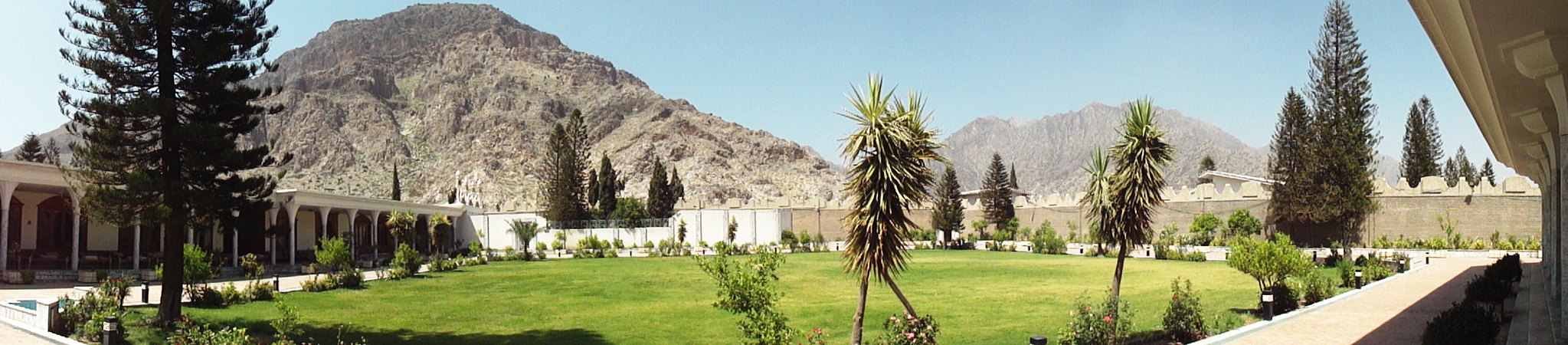
The Ayub Afridi Fort, also known locally as Ayub Kalay, is a sprawling compound built in traditional tribal style. Constructed with stone, mud, and concrete, the fort includes:
- High perimeter walls for defense and privacy.
- Watchtowers overlooking the surrounding valleys and roads.
- Guest quarters for tribal elders and political allies.
- Private gardens and courtyards, reflecting Pashtun hospitality.
The fort was not just a residence—it was a power center, where tribal decisions were made, alliances forged, and disputes settled. It served as a hub for Afridi’s political and economic activities, and its imposing structure symbolized his dominance in the region.
Cultural and Political Relevance
Ayub Afridi’s legacy is deeply embedded in the tribal consciousness. To some, he was a Robin Hood-like figure, using his wealth to support local communities and resist external control. To others, he represented the darker side of tribal autonomy, where smuggling and militancy blurred the lines between governance and criminality.
The fort itself has become a cultural landmark, often featured in local documentaries and oral histories. It stands as a reminder of the tribal code of honor (Pashtunwali), which values hospitality, courage, and loyalty above all.
What to See and Do
- Explore the Fort Grounds: Walk through the courtyards and halls that once hosted tribal councils and political meetings.
- Viewpoints: Climb the watchtowers for panoramic views of Landi Kotal and the Khyber Pass.
- Local Stories: Engage with residents who share firsthand accounts of Ayub Afridi’s rule and the fort’s role in regional politics.
- Photography: Capture the rugged beauty of the fort’s architecture and its dramatic setting.
Accessibility and Travel Tips
The fort is located in Landi Kotal, approximately 65 km from Peshawar, and is accessible via the N-5 Highway. While the site is not officially designated as a tourist attraction, it can be visited with the help of local guides or contacts within the community.
- Permits: Foreign visitors may require special clearance due to the sensitive nature of the region.
- Best Time to Visit: Spring and autumn offer pleasant weather and clear skies.
- Local Etiquette: Always seek permission before entering private areas and respect tribal customs.
Why Visit Ayub Afridi Fort?
Ayub Afridi Fort offers a unique lens into the tribal politics, power dynamics, and cultural resilience of Khyber Agency. It’s not just a structure—it’s a story etched in stone, reflecting the complexities of a region where tradition and modernity collide. For travelers interested in political history, tribal governance, and offbeat destinations, this fort is a compelling stop on the Khyber trail.
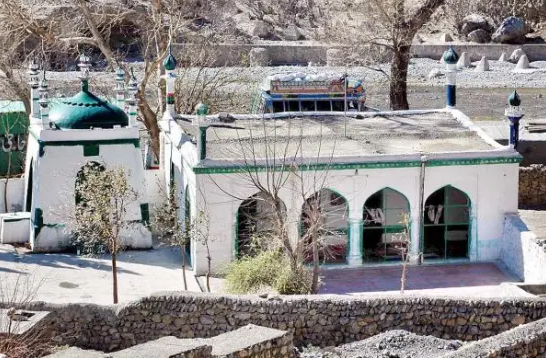
8. Ali Masjid – The Sacred Sentinel of the Khyber Pass
Located at the narrowest point of the Khyber Pass, Ali Masjid is a site of immense spiritual, historical, and strategic significance. Perched at an elevation of 3,174 feet (967 meters), this iconic mosque and fort complex has long served as a spiritual stop for travelers, a military stronghold for empires, and a symbol of reverence for the local Pashtun tribes.
Spiritual Significance
Ali Masjid is named in honor of Ali ibn Abi Talib, the cousin and son-in-law of the Prophet Muhammad. According to local tradition, Ali visited this site, and a shrine and mosque were built to commemorate his presence. A massive boulder near the mosque is believed to bear the handprint of Ali, adding to the site’s spiritual allure. Pilgrims and travelers often stop here to offer prayers before continuing their journey through the rugged terrain of the Khyber Pass.
The mosque itself is modest yet deeply revered. Its whitewashed walls and domed roof stand in contrast to the surrounding cliffs, offering a peaceful refuge amid the harsh landscape. The spiritual energy of the site is palpable, making it a must-visit for those seeking both faith and reflection.
Historical Legacy
Ali Masjid has been a focal point in several major conflicts, particularly during the Anglo-Afghan Wars. In 1842, British forces stationed at the fort were attacked during their retreat from Kabul, leading to a dramatic evacuation to Jamrud. Later, in 1878, the fort was captured by British forces under General Sir Samuel Browne during the Second Anglo-Afghan War, and the area was ceded to British control under the Treaty of Gandamak.
The British rebuilt the fort, adding watchtowers, barracks, and a small cemetery that still contains the graves of soldiers who died in battle. The valley walls near the fort bear insignias of regiments that served here, etched into the stone as lasting memorials.
Architectural Features
Ali Masjid Fort is built on a steep ridge overlooking a deep gorge. Its strategic location allowed for surveillance of the narrowest part of the Khyber Pass, where historically, two fully laden camels could barely pass each other. The fort includes:
- Stone ramparts and watchtowers with commanding views.
- Barracks and storage rooms, now partially in ruins.
- Shrine and mosque, still active and maintained by local caretakers.
- Cemetery with British-era gravestones.
What to See and Do
- Visit the Shrine: Experience the spiritual ambiance and learn about the legends surrounding Ali’s visit.
- Explore the Fort: Walk through the historic ruins and imagine the battles fought here.
- Photography: Capture stunning views of the Khyber Pass and the mosque’s serene architecture.
- Engage with Locals: Hear stories passed down through generations about the fort’s role in tribal and colonial history.
Accessibility and Travel Tips
Ali Masjid is located approximately 16 km west of Peshawar, near Landi Kotal, and is accessible via the N-5 Highway. The road winds through the Khyber Pass, offering scenic views and a thrilling drive.
- Best Time to Visit: Spring and autumn for clear skies and comfortable temperatures.
- Permits: Foreign travelers may require special clearance due to the site’s proximity to sensitive border areas.
- Local Guides: Highly recommended for historical context and safe navigation.
Why Visit Ali Masjid?
Ali Masjid is a place where faith, history, and geography converge. It offers a deeply moving experience for spiritual seekers, a rich narrative for history enthusiasts, and a visual feast for photographers. Whether you’re tracing the footsteps of empires or seeking a moment of peace in the mountains, Ali Masjid delivers a profound and unforgettable encounter.
9. Shagai Fort – The Overlooked Military Marvel of the Frontier
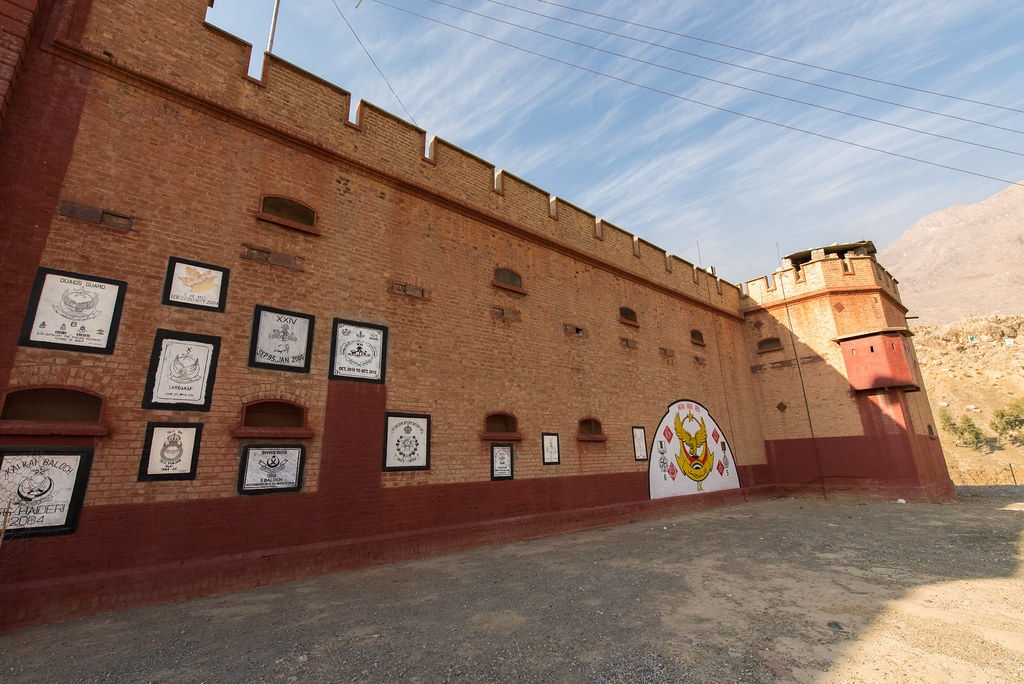
Just 13 kilometers west of Jamrud, nestled in the rugged hills of Khyber Agency, stands the imposing Shagai Fort—a British-era military outpost that once served as a critical surveillance and defense point along the Khyber Pass. Built in 1927 by British forces, the fort was designed to monitor tribal movements and secure the volatile frontier between British India and Afghanistan. Today, it remains under the control of the Frontier Corps, a paramilitary force tasked with maintaining order in Pakistan’s tribal belt.
Historical Significance
Shagai Fort was constructed during a period of intense geopolitical tension known as the Great Game, when British and Russian empires vied for influence in Central Asia. The fort’s location was chosen for its commanding views of the Khyber Pass and its proximity to tribal settlements. It served as a base for the Khyber Rifles, a legendary paramilitary unit composed of local tribesmen loyal to the British crown.
During the Second Anglo-Afghan War, Shagai Fort played a supporting role in troop movements and intelligence gathering. Its strategic importance continued into the 20th century, especially during the Soviet-Afghan conflict and the rise of cross-border militancy.
Architectural Features
Shagai Fort is a classic example of colonial military architecture, built with stone and reinforced with mud and concrete. The design is utilitarian, focused on defense and visibility:
- High perimeter walls with narrow slits for riflemen.
- Watchtowers offering 360-degree views of the surrounding terrain.
- Barracks and storage rooms for troops and supplies.
- Command posts equipped with communication gear and maps.
The fort’s elevation—approximately 847 meters above sea level—makes it an ideal lookout point. From its towers, one can see the winding trails of the Khyber Pass, the distant peaks of the Safed Koh mountains, and the bustling town of Landi Kotal.
What to See and Do
- Explore the Fort Grounds: While access may be restricted, guided tours are occasionally arranged through local authorities or travel groups.
- Viewpoints: Capture panoramic shots of the Khyber terrain from the fort’s towers.
- Military History: Learn about the role of the Khyber Rifles and the fort’s strategic importance during colonial rule.
- Nearby Attractions: Combine your visit with stops at Jamrud Fort, Ali Masjid, and Michni Post for a full historical circuit.
Accessibility and Travel Tips
Shagai Fort is accessible via road from Peshawar, with the journey taking approximately 45 minutes. The route passes through Jamrud, offering scenic views and glimpses of tribal life.
- Permits: Foreign travelers may require special clearance due to the fort’s military status.
- Best Time to Visit: Spring and autumn for clear skies and mild temperatures.
- Local Guides: Recommended for historical context and navigating security protocols.
Safety and Etiquette
As an active military site, Shagai Fort is subject to strict regulations. Visitors should:
- Avoid photography in restricted zones.
- Follow instructions from security personnel.
- Respect local customs, especially when interacting with tribal communities nearby.
Why Visit Shagai Fort?
Shagai Fort offers a unique blend of military history, architectural intrigue, and strategic geography. It’s a place where you can trace the legacy of colonial rule, understand the complexities of tribal governance, and appreciate the natural beauty of the Khyber region. For history buffs, photographers, and adventure travelers, Shagai Fort is a compelling destination that adds depth and perspective to any Khyber Agency itinerary.
10. Landi Kotal Bazaar – The Cultural Heartbeat of the Khyber Hills
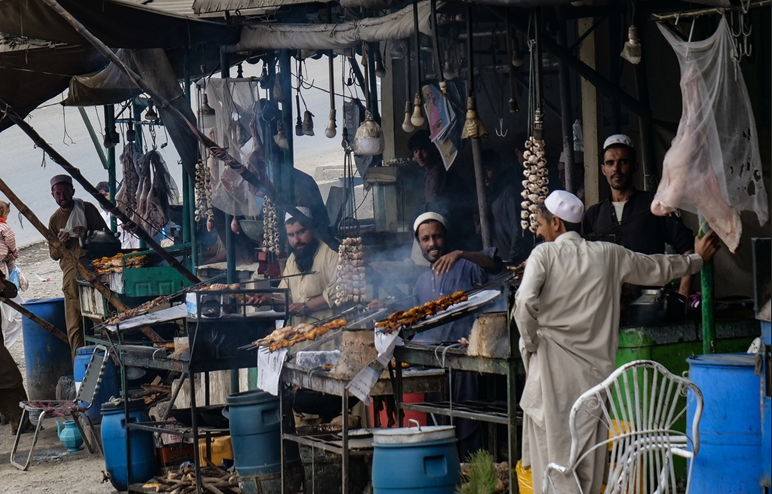
At the western edge of the Khyber Pass, nestled in the highlands of Khyber Agency, lies the lively and colorful Landi Kotal Bazaar—a marketplace that pulses with tribal energy, cross-border commerce, and centuries-old traditions. As the main shopping center for the Afridi, Shinwari, Shalmani, and Mulagori tribes, this bazaar is more than just a place to buy goods—it’s a living museum of Pashtun culture, a hub of trade, and a sensory feast for travelers.
Historical Roots
Landi Kotal has long been a strategic town, serving as a military encampment during the Second Anglo-Afghan War and later becoming the terminus of the Khyber Pass Railway. The bazaar grew organically around this military and transport hub, evolving into a vibrant commercial center that connected Pakistan and Afghanistan through trade and cultural exchange.
Historically, the bazaar was frequented by traders carrying dry fruits, carpets, weapons, and textiles across the border. Even today, remnants of this legacy are visible in the goods sold, the languages spoken, and the architecture of the market.
What to Expect
Landi Kotal Bazaar is a sensory overload—in the best way possible. The narrow alleys are lined with stalls selling everything from handwoven rugs and tribal jewelry to spices, herbal medicines, and traditional garments. The air is thick with the aroma of Kabuli Pulao, roasted lamb, and fresh naan, while the sounds of bargaining and tribal music echo through the lanes.
Key highlights include:
- Afghan Carpets: Intricately designed and hand-knotted, these are prized for their craftsmanship.
- Dry Fruits and Nuts: Sourced from nearby orchards and Afghan farms—almonds, pistachios, figs, and apricots.
- Traditional Weapons: Decorative daggers, swords, and antique rifles, often engraved with tribal insignias.
- Pashtun Attire: Embroidered shawls, turbans, and waistcoats that reflect regional styles.
- Herbal Remedies: Natural oils, balms, and powders used in traditional healing.
Cultural Immersion
The bazaar is not just a place to shop—it’s a place to connect. Visitors can engage with local shopkeepers, many of whom are eager to share stories about their goods, their tribes, and the region’s history. The market is also a great place to observe Pashtun hospitality, where tea is offered freely and conversations flow easily.
You’ll hear a mix of Pashto, Urdu, and Dari, and see people from both sides of the border exchanging goods and greetings. It’s a rare opportunity to witness cross-cultural interaction in real time.
Accessibility and Travel Tips
Landi Kotal is located approximately 65 km from Peshawar, accessible via the N-5 National Highway. The drive through the Khyber Pass is scenic and historic, making the journey part of the experience.
- Best Time to Visit: Morning hours for fresh produce and fewer crowds.
- Currency: Pakistani Rupees are accepted, but some vendors also deal in Afghan currency.
- Bargaining: Expected and encouraged—just be respectful and friendly.
- Security: The bazaar is generally safe, but travelers should remain aware of local advisories.
Nearby Attractions
Combine your visit to the bazaar with stops at:
- Jamrud Fort
- Ali Masjid
- Michni Post
- Ayub Afridi Fort
These sites are all within driving distance and offer a well-rounded view of Khyber Agency’s history and culture.
Why Visit Landi Kotal Bazaar?
Landi Kotal Bazaar is the beating heart of tribal commerce and culture. It offers a dynamic blend of history, hospitality, and heritage, making it a must-visit for anyone exploring the Khyber region. Whether you’re hunting for unique souvenirs, tasting authentic Pashtun cuisine, or simply soaking in the atmosphere, this bazaar delivers an unforgettable experience.
Climate and Weather of Khyber Agency
Khyber Agency, located in the northwestern highlands of Pakistan, experiences a diverse and dynamic climate shaped by its elevation, mountainous terrain, and proximity to the Afghan border. The region falls under a humid subtropical climate zone (Köppen classification: Cfa), with no distinct dry season and moderate rainfall spread throughout the year. Its weather patterns are influenced by both continental and monsoonal systems, making it a fascinating destination for travelers who enjoy seasonal variety.
Temperature Overview
The average annual temperature in Khyber Agency is approximately 18.5°C (65.3°F), slightly cooler than Pakistan’s national average. Summers are warm but not excessively hot due to the elevation, while winters can be quite chilly, especially in the higher altitudes.
- Summer (May–August): Temperatures range from 29°C to 39°C (84°F to 102°F). June is typically the hottest month, with highs reaching up to 32.4°C (90.3°F).
- Winter (December–February): Temperatures can drop to 0.5°C (32.9°F) in January, the coldest month. Frost is common in elevated areas, and snow may occur in nearby mountain passes.
- Spring and Autumn: These transitional seasons offer the most pleasant weather, with daytime temperatures between 17°C and 25°C (63°F to 77°F) and cool nights.
Rainfall and Precipitation
Khyber Agency receives an average of 124 mm (4.9 inches) of precipitation annually, spread across 137 rainy days. The wettest months are July and August, coinciding with the South Asian monsoon season. During this time, the region experiences heavy downpours, especially in the valleys and foothills.
- Wettest Month: August, with up to 258 mm (10.2 inches) of rainfall.
- Driest Month: December, with only 28 mm (1.1 inches) of precipitation.
- Humidity Levels: Average annual humidity is around 44%, peaking during the monsoon and dipping in the dry winter months.
Wind and Air Quality
Wind speeds in Khyber Agency are generally mild, averaging 2.9 km/h, but can increase during transitional seasons. The air quality is relatively good due to low industrial activity, though dust storms may occur in summer, especially in open valleys.
Sunshine and Visibility
The region enjoys over 11 hours of sunshine per day on average, with the longest sunny days occurring in May and June. Visibility is generally excellent, especially in spring and autumn, making these seasons ideal for photography and sightseeing.
Microclimates and Elevation Effects
Due to its elevation—approximately 1,430 meters (4,694 feet) above sea level—Khyber Agency features microclimates that vary between valleys, ridges, and urban centers. For example:
- Landi Kotal tends to be cooler and windier than Jamrud.
- Tirah Valley experiences colder winters and more precipitation due to its forested terrain.
These variations make it essential for travelers to check local forecasts and pack accordingly, especially if venturing into remote or elevated areas.
Best Time to Visit Khyber Agency
Planning a trip to Khyber Agency requires careful timing to make the most of its dramatic landscapes, historical sites, and cultural richness. The region’s climate varies significantly across seasons, so choosing the right time to visit can enhance your experience and ensure comfort, safety, and accessibility.
Spring (March to May) – The Ideal Season for Exploration
Spring is widely considered the best time to visit Khyber Agency. During these months, the weather is mild, the skies are clear, and the valleys come alive with wildflowers and fresh greenery. Temperatures range from 24°C to 32°C, making it perfect for outdoor activities like:
- Trekking in Tirah Valley
- Exploring forts and historical sites
- Photography in Shalman Park and Michni Post
Rainfall is moderate, and the region enjoys long hours of sunshine, ideal for sightseeing and cultural immersion. Spring also coincides with tribal festivals and local gatherings, offering travelers a chance to experience authentic Pashtun traditions.
Summer (June to August) – Hot but Manageable
Summer in Khyber Agency can be hot and dry, with temperatures peaking at 39°C to 42°C, especially in lower areas like Jamrud. However, the elevated regions such as Landi Kotal and Tirah Valley remain relatively cooler, making them suitable for travel.
This season is best for:
- Mountain escapes to cooler altitudes
- Cultural tours in shaded bazaars like Landi Kotal
- Adventure travel for experienced trekkers
Monsoon rains arrive in July and August, bringing lush greenery but also occasional road closures due to landslides or flooding. Travelers should monitor weather forecasts and plan accordingly.
Autumn (September to November) – Golden Landscapes and Clear Skies
Autumn is another excellent time to visit, especially for those who prefer crisp air and golden scenery. Temperatures range from 26°C to 36°C, and rainfall decreases significantly, making it ideal for:
- Historical sightseeing at forts and shrines
- Shopping in tribal bazaars
- Scenic drives through the Khyber Pass
The post-monsoon clarity offers stunning visibility, perfect for photography and panoramic views from sites like Shagai Fort and Michni Post.
Winter (December to February) – Quiet and Cold
Winter in Khyber Agency is cold and quiet, with temperatures dropping to 0°C in elevated areas. While snow is rare in the main towns, Tirah Valley and surrounding peaks may experience light snowfall.
This season is best for:
- Cultural exploration without crowds
- Historical tours in Jamrud and Landi Kotal
- Short hikes in lower altitudes
However, winter is not ideal for trekking or outdoor camping, and some remote areas may be inaccessible due to weather conditions.
Month-by-Month Snapshot
| Month | Avg Temp (°C) | Rainfall (mm) | Travel Rating |
|---|---|---|---|
| January | 19 / 9 | 4 | ⭐⭐ |
| February | 20 / 10 | 41 | ⭐⭐⭐ |
| March | 24 / 13 | 62 | ⭐⭐⭐⭐ |
| April | 32 / 19 | 45 | ⭐⭐⭐⭐ |
| May | 39 / 26 | 22 | ⭐⭐⭐⭐ |
| June | 42 / 30 | 45 | ⭐⭐ |
| July | 39 / 29 | 125 | ⭐ |
| August | 37 / 28 | 174 | ⭐ |
| September | 36 / 26 | 67 | ⭐⭐⭐⭐ |
| October | 32 / 22 | 9 | ⭐⭐⭐⭐ |
| November | 26 / 16 | 7 | ⭐⭐⭐⭐ |
| December | 20 / 10 | 0 | ⭐⭐ |
Local Food and Best Restaurants in Khyber Agency
A Taste of Tribal Tradition
The cuisine of Khyber Agency is deeply rooted in Pashtun culture, known for its bold flavors, generous portions, and emphasis on meat-based dishes. Influenced by Afghan, Persian, and Central Asian culinary traditions, the food here is hearty, aromatic, and often cooked over open flames. Whether you’re dining in a roadside dhaba or a refined restaurant in nearby Peshawar, the region offers a diverse palette of flavors that reflect its rich history and tribal diversity.
Signature Dishes to Try:
- Kabuli Pulao: Fragrant rice cooked with lamb, raisins, and carrots.
- Chapli Kebab: Spiced minced meat patties, shallow-fried to perfection.
- Rosh: Slow-cooked lamb stew, often served with naan or Dir Roti.
- Mantu: Afghan-style dumplings filled with minced meat and onions.
- Sajji: Whole lamb or chicken roasted on skewers, seasoned with salt and spices.
- Afghani Naan: Thick, fluffy bread baked in clay ovens.
- Lacha Paratha: Crispy, layered flatbread often served with chai.
- Red Bean Curry: A vegetarian option with tribal spices and herbs.
- Sheer Yakh: A creamy frozen dessert similar to kulfi.
Top Restaurants Near Khyber Agency
Here’s a curated table of restaurants offering traditional and modern cuisine in and around Khyber Agency, especially in Peshawar, Jamrud, and Landi Kotal. These listings include local favorites, fine dining spots, and hidden gems.
| Restaurant Name | Location | Cuisine Type | Contact / Notes |
|---|---|---|---|
| Chief Burger | Peshawar | Fast Food, Pizza | Famous local chain |
| Lokanta Restaurant | Peshawar | Chinese, Mediterranean | Elegant ambiance |
| Charasi Tikka Shop | Peshawar | BBQ, Karahi | Best mutton tikka |
| Shiraz Ronaq | Peshawar | Pakistani, BBQ | Near Saddar |
| Pak Afghan Aryana Restaurant | Abbottabad | Afghan, Middle Eastern | Authentic Afghan food |
| Cafe Crunch | Peshawar | International, Café | Great for snacks |
| Biryani Restaurant | Peshawar | Middle Eastern | High-end biryani spot |
| Tai Pan (PC Hotel) | Peshawar | Chinese, Asian | Fine dining |
| Monal Peshawar | Peshawar | Buffet, Pakistani | Scenic rooftop views |
| Baithak Restaurant | Peshawar | Desi Cuisine | Cozy ambiance |
| Khorak Mahal | Malakand | Kabuli Pulao, Rosh | Tribal specialties |
| Hujra Restaurant | Swat | Chinese, BBQ | Traditional setting |
| Pakhtoon Quetta Café | Peshawar | Breakfast, Paratha | Famous for chai |
| Platter House Restaurant | Mardan | BBQ Platters | Outdoor seating |
| The City Food Court | Peshawar | Mixed Cuisine | Family-friendly |
| Habibi Restaurant | Peshawar | BBQ, Karahi | Popular among locals |
| Marco Polo | Peshawar | Continental | Elegant dining |
| Arabian Chick Fastfood | Peshawar | Fast Food | Local favorite |
| Food Punch | Peshawar | Fast Food | Casual dining |
| Mr. Cod | Peshawar | Seafood | Fried fish & chips |
| Cafe Di Milano | Peshawar | Coffee, Snacks | Trendy vibe |
| Flipperz Pizzeria | Peshawar | Pizza | Youth hotspot |
| Dunking Donuts | Peshawar | Donuts, Coffee | American-style café |
| KFC | Peshawar | Fast Food | International chain |
| Hong Kong Chinese Restaurant | Peshawar | Chinese | Authentic flavors |
| Tatara Park Café | Peshawar | Snacks, Ice Cream | Parkside dining |
| Afghan Darbar | Jamrud | Afghan Cuisine | Local favorite |
| Afridi BBQ House | Landi Kotal | BBQ, Rosh | Tribal specialties |
| Khyber Tandoor | Jamrud | Tandoori, Naan | Famous for Afghani naan |
| Frontier Feast | Peshawar | Mixed Grill | Family-style platters |
| Charsi Karahi | Peshawar | Karahi, BBQ | Iconic meat dishes |
| Namak Mandi Restaurant | Peshawar | Lamb Karahi | Historic food street |
| Kabul Kitchen | Peshawar | Afghan, Kabuli Pulao | Authentic Afghan flavors |
| Tribal Table | Jamrud | Traditional Pashtun | Cultural dining experience |
| Bukhara Restaurant | Peshawar | Mughlai, BBQ | Elegant interiors |
| Chai Shai | Peshawar | Tea, Snacks | Youth hangout |
| Qissa Khwani Café | Peshawar | Desi, Continental | Inspired by historic bazaar |
| Peshawar Nights | Peshawar | Buffet, BBQ | Rooftop dining |
| Afghan Flame | Jamrud | Kabuli Pulao, Mantu | Authentic Afghan cuisine |
| Khyber Kitchen | Landi Kotal | Tribal BBQ | Local favorite |
| Rosh House | Jamrud | Rosh, Dir Roti | Specializes in lamb stew |
| Naan Stop | Peshawar | Bread, Snacks | Variety of naan |
| Charsi Tikka | Peshawar | Tikka, BBQ | Famous for mutton tikka |
| Tribal Bites | Jamrud | Fast Food, BBQ | Youth-friendly spot |
| Peshawar Darbar | Peshawar | Pakistani Cuisine | Elegant ambiance |
| The Khyber Grill | Landi Kotal | BBQ, Karahi | Scenic location |
| Kabuli Corner | Peshawar | Kabuli Pulao | Authentic Afghan rice |
| Chai Adda | Peshawar | Tea, Paratha | Cozy café |
| Afghan Aroma | Jamrud | Afghan Cuisine | Family-run gem |
| Tribal Spice | Landi Kotal | BBQ, Curry | Local ingredients |
Accommodation and Hotels in Khyber Agency
Finding the right place to stay is essential for a comfortable and memorable trip to Khyber Agency. While the region itself has limited hotel infrastructure due to its tribal and mountainous nature, nearby cities like Peshawar, Jamrud, and Landi Kotal offer a range of options—from cozy guesthouses to luxury hotels. Whether you’re a solo traveler, a family on vacation, or a history enthusiast exploring the Khyber Pass, there’s a place for you to rest and recharge.
Types of Accommodation Available
- Guest Houses: Ideal for budget travelers and backpackers. These offer basic amenities and a homely atmosphere.
- Mid-Range Hotels: Comfortable rooms, in-house dining, and proximity to major attractions.
- Luxury Hotels: Premium services, elegant interiors, and enhanced security—mostly found in Peshawar.
- Tribal Lodges: Unique stays offering cultural immersion and traditional hospitality.
Top Hotels Near Khyber Agency
Here’s a curated list of hotels and guesthouses in and around Khyber Agency, especially in Peshawar, Jamrud, and Landi Kotal, based on proximity, amenities, and traveler reviews.
| Hotel Name | Location | Type | Key Features |
|---|---|---|---|
| Serena Hotel Peshawar | Peshawar | Luxury | Pool, Spa, Fine Dining |
| Pearl Continental Peshawar | Peshawar | Luxury | Business Center, Gym, Buffet |
| Shahi Palace Guest House | Peshawar | Mid-Range | Free WiFi, Breakfast, Parking |
| Green Lodge Guest House | Peshawar | Budget | Restaurant, AC Rooms, Laundry |
| Khyber Guest House Swat | Saidu Sharif | Apartment Stay | Kitchenette, Balcony, Family Rooms |
| Peshawar View Hotel | Peshawar | Mid-Range | Rooftop Dining, City Views |
| Afridi Inn | Landi Kotal | Guest House | Tribal Decor, BBQ Area |
| Jamrud Residency | Jamrud | Budget | Local Cuisine, Basic Amenities |
| Frontier Motel | Peshawar | Mid-Range | Garden, Parking, Room Service |
| Namak Mandi Hotel | Peshawar | Boutique | Historic Location, Traditional Decor |
| Chinar Hotel | Peshawar | Budget | Near Saddar, Clean Rooms |
| Khyber Heights | Jamrud | Mid-Range | Scenic Views, Tribal Hospitality |
| Royal Inn | Peshawar | Budget | AC Rooms, WiFi, Breakfast |
| The Grand Peshawar | Peshawar | Luxury | Conference Hall, Spa |
| Afghan Heritage Lodge | Jamrud | Guest House | Cultural Decor, Afghan Cuisine |
| Landi Kotal Rest House | Landi Kotal | Budget | Mountain Views, Local Hosts |
| Peshawar Continental | Peshawar | Mid-Range | Buffet, Business Facilities |
| Tribal Stay Inn | Jamrud | Guest House | Traditional Rooms, Local Guides |
| Swat Serena Hotel | Swat | Luxury | Mountain Views, Fine Dining |
| Hayatabad Guest House | Peshawar | Budget | Near Shalman Park, Quiet Location |
| Khyber Residency | Jamrud | Mid-Range | Family Rooms, Parking |
| Peshawar Palace Hotel | Peshawar | Boutique | Elegant Interiors, Breakfast |
| The Khyber Lodge | Landi Kotal | Guest House | Tribal Decor, Cultural Events |
| Hotel Pakhtunkhwa | Peshawar | Budget | Near University, Clean Rooms |
| Jamrud Fort View Hotel | Jamrud | Mid-Range | Fort Views, Rooftop Café |
| Peshawar Inn | Peshawar | Budget | Central Location, Free WiFi |
| Afghan Guest House | Jamrud | Guest House | Afghan Cuisine, Cultural Decor |
| Hotel Frontier View | Peshawar | Mid-Range | Scenic Views, Garden |
| Tribal Heritage Hotel | Jamrud | Boutique | Cultural Ambiance, Local Art |
| Hotel Landi Kotal Hills | Landi Kotal | Budget | Hilltop Views, Quiet Stay |
| Peshawar Residency | Peshawar | Mid-Range | Business Facilities, Parking |
| Khyber Pass Motel | Jamrud | Budget | Near Ali Masjid, Basic Amenities |
| Hotel Afridi Pride | Landi Kotal | Guest House | BBQ Area, Tribal Hospitality |
| Peshawar Horizon Hotel | Peshawar | Boutique | Rooftop Lounge, Elegant Rooms |
| Jamrud Hills Lodge | Jamrud | Guest House | Mountain Views, Cultural Decor |
| Hotel Namak Mandi Heritage | Peshawar | Boutique | Historic Location, Traditional Cuisine |
| Khyber Gateway Hotel | Jamrud | Mid-Range | Near Torkham, Scenic Views |
| Peshawar Elite Hotel | Peshawar | Luxury | Spa, Gym, Fine Dining |
| Hotel Tribal Comfort | Jamrud | Guest House | Cozy Rooms, Local Cuisine |
| Landi Kotal View Inn | Landi Kotal | Budget | Hilltop Location, Quiet Stay |
| Peshawar Garden Hotel | Peshawar | Mid-Range | Garden, Family Friendly |
| Afghan Border Motel | Jamrud | Budget | Near Torkham, Basic Amenities |
| Hotel Khyber Legacy | Peshawar | Boutique | Cultural Decor, Rooftop Café |
| Jamrud Valley Inn | Jamrud | Guest House | Scenic Views, Tribal Hospitality |
| Peshawar Heritage Stay | Peshawar | Boutique | Historic Building, Elegant Rooms |
| Hotel Frontier Spirit | Jamrud | Guest House | Cultural Events, Local Cuisine |
| Khyber Hills Retreat | Landi Kotal | Mid-Range | Mountain Views, BBQ Area |
| Peshawar Urban Lodge | Peshawar | Budget | Near Saddar, Clean Rooms |
| Hotel Tribal Essence | Jamrud | Boutique | Traditional Decor, Cultural Tours |
| Landi Kotal Heritage Inn | Landi Kotal | Guest House | Historic Location, Tribal Hosts |
Frequently Asked Questions (FAQs) About Khyber Agency
1. Where is Khyber Agency located?
Khyber Agency, now officially known as Khyber District, is part of Khyber Pakhtunkhwa province in northwest Pakistan. It borders Peshawar to the east and Nangarhar Province of Afghanistan to the west.
2. Do I need a permit to visit Khyber Agency?
Yes, foreign travelers require special permits to visit certain areas of Khyber Agency due to its proximity to the Afghan border and sensitive tribal zones. Domestic tourists may also need to register with local authorities or travel via approved tour operators.
3. What languages are spoken in Khyber Agency?
The dominant language is Pashto, spoken by over 99% of the population. Urdu is also understood, especially in urban centers and among younger generations.
4. Is Khyber Agency safe for tourists?
Security has improved significantly in recent years, especially after the merger of FATA with Khyber Pakhtunkhwa in 2018. However, travelers should stay updated on local advisories, travel with guides, and avoid venturing into remote areas without permission.
5. What is the cultural etiquette in Khyber Agency?
Khyber Agency follows Pashtunwali, a traditional code of conduct emphasizing hospitality, honor, and respect. Visitors should dress modestly, avoid public displays of affection, and always ask before taking photos of people or private property.
6. What are the top places to visit in Khyber Agency?
Some must-see attractions include:
- Khyber Pass
- Jamrud Fort
- Ali Masjid
- Michni Post
- Tirah Valley
- Landi Kotal Bazaar
- Shagai Fort
- Ayub Afridi Fort
- Shalman Park
- Torkham Border
7. What kind of food is available in Khyber Agency?
The region is famous for Kabuli Pulao, Chapli Kebabs, Rosh, and Afghani Naan. Many restaurants in Peshawar, Jamrud, and Landi Kotal serve authentic tribal and Afghan cuisine.
8. Where can I stay when visiting Khyber Agency?
While accommodation within the agency is limited, nearby cities offer a wide range of options. Top choices include:
- Serena Hotel Peshawar
- Pearl Continental Peshawar
- Jamrud Residency
- Landi Kotal Rest House
- Tribal Stay Inn
9. How do I get to Khyber Agency?
You can reach Khyber Agency:
- By Air: Fly into Bacha Khan International Airport (Peshawar)
- By Road: Drive from Peshawar via the N-5 Highway
- By Train: Historical Khyber Railway is currently inactive, but trains run to Peshawar
10. What is the best time to visit Khyber Agency?
The best seasons are spring (March–May) and autumn (September–November) for pleasant weather, clear skies, and cultural festivals.


