
Table of Contents
ToggleIntroduction to Sialkot: The Historic Heart of Industrial Punjab
Sialkot, nestled in the northeastern corner of Pakistan’s Punjab province, is a city where history, industry, and culture seamlessly converge. Approximately 125 kilometers from Lahore, this vibrant city has long held a significant place in the historical and economic landscape of South Asia. From being the birthplace of famed poet Allama Iqbal to earning international recognition as the world’s leading exporter of sporting goods, Sialkot is a multifaceted destination with deep cultural roots and modern flair.
With a history dating back to ancient times, Sialkot is believed to have been founded by Raja Sul, a contemporary of Alexander the Great. Later flourishing under the Mughal Empire, the city evolved into a center of Islamic learning and culture. British colonial rule further transformed Sialkot into a major trade and manufacturing hub, establishing the industrial foundations that continue to thrive today.
Sialkot is globally renowned for its unparalleled craftsmanship in sports goods, surgical instruments, leather products, and textiles. In fact, the city supplies over 70% of the world’s hand-stitched footballs, making it an unsung hero of global sports events—including FIFA World Cups.
Yet, beyond its industrial prowess, Sialkot boasts a captivating cultural heritage. Its historic mosques, colonial-era buildings, bustling bazaars, and tranquil parks offer visitors a unique blend of tradition and modernity. The city’s vibrant arts scene, hospitable locals, and rich culinary offerings add layers to its appeal, creating a destination that is both authentic and evolving.
For travelers seeking an immersive experience into Pakistan’s industrious spirit and cultural wealth, Sialkot offers an unforgettable journey. Whether you’re a history enthusiast, a curious traveler, or a business professional, this guide will walk you through everything you need to know to explore Sialkot confidently and enjoyably.
Top Tourist Attractions in Sialkot, Pakistan
1. Iqbal Manzil, Birthplace of Allama Iqbal
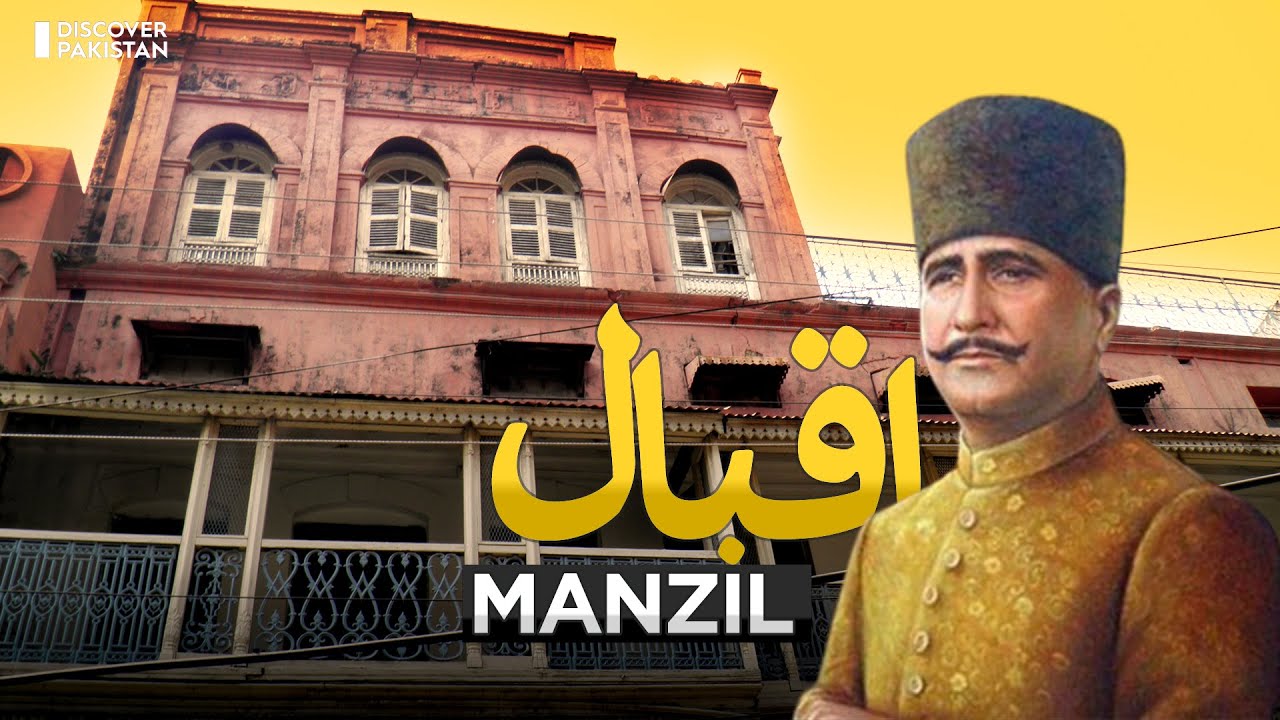
Historical Background:
Iqbal Manzil is the ancestral home of Dr. Allama Muhammad Iqbal, the philosopher-poet and spiritual father of Pakistan. Built in the 19th century, this historic mansion reflects traditional Kashmiri-Punjabi architecture and is located in the heart of old Sialkot.
Significance:
A national heritage site, the house is now converted into a museum showcasing Iqbal’s personal belongings, rare photographs, handwritten manuscripts, and early editions of his poetry. It serves as a cultural and educational pilgrimage site for scholars, students, and tourists alike.
Visitor Information:
-
Opening Hours: 9:00 AM – 5:00 PM (Closed on Fridays)
-
Entry Fee: Free
-
Photography Tips: Capture the intricate wooden balconies, calligraphy pieces, and Iqbal’s study desk using natural daylight for authentic texture.
-
Accessibility: Located in narrow lanes; small vehicles or walking recommended.
2. Clock Tower (Ghanta Ghar) and Saddar Bazar
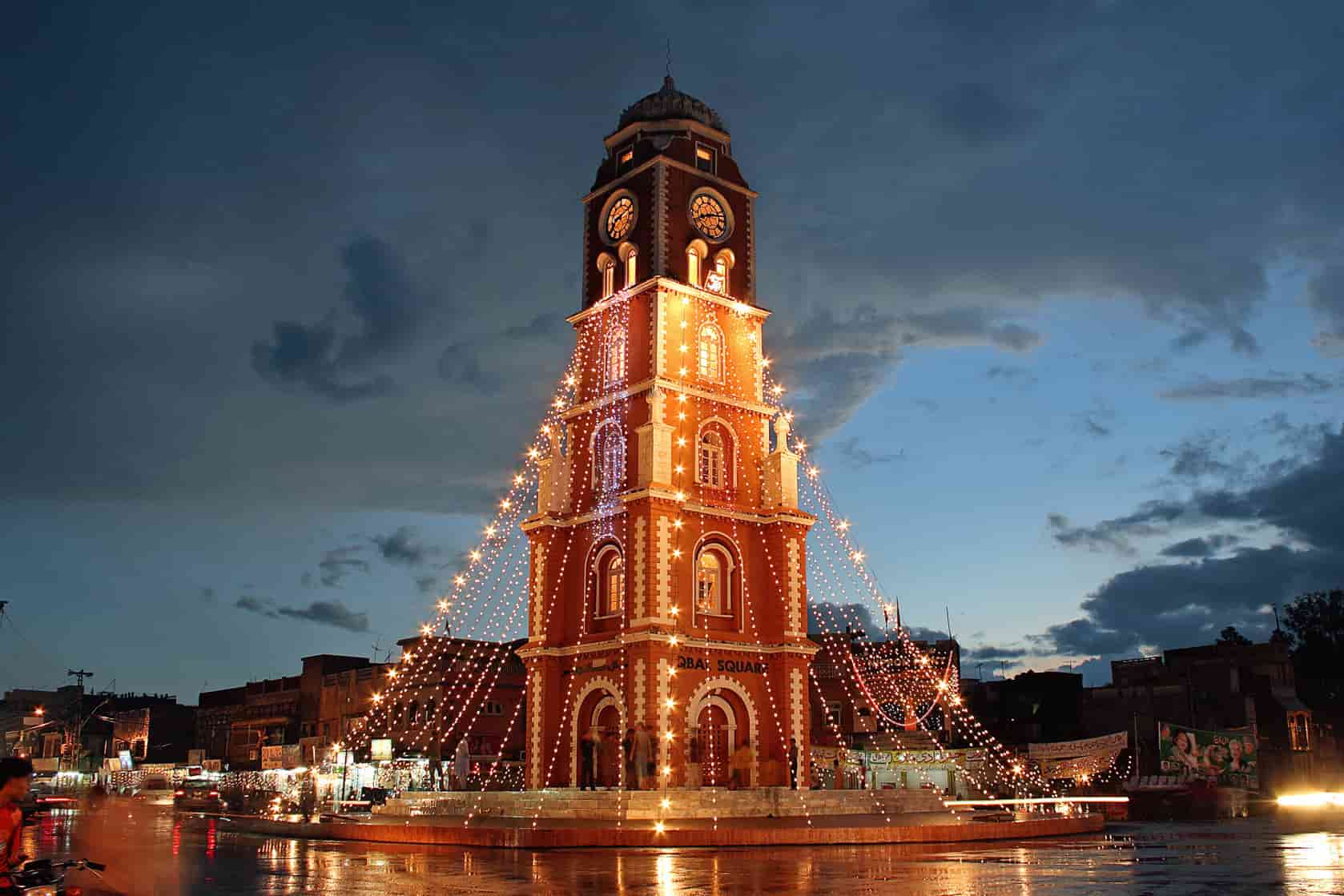
Historical Background:
Built during the British colonial era, Sialkot’s Clock Tower stands as a symbol of urban development during the 19th century. It marks the commercial heart of the city.
Significance:
Surrounded by bustling Saddar Bazar, the area is ideal for experiencing the rhythm of Sialkot’s daily life—featuring markets for sports gear, textiles, and traditional goods.
Visitor Information:
-
Best Time to Visit: Evening for shopping and local snacks
-
Special Features: The tower’s antique design and the lively bazar ambiance
-
Travel Tip: Wear comfortable footwear; expect crowds
-
Accessibility: Easily reachable by rickshaw, car, or on foot from city center
3. Sialkot Fort
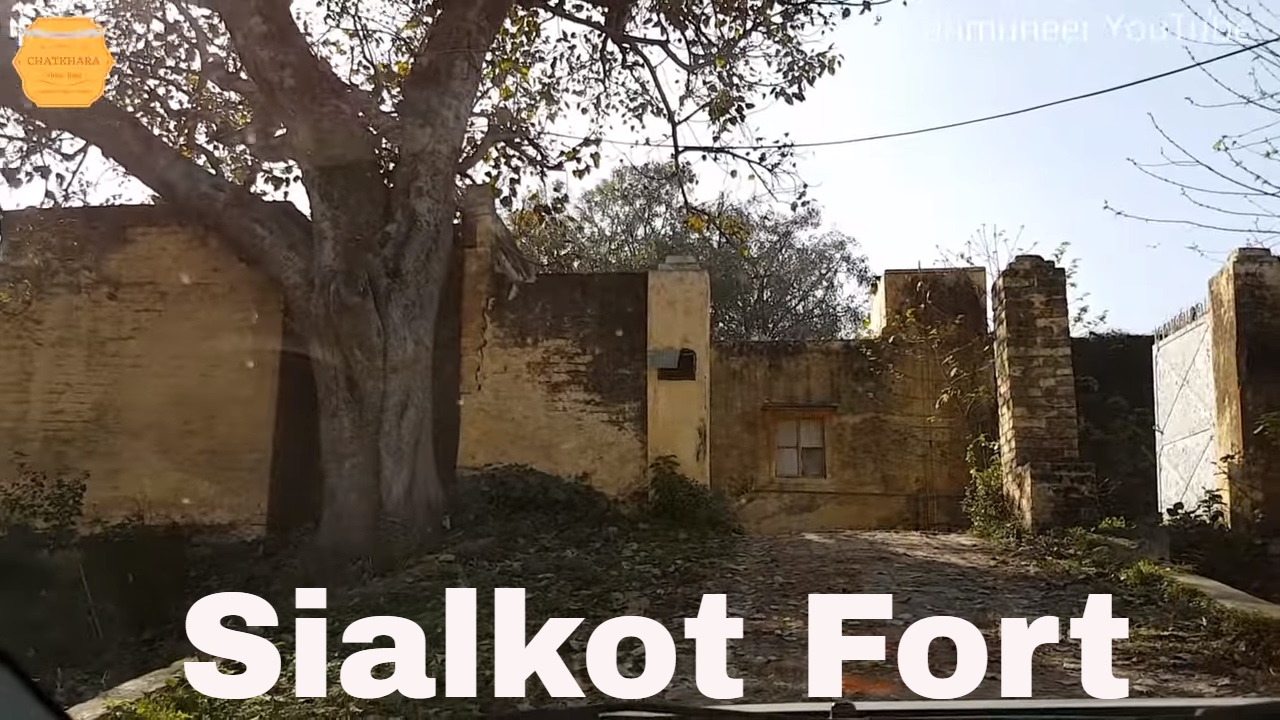
Historical Background:
Sialkot Fort is believed to be one of the oldest forts in Pakistan, originally built by Raja Sál in the 2nd century and later rebuilt by Shahab-ud-Din Ghauri in the 12th century.
Significance:
Though much of it is now in ruins, its ancient walls still exude a sense of history. It sits near Allama Iqbal Library and provides panoramic views of the surrounding city.
Visitor Information:
-
Entry Fee: Free
-
Best for: History enthusiasts and photographers
-
Photography Tip: Best light in morning or golden hour for moody textures
-
Accessibility: Near city center; accessible by car or bike
4. Murray College
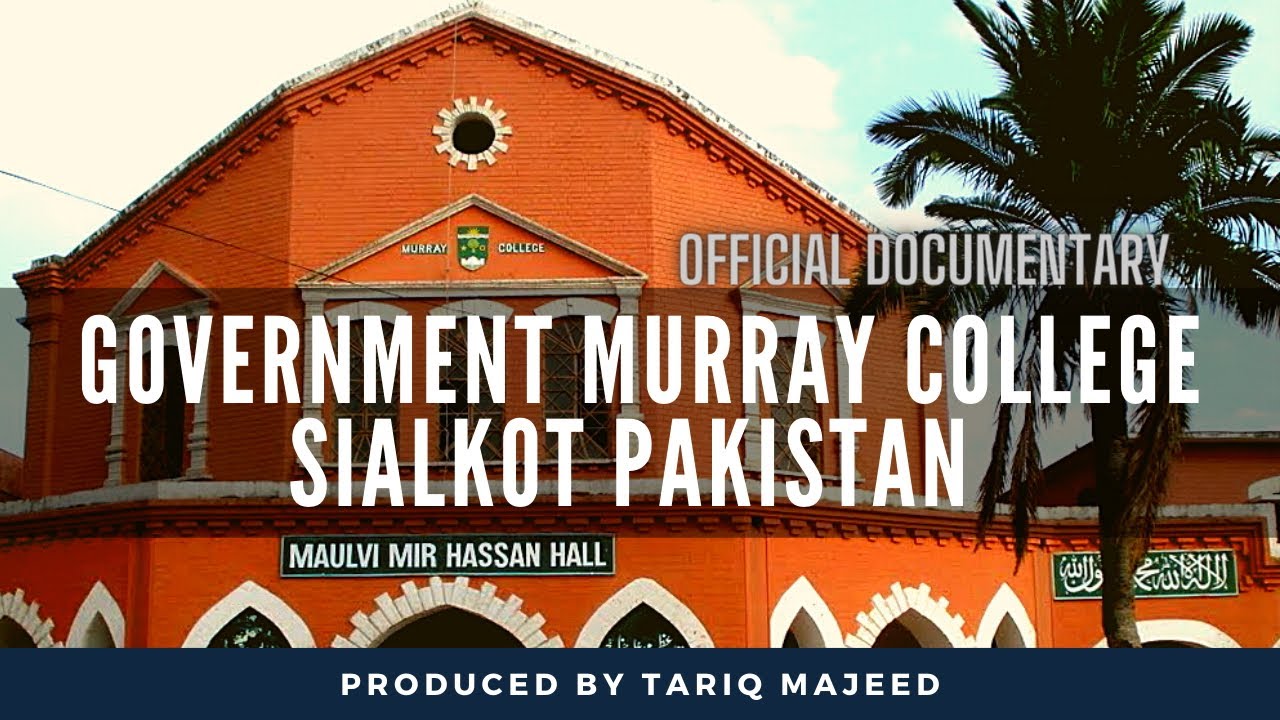
Historical Background:
Established in 1889, Murray College is one of Pakistan’s oldest educational institutions. It has the distinction of being the alma mater of Allama Iqbal.
Significance:
Its colonial-era architecture, sprawling lawns, and historic classrooms create a scenic and educationally significant destination.
Visitor Information:
-
Access: May require prior permission for inside tours
-
Tip: Visit during academic events or national holidays
-
Photography Tip: Colonial-style red-brick buildings and library interior
-
Accessibility: Located centrally; accessible via auto-rickshaw or private vehicle
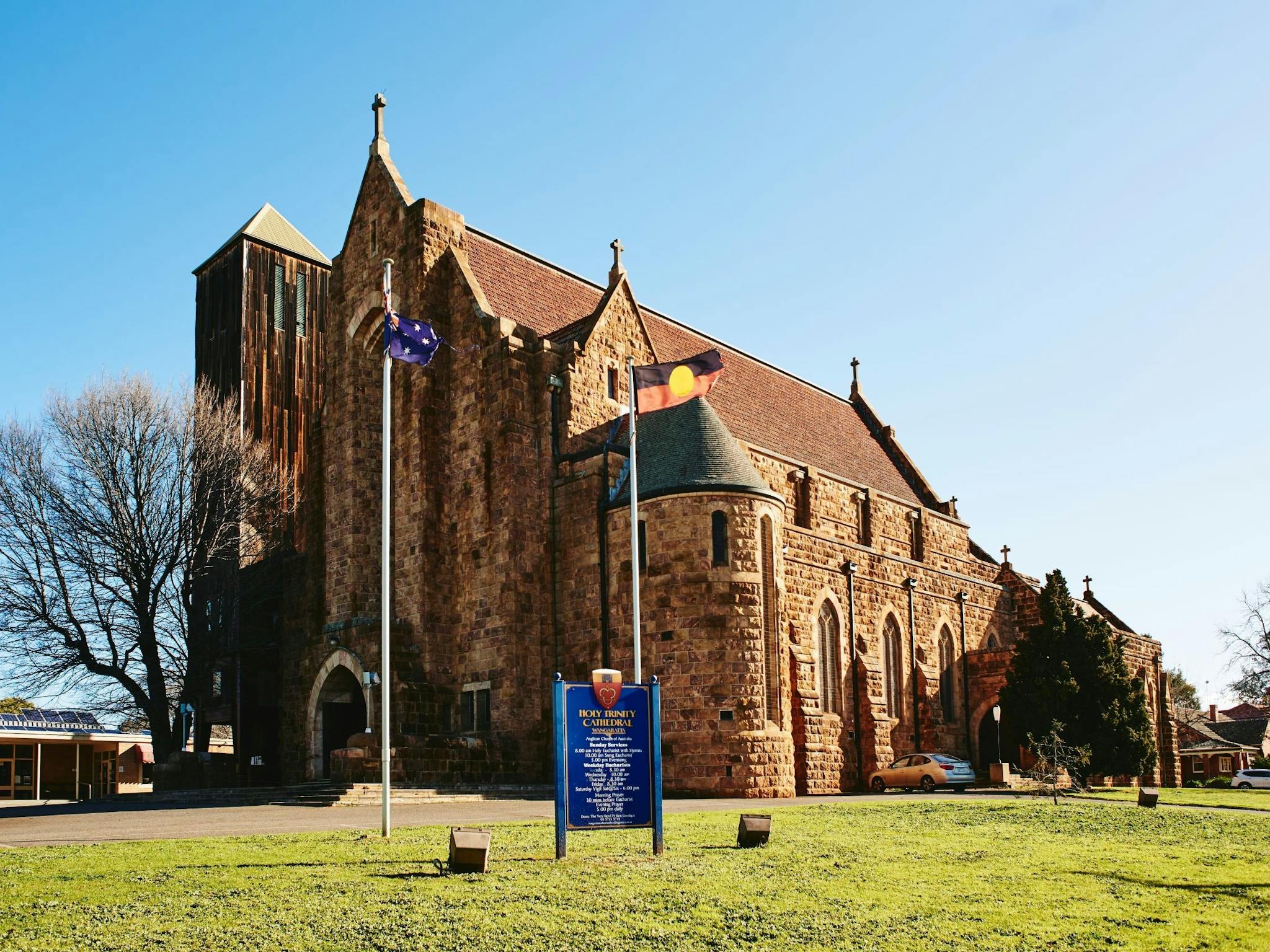
5. Holy Trinity Cathedral Church
Historical Background:
Built in 1852 by British officers stationed in Sialkot, the Holy Trinity Cathedral is one of the city’s oldest churches.
Significance:
This Gothic-style structure with stained-glass windows and pointed arches reflects the colonial history of the region. It is still active and hosts religious services.
Visitor Information:
-
Visiting Hours: 10:00 AM – 4:00 PM (except Sundays)
-
Respect: Dress modestly; ask before photographing interior
-
Photography Tip: Exterior shots during morning light
-
Accessibility: Near the cantonment area
6. Sialkot Cathedral (Church of Scotland)
Historical Background:
Another British-era marvel, this cathedral was part of the missionary movement in colonial Punjab and remains an important Protestant place of worship.
Significance:
Surrounded by gardens, it serves as a quiet spiritual and architectural retreat.
Visitor Information:
-
Open for visitors: With prior permission
-
Cultural Tip: Maintain respectful silence
-
Accessibility: Located within civil lines; easy car access
7. Head Marala and Marala Barrage
Historical Background:
Located about 23 kilometers from Sialkot, Marala Headworks was constructed on the Chenab River to control water flow and irrigation.
Significance:
This spot has become a favorite recreational and picnic area for locals and tourists. It’s also a paradise for bird watchers and nature photographers.
Visitor Information:
-
Best Time to Visit: Winter for bird migration
-
Activities: Boating (seasonal), fishing, photography
-
Facilities: Food stalls, parking, picnic areas
-
Accessibility: Reachable by car or bike; approx. 40 min from city center
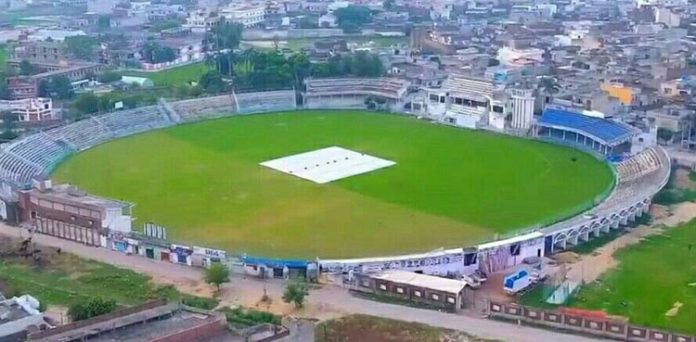
8. Jinnah Stadium (Formerly Connelly Park Stadium)
Historical Background:
This is Sialkot’s premier sports venue and has hosted many international and domestic cricket matches. It is known for its high-quality turf and enthusiastic local crowds.
Significance:
A must-visit for sports fans, especially those interested in Pakistan’s cricket heritage.
Visitor Information:
-
Entry: Restricted during matches or events
-
Best For: Cricket enthusiasts, stadium tours
-
Nearby: Factory outlets for sports brands
-
Accessibility: Near Paris Road; accessible by public transport
9. Puran’s Well and Shrine of Puran Bhagat
Historical Background:
Linked to the legend of Puran Bhagat, this spiritual site represents ancient folklore from the Punjab region. Puran was a prince turned ascetic, known for his wisdom and compassion.
Significance:
The site includes an ancient stepwell and a shrine where devotees and visitors come for blessings and peace.
Visitor Information:
-
Vibe: Peaceful, reflective
-
Photography Tip: Well structure and pilgrims’ rituals
-
Accessibility: Located in the outskirts; requires private transport
10. Seerat Study Center and Library
Historical Background:
Built to promote Islamic scholarship and research on the life of Prophet Muhammad (PBUH), this center features vast reading halls and religious texts.
Significance:
Ideal for travelers interested in religious studies, philosophy, and academic insight into Islamic history.
Visitor Information:
-
Open Hours: 9:00 AM – 5:00 PM
-
Facilities: Library, research center, quiet zones
-
Accessibility: Centrally located
How to Travel to Sialkot: Transportation Guide
Sialkot is well-connected through a network of road, air, and public transportation systems, making it accessible for both domestic and international travelers. Whether you’re arriving from major Pakistani cities or flying in from abroad, there are several efficient ways to get to and around Sialkot.
By Air: Sialkot International Airport (SKT)
Sialkot is home to Pakistan’s first privately owned international airport—Sialkot International Airport (SKT)—located around 14 kilometers west of the city center.
-
International Flights: Operates direct flights from the UAE, Saudi Arabia, Qatar, Oman, and several European destinations.
-
Domestic Flights: Offers flights to and from Karachi, Islamabad, and other major cities via carriers like PIA and AirSial.
-
Airport Transport: Taxis, ride-hailing apps (Careem, InDrive), and hotel shuttles are available at the terminal. Travel time to downtown Sialkot is around 25–30 minutes.
By Road: Intercity Travel
Sialkot is easily reachable by road due to its strategic location in northeast Punjab.
-
From Lahore: Approx. 125 km (2.5–3 hours) via M11 Motorway
-
From Islamabad: Approx. 225 km (4.5–5 hours) via M2 and M11
-
From Gujranwala: Approx. 55 km (1–1.5 hours)
-
Best Route: Lahore–Sialkot Motorway (M11) – smooth and scenic
-
Bus Terminals: Daewoo, Skyways, Faisal Movers, and local transport buses run frequently from Lahore, Islamabad, and Multan.
By Train: Pakistan Railways
Sialkot Junction Railway Station connects the city with major rail routes across the country.
-
Routes: Lahore–Sialkot, Karachi–Sialkot (via Faisalabad)
-
Facilities: AC and Economy class available; station offers waiting lounges, snack kiosks, and taxi stands.
-
Tip: Book in advance for intercity routes, especially during weekends and holidays.
Local Transportation in Sialkot
Navigating the city is straightforward due to a variety of local transport options:
-
Rickshaws: Inexpensive and ideal for short distances
-
Taxis & Careem: Widely used for comfort and convenience
-
Buses & Vans: Run along major roads but may not be comfortable for foreign travelers
-
Rental Cars: Available through local agencies and some hotels
Estimated Travel Costs (One-Way):
| Mode of Transport | From Lahore | From Islamabad |
|---|---|---|
| Bus (AC) | PKR 800–1200 | PKR 1500–1800 |
| Private Car | PKR 2500–4000 (fuel + tolls) | PKR 4500–6000 |
| Train | PKR 300–1000 | PKR 800–1500 |
| Airfare | PKR 8,000–15,000 (domestic) | PKR 10,000+ |
Recommended Travel Tips:
-
Book transportation in advance during holidays and weekends.
-
Use Google Maps or Careem to navigate city locations.
-
For scenic routes and flexible stops, private cars or rentals are ideal.
-
Travel early in the day to avoid traffic congestion, especially on GT Road.
Weather in Sialkot and the Best Time to Visit
Sialkot experiences a diverse climate with four distinct seasons, offering travelers a variety of experiences depending on the time of year. Understanding the weather patterns can help you plan your visit more effectively, whether you’re coming for sightseeing, shopping, or business.
Climate Overview
Sialkot features a humid subtropical climate, characterized by hot summers, mild winters, and a significant monsoon season. Average temperatures can range from 5°C in January to 42°C in June, with notable humidity levels during the summer and rainy months.
Seasonal Breakdown
Spring (March – May):
-
Temperature Range: 15°C to 35°C
-
Highlights: Ideal weather for outdoor sightseeing; flowers in bloom across parks and gardens.
-
Travel Tip: Light cotton clothing, sunscreen, and water bottles are must-haves.
Summer (June – August):
-
Temperature Range: 30°C to 42°C
-
Weather: Hot and humid; monsoon rains begin in July
-
Downside: High humidity and occasional flooding
-
Travel Tip: Avoid this season if you’re sensitive to heat. If visiting, stay hydrated and plan indoor activities.
Autumn (September – November):
-
Temperature Range: 18°C to 32°C
-
Highlights: Comfortable temperatures, clear skies, and a festive atmosphere around Independence Day and other local events.
-
Travel Tip: Great for exploring markets, historical sites, and countryside excursions.
Winter (December – February):
-
Temperature Range: 5°C to 18°C
-
Weather: Cold mornings and evenings with occasional fog
-
Perks: Best for long walks, cultural exploration, and trying warm Sialkoti dishes like nihari and haleem.
-
Travel Tip: Bring layers, especially for evenings and early mornings.
Best Time to Visit Sialkot
The ideal months to visit Sialkot are October to March. During this time, the weather is pleasant, dry, and suitable for all kinds of activities—from historical sightseeing and shopping in bazaars to outdoor dining and rural excursions.
Packing Recommendations
-
Spring/Autumn: Light cotton clothing, comfortable shoes, a light jacket for the evening
-
Summer: Breathable clothes, wide-brimmed hat, sunglasses, sunscreen, reusable water bottle
-
Winter: Warm layers, a scarf, gloves, especially if you’re planning early-morning trips or visiting higher altitudes around Marala
Weather-Related Travel Tips
-
Monsoon Warning: Avoid scheduling travel in mid-to-late July if you’re not used to torrential rains or humid conditions.
-
Fog in Winter: Morning flights and intercity travel may face delays due to heavy fog in December and January—plan buffer time accordingly.
-
Photography: The best lighting and visibility for photos is in October, November, and March, when skies are clear and the air quality is better.
Sialkot’s Local Cuisine: A Culinary Journey Through Flavor
Sialkot, like much of Punjab, is a city that takes its food seriously. Rich, spicy, and hearty, the local cuisine is a fusion of traditional Punjabi flavors with unique regional twists that make dining here a truly rewarding experience. Whether you’re enjoying street food from a roadside cart or dining in a heritage-style restaurant, the food in Sialkot is as vibrant as its history.
Must-Try Traditional Dishes
1. Sialkoti Paya
A flavorful slow-cooked dish made from goat or cow trotters, seasoned with a blend of aromatic spices. Usually eaten with naan or kulcha, it’s a winter favorite.
-
Best Place: Chacha Paya House, Railway Road
-
Time: Early morning breakfast
2. Taka Tak (Katakat)
This sizzling mix of finely chopped meat (liver, kidney, heart) is cooked live on an iron plate using two sharp blades—hence the name “taka tak.” It’s a street food staple across Sialkot.
-
Best Place: Taka Tak Junction, Paris Road
-
Experience: Go at night for live cooking drama and bustling ambiance
3. Saag with Makki Di Roti
A winter delicacy made from mustard greens and served with cornmeal flatbread, often paired with a dollop of homemade butter.
-
Best Place: Babu Restaurant, Cantt Area
4. Sialkoti Murgh Chanay
A unique twist on the classic chicken and chickpea curry, Sialkot’s version is known for its extra spice and ghee-rich gravy.
-
Best Place: Malik Chanay Wala, Chowk Allama Iqbal
5. Falooda and Kulfi
A sweet, refreshing dessert of vermicelli noodles, rose syrup, and ice cream topped with thickened milk. Ideal for cooling off in summer.
-
Best Place: Yousaf Falooda House, Circular Road
Top Recommended Restaurants in Sialkot
| Restaurant | Cuisine Type | Price Range (PKR) | Specialties |
|---|---|---|---|
| Mehran Sajji House | Pakistani/Grilled | 600–1200 per person | Chicken Sajji, BBQ platter |
| Spice Arena | Desi & Continental | 800–1500 per person | Karahi, Pasta, Club Sandwich |
| Sufi Restaurant | Punjabi Traditional | 400–1000 per person | Nihari, Paya, Kebabs |
| Gloria Jean’s Coffees | Cafe/Western | 600–1000 per person | Coffee, Cakes, Burgers |
| Biryani Master | Street Food/Takeaway | 200–500 per person | Chicken Biryani, Zarda |
-
Gol Gappay (Pani Puri): Available near Ghanta Ghar and Saddar Bazar
-
Chana Chaat and Dahi Bhallay: Ideal evening snack near Murray College Road
-
Seekh Kebabs & Bun Kebab: Try roadside stalls on Commissioner Road
Tip: Always check for hygiene before trying street food. Prefer vendors with high local footfall—it’s a sign of freshness and popularity.
Price Ranges and Dining Etiquette
-
Budget Eateries: PKR 300–700
-
Mid-range Restaurants: PKR 800–1500
-
High-end Dining: PKR 1500+
Dining Etiquette:
-
Wash hands before and after meals
-
Food is often shared; ask before taking photos in small eateries
-
Tipping 5–10% is appreciated but not mandatory
Dietary Considerations
-
Vegetarian Options: Available at most traditional spots—try dal makhni, alo palak, and mixed vegetables
-
Spice Level: Ask for “less spicy” if you’re sensitive; Sialkoti food tends to be on the hotter side
-
Halal Food: All meat served in Sialkot is halal by default
Where to Stay in Sialkot: Accommodation Guide
Finding the right place to stay in Sialkot is essential to making your visit comfortable and enjoyable. Whether you’re a solo traveler, a family on holiday, or a business visitor, the city offers a variety of lodging options—from budget-friendly guesthouses to premium hotels with modern amenities.
Types of Accommodation in Sialkot
1. Luxury Hotels
Ideal for international travelers, business professionals, and those seeking extra comfort and services.
-
Features: Air-conditioned rooms, free Wi-Fi, restaurants, room service, airport transfers, conference halls
2. Mid-Range Hotels
Best suited for tourists and families looking for good value and convenience without compromising on comfort.
-
Features: Clean rooms, complimentary breakfast, parking, front desk services, and often in-city accessibility
3. Budget Guesthouses and Lodges
Perfect for solo travelers or those on a tight budget.
-
Features: Basic rooms with limited amenities; often family-run and located in residential areas
Top Recommended Hotels in Sialkot
| Hotel Name | Category | Location | Price Range (PKR/night) | Highlights |
|---|---|---|---|---|
| Hotel The Jeevens | Luxury | Kashmir Road | 12,000 – 18,000 | On-site restaurant, modern rooms, prime location |
| Hotel Javson | 4-Star Business | Near Airport Road | 10,000 – 15,000 | Airport pickup, fitness center, meeting halls |
| Hotel One Sialkot | Mid-Range | Aziz Bhatti Shaheed Road | 8,000 – 12,000 | Breakfast included, branded reliability |
| Royal Guest House | Budget | Defence Road | 3,500 – 6,000 | Quiet location, family-friendly |
| Heaven Guest House | Budget | Paris Road | 2,000 – 4,000 | Central location, basic amenities |
-
Cantonment Area: Safe, clean, and close to attractions like Iqbal Manzil, parks, and shopping plazas. Ideal for families and international visitors.
-
Paris Road: Lively commercial area with easy access to restaurants, shops, and public transport. Suitable for budget and mid-range travelers.
-
Near Airport Road: Convenient for business travelers or those with short stays, especially if arriving or departing via Sialkot International Airport.
Amenities to Look For
-
Wi-Fi and Air Conditioning: Most mid-to-high range hotels offer this as standard.
-
Free Breakfast: Common in mid-range hotels like Hotel One.
-
24/7 Security: Especially important for foreign tourists.
-
Parking and Transport: Check for shuttle services or in-house taxi arrangements if you don’t have your own vehicle.
Booking Recommendations
-
Online Platforms: Use trusted sites like Booking.com, Agoda, or Sastaticket.pk for advanced reservations.
-
Local Phone Bookings: Can sometimes get you better deals or last-minute room availability.
-
Peak Season Warning: Book early during October to March, especially on weekends and during national holidays.
Travel Tip
If you’re staying for more than three days or traveling with a group, ask the hotel directly for discounted weekly rates or group packages—many offer unlisted deals for long-term stays
Frequently Asked Questions About Visiting Sialkot
1. Is Sialkot safe for tourists?
Yes, Sialkot is generally a safe city for both domestic and international travelers. The Cantonment area, in particular, is well-maintained and secure. As with any city, stay alert in crowded areas, avoid late-night travel in unfamiliar neighborhoods, and keep valuables secure.
2. What is Sialkot famous for?
Sialkot is globally recognized for manufacturing sports goods, surgical instruments, leather products, and musical instruments. It is also known as the birthplace of Allama Iqbal, Pakistan’s national poet.
3. What language is spoken in Sialkot?
The main languages spoken are Punjabi and Urdu. English is commonly understood in hotels, airports, and by younger locals and professionals.
4. How can I get to Sialkot from Lahore or Islamabad?
You can reach Sialkot by:
-
Motorway (M11): From Lahore (2.5–3 hours)
-
Bus or Train: Several daily options available
-
Domestic Flight: 45-minute flight from Islamabad or Karachi
5. What’s the best time to visit Sialkot?
The best months are October to March, when the weather is pleasant and ideal for sightseeing, shopping, and outdoor activities.
6. Are there any cultural norms I should be aware of?
Yes:
-
Dress modestly, especially when visiting religious or historical sites
-
Remove shoes before entering mosques or some homes
-
Ask permission before photographing people, especially women or elders
-
Respect prayer times and Friday closures in certain areas
7. What currency is used in Sialkot?
The official currency is the Pakistani Rupee (PKR). ATMs are widely available, and most mid-to-high-end hotels and restaurants accept debit/credit cards. Cash is recommended for street food and shopping in local bazaars.
8. Can tourists buy sports goods directly from factories?
Yes! Many manufacturers offer factory outlets where you can purchase export-quality products at lower prices. Popular areas include Paris Road and Rangpura.
9. What are some must-buy souvenirs in Sialkot?
-
Hand-stitched footballs and sports gear
-
Leather wallets, jackets, and belts
-
Handmade surgical instruments (as collectibles)
-
Locally crafted wooden decor and instruments
10. Are there medical facilities available for travelers?
Yes, Sialkot has both public and private hospitals. For emergencies, visit:
-
Allama Iqbal Memorial Hospital (Government)
-
Bashir Hospital (Private)
-
Sialkot International Hospital (Near Airport)


