
My Complete K2 Climbing Gear List (Cost: $15,000+)
Climbing K2, the world’s second-highest mountain, demands serious gear. Over the past months, I’ve put together everything I’ll be carrying—about $15,000 worth of equipment. Here’s a quick breakdown:
Essentials & Safety Gear
-
Nalgen water bottles ($10 each): Always carry two for hydration.
-
Bivvy sack ($25): Emergency shelter if caught in a storm.
-
Rappel devices ($30–40): Figure 8 and Black Diamond ATC, used for descending fixed ropes.
-
Ascender/Jumar ($100+): Clips to fixed lines for climbing up.
-
Helmet ($100): Non-negotiable protection.
-
Harness & lanyards ($150): PZEL altitude harness + dual connect adjust for clipping into fixed lines.
Clothing & Layers
-
Liners & gloves ($40–500): From Hestra liners to Black Diamond Mercury mitts.
-
Softshell & hardshell pants ($200+): Durable for extreme cold and wind.
-
Jackets ($330–2,000): Lightweight puffers, hard shells, and a full summit suit.
-
Merino wool base layers ($200): Socks, leggings, underwear—odor-resistant for weeks.
Footwear
-
La Sportiva TX4s ($130): Trekking shoes for the 7-day approach.
-
Olympus Mons 8000m boots ($1,300): Expedition boots for high altitude.
-
Crampons ($200): Black Diamond Sabertooth for traction on ice.
Sleep System
-
Therm-a-Rest pad & NeoAir inflatable pad ($150–200): Insulation from snow.
-
Sleeping bags ($850–1,000): One 0°C bag for base camp, one -40°C bag for summit nights.
Packs & Tech
-
Osprey Mutant (38L) & Gregory Denali (100L): Trekking + load-carrying packs ($400+).
-
Garmin InReach Mini ($300): Satellite texting & GPS.
-
Garmin Fenix 7 Solar Watch ($500): Tracks altitude, heart rate, progress.
-
Camera kit ($1,300): 2x GoPro Hero 13, batteries, power bank, solar panel.
Toiletries & Misc.
-
WAG bags & wipes ($50): Pack out all waste.
-
Medical kit, sunscreen, hand warmers ($200–400).
-
Food/snacks: High-protein beef sticks & energy foods for summit push.
Final Touch
-
Summit Suit ($2,000): Homali one-piece down suit—light, warm, breathable.
-
Trash bags (priceless): For cleanup. Through Madison Mountaineering, every donation helps fund mountain cleanups on K2.
Day One on the Savage Mountain: The Journey to K2 Begins
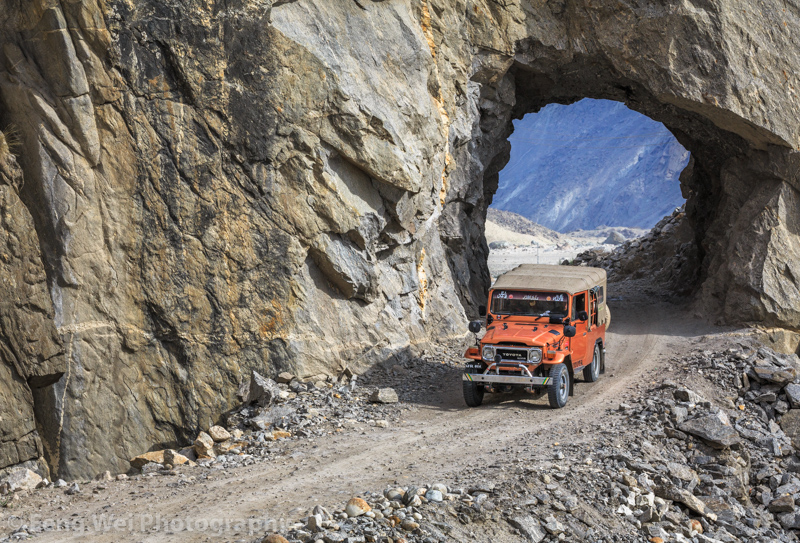
The morning air in Askole was crisp, heavy with the anticipation of what lay ahead. After months of preparation, training, and restless dreaming, the day had finally come—our first steps toward K2, the Savage Mountain.
The night before, we had pitched our tents in this tiny village, the last settlement before the wilderness consumes everything. Askole feels like a threshold between two worlds: behind us, roads and routine life; ahead, an untamed corridor of glaciers, rivers, and towering giants of stone and ice.
I barely touched breakfast that morning. My teammates gathered around steaming cups of tea and simple bread, but I chose to fast a little longer, saving my energy for the trail. My body has grown used to such rhythms—small sacrifices to keep it fat-adapted for the climb. Ahead of us stretched 50 kilometers of trekking, a five- to six-day approach through the Karakoram Valley before even setting foot on K2’s base camp.
And so, the journey began.
Into the Valley
We loaded gear into jeeps for a final short ride out of Askole. This would be the last time wheels would carry us. Beyond this point, the only way forward was by foot—and by the strong backs of our porters and pack animals.
Our caravan was immense: 17 porters, guides, cooks, mules, and a team of climbers with dreams taller than the peaks we gazed upon. In total, nearly 30 people—each with a role to play in this great undertaking. Without them, no expedition would even make it past the first bridge.
The jeep stopped near the official entry to the Karakoram National Park. A modest stone building stood like a gateway into another realm. Here, the climb truly began. With heavy packs and heavier thoughts, we stepped onto the trail, the earth crunching beneath our boots.
Walking Among Giants
The mountains rose like cathedrals around us, their sheer cliffs dwarfing even our boldest ambitions. Compared to Everest, where villages and tea houses line the path, this valley was raw, almost primeval. No cozy shelters or warm hearths awaited us here—only rivers, glaciers, and the steady rhythm of campsites set up and torn down.
Our first goal was Jola, a camp hidden further up the valley beneath a massive hanging glacier. To get there, we had to follow the path carved by centuries of melting ice and rushing rivers. The Indus River roared beside us, its currents fierce and untamed, fed by the very glaciers we sought to climb.
The terrain was both barren and strangely beautiful. Amid the dusty brown slopes, flashes of pink roses bloomed like defiant flames. Each one felt like a reminder that even in harshness, life finds a way.
We crossed bridges of wood and rope, clinging to the rails as torrents of glacial water thundered below. Our guides moved with effortless confidence, many of them veterans of this path. Terry, our lead guide, had already made this journey five times. When I asked him why he kept returning to a place so dangerous, he only smiled.
“Because it’s the most spectacular corner of the planet,” he said. “Eight-thousand-meter peaks all around, glaciers as far as the eye can see. It’s terrifying—but beautiful.”
The Weight of the Journey
The sun broke through the clouds, blue skies spilling over the valley. Good news for visibility—but bad news for heat. Soon, sweat dripped from our brows as the valley floor baked under the afternoon sun. Some of us carried umbrellas, a comical yet surprisingly effective shield against the blazing light.
Along the trail, we passed porters carrying loads that made my legs ache just to look at. Thirty kilos on their backs, balanced with quiet strength. Without complaint, they pressed forward, step by step, their endurance the backbone of our expedition. Their laughter, generosity, and resilience humbled me; without them, our dream of K2 would remain just that—a dream.
By midday, we found a shaded patch of green, like an oasis in the desert. There, we unpacked lunch. It felt almost surreal—picnicking under jagged peaks that stabbed the sky. For a brief moment, the expedition’s enormity melted away into something simple: food, water, and the camaraderie of fellow climbers.
The Final Push to Jola
After four grueling hours, the valley opened up, revealing a ribbon of green in the distance. Jola. The sight was almost enough to erase the fatigue in our legs. As we drew closer, the sound of a mountain stream reached our ears, promising fresh water and rest.
Finally, we arrived. Tents were pitched, solar panels unfolded, and the aroma of food drifted from the cook tent. My teammates busied themselves with camp chores while I, camera in hand, pretended to help. Honesty check: I didn’t lift a single stake.
The camp was alive with energy, donkeys brayed, water trickled, and somewhere in the distance, avalanches groaned like ancient thunder. Even the “bathrooms” told their own story: makeshift huts scattered across the valley, some destroyed by avalanches in years past. Survival here meant improvisation at every step.
As the evening settled, the peaks glowed gold under the last rays of sun. I sat outside my tent, exhaustion mingling with awe. Today had been just the first step—one of many in what might be forty days on this mountain.
And yet, despite the sweat, the fatigue, and the enormity of what lay ahead, my heart felt light. The journey had begun. K2 waited.
Day Two on the Road to K2: The March to Paiju
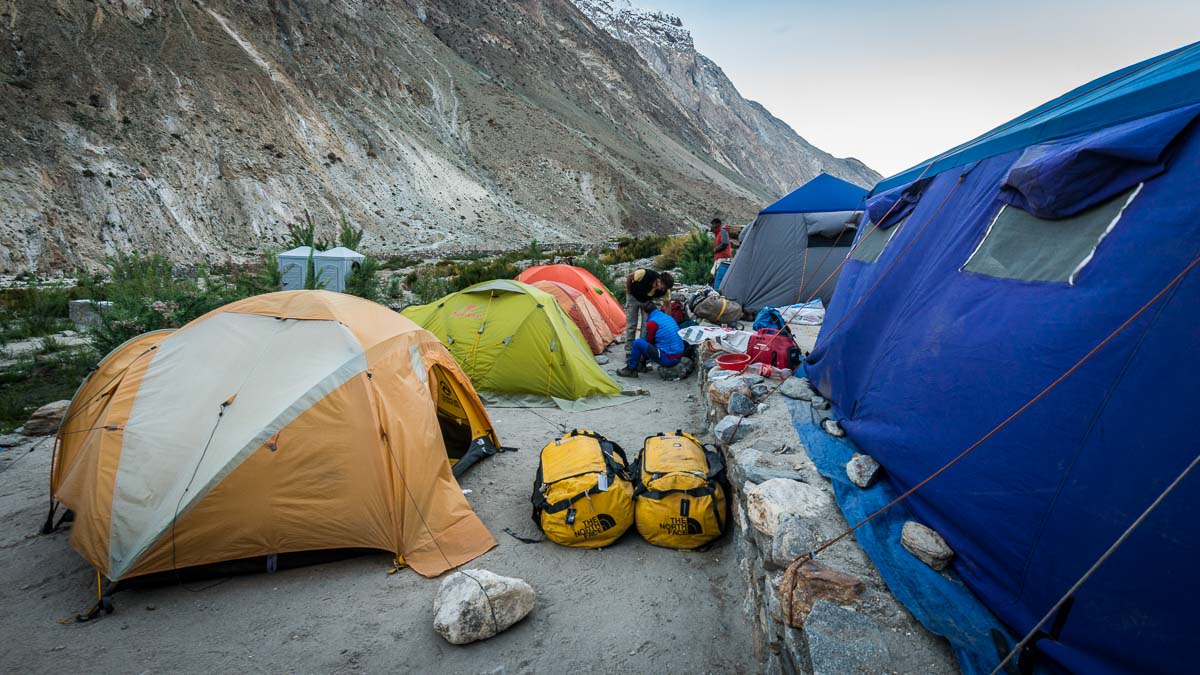
The alarm ripped us from sleep at 3:30 a.m., long before dawn had brushed the peaks with light. The valley was still cloaked in darkness, cold air seeping through the tents. Headlamps flickered to life as we broke camp at Jola, packs heaved onto tired shoulders, and the smell of breakfast drifted through the thin morning air.
An early start wasn’t just about discipline—it was survival. Yesterday, our guides had warned us: much of the trail ahead gets washed out as the sun climbs and glaciers melt, swelling the rivers until they are too dangerous to cross. Leave too late, and the way forward disappears under torrents of icy water. So, we rose with the night and set out before the heat could undo our path.
Into the Desert Heat
The porters led the way, impossibly strong as they carried loads that would flatten most of us. Their footsteps were steady, almost casual, as they guided us along the edge of the river. The trail wound through dry, barren slopes, broken only by sudden bursts of green—oases clinging stubbornly to the mountainside.
The sun rose fast, burning through the chill. Soon, sweat poured down our backs, and the heat pressed down like an invisible weight. Umbrellas popped open here and there—laughable at first glance, but quickly revealed as genius shields against the merciless sun.
We paused often to sip water, sprinkle salt on our tongues, and snack on anything to keep the energy flowing. Altitude may not have hit us hard yet—Paiju sits at 3,400 meters—but hydration and nutrition would decide how well our bodies adapted in the days ahead.
Following the River
The reason for our dawn start soon revealed itself. A wide beach stretched before us, pale and sandy, the river lapping at its edge. At this hour, the water was low, passable. But as the day heated, this tranquil stretch would transform into a rushing flood, cutting off the trail entirely. We hurried across, grateful for timing and the wisdom of those who knew these mountains better than anyone.
The path climbed higher, hugging the edge of the hills, before leveling out onto a broad plateau. Ahead loomed Paiju Peak, sharp and commanding, its icy flanks feeding the very river we had been shadowing. At its base lay our destination: Paiju Camp.
For hours, it remained a distant goal, shrinking and expanding with the perspective of each bend. But slowly, steadily, step by step, it grew closer.
Arrival at Paiju
After nearly six hours of trekking under the relentless sun, we arrived at last. Paiju revealed itself as a patch of greenery cradled beneath the shadow of the great peak, the last camp before the Baltoro Glacier. From here, the true heart of the Karakoram awaited.
The porters had yet to arrive with the tents, but no one minded. We found water flowing from a pipe and turned it into a makeshift shower, laughing as icy streams washed away the dust and sweat of the trail. Even the simplest things—cupping water over your head, cooling sunburnt feet in the stream—felt like luxuries in this harsh land.
By evening, our little civilization had sprung to life. Tents lined the grass, the cook tent filled the air with the promise of warm food, and solar panels drank the last rays of daylight. The sun set slowly over the jagged ridges, painting the valley in gold and crimson.
As I sat outside my tent, lungs filling with thin mountain air, I felt the weight of the journey ahead. We were only at 11,000 feet, but each day would take us higher, closer to the glaciers, and deeper into K2’s domain. Tonight, Paiju Peak stood as our guardian. Tomorrow, we would step onto the Baltoro Glacier itself—the great icy highway leading to the Savage Mountain.
Day Three on the Road to K2: Into the Heart of the Glacier
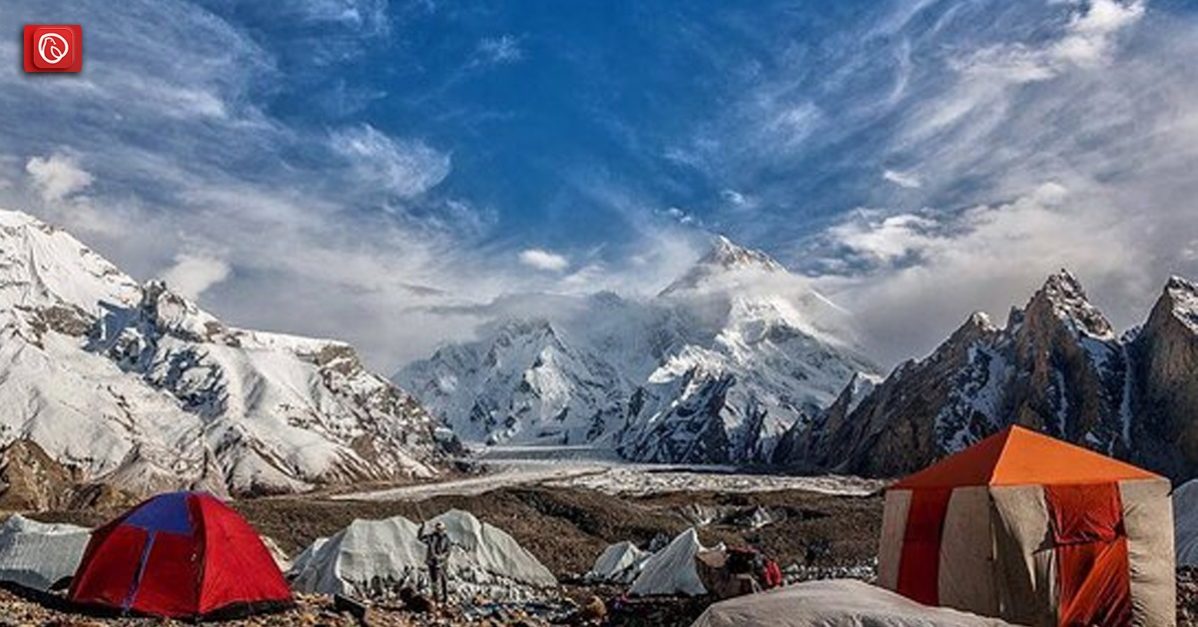
Morning broke over Paiju Camp with a strange blend of stillness and anticipation. The little green oasis where we’d slept felt like a miracle in the middle of a dry, desolate valley. But there was no time to linger. Today promised one of our toughest marches yet—seven long hours to reach Urdukas Camp, perched high above the valley floor.
Breakfast was quick, more fuel than feast. By now, food wasn’t about indulgence; it was survival. With packs tightened and tents packed away, we set off, the looming outline of the Baltoro Glacier calling us forward.
First Steps Toward Ice
The early trail carried us over sandy ridges and gravel slopes, the kind that crunch endlessly underfoot. Then, just over a rise, there it was: the Baltoro itself. At first glance, it looked nothing like the shimmering rivers of ice in mountaineering magazines. Instead, it resembled a wasteland of gray dirt and broken rock. Only when you looked closer—at the streams of ice melt cutting through its surface, at the strange, jagged formations—did you realize the living glacier was just hiding under its cloak of debris.
Everywhere, reminders of time’s slow erosion whispered at us. Once, this entire valley had been a glacier. Now it was retreating, melting, shrinking back into the arms of the Karakoram.
We dropped down to a sandy beach along a stream, one last low point at 10,900 feet. From here, there would be no more descents. The path ahead was nothing but upward grind—“only up from here,” I told myself, half a promise, half a warning.
Life on the Glacier
Stepping onto the glacier felt like entering another world. A chilly breeze swept across the rocks, a refreshing break from the sweat of the valley. Around us, the peaks rose higher, sharper, like stone castles etched into the sky. Porters moved steadily across the chaotic terrain, balancing massive loads as if the boulders were mere stepping stones.
But if the glacier looked lifeless, nature had a way of surprising us. Out of nowhere, tiny pink flowers bloomed in crevices, defiant splashes of color against the gray. Even here, life refused to yield.
Progress was slow. The glacier is less a trail and more a puzzle—a maze of hills, ridges, and sudden drops, where every step demands attention. And then came the flies. Out of nowhere, they swarmed us—buzzing, biting, relentless.
I swatted, cursed, laughed, and complained. “Where’s the spawner?” I joked, half delirious, imagining we’d stumbled into some strange Minecraft level. The flies didn’t care. They clung to sweat, sunscreen, and patience alike. The only strategy was to keep moving.
Lunch Among Giants
By midday, we’d slogged to a military outpost tucked beneath the Trango Towers, jagged spires of granite piercing the clouds. The place felt surreal: red tents, stone huts, and soldiers living in this high wilderness. We stopped for lunch, grateful for both shade and water.
Here, the glacier revealed its true power. Meltwater cascaded from towering seracs, carving rivers through the rock. Even boulders the size of houses couldn’t stop its slow, unstoppable march. Standing there, I felt both tiny and privileged—this was Earth at its rawest.
The Long Push to Urdukas
Fueled by glacial runoff and snacks that barely qualified as “meals,” we pressed on. Hours blurred together in the rhythm of steps: crunch, slide, crunch. Peaks rose like cathedrals all around us, and every corner promised—but rarely delivered—the end of the march.
At last, after nearly seven hours, the barren gray gave way to a splash of green. Tents dotted the slope ahead. Urdukas Camp. Civilization, if you could call it that, carved out at 13,000 feet. Compared to Paiju’s oasis, it felt harsher—fewer trees, more flies—but still, it was a welcome sight.
Goats wandered freely, porters laughed around campfires, and climbers from around the world gathered here, each chasing their own dream of the Karakoram. I dropped my pack and exhaled. Home sweet home.
Evening brought dinner, laughter, and the slow unwinding of muscles worn down by rock and ice. As the sun set behind serrated ridges, the peaks glowed crimson, their silence both humbling and comforting.
Day three was done. The glacier was now our reality, and each step carried us deeper into the shadow of K2.
Day Four on the Road to K2: March to the Edge of the World
The morning at Urdukas Camp was bright, crisp, and alive with the sounds of animals. Goats grazed lazily in the thin grass. Donkeys brayed. Even the cows seemed unfazed by the fact that we were in one of the harshest landscapes on earth. The Karakoram had its way of making everything—man and beast—adapt.
Today’s objective was ambitious: a long trek across the Baltoro Glacier, pushing past Goro II and setting camp further up, closer to K2. It would be a day of endless glacier travel, eight hours of rock, ice, and sky. The kind of day that grinds you down but also brings you face-to-face with mountains so staggering they defy belief.
Leaving Urdukas
Breakfast—eggs, bacon, granola—vanished quickly. Packs were hoisted, tents taken down, and we began descending a little before turning upward again, weaving back toward the glacier. Porters streamed past, their loads piled impossibly high, carried with a casual strength that humbled every climber on the trail.
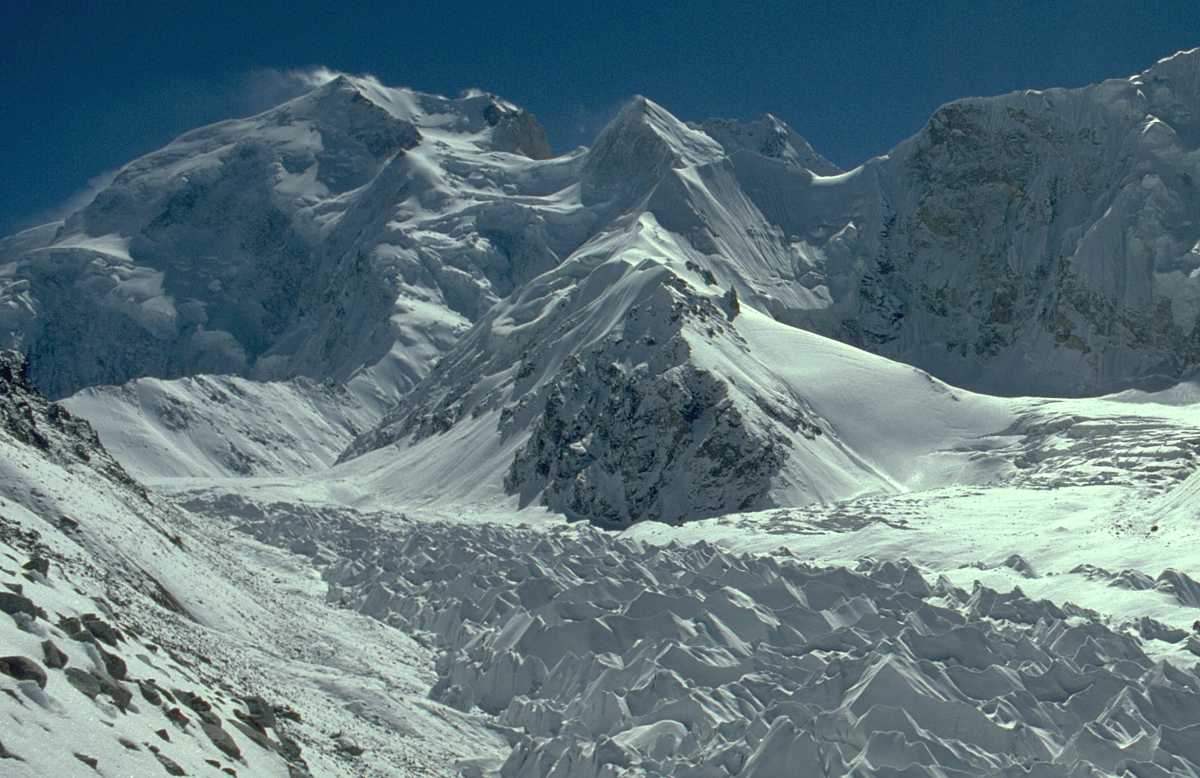
The morning was spectacularly clear, the kind of day where every peak seemed sharper, every shadow deeper. We would see giants today—Broad Peak and Gasherbrum IV, both among the world’s highest. The horizon was no longer just hills and ridges. It was becoming a gallery of gods.
Life on the Baltoro
The Baltoro is not a graceful glacier. It is a mess of shattered rock, melted ice, and rivers that appear and vanish with no warning. Every step is calculated, every crossing uncertain. Yet, among the chaos, beauty emerges. Streams carved through ice glittered in the sun, offering water so pure it tasted like the definition of refreshment itself.
A helicopter buzzed overhead, rare and startling in this remote wilderness. On Everest, you hear them constantly—rescue flights, resupplies, tourists. But here? Each flight costs a fortune, and there are no easy exits. On K2, you get yourself down or you don’t get down at all.
The weight of that reality pressed quietly on the group. This wasn’t Everest. This was wilder, harsher, more unforgiving.
Peaks, Porters, and Perspective
We passed Masherbrum, once called K1, the first peak surveyed in the Karakoram. Its story made me laugh—early explorers thought it might be the tallest mountain in the region. It isn’t, but its blade-like ridges command respect regardless.
Meanwhile, the porters trudged alongside, balancing loads of 20, 25, even 30 kilos. Some in sneakers, some in sandals. No fancy boots, no ultralight gear. Just sheer willpower. Watching them made my own load feel embarrassingly light.
At midday, we stopped for a picnic, courtesy of the cooks traveling with us. Out came the pots, pans, and bags of supplies carried faithfully since Jola. Eating hot food on the glacier felt almost rebellious—civilization dropped in the middle of raw nature.
The Long Push to Goro II
The afternoon stretched on. Hours blurred into footsteps, footsteps blurred into landscapes, and the landscapes only grew more surreal. Ice cliffs loomed. Rock towers stabbed at the sky. And always, always, the glacier underfoot groaned with its slow, relentless movement.
By late afternoon, we passed Goro II, a bustling outpost of tents and trekkers. Most expeditions stop there, but not us. To make tomorrow’s march to K2 Base Camp manageable, we pressed further, pushing into territory that felt even more remote. We called it “Goro III,” though it has no official name—just another temporary civilization carved from ice and rock.
Camp at the Edge
After eight hours of trekking, the day finally relented. We found a suitable flat space, pitched tents, and watched as the cook tent filled with warmth and steam. My little nylon shelter sat perched on hard rock, with only a foam pad and sleeping bag to keep the cold out. Glacier water ran in rivulets nearby—clear, icy, and perfect.
Dinner was chicken and pasta, cooked to perfection against all odds, and eaten under the growing dark. Exhaustion hit hard, but so did the awe. Tomorrow, just one more day’s march, and we would stand at the foot of K2 itself.
For now, the stars took over the sky, the glacier whispered in the silence, and camp settled into uneasy dreams.
Day four was done. The mountain was calling, louder than ever.
Day Five: The Long March to K2 Base Camp
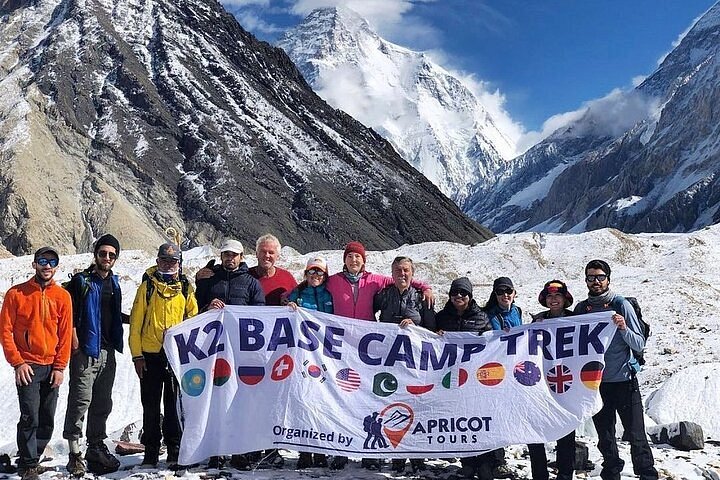
The cold had crept into the valley overnight, wrapping our tents in silence. When I crawled out that morning, the world felt sharper, thinner. Breath fogged in the air, and even layered up, the chill clung stubbornly. We were still at what I jokingly called Goro 3—not really a camp so much as a patch of glacier rock we claimed as our own.
Today wasn’t just another day of trekking. Today was the day. The day we would finally reach K2 Base Camp.
The team stirred, boots crunching on ice and rock as we shuffled toward the green mess tent for breakfast. I tried to convince myself the strange weakness in my body wasn’t serious—maybe bad food, maybe just the grind catching up. Either way, there was no room for excuses. Base camp awaited.
We set out, donkeys and mules marching beside us, their bells echoing in the crisp air. Among them, one animal carried a tiny miracle: a goat that had given birth just the day before. Life continuing on the trail to K2—proof of how resilient nature can be.
The path wound over the glacier, each step echoing with the sound of crampons against ice. After an hour, the vast flat of Concordia spread before us like a crossroads of giants. Glaciers flowed into one another, colliding in frozen rivers of stone and ice. This was the last major camp before base camp, a place where climbers usually paused. But not us. We pushed on, past the cluster of tents, past the Escom Tower that promised cell service but stood silent.
And then, through a curtain of clouds—she appeared.
K2.
Even half-veiled, her presence was undeniable. A shadow rising into the heavens, impossibly steep, impossibly massive. Broad Peak stood nearby, a colossus in its own right, but my eyes refused to leave the dark pyramid piercing the sky. My chest tightened—not just from fatigue, but from awe.
The trail grew harsher. Gravel crunched underfoot, sun burned down, and my stomach twisted with every step. It felt less like trekking and more like bargaining with myself. Halfway done. You can do it again. Over and over, I tricked my mind into moving my legs. Expedition life teaches you that the biggest battles are often fought in silence, deep inside your head.
Hours passed. The glacier stretched endlessly. Every time I thought I saw base camp, it was another false summit, another set of tents belonging to someone else. But finally, after seven grueling hours, a cluster of colored tents appeared beneath the looming wall of K2.
Base Camp.
I can’t explain the relief. The valley behind us looked endless, the mountain ahead infinite. But in that moment, the suffering didn’t matter. We had arrived.
Porters waved, climbers greeted each other, and life at the foot of the Savage Mountain carried on. This would be our home for the next 30 days. My body ached, my stomach churned, but I couldn’t help smiling.
We’d made it.
The real climb began now.
Day Six & Seven: Life at the Foot of the Savage Mountain
I woke to silence and shadow—and when I pulled back the tent flap, there it was.
The Savage Mountain, K2, standing in full view above base camp. The pyramid of black rock and snow looked unreal in the pale morning light. For a moment, all the exhaustion of yesterday vanished. Whatever stomach bug had dragged me down on the march was fading, and though my body still carried the ache of five straight days on the trail, my spirit felt stronger than ever.
Day six was a rest day, and rest here doesn’t mean doing nothing. It means letting your body adjust to the altitude, repairing itself after the journey in, and—equally important—discovering the strange little world that is base camp.
A Village of Tents Beneath K2
Madison Mountaineering had set up an outpost that felt more like a small village than a temporary camp. Box tents replaced the cramped shelters we’d lived in on the trek. Inside mine, there was space to stand, a real bed with a pillow, even a chair. After days of sleeping on pads over ice, it felt like stepping into luxury.
From the door, the view was priceless: K2’s ridges tearing upward into the clouds.
Beyond my tent stretched a network of spaces—solar panels humming beside the comms tent, a lounge tent with cushions for stretching and resting, a mess tent with long tables where meals became communal celebrations. There was even a movie screen, waiting for the night we’d trade glaciers for films under flickering light.
The cooks—our own mountain Gordon Ramsays—worked miracles from their kitchen tents. The shower tent stood nearby, simple but glorious, offering the chance to rinse off the sweat and dust of the glacier trek. And then, of course, the bathrooms: perched on wooden stairs with the kind of view that almost distracted you from the freezing wind. Almost.
Walking through base camp, I couldn’t shake my gratitude. The Sherpas and porters had hauled all of this up here, carving a functioning home out of rock and ice at nearly 5,200 meters. Without them, none of us would stand a chance.
Rest, Ritual, and Training
Day seven began with a sky so clear it felt painted—an endless blue dome over the Karakoram. It was the perfect setting for something sacred: the puja ceremony.
The Sherpa team built a stone altar, adorned it with prayer flags, and blessed our equipment with smoke and chants. Climbers bowed their heads as ice axes, helmets, and boots were touched by the ritual. I gave my helmet—my lifeline against the rockfall that K2 was infamous for. It was a reminder that here, respect is survival. You don’t fight the mountain. You ask its permission.
Later, Furba, one of the legendary Sherpas I had climbed Everest with, led us out for glacier training. Seeing him standing against K2, smiling like the mountain was his backyard, filled me with confidence. He’d been on K2 eight times before—half of those reaching the summit. People call him crazy; I call him fearless.
We moved onto the ice pinnacles. They were smaller this year—heat and dry weather had melted them down—but they were perfect for practice. With helmets clipped and harnesses tight, we refreshed the skills that would soon mean life or death: ascending with jumar devices, crossing anchors, descending with figure-eights.
The ropes felt familiar, mechanical almost—click, slide, pull. Safety systems built from simplicity. Yet every movement reminded me: these same fixed lines stretch all the way to the summit of K2. Somewhere above us, Sherpas were already securing them in place, preparing the path that would test every climber’s resolve.
We laughed between runs, sweat mingling with glacier dust. But beneath the playfulness, there was a seriousness we didn’t need to say aloud. Training days were easy compared to what lay above.
A Small World Beneath a Giant
By evening, base camp felt alive—flags fluttering, climbers trading stories, the mountain looming like a silent overseer.
There was no Wi-Fi here. The so-called “Wi-Fi rock” gave nothing but false hope. No scrolling, no calls, no distractions. Just the hum of solar power, the hiss of stoves, and the whispers of avalanches echoing from the slopes above.
And maybe that was the point. To strip life back to its simplest form: eat, rest, climb, survive.
Dinner was some mystery meat—beef, perhaps, or yak. Nobody really knew, but it was hot, it was filling, and it was enough. Tomorrow would bring more training, maybe a cleanup trek on the glacier, maybe another slow day of acclimatization. The mountain would decide.
For now, I crawled into my tent, listening to the wind scrape across the valley.
This was base camp. This was life under K2.
And this was only the beginning.
Day Eight on K2 – Training, Trash, and Tiny Triumphs
The morning sun broke over the Karakoram, spilling gold across the snow. I stepped out of my tent, stretched, and there it was again — the Savage Mountain itself, K2, towering above everything like an unmovable guardian. A bluebird sky arched overhead, clear as glass. It was the kind of day that made you forget the cold and the fatigue, if only for a while.
Breakfast was simple but oddly luxurious at this altitude: eggs and bacon. The sort of meal that grounds you, reminds you of normal life, before you zip up your down suit and face the frozen giants all around. Today promised to be equal parts training and service — sharpening the skills that might save my life on the climb, and helping clean the glacier scarred by decades of expeditions.
Back to the Ice Pinnacles
An hour later, I was lacing up my Olympus Mons boots and clipping on my gear. The plan: head back to the ice pinnacles — those strange, jagged spires of ice that rise like frozen cathedrals out of the glacier. They’re our training grounds, perfect for rehearsing the technical moves we’ll need higher on K2.
The course today was steeper, tougher, and infinitely more humbling. Ascending with an ascender feels mechanical at first — slide it up, step high, kick crampons flat into the ice, push with your legs. But soon your rhythm syncs with the rope, and you feel almost weightless. Traverses demanded patience: unclipping, re-clipping, always double-checking. A mistake here on the real mountain could mean the end.
Then came the rappel. That golden moment of trust where you lean back into nothing, trusting a figure-eight or ATC device to hold you. My gloves squeaked against the rope as I eased myself down, and I couldn’t help but imagine doing this exhausted, at 8,000 meters, with wind screaming in my ears. That thought alone made me grip tighter.
Finally, we practiced arm-wrapping descents — quick, almost reckless compared to a full rappel. It saves precious minutes on the mountain, but the margin for error is razor-thin. Let go for a second, and gravity doesn’t forgive.
By the time we clambered back to camp, my muscles hummed with fatigue and adrenaline. The training had done its job: I felt sharper, more in tune with the ropes, and more aware of just how little slack K2 allows.
The Trash Expedition
After lunch, it was time for something entirely different. Thanks to the generosity of people back home, we had raised over $2,000 to fund a glacier cleanup operation. And today, we kicked it off.
Walking just a few feet from camp, we began spotting litter half-buried in ice: rusted cans, candy wrappers, shredded fabric — ghosts of expeditions past. Each piece of trash was a reminder that even this remote, unforgiving place bears the scars of human ambition.
Some finds made us laugh. A decades-old Oreo wrapper, its logo faded but unmistakable. A broken stove. A battered mug proudly stamped “Karakoram Made to Mountain.” Others were sobering: old fuel bottles leaking into the ice, shredded gear abandoned under avalanche paths.
We filled bag after bag. Six of us combed the glacier like detectives, piecing together a crime scene. Within an hour, we had stacks of sacks bulging with relics, weighing them carefully: 8 kg, 6.3, 13.3… in the end, 75 pounds of waste removed in just one afternoon. A small dent in a very large problem, but a dent nonetheless.
Standing there, sweaty and wind-chapped, I realized picking up trash in the mountains carries its own strange satisfaction. Each bottle, wrapper, or twisted hunk of metal is one less reminder of carelessness, one more gesture of respect to the place that holds our lives in its icy grip.
Looking Ahead
As the sun dipped, painting K2 in fire-orange light, we lugged the trash bags back to camp. Tomorrow, we’d go over the game plan for the coming days — the real moves up the Savage Mountain. Tonight, though, I crawled into my tent, stomach full, body sore, mind buzzing.
It had been a day of contrasts: adrenaline on the ice pinnacles, quiet satisfaction from cleaning up decades of debris. And all the while, K2 loomed above, silent and indifferent, reminding us that this was just the beginning.
Day 9–10: Beneath the Shadow of K2
The morning light spilled across K2, that unforgiving giant towering above us, casting a shadow that seemed to stretch all the way into our camp. Day nine had arrived. Nine days of waiting, training, and watching. Nine days of living at base camp, staring at the mountain but never truly stepping onto it. Today, though, things were about to change.
The plan was simple in theory—head up toward Camp 2, then retreat to base camp, letting our bodies adjust to the altitude. But this year, the mountain wasn’t playing by the rules. The season was bone-dry. The snow that usually blanketed the ridges was gone, leaving only rockfall and unstable slopes. K2 was dangerous enough on a good year, but now, it felt like it was daring us to make a mistake.
So, the team pivoted. Instead of pushing higher on K2, we set our sights on another peak: Karut Pyramid. No one had ever summited it before. An unclimbed peak, raw and untouched. It wasn’t just a safer acclimatization climb—it was a chance to write a new story in the mountains. And suddenly, the energy shifted. We weren’t just waiting anymore. We were climbing.
That evening, I packed my gear with a grin plastered on my face. Tomorrow, we’d leave the safety of base camp and step into the wild.
Into New Territory
Day ten began with the crunch of boots on frozen earth. I laced up my heavy boots—overkill for Karut, perfect for K2—and stepped away from base camp. Behind us, the gray tents grew smaller with every step. Ahead of us, the unknown stretched across a landscape carved by glaciers and avalanches.
The path wound us right beneath K2 itself. Standing that close to the “Savage Mountain” was surreal. Its flanks rose like walls of polished stone and ice, and for the first time, the climbing route was visible—steep, unrelenting, and terrifying. One day soon, we would be up there.
But for now, the glacier awaited.
Roped together, we crossed the icy terrain, threading carefully between yawning crevasses. Some were obvious scars in the ice, gaping open like mouths waiting to swallow a careless climber. Others were hidden beneath a thin crust of snow, deceivingly solid until a foot punched through. Every step demanded focus.
The air grew thinner as we gained altitude, climbing past 17,000 feet. Behind us, base camp looked like a scattering of pebbles, dwarfed by the surrounding peaks. Ahead, the white slopes of Karut Pyramid gleamed in the sun, steeper and more imposing than it had looked from afar.
“Feels like we’re finally on a mountain,” I muttered, breathless, pulling my buff higher to shield against the glare.
The Glacier’s Tricks
The glacier was alive beneath us, cracking and groaning. At one point, the mountain reminded us who was in charge: a thunderous roar split the silence as rocks tumbled down K2’s face. Even from this distance, the sound was enough to stop us in our tracks. The danger felt closer than it should have.
The rope between us became our lifeline. If one of us slipped into a crevasse, the other had to be ready to hold fast, digging crampons into the ice or driving an axe into the surface. My partner probed ahead with his trekking pole, stabbing the snow before every step to test if it held. Most of the time it did. Sometimes, the pole plunged into emptiness.
This was the most dangerous stretch—soft snow covering hidden traps. Each step was a gamble, but fortune was with us. Bit by bit, we pushed forward, hearts pounding not from exertion alone but from the constant hum of danger around us.
And then, just as suddenly, we were through. The glacier gave way to firmer ground, rock and ice mixed together in a way that felt stable, almost welcoming compared to what we had just endured.
Arrival at Karut Base Camp
Hours later, exhausted but exhilarated, we finally reached the base of Karut Pyramid. The pyramid’s summit loomed above, sharper and more intimidating now that we stood at its feet. Tomorrow, we’d begin climbing its face, tracing a route no one had completed before.
Setting up camp felt surreal. For the first time, our tents were pitched on snow, their bright colors contrasting against the harsh white landscape. The cold bit deeper here, but the excitement kept us warm.
Inside the tent, laughter cut through the exhaustion as we played a silly game to decide who’d sleep in the middle—the warmest but most crowded spot. Monopoly cards doubled as fate’s dice, and somehow, I ended up as the “lucky” one.
As night fell, I lay wedged between teammates, listening to the muffled groans of the glacier outside. In the distance, K2 loomed, hidden in the darkness but always present.
Tomorrow, we’d climb into history.
Day 11 – A Night Climb into the Unknown
Midnight at 20,000 feet.
The camp was quiet, save for the crunch of boots on snow and the whisper of nylon tents in the wind. My headlamp beam danced across the ice as I cinched my harness and pulled on my crampons. Tonight, we weren’t just trekking. We were attempting to summit Karut Pyramid—an unclimbed peak no one had ever stood atop.
This wasn’t about glory. Karut was our training ground, a giant stepping stone to K2. If our lungs and legs could handle this, we’d be ready for the Savage Mountain itself.
I glanced up. The black silhouette of Karut loomed above camp, jagged and impossible, its summit hidden in moonlight. And there, watching over it all, stood K2—a dark sentinel. I couldn’t help but imagine it saying, “Defeat my little brother first. Then we’ll talk.”
Before heading out, I laughed at the absurdity of mountaineering: stuffing waste into a bag because nothing stays behind on these peaks. Adventure, dignity, and a little bit of humility all packed together.
We set off, roped into teams, boots crunching on the frozen ground. The first section was a shallow gully, steep walls of loose rock on either side. Every step sent echoes down into the night. Helmets on, ice axes out. The world shrank to headlamp beams and breath.
And yet, despite the danger, there was beauty everywhere. Snowflakes drifted into my headlamp like stars. Streams trickled across the mountain face, reminding us the rope anchors weren’t invincible. Above, Sherpas—absolute legends—fixed lines ahead of us, carving a path where none had existed. Without them, this climb wouldn’t even be possible.
Hours blurred into effort. A thousand small battles: kicking crampons into ice, steadying my breath, ignoring the fire in my legs. By dawn, we were 20,400 feet up—higher than I had ever climbed outside the Himalayas.
That’s when the ridge came into view.
The snow thinned, rock shattered beneath our feet, and the climb transformed from steep slog to technical nightmare. Loose stones shifted with every step. Fixed lines dangled across knife-edge ridges where one wrong move meant vanishing into nothingness. I hugged the rock like it was my best friend, trying not to think about the overhanging cornices waiting to collapse.
The summit lay further ahead, tantalizingly close, but the route turned savage. Blue ice, unstable ridges, and exposure too risky to continue. Our lead Sherpa, a man with six K2 summits and eleven Everest climbs under his belt, shook his head. If he said no, it was no.
We stopped at 20,700 feet, claimed it as our high point. It wasn’t the summit, but it was ours. Karut had tested us, hardened us, and given our lungs the altitude training they needed. More importantly, it had reminded us of the line between courage and recklessness.
The descent was no gift. Rappelling down icy pitches, dodging loose rocks, threading ropes through our arms to slide carefully down less technical slopes—every move demanded focus. Eight hours later, exhausted and grinning, we stumbled back into camp.
Karut Pyramid had denied us the summit, but it had given us something more valuable: readiness.
Now, all we could do was wait for snow on K2. Without it, the mountain would remain unclimbable, too dry and dangerous to attempt. As I crawled into the tent that night, I whispered a silent wish: let it snow, just a little.
Tomorrow, we’ll return to base camp. But tonight, we slept beneath Karut, tired, humbled, and just a little bit proud.
Day 12 – The Glacier of No Mercy
“K2 is a savage mountain that tries to kill you.”
That was the thought in my head as I tore down my tent on the slopes of Karut Pyramid. Our semi-successful acclimatization climb had pushed us higher than ever before, pumping our bodies with red blood cells for the real fight to come. But the mountain we truly feared still loomed in the distance, wrapped in shifting clouds. K2.
Today’s mission seemed simple enough: descend the glacier and return to base camp. But out here, even the act of walking home can be a life-or-death gamble.
Behind our camp, the ground split open in a maze of crevasses—some wide enough to swallow trucks, others thin and hidden beneath fragile snow bridges. The path ahead was nothing but uncertainty.
We roped up, double-checked our harnesses, and stepped out.
The first stretch was deceptively calm: flat snow, crisp morning air, and the crunch of crampons echoing in the silence. But every few meters, the surface sagged—an ominous warning of voids below. Pera prodded the snow with his pole, searching for hollows. Each step felt like rolling dice with fate.
Then came the sketchiest part: a snowfield we had crossed days earlier, now dusted with fresh powder. It looked innocent, but we knew what lay beneath. With the rope tight between us, we shuffled across, hearts pounding. At any moment, one of us could plunge. If one fell, the other had to hold.
Miraculously, the snowfield let us pass.
But the glacier wasn’t finished with us. It opened wider and wilder the lower we went—gaping blue mouths yawning at our feet. Sometimes, the only option was to leap. One by one, we hurled ourselves over the icy chasms, ropes snapping taut, adrenaline spiking. At one point, a narrow snow bridge groaned underfoot, threatening to give way. We scrambled off it, laughing nervously, pretending not to think about what might have happened.
Hours later, drenched in sweat and nerves, we reached flatter ground. The “glacier highway.” Safe, or so it seemed. But just as I let my guard down, a monstrous crevasse split the trail. No way around it—only over. Rope checked, boots steady, we jumped. Landing clean, hearts hammering, we kept moving.
Finally, base camp came into view. A scattering of yellow tents against the white desert. And just before we reached it, the universe threw us one final gift: two climbers waiting with bottles of Coca-Cola. Warm, flat, sugary—but to us, it was nectar of the gods. We drank with grins, the icy jaws of the glacier finally behind us.
That night, rain fell over camp. I lay in my sleeping bag, listening to the drops patter against nylon, and for the first time in days, I wasn’t thinking about crevasses. I was thinking about K2.
And the truth was grim.
The mountain was too dry. The slopes groaned with rockfall, sending boulders roaring down the ridges. Veterans muttered that they hadn’t seen it like this in years. Everyone was waiting for snow, for the dangerous rock faces to freeze and stabilize. Without it, K2 was unclimbable.
We needed storms. We needed the sky to finally give us a chance.
But all we got was drizzle. Just enough to taunt us.
Now, our expedition had turned into a waiting game—a mental battle of patience, hope, and gnawing doubt. Out here, the hardest part wasn’t climbing. It was not knowing if the mountain would ever let us try.
Days 13–15 on K2: Waiting Out the Mountain
The mountain teaches patience. By Day 13 of our K2 expedition, I was learning that lesson all over again. We weren’t climbing yet—not really. Instead, we were waiting. Waiting for snow. Waiting for conditions to shift in our favor. Waiting for K2 to show us even the slightest window of mercy.
That morning, K2 stood shrouded in clouds, a giant veiled in mystery. The sky gave us a strange cocktail of rain, sleet, and hail. Not quite the heavy snowfall we needed, but at least a start. If we wanted any hope of reaching the summit without dodging lethal rockfall, more snow had to come.
While we waited, we made use of the time. The glacier behind base camp became our playground. Ropes went up, crampons clicked into ice, and we turned practice into adventure. One moment I was swinging ice tools into blue ice, pretending every screw I placed was life-or-death. The next, I was challenging myself to climb with nothing but my feet—training my legs to carry me the way they’ll have to when fixed ropes stretch up the slopes of K2. My heart pounded with every move. It was just practice, but the mountain doesn’t care. Fear still sneaks in, even when you’re tied to a rope.
By Day 14, our patience was rewarded. I woke to the softest silence imaginable—the kind that only fresh snow brings. The mountain had finally dressed itself in white. Morning sunlight struck K2’s ridges, turning them gold against the sky. For the first time in days, I felt something dangerous: hope. Not too much—we’d only gotten a few inches, not nearly enough to fix the rockfall hazard. Still, it was a reminder that things could change, and fast.
We used the clear skies for something special: a hike to the Gilkey Memorial. Reaching it meant scrambling across uneven ground, but the sight at the top was worth every step. Dozens of plaques marked the names of climbers who never came back from K2. Some had photos, others small belongings left behind. Reading those names was different from seeing statistics on a screen. These were real people—dreamers, just like us—who had stood at this very base camp, eyes fixed on the same summit. It was sobering, a reminder that ambition on K2 always comes with a price.
Day 15 brought even more snow. The mountain was slowly transforming into something climbable. Higher camps were getting stocked, ropes were being fixed, and whispers ran through base camp: “Maybe soon.” I let myself feel just a spark of optimism, but not too much. K2 is a master at crushing expectations.
With the snow melting around base camp, another task revealed itself: trash. Piles of it. Old climbing gear, plastic bottles, food wrappers, even bags of waste left frozen in the glacier. A team of us spread out with gloves and sacks, combing through the mess. It was equal parts treasure hunt and horror show. One moment I’d be laughing at finding an old roll of toilet paper, the next gagging at the stench of a split-open garbage sack. By the end of the day, though, our squad had pulled in over 245 pounds of trash. Add that to our earlier efforts, and we’d cleared more than 300 pounds from the mountain’s base camp. Not glamorous work, but necessary.
As I looked at the heavy bags stacked together, I felt proud. Climbing isn’t only about reaching the summit—it’s also about respect for the mountain and the people who will come after us.
Tomorrow, we head toward Advanced Base Camp, closer to K2’s flanks. The waiting game isn’t over yet, but each step—whether it’s ice practice, visiting a memorial, or cleaning trash—feels like part of the climb.
And up there, somewhere above the clouds, the mountain is waiting for us, too.
Day 15–16 on K2: The Climb to Advanced Base Camp
The morning of Day 15 was breathtaking. For once, the sky above K2 was nearly clear—blue stretching wide, only a thin veil of cloud clinging to the summit. It felt like the mountain was finally showing its face. Today’s plan was simple but important: leave Base Camp behind and spend a night at Advanced Base Camp (ABC), perched right at the base of the Abruzzi Spur. From there, we’d see the full climbing route laid bare—the Black Pyramid, House’s Chimney, the bottleneck of rock and ice.
Before leaving, I tucked into what had become my guilty pleasure of this expedition: a steaming bowl of oats with fresh apple slices, the chef’s specialty. Sweet, warm, and comforting—it was the best fuel I could ask for before shouldering the heavy pack that awaited me.
As we left Base Camp, the glacier stretched before us like a cracked, shifting maze. Crevasses split the ice open in deep scars, avalanche paths loomed to the side, and loose rock crunched underfoot. The air was warm—too warm for these boots—and sweat quickly turned the climb into a grind. Halfway across, we paused. Behind us, Broad Peak stood tall and proud. Ahead, jagged pinnacles of ice jutted into the sky like frozen cathedrals. For a moment, the hardship was forgotten. We were walking in the shadows of giants.
The last push to ABC was brutal—uneven rock, steep sections, and constant reminders of danger. Rockfall zones forced us to move quickly, heads down, every clink of loose stone keeping nerves sharp. And then, finally, after hours of slogging, the tents of Advanced Base Camp came into view at 17,500 feet.
From camp, the mountain looked impossibly close. I could trace the entire climbing route upward, every daunting obstacle outlined in front of me. House’s Chimney loomed like a vertical scar, the Black Pyramid towered above it, and beyond that—higher than imagination—the ridges bent toward the summit. The sight stirred something deep inside: hunger. I wanted to climb, to push, to see what it felt like to be up there. But reality pulled me back—conditions were still dangerous, rockfall relentless. For now, my summit fever had to wait.
That night, we boiled water for dehydrated meals and laughed at the small comforts of mountain life. My dinner? Fettuccini Alfredo with chicken—a gourmet treat at this altitude. Outside the tent, the stars shimmered above K2’s shadow, cold and unreachable.
Day 16: The Trash Pickup of the Century
Morning broke crisp and clear. Today wasn’t about climbing—it was about cleaning. ABC, like many high-altitude camps, held the scars of expeditions past: fuel cans, shredded tents, broken gear, and the forgotten remains of dreams. Our goal was ambitious—push our total waste collection to 500 pounds.
The glacier felt like a treasure hunt, but with darker undertones. We dug into crevasses and pulled out rusting Coca-Cola cans, ancient wrappers, and shattered fuel bottles. Some finds were almost surreal: an old Nestlé wrapper that looked decades old, a lone climbing helmet, a mangled tent wrapped around an ice pinnacle. Every piece had a story—someone once carried it up this mountain, maybe in triumph, maybe in defeat.
The avalanche debris field below Camps 1 and 2 was the most haunting. When avalanches sweep through, they tear down entire camps, scattering belongings across the slope. We moved cautiously, knowing we were in a dangerous zone, but the amount of gear here was staggering—fuel cans, tarps, even intact tents. Piece by piece, we hauled it down, sweat dripping, shoulders aching.
By the end, our squad had stacked seven full bags of waste, weighing in at 135 pounds just from this push. Added to our earlier efforts, we had collected over 500 pounds of trash from K2’s camps and glacier. A milestone. Not glamorous, not heroic, but necessary.
Back to Base Camp
Exhausted but proud, we packed up ABC and began the long trek back down. Base Camp appeared in the distance, tiny against the glacier, yet it felt like coming home. Behind us, ABC faded into the clouds.
Back in camp, the mood was lighter. News trickled through the climbers’ grapevine—conditions on K2 were improving. Cooler temperatures, light snow, fewer rockfalls. Whispers of a summit window began to stir.
For now, though, it’s more waiting. More patience. But tonight, sitting at Base Camp with tired legs and a full stomach, I let myself dream again. The mountain might just give us a chance.
Days 17–36 on K2: Hope, Heartbreak, and the Endless Wait
On the morning of Day 17, I unzipped the tent to find base camp blanketed white. It felt like being a kid again, waking up to discover that school was canceled. Except this time, the stakes weren’t classes or playgrounds—it was survival. We needed snow. Without it, the slopes of K2 were nothing but bare rock and death traps. Every fresh flake was a prayer answered.
Up above, clouds swallowed the mountain whole. “Perfect,” I thought. If it was snowing here, it must be dumping even harder higher up. Maybe, just maybe, the route was slowly turning safe.
By midday, the skies cleared. Our guide, Perba, rallied us for a hike. The rhythm of boots on glacial ice, the thin air filling my lungs—it all felt good. Acclimatization was working. My body felt stronger, more ready for the climb ahead. My mind? That was harder to steady.
Day 19 brought clouds again, this time with rain lashing base camp through the night. But news trickled down from higher camps: it was snow up there, not rain. Good news disguised as gloom. So, we sat around—reading, eating, joking about watching movies. Truthfully, most of us were running out of distractions. I hadn’t touched a book in years, except for David Goggins’ Can’t Hurt Me. Maybe I needed to read it again.
Then came Day 20, and with it, tragedy.
An avalanche below Camp 1 tore down part of the route. Two climbers were caught. Word spread in whispers. Details were scarce, but the outcome was grim. Nobody wanted to say it aloud, but we all knew. The mountain had claimed lives again. I sat in silence that night, staring up at the ridges hidden by clouds. We come here chasing dreams, but for some, K2 becomes the final resting place.
By Day 22, the weight of reality pressed harder. Forecasts turned against us—high winds, relentless and unforgiving. The summit window we’d been eyeing shrank before our eyes. It was like watching hope drip out of a cracked glass. I tried to joke about it, quoting The Wolf of Wall Street: “You don’t know if the market’s going up, down, sideways, or to the moon.” Same with K2’s weather—unpredictable, untameable. But beneath the jokes was frustration.
On Day 24, we turned to a different battle: trash. At both base camp and advanced base camp, piles of discarded gear and waste were melting out of the glacier. We spread out with gloves and sacks, combing through the mess. By day’s end, we’d hauled 150 pounds of garbage, pushing our total past 600 pounds collected. A small victory, but one we could control. Unlike the weather, unlike the route, unlike K2 itself.
Day 25 hit like a gut punch. Warmth swept the glacier. Thunder cracked above us. Record-breaking heat. Perba looked me dead in the eye and said, “The season is over.” Blunt. Final. I laughed at first, brushing it off. But five minutes later, the weight of those words settled in. Twenty-five days of waiting, training, dreaming—and it might already be over.
Still, a flicker of stubborn hope refused to die.
By Day 27, that hope caught fire again. Storms rolled in, dropping precious snow on the higher slopes. Talk of a possible summit push surfaced. Maybe July 30th or 31st. “It’s not over until it’s over,” I told myself, heart pounding with cautious optimism.
But then Day 28 came. And nothing. More waiting. More silence. More uncertainty. The mountain, it seemed, was enjoying the cruel game—dangling possibilities just out of reach, day after day.
The days blurred together after that.
Day 36 arrived like an unwanted milestone. Thirty-six days at base camp. Thirty-six mornings staring at the same ridges. Thirty-six nights of forecasts promising nothing but disappointment. We joked, we laughed, we tried to stay positive—but deep down, frustration gnawed at us all. A year and a half of training, months of planning, thousands of miles traveled…and not a single step above base camp.
The winds were too high. The rockfall too deadly. The mountain, unclimbable.
We had two choices: leave now, or wait until the last possible day for a miracle. None of us wanted to quit, but the reality was brutal. The dream of summiting K2—our dream—was dissolving into the thin, cold air of base camp.
Still, every morning I woke up, looked at the clouds above the “Savage Mountain,” and thought: Maybe today. Maybe.
Because until the very last moment, hope refuses to die on K2.


