
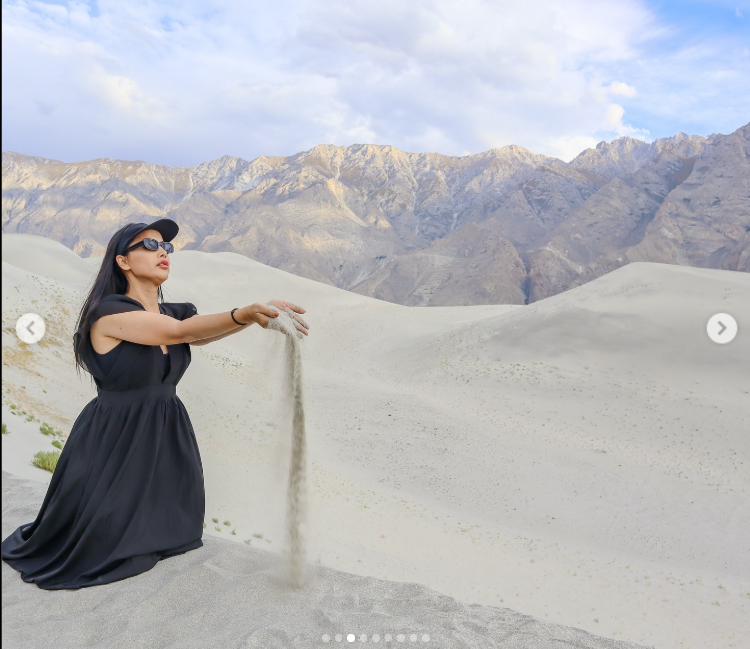
There’s something surreal about standing barefoot on soft sand while icy winds whip past your face and snow-capped mountains tower in the distance. Welcome to Sarfranga Cold Desert, one of Pakistan’s most stunning and unusual natural wonders.
Just a short drive from Skardu, this white sand desert offers a striking contrast—glacier-fed rivers on one side, towering peaks on the other, and a blanket of soft, shimmering sand beneath your feet. If you only have one day to explore it, this guide is for you.
Where Is Sarfranga Cold Desert?
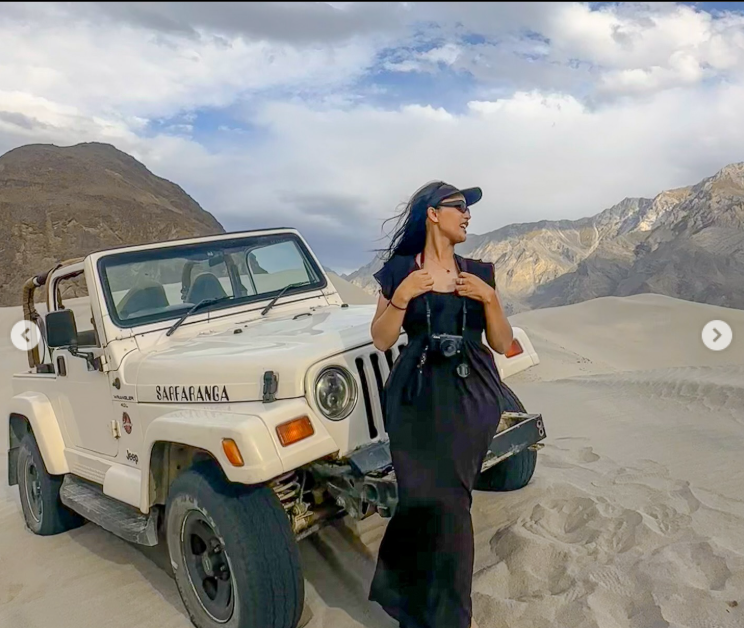
Sarfranga Cold Desert is located about 20 kilometers from Skardu in the Shigar Valley of Gilgit-Baltistan. Unlike traditional deserts, it’s not hot. In fact, it’s chilly year-round due to its 7,500-foot elevation.
It’s one of the few cold deserts in the world, and absolutely worth the trip.
When’s the Best Time to Visit?
The best time to visit is between June and September, when the weather is clear and the roads are open. During this window, temperatures are mild—between 15°C and 25°C during the day—and the nights, though cooler, are manageable if you’re dressed properly.
Avoid winter months. The area gets cold enough to freeze everything solid and is mostly inaccessible due to snow and blocked roads.
How to Get There
If you’re already in Skardu, getting to Sarfranga is straightforward:
-
By Jeep or 4×4: Easily the best option. The desert roads are bumpy and loose in some places, and a 4×4 handles them well. Rental jeeps from Skardu cost around PKR 5,000–6,000 per day.
-
By Motorbike: For those looking for adventure, renting a motorbike is cheaper (PKR 1,500–2,000/day) and lets you explore at your own pace.
-
By Public Van: You can catch a local van heading toward Shigar, but you’ll likely need to arrange a lift or walk a few kilometers to get to the actual desert plains.
If you’re coming from Islamabad, flights to Skardu Airport run daily (weather permitting). From the airport, it’s a 40-minute drive.
What to Pack and Wear
This isn’t your average desert, so pack accordingly:
-
Warm layers (fleece, windbreaker, thermal shirt)
-
Sunglasses and sunscreen (the sun reflects off the sand)
-
Comfortable hiking shoes or boots
-
Water bottle and snacks
-
Camera with spare batteries
-
Power bank and offline maps
Trust me—you’ll want to be prepared for changing weather, photo-worthy views, and long stretches with no shops in sight.
What Makes Sarfranga So Unique?
Sarfranga isn’t just sand. It’s a vast, open expanse where white dunes ripple like waves under a backdrop of snowy peaks. It’s quiet. Peaceful. Raw. Unlike anything else in Pakistan.
On a clear day, you can see the Indus River snaking along one side and the rugged mountains of Karakoram rising in the background. If you’re lucky, you might see nomadic shepherds, camels, or locals riding horses.
One-Day Itinerary: A Full Day in Sarfranga
7:00 AM – Breakfast in Skardu
Start early. Grab a hearty local breakfast—parathas, chai, and eggs—and set off while the morning light is soft. The roads are more beautiful when the sun’s low.
9:00 AM – Arrive at Sarfranga
You’ll know when you’re there. The sand seems to appear out of nowhere, and suddenly you’re surrounded by endless dunes. Take off your shoes, walk the ridges, breathe the mountain air.
10:30 AM – Dune Bashing or Horse Riding
Some locals offer dune bashing in 4x4s—not for the faint of heart, but thrilling. You can also try horseback riding if it’s available during the summer months. Prices vary, but expect to pay PKR 1,000–1,500 for a short ride.
12:00 PM – Lunch Break
There aren’t restaurants at Sarfranga, so bring your own food or drive to Shigar (15 minutes away), where small local eateries serve dishes like mamtu (Balti dumplings) and thukpa (soup noodles). Simple, hearty, and perfect after walking the dunes.
2:00 PM – Optional Visit: Shigar Fort
If you have time, don’t miss Shigar Fort—a 17th-century palace restored by Serena Hotels. Entry is PKR 300, and it gives you a glimpse into Balti royalty and architecture. The gardens alone are worth the visit.
4:30 PM – Golden Hour Photography
Return to the desert just before sunset. The golden hour here is magical—shadows stretch long, the dunes glow, and the mountains take on a rose-gold hue. This is the best time for photos.
6:30 PM – Head Back to Skardu
Try to leave before it gets dark. The roads can be tricky without light, and there’s no roadside lighting in these areas.
Photography Tips
If you’re here for photography (and why wouldn’t you be?), keep these tips in mind:
-
Bring a wide-angle lens for landscapes
-
Use tripods if shooting in low light
-
Take both close-ups of the sand and wide shots with the mountains
-
Include people or animals for scale—it makes your shots more impactful
-
Backup your photos and bring extra batteries (the cold drains them fast)
Where to Stay and Eat Nearby
You won’t find hotels in the desert itself, but Skardu and Shigar have great options:
Accommodation
-
Serena Shigar Fort – Historic and luxurious, about PKR 25,000/night
-
Budget Guesthouses in Skardu – Clean, cozy, and range from PKR 2,000–5,000/night
-
Seasonal Camps – During summer, some locals set up camps near Sarfranga with basic tents (PKR 1,000–2,000/night)
Dining
-
Skardu Restaurants – Offer a mix of Pakistani and Chinese cuisine
-
Shigar Town – Limited options but enough to try some local Balti dishes
Cultural Insights & Respect
The people of this region are warm, respectful, and deeply rooted in their Balti culture.
-
Always ask before taking photos of people
-
Learn and use “Julay,” the local greeting
-
Dress modestly, especially near villages or religious sites
-
Support local businesses and artisans by buying handmade crafts or food
Estimated Budget for the Day
| Item | Cost (PKR) |
|---|---|
| Jeep Rental | 5,000 – 6,000 |
| Fuel | 1,000 – 1,500 |
| Food & Snacks | 500 – 1,000 |
| Shigar Fort Entry | 300 |
| Optional Guide/Driver | 1,000 – 2,000 |
| Total | 8,000 – 11,000 |
Prices may vary slightly by season, demand, and your negotiation skills.


