
Some journeys begin like ordinary travel plans but turn into life-changing experiences the moment you step onto the trail. Our ride from Phander to Langar, followed by a long and strikingly beautiful trek to Kokush Lake, became one such unforgettable adventure. What started as just another morning in a remote village turned into a day filled with reflections, breathtaking wilderness, challenges of off-road riding, and the unmatched serenity of one of Pakistan’s most underrated lakes.
This blog is not just a travel guide it is the entire story of a day spent exploring some of the finest landscapes that Gilgit-Baltistan has to offer. From the peaceful mornings of Phander to the silent meadows, blue rivers, forests, and finally the turquoise bowl of Kokush Lake everything about this trip leaves you in awe.
If you’ve ever dreamt of pure wilderness, untouched hiking trails, or hidden alpine lakes that very few people know exist, Kokush Lake deserves the top spot on your travel list.
Phander: A Village Wrapped in Cloudy Calm
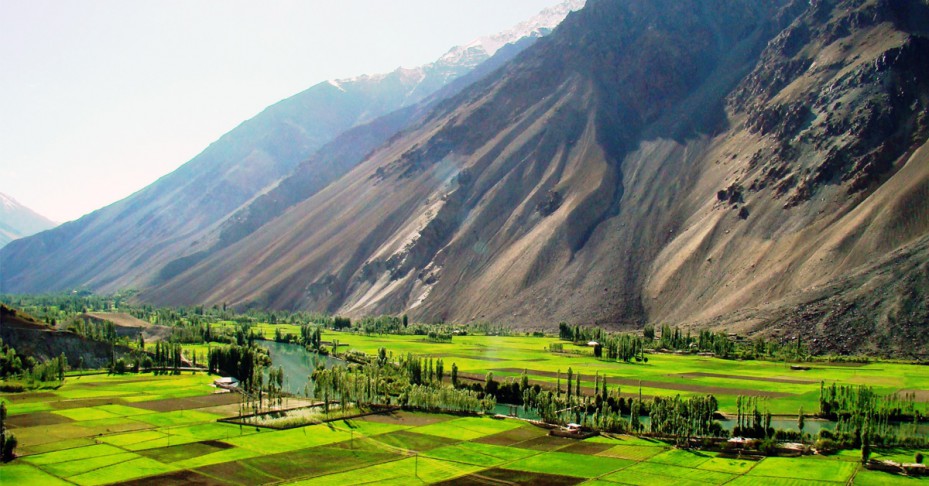
A Slow Sunrise Over Still Waters
Assalam-o-Alaikum. Good Morning. Namaste.
Phander greeted us with a soft, cloudy morning. The kind of morning where the sky feels heavy but peaceful, and the world moves quietly at its own pace. We had reached Phander quite late the previous night, after a long and sometimes tiring motorcycle ride on partially under-construction roads. Despite the exhaustion, the cool air of Phander revitalized us the moment we stepped outside.
Phander village has a way of calming you down. Its pace is slow, its surroundings peaceful, and its landscapes simply stunning. We began the day with our usual travel ritual: paratha, fried egg, and hot chai. It’s the combination that fuels almost every ride or trek we take. Breakfast in Phander tasted better than usual, perhaps because we knew an exciting day awaited us. We were heading towards Langar, a village close to Shandoor, from where our hike to Kokush Lake would begin.
The First Stop That Drowned Our Fatigue
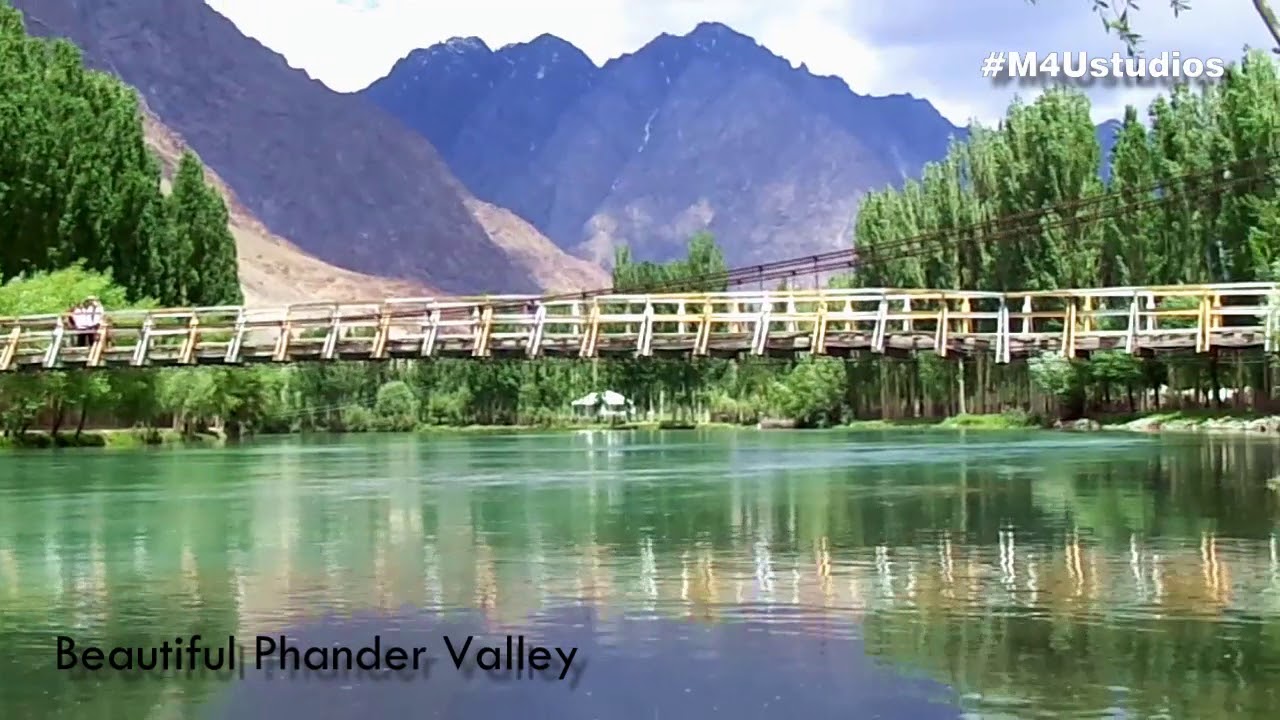
Before leaving, we visited the famous Phander Lake. The lake is not large, but it carries a magical stillness that amplifies everything around it. The morning breeze was so gentle that the water surface looked like a perfect mirror reflecting the line of trees, clouds, and mountains exactly as they appeared.
For a moment, the fatigue from the previous night vanished. A few minutes later, as we moved ahead, another body of water appeared larger, flowing, clearer. It looked like a lake, but it was actually the river spreading wide. Its color had begun turning into a soft greenish-blue, shifting tones with every passing day as the seasonal sediments settled.
This stretch along the riverbank is one of the best natural camping zones in the entire valley. Tall trees on both sides, a calm river below, mountains guarding the whole valley everything feels perfectly designed for a peaceful night under the stars.
But you must be careful the water levels can rise after heavy rain, and traces of past flooding were visible. So anyone planning to camp here should choose their spot wisely.
Life, Color, and Resilience
As we entered Phander town, the scenery changed from wilderness to the rhythm of village life. The main bazaar was modest yet lively. We noticed SCO 4G signals on our phones surprising and reassuring for such a remote valley.
There were small restaurants, guest houses, and local shops enough facilities for any traveler passing through.
However, the recent heavy rains had damaged crops. The fields showed signs of destruction, yet the villagers continued their work with resilience, knowing that nature is both their challenge and their blessing.
Phander, compared to neighboring villages, is larger and more developed. It serves as a gateway for travelers heading towards Shandoor, Chitral, or deeper into Ghizer’s hidden regions.
Towards Langar: Meadows, Turns & the Call of the Wilderness
From Phander, the route to Langar becomes gradually more scenic. The greenery intensifies, the valley becomes wider, and every curve opens a new view. Small settlements like Hunderab appear each more picturesque than the last. After about 1 hour and 20 minutes of steady riding, we approached the Shandoor check post a sign that Langar village was near and our trekking adventure about to begin.
Surprisingly, we still had 3G/4G coverage on most of the road something unimaginable just a few years ago. A few curves further, Shandoor Top was only 32 km ahead, but our destination lay off the main road: the trekking route to Kokush Lake. Fishing is prohibited in this region without a permit, and Section 144 is enforced. Anyone interested must get a license from the check post PKR 500 per day.
A River-Colored Sky & Meadows Built for Dreams
The motorcycle track ended near a small farmer’s hut. From this point forward, it was time to walk two to three hours uphill, depending on pace. Before starting, locals suggested we should not leave our luggage unattended. So we made a practical decision: Ali stayed back to guard our gear, while I continued ahead alone. And so began one of the most beautiful hikes Pakistan has to offer.
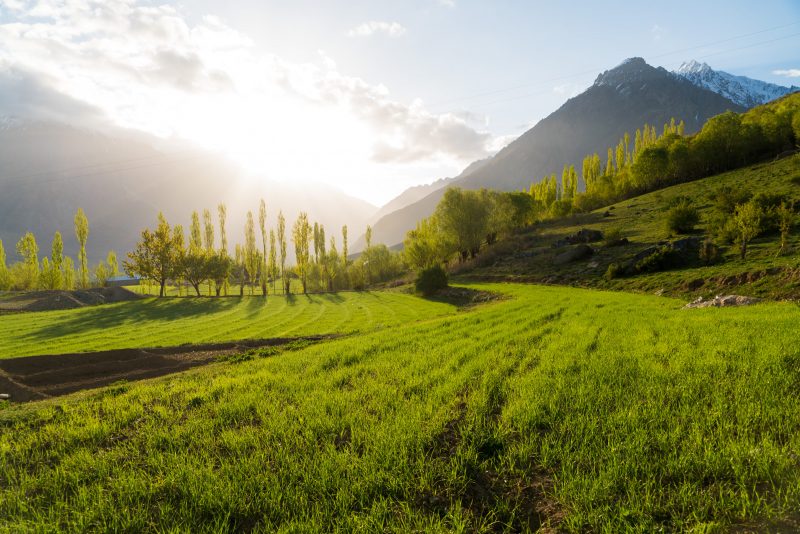
The trek follows the river almost the entire way. The water is impossibly clear blue, cold, and fast. Forests rise on the slopes, streams cross the trail, and meadows open up like natural rest areas. It’s the kind of trek where every turn is picture-perfect.
Green meadows, Tall trees with patches of sunlight, Streams tumbling down from unseen glaciers, and a constant soundtrack of the river flowing beside you. It was a landscape that seemed untouched pure, natural, and preserved.
As the trail continued deeper, the valley widened. The clouds drifted slowly overhead, casting moving shadows on the grass. The sun would occasionally break through, lighting up the mountains and water in dramatic contrast. This trek deserves to be ranked among Pakistan’s finest. Not because it’s the toughest but because it is incredibly rewarding from start to finish.
Arrival at Kokush Lake: The Reward After 3 Hours
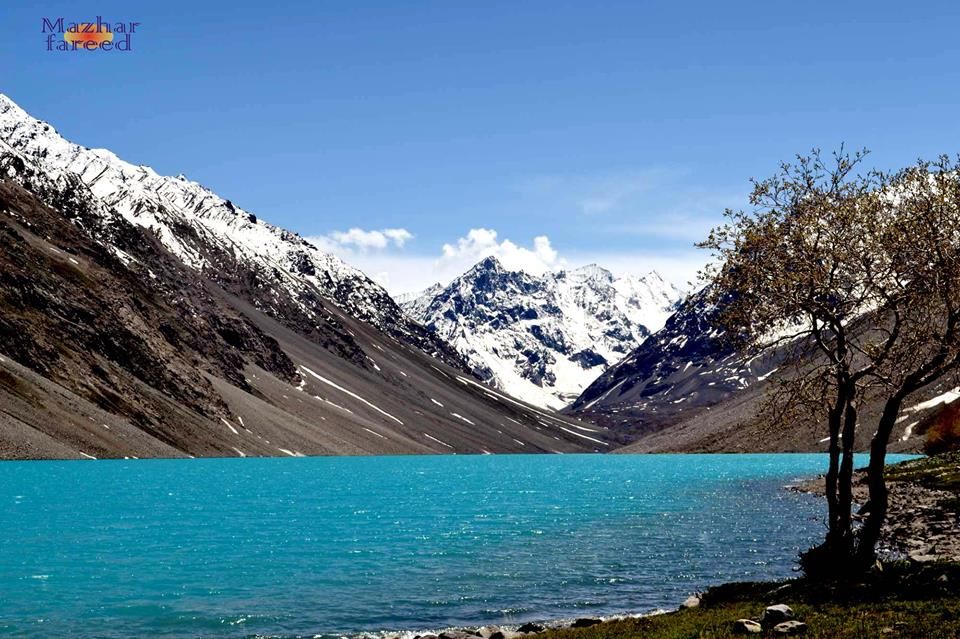
Three hours of fast trekking brought me face-to-face with the jewel of Langar valley Kokush Lake. I had seen photos. I had heard descriptions from Ali. But nothing prepared me for the real sight.
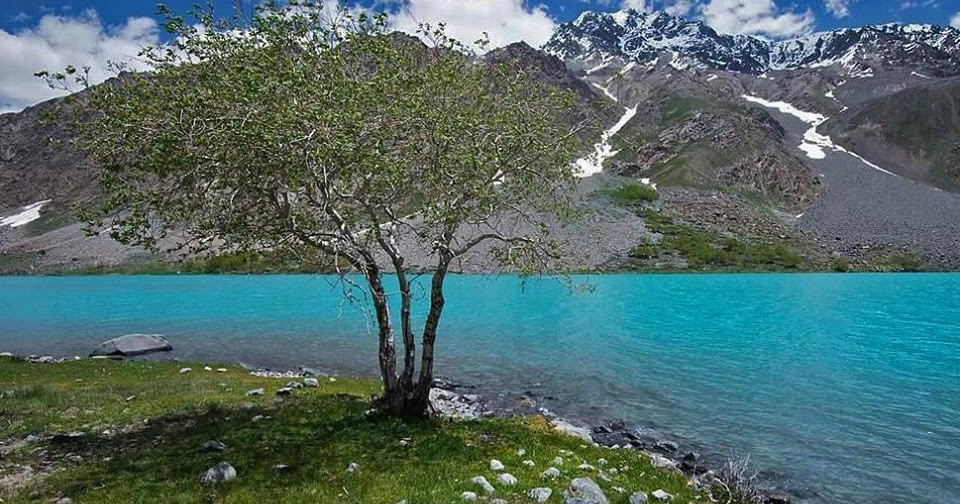
The lake appeared like a turquoise gemstone set between rugged peaks. Its water had a surreal blue color cleaner and brighter than most high-altitude lakes in Pakistan. The surrounding mountains stood tall, wearing patches of snow and shadow, while the sky played a dance of sunlight and clouds over the water.
In that moment, every hour spent riding from Gilgit, every bump on the off-road track, and every step of the hike felt justified. Kokush Lake was worth it all.
Few travelers know about this destination. Even fewer attempt the trek. It is not famous on social media, nor is it commonly mentioned in travel itineraries. And perhaps that is what makes it so special its untouched, undisturbed charm.
This lake is a perfect camping spot. Anyone bringing a tent could easily spend a night here cooking, resting under the stars, and waking up to a morning brighter than anything in the cities. Regretfully, we hadn’t brought our tent. Otherwise, camping here would have been unforgettable.
The Return: Speed, Urgency, and the Race Against Daylight
Descending was quicker. The entire return trek took only two hours without breaks. The trail felt easier, maybe because the excitement of seeing the lake still lingered.
Ali was waiting near the motorcycle rested, relaxed, and curious. He had insisted for three days that we come here, and he was right.
By the time we began our return ride, the sun had started dipping. The river had slightly more water now, and crossing it required caution. Without proper headlights, riding here at night would be risky. The valley had grown quiet. Evening winds brushed past the meadows, and the air turned colder as we approached Phander.
By 7:08 pm, we were still riding aiming to reach before complete darkness.
Dinner in Phander: The Taste of Exhaustion & Satisfaction
When we finally reached our lodge, the day’s exhaustion hit us fully.
Dinner was simple and familiar Chicken Karrahi, something we end up eating almost 90% of the time during rides. But after a long day of trekking and riding, nothing tastes better than fresh karrahi, roti, and hot chai. We ate quietly, reflecting on the day, replaying the views, and already missing the blue water of Kokush Lake.


