
Table of Contents
ToggleA Gateway to Nature, History, and Cultural Splendor
Abbottabad is one of Pakistan’s most scenic and historically rich cities. Surrounded by the forested hills of the Lesser Himalayas and situated near the renowned Galyat region, this charming city provides a refreshing escape for travelers seeking natural beauty, colonial heritage, and a calm, temperate climate.
Historical Background
Abbottabad was founded in 1853 by Major James Abbott, a British army officer, after whom the city is named. It was established as a British garrison town during the colonial era and served as a military base and administrative center. The remnants of its colonial past still echo through its architecture, wide streets, and old churches, particularly the historic St. Luke’s Church and the colonial-style Cantonment areas. Major Abbott famously penned a poetic farewell to the city, which reflects its longstanding charm and timeless appeal.
Geographical Location and Significance
Strategically located on the Karakoram Highway (N-35), Abbottabad serves as a vital transit point between Islamabad and the mountainous regions of Gilgit-Baltistan and Kashmir. The city is about 110 kilometers from Islamabad and lies at an elevation of approximately 4,100 feet (1,260 meters) above sea level, which gives it a cool, temperate climate throughout much of the year. It’s a favored summer retreat for residents of the Punjab plains and a frequent stopover for those heading to Naran, Hunza, or Skardu.
Cultural Overview
Abbottabad’s culture is a blend of Pashtun, Hindko, and Hazarewal traditions. The locals speak Hindko and Urdu, with many also fluent in English. The city maintains a relatively conservative yet hospitable atmosphere. With a significant educational footprint—home to institutions like the Pakistan Military Academy (PMA) in nearby Kakul—Abbottabad has an educated, polite, and welcoming population. Local bazaars, traditional clothing, and family-centered values reflect the area’s deep-rooted traditions and social warmth.
Unique Characteristics of the City
What sets Abbottabad apart is its balance of serene landscapes and urban convenience. The city is surrounded by lush green hills, pine forests, and hiking trails such as Shimla Hill and Miranjani Trek. It also boasts tidy streets, well-maintained parks like Lady Garden Park, and a peaceful ambiance rarely found in larger Pakistani cities. The moderate climate makes it suitable for year-round travel, and the proximity to destinations like Thandiani, Nathia Gali, and Harnoi makes it a perfect base for exploring northern Pakistan.
Abbottabad’s charm lies not only in its environment but also in the experience it offers—one that combines nature, tranquility, and subtle sophistication. Whether you’re a nature lover, history buff, cultural explorer, or someone seeking an escape from the urban hustle, Abbottabad is a city that invites you to slow down, breathe in the pine-scented air, and enjoy the quiet rhythms of the hills.
Top Attractions of Abbottabad
1. Thandiani: The Chilly Paradise Above the Hills

Perched at an elevation of about 9,000 feet (2,750 meters) above sea level, Thandiani—which translates to “very cold” in Urdu—perfectly lives up to its name. This captivating hill station lies approximately 31 kilometers from Abbottabad city and is renowned for its crisp mountain air, dense pine forests, and breathtaking panoramic views of the surrounding Himalayan foothills. A hidden gem for nature lovers and photographers, Thandiani offers an unspoiled retreat far from commercial tourist traps.
Historical Context
Thandiani was developed as a summer resort during British colonial rule and served as a tranquil retreat for missionaries and government officials. It featured guesthouses and rest houses, many of which were surrounded by dense deodar forests. While it’s no longer a colonial haven, it has preserved its secluded charm and continues to be one of the least commercialized hill stations in northern Pakistan.
Visitor Information
-
Location: 31 km northeast of Abbottabad via Abbottabad-Thandiani Road
-
Travel Time: Approximately 1 hour by car
-
Best Time to Visit: May to September for green vistas; December to February for snow
-
Entry Fee: None
-
Road Access: Accessible by car, but 4×4 recommended during rain or snow
-
Amenities: Limited. Small eateries, tea stalls, and local guesthouses available
Key Highlights & Experiences
-
Scenic Drive: The journey to Thandiani is as mesmerizing as the destination itself. The winding road offers views of deep valleys, forested slopes, and occasional glimpses of wildlife like monkeys and deer.
-
Spectacular Views: On clear days, you can see the snow-capped peaks of the Kashmir and Kohistan mountain ranges. The sight is especially enchanting during early mornings and late afternoons.
-
Peaceful Environment: Unlike other commercial hill stations, Thandiani remains relatively untouched. The tranquility, cool breezes, and chirping birds make it an ideal place for solitude seekers and families looking for a quiet escape.
-
Trekking & Nature Walks: There are numerous trails around the hilltop, suitable for beginners and intermediate hikers. These paths take you through thick pine forests, wildflower-covered meadows, and scenic ridgelines.
-
Camping Opportunities: For adventure lovers, Thandiani is a great spot for overnight camping under the stars. However, weather conditions should be checked in advance as it gets very cold after sunset.
-
Birdwatching & Photography: With a variety of local and migratory birds, this is a paradise for birdwatchers and shutterbugs.
Travel Tips
-
Pack warm clothing—even in summer, temperatures can drop significantly at night.
-
Carry cash, as there are no ATMs or card facilities in the area.
-
Bring snacks, water, and basic medical supplies, as amenities are minimal.
-
Try to return before sunset if not staying overnight, as the road can become foggy and visibility decreases.
-
Respect the natural environment—avoid littering and disturbing wildlife.
2. Shimla Hill Viewpoint: Abbottabad’s Signature Panoramic Escape
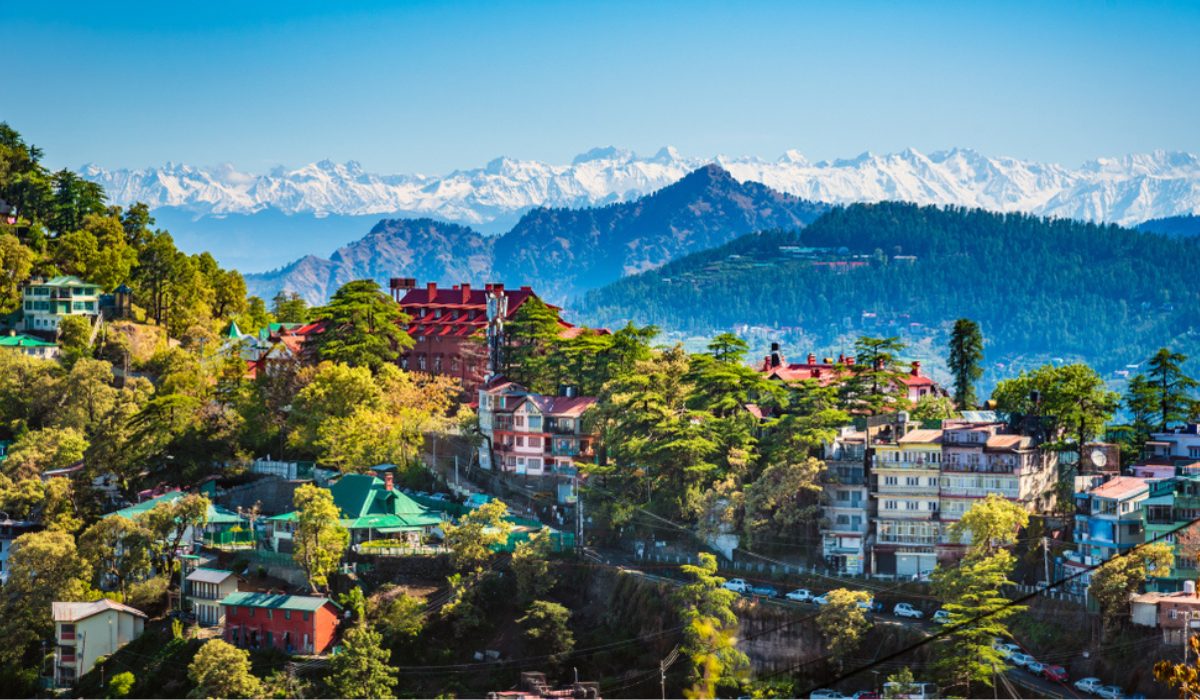
Shimla Hill is one of Abbottabad’s most iconic viewpoints, offering a sweeping panoramic view of the city below, framed by pine-covered slopes and distant mountain ridges. Located just a short drive from the city center, Shimla Hill is not only a favorite among locals for casual outings and morning hikes but also a must-visit for travelers seeking fresh mountain air, scenic beauty, and peaceful surroundings.
Historical Context
The name “Shimla” is derived from the local Hindko language, meaning “Shady Place,” due to the dense canopy of pine and cedar trees that cover the hill. Historically, Shimla Hill was part of the British officers’ leisure landscape during the colonial era. Its elevation and natural tranquility made it a preferred picnic and observation point, and it remains an essential part of Abbottabad’s local identity.
Visitor Information
-
Location: 10–12 minutes’ drive from Abbottabad city center
-
Travel Time: Around 15 minutes by car or 30–40 minutes on foot for hikers
-
Best Time to Visit: Year-round, especially spring and autumn for clear views
-
Entry Fee: Free
-
Accessibility: Fully accessible via paved road; suitable for all vehicles
-
Parking: Limited parking available at base and summit
-
Facilities: Small tea stalls and local snack vendors nearby
Key Highlights & Experiences
-
Breathtaking Views: From the summit, visitors can enjoy a panoramic view of Abbottabad city, with its red-roofed houses, winding roads, and lush surroundings. On a clear day, the distant peaks of the Galyat range are also visible.
-
Photography Spot: Ideal for photographers capturing golden hour shots of the valley, cloud play, or the sunset that bathes the hills in a warm glow.
-
Hiking & Nature Walks: A moderately easy trail winds up from the city to the top, making it a popular route for early morning joggers and trekkers. The trail is surrounded by thick pine forests and often frequented by birdwatchers.
-
Family Picnics: The shaded environment and cool breeze make Shimla Hill a great place for family picnics, especially in the afternoons. Many locals bring packed meals to enjoy in nature.
-
Peace & Solitude: Even though it’s near the city, Shimla Hill remains relatively uncrowded on weekdays, providing a peaceful environment perfect for meditation or reading.
Travel Tips
-
Wear comfortable footwear if planning to hike to the top.
-
Visit early in the morning or just before sunset to avoid crowds and enjoy the best light.
-
Carry drinking water and snacks, especially if you plan to stay for a while.
-
If traveling by car, drive cautiously as the road becomes narrow and winding near the top.
-
Avoid littering; bring a bag to carry back any trash.
3. Ilyasi Masjid – Abbottabad’s Historic Mosque and Natural Spring
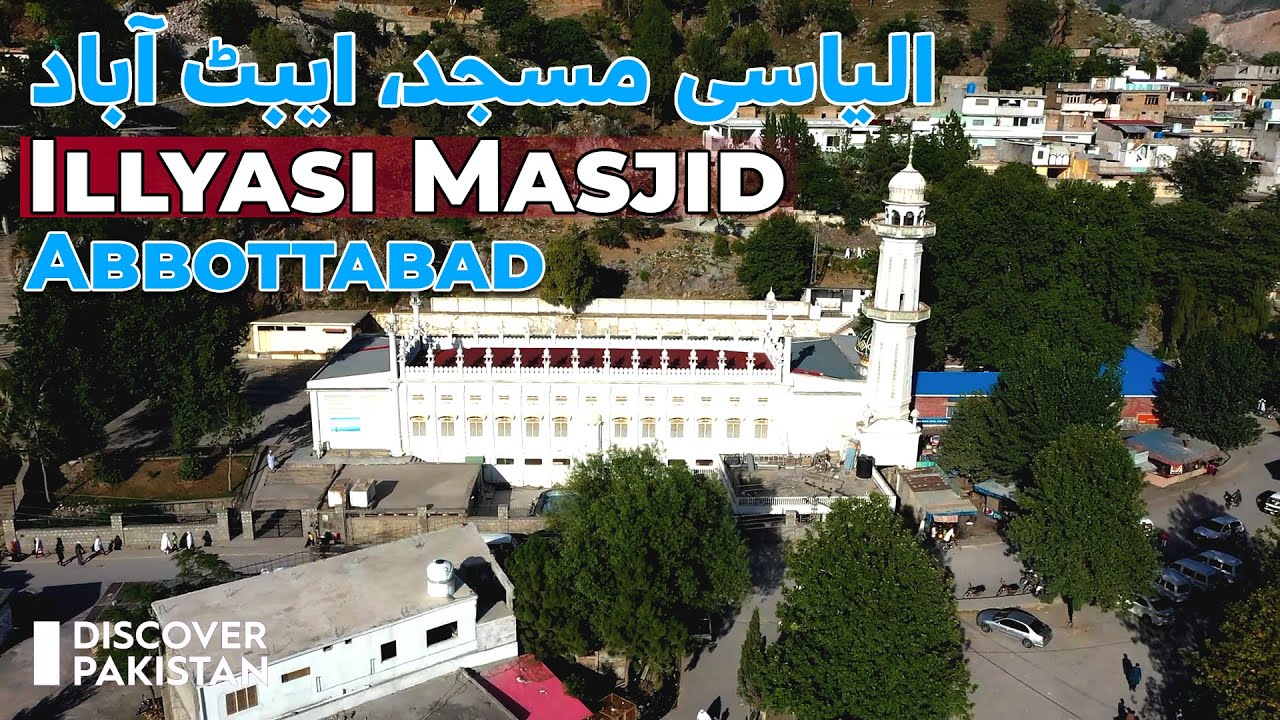
Tucked into the green hills of Abbottabad, Ilyasi Masjid is the city’s oldest and most revered mosque. Built beside a natural spring that continues to flow year-round, the mosque is not only a center for spiritual reflection but also a unique architectural landmark. It’s a popular stop for both religious visitors and tourists interested in Abbottabad’s historical and cultural roots.
Historical Context
Constructed in the early 20th century, Ilyasi Masjid stands on the site of a bubbling freshwater spring. Its name comes from the term Ilyas, possibly referencing a saint or religious figure believed to have once lived in the area. The mosque was built with the contributions of the local community, and its whitewashed structure—with domes and intricate Islamic patterns—remains one of the most iconic images associated with Abbottabad.
Over the years, the mosque has evolved from a humble place of worship into a cherished cultural site. Its location amid rolling hills and dense trees has made it a beloved gathering place for families, hikers, and tourists.
Visitor Information
-
Location: Nawan Shehr, approximately 5 km from central Abbottabad
-
Travel Time: 10–15 minutes by car or local transport
-
Opening Hours: Open daily; best to visit during daylight hours
-
Entry Fee: None (donations accepted)
-
Accessibility: Accessible by road; suitable for families and elderly visitors
-
Facilities: Restrooms, nearby stalls, prayer area, parking space available
Key Highlights & Experiences
-
Architectural Beauty: The mosque features traditional Islamic architecture, including a large dome, minarets, and detailed tile work. Its white structure contrasts beautifully with the green surroundings, making it a photogenic spot.
-
Natural Spring: The clear spring water flows just outside the mosque. Visitors often wash their hands or feet in the cool stream, and the sound of flowing water adds a serene backdrop to the spiritual atmosphere.
-
Local Culture: During Fridays and religious festivals, the mosque becomes a lively center for community gatherings, giving travelers a glimpse into local traditions and religious practices.
-
Family Outing Spot: The area surrounding the mosque includes shaded spots, food vendors, and places to sit. Families often stop here en route to or from other destinations in Abbottabad or Nathia Gali.
-
Peaceful Retreat: Whether or not you’re there to pray, the quiet and calm around the mosque makes it a perfect place to pause, reflect, and take in the natural surroundings.
Travel Tips
-
Dress modestly, especially when entering the mosque—women may want to carry a scarf.
-
Respect prayer times by remaining quiet and avoiding photography during services.
-
Try the local Pakoras and Chai from the small stalls outside; they’re locally famous.
-
Bring your own water bottle if you plan to spend more time exploring the area.
-
Combine your trip with a visit to nearby Harnoi, located just a few kilometers uphill.
4. Harnoi Picnic Point – A Nature Lover’s Escape Near Abbottabad

Just a short drive from Abbottabad city lies Harnoi, a popular riverside picnic spot nestled among green hills and forested slopes. Known for its cool mountain streams, family-friendly atmosphere, and access to local eateries and rides, Harnoi is the go-to destination for those looking to unwind in a natural setting. Whether you’re planning a family picnic, a scenic drive, or a splash in the cold stream, Harnoi offers a refreshing break from urban life.
Historical Context
While Harnoi does not hold the same colonial or religious history as other landmarks, it has become a local tourism hub over the past few decades. Originally a quiet stretch of land along a mountain stream, it developed into a picnic area thanks to its location on the road to Nathia Gali and the rising demand for leisure spots among local residents and tourists.
Today, Harnoi is well integrated into Abbottabad’s weekend culture, attracting hundreds of visitors from the city and surrounding regions, particularly during summer.
Visitor Information
-
Location: 11–13 km from Abbottabad city on Nathia Gali Road
-
Travel Time: 20–30 minutes by car or minibus
-
Best Time to Visit: Spring to early autumn (April–October)
-
Entry Fee: Free (rides and food stalls are paid separately)
-
Accessibility: Fully accessible by paved road
-
Facilities: Ample parking, food stalls, children’s rides, public restrooms
Key Highlights & Experiences
-
Natural Stream & Bridge: Visitors can walk along the stone bridges over the Harnoi stream or dip their feet into its icy-cold water. The setting is ideal for both relaxation and photography.
-
Boating & Rides: Small paddle boats are available for rent, along with amusement rides for children such as mini Ferris wheels, swings, and camel rides.
-
Local Food: A variety of roadside eateries offer traditional snacks like Pakoras, Chana Chaat, and grilled corn, along with tea and cold drinks.
-
Picnic Areas: Shaded spots with benches are scattered around the park. Families often bring picnic baskets and spend the afternoon enjoying the peaceful mountain environment.
-
Hiking & Exploration: The area around Harnoi is lush and inviting for short hikes or nature walks. The forested backdrop offers beautiful photo opportunities, especially during sunrise and sunset.
Travel Tips
-
Go early in the day on weekends to avoid heavy crowds, especially during summer and public holidays.
-
Wear waterproof sandals if you plan to wade into the stream.
-
Secure your belongings and keep valuables with you, as the area gets busy.
-
Pack your own picnic supplies for a cleaner and budget-friendly experience.
-
Be cautious near the water with children, as the stream can be slippery and fast-flowing in places.
5. Lady Garden Park – Abbottabad’s Historic Urban Oasis
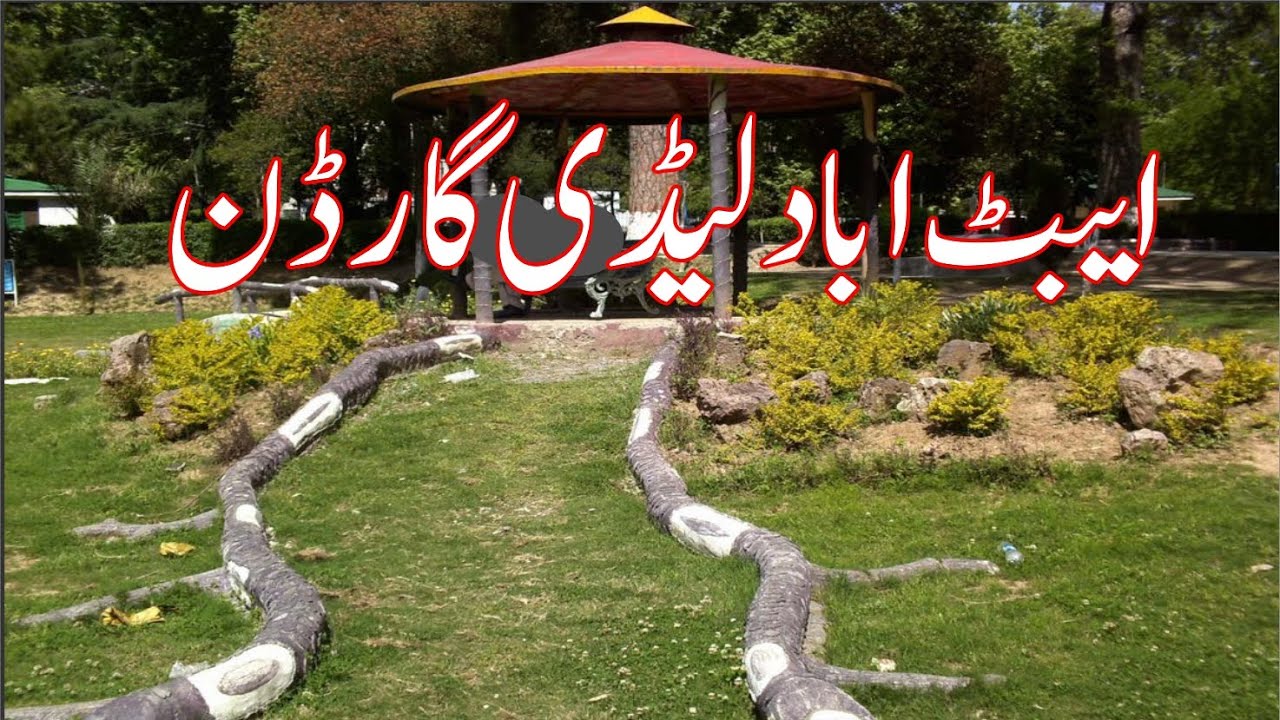
In the heart of Abbottabad’s cantonment area lies Lady Garden Park, a serene public garden steeped in colonial-era charm and natural beauty. Originally designed as a leisure space for British women during the 19th century, this park has grown into a well-maintained urban retreat that offers locals and visitors alike a peaceful escape surrounded by manicured lawns, flower beds, and tall trees.
Historical Context
Lady Garden Park was established during the British Raj, when Abbottabad served as a key military garrison. The park was created as a recreational area specifically for European women and officers’ families—hence the name “Lady Garden.” Its layout, featuring formal paths, ornamental fountains, and rose gardens, reflects classic Victorian landscaping ideals. After independence, it remained a cherished part of the city and is now open to all, continuing to serve as one of the city’s most beloved public spaces.
Visitor Information
-
Location: Near Abbottabad Cantonment, close to PMA Road
-
Travel Time: Less than 10 minutes from city center
-
Timings: 8:00 AM to 10:00 PM (subject to seasonal changes)
-
Entry Fee: Free or nominal (Rs. 20–30 for adults)
-
Accessibility: Easily accessible by road; paved pathways for strollers and wheelchairs
-
Facilities: Benches, fountains, restrooms, walking tracks, snack kiosks
Key Highlights & Experiences
-
Colonial-Era Ambience: The layout and design of the park still reflect the quiet elegance of the British period, with cast-iron benches, neat pathways, and well-pruned hedges.
-
Floral Beauty: Seasonal flowers, especially roses and marigolds, bloom across the park. Spring and early summer are particularly vibrant times to visit.
-
Peaceful Atmosphere: Unlike some of the more crowded areas in the city, Lady Garden Park maintains a peaceful ambiance—perfect for reading, meditation, or a leisurely walk.
-
Family-Friendly Environment: The park includes a modest children’s play area and open space for families to relax, making it ideal for evening outings or Sunday picnics.
-
Cultural & Educational Value: Occasionally, local literary or educational events are held at the park, adding to its cultural significance in the community.
Travel Tips
-
Visit during weekday mornings or late afternoons for the quietest experience.
-
Carry a book or picnic mat if you plan to spend extended time relaxing in the garden.
-
Food options are limited inside, but you’ll find snack vendors and tea stalls nearby.
-
Respect the calm environment—avoid loud music or group activities that may disturb others.
-
Ideal for solo travelers, couples, or families with children.
6. Pakistan Military Academy (PMA) Kakul: A National Symbol of Discipline and Honor
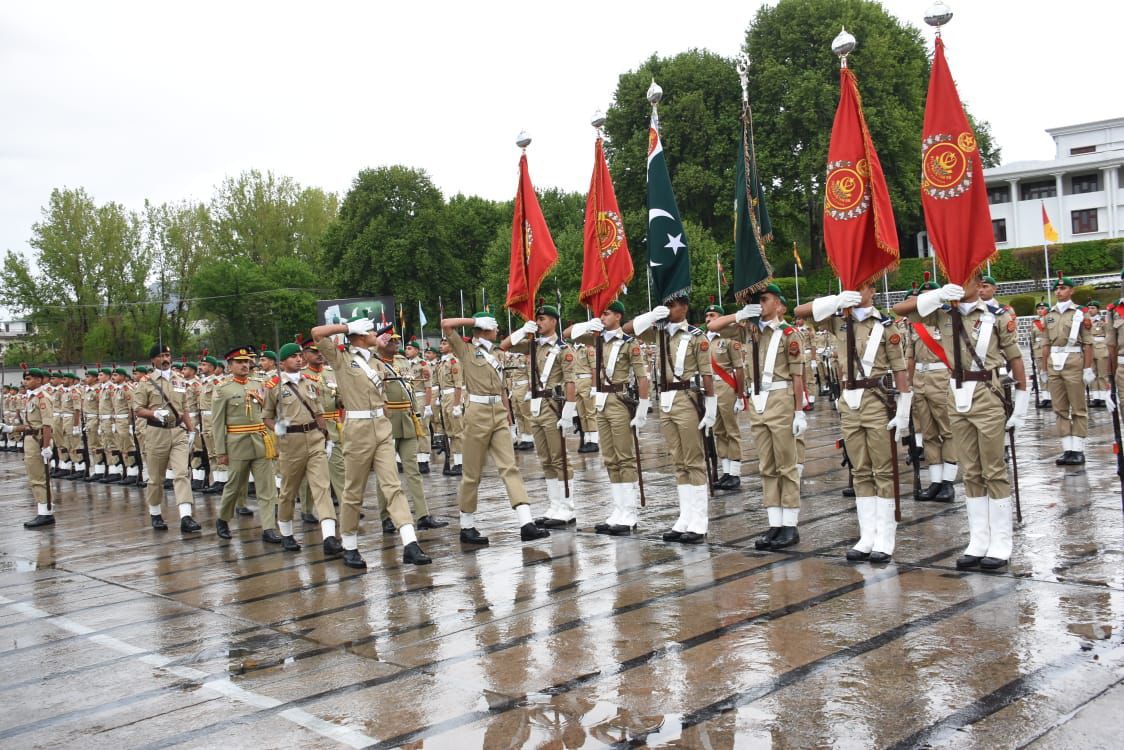
Located on the northeastern edge of Abbottabad, Pakistan Military Academy (PMA) Kakul is one of the most prestigious military institutions in Pakistan. Known as the cradle of leadership for the Pakistan Army, PMA Kakul is not only significant for its defense contributions but also draws interest due to its scenic surroundings, disciplined environment, and occasional access for visitors on guided tours or special events.
Historical Context
Established in 1947 shortly after Pakistan’s independence, PMA Kakul was modeled after the British Royal Military Academy Sandhurst. It occupies the premises of a former British army training center and has since evolved into a world-class military training facility. It is here that officers of the Pakistan Army undergo rigorous training to prepare for leadership roles.
PMA holds immense symbolic value and is deeply integrated into Pakistan’s national identity. Many national heroes and top military officials have passed through its gates. Though the academy itself is not freely open to the public, its presence is visible and felt throughout the region, and its iconic Parade Grounds and architecture can sometimes be observed from nearby areas.
Visitor Information
-
Location: Kakul Road, 5 km northeast of Abbottabad
-
Travel Time: 15–20 minutes by car from city center
-
Access: Restricted – general public not allowed inside unless invited or visiting during public ceremonies (e.g., passing out parades)
-
Photo Restrictions: No photography allowed near entrance or perimeter
-
Nearest Accessible Spot: PMA Viewpoint or surrounding Kakul Road area
Key Highlights & Experiences
-
PMA Viewpoint: While access to the facility is restricted, visitors often stop along Kakul Road Viewpoint for a distant look at the lush green grounds of PMA nestled against the hills.
-
Passing Out Parade (by invitation): Held twice a year, these grand parades are attended by top military officials and foreign dignitaries. Watching the parade is a once-in-a-lifetime experience for those with access.
-
Surrounding Scenery: The road leading to PMA is surrounded by picturesque countryside, pine forests, and terraced farmland. It’s a scenic route for short drives or cycling excursions.
-
Patriotic Significance: PMA is deeply respected by the local community and considered a matter of pride for Abbottabad. Locals often tell stories of relatives or friends who trained there, giving visitors a sense of personal connection to the academy.
Travel Tips
-
Do not attempt to approach or photograph the facility without permission—security is tight.
-
Respect roadblocks and military personnel along Kakul Road.
-
For enthusiasts of military history, check for any public events or open days (usually announced by ISPR or local authorities).
-
Combine your visit to Kakul Road with a drive toward Nathia Gali or Thandiani for a scenic loop.
7. Nathia Gali: A Heavenly Day Trip from Abbottabad
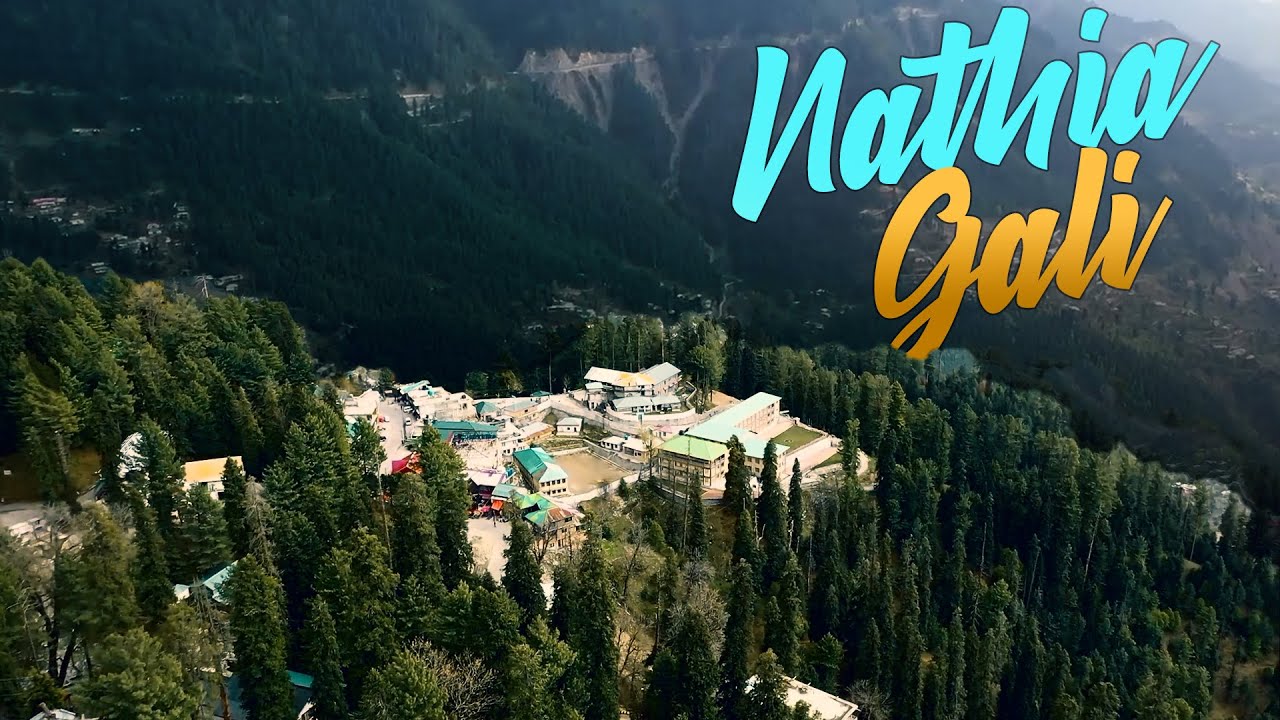
Just a short and scenic drive from Abbottabad lies Nathia Gali, one of Pakistan’s most celebrated hill stations. Known for its cool climate, pine-covered hills, colonial-era architecture, and hiking trails, Nathia Gali is an ideal day-trip destination for anyone visiting Abbottabad. Situated at an altitude of about 8,200 feet (2,500 meters), this serene town offers a refreshing blend of natural beauty, historical charm, and eco-tourism activities.
Historical Context
Nathia Gali was a popular summer retreat during the British Raj, and many of its colonial bungalows and churches still stand today, adding a nostalgic charm to the town. After independence, it became part of the Galyat region of Khyber Pakhtunkhwa and evolved into a sought-after travel spot for both local and international tourists. Its cool weather and lush landscape have long made it a favorite escape from the sweltering plains of Punjab and Sindh.
Visitor Information
-
Location: Approximately 35–40 km from Abbottabad
-
Travel Time: 1.5 to 2 hours via Abbottabad–Nathia Gali Road
-
Best Time to Visit: May to October (summer); December–February (for snow lovers)
-
Entry Fee: None (National Park fees may apply in nearby areas)
-
Accessibility: Fully accessible by road, but drive cautiously—winding mountain roads
-
Facilities: Restaurants, restrooms, guesthouses, parking, shops
Key Highlights & Experiences
-
Mukshpuri and Miranjani Hikes: Nathia Gali is the base for two of the most scenic treks in Pakistan—Mukshpuri Top and Miranjani Top. These moderate-level hikes pass through dense pine forests and offer panoramic views of the surrounding peaks.
-
St. Matthew’s Church: Built in the early 1900s, this wooden church is a remnant of the British era and still holds Sunday services. Its antique furniture and peaceful garden make it a lovely historic stop.
-
Wildlife and Nature: The area is rich in flora and fauna—home to leopards (rare sightings), monkeys, deer, and a variety of bird species, making it a paradise for nature enthusiasts.
-
Pleasant Weather: Even in peak summer, temperatures remain mild, offering a cool breeze and misty ambiance. Winter transforms Nathia Gali into a snow-covered wonderland.
-
Colonial Bungalows: Walk along the pine-lined streets to spot old British-era homes with slanted roofs and stone walls, many of which are now rest houses or hotels.
-
Local Shopping & Food: Try local specialties such as Pakistani BBQ, trout fish, jalebi, and kehwa. Handicrafts and dry fruits are available in local markets.
Travel Tips
-
Start early from Abbottabad to make the most of your day in Nathia Gali.
-
Dress in layers—even summer mornings and evenings can get chilly.
-
Carry good walking shoes if planning to hike.
-
Be cautious of monkeys; avoid feeding or teasing them.
-
Roads can be foggy and slippery, especially during monsoon or winter—drive carefully.
-
Book accommodation in advance if planning to stay overnight.
8. Ayubia National Park: A Wild Wonderland Near Abbottabad
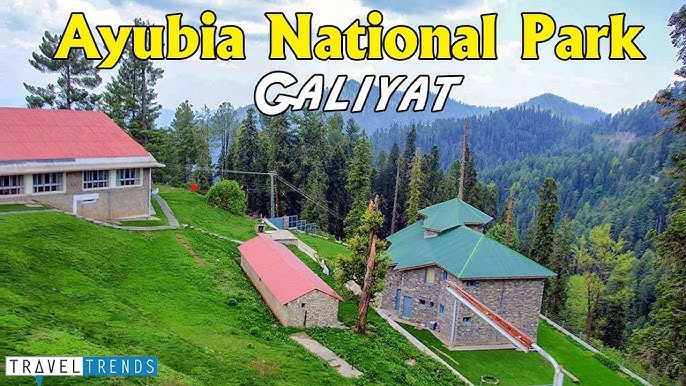
Located about an hour’s drive from Abbottabad, Ayubia National Park is a sprawling 3,300-hectare protected area in the Galyat region. Known for its dense pine forests, cool climate, wildlife, and iconic Pipeline Walking Track, the park offers one of the best eco-tourism experiences in Pakistan. Whether you’re hiking, birdwatching, or just enjoying the natural scenery, Ayubia delivers a perfect blend of adventure and tranquility.
Historical Context
Named after Pakistan’s second president, Field Marshal Ayub Khan, the park was established in 1984 to preserve the biodiversity of the western Himalayan ecosystem. It consists of multiple connected areas including Ayubia, Khanspur, Ghora Dhaka, and Changla Gali, with Dunga Gali being a primary access point for tourists. Over time, it has become a popular day-trip and weekend getaway destination for nature lovers, families, and trekkers.
Visitor Information
-
Location: Approximately 40–45 km from Abbottabad via Nathia Gali Road
-
Travel Time: 1.5 to 2 hours by car
-
Park Timings: 8:00 AM to 7:00 PM
-
Entry Fee: Rs. 50–100 per person (may vary by season)
-
Accessibility: Well-paved road access; hiking paths within the park
-
Facilities: Parking, cafes, restrooms, viewing points, benches, information boards
Key Highlights & Experiences
-
Pipeline Walking Track: This scenic trail runs from Dunga Gali to Ayubia (around 4 km one way) along an old British-era water pipeline. The flat, shaded path is ideal for walkers of all ages and offers views of forested hills, birds, and wildflowers.
-
Chairlift Ride: One of Pakistan’s oldest and most famous chairlifts takes visitors from Ayubia to Mushkpuri Hills, offering sweeping aerial views of the forest and surrounding valleys.
-
Wildlife Spotting: The park is home to leopards (rare sightings), golden eagles, black bears, monkeys, and a wide variety of birds and butterflies—making it ideal for wildlife photography and birdwatching.
-
Picnic Areas: Designated picnic spots and open meadows allow families to relax, have lunch, or enjoy the weather in a clean, natural setting.
-
Educational Experience: The park has eco-information centers and signboards along trails, educating visitors about local flora, fauna, and conservation.
Travel Tips
-
Wear sturdy walking shoes and bring a jacket, even in summer—the park can get chilly.
-
Keep your food sealed and secured—monkeys are clever and curious.
-
Stay on marked trails to preserve the habitat and avoid getting lost.
-
Carry a water bottle, especially if you’re doing the full walking track.
-
Visit early in the day for the best wildlife sightings and fewer crowds.
-
Combine this trip with a visit to Nathia Gali or Dunga Gali for a full day of exploration.
9. Old British Graveyard Echoes of the Colonial Era
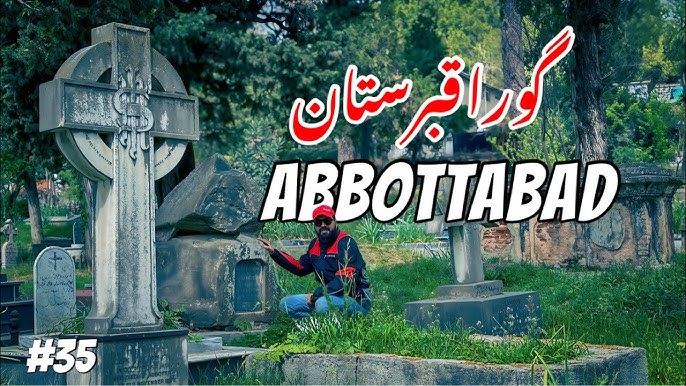
Hidden amidst the trees of Abbottabad’s Cantonment area lies the Old British Graveyard, a quiet, somber reminder of the city’s colonial past. This historic cemetery, dating back to the mid-19th century, contains the graves of British officers, soldiers, civil servants, and their families who lived and served in the region during the British Raj. Though not a conventional tourist spot, it offers a unique and contemplative experience for history enthusiasts and cultural travelers.
Historical Context
The graveyard was established shortly after the founding of Abbottabad by Major James Abbott in 1853. As the city developed into a garrison town and administrative hub during British rule, the graveyard served as the final resting place for Europeans stationed in the region. Some headstones date back more than 150 years and reflect the hardships faced during colonial times—disease, accidents, and conflict. The site bears testimony to the imperial chapter of Abbottabad’s story and provides insight into the lives of those who shaped the city’s early identity.
Visitor Information
-
Location: Near the Old Christian Community area, Abbottabad Cantonment
-
Travel Time: Around 10 minutes from city center by car
-
Timings: Daytime hours only (no formal gate but visit respectfully)
-
Entry Fee: Free
-
Accessibility: Pathways are unpaved; accessible on foot only
-
Facilities: None on-site; carry water and essentials
Key Highlights & Experiences
-
Historic Headstones: Intricately carved gravestones with epitaphs in English provide details of those buried, including ranks, regiments, and family backgrounds. Some are beautifully weathered, others partially overgrown—adding to the mystery.
-
Architectural Details: Gothic-style crosses, iron railings, and stone obelisks give the cemetery a distinct Victorian-era aesthetic.
-
Solitude and Reflection: The peacefulness of the site makes it ideal for quiet walks and reflection. The blend of nature and history creates a uniquely contemplative atmosphere.
-
Photography & Documentation: While photography should be respectful, many heritage lovers find the worn tombstones and ivy-covered corners visually compelling.
-
Historical Insight: Reading the epitaphs offers glimpses into the lives of those who lived through a turbulent time in South Asian history—plague outbreaks, colonial conflicts, and harsh frontier living.
Travel Tips
-
Dress modestly and tread respectfully—it’s a sacred space for many.
-
Avoid visiting after dark for safety and cultural sensitivity.
-
Use caution when walking among the graves—some stones are loose or sunken.
-
Ideal for solo travelers, photographers, and history students.
-
Combine this visit with a trip to St. Luke’s Church, nearby, to complete the colonial heritage circuit in Abbottabad.
10. Jinnahabad Park: A Family-Friendly Urban Escape
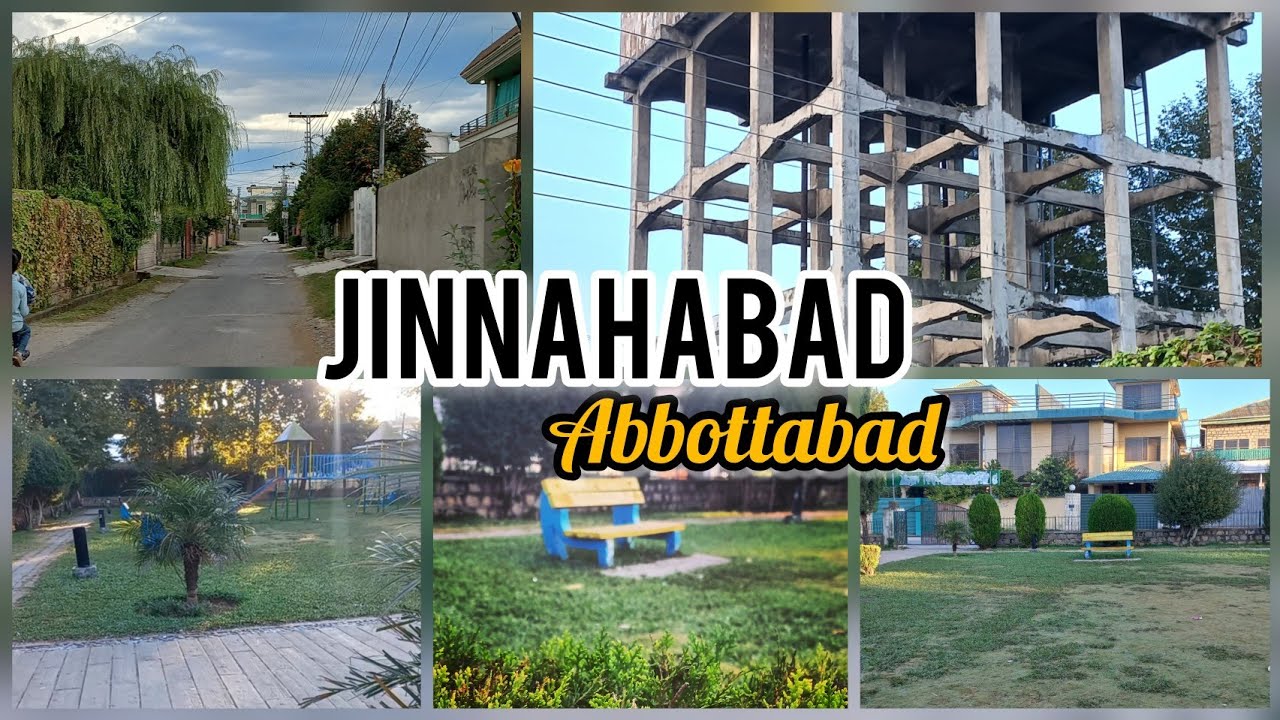
Located in one of the most vibrant residential zones of Abbottabad, Jinnahabad Park is a well-maintained public space offering recreational amenities for families, fitness enthusiasts, and leisure seekers. Nestled against the backdrop of lush hills, the park provides a refreshing environment to unwind, exercise, or enjoy a picnic amidst well-kept greenery. Its central location and community-friendly design make it a popular destination for locals and travelers alike.
What to Expect
Jinnahabad Park combines nature with urban utility. Jogging tracks, children’s play areas, benches shaded by pine trees, and manicured lawns make this park a comfortable place to spend a quiet afternoon or a lively evening with family. On weekends and public holidays, it buzzes with activity—families bringing children, friends meeting for walks, and individuals enjoying outdoor yoga or reading.
Key Attractions and Features
-
Jogging Tracks: A paved circular path is ideal for runners and walkers. Early mornings see a crowd of fitness-conscious locals enjoying the fresh mountain air.
-
Children’s Play Area: Swings, slides, and safe play structures cater to younger children. It’s a secure, fenced area with soft ground material.
-
Lawns and Trees: Towering pine and poplar trees provide ample shade. Many locals spread mats on the grass for picnics or afternoon tea.
-
Sitting Benches: Strategically placed benches offer quiet spots for reading or people-watching.
-
Scenic Backdrop: The Margalla and Murree Hills visible from the park add a dramatic touch to the horizon, especially around sunset.
-
Evening Lighting: The park is equipped with ample lighting, making it a secure place even after dusk.
Visitor Information
-
Location: Jinnahabad, Abbottabad (near Mandian Road)
-
Timings: Open daily from 5:00 AM to 10:00 PM
-
Entry Fee: Free for all visitors
-
Best Time to Visit: Early morning for tranquility or late afternoon for a family-friendly vibe
-
Accessibility: Wheelchair-friendly paths; nearby parking available
Ideal For
-
Families with children seeking a safe and fun environment
-
Travelers looking to unwind between sightseeing trips
-
Photographers capturing everyday life in Abbottabad
-
Joggers and walkers enjoying the cool mountain breeze
Travel Tips
-
Visit during weekdays to avoid weekend crowds.
-
Bring your own snacks or drinks, as vendors are limited.
-
Respect the local dress code and cultural norms—modest attire is recommended.
-
Use eco-friendly practices—avoid littering and take reusable water bottles.
-
Pair your visit with nearby eateries or a stroll through the upscale Jinnahabad Market.
Transportation in Abbottabad
Abbottabad’s transportation infrastructure is a blend of traditional and modern systems, offering reasonable accessibility within the city and efficient connectivity to other major regions of Khyber Pakhtunkhwa and Pakistan. Whether you’re a solo traveler, a family tourist, or an international explorer, moving around Abbottabad is generally straightforward, safe, and affordable.
Reaching Abbottabad
By Road
Abbottabad is easily accessible by road and lies on the Karakoram Highway (N-35), which connects it with Islamabad (about 130 km) and Mansehra, extending further toward Gilgit-Baltistan and China. This highway is scenic, well-paved, and regularly serviced.
-
From Islamabad/Rawalpindi: Around 2.5–3 hours by car or bus
-
From Peshawar: Approximately 5 hours by road
-
From Murree: Around 2 hours via Nathiagali route
Popular bus services like Daewoo Express, Skyways, and Faisal Movers operate regularly from major cities.
By Air
The nearest airport is Islamabad International Airport (ISB), located about 115 km from Abbottabad. From there, travelers can hire a taxi or use a bus service to reach the city. There is currently no airport within Abbottabad itself.
By Rail
Abbottabad does not have a central railway station. The nearest major rail hub is Havelian Railway Station (approximately 15 km away), which connects with Rawalpindi and other northern regions. From there, taxis and vans are available to reach Abbottabad.
Getting Around Abbottabad
Public Buses & Mini Vans
Local minibuses and shared vans (commonly referred to as Suzukis or Hiaces) are the primary mode of public transport within the city. These are budget-friendly but may be crowded during peak hours.
-
Fares are inexpensive (starting from Rs. 20–30).
-
Routes cover key areas like Mandian, Jinnahabad, Ayub Medical Complex, and Main Bazar.
Taxis & Rickshaws
Taxis (both private and shared) and auto-rickshaws are widely available.
-
Negotiation on fares is common unless the vehicle has a meter (rare).
-
Ride-hailing apps like Careem and InDrive are operational in parts of Abbottabad, offering safer and more transparent pricing.
Private Car Rentals
For those who prefer privacy or are traveling with family, renting a car can be a convenient option. Local rental services offer daily packages, and 4×4 vehicles are also available if you plan to visit hilly areas like Nathiagali or Thandiani.
Walking & Biking
In areas like Jinnahabad, Cantt, and Shimla Hill, walking is not only pleasant but often the best way to soak in the views. However, due to traffic congestion and steep roads in some areas, cycling is less common and should be done with caution.
Travel Tips
-
Always confirm fares before boarding local taxis or rickshaws.
-
Keep small cash denominations handy.
-
During winter, road conditions toward higher altitudes may be affected by snow—check weather updates before planning trips to places like Thandiani.
-
Avoid traveling after dark in rural areas if you are unfamiliar with the terrain.
-
Women travelers may prefer ride-hailing apps for added comfort and security.
Weather and Best Time to Visit Abbottabad
Abbottabad experiences a moderate and pleasant climate for most of the year, making it one of the most attractive hill stations in Khyber Pakhtunkhwa. Its elevation of around 4,100 feet (1,260 meters) above sea level grants it cooler summers and snowy winters, offering a refreshing contrast to the lowland cities of Pakistan. Understanding the seasonal weather patterns is essential for planning a comfortable and enjoyable trip.
Seasonal Breakdown
Spring (March to May)
Spring is one of the most beautiful and recommended times to visit Abbottabad. The weather ranges from 12°C to 25°C, and the city bursts into color with blooming flowers, especially in areas like Shimla Hill Park and Ayubia National Park (just outside the city limits). It’s ideal for:
-
Sightseeing and photography
-
Light hiking and nature walks
-
Exploring nearby hill resorts like Nathiagali
Summer (June to August)
Abbottabad is a popular summer escape for tourists from southern Pakistan looking to escape the heat. Temperatures typically range between 18°C and 30°C, with July being the warmest month. The climate remains pleasant, with occasional rainfall that cools the surroundings and enriches the greenery.
However, it’s also the peak tourist season, so advance hotel bookings are highly recommended.
Activities include:
-
Picnics in Jinnah Garden or Lady Garden Park
-
Day trips to Thandiani or Nathiagali
-
Horseback riding, camping, and nature treks
Monsoon (Late July to Early September)
The monsoon season brings intermittent rainfall, which can enhance the scenic beauty but may also cause occasional landslides or traffic disruptions in hilly regions.
-
Rainfall intensifies in surrounding hill areas.
-
Best to stay updated on weather forecasts if you plan outdoor adventures.
Autumn (September to November)
Autumn transforms Abbottabad’s landscape into a stunning canvas of golden, red, and orange hues. Temperatures gradually dip to 8°C–20°C, making it an excellent time for:
-
Quiet nature getaways
-
Photography enthusiasts
-
Hiking the quieter trails in Shimla Hills or Harnoi
Winter (December to February)
Winters in Abbottabad are cold and occasionally snowy, especially in the upper areas near Thandiani and Miranjani Peak. The city itself rarely sees heavy snow, but temperatures often drop below 0°C at night, with daytime averages ranging from 5°C to 12°C.
If you’re a fan of snowy landscapes and chilly mountain air, this is the season to explore the winter charm of the area.
-
Roads to Thandiani and surrounding highlands may be closed due to snow.
-
Ideal for honeymooners or tourists seeking a quiet retreat.
Best Time to Visit Abbottabad
-
March to May (Spring) and September to November (Autumn) are considered the best months to visit due to the combination of pleasant weather, scenic beauty, and fewer tourist crowds.
-
Summer (June to August) is also highly popular, but accommodations can be fully booked, and local traffic increases significantly.
Travel Tips for Weather
-
Always carry a light jacket or shawl, even in summer, as evenings can be cooler.
-
For winter travel, pack layered clothing, gloves, and sturdy boots.
-
Keep an umbrella or raincoat handy during monsoon season.
-
Use sunblock and sunglasses if you’re visiting during sunny spring or summer days.
Cuisine of Abbottabad
Abbottabad’s culinary landscape is a delicious blend of Pashtun, Punjabi, and local Hazara influences, offering travelers a chance to indulge in a variety of flavorful dishes. From sizzling barbecue joints to cozy roadside dhabas and contemporary cafes, the city caters to both traditional and modern tastes. The food here is known for its rich spices, grilled meats, aromatic rice dishes, and hearty breads.
Whether you’re a foodie traveler or just looking to enjoy authentic local cuisine, Abbottabad has plenty to offer.
Traditional Dishes to Try
1. Chapli Kebab
One of the most iconic dishes of the region, Chapli Kebab is made from minced meat (usually beef), mixed with onions, tomatoes, and spices, and then fried in large shallow pans. Served with naan and chutney, it’s a must-try street food in Abbottabad.
Where to try:
-
Shinwari Restaurants along Mansehra Road
-
Khyber Shinwari Tikka House
2. Namkeen Karahi
This dish features salted goat or lamb meat cooked slowly in its own juices, often with minimal spices. It’s a favorite among locals who enjoy the pure taste of meat. Some versions add yogurt and green chilies.
Where to try:
-
Karahi and BBQ spots in Salhad and Main Bazaar
3. Kabuli Pulao
Reflecting Afghan culinary influence, Kabuli Pulao is a fragrant rice dish with raisins, carrots, and tender lamb. It’s mildly spiced but rich in flavor and presentation.
Where to try:
-
Afghan restaurants near the Supply Bazaar and the Ilyasi Mosque area
4. Saag with Makai ki Roti
For those interested in Punjabi tastes, this dish consists of slow-cooked mustard greens (saag) served with cornmeal flatbread. It’s especially popular during the winter season.
5. Dumba Karahi & BBQ
Prepared using fat-tailed sheep, this delicacy is extremely popular among meat lovers and is often served during family gatherings and special occasions.
Where to try:
-
Namak Mandi-style eateries around Jinnahabad and Mandian
Snacks & Street Foods
Pakoras and Samosas
Evenings in Abbottabad are perfect for enjoying hot pakoras (fried fritters) and samosas with a cup of strong, milky tea, especially in the cooler months.
Try it at:
-
Supply Bazaar and roadside stalls on College Road
Chana Chaat and Dahi Bhallay
Refreshing, spicy, and tangy—these chickpea-based snacks are popular for a quick, light bite.
Jalebi and Gulab Jamun
Sweet lovers will enjoy fresh jalebi (crispy syrup-drenched spirals) and gulab jamun (soft milk balls soaked in syrup), found at almost every corner sweet shop.
Modern Dining & Cafés
In recent years, Abbottabad has seen the rise of trendy cafes and modern restaurants offering a variety of cuisines.
Popular Cafes and Restaurants:
-
Red Onion Restaurant – Pakistani, Chinese, and Continental
-
Mei Kong – One of the best spots for Chinese cuisine
-
Cafe Route 35 – A cozy place for fast food, coffee, and desserts
-
Khayyam Restaurant – Family dining with both local and international menu
-
The Hot Spot – Ice cream, brownies, and cold coffee popular among students
Tea Culture in Abbottabad
No trip to Abbottabad is complete without experiencing its tea culture. Locals love to gather at roadside stalls and cafes over qehwa (green tea), masala chai, or doodh pati. Pair your tea with snacks like rusks, biscuits, or samosas for an authentic local experience.
Dining Tips
-
Lunch hours: 1 PM – 3 PM
-
Dinner hours: 7 PM – 10 PM
-
Most local eateries do not serve alcohol, as per cultural and religious norms.
-
Cash is preferred in small dhabas, while larger restaurants accept cards.
Accommodation in Abbottabad
Abbottabad offers a variety of accommodation options ranging from budget guesthouses and mid-range hotels to luxurious resorts nestled in the scenic hills. Whether you’re a solo backpacker, a couple on a getaway, or a family on vacation, the city has something suitable for every traveler. Due to its pleasant climate and central location, it also serves as a popular base for those heading to the northern areas like Naran, Kaghan, Hunza, and Gilgit.
Top Hotels in Abbottabad
1. Hotel One Abbottabad
-
Type: Mid-range
-
Location: Main Mansehra Road
-
Features: Clean rooms, professional service, complimentary breakfast, and Wi-Fi.
-
Ideal for: Families and business travelers.
-
Website: Hotel One
2. Pearl Continental Hotel Bhurban (nearby option)
-
Type: Luxury
-
Location: Around 1 hour’s drive from Abbottabad
-
Features: Five-star amenities, mountain views, lush gardens
-
Ideal for: Couples and high-end travelers wanting proximity to Abbottabad with luxurious amenities.
3. Stargaze Hotel & Apartments
-
Type: Mid-range
-
Location: Supply Bazaar area
-
Features: Serviced apartments, free parking, kitchenette
-
Ideal for: Extended stays or family groups
4. Triple One Hotel
-
Type: Budget-friendly
-
Location: Shimla Hill Road
-
Features: Basic amenities, budget rates, clean rooms
-
Ideal for: Solo travelers or students
5. Mehran Hotel Abbottabad
-
Type: Budget
-
Location: Mandian
-
Features: Affordable rates, 24/7 front desk, room service
-
Ideal for: Short stays or transit travelers
Guesthouses & Airbnb Options
Abbottabad also has several private guesthouses and Airbnb accommodations offering a more homey and personal experience. These are perfect for travelers who want to experience local hospitality and stay away from the commercial hotel scene.
-
Hazara Guest House – Located near COMSATS University, perfect for student visitors or academic guests
-
Airbnb Homes – Many locals rent out rooms, villas, or entire homes in peaceful neighborhoods like Jinnahabad and Nawan Shehr
Camping & Eco-Lodges (Nearby Areas)
If you’re venturing just outside Abbottabad:
-
Thandiani Rest Houses and Forest Department Lodges offer a great escape into nature with basic facilities
-
Camping Pods near Nathia Gali and Mushkpuri can be booked for a scenic and adventurous experience
Tips for Choosing Accommodation
-
Book in advance during the summer and holiday seasons (May to August, Eid holidays)
-
Always check online reviews before finalizing a booking
-
If staying for more than a week, negotiate long-stay discounts
-
For scenic views, opt for places near Shimla Hill, Thandiani Road, or Nawan Shehr
Recommended Booking Platforms
-
Local Facebook groups and WhatsApp travel communities often offer discounted homestay options
Frequently Asked Questions (FAQs) About Abbottabad
1. Where is Abbottabad located?
Abbottabad is a city in the Hazara region of Khyber Pakhtunkhwa, Pakistan, nestled in a scenic valley surrounded by hills. It’s approximately 50 kilometers northeast of Islamabad, making it easily accessible from the capital.
2. What is Abbottabad famous for?
Abbottabad is known for its pleasant weather, British colonial architecture, educational institutions, and as a gateway to the northern areas like Naran, Hunza, and Gilgit. It’s also famous for the Pakistan Military Academy (PMA) located in nearby Kakul.
3. Is Abbottabad safe for tourists?
Yes, Abbottabad is generally considered safe for local and foreign tourists. The city has a low crime rate, and the locals are known for their hospitality. However, it’s always advisable to stay updated on local travel advisories and respect cultural norms.
4. What is the best time to visit Abbottabad?
The best time to visit is from March to June and September to November, when the weather is most pleasant. Summers are cool compared to the plains, while winters can be chilly with occasional snowfall in nearby hill stations.
5. How can I get to Abbottabad from Islamabad or Lahore?
-
From Islamabad: About a 2-hour drive via the Hazara Expressway (M-15)
-
From Lahore: Around 6–7 hours by road, or take a flight to Islamabad followed by a road trip
Bus services like Daewoo, Skyways, and Faisal Movers also operate regular routes to Abbottabad.
6. Are there good hotels and places to stay in Abbottabad?
Yes, Abbottabad offers a range of accommodation options including budget hotels, mid-range chains like Hotel One, and Airbnb stays. Nearby luxury options are also available, such as Pearl Continental Bhurban.
7. What are the must-visit attractions in Abbottabad?
Some top attractions include:
-
Shimla Hill Viewpoint
-
Lady Garden Public Park
-
Thandiani Hill Station
-
Ilyasi Mosque
-
Harnoi River & Park
These spots are ideal for nature lovers, families, and history enthusiasts.
8. What should I wear in Abbottabad?
Light, modest clothing is ideal in summer, while warmer layers are necessary during winter. While Abbottabad is relatively liberal, it’s respectful to follow local dress norms, especially in public areas and religious sites.
9. Is English spoken in Abbottabad?
Yes, English is widely understood, especially in hotels, educational institutions, and among younger residents. Urdu and Hindko are commonly spoken by locals.
10. Can Abbottabad be used as a base to explore the North?
Absolutely. Abbottabad serves as a strategic base for tourists traveling to Naran, Kaghan, Hunza, Skardu, and Swat. It offers good road connectivity, comfortable accommodations, and all basic traveler facilities.
11. Are there ATMs and mobile services available?
Yes, major banks and ATMs are located throughout the city. Mobile services including Jazz, Zong, Ufone, and Telenor offer strong signals and data coverage.
12. Is it suitable for solo female travelers?
While cultural norms are conservative, solo female travelers can explore safely by staying in reputable accommodations, dressing modestly, and avoiding late-night movement alone. Local women-friendly travel groups can also offer advice and connections.


