
Tucked away in the southern belt of Khyber Pakhtunkhwa, Pakistan, lies a city that’s often overlooked by mainstream tourism—but once discovered, it leaves a lasting impression. Welcome to Karak, a place where tribal legacy, natural beauty, and cultural pride converge to create an experience unlike any other. Whether you’re a history enthusiast, a nature lover, or a curious traveler seeking authenticity, Karak offers a compelling journey into the soul of Pashtun heritage.
Karak is the administrative capital of Karak District, and what makes it truly unique is its demographic composition—it’s the only district in Pakistan predominantly inhabited by a single Pashtun tribe: the Khattaks. This tribal homogeneity gives Karak a strong cultural identity, deeply rooted in centuries-old traditions, poetry, and valor. The city’s rhythm is shaped by the values of Pashtunwali, the unwritten code of honor that governs life here—hospitality, courage, loyalty, and respect.
Historically, Karak has been a stronghold of the Khattak tribe, whose most celebrated figure is Khushal Khan Khattak, a 17th-century warrior-poet and philosopher. His resistance against Mughal rule and his literary contributions are still revered across the Pashtun belt. His legacy permeates the city—from the names of schools and streets to the stories passed down through generations. In many ways, Karak is a living tribute to his ideals of freedom, intellect, and tribal unity.
Geographically, Karak is positioned along the Indus Highway (N-55), making it a strategic link between major cities like Peshawar, Kohat, Bannu, and Dera Ismail Khan. The terrain is rugged and arid, with dramatic hills, salt mines, and vast plains that stretch toward the horizon. The city sits at an elevation of over 1,400 meters, giving it a dry climate that’s both challenging and invigorating. The landscape is dotted with natural springs, picnic spots, and archaeological remnants that whisper tales of ancient civilizations.
Despite its modest size, Karak is rapidly urbanizing. The population has grown significantly over the past two decades, and with the discovery of oil and gas reserves, the city is becoming an economic hub in southern Khyber Pakhtunkhwa. Yet, it retains its rustic charm—mud-brick homes, bustling bazaars, and roadside tea stalls where locals gather to discuss politics, poetry, and tribal affairs.
Culturally, Karak is a treasure trove. The Khattak dance, a traditional martial performance, is a spectacle of synchronized movement and fierce pride. Local music, often accompanied by the rabab and harmonium, tells stories of love, war, and honor. The city’s festivals, weddings, and religious gatherings are vibrant affairs, filled with color, rhythm, and community spirit. Visitors are often welcomed with open arms, offered a steaming cup of Karak Chai, and invited to share in the rituals that define life here.
For travelers, Karak offers a rare opportunity to step off the beaten path and into a world that’s both ancient and alive. The city’s attractions range from historical forts and temples to serene parks and salt mines. Its proximity to natural wonders and archaeological sites makes it a perfect base for exploration. And while tourism infrastructure is still developing, the warmth of the locals more than compensates for any lack of luxury.
In recent years, Karak has begun to attract attention from cultural tourists, anthropologists, and adventure seekers. Its untouched beauty, tribal authenticity, and strategic location make it a rising star in Pakistan’s travel landscape. Whether you’re tracing the footsteps of Khushal Khan Khattak, hiking through the Zarki Nasrati hills, or savoring a plate of Namkeen Karahi at a roadside dhaba, Karak promises an experience that’s raw, real, and unforgettable.
So, if you’re ready to explore a city where history breathes through every stone, where tradition is not just remembered but lived, and where every encounter feels like a story waiting to be told—Karak awaits you.
Section 2: How to Get to Karak – Air, Road, and Rail Access
Reaching Karak is easier than most travelers expect, thanks to its strategic location along the Indus Highway (N-55)—a major artery that connects northern and southern Pakistan. Whether you’re flying in from abroad, driving across provinces, or exploring by train, Karak is accessible through multiple modes of transport. Here’s a comprehensive guide to help you plan your journey.
By Air: Nearest Airports to Karak
While Karak doesn’t have its own airport, several nearby airports offer convenient access:
- Bacha Khan International Airport (Peshawar) Distance from Karak: ~105 km This is the closest major airport, offering domestic and international flights. Airlines like PIA, Serene Air, and Airblue operate regular routes to and from cities like Islamabad, Karachi, Dubai, and Doha. From Peshawar, you can hire a private taxi or take a bus via Kohat to reach Karak in about 2–2.5 hours.
- Islamabad International Airport Distance from Karak: ~194 km Though farther, Islamabad Airport provides more international connectivity. It’s ideal for travelers arriving from Europe, North America, or Southeast Asia. The drive from Islamabad to Karak takes around 3.5–4 hours via the M-1 Motorway and Indus Highway.
- Bannu Airport (Limited Use) Distance from Karak: ~90 km Bannu Airport is occasionally used for chartered or military flights but lacks commercial services. It’s not recommended for general travelers.
Pro Tip for Air Travelers: Book flights to Peshawar for the shortest onward journey. Use ride-hailing apps or local transport services to arrange pickup in advance.
By Road: Driving to Karak
Karak is a road traveler’s dream—especially for those who enjoy scenic drives through hills and tribal landscapes. The city is directly connected via the Indus Highway (N-55), which links it to major cities across Pakistan.
Key Routes:
- From Peshawar: Route: Peshawar → Kohat → Karak Distance: ~105 km Time: 2–2.5 hours Road Type: Paved highway with moderate traffic
- From Islamabad: Route: Islamabad → M-1 Motorway → Kohat → Karak Distance: ~194 km Time: 3.5–4 hours Road Type: Motorway + Highway
- From Lahore: Route: Lahore → M-2 → Islamabad → Kohat → Karak Distance: ~550 km Time: 7–8 hours Road Type: Motorway + Highway
Bus Services:
- Daewoo Express Offers comfortable rides from Peshawar and Islamabad to Kohat, with onward connections to Karak.
- Faisal Movers Known for affordability and wide coverage. Check schedules for direct or connecting routes.
- Local Vans & Hiace Services Available from Kohat and Bannu, these are budget-friendly but less comfortable.
Pro Tip for Road Travelers: Fuel up before entering Karak District—petrol stations are available but may be spaced out. Also, keep cash handy as some tolls and local services don’t accept cards.
By Train: Rail Access to Karak
Karak does not have a dedicated railway station, but nearby cities offer rail connectivity:
- Kohat Railway Station Distance from Karak: ~60 km Kohat is the nearest rail hub, connected to Rawalpindi and Peshawar. From Kohat, travelers can take a bus or taxi to Karak.
- Bannu Railway Station (Limited Use) Distance from Karak: ~90 km Bannu’s rail services are limited and not recommended for regular travelers.
- Rawalpindi Railway Station Distance from Karak: ~200 km A major junction with connections across Pakistan. Ideal for long-distance travelers combining train and road travel.
Pro Tip for Train Travelers: Combine train travel with road transport for a scenic and cost-effective journey. Book tickets early during peak seasons to avoid last-minute hassles.
Whether you’re flying in, driving across provinces, or hopping on a train, Karak is well within reach. Its location along the Indus Highway makes it a natural stop for travelers exploring southern Khyber Pakhtunkhwa. With a little planning, your journey to Karak can be as memorable as the destination itself.
Karak Fortress – A Monument of Strength and Legacy
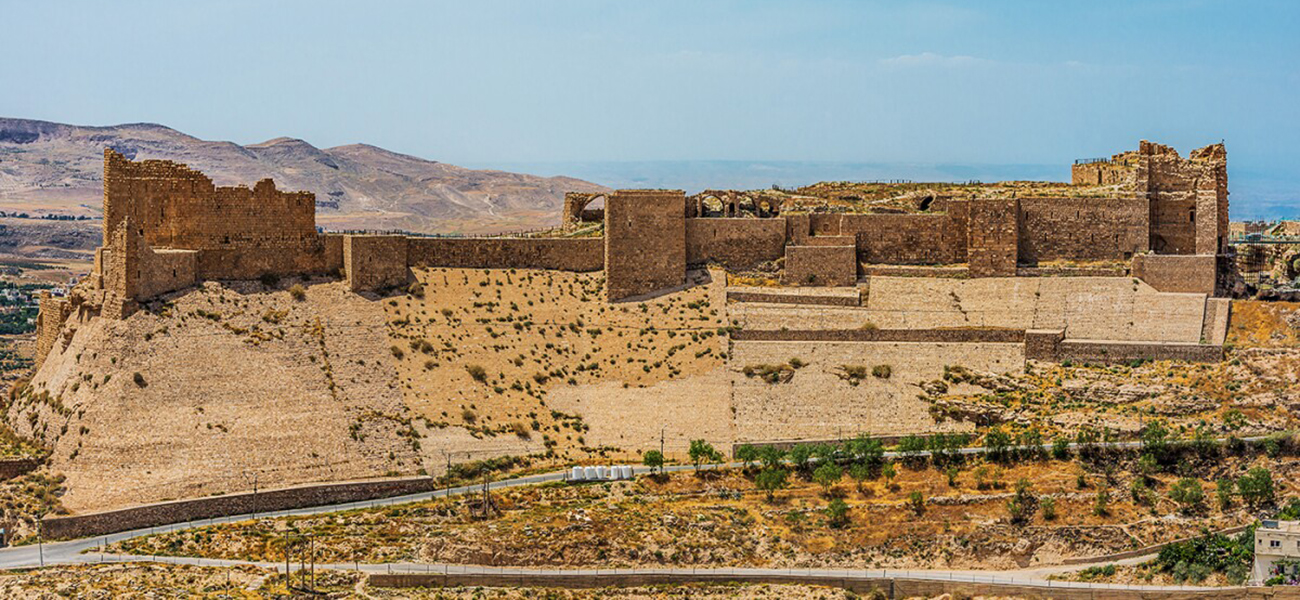
Perched atop a commanding hill in the heart of Karak, the Karak Fortress is a timeless sentinel that has watched over the region for centuries. This architectural marvel is not just a relic of the past—it’s a living testament to the resilience, ingenuity, and strategic brilliance of the people who built it. For travelers seeking a deep dive into history, culture, and panoramic views, Karak Fortress is an unmissable destination.
Historical Significance
The origins of Karak Fortress trace back to the early Islamic period, when it was constructed as a defensive stronghold to protect vital trade routes and tribal territories. Its location was no accident—Karak sits at a crossroads of commerce and conflict, making the fortress a key military asset. Over the centuries, it has witnessed countless battles, tribal skirmishes, and political shifts, each leaving its mark on the stone walls and corridors.
The fortress played a pivotal role during the Khattak tribal era, serving as a base for warriors and leaders, including the legendary Khushal Khan Khattak, whose poetry and resistance against the Mughal Empire are etched into the cultural memory of the region. The structure’s endurance through time reflects the strategic importance of Karak in the broader narrative of Khyber Pakhtunkhwa.
Architectural Features
What sets Karak Fortress apart is its military design—robust, functional, and surprisingly elegant. The massive stone walls, some still intact, were engineered to withstand both siege and time. The fortress includes:
- Watchtowers offering 360-degree views of the surrounding plains and hills.
- Underground chambers believed to have been used for storage and shelter during attacks.
- Narrow passageways designed to confuse invaders and protect defenders.
- Courtyards and open terraces that now serve as scenic viewpoints.
The blend of Islamic and tribal architectural styles gives the fortress a unique aesthetic. Visitors often marvel at the craftsmanship of the stonework, the strategic placement of battlements, and the natural integration of the structure with the hilltop terrain.
Scenic Views
One of the most rewarding aspects of visiting Karak Fortress is the breathtaking panorama it offers. From the top, you can see:
- The Indus Highway snaking through the valley.
- The salt mines of Bahadur Khel glistening in the distance.
- The Zarki Nasrati hills rolling toward the horizon.
- The bustling town of Karak, with its mix of modern buildings and traditional homes.
Sunrise and sunset are particularly magical here, casting golden hues across the landscape and turning the fortress into a photographer’s dream.
Visitor Experience
Exploring Karak Fortress is like stepping into a time capsule. The site is open to the public and accessible via a short hike or drive from the city center. While the infrastructure is modest, the experience is rich:
- Local guides are available to share stories and historical insights.
- Picnic areas near the base offer a relaxing spot to unwind.
- Interpretive signs (in development) aim to enhance the educational value of the visit.
Visitors are encouraged to wear comfortable shoes, bring water, and respect the site’s cultural significance. Photography is allowed, and drone usage may require local permission.
Best Time to Visit
The ideal seasons to explore Karak Fortress are spring (March–May) and autumn (September–November). During these months, the weather is mild, the skies are clear, and the views are unobstructed. Summer can be harsh due to high temperatures, while winter may bring chilly winds that make the hike less pleasant.
Al-Sakhra Park – Karak’s Green Oasis of Peace and Play
In a region known for its arid landscapes and tribal heritage, Al-Sakhra Park stands out as a lush sanctuary—a place where nature, recreation, and community spirit come together. Located in the heart of Karak District, this park is a favorite among locals and a hidden gem for travelers seeking tranquility, scenic beauty, and a refreshing break from the rugged terrain.
Overview and Significance
Al-Sakhra Park is one of the largest and most well-maintained green spaces in Karak. Spanning several acres, it offers a rare burst of greenery in a region dominated by hills and dry plains. The park is designed to cater to families, children, couples, and solo travelers alike, with a mix of natural beauty and recreational facilities.
For locals, Al-Sakhra Park is more than just a leisure spot—it’s a social hub. Weekends and holidays see the park come alive with picnics, laughter, and the aroma of street food. For visitors, it’s a chance to experience Karak’s softer side, where hospitality meets serenity.
Landscape and Design
The park’s layout is a thoughtful blend of nature and structure. It features:
- Manicured lawns perfect for picnics and relaxation.
- Walking trails lined with native trees and flowering shrubs.
- Children’s play areas with swings, slides, and climbing frames.
- Gazebos and shaded seating for families and elderly visitors.
- A central fountain that adds a touch of elegance and calm.
The landscaping incorporates indigenous flora, making the park not only beautiful but ecologically harmonious. Seasonal flowers bloom in vibrant colors, attracting butterflies and birds, while the trees provide much-needed shade during Karak’s hot afternoons.
Activities and Amenities
Al-Sakhra Park is designed to be inclusive and engaging. Visitors can enjoy:
- Jogging and walking on well-paved paths.
- Photography with scenic backdrops and natural light.
- Outdoor games like badminton, frisbee, and cricket.
- Local food stalls offering snacks like pakoras, samosas, and Karak Chai.
- Cultural performances during festivals and public holidays.
The park also hosts occasional community events, including poetry readings, tribal dance showcases, and children’s competitions. These events provide a glimpse into the vibrant culture of the Khattak tribe and foster a sense of unity among residents.
Family-Friendly Atmosphere
One of the park’s biggest draws is its family-friendly vibe. Parents can relax while children play safely in designated zones. The open spaces allow for group activities, and the shaded areas make it comfortable even during warmer months. Security personnel and maintenance staff are present during peak hours, ensuring a safe and clean environment.
For travelers with kids, Al-Sakhra Park is a must-visit. It offers a chance to unwind, interact with locals, and enjoy a slice of everyday life in Karak.
Accessibility and Location
Al-Sakhra Park is centrally located and easily accessible from all parts of Karak. It’s just a short drive from the Indus Highway and close to major landmarks like Karak Bazaar and the District Secretariat. Public transport, taxis, and ride-hailing services can drop you right at the entrance.
Parking is available, though it can get crowded during weekends. Entry is free or nominally priced, depending on the season and events.
Best Time to Visit
The ideal time to visit Al-Sakhra Park is during spring (March–May) and autumn (September–November). During these months, the weather is pleasant, the flowers are in bloom, and the park is at its most vibrant. Early mornings and late afternoons offer the best light for photography and the most comfortable temperatures for walking.
Avoid peak summer afternoons, as the heat can be intense despite the shaded areas. Winter mornings are crisp and quiet—perfect for peaceful strolls.
Karak Archaeological Museum – A Portal to the Past
If Karak is the heart of Khattak heritage, then the Karak Archaeological Museum is its memory bank—a place where centuries of history are preserved, displayed, and celebrated. Located within the historic Karak Castle, this museum offers a rare glimpse into the region’s rich archaeological tapestry, spanning from the Neolithic era to the Islamic period. For history buffs, cultural explorers, and curious minds, this museum is a must-visit destination.
Location and Setting
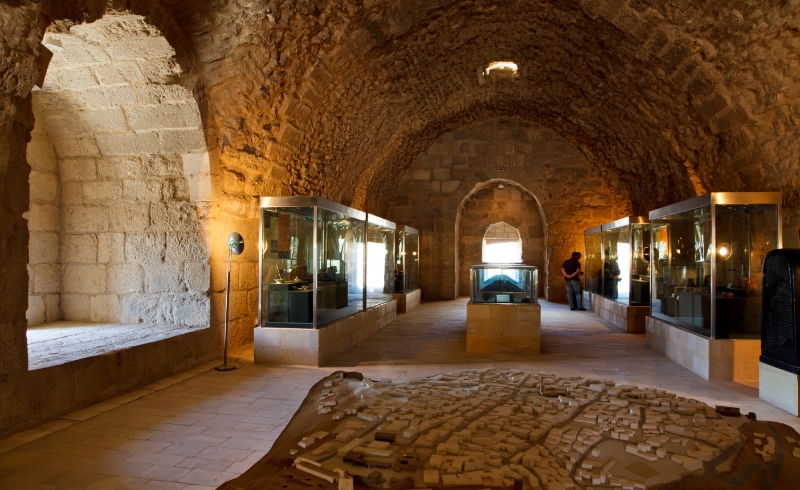
The museum is housed inside the west wing of Karak Castle, a structure that itself dates back to the Crusader and Islamic periods. The museum’s setting is dramatic and immersive—vaulted stone halls, ancient corridors, and dimly lit galleries that echo with stories of the past. The building was originally used as living quarters for soldiers during the Mameluk period, adding another layer of historical intrigue.
Visitors enter through a modest doorway and are immediately transported into a world of ancient civilizations. The museum’s ambiance is quiet, reverent, and deeply atmospheric—perfect for reflecting on the artifacts that shaped Karak’s identity.
Collections and Exhibits
The museum’s collection is impressively diverse, showcasing artifacts from multiple historical periods:
- Neolithic tools and pottery from early settlements in the Karak and Tafila regions.
- Bronze Age burial remains from the site of Bab Adh-Dhra’, including skeletons and funerary items.
- Iron Age II relics from Buseirah, such as ceremonial vessels and weapons.
- Roman and Nabataean artifacts, including coins, statues, and architectural fragments.
- Byzantine glassware and inscriptions, reflecting the region’s Christian heritage.
- Islamic-era manuscripts, ceramics, and calligraphy, highlighting the cultural shift over time.
Each exhibit is arranged chronologically, allowing visitors to trace the evolution of Karak’s civilization from prehistoric times to the medieval Islamic world. The museum also features a 3D model of the old fortified city, offering a visual representation of Karak’s historical layout.
Educational Value
The Karak Archaeological Museum isn’t just a display space—it’s a learning center. Interpretive panels, multilingual descriptions, and guided tours help visitors understand the context and significance of each artifact. The museum’s curators have worked to ensure that the exhibits are accessible to both casual tourists and serious researchers.
For students and scholars, the museum offers insights into regional archaeology, tribal history, and cross-cultural influences. It’s a place where the past isn’t just remembered—it’s studied, questioned, and celebrated.
Visitor Experience
The museum is open year-round, with seasonal hours:
- Summer: 8:00 AM – 7:00 PM
- Winter: 8:00 AM – 4:00 PM
Admission is affordable, and the staff are welcoming and knowledgeable. While the museum is not currently accessible for people with disabilities, efforts are underway to improve infrastructure.
Photography is allowed in most areas, though flash is discouraged to protect delicate artifacts. Visitors are encouraged to take their time, ask questions, and engage with the exhibits.
Nearby Attractions
Since the museum is located within Karak Castle, visitors can easily combine their trip with a tour of the fortress itself. The surrounding area includes:
- Old Ottoman buildings in the As Saraya district.
- Local bazaars selling handicrafts and antiques.
- Cafés and tea stalls with views of the castle walls.
This makes the museum part of a larger cultural experience—one that blends history, architecture, and local life.
Best Time to Visit
The museum is best enjoyed during spring and autumn, when the weather is mild and the castle grounds are most accessible. Early mornings offer a peaceful atmosphere, while late afternoons provide dramatic lighting for photography.
Avoid peak summer afternoons, as the stone interiors can become warm and crowded. Winter visits are quieter, ideal for those seeking solitude and reflection.
Salt Mines of Bahadur Khel – Karak’s Glittering Underground Treasure
Hidden beneath the rugged hills of Karak lies a geological marvel that few travelers expect: the Bahadur Khel Salt Mines. Located in the village of Bahadur Khel, these mines are among the largest salt reserves in Pakistan, with an estimated 10.5 billion tonnes of sodium chloride (NaCl) resting beneath the surface. For adventurers, geologists, and curious tourists, this site offers a rare chance to witness the intersection of natural beauty, industrial significance, and local livelihood.
Location and Landscape
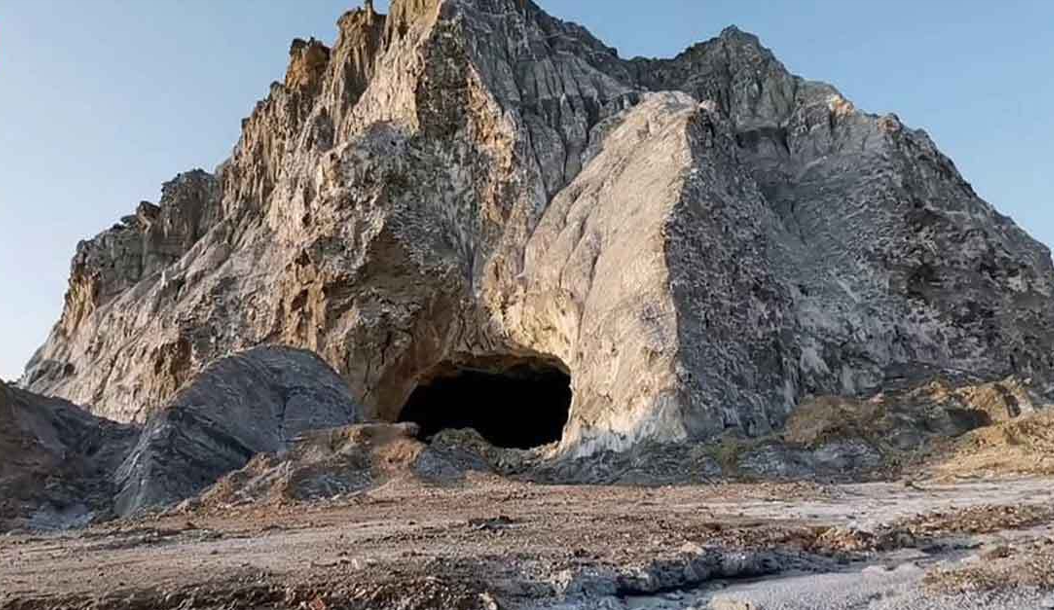
Bahadur Khel is situated roughly 25 kilometers southwest of Karak city, accessible via a scenic drive through winding roads and arid hills. The landscape shifts dramatically as you approach the mines—dry plains give way to salt-encrusted cliffs, shimmering in the sunlight like crystal formations. The terrain is stark but mesmerizing, with hues of white, pink, and amber reflecting the mineral richness of the region.
The area surrounding the mines is dotted with salt mountains, some of which are actively quarried while others remain untouched, standing as silent monuments to nature’s underground artistry.
Geological Significance
The Bahadur Khel Salt Mines are part of the Salt Range Formation, a geological belt that stretches across northern Pakistan. What makes these mines unique is their purity and scale. The salt extracted here is rock salt, also known as halite, and is considered suitable for human consumption, industrial use, and export.
The mines are estimated to be hundreds of meters deep, with intricate tunnel systems carved out over decades. The salt layers are stratified, revealing millions of years of geological history. Visitors can observe:
- Natural salt crystals forming along the walls.
- Veins of pink and white salt, often used for decorative lamps and wellness products.
- Salt caverns that echo with the sound of dripping mineral-rich water.
For geology enthusiasts, this site is a living textbook—each layer tells a story of ancient seas, tectonic shifts, and mineral evolution.
Mining and Economic Impact
Salt mining in Bahadur Khel is both a traditional craft and a modern industry. Local miners use a combination of manual tools and mechanical equipment to extract salt blocks, which are then transported to processing units. The industry provides employment to hundreds of families, making it a vital part of Karak’s economy.
The salt is sold in various forms:
- Edible salt for kitchens across Pakistan.
- Industrial salt for chemical and textile factories.
- Decorative salt products, including lamps, tiles, and sculptures.
The site also attracts entrepreneurs and exporters, especially those dealing in Himalayan-style salt products. As global demand for natural salt grows, Bahadur Khel is emerging as a key player in the market.
Visitor Experience
Touring the Bahadur Khel Salt Mines is a unique adventure. While the site is not yet fully commercialized for tourism, guided visits can be arranged through local contacts or travel agencies in Karak. Visitors can:
- Explore the surface quarries and salt mountains.
- Enter select tunnels with safety gear and supervision.
- Witness live mining operations, including salt cutting and loading.
- Purchase raw and refined salt products directly from miners.
The experience is raw and immersive—no flashy exhibits or polished walkways, just the real grit of a working mine. It’s ideal for travelers who appreciate authenticity and want to connect with the land and its people.
Photography and Hiking
The salt mountains offer excellent hiking opportunities, with trails leading to elevated viewpoints. The contrast of white salt against the blue sky creates stunning visuals, especially during sunrise and sunset. Photographers can capture:
- Close-ups of salt crystals and textures
- Panoramic shots of the quarry landscape
- Portraits of miners at work
Drone photography is possible but may require local permissions due to the industrial nature of the site.
Best Time to Visit
The mines are best visited during spring (March–May) and autumn (September–November). These seasons offer mild temperatures and clear skies, making exploration comfortable. Summer can be extremely hot, while winter mornings may be too cold for extended outdoor activity.
Visitors should wear sturdy shoes, carry water, and bring sun protection. Safety gear is provided for tunnel visits, but it’s wise to confirm arrangements in advance.
Teri Temple Ruins – A Sacred Legacy of Spiritual Resilience
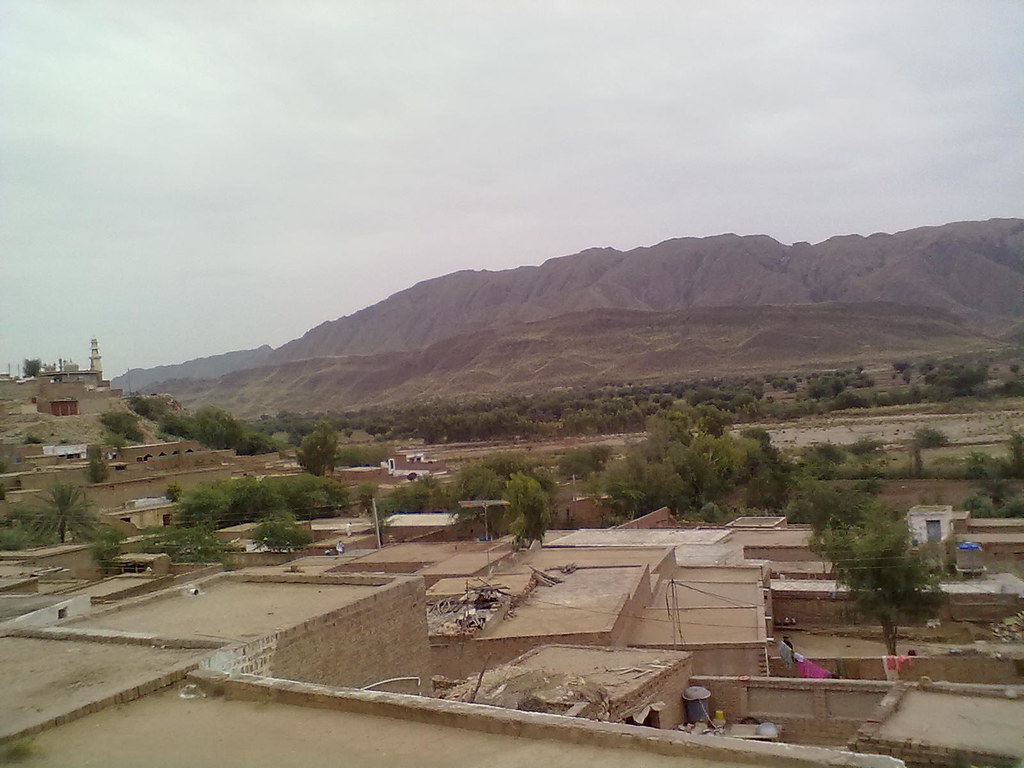
In the quiet village of Teri, nestled within Karak District, stands one of Pakistan’s most spiritually significant and historically resilient landmarks: the Teri Temple, also known as the Samadhi Mandir of Shri Param Hans Ji Maharaj. Though partially in ruins, this site is a powerful symbol of religious devotion, cultural endurance, and interfaith heritage. For pilgrims, historians, and seekers of peace, the Teri Temple offers a profound experience that transcends boundaries.
Historical and Spiritual Significance
The temple honors Shri Param Hans Swami Advaitanand Ji Maharaj, a revered 19th-century Hindu saint who spread the teachings of Bhakti Yoga, Sahaj Yoga, and humanitarian service across South Asia. His spiritual influence reached far beyond the borders of Karak, inspiring followers in India, Pakistan, Nepal, and the diaspora communities in the United States, Canada, and the UK.
After his death in 1919, his followers built a Samadhi (memorial shrine) in Teri, marking the site as a sacred pilgrimage destination. For devotees, this temple holds the same emotional and spiritual weight as Kartarpur Sahib does for Sikhs—a place of connection, reverence, and renewal.
Architecture and Layout
The original structure of the Teri Temple was modest yet elegant, featuring:
- A central sanctum housing the Samadhi of Shri Param Hans Ji.
- Prayer halls adorned with religious symbols and murals.
- Courtyards for meditation and communal gatherings.
- Guest quarters for visiting pilgrims.
Though the temple has faced destruction and reconstruction over the years, its core spiritual energy remains intact. The site continues to attract pilgrims who offer flowers, perform rituals, and meditate in its peaceful surroundings.
Recent efforts by the Hindu community have led to the construction of a six-story guesthouse with 90 rooms and parking for 70 vehicles—a testament to the growing importance of religious tourism in Karak.
Trials and Restoration
The temple’s history is marked by resilience. It was closed in 1947 following the Partition of India and Pakistan. In 1997, it was attacked and demolished, and again in 2020, a mob set fire to the temple, leading to international condemnation and renewed calls for religious tolerance.
Despite these setbacks, the temple has been reconstructed multiple times, with support from Pakistan’s judiciary and civil society. The Supreme Court of Pakistan ordered its restoration in 2015, and the site now stands as a beacon of hope for minority rights and interfaith harmony.
Visitor Experience
Visiting the Teri Temple is a deeply moving experience. The atmosphere is serene, the rituals are heartfelt, and the community is welcoming. Visitors can:
- Participate in daily prayers and bhajans.
- Explore the Samadhi and surrounding ruins.
- Engage with local caretakers and devotees.
- Learn about the teachings of Shri Param Hans Ji through murals and oral storytelling.
The temple is open to all, regardless of faith, and serves as a model of spiritual inclusivity.
Accessibility and Location
Teri village is located approximately 35 kilometers southeast of Karak city, accessible via road. The drive takes about 45 minutes, passing through scenic hills and tribal settlements. Public transport is limited, so hiring a private car or taxi is recommended.
The temple is well-marked and easy to find, with signs in Urdu, English, and Hindi guiding visitors to the site.
Best Time to Visit
The temple is active year-round, but the best time to visit is during spring (March–April) and autumn (October–November), when the weather is pleasant and pilgrimage activity is at its peak. Special events are held on the birth and death anniversaries of Shri Param Hans Ji, drawing devotees from across Pakistan and abroad.
Visitors are advised to dress modestly, respect local customs, and bring offerings if they wish to participate in rituals.
Khushal Khan Khattak Memorial – The Soul of Pashtun Pride
In Karak, history doesn’t just live in books—it breathes through the land, the people, and the poetry. And no figure embodies this spirit more than Khushal Khan Khattak, the legendary 17th-century Pashtun poet, warrior, and tribal leader. His memorial in Karak is not merely a monument—it’s a cultural cornerstone, a place where the values of honor, resistance, and intellectual brilliance converge.
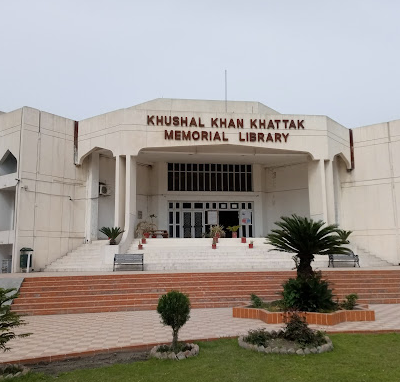
Who Was Khushal Khan Khattak?
Born in 1613, Khushal Khan Khattak was a chieftain of the Khattak tribe, a fierce opponent of Mughal imperialism, and a prolific poet whose verses still echo across the Pashtun belt. He wrote over 45,000 poems, many of which championed freedom, unity, and the dignity of the Pashtun people. His work is considered foundational to Pashto literature, blending martial valor with philosophical depth.
Khushal’s resistance against Emperor Aurangzeb and his call for tribal solidarity made him a symbol of Pashtun nationalism. He believed in education, self-respect, and the power of words—a rare combination in an era dominated by swords.
The Memorial Site
The Khushal Khan Khattak Memorial is located near the Khushal Khan Khattak University in Karak, a public institution named in his honor. The memorial includes:
- A statue and bust of Khushal Khan Khattak, capturing his commanding presence.
- A museum gallery featuring manuscripts, translations, and historical artifacts.
- Poetry walls engraved with his most famous verses in Pashto and Urdu.
- A library and research center dedicated to Pashto literature and tribal history.
The site is designed not just to commemorate, but to educate and inspire. Students, scholars, and tourists gather here to learn about Khushal’s life, his writings, and his impact on South Asian history.
Khushal Khan Khattak University
Adjacent to the memorial is the Khushal Khan Khattak University, established in 2012 to fulfill the educational aspirations of Karak’s residents. The university offers undergraduate and postgraduate programs in disciplines like:
- Pashto Literature
- History and Political Science
- Media Studies
- Computer Science
- Bioinformatics
- Management Sciences
The university’s mission aligns with Khushal’s vision: to empower the youth through knowledge, critical thinking, and cultural pride. Its campus is a blend of modern infrastructure and tribal aesthetics, with murals and quotes from Khushal adorning the walls.
Visitor Experience
Visiting the memorial is a deeply enriching experience. Whether you’re a literature lover, a history enthusiast, or a curious traveler, you’ll find something to connect with:
- Guided tours offer insights into Khushal’s life and legacy.
- Interactive exhibits showcase his poetry, weapons, and tribal regalia.
- Cultural events like poetry readings and Pashto music performances are held regularly.
- Student-led discussions and seminars bring his ideas into contemporary relevance.
The memorial is open to the public, with free entry and multilingual signage. It’s a peaceful space, ideal for reflection, learning, and cultural immersion.
Photography and Engagement
The memorial’s architecture and landscaping make it a great spot for photography. Visitors often capture:
- The statue of Khushal Khan Khattak against the backdrop of Karak’s hills.
- Calligraphy panels featuring his verses.
- Students and locals engaging in cultural activities.
Social media hashtags like #KhushalKhanKhattak and #KarakHeritage are popular among visitors sharing their experiences.
Best Time to Visit
The memorial is accessible year-round, but the best time to visit is during spring (March–May) and autumn (September–November). These seasons coincide with university events and literary festivals, offering a richer experience.
Special commemorations are held on Khushal Khan Khattak Day, attracting poets, academics, and tribal elders from across Pakistan.
Zarki Nasrati Hills – Karak’s Untamed Wilderness
If you’re craving a raw, unfiltered connection with nature, the Zarki Nasrati Hills offer a breathtaking escape into Karak’s wild side. Located in the Takht-e-Nasrati Tehsil of Karak District, this rugged landscape is a haven for hikers, photographers, and solitude seekers. With its undulating terrain, dramatic rock formations, and panoramic views, Zarki Nasrati is one of the most underrated natural attractions in Khyber Pakhtunkhwa.
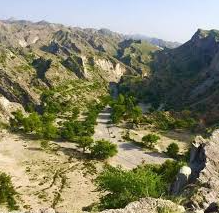
Location and Geography
Zarki Nasrati is a union council within Takht-e-Nasrati Tehsil, situated in the southern part of Karak District. The hills here form part of a larger mountainous belt that links Karak to the Mianwali District of Punjab, creating a natural corridor between provinces. The terrain is characterized by:
- Rocky outcrops and sandstone ridges.
- Sparse vegetation, including wild shrubs and acacia trees.
- Seasonal streams that carve through the valleys during monsoon rains.
- Salt-rich soil, hinting at the mineral wealth of the region.
The elevation varies, offering both gentle slopes and steep climbs, making it suitable for both casual walkers and serious trekkers.
Hiking and Exploration
Zarki Nasrati Hills are a dream for outdoor enthusiasts. The trails are largely unmarked, which adds to the sense of adventure. Local guides can help you navigate routes that lead to:
- Natural viewpoints overlooking the Karak plains.
- Hidden caves and rock shelters used by shepherds and wildlife.
- Salt formations that shimmer under the sun.
- Quiet picnic spots tucked between ridges.
The best part? You’re unlikely to encounter crowds. This is off-the-grid hiking at its finest—just you, the hills, and the wind.
Photography and Wildlife
The hills offer stunning opportunities for landscape photography. The interplay of light and shadow across the ridges creates dramatic compositions, especially during:
- Golden hour (sunrise and sunset).
- Post-rain clarity, when the air is crisp and the colors pop.
- Nighttime, for stargazing and astrophotography.
Wildlife sightings include:
- Desert foxes
- Wild hares
- Partridges and hawks
- Reptiles, including monitor lizards and geckos
Birdwatchers will appreciate the variety of species that nest in the cliffs and forage in the valleys.
Visitor Experience
While Zarki Nasrati Hills are not yet developed as a formal tourist site, the experience is deeply rewarding for those who come prepared. Essentials include:
- Sturdy hiking boots
- Water and snacks
- Sun protection and hats
- Local guide or GPS device
There are no restrooms or food stalls, so plan accordingly. The nearest town for supplies is Takht-e-Nasrati, which also serves as the administrative center of the tehsil.
Local villagers are friendly and often curious about visitors. Many are willing to share stories, offer directions, or even accompany you on short hikes.
Best Time to Visit
The ideal seasons for exploring Zarki Nasrati Hills are:
- Spring (March–May): Mild temperatures and blooming wildflowers.
- Autumn (September–November): Clear skies and comfortable weather.
Avoid visiting during:
- Summer (June–August): Temperatures can soar above 40°C, making hiking dangerous.
- Winter nights (December–February): Can be cold and windy, especially at higher elevations.
Early morning hikes are recommended to beat the heat and catch the sunrise.
Safety and Sustainability
As with any wilderness area, safety is key:
- Inform someone of your plans before heading out.
- Carry a basic first aid kit.
- Respect wildlife and avoid disturbing natural habitats.
- Leave no trace—carry out all trash and avoid damaging vegetation.
Zarki Nasrati is a fragile ecosystem. Sustainable tourism practices will help preserve its beauty for future generations.
Shagai Picnic Point – Where Karak Comes to Breathe
In a region defined by its rugged terrain and tribal legacy, Shagai Picnic Point offers a refreshing contrast—a place where nature softens, families gather, and leisure takes center stage. Located just outside the main city of Karak, this scenic spot has become a favorite weekend escape for locals and a hidden gem for travelers seeking a peaceful, authentic experience.
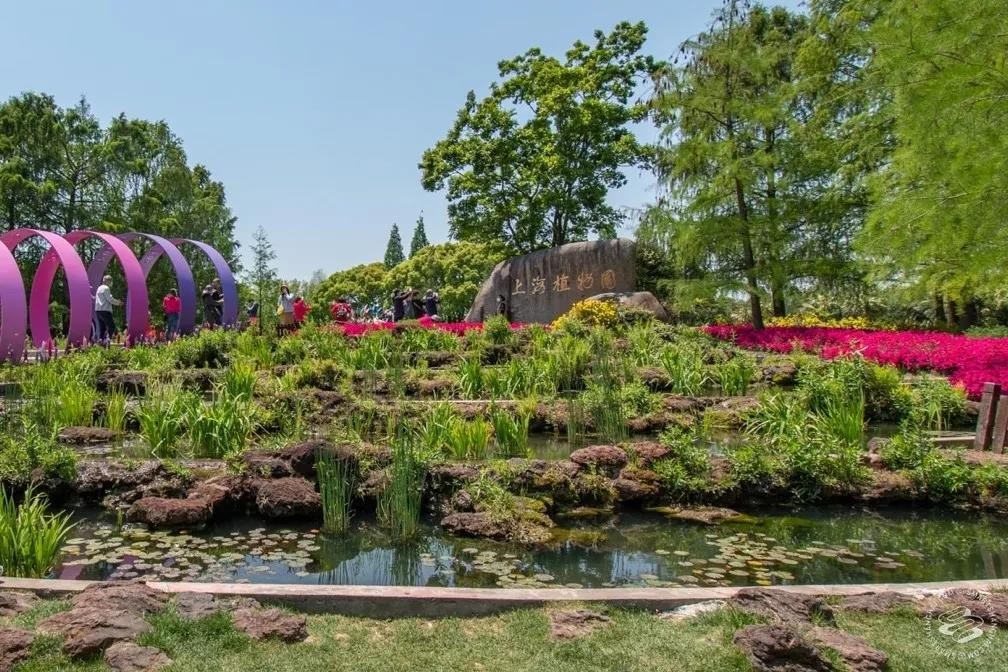
Location and Accessibility
Shagai Picnic Point is situated approximately 12 kilometers northeast of Karak city, along a gently rising stretch of hills that overlook the surrounding plains. The drive is short but scenic, with winding roads flanked by wild shrubs, rocky outcrops, and occasional glimpses of grazing livestock.
The site is accessible by car, motorbike, or local transport. Most visitors prefer to arrive early in the day to secure shaded spots and enjoy the cooler morning air. There’s ample parking available, and the entrance is free, making it a budget-friendly destination for all.
Natural Beauty and Landscape
The charm of Shagai lies in its natural simplicity. The area features:
- Rolling green patches ideal for picnics and games.
- Scattered trees offering shade and shelter.
- Gentle hills that invite short hikes and panoramic views.
- Seasonal wildflowers that bloom in spring, adding bursts of color.
The terrain is safe and walkable, making it suitable for children, elderly visitors, and casual strollers. During the monsoon season, the area transforms into a lush green haven, with fresh air and vibrant foliage.
Activities and Amenities
Shagai Picnic Point is designed for relaxation and recreation. While it’s not a commercial park with rides and kiosks, its organic charm makes it ideal for:
- Family picnics with homemade food and traditional mats.
- Outdoor games like cricket, football, and badminton.
- Photography, especially during golden hour when the hills glow.
- Birdwatching, with species like partridges, bulbuls, and hawks frequenting the area.
- Bonfires and storytelling, especially popular among youth groups.
Local vendors occasionally set up stalls selling pakoras, samosas, and Karak Chai, adding a flavorful touch to the experience. Visitors often bring their own food, utensils, and picnic gear to make the most of the day.
Community Vibe
One of the most endearing aspects of Shagai Picnic Point is its community spirit. On weekends and holidays, the area buzzes with laughter, music, and shared meals. Tribal families gather in groups, children play freely, and elders sit under trees exchanging stories.
For travelers, this is a golden opportunity to interact with locals, learn about Khattak customs, and experience the warmth of Pashtun hospitality. It’s not uncommon to be invited to share a meal or join a game—Shagai is where Karak opens its heart.
Tips for Visitors
To make the most of your visit, consider the following:
- Arrive early to find the best spots and avoid midday heat.
- Bring essentials like water, snacks, mats, and sunblock.
- Respect local customs—modest dress and polite behavior go a long way.
- Clean up after yourself to preserve the site’s natural beauty.
- Engage with locals—a simple greeting in Pashto can spark a memorable exchange.
While the site is generally safe, it’s best to travel in groups and avoid staying after sunset unless you’re familiar with the area.
Best Time to Visit
Shagai Picnic Point is best enjoyed during:
- Spring (March–May): Mild temperatures, blooming flowers, and clear skies.
- Autumn (September–November): Crisp air and golden landscapes.
Avoid visiting during:
- Peak summer (June–August): Temperatures can exceed 40°C, making outdoor activities uncomfortable.
- Rainy days, as the ground can become slippery and muddy.
Weekdays offer a quieter experience, while weekends are lively and social.
Methawalah Village – A Living Portrait of Khattak Tradition
Tucked along the Indus Highway (N-55) in Karak District lies Methawalah Village, a place where time slows down and tradition takes center stage. Often overshadowed by Karak’s more prominent landmarks, Methawalah is a cultural enclave that offers travelers a rare glimpse into authentic Khattak tribal life. From mud-brick homes and bustling courtyards to local bazaars and spiritual landmarks, this village is a living museum of Pashtun heritage.
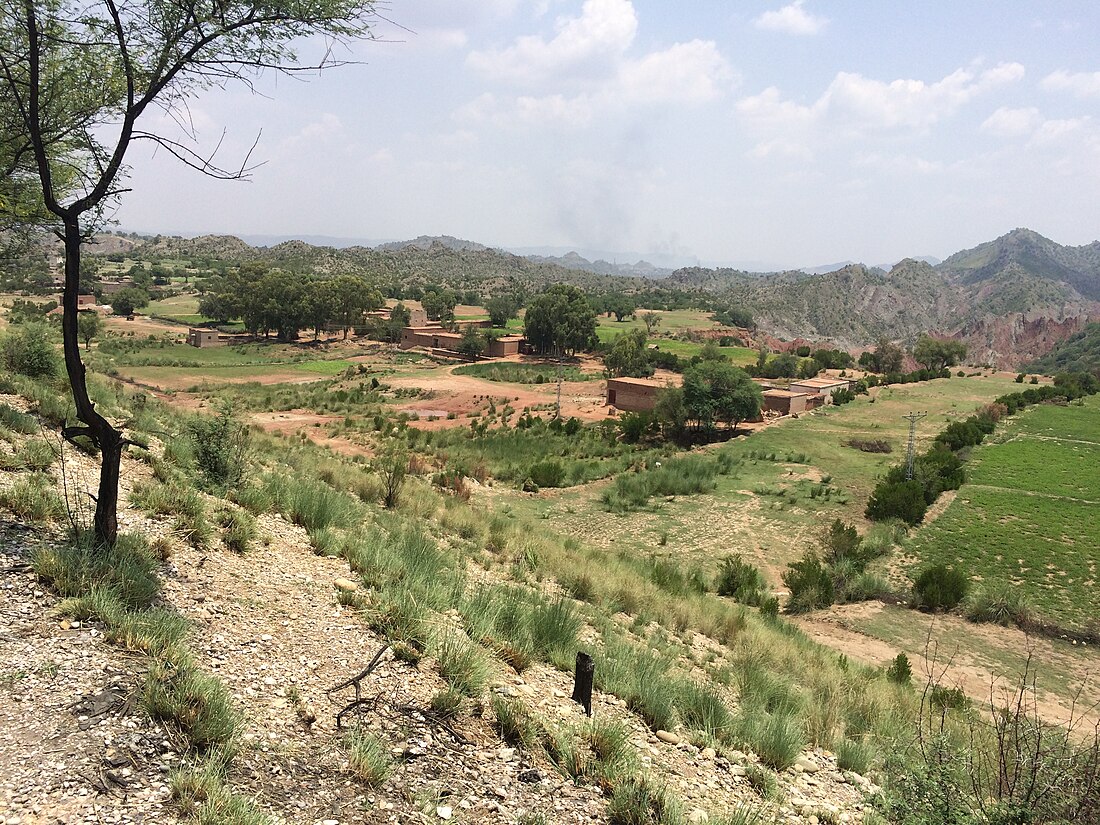
Location and Accessibility
Methawalah is located just off the main Indus Highway, making it easily accessible for travelers coming from Karak city or nearby towns. The village is marked by its proximity to Mother Plaza Methawala Karak, a local commercial hub that serves as a gateway to the community. Visitors can reach Methawalah by car, motorbike, or local transport, with the journey offering scenic views of Karak’s semi-arid landscape.
Village Layout and Architecture
The architecture of Methawalah is a blend of tribal functionality and rustic charm. Homes are typically built from mud, stone, and timber, designed to withstand the region’s hot summers and cool winters. Courtyards are central to each household, serving as spaces for cooking, socializing, and storytelling.
Key features include:
- Flat rooftops used for drying grains and enjoying evening breezes.
- Decorative wooden doors carved with tribal motifs.
- Community wells and water tanks, reflecting traditional water-sharing systems.
- Mosques and hujras (guest houses) that serve as spiritual and social centers.
The village layout encourages communal living, with narrow lanes connecting homes, shops, and gathering spots. It’s a place where neighbors are family, and every visitor is treated like a guest of honor.
Culture and Daily Life
Methawalah is home to members of the Khattak tribe, known for their fierce independence, poetic legacy, and deep-rooted customs. Daily life here revolves around:
- Agriculture and livestock, with families tending to goats, sheep, and small plots of land.
- Handicrafts, including woven rugs, embroidered shawls, and clay pottery.
- Traditional cooking, with meals prepared over open fires and shared communally.
- Tribal gatherings, where elders discuss local affairs and resolve disputes.
Visitors often find themselves invited to join meals, attend prayer sessions, or simply sit and chat over a cup of Karak Chai. The hospitality is genuine, and the stories are rich with history and humor.
Local Markets and Mother Plaza
At the edge of the village lies Mother Plaza Methawala Karak, a small but vibrant commercial center that offers:
- Local produce, including dates, nuts, and seasonal fruits.
- Traditional garments, such as shalwar kameez and Pashtun caps.
- Street food stalls, serving samosas, pakoras, and spicy pulao.
- Craft shops, where visitors can buy handmade souvenirs.
The plaza is open daily from 7:00 AM to midnight, making it a convenient stop for both locals and tourists. It’s also a great place to observe the fusion of tradition and modernity, as villagers shop alongside travelers and traders.
Visitor Experience
Exploring Methawalah is best done on foot. The village is compact, walkable, and full of surprises. Highlights include:
- Meeting local artisans and watching them at work.
- Visiting family-run hujras, where tribal hospitality is on full display.
- Photographing daily life, from children playing in alleys to elders smoking hookah under shaded trees.
- Learning Pashto phrases, which can open doors to deeper conversations.
For those interested in rural tourism, Methawalah offers an immersive experience that’s both educational and heartwarming.
Best Time to Visit
The village is welcoming year-round, but the best time to visit is during:
- Spring (March–May): When the weather is pleasant and agricultural activity is in full swing.
- Autumn (September–November): Ideal for photography and cultural events.
Avoid peak summer afternoons due to high temperatures, and plan visits during daylight hours for safety and comfort.
Indus Highway Scenic Drive – The Road That Tells Karak’s Story
In Karak, the journey is just as captivating as the destination. The Indus Highway (N-55), which slices through the heart of Karak District, offers one of the most scenic and culturally immersive drives in all of Pakistan. Stretching from Peshawar to Karachi, this national artery is more than a road—it’s a lifeline, a storyteller, and a panoramic gallery of tribal life, natural beauty, and roadside charm.
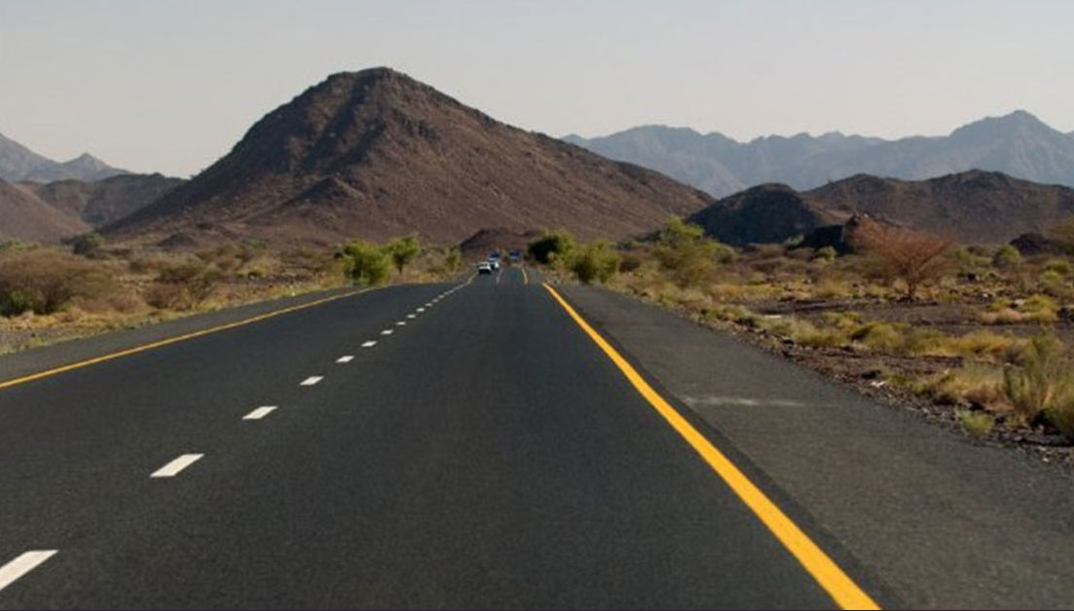
Route Overview
The Indus Highway enters Karak from the north via Kohat, winding through Bahadur Khel, Methawalah, and Takht-e-Nasrati, before continuing south toward Bannu and Dera Ismail Khan. The stretch through Karak is particularly scenic, offering:
- Rolling hills and salt formations
- Tribal settlements with traditional architecture
- Roadside bazaars and tea stalls
- Panoramic views of the Karak plains
The road is well-paved and maintained, making it suitable for cars, buses, and motorbikes. It’s a favorite among road trippers, bikers, and long-haul travelers who want to experience Pakistan beyond the usual tourist trail.
Scenic Highlights
Driving through Karak on the Indus Highway is a visual feast. Key highlights include:
- Salt Mountains near Bahadur Khel, glistening under the sun like frozen waves.
- Zarki Nasrati ridges, offering dramatic silhouettes against the horizon.
- Shagai Picnic Point, visible from the road and inviting for a quick detour.
- Methawalah’s mud-brick homes, clustered along the highway like a living diorama.
During spring and autumn, the landscape transforms into a canvas of earthy tones and soft light, perfect for photography and drone footage.
Roadside Culture
The Indus Highway is not just a transit route—it’s a cultural corridor. Along the Karak stretch, you’ll encounter:
- Tea stalls and dhabas, serving Karak Chai and spicy snacks.
- Local vendors, selling dates, nuts, and handmade crafts.
- Tribal hujras, where elders gather to discuss politics and poetry.
- Mosques and shrines, reflecting the spiritual rhythm of the region.
Stopping at these roadside spots offers a chance to engage with locals, learn about Khattak customs, and savor the hospitality that defines Karak.
Driving Tips
To make the most of your scenic drive, keep these tips in mind:
- Start early to catch sunrise views and avoid midday heat.
- Fuel up in Karak city, as stations may be sparse in rural stretches.
- Drive cautiously, especially near curves and village crossings.
- Watch for livestock, which may wander onto the road.
- Use offline maps, as mobile signals can be patchy in remote areas.
While the road is generally safe, recent incidents have highlighted the need for defensive driving. Speeding and overloaded vehicles have led to tragic accidents near Karak. Travelers are advised to stay alert and follow traffic rules diligently.
Photography and Drone Views
The highway offers stunning opportunities for roadside photography:
- Wide-angle shots of salt hills and open plains.
- Portraits of local life, including shepherds and vendors.
- Drone footage of winding roads and tribal settlements.
Golden hour—just after sunrise or before sunset—is ideal for capturing the landscape in its most dramatic light.
Best Time for a Scenic Drive
The Indus Highway through Karak is best enjoyed during:
- Spring (March–May): Clear skies, mild temperatures, and blooming roadside flora.
- Autumn (September–November): Crisp air and golden landscapes.
Avoid peak summer afternoons due to heat, and be cautious during monsoon rains, which can cause slippery conditions and reduced visibility.
Suggested Itinerary
For a full-day scenic drive through Karak:
- Start in Kohat early morning.
- Stop at Bahadur Khel Salt Mines for a quick tour.
- Drive through Methawalah, grab breakfast at Mother Plaza.
- Visit Shagai Picnic Point for a mid-day break.
- Explore Zarki Nasrati Hills in the afternoon.
- End in Takht-e-Nasrati, with sunset views and local dinner.
This route offers a balanced mix of nature, culture, and relaxation.
Climate and Weather of Karak – A Land of Extremes and Clarity
Karak’s climate is as distinctive as its culture—defined by dry air, dramatic temperature shifts, and clear skies that stretch endlessly across the horizon. Located at an elevation of approximately 1,430 meters (4,694 feet) above sea level, Karak experiences a subtropical desert climate (BWh), which shapes everything from its architecture to its daily rhythms.
Whether you’re planning a spring hike through Zarki Nasrati Hills or a winter visit to the Khushal Khan Khattak Memorial, understanding Karak’s weather patterns is essential for a comfortable and rewarding experience.
Temperature Overview
Karak’s average annual temperature is around 19.7°C (67.5°F), slightly cooler than Pakistan’s national average. The city experiences long, sweltering summers and short, dry winters, with temperatures ranging from 0.5°C (32.9°F) in January to 34.5°C (94.1°F) in June.
Monthly Temperature Breakdown:
| Month | Avg High (°C) | Avg Low (°C) |
|---|---|---|
| January | 12.0 | 0.5 |
| April | 24.8 | 12.2 |
| June | 34.5 | 21.5 |
| August | 30.0 | 19.9 |
| October | 23.6 | 11.3 |
| December | 14.5 | 2.1 |
The hottest months are May through August, with June peaking at over 41.5°C (106.7°F) on record. The coldest month is January, which can dip below freezing at night, especially in the hillier regions.
Rainfall and Precipitation
Despite its desert classification, Karak does receive seasonal rainfall—mostly during the monsoon months of July and August. The wettest month is August, with an average of 275 mm (10.8 inches) of precipitation. In contrast, December is the driest, with just 30 mm (1.2 inches).
Karak experiences rainfall on approximately 146 days per year, which accounts for 40% of the calendar year. However, most of these are light showers or brief thunderstorms, rather than prolonged downpours.
Monthly Rainfall Snapshot:
| Month | Avg Rainfall (mm) |
|---|---|
| January | 76.4 |
| April | 162.1 |
| July | 269.8 |
| August | 275.3 |
| December | 30.6 |
Humidity and Air Quality
Humidity levels in Karak vary throughout the year, averaging around 47.1% annually. The most humid months are July and August, reaching up to 70%, while December and January are the driest, with humidity dropping below 32%.
The dry air contributes to excellent visibility and low cloud cover, making Karak ideal for stargazing, photography, and outdoor exploration. However, dust storms can occur during transitional seasons, especially in late spring.
Sunshine and Daylight
Karak enjoys abundant sunshine, with an average of 11.7 hours of daylight per day throughout the year. The sunniest months are May and June, offering up to 15 hours of daylight, while December and January are shorter but still relatively clear.
This consistent sunlight supports agriculture, solar energy use, and tourism activities like hiking and sightseeing.
Seasonal Summary
- Spring (March–May): Mild temperatures, blooming wildflowers, and ideal conditions for outdoor activities.
- Summer (June–August): Hot and dry, with occasional monsoon rains. Best avoided for strenuous travel.
- Autumn (September–November): Clear skies, comfortable weather, and golden landscapes—perfect for photography and cultural exploration.
- Winter (December–February): Cold nights and crisp mornings. Great for historical tours and quiet retreats.
Best Time to Visit Karak – When Nature and Culture Align
Planning a trip to Karak isn’t just about choosing what to see—it’s about knowing when to go. With its subtropical desert climate, Karak experiences dramatic seasonal shifts that can either elevate your travel experience or make it challenging. Whether you’re hiking through Zarki Nasrati Hills, exploring the Teri Temple ruins, or enjoying a scenic drive along the Indus Highway, timing your visit right is key to comfort, safety, and enjoyment.
Spring (March to May) – The Golden Window
Spring is widely considered the best time to visit Karak. The weather is mild, the skies are clear, and the landscape begins to bloom with seasonal wildflowers. Temperatures range from 22°C to 30°C (72°F to 86°F), making it ideal for:
- Outdoor activities like hiking, sightseeing, and photography.
- Cultural events and tribal gatherings.
- Visiting historical sites without the discomfort of heat.
Spring also coincides with school holidays and local festivals, offering travelers a chance to engage with the community. The air is dry but pleasant, and visibility is excellent for panoramic views and drone footage.
Summer (June to August) – Hot, Harsh, and Humid
Summer in Karak is not recommended for tourism, unless you’re prepared for extreme heat. Temperatures can soar above 40°C (104°F), with June being the hottest month. The air becomes humid during the monsoon season, and while rainfall offers brief relief, it also brings:
- Dust storms and reduced visibility.
- Risk of heat exhaustion during outdoor activities.
- Limited comfort for long road trips or hiking.
If you must travel during summer, aim for early mornings or late evenings, and stick to shaded attractions like Al-Sakhra Park or indoor sites like the Karak Archaeological Museum.
Autumn (September to November) – Clear Skies and Cultural Richness
Autumn is another excellent season for visiting Karak. Temperatures begin to drop, ranging from 24°C to 32°C (75°F to 89°F), and the monsoon rains give way to crisp, dry air. This season is perfect for:
- Scenic drives along the Indus Highway.
- Exploring salt mines and hill stations.
- Attending literary events and tribal commemorations.
The Khushal Khan Khattak Memorial often hosts poetry readings and seminars during this time, making it ideal for cultural travelers. The landscape turns golden, offering stunning backdrops for photography.
Winter (December to February) – Quiet, Cool, and Reflective
Winter in Karak is short and dry, with temperatures ranging from 0.5°C to 14°C (33°F to 57°F). While not ideal for camping or hiking, it’s a great time for:
- Historical and spiritual tourism.
- Visiting villages like Methawalah for a cozy cultural experience.
- Enjoying quiet retreats and off-season discounts.
January is the coldest month, and nights can be chilly. However, the days are clear and sunny, making it suitable for relaxed exploration. Just pack warm layers and plan for shorter daylight hours.
Month-by-Month Travel Guide
| Month | Travel Rating | Highlights |
|---|---|---|
| January | Okay | Cool weather, quiet atmosphere |
| February | Okay | Mild days, low rainfall |
| March | Excellent | Blooming landscapes, festivals |
| April | Excellent | Ideal for hiking and sightseeing |
| May | Good | Warm but manageable |
| June | Poor | Peak heat, avoid outdoor travel |
| July | Poor | Humid, monsoon rains |
| August | Poor | Rainy, risk of flooding |
| September | Excellent | Clear skies, cultural events |
| October | Excellent | Golden landscapes, mild weather |
| November | Good | Cool and dry, great for road trips |
| December | Okay | Cold nights, peaceful atmosphere |
Travel Planning Tips
- Book accommodations early during spring and autumn, as these are peak seasons.
- Check weather forecasts before planning hikes or outdoor excursions.
- Avoid traveling during extreme heat, especially if you’re not acclimated to desert climates.
- Engage with local events, which often align with seasonal changes and tribal calendars.
Local Food and Best Restaurants in Karak – A Culinary Journey Through Tribal Flavor
Karak isn’t just a place of rugged landscapes and historical monuments—it’s a city where flavor runs deep, and every meal tells a story. Rooted in Khattak tribal traditions, Karak’s cuisine is bold, hearty, and unapologetically authentic. From sizzling Namkeen Karahi to fragrant Palao, the food here reflects the region’s love for simplicity, spice, and communal dining.
Whether you’re grabbing a roadside snack or sitting down for a full-course meal, Karak’s culinary scene offers something for every palate. Let’s explore the dishes that define the city—and the restaurants that serve them best.
Signature Dishes of Karak
Here are some must-try local specialties:
- Karak Chai – A strong, spiced milk tea that’s more than a beverage—it’s a ritual of hospitality.
- Namkeen Karahi – Salted meat cooked in its own juices, often served with naan or roti.
- Palao – A rice dish infused with spices and tender meat, often goat or beef.
- Quail Roast (Bater) – A delicacy served with chutney and flatbread.
- Chapli Kebab – Spiced minced meat patties, shallow-fried and bursting with flavor.
- Sajji – Whole roasted lamb or chicken, marinated in salt and cooked over coals.
- Shinwari Tikka – Chargrilled chunks of meat, served with raita and salad.
- Lassi – A cooling yogurt drink, perfect for Karak’s dry climate.
- Pakoras & Samosas – Popular street snacks, especially during festivals and tea time.
Top Restaurants in Karak
Here’s a curated list of restaurants across Karak District, including addresses and specialties:
| # | Restaurant Name | Location | Specialty Dish |
|---|---|---|---|
| 1 | Valley Hotel & Restaurant | Indus Hwy, Karak | Namkeen Karahi |
| 2 | Eight Brother Home | Indus Hwy, Karak | Palao |
| 3 | Hamid Nawaz Khattak Hotel | Aya Khel Stop, Karak | Quail Roast |
| 4 | Thola Khan Special Pelao | 438V+8X, Karak | Palao |
| 5 | Abdul Raziq Namkeen Hotel | Shagai Road, Karak | Namkeen Karahi |
| 6 | Janan Palao | 436R+5GX, Karak | Palao |
| 7 | Salaar Quail Serves | 4457+J3M, Karak | Quail Roast |
| 8 | Insaf Hotel | Opp. Nazir Bajan Market, Karak | Chapli Kebab |
| 9 | Subhan Hotel Surdag | Village Surdag, Karak | Shinwari Tikka |
| 10 | Bera Hotel | Indus Hwy, Karak | Karak Chai |
| 11 | Travel Trip Restaurant | Chokara, Karak | Samosas |
| 12 | Arshad Hotel | Indus Hwy, Karak | Palao |
| 13 | Habibi Hotel | Methawalah, Karak | Namkeen Karahi |
| 14 | Diamond Paints Café | Dewgara, Karak | Lassi |
| 15 | Hajiyan Hotel | Methawalah, Karak | Chapli Kebab |
| 16 | Kekar Hotel | Industrial Town, Karak | Shinwari Tikka |
| 17 | Khyber Bagh Restaurant | Methawalah, Karak | Sajji |
| 18 | Malik Muhammad Afnan Hotel | Chungi No. 2, Karak | Karak Chai |
| 19 | Al-Sakhra Tea Point | Near Al-Sakhra Park | Karak Chai |
| 20 | Zarki Nasrati View Café | Zarki Nasrati Hills | Pakoras |
| 21 | Shagai Snack Corner | Shagai Picnic Point | Samosas |
| 22 | Teri Temple Food Stall | Teri Village | Vegetarian Snacks |
| 23 | Khushal Khan Café | Near University Campus | Lassi |
| 24 | Bahadur Khel Salt Café | Bahadur Khel | Salted Snacks |
| 25 | Al-Fida Restaurant | Karak Bazaar | Mixed Grill |
| 26 | Saraya Castle Restaurant | Near Karak Castle | Pizza & Arabic |
| 27 | Kir Heres Restaurant | Karak Castle Area | Middle Eastern |
| 28 | Restaurant Mu’ab | Karak City | Healthy & Arabic |
| 29 | Karak Castle Panorama | Castle Road | Lebanese & Pizza |
| 30 | Adel-Halabi Restaurant | Castle Road | Wraps & Middle Eastern |
| 31 | Al-Aseel Restaurant | Mouta Area | Barbecue |
| 32 | Layali Grills | Karak City | Arabic Cuisine |
| 33 | Kings Restaurant | Karak City | Traditional Pashtun |
| 34 | Alwaht Llwjbat Alsriet | Karak City | Fast Food |
| 35 | Pomegranate Restaurant | Karak City | Middle Eastern |
| 36 | Mateam Wakufi Shub Banurama | Karak City | Medicinal Foods |
| 37 | Chungi No.1 Tea House | Chungi No.1, Karak | Karak Chai |
| 38 | Indus Highway BBQ | Indus Hwy | Sajji |
| 39 | Khattak Brothers Café | Karak City | Palao |
| 40 | Zaman Hotel | Karak City | Namkeen Karahi |
| 41 | Al-Madina Restaurant | Karak Bazaar | Mixed Grill |
| 42 | Noorani Hotel | Karak City | Chapli Kebab |
| 43 | Al-Habib Tea Spot | Karak City | Karak Chai |
| 44 | Mian Jee Restaurant | Karak City | Shinwari Tikka |
| 45 | Al-Mashhoor Hotel | Karak City | Palao |
| 46 | Al-Sultan Restaurant | Karak City | Sajji |
| 47 | Karak Food Street | Karak Bazaar | Street Snacks |
| 48 | Khattak Grill House | Karak City | Barbecue |
| 49 | Al-Rehman Hotel | Karak City | Traditional Pashtun |
| 50 | Al-Mumtaz Restaurant | Karak City | Mixed Cuisine |
Accommodation and Hotels in Karak – Where Comfort Meets Culture
Whether you’re a solo traveler seeking a quiet retreat, a family on a cultural adventure, or a business visitor passing through the Indus Highway, Karak offers a range of accommodations that blend local hospitality with practical comfort. While the city is still developing its tourism infrastructure, its hotels and guesthouses reflect the warmth and resilience of the Khattak people.
From roadside inns to family-run lodges, Karak’s accommodations cater to every budget and travel style. Many are located near key attractions like Karak Castle, Al-Sakhra Park, and Methawalah Bazaar, making it easy to explore the city on foot or by short drive.
Types of Accommodation in Karak
- Budget Hotels – Basic amenities, ideal for short stays and backpackers.
- Mid-Range Lodges – Comfortable rooms, often with local cuisine and Wi-Fi.
- Guesthouses – Family-run, offering personalized service and cultural immersion.
- Business Hotels – Located near commercial hubs, suitable for professionals.
- Scenic Retreats – Near hills and picnic points, perfect for nature lovers.
Top Hotels in Karak
Here’s a comprehensive list of hotels and guesthouses across Karak District:
| # | Hotel Name | Location | Type | Key Features |
|---|---|---|---|---|
| 1 | Valley Hotel & Restaurant | Indus Hwy, Karak | Mid-Range | Local cuisine, parking |
| 2 | Eight Brother Home | Indus Hwy, Karak | Guesthouse | Family-run, quiet atmosphere |
| 3 | Hamid Nawaz Khattak Hotel | Aya Khel Stop, Karak | Budget | Near bazaar, basic amenities |
| 4 | Thola Khan Guesthouse | Karak City | Guesthouse | Cultural décor, home-cooked food |
| 5 | Abdul Raziq Lodge | Shagai Road, Karak | Budget | Near picnic point |
| 6 | Janan Hotel | Karak City | Mid-Range | Wi-Fi, breakfast |
| 7 | Salaar Quail Inn | Karak City | Guesthouse | Quail dishes, tribal ambiance |
| 8 | Insaf Hotel | Opp. Nazir Bajan Market | Budget | Central location |
| 9 | Subhan Hotel Surdag | Village Surdag | Guesthouse | Rural charm, local meals |
| 10 | Bera Hotel | Indus Hwy, Karak | Budget | Tea house attached |
| 11 | Travel Trip Inn | Chokara | Budget | Roadside convenience |
| 12 | Arshad Hotel | Indus Hwy, Karak | Mid-Range | Spacious rooms |
| 13 | Habibi Hotel | Methawalah | Guesthouse | Tribal hospitality |
| 14 | Diamond Paints Lodge | Dewgara | Budget | Artistic décor |
| 15 | Hajiyan Hotel | Methawalah | Mid-Range | Local food, clean rooms |
| 16 | Kekar Hotel | Industrial Town | Business | Near commercial zone |
| 17 | Khyber Bagh Guesthouse | Methawalah | Scenic Retreat | Garden views |
| 18 | Malik Muhammad Afnan Hotel | Chungi No. 2 | Budget | Near transport hub |
| 19 | Al-Sakhra View Inn | Near Al-Sakhra Park | Scenic Retreat | Park access |
| 20 | Zarki Nasrati Hill Lodge | Zarki Nasrati | Scenic Retreat | Hiking access |
| 21 | Shagai Family Guesthouse | Shagai Picnic Point | Guesthouse | Family-friendly |
| 22 | Teri Temple Rest House | Teri Village | Guesthouse | Spiritual ambiance |
| 23 | Khushal Khan Khattak Hostel | Near University Campus | Budget | Student-friendly |
| 24 | Bahadur Khel Salt Lodge | Bahadur Khel | Guesthouse | Unique location |
| 25 | Al-Fida Hotel | Karak Bazaar | Mid-Range | Near shopping district |
| 26 | Saraya Castle Inn | Near Karak Castle | Scenic Retreat | Historical views |
| 27 | Kir Heres Hotel | Castle Road | Mid-Range | Arabic cuisine |
| 28 | Mu’ab Business Hotel | Karak City | Business | Conference room |
| 29 | Panorama Castle Lodge | Castle Road | Scenic Retreat | Rooftop views |
| 30 | Adel-Halabi Guesthouse | Castle Road | Guesthouse | Middle Eastern décor |
| 31 | Al-Aseel Hotel | Mouta Area | Mid-Range | Barbecue restaurant |
| 32 | Layali Grills Inn | Karak City | Guesthouse | Arabic food, cozy rooms |
| 33 | Kings Hotel | Karak City | Mid-Range | Pashtun-style rooms |
| 34 | Alwaht Llwjbat Hotel | Karak City | Budget | Fast food nearby |
| 35 | Pomegranate Guesthouse | Karak City | Guesthouse | Garden seating |
| 36 | Mateam Wakufi Lodge | Karak City | Guesthouse | Herbal cuisine |
| 37 | Chungi No.1 Inn | Chungi No.1 | Budget | Tea house attached |
| 38 | Indus Highway Motel | Indus Hwy | Budget | Roadside access |
| 39 | Khattak Brothers Hotel | Karak City | Mid-Range | Tribal ambiance |
| 40 | Zaman Hotel | Karak City | Budget | Local food nearby |
| 41 | Al-Madina Hotel | Karak Bazaar | Mid-Range | Mixed cuisine |
| 42 | Noorani Hotel | Karak City | Budget | Chapli kebab nearby |
| 43 | Al-Habib Guesthouse | Karak City | Guesthouse | Karak Chai specialty |
| 44 | Mian Jee Hotel | Karak City | Mid-Range | Shinwari tikka restaurant |
| 45 | Al-Mashhoor Hotel | Karak City | Budget | Palao specialty |
| 46 | Al-Sultan Hotel | Karak City | Mid-Range | Sajji restaurant |
| 47 | Karak Food Street Lodge | Karak Bazaar | Guesthouse | Street food access |
| 48 | Khattak Grill House Inn | Karak City | Guesthouse | Barbecue lovers |
| 49 | Al-Rehman Hotel | Karak City | Budget | Traditional décor |
| 50 | Al-Mumtaz Hotel | Karak City | Mid-Range | Mixed cuisine |
Is Karak safe for tourists?
Yes—Karak is generally safe for travelers, especially those interested in cultural tourism and historical exploration. The city is known for its tribal hospitality, and locals often go out of their way to welcome guests. However, as with any destination:
- Travel in groups when exploring remote areas.
- Avoid political gatherings or sensitive tribal disputes.
- Respect local customs and dress modestly.
Security checkpoints are common along the Indus Highway, and police presence is visible in urban areas. Always carry your CNIC or passport.
What language is spoken in Karak?
The primary language is Pashto, spoken by nearly all residents. Urdu is widely understood, and English is spoken at hotels, universities, and some businesses. Learning a few Pashto phrases like “Staso num sa da?” (What’s your name?) or “Manana” (Thank you) can go a long way in building rapport.
How do I get to Karak?
Karak is accessible via:
- Road: Located on the Indus Highway (N-55), it’s a 2-hour drive from Kohat and 3.5 hours from Islamabad.
- Air: Nearest airports are in Peshawar and Islamabad. From there, take a bus or taxi.
- Train: No direct rail access, but nearby hubs like Kohat offer onward road connections.
For full details, check the “How to Get There” section of this guide.
Are there good hotels in Karak?
Yes—Karak offers a range of accommodations from budget lodges to mid-range guesthouses. While luxury hotels are limited, the hospitality is exceptional. Many places offer:
- Clean rooms with basic amenities
- Local cuisine
- Wi-Fi and parking
- Cultural décor and tribal ambiance
What food should I try in Karak?
Don’t leave Karak without tasting:
- Namkeen Karahi
- Palao
- Quail Roast
- Chapli Kebab
- Karak Chai
Local restaurants and roadside dhabas serve authentic tribal dishes. Our food section includes 50 top places to eat.
What are the top things to do in Karak?
Karak is packed with attractions. Highlights include:
- Karak Fortress – Historic military architecture
- Teri Temple Ruins – Spiritual and cultural heritage
- Bahadur Khel Salt Mines – Geological wonder
- Zarki Nasrati Hills – Hiking and nature
- Khushal Khan Khattak Memorial – Literary and tribal pride
For a full list, explore the “Top Tourist Attractions” section.
What’s the weather like?
Karak has a subtropical desert climate:
- Spring and Autumn – Best seasons to visit
- Summer – Hot and dry, with monsoon rains
- Winter – Cold nights, mild days
Check our climate section for monthly breakdowns and travel tips.
What should I wear?
Modest clothing is recommended:
- Men: Shalwar kameez or long pants with shirts
- Women: Loose-fitting clothes, headscarf in rural areas
Comfortable shoes are essential for walking and hiking. Sunscreen and hats are useful in summer.
Are there ATMs and mobile networks?
Yes—ATMs are available in Karak city and major towns. Most accept Visa and MasterCard. Mobile networks like Jazz, Telenor, and Zong offer coverage, though signal strength may vary in remote areas.
What should I pack?
Essentials include:
- CNIC or passport
- Sunscreen and sunglasses
- Reusable water bottle
- Power bank and offline maps
- Basic first aid kit
- Pashto phrasebook


