
Nushki emerges as one of Pakistan’s most captivating yet unexplored destinations. This historic city, often referred to as the “Land of the Golden Desert,” offers travelers an extraordinary journey through time, culture, and natural beauty that remains largely untouched by mainstream tourism.
Located approximately 144 kilometers from Quetta along the strategically important Quetta-Taftan Highway N-40, Nushki stands as a testament to Pakistan’s rich cultural heritage and geographical diversity. At an elevation of 2,900 feet above sea level, this remarkable city serves as a gateway between the mountainous regions of Balochistan and the vast desert plains that stretch westward toward the Helmand River.
The name “Nushki” itself carries deep cultural significance, derived from the Balochi words “Nosh-Koh,” meaning “finishing work” – a reflection of the city’s historical importance as a completion point for various cultural and trade activities. This etymological connection provides insight into the city’s role as a cultural and commercial crossroads throughout history.
For modern travelers seeking authentic cultural experiences, Nushki represents an unparalleled opportunity to explore Pakistan’s lesser-known treasures. The city’s unique position at the intersection of ancient trade routes, combined with its stunning natural landscape and rich historical narrative, makes it an ideal destination for cultural tourism enthusiasts, history buffs, and adventure seekers alike.
The region’s significance extends far beyond its geographical importance. Nushki has served as a crucial point for British colonial exploration of Central Asia, witnessed the rise and fall of various dynasties, and continues to play an important role in Pakistan’s contemporary cultural and economic landscape. Today, visitors can experience this layered history while enjoying the hospitality of local communities and the breathtaking beauty of the surrounding desert terrain.
Some Interesting Facts About Nushki
- Ancient Foundations and Early Civilizations
The historical narrative of Nushki spans centuries, with archaeological evidence indicating human settlement in the region dating back to ancient times. The area has been shaped by the confluence of various civilizations, trade routes, and cultural exchanges that have left indelible marks on its character and identity.
Historical records indicate that the Mandai tribe dynasty reigned over this region for approximately 1,000 years, from 852 to 1764 CE. This extended period of local governance established many of the cultural foundations that continue to influence Nushki’s identity today. The Mandai rulers were known for their administrative skills and their ability to facilitate trade between the Indian subcontinent and Central Asian regions.
During the Mughal period, Nushki gained additional strategic importance. In 1546, Emperor Nasir-ud-Din Humayun sent his brother with a military expedition to subjugate the region, recognizing its potential as a crucial outpost for controlling trade routes and maintaining imperial authority in the borderlands.
- British Colonial Period and Strategic Importance
The British colonial period marked a significant transformation in Nushki’s historical trajectory. The region initially remained under the control of the Khan of Kalat as part of the Kalat State. However, recognizing its strategic importance for their broader imperial ambitions in Central Asia, the British negotiated a lease agreement with the Khan.
In 1896, the British government assumed control of the region, formalizing this arrangement in 1899 when the Niabat of Nushki was leased from the Khan of Kalat for an annual rent of 9,000 rupees. This lease granted the British government comprehensive administrative authority, including full revenue collection rights, civil and criminal jurisdiction, and the power to levy taxes and tolls.
The handover of administrative control occurred on July 1, 1899, and continued until Pakistan’s independence on August 14, 1947. During this period, Nushki served as a crucial launching point for British exploration and intelligence operations in Central Asia, reflecting the broader “Great Game” rivalry between the British and Russian empires.
British officers Captain Charles Christie and Lieutenant Henry Pottinger used Nushki as a staging area for their expeditions into Central Asia, contributing to the city’s reputation as a gateway for exploration and adventure. This colonial legacy has left lasting impacts on the city’s infrastructure, administrative systems, and cultural landscape.
- Cultural Heritage and Traditional Practices
Nushki’s cultural heritage reflects the complex interweaving of various ethnic groups, languages, and traditions that have coexisted in the region for centuries. The predominant languages spoken include Balochi and Brahvi, both of which belong to different linguistic families and represent the area’s cultural diversity.
Traditional Balochi culture remains strongly preserved in Nushki, with local communities maintaining ancestral customs related to hospitality, music, storytelling, and craftsmanship. The region is known for its distinctive textile traditions, including the production of intricate carpets, embroidered garments, and traditional Balochi caps that reflect centuries-old design patterns and techniques.
Music and oral tradition play vital roles in preserving Nushki’s cultural heritage. Traditional Balochi folk songs, often accompanied by indigenous instruments such as the suroz (a type of lute) and dhol (drum), continue to be performed during festivals, weddings, and community gatherings. These musical traditions serve as repositories of historical memory, cultural values, and social commentary.
The architectural heritage of Nushki reflects its historical significance and cultural influences. Traditional buildings feature distinctive design elements that reflect adaptation to the desert climate, including thick walls, flat roofs, and strategic ventilation systems. While modern construction has introduced new architectural styles, efforts to preserve traditional building techniques and designs continue within the community.
Comprehensive Transportation Guide to Nushki
Road Transportation and Highway Access
Reaching Nushki requires careful planning and an understanding of Pakistan’s transportation infrastructure, particularly within Balochistan province. The primary route to Nushki follows the Quetta-Taftan Highway N-40, one of Pakistan’s most important strategic roadways that connects the country to Iran and serves as a vital trade and transportation corridor.
From Quetta, the provincial capital, travelers can cover the 144-kilometer journey to Nushki in approximately 2.5 to 3 hours under normal road conditions. The highway is generally well-maintained, though travelers should be prepared for occasional roadwork and weather-related delays, particularly during the winter months when temperatures can affect road conditions.
The route from Quetta to Nushki offers spectacular scenery, passing through diverse landscapes that transition from the mountainous terrain around Quetta to the flatter desert plains surrounding Nushki. Along the way, travelers can observe the gradual change in vegetation, architecture, and settlement patterns that reflect the region’s geographical and cultural diversity.
For those traveling from other major Pakistani cities, the journey requires connecting through Quetta. From Islamabad, the total travel time is approximately 10-12 hours by road, while from Karachi, the journey takes about 8-10 hours via the established highway networks.
Public Transportation Options
Public transportation to Nushki primarily consists of intercity bus services and shared van transportation. Several bus companies operate regular services between Quetta and Nushki, offering both standard and air-conditioned vehicles depending on passenger preferences and budget considerations.
The main bus terminal in Quetta serves as the departure point for Nushki-bound services, with buses typically departing in the early morning and late afternoon to avoid traveling during the hottest parts of the day. Ticket prices are generally affordable, making bus transportation accessible to travelers with various budget constraints.
Shared van services, locally known as “flying coaches,” provide more frequent but less comfortable transportation options. These vehicles typically accommodate 10-15 passengers and operate on flexible schedules based on passenger demand. While less comfortable than bus services, shared vans often provide faster journey times due to fewer stops and more direct routing.
Private Transportation Considerations
Many travelers prefer private transportation when visiting Nushki, particularly those planning to explore surrounding attractions or continue to other destinations within Balochistan. Rental car services are available in Quetta, though travelers should ensure they have appropriate documentation and insurance coverage for travel within Balochistan.
When choosing private transportation, travelers should consider vehicle type carefully. Four-wheel-drive vehicles are recommended for those planning to explore desert areas or travel on unpaved roads. Standard passenger vehicles are suitable for highway travel and visits to main attractions within Nushki city limits.
Fuel availability should be considered when planning private transportation. While fuel stations exist along the main highway and within Nushki city, travelers venturing into more remote areas should carry additional fuel supplies and ensure their vehicles are properly serviced before departure.
Air Transportation Access
Nushki does not have its own airport, so air travelers must use Quetta’s Quetta International Airport as their primary entry point. The airport serves domestic flights from major Pakistani cities including Islamabad, Karachi, and Lahore, with several airlines providing regular services.
From Quetta International Airport, travelers can arrange ground transportation to Nushki through various means including taxi services, rental cars, or prearranged transfers. The airport is located approximately 160 kilometers from Nushki, making the total journey time about 3-4 hours including airport processing time.
For international travelers, Quetta International Airport also handles some international flights, though most international visitors will likely connect through Islamabad or Karachi airports before reaching Quetta. Pakistan International Airlines (PIA) and other domestic carriers provide the most reliable service to Quetta.
Safety and Travel Documentation
Travelers to Nushki should be aware of security considerations and documentation requirements specific to Balochistan province. While the security situation has improved significantly in recent years, travelers should check current conditions and follow guidance from relevant authorities.
Pakistani citizens typically do not require special permits to visit Nushki, though identification documents should be carried at all times. International travelers should ensure they have appropriate visas and may need to notify authorities of their travel plans within Balochistan province.
Travel insurance is strongly recommended for all visitors to Nushki, particularly those planning outdoor activities or extended stays in remote areas. Insurance should cover medical emergencies, transportation delays, and potential security-related travel disruptions.
Top Visit Attractions in Nushki
1. The Golden Desert of Nushki
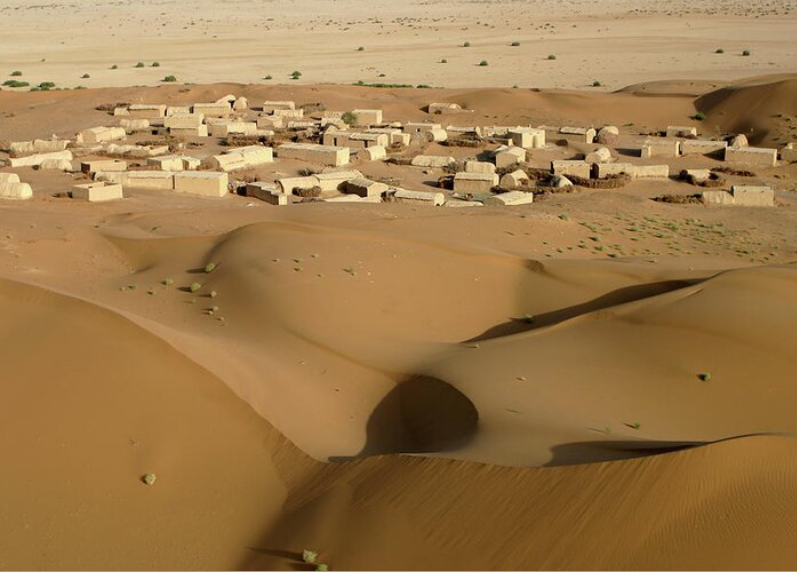
The crown jewel of Nushki’s natural attractions, the Golden Desert stretches magnificently westward from the city toward the Helmand River, creating one of Pakistan’s most spectacular desert landscapes. This vast expanse of arid terrain, characterized by shifting sand dunes, rocky outcrops, and sparse vegetation, offers visitors an authentic desert experience that rivals any found in the Middle East or North Africa.
The desert’s golden hue, particularly visible during sunrise and sunset, creates photographic opportunities that are truly extraordinary. The interplay of light and shadow across the undulating dunes produces an ever-changing landscape that captivates photographers, artists, and nature enthusiasts alike. The best viewing times occur during the golden hours just after sunrise and before sunset when the light intensity creates the most dramatic color contrasts.
Desert ecology enthusiasts will find the Golden Desert fascinating for its adapted flora and fauna. Despite the harsh conditions, the desert supports various species of plants and animals that have evolved unique survival strategies. Visitors might encounter desert foxes, various reptile species, and numerous bird species that have adapted to the arid environment.
Adventure tourism opportunities in the Golden Desert include camel trekking, desert camping, and guided exploration tours. Local guides offer multi-day desert expeditions that provide insights into traditional desert survival techniques, navigation methods, and cultural practices of nomadic communities that have historically traversed these landscapes.
2. Zangi Nawar Dam and Wildlife Sanctuary
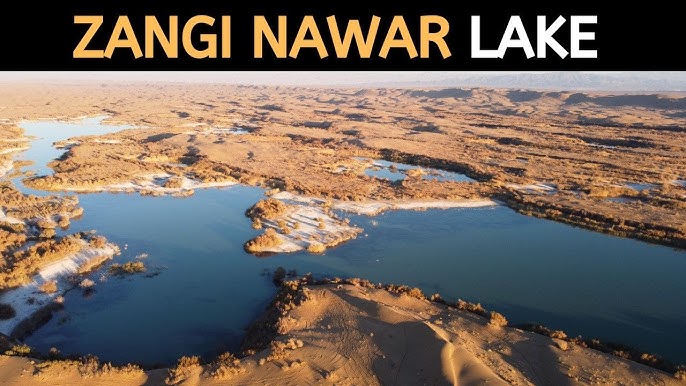
Spanning approximately 1,100 acres, the Zangi Nawar Dam represents one of Balochistan’s most significant water conservation projects while simultaneously serving as a crucial habitat for migratory wildlife. This remarkable attraction combines engineering achievement with natural beauty, creating a unique destination that appeals to both technical enthusiasts and nature lovers.
The dam serves as a vital stopover point for migratory birds traveling from Russian Siberia and various other regions across Asia and Europe. During winter months, the area transforms into a bustling avian metropolis where visitors can observe dozens of species including various types of ducks, geese, cranes, and numerous smaller songbirds that depend on the dam’s ecosystem for survival during their long migrations.
Birdwatching opportunities at Zangi Nawar Dam are exceptional, particularly for photographers and wildlife enthusiasts. The early morning and late afternoon periods offer the best wildlife viewing conditions when birds are most active. Visitors should bring binoculars, telephoto camera lenses, and field guides to maximize their wildlife observation experience.
The dam’s engineering aspects also provide educational value for visitors interested in water management and irrigation systems. The structure demonstrates innovative approaches to water conservation in arid regions and serves as an excellent example of infrastructure development that balances human needs with environmental conservation.
Recreational activities around the dam include fishing (where permitted), picnicking in designated areas, and nature photography. The surrounding landscape offers hiking opportunities for those interested in exploring the transition zones between desert and semi-arid environments.
3. Historical British Colonial Structures
Nushki’s colonial heritage remains visible through various architectural structures and administrative buildings that date back to the British period (1899-1947). These historical sites provide tangible connections to the city’s role in the broader narrative of British imperial expansion and the Great Game rivalry in Central Asia.
The former British administrative buildings, though some showing signs of age, represent important architectural heritage that reflects colonial-era construction techniques adapted to desert climates. These structures typically feature thick walls, strategic ventilation systems, and design elements that demonstrate early attempts at climate-responsive architecture in challenging environmental conditions.
Visiting these colonial sites offers insights into the administrative systems that governed the region during the British period. Historical markers and local guides can provide detailed explanations of how these buildings functioned within the broader colonial administrative structure and their role in facilitating British exploration and intelligence activities in Central Asia.
Archaeological enthusiasts will find particular value in examining construction techniques, architectural details, and preservation challenges associated with these historical structures. The buildings represent important examples of cultural exchange between British imperial architecture and local building traditions.
Educational tourism opportunities include guided historical tours that explain the significance of these structures within the context of regional history, colonial administration, and the broader geopolitical dynamics of the late 19th and early 20th centuries.
4. Traditional Balochi Cultural Centers
Nushki’s cultural centers serve as repositories of traditional Balochi heritage, offering visitors authentic insights into the customs, traditions, and artistic expressions that define the region’s cultural identity. These centers typically house collections of traditional textiles, musical instruments, handicrafts, and historical artifacts that represent centuries of cultural evolution.
Traditional textile displays showcase the intricate embroidery work, carpet weaving techniques, and fabric dyeing methods that have been passed down through generations of Balochi artisans. Visitors can observe demonstrations of traditional crafting techniques and often have opportunities to purchase authentic handmade products directly from local artisans.
Musical traditions are particularly well-preserved in Nushki’s cultural centers, where visitors can experience traditional Balochi folk music performances featuring indigenous instruments such as the suroz, dhol, and various wind instruments. These musical presentations often include traditional dances and storytelling sessions that provide insights into Balochi oral traditions and cultural values.
Cultural education programs offer visitors opportunities to learn about traditional Balochi customs related to hospitality, family structures, seasonal celebrations, and community governance systems. These programs often include interactive components where visitors can participate in traditional activities such as bread making, textile crafting, or musical performances.
The cultural centers also serve as venues for seasonal festivals and community celebrations that coincide with traditional Balochi calendar events, religious observances, and agricultural cycles. Timing visits to coincide with these events provides exceptional opportunities for cultural immersion and authentic community interaction.
5. Desert Astronomical Observation Points
Nushki’s location in the heart of the Balochistan desert, combined with minimal light pollution, creates exceptional conditions for astronomical observation and stargazing. The clear, dry air and high elevation provide visibility conditions that rival some of the world’s premier astronomical observation sites.
The desert’s remote location means that artificial light sources are minimal, allowing for observation of celestial phenomena that are invisible in more populated areas. Visitors can observe the Milky Way galaxy in exceptional detail, identify numerous constellations, and track the movements of planets across the night sky.
Professional and amateur astronomers will find Nushki’s conditions ideal for astrophotography, telescope observations, and celestial event tracking. The stable atmospheric conditions and minimal air pollution create excellent visibility for both visual observation and photographic documentation of astronomical phenomena.
Local guides familiar with astronomical observation can provide insights into traditional navigation methods used by desert travelers, historical astronomical knowledge preserved in local cultures, and optimal viewing locations within the surrounding desert terrain.
Educational astronomy programs might include guided night tours that combine astronomical observation with cultural storytelling about traditional relationships between celestial phenomena and local cultural practices, agricultural cycles, and navigational traditions.
6. Archaeological Sites and Ancient Settlements
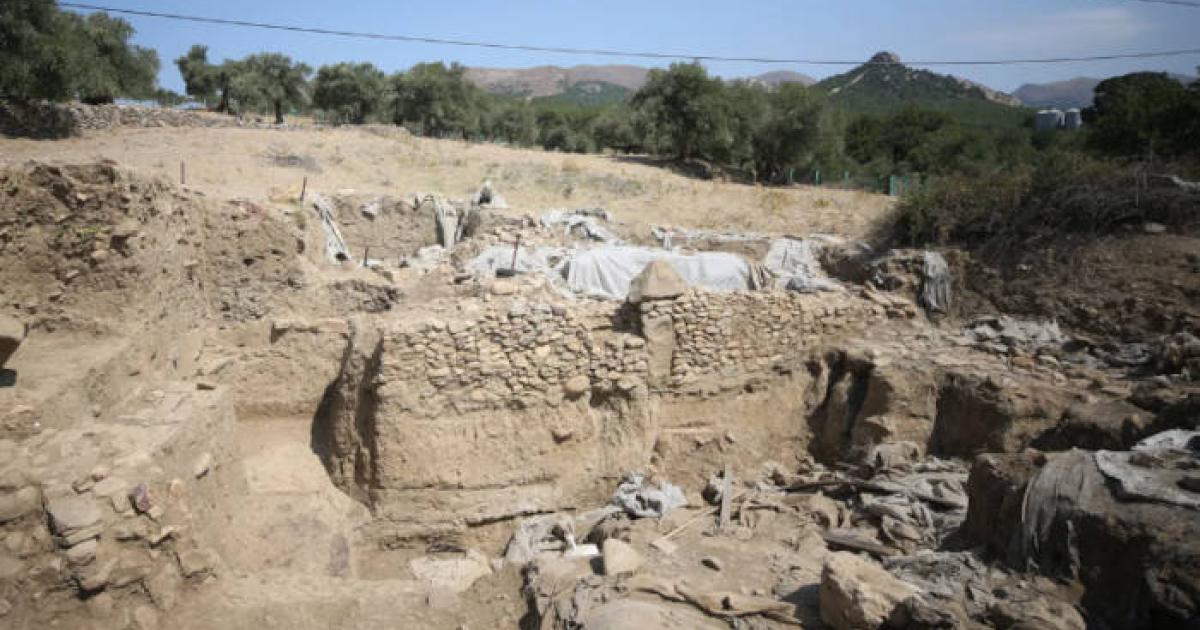
The region surrounding Nushki contains numerous archaeological sites that provide evidence of human settlement and cultural activity spanning several millennia. These sites offer insights into the historical development of trade routes, settlement patterns, and cultural exchanges that have shaped the region’s character.
Ancient settlement ruins, pottery fragments, and tool artifacts discovered in the area provide archaeological evidence of the various civilizations and cultural groups that have inhabited the region throughout history. These discoveries contribute to understanding of migration patterns, trade relationships, and technological development in this crucial crossroads region.
Archaeological tours led by knowledgeable guides can provide insights into excavation techniques, artifact interpretation, and the broader historical context of discoveries made in the region. These tours often include visits to active or recently completed archaeological sites where visitors can observe ongoing research activities.
The archaeological heritage of Nushki connects to broader patterns of Central Asian and South Asian cultural development, providing opportunities to understand the region’s role in facilitating cultural and technological exchanges between major civilizations.
Educational components of archaeological tourism include workshops on artifact identification, historical dating techniques, and preservation methods used to protect cultural heritage in challenging environmental conditions.
7. Traditional Markets and Craft Centers
Nushki’s traditional markets provide authentic shopping experiences where visitors can purchase locally-produced handicrafts, textiles, and traditional products while supporting local artisan communities. These markets reflect centuries-old trading traditions and continue to serve as important economic and social centers for local communities.
Traditional Balochi carpets and textiles available in Nushki’s markets represent some of the finest examples of regional craftsmanship. These products feature intricate designs, natural dye techniques, and weaving methods that have been perfected over generations of artisan families. Each piece reflects individual artistic expression while maintaining connection to traditional design motifs and cultural symbolism.
Handicraft centers showcase various traditional skills including metalworking, woodcarving, leather crafting, and jewelry making. Visitors can observe artisans at work, learn about traditional techniques, and purchase authentic products that represent genuine cultural expressions rather than mass-produced tourist merchandise.
Spice and food markets offer opportunities to experience local culinary traditions and purchase traditional ingredients used in Balochi cuisine. These markets often include vendors selling locally-produced dates, nuts, dried fruits, and traditional spice blends that reflect the region’s agricultural products and culinary heritage.
Market visits provide cultural interaction opportunities where travelers can practice basic Balochi or Urdu language skills, learn about local customs related to commerce and social interaction, and develop understanding of traditional economic systems that continue to function within modern market structures.
8. Desert Flora and Fauna Conservation Areas
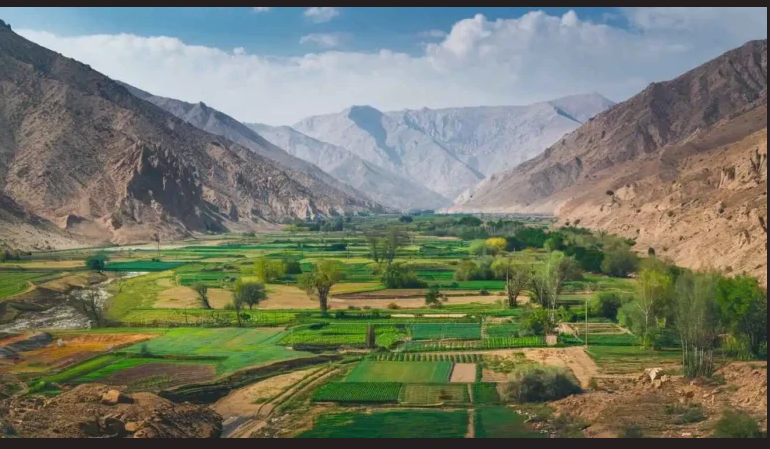
Despite its arid climate, the Nushki region supports diverse ecosystems that have developed unique adaptations to desert conditions. Conservation areas established to protect these ecosystems provide excellent opportunities for ecological tourism and environmental education.
Desert plant communities include various species of drought-resistant shrubs, succulents, and seasonal flowering plants that create unexpected bursts of color during favorable weather conditions. These plant communities demonstrate remarkable adaptations including water storage capabilities, reduced leaf surfaces, and specialized root systems that maximize water absorption.
Wildlife observation opportunities include encounters with desert-adapted mammals such as foxes, wild cats, and various rodent species that have evolved behavioral and physiological adaptations to survive in extreme conditions. Reptile populations include various snake and lizard species that represent important components of desert food webs.
Bird populations in conservation areas include both resident species adapted to desert conditions and seasonal migrants that use the region as stopover points during longer migrations. These avian communities provide excellent birdwatching opportunities and demonstrate the interconnectedness of regional ecosystems with broader continental migration patterns.
Conservation education programs focus on desert ecosystem management, water conservation strategies, and sustainable tourism practices that minimize environmental impact while providing economic benefits to local communities involved in conservation efforts.
9. Scenic Desert Viewpoints and Photography Locations
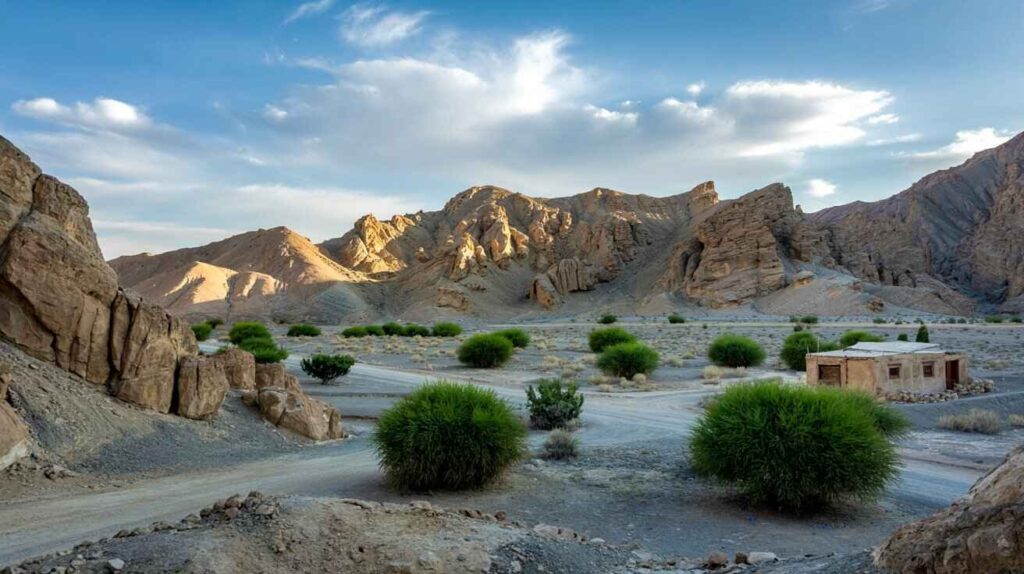
Nushki’s landscape offers numerous elevated viewpoints that provide spectacular panoramic views of the surrounding desert terrain, distant mountain ranges, and expansive sky patterns that create exceptional photographic opportunities. These locations have been identified by local guides and photography enthusiasts as optimal sites for capturing the region’s natural beauty.
Sunrise and sunset viewing locations offer dramatic lighting conditions that transform the desert landscape into a palette of golden, orange, and red hues that change continuously as light angles shift throughout these peak viewing periods. Professional photographers consider these locations among Pakistan’s finest natural photography venues.
Landscape photography opportunities include capturing the contrast between foreground desert details and background mountain silhouettes, documenting the patterns created by wind-sculpted sand formations, and recording the subtle color variations that occur in desert terrain under different lighting conditions.
Night photography possibilities include documenting star trails across the exceptionally clear desert sky, capturing the Milky Way galaxy in high detail, and creating time-lapse sequences that demonstrate the movement of celestial objects over extended periods.
Photography workshops and guided tours led by experienced local photographers can provide technical instruction in desert photography techniques, equipment protection strategies, and optimal timing for various types of landscape and wildlife photography in challenging environmental conditions.
10. Cultural Festival and Event Venues
Throughout the year, Nushki hosts various cultural festivals and community events that provide visitors with authentic opportunities to experience traditional Balochi culture, participate in community celebrations, and observe cultural practices that continue to play important roles in local social structures.
Traditional music festivals showcase regional folk traditions, instrumental performances, and vocal presentations that represent different aspects of Balochi cultural heritage. These events often feature multiple generations of performers, demonstrating the continuity of cultural transmission and the ongoing vitality of traditional artistic expressions.
Seasonal celebrations connected to agricultural cycles, religious observances, and community milestones provide insights into the rhythms of traditional life and the cultural values that continue to guide community activities. These events often include traditional food preparation, craft demonstrations, and storytelling sessions.
Cultural competitions during festivals might include traditional games, artistic contests, and skill demonstrations that reflect historical pastimes and competitive activities that have been part of community life for generations.
Visitor participation in appropriate festival activities provides opportunities for cultural exchange, language practice, and development of personal connections with local community members that can enhance understanding of contemporary life in traditional cultural settings.
Climate and Weather Patterns Analysis
Seasonal Weather Variations and Temperature Ranges
Nushki experiences a continental desert climate characterized by extreme temperature variations between seasons, minimal annual precipitation, and significant daily temperature fluctuations that are typical of high-altitude desert environments. Understanding these climate patterns is crucial for visitors planning optimal travel times and appropriate preparations for outdoor activities.
Summer temperatures in Nushki can reach extreme levels, with daytime highs frequently exceeding 45°C (113°F) during the peak months of June, July, and August. These intense temperatures, combined with low humidity levels typically ranging between 10-20%, create challenging conditions for outdoor activities and require careful planning for heat management and hydration strategies.
The summer season also features significant diurnal temperature variations, with nighttime temperatures dropping to considerably more comfortable levels around 25-30°C (77-86°F). This temperature differential creates opportunities for outdoor activities during early morning and late evening hours when conditions are more manageable for extended exposure.
Winter months (December through February) present dramatically different conditions, with daytime temperatures typically ranging between 15-20°C (59-68°F) and nighttime temperatures frequently dropping below freezing. These cold conditions can create frost formation and occasionally light snow, requiring appropriate winter clothing and heating preparations for accommodation.
Spring (March through May) and autumn (September through November) represent the most comfortable seasons for visiting Nushki, with moderate daytime temperatures ranging between 25-35°C (77-95°F) and pleasant nighttime conditions that are ideal for outdoor camping and extended exploration activities.
Precipitation Patterns and Water Availability
Annual precipitation in Nushki averages between 50-100 millimeters, with most rainfall occurring during brief winter precipitation events and occasional spring thunderstorms. This limited precipitation creates challenges for agriculture and requires careful water resource management for both local communities and visiting travelers.
The region’s precipitation pattern is heavily influenced by the monsoon system, though Nushki’s location places it at the edge of monsoon influence, resulting in highly variable annual rainfall amounts. Some years may experience significantly higher precipitation, while others may have virtually no measurable rainfall throughout the entire year.
Seasonal water availability varies considerably, with natural water sources being most reliable during winter and early spring months when precipitation and snowmelt from distant mountain ranges contribute to temporary stream flows and groundwater recharge. During summer months, water sources become increasingly scarce and unreliable.
For travelers, understanding water availability patterns is crucial for trip planning, particularly for those engaging in desert camping or extended exploration activities. Carrying adequate water supplies and knowing the locations of reliable water sources are essential safety considerations for desert travel in this region.
Local water conservation practices, including traditional rainwater harvesting techniques and groundwater management systems, provide insights into sustainable resource management in arid environments and demonstrate adaptation strategies developed over centuries of desert habitation.
Wind Patterns and Sandstorm Considerations
Wind patterns in Nushki are influenced by broader regional weather systems and local topographical features that create distinctive seasonal and daily wind variations. Understanding these patterns helps travelers prepare for environmental conditions and plan outdoor activities accordingly.
Summer months typically feature strong prevailing winds that can reach significant velocities, particularly during afternoon and early evening hours when temperature differentials between land and air masses create convective wind systems. These winds can create uncomfortable conditions for outdoor activities but also provide natural cooling effects that moderate extreme temperatures.
Sandstorm occurrences are most common during late spring and early summer when strong winds coincide with dry surface conditions and minimal vegetation cover. These events can create hazardous travel conditions, reduce visibility dramatically, and require protective measures for both travelers and equipment.
Wind-borne sand and dust can present challenges for photography equipment, vehicles, and camping gear, requiring protective measures and regular cleaning procedures. Travelers should carry appropriate protective equipment including dust masks, equipment covers, and cleaning supplies to maintain functionality of sensitive items.
Daily wind patterns typically feature calmer conditions during early morning hours, increasing wind speeds during midday and afternoon periods, and variable evening conditions depending on broader weather system influences. Planning outdoor activities around these patterns can significantly improve comfort and safety conditions.
Climate Adaptation Strategies for Travelers
Successful travel in Nushki’s challenging climate requires comprehensive preparation and adaptive strategies that address temperature extremes, water scarcity, and environmental exposure considerations. These strategies should be tailored to specific travel seasons, planned activities, and individual tolerance levels for environmental stress.
Clothing strategies for desert travel should emphasize layered systems that can accommodate dramatic temperature variations while providing protection from sun exposure, wind, and sand. Light-colored, loose-fitting clothing made from breathable materials provides optimal comfort during hot conditions while allowing for additional layers during cooler periods.
Hydration management becomes critical in Nushki’s dry climate, where dehydration can occur rapidly even during moderate activity levels. Travelers should plan for significantly higher water consumption rates than they might experience in more temperate climates and carry adequate supplies for all planned activities plus emergency reserves.
Sun protection measures must account for intense solar radiation at high altitude combined with reflection from sand and rock surfaces that can create higher exposure levels than anticipated. Comprehensive sun protection should include high-SPF sunscreen, protective clothing, wide-brimmed hats, and quality sunglasses designed for high-altitude conditions.
Sleep preparation for desert camping must address both extreme temperature conditions and potential wind exposure. Quality sleeping systems designed for temperature extremes, wind-resistant shelter options, and backup heating or cooling strategies ensure comfortable rest during challenging environmental conditions.
Best Times to Visit Nushki Throughout the Year
Optimal Season Selection for Different Travel Interests
The timing of visits to Nushki significantly impacts the overall travel experience, with different seasons offering distinct advantages depending on travelers’ interests, activity preferences, and tolerance for challenging environmental conditions. Understanding seasonal variations enables informed decision-making that maximizes enjoyment while ensuring safety and comfort throughout the visit.
For general tourism and cultural exploration, the period from October through March represents the most favorable conditions, when temperatures are moderate and precipitation patterns create more predictable travel conditions. During these months, daytime temperatures remain comfortable for extended outdoor activities while nighttime conditions are pleasant for camping or evening cultural events.
Wildlife enthusiasts and birdwatchers should plan visits during winter months (December through February) when migratory bird populations reach peak numbers at locations such as Zangi Nawar Dam. This period offers exceptional wildlife viewing opportunities as species from across Asia converge on regional water sources and conservation areas.
Photography enthusiasts may prefer shoulder seasons (March-April and October-November) when favorable lighting conditions coincide with comfortable temperatures and minimal precipitation risks. These periods offer optimal conditions for landscape photography, cultural documentation, and extended outdoor photography sessions.
Adventure tourism activities such as desert trekking, camping, and exploration are best undertaken during cooler months when extreme temperatures pose fewer safety risks and equipment performance remains reliable under moderate environmental stress.
Month-by-Month Travel Planning Guide
January – February: Peak Winter Conditions These months offer the coolest temperatures but require preparation for potential freezing nighttime conditions. Daytime temperatures range from 10-18°C (50-64°F), creating ideal conditions for hiking, cultural exploration, and wildlife observation. Visitors should pack warm clothing for evening and early morning activities while maintaining lighter options for midday periods. This period coincides with peak migratory bird activity, making it optimal for wildlife enthusiasts.
March – April: Spring Transition Period Spring months provide some of the most pleasant overall conditions, with moderate temperatures ranging from 20-30°C (68-86°F) during the day and cool, comfortable evenings. Occasional precipitation during this period can enhance desert vegetation and create spectacular wildflower displays in favorable years. This season is ideal for photography, cultural festivals, and extended outdoor activities.
May: Late Spring Conditions May represents the transition toward summer heat, with temperatures beginning to climb toward uncomfortable levels during midday hours. Early morning and evening conditions remain pleasant, allowing for adjusted activity schedules. This month can be suitable for experienced desert travelers who understand heat management strategies and can adapt their schedules accordingly.
June – August: Summer Extremes Summer months present challenging conditions with extreme temperatures often exceeding 45°C (113°F) during midday hours. These conditions are generally not recommended for casual tourism, though experienced desert travelers and researchers may find the extreme conditions interesting for specialized purposes. Any summer travel requires extensive preparation, adequate water supplies, and modified activity schedules that emphasize early morning and late evening periods.
September: Early Autumn Recovery September begins the transition back toward comfortable conditions, though temperatures may remain elevated compared to optimal travel periods. This month can work for travelers comfortable with moderate heat who want to avoid peak tourism periods and experience the region during transition seasons.
October – November: Optimal Autumn Conditions These months provide excellent overall conditions similar to spring periods, with moderate temperatures, minimal precipitation risk, and comfortable conditions for all types of tourism activities. The autumn period often features exceptional visibility for photography and clear conditions for astronomical observation.
December: Early Winter Preparation December marks the beginning of winter conditions, with comfortable daytime temperatures but increasingly cold nighttime conditions. This month works well for travelers who enjoy cooler conditions and want to experience the region during its most climatically moderate period.
Special Events and Seasonal Highlights
Throughout the year, Nushki’s cultural calendar includes various events and seasonal phenomena that can enhance travel experiences for visitors who time their trips to coincide with these special occasions. Understanding these patterns helps travelers optimize their visit timing for maximum cultural engagement and unique experiences.
Traditional cultural festivals often occur during spring and autumn months when weather conditions support outdoor community gatherings and celebrations. These events may include musical performances, traditional craft demonstrations, cultural competitions, and community feasts that provide authentic insights into local cultural practices.
Agricultural seasons influence local food availability and cultural activities, with harvest periods creating opportunities to observe traditional farming practices, participate in seasonal food preparation activities, and experience the rhythms of rural life that continue to influence community culture.
Religious and cultural observances follow lunar and solar calendar systems that create varying annual schedules for significant community events. Travelers interested in these cultural aspects should research current calendar dates and plan visits accordingly to maximize opportunities for respectful cultural observation and participation.
Astronomical events such as meteor showers, planetary alignments, and seasonal constellation visibility patterns can enhance visits for travelers interested in stargazing and astronomical observation. Nushki’s excellent sky conditions make it an ideal location for observing celestial phenomena that may be invisible in areas with greater light pollution.
Seasonal Activity Recommendations and Safety Considerations
Each season in Nushki offers distinct opportunities and requires specific safety preparations to ensure enjoyable and secure travel experiences. Matching activities to seasonal conditions maximizes both enjoyment and safety while reducing environmental stress and potential health risks.
Winter Activities and Precautions Winter months are ideal for cultural tourism, historical site exploration, and wildlife observation. However, cold nighttime temperatures require appropriate clothing, heating equipment for camping, and preparation for potential weather changes. Travelers should pack layered clothing systems and be prepared for frost conditions during early morning hours.
Spring and Autumn Adventures These seasons support the widest range of activities including hiking, camping, photography, cultural exploration, and extended outdoor adventures. Moderate temperatures and generally stable weather patterns reduce safety risks while providing comfortable conditions for diverse interests. Travelers can plan more ambitious itineraries during these seasons with reduced environmental stress concerns.
Summer Survival Strategies Any summer travel requires extensive heat management preparation including increased water consumption, modified activity schedules that avoid midday heat, appropriate shelter and cooling strategies, and emergency heat illness recognition and treatment knowledge. Summer travel should generally be undertaken only by experienced desert travelers with appropriate equipment and support systems.
Emergency preparedness should be enhanced during all seasons due to Nushki’s remote location and challenging environmental conditions. Travelers should carry communication equipment, extended water supplies, first aid materials, and emergency shelter options regardless of season. Understanding evacuation procedures and emergency contact information for local authorities is essential for all visitors.
Authentic Local Cuisine and Traditional Food Experiences
Traditional Balochi Culinary Heritage and Ingredients
The culinary traditions of Nushki reflect the rich heritage of Balochi cuisine, shaped by centuries of cultural exchange, environmental adaptation, and the ingenuity of communities living in challenging desert conditions. Traditional Balochi cooking emphasizes simple yet flavorful preparations that maximize nutrition while utilizing ingredients that can thrive in arid climates or be preserved for extended periods.
The foundation of traditional Balochi cuisine in Nushki centers around locally-adapted grains, legumes, and proteins that can withstand the region’s extreme climate conditions. Wheat remains a staple grain, though it is often supplemented with millet and other drought-resistant cereals that grow successfully in the region’s challenging agricultural environment.
Meat plays a central role in traditional Balochi cuisine, with lamb, goat, and chicken being the primary protein sources. The pastoral traditions of Balochi communities have created sophisticated techniques for meat preservation, seasoning, and preparation that maximize flavor while ensuring food safety in hot climates. Traditional cooking methods often involve slow-roasting techniques that develop complex flavors while maintaining tenderness.
Dairy products, particularly from goats and sheep, contribute essential nutrition and unique flavors to traditional dishes. Fresh cheese, yogurt, and clarified butter (ghee) are commonly used ingredients that provide both nutritional value and distinctive taste profiles that characterize authentic Balochi cooking.
Spice usage in Balochi cuisine reflects both local agricultural capabilities and historical trade connections that brought exotic seasonings to the region. Traditional spice blends often include cumin, coriander, red chilies, turmeric, and various locally-grown herbs that create the distinctive flavor profiles associated with authentic regional cooking.
Signature Dishes and Traditional Preparations
Sajji – The Crown Jewel of Balochi Cuisine Sajji represents perhaps the most iconic dish associated with Balochi culinary traditions and is considered a must-try experience for any visitor to Nushki. This traditional preparation involves whole lamb or chicken marinated in a distinctive blend of local spices and slowly roasted over open fires using traditional cooking techniques that have been perfected over generations.
The preparation process for authentic sajji begins with careful selection of meat, typically young lamb or free-range chicken that provides optimal tenderness and flavor. The meat is marinated using a secret blend of spices that varies among different families and cooking traditions but typically includes salt, red chilies, and various aromatic spices that penetrate deeply into the meat during the extended cooking process.
Traditional sajji cooking involves skewering the marinated meat on long metal rods and roasting it over carefully maintained wood fires that provide consistent heat and distinctive smoky flavors. The cooking process requires several hours and demands constant attention to ensure even cooking and optimal flavor development.
The resulting dish features incredibly tender meat with crispy, flavorful exterior surfaces and distinctive smoky aromas that make sajji instantly recognizable. Traditional serving includes fresh bread, rice, and various accompaniments that complement the rich meat flavors.
Khaddi Kebab – Grilled Perfection Khaddi kebab represents another cornerstone of traditional Balochi cuisine, featuring carefully seasoned ground meat formed into distinctive shapes and grilled over open fires using traditional techniques. This dish demonstrates the sophisticated flavor development techniques that characterize authentic Balochi cooking.
The preparation involves combining finely ground lamb or beef with onions, fresh herbs, and traditional spice blends that create complex flavor profiles. The meat mixture is carefully kneaded to achieve proper texture and formed into traditional shapes that ensure even cooking and optimal presentation.
Grilling techniques for khaddi kebab require skill and experience to achieve the proper balance between exterior browning and interior tenderness. Traditional cooks use specific wood types that contribute subtle smoky flavors while maintaining consistent cooking temperatures.
Dampukht – Slow-Cooked Excellence Dampukht represents the sophisticated slow-cooking traditions that have developed within Balochi cuisine to maximize flavor development while conserving fuel resources. This technique involves sealing seasoned meat and vegetables in heavy cooking vessels and cooking them slowly over low heat for extended periods.
The sealing process typically involves using dough or clay to create airtight conditions that allow ingredients to cook in their own juices while preventing moisture loss. This technique develops incredibly tender textures and concentrated flavors that represent the pinnacle of traditional Balochi cooking artistry.
Traditional dampukht preparations often include combinations of meat, vegetables, and grains that create complete nutritionally-balanced meals. The extended cooking process allows flavors to develop and integrate in ways that produce distinctive taste profiles unique to this cooking method.
Street Food and Quick Dining Options
Nushki’s street food culture provides accessible opportunities for travelers to experience authentic local flavors in casual, affordable settings that reflect contemporary food culture while maintaining connections to traditional culinary heritage.
Local Bread Traditions Traditional bread preparation in Nushki includes various types of flatbreads and leavened breads that serve as staples for local meals. Naan, roti, and specialized regional bread varieties are typically prepared fresh daily using traditional tandoor ovens that create distinctive textures and flavors.
Bread vendors often operate small establishments where visitors can observe traditional bread-making techniques and purchase fresh bread that serves as an excellent complement to local dishes or as a simple meal when combined with local dairy products or preserved foods.
Tea Culture and Beverages Tea culture plays an important role in Nushki’s social customs and provides excellent opportunities for cultural interaction. Traditional tea preparation involves distinctive brewing techniques, spice additions, and serving customs that reflect regional preferences and hospitality traditions.
Local tea shops serve as informal community gathering places where visitors can experience authentic social interactions while enjoying traditional beverages. These establishments often serve simple snacks and sweets that complement tea service and provide insights into daily social customs.
Restaurant Recommendations and Dining Establishments
| Restaurant Name | Cuisine Type | Specialty Dishes | Price Range | Location |
|---|---|---|---|---|
| Balochi Sajji House | Traditional Balochi | Sajji, Khaddi Kebab | Moderate | Main Bazaar Area |
| Desert Rose Restaurant | Mixed Pakistani | Traditional Curries, Rice Dishes | Budget-Moderate | Near Bus Station |
| Nushki Traditional Foods | Local Specialties | Dampukht, Local Breads | Budget | Central Market |
| Highway Dhaba | Roadside Pakistani | Quick Meals, Tea Service | Budget | Quetta-Taftan Highway |
| Family Restaurant | Home-style Cooking | Traditional Balochi Meals | Moderate | Residential Area |
Cooking Classes and Culinary Tourism Experiences
For travelers interested in deeper culinary engagement, Nushki offers opportunities to participate in traditional cooking experiences that provide hands-on learning about local culinary techniques and cultural food practices.
Local families and community organizations occasionally offer cooking demonstrations where visitors can observe traditional preparation methods for iconic dishes such as sajji and dampukht. These experiences typically include explanations of ingredient selection, traditional cooking techniques, and cultural significance of various dishes within Balochi social customs.
Spice market tours provide educational opportunities to learn about traditional seasoning ingredients, their sources, traditional uses, and preparation methods. Local guides can explain the cultural and medicinal significance of various spices while helping visitors understand how to identify quality ingredients and traditional spice blend compositions.
Traditional bread-making workshops allow visitors to participate in the complete process of bread preparation, from ingredient mixing through traditional oven techniques. These hands-on experiences provide practical skills while offering insights into daily food preparation customs that continue to play important roles in local community life.
Comprehensive Accommodation Guide and Lodging Options
Hotel and Guesthouse Accommodation Overview
Accommodation options in Nushki reflect the city’s developing tourism infrastructure, with a range of establishments that cater to different budget levels, comfort preferences, and cultural interests. While luxury accommodations remain limited due to the city’s remote location, visitors can find comfortable lodging that meets basic needs while providing authentic cultural experiences.
The accommodation landscape in Nushki primarily consists of modest hotels, family-run guesthouses, and government rest houses that serve both tourists and business travelers. These establishments typically offer basic amenities including private rooms, shared bathroom facilities, and simple dining options that feature local cuisine.
Most accommodation providers in Nushki understand the needs of travelers visiting for cultural tourism, historical exploration, and desert adventures. Many establishments can assist with arranging local guides, transportation services, and specialized equipment rental for desert exploration activities.
Booking accommodations in advance is recommended, particularly during peak travel seasons (October through March) when favorable weather conditions attract more visitors. While online booking systems may be limited, telephone reservations and advance communication through local contacts can ensure accommodation availability.
International visitors should be prepared for accommodation standards that may differ from urban hotel chains, with emphasis on basic comfort and cleanliness rather than luxury amenities. However, the hospitality traditions of Balochi culture often compensate for modest facilities through exceptional personal service and cultural authenticity.
Detailed Accommodation Listings and Amenities
| Establishment Name | Type | Amenities | Price Range (PKR) | Contact Information |
|---|---|---|---|---|
| Nushki Hotel | Budget Hotel | Private rooms, shared baths, local dining | 2,000-3,500/night | Main Bazaar Road |
| Desert View Lodge | Guesthouse | Basic rooms, cultural programs, guide services | 1,500-2,500/night | Near Bus Station |
| Government Rest House | Official Lodging | Clean facilities, advance booking required | 1,800-3,000/night | Administrative Area |
| Family Guest House | Home Stay | Traditional experience, home-cooked meals | 1,200-2,000/night | Residential Quarter |
| Traveler’s Inn | Budget Lodge | Dormitory and private options, equipment storage | 800-2,200/night | Highway Access Road |
Alternative Accommodation Options
Desert Camping Experiences For adventurous travelers seeking authentic desert experiences, organized camping expeditions provide opportunities to sleep under the stars while experiencing the natural beauty of Nushki’s surrounding landscapes. These camping experiences typically include traditional tent accommodations, campfire cooking, and guided desert exploration activities.
Professional camping services provide all necessary equipment including weather-appropriate tents, sleeping systems, cooking facilities, and safety equipment. Experienced guides ensure safety while providing cultural interpretation and natural history education throughout the camping experience.
Desert camping requires advance planning and appropriate season selection, with autumn and winter months providing the most comfortable conditions for extended outdoor sleeping. Summer camping is generally not recommended due to extreme temperature conditions.
Homestay Opportunities Local families occasionally offer homestay accommodations that provide authentic cultural immersion experiences. These arrangements typically include private sleeping quarters within family compounds, shared meal experiences, and opportunities for cultural exchange and language practice.
Homestay experiences offer unique insights into daily life in Nushki, including traditional customs, family structures, and contemporary challenges facing local communities. Guests typically participate in family meals, observe traditional activities, and contribute to household activities as appropriate.
Cultural sensitivity and respectful behavior are essential for successful homestay experiences, with guests expected to follow local customs regarding dress codes, meal times, and social interactions. These arrangements work best for travelers genuinely interested in cultural learning rather than merely seeking accommodation.
Booking Strategies and Practical Considerations
Advance Reservation Methods Due to limited accommodation capacity and seasonal demand variations, advance booking is strongly recommended for all types of lodging in Nushki. Traditional booking methods including telephone contact and local referrals often prove more effective than online systems.
Travel agents specializing in Balochistan tourism can assist with accommodation arrangements while also coordinating transportation, guide services, and activity bookings. These services often provide better rates and more reliable arrangements than individual booking attempts.
Local contacts, including cultural organizations, tourism offices, and community leaders, can often facilitate accommodation arrangements while ensuring cultural appropriateness and authentic experiences. These connections frequently result in unique opportunities not available through commercial booking channels.
Seasonal Pricing and Availability Accommodation pricing in Nushki typically reflects seasonal demand patterns, with higher rates during optimal travel seasons (October through March) when weather conditions are most favorable. Budget travelers may find better rates during shoulder seasons when demand is reduced.
Group bookings often receive preferential treatment and reduced rates, making organized tour arrangements economically advantageous for multiple travelers. Group arrangements also facilitate cultural activities and local guide services that enhance the overall travel experience.
Extended stay arrangements may be possible for researchers, cultural enthusiasts, or travelers planning comprehensive exploration of the region. These arrangements often include reduced daily rates and additional services such as meal planning, equipment storage, and specialized activity coordination.
Essential Amenities and Services Most accommodation establishments in Nushki provide basic amenities, including bed linens, basic furniture, and access to bathroom facilities. However, travelers should be prepared for variations in amenity standards and availability of services such as hot water, electricity, and internet connectivity.
Meal services vary among different establishments, with some providing traditional Balochi cuisine as part of accommodation packages while others may offer basic cooking facilities for self-catering arrangements. Understanding meal options and costs should be clarified during booking processes.
Security considerations for personal belongings and travel equipment should be discussed with accommodation providers, with many establishments offering secure storage for valuable items and specialized equipment used for desert exploration activities.
Comprehensive Travel FAQ and Practical Information
Essential Pre-Travel Planning Questions
What documents do I need to visit Nushki?
Pakistani citizens require valid national identification (CNIC or passport) for travel within Balochistan province. International visitors need valid passports with appropriate Pakistani visas. While special permits are not typically required for Nushki city visits, travelers planning extended stays or visits to remote areas should check current requirements with relevant authorities. Travel insurance is strongly recommended for all visitors, particularly those planning outdoor adventures or extended stays.
How do I get money and what currency is used?
Pakistani Rupee (PKR) is the official currency throughout Nushki. Banking facilities are limited, with basic ATM services available but not always reliable. Travelers should carry sufficient cash for their entire stay, including emergency reserves. Credit card acceptance is minimal, making cash the primary payment method for all transactions including accommodation, meals, transportation, and shopping.
What languages are spoken in Nushki?
Balochi and Brahvi are the primary local languages, reflecting the region’s cultural heritage. Urdu serves as the national language and is widely understood for communication with visitors. English proficiency exists among educated individuals and those involved in tourism services, though basic Urdu phrases can significantly enhance cultural interactions and travel experiences.
Is Nushki safe for tourists?
Current security conditions in Nushki are generally stable, with significant improvements in recent years. However, travelers should stay informed about current conditions, follow guidance from local authorities, and maintain awareness of their surroundings. Group travel and local guide arrangements can enhance safety while providing cultural benefits. Emergency contact information should be readily available at all times.
What should I pack for a trip to Nushki?
Packing requirements vary dramatically by season and planned activities. Essential items for all seasons include sun protection (high-SPF sunscreen, hat, sunglasses), first aid supplies, water purification options, and layered clothing systems. Desert conditions require dust protection for electronics, additional water storage, and emergency shelter options. Specific equipment recommendations depend on planned activities and accommodation choices.
How reliable is public transportation to Nushki?
Public bus services between Quetta and Nushki operate regularly with generally reliable schedules, though delays can occur due to weather, road conditions, or mechanical issues. Services are more frequent during favorable weather seasons and may be reduced during extreme summer conditions. Advance booking is recommended during peak travel periods.
Can I rent a car for exploring the Nushki region?
Vehicle rental is available in Quetta with options ranging from standard passenger cars to four-wheel-drive vehicles suitable for desert exploration. Rental arrangements should include comprehensive insurance, emergency contact information, and clear understanding of permitted travel areas. Four-wheel-drive vehicles are recommended for extensive desert exploration or travel on unpaved roads.
What fuel considerations should I know about?
Fuel stations exist along the main Quetta-Taftan Highway and within Nushki city, but availability can be limited in remote areas. Travelers planning extensive exploration should carry additional fuel supplies and ensure their vehicles are properly serviced before departure. Fuel quality is generally reliable, though filtering systems may be beneficial for sensitive vehicle components.
Are local guides necessary for visiting Nushki?
While not mandatory for basic city tourism, local guides significantly enhance cultural understanding, provide language assistance, and ensure safety during desert exploration activities. Experienced guides offer insights into historical sites, cultural practices, and natural phenomena that independent travelers might miss. For desert adventures and specialized activities, professional guides are strongly recommended.
What are the accommodation standards like in Nushki?
Accommodation standards in Nushki are generally basic but clean, with emphasis on functionality rather than luxury amenities. Most establishments provide essential amenities including private sleeping quarters, bathroom access, and meal services. Travelers accustomed to international hotel standards should adjust expectations while appreciating the authentic cultural experiences offered by local establishments.
Is the local food safe for international visitors?
Traditional Balochi cuisine in Nushki is generally safe for consumption, with local cooking methods emphasizing proper preparation and food safety practices. However, international visitors should take standard precautions including drinking bottled or properly treated water, avoiding raw vegetables unless properly washed, and choosing freshly prepared hot foods. Gradual introduction to local spices can prevent digestive discomfort.
What medical facilities are available in Nushki?
Medical facilities in Nushki include basic healthcare clinics and dispensaries capable of treating common ailments and minor injuries. Serious medical emergencies require evacuation to Quetta or other major cities with comprehensive hospital facilities. Travelers should carry basic medical supplies, prescription medications, and comprehensive travel insurance that includes emergency evacuation coverage.
Are there vegetarian food options available?
While Balochi cuisine traditionally emphasizes meat dishes, vegetarian options are available including various lentil preparations, vegetable curries, bread varieties, and dairy products. Local cooks can often accommodate dietary restrictions with advance notice, though options may be limited compared to areas with more diverse culinary offerings.
What cultural customs should I observe in Nushki?
Visitors should respect local customs including modest dress codes (covering arms and legs), removing shoes when entering homes or religious spaces, and observing traditional gender interaction norms. Photography should be undertaken respectfully with permission when photographing people, particularly women. Hospitality customs include accepting offered tea or food when appropriate, showing respect for elders, and expressing appreciation for cultural sharing.
How should I dress appropriately for the local culture?
Modest clothing is essential for cultural respect and practical comfort in desert conditions. Long pants or skirts, full-sleeve shirts, and head coverings for women are recommended. Clothing should be loose-fitting for climate comfort and made from breathable materials. Conservative dress is particularly important when visiting cultural sites, interacting with local families, or participating in community events.
Can I participate in local festivals or cultural events?
Visitors are often welcomed at appropriate cultural events and festivals, though participation should be approached respectfully and with proper cultural awareness. Local guides or community contacts can provide information about upcoming events and appropriate participation protocols. Such experiences offer exceptional opportunities for cultural learning and authentic interaction with local communities.
What tipping practices are appropriate?
Tipping practices in Nushki follow general Pakistani customs with modest tips (10-15%) appropriate for restaurant service, guide services, and transportation assistance. Excessive tipping can create uncomfortable social dynamics, while appropriate appreciation for good service is welcomed. When in doubt, observing local practices or asking local contacts for guidance ensures culturally appropriate behavior.
What environmental challenges should I prepare for?
Desert conditions present various environmental challenges including extreme temperatures, intense solar radiation, low humidity, potential sandstorms, and limited water availability. Proper preparation includes sun protection, hydration management, appropriate clothing, and emergency supplies. Understanding seasonal weather patterns and daily temperature fluctuations helps in planning appropriate responses to environmental conditions.
How should I protect my electronics and camera equipment?
Desert conditions can damage electronic equipment through dust infiltration, temperature extremes, and moisture variations. Protective measures include dust-proof cases, temperature-controlled storage, regular cleaning procedures, and backup power supplies. Sand and dust can particularly affect camera lenses and electronic ports, requiring careful maintenance protocols.
What wildlife safety considerations exist?
While dangerous wildlife encounters are rare in Nushki, travelers should be aware of desert-adapted species including various snake and spider species, scorpions, and other creatures that may pose risks. Basic precautions include checking clothing and shoes before dressing, using proper lighting during nighttime activities, and avoiding handling unknown creatures. Local guides provide valuable expertise regarding regional wildlife safety.
How do I handle emergency situations?
Emergency preparedness should include communication equipment (satellite phones in remote areas), emergency contact information for local authorities, basic first aid knowledge and supplies, and evacuation planning. Travelers should inform others of their itineraries, carry emergency water and shelter supplies, and understand procedures for contacting rescue services when needed.
What authentic local products can I purchase?
Nushki offers various authentic local products, including traditional Balochi textiles, handwoven carpets, embroidered clothing, traditional crafts, and local food products such as dates, nuts, and spice blends. Purchasing directly from artisans supports local communities while ensuring authenticity. Quality varies significantly, making local guidance valuable for identifying superior craftsmanship.
How do I negotiate prices appropriately?
Price negotiation is expected in traditional markets, with polite bargaining considered normal commercial interaction. Starting offers should be reasonable with gradual movement toward mutually acceptable prices. Understanding approximate market values through observation and local guidance prevents overpaying while ensuring fair compensation for artisans and merchants.
What are typical daily budget requirements?
Daily budget requirements vary significantly based on accommodation choices, dining preferences, and activity selections. Budget travelers might spend 3,000-5,000 PKR daily including basic accommodation and meals, while moderate comfort levels require 6,000-10,000 PKR daily. Specialized activities, private guides, and transportation can increase costs substantially.
Are credit cards or international banking services available?
Banking services in Nushki are limited, with basic ATM facilities available but not always reliable for international cards. Credit card acceptance is minimal, making cash the primary payment method. Travelers should arrange sufficient Pakistani currency before arrival and carry emergency reserves for unexpected expenses or extended stays.
Conclusion: Embracing the Authentic Spirit of Nushki
Nushki represents far more than a mere travel destination; it embodies a living testament to Pakistan’s rich cultural heritage, natural beauty, and the resilience of communities that have thrived in challenging desert environments for centuries. This comprehensive guide has explored the multifaceted appeal of this remarkable city, from its fascinating historical narrative rooted in ancient trade routes and colonial exploration to its contemporary role as an emerging destination for cultural tourism and adventure travel.
The journey through Nushki’s offerings reveals a destination uniquely positioned to provide authentic experiences that connect travelers with both Pakistan’s cultural heritage and the timeless beauty of desert landscapes. Whether visitors are drawn by the golden expanses of the surrounding desert, the rich traditions of Balochi culture, the exceptional wildlife viewing opportunities at Zangi Nawar Dam, or the opportunity to trace the footsteps of historical explorers and colonial administrators, Nushki delivers experiences that resonate long after the journey concludes.
The comprehensive information provided in this guide empowers travelers to approach their Nushki adventure with confidence, understanding, and appropriate preparation for the rewards and challenges that await. From practical considerations such as transportation logistics, accommodation selection, and climate adaptation strategies to deeper cultural insights regarding local customs, culinary traditions, and social interactions, this resource serves as both practical handbook and cultural primer.
As Pakistan’s tourism industry continues to evolve and develop, destinations like Nushki play crucial roles in diversifying the country’s tourism offerings beyond traditional sites. The city’s potential for sustainable tourism development that benefits local communities while preserving cultural authenticity and environmental integrity makes it particularly significant for responsible travelers seeking meaningful experiences.
The commitment to providing accurate, comprehensive, and respectful information about Nushki reflects the importance of promoting cultural understanding and appreciation through travel. By approaching this destination with appropriate preparation, cultural sensitivity, and genuine curiosity, visitors contribute to positive cultural exchange while gaining invaluable insights into the diversity and richness of Pakistani culture.
For those who answer Nushki’s call, the rewards extend far beyond conventional tourism experiences. The city offers opportunities for personal growth, cultural learning, and adventure that challenge assumptions while expanding perspectives. In our increasingly connected world, destinations like Nushki remind us of the value of authentic cultural encounters and the importance of preserving and celebrating the diverse expressions of human creativity and adaptation that make our world so remarkably rich and varied.
The golden desert of Nushki awaits those bold enough to venture beyond the conventional, offering treasures that cannot be quantified in typical tourism metrics but must be measured in moments of wonder, connections with remarkable people, and memories that endure long after the desert winds have erased travelers’ footprints from the sand.


