
Chichawatni is a city that perfectly blends history, culture, and modern progress. Often overshadowed by larger cities like Lahore and Multan, Chichawatni holds its own charm, attracting travelers, researchers, and locals alike who want to explore its unique identity. Known for its vast man-made forest, agricultural prominence, and vibrant bazaars, the city has become a focal point of cultural and economic activity in central Punjab.
The history of Chichawatni dates back several centuries, with references in oral traditions and colonial records. The region was once a small village surrounded by dense forest cover and agricultural fields. With the arrival of the British in the mid-19th century, Chichawatni gained strategic importance due to the expansion of the railway network. The British introduced irrigation systems, developed trade routes, and planted large-scale forests for environmental management and timber production.
The Chichawatni Forest, planted in the 1920s, remains one of the largest man-made forests in Pakistan and has played a vital role in shaping the city’s identity. It was originally established to supply timber to the British Railways but later evolved into a hub of biodiversity. Over time, Chichawatni transformed from a quiet agrarian village into a bustling tehsil headquarters in Sahiwal District.
Following Pakistan’s independence in 1947, Chichawatni became home to thousands of migrants who arrived from Indian Punjab. This migration deeply influenced the city’s cultural fabric, introducing diverse languages, traditions, and cuisines. Today, the city stands as a reflection of both its colonial legacy and the resilience of its people.
Culture in Chichawatni is a vibrant mix of Punjabi traditions, Islamic influences, and post-independence heritage. The city is known for its Sufi shrines, mosques, and community gatherings that reinforce the values of hospitality and unity. Festivals like Eid-ul-Fitr, Eid-ul-Adha, Basant (kite festival), and Urs of Sufi saints are celebrated with zeal, bringing locals together in colorful harmony.
Language is another defining feature. While Punjabi is the dominant spoken language, Urdu serves as the lingua franca, and English is increasingly common in educational and official contexts. The cultural diversity introduced during partition is still visible today, making Chichawatni an intersection of rural traditions and modern urban influences.
Local arts and crafts, especially embroidery, handwoven textiles, and pottery, represent the city’s creativity. Traditional folk music and Punjabi poetry recitations (mushairas) remain popular in community events, while modern influences such as television and digital platforms are reshaping how younger generations engage with culture.
Chichawatni has seen steady population growth over the last few decades due to urbanization, educational opportunities, and migration from rural areas. As of recent estimates, the population is over 160,000 within city limits and more than 500,000 in the surrounding tehsil.
The population is predominantly Muslim (Sunni majority with a Shia minority), with small communities of Christians and Hindus contributing to religious diversity. Family structures are typically extended, with strong bonds across generations. The literacy rate is rising, thanks to the growing presence of schools, colleges, and universities in the area, making Chichawatni a hub of learning within central Punjab.
Occupationally, a large percentage of people are engaged in agriculture, as Chichawatni lies in the heart of Pakistan’s breadbasket. Cotton, wheat, sugarcane, and rice are the primary crops. Others are employed in trade, small industries, government services, and the transport sector. The younger population is increasingly exploring opportunities in IT, freelancing, and overseas employment, reflecting modern shifts in livelihood.
Geographically, Chichawatni is located in Sahiwal District of Punjab, about 45 kilometers southwest of Sahiwal city. The city lies along the Lahore-Multan Grand Trunk Road (N-5) and is well-connected by rail, making it accessible for travelers from across Punjab. Its coordinates are approximately 30.53°N latitude and 72.68°E longitude, placing it in the lush alluvial plains of the Indus Basin.
The land is fertile, thanks to the Lower Bari Doab Canal, which irrigates vast stretches of farmland. This canal system, introduced during British rule, remains essential for agriculture and has transformed the region into a thriving agrarian economy.
The Ravi River flows near the region, enriching the soil and supporting both agriculture and natural vegetation. The climate is classified as semi-arid, with hot summers, mild winters, and a monsoon season that brings life to the fields and forests.
Chichawatni is also known for its Chichawatni Forest Reserve, which spreads over 30,000 acres and is one of the largest man-made forests in Asia. This ecological treasure provides habitat for wildlife, serves as a recreational destination, and contributes significantly to environmental balance in Punjab.
Table of Contents
ToggleWhy Chichawatni Matters
Chichawatni’s importance lies in its balance between tradition and progress. It is a city where:
-
Farmers cultivate crops that feed millions.
-
Traders fill bazaars with textiles, spices, and handicrafts.
-
Students pursue higher education in institutions that prepare them for a global future.
-
Families gather in parks, mosques, and cultural events, preserving traditions while embracing change.
For a traveler, Chichawatni offers authentic Punjabi hospitality, fascinating historical traces, and access to both rural landscapes and urban conveniences. It is not a flashy metropolis but rather a city that tells the story of Punjab’s resilience, cultural richness, and natural beauty.
Transportation in Chichawatni
One of the most important aspects for any traveler considering a visit to Chichawatni is how to get there and move around the city. Thanks to its central location in Punjab and well-developed infrastructure, Chichawatni is highly accessible. Whether you’re flying in from another city, traveling by road, or taking a traditional rail journey, you’ll find multiple options to suit your needs.
Air Travel to Chichawatni
Chichawatni does not have its own airport, but it is conveniently located near several regional airports that provide both domestic and limited international flights. The nearest options include:
-
Multan International Airport (MUX): Located around 130 km southwest of Chichawatni, Multan’s airport is the most accessible for international travelers. It connects to the Middle East, such as Dubai, Doha, and Sharjah, along with domestic routes to Karachi, Lahore, and Islamabad.
-
Allama Iqbal International Airport, Lahore (LHE): About 200 km away, Lahore airport is one of Pakistan’s busiest hubs. Many travelers prefer flying into Lahore for broader international connections, then taking a road or rail journey to Chichawatni.
-
Faisalabad International Airport (LYP): Roughly 150 km northeast, this airport is another good option, especially for domestic flights and some Gulf destinations.
-
Sialkot International Airport (SKT): Though farther away (around 270 km), Sialkot’s airport is sometimes used by business travelers due to its wide Middle Eastern connections.
From these airports, visitors typically use private taxis, buses, or hired cars to reach Chichawatni. Depending on the chosen airport, travel time ranges between 2–4 hours.
Road Travel: Highways and Bus Services
Chichawatni sits directly on the N-5 National Highway (Grand Trunk Road), which is Pakistan’s oldest and busiest roadway. This highway stretches from Karachi to Torkham near the Afghan border, passing through major cities like Lahore, Multan, and Rawalpindi.
For road travelers, this means easy and direct access to Chichawatni.
-
By Car: Driving to Chichawatni is convenient for those with private vehicles. From Lahore, the journey takes approximately 3.5–4 hours, while from Multan it takes 2–2.5 hours. The drive offers a view of Punjab’s fertile fields, canal systems, and small villages, giving a glimpse into rural life.
-
By Bus: Chichawatni is served by several private and government-run bus companies, including Daewoo Express, Skyways, Faisal Movers, and Niazi Express. These companies operate luxury coaches with air conditioning, Wi-Fi, and comfortable seating. Regular departures connect Chichawatni with Lahore, Multan, Islamabad, Faisalabad, and Karachi.
-
By Minibuses & Vans: For budget-conscious travelers, minibuses and vans run frequently between nearby towns and Chichawatni. Though less comfortable, they are affordable and widely used by locals.
Road infrastructure is generally good, though traffic congestion can occur near city entry points, especially during holidays and festivals.
Rail Connectivity
Perhaps the most iconic way to reach Chichawatni is by train. The Chichawatni Railway Station is one of the city’s historical landmarks, dating back to the British era. It lies on the Karachi–Peshawar Railway Line, Pakistan’s main railway artery.
-
Major Routes: Daily trains connect Chichawatni with Karachi, Lahore, Faisalabad, Multan, Rawalpindi, and Peshawar. Popular services include the Karachi Express, Tezgam, Awam Express, and Shalimar Express.
-
Advantages: Train travel is affordable, comfortable, and scenic. Passengers enjoy views of lush fields, canal systems, and villages while traveling.
-
Station Facilities: The Chichawatni station has waiting halls, food stalls, and ticket counters. Though not as modern as larger stations, it is functional and conveniently located near the city center.
Rail travel remains an essential part of Chichawatni’s connectivity, not only for passengers but also for the transportation of agricultural goods like cotton and wheat.
Local Transit within Chichawatni
Getting around Chichawatni itself is simple, though it reflects the charm of a mid-sized Punjabi city rather than a metropolitan hub.
-
Rickshaws: Auto-rickshaws (also called “chinchis” locally) are the most common means of local transport. They are affordable, quick, and widely available across the city.
-
Motorbike Rickshaws: These three-wheeled vehicles, often used by families or small groups, are slightly larger than auto-rickshaws and provide shared rides at cheaper rates.
-
Taxis & Ride-Hailing Apps: Traditional taxis are available but limited compared to rickshaws. In recent years, Careem and Bykea have expanded into Chichawatni, though availability fluctuates depending on demand.
-
Public Buses: Local minibuses run within the city and connect nearby villages. They are extremely cheap but usually crowded.
-
Private Cars: Many residents rely on personal cars or motorbikes, making roads busy during peak hours, particularly near main bazaars, the bus terminal, and the railway station.
Traveler Tips for Transportation
-
Booking in Advance: For long-distance bus or train journeys, it’s wise to book tickets in advance, especially during Eid, summer vacations, or the wedding season.
-
Travel Safety: While roads are generally safe, always use reputable bus companies or ride-hailing services for secure travel.
-
Cash Payments: Most local transport operates on cash, so keeping small change handy is recommended.
-
Language: Drivers typically speak Punjabi or Urdu. A few basic phrases in Urdu can go a long way in negotiating fares.
-
Weather Considerations: Summer heat can make mid-day travel uncomfortable. Early morning or evening is more pleasant for road journeys.
Why Transportation Defines Chichawatni’s Identity?
Transportation is not just about movement—it is woven into the history and identity of Chichawatni. The railway station symbolizes its colonial past, the roads showcase Punjab’s agricultural strength, and the rickshaws reflect its modern-day hustle. Together, these modes of transportation make Chichawatni an accessible and well-connected destination for both locals and travelers.
Whether you’re landing in Multan and driving through fertile fields, hopping on a train from Lahore, or navigating the lively bazaars in a colorful rickshaw, the journey to and within Chichawatni is an experience in itself.
Tourist Attractions in Chichawatni
Chichawatni may not yet be as globally famous as Lahore or Multan, but it offers a collection of hidden gems that reflect both the city’s history and its cultural depth. From the legendary Chichawatni Forest to the bustling bazaars and historical mosques, each attraction has a story to tell. Below is a comprehensive guide to 10 must-visit destinations in Chichawatni, each rich in heritage, charm, and local authenticity.
1. Chichawatni Forest – The Green Heart of Punjab
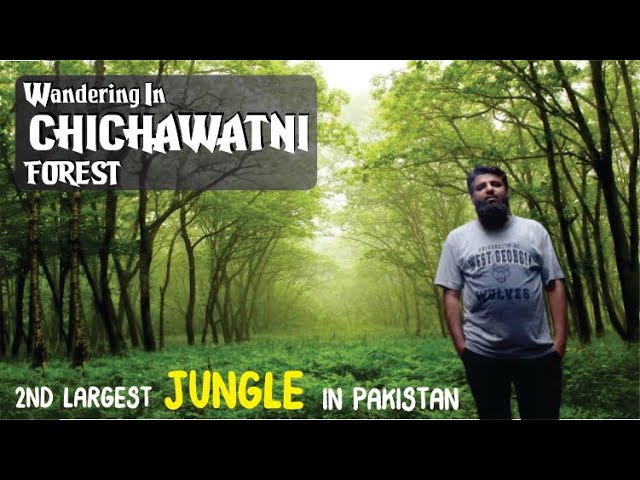
The most famous landmark of the city is undoubtedly the Chichawatni Forest, one of the largest man-made forests in Asia, covering over 30,000 acres. Originally planted by the British in the 1920s to meet the growing demand for timber, the forest has since evolved into a biodiversity hotspot and an ecological treasure.
Walking into Chichawatni Forest feels like stepping into another world. Towering Shisham (rosewood), mulberry, acacia, and eucalyptus trees create a dense canopy, offering shade and respite from the summer heat. The forest is also home to wildlife such as jackals, wild boars, foxes, and a variety of bird species, making it a paradise for nature enthusiasts and bird watchers.
Over the decades, the forest has also become a favorite spot for families and students. Schools often organize study tours here, and picnics under the trees are a local tradition. During spring, the forest floor comes alive with blooming wildflowers, creating a scenic setting for photography.
Visitor Information:
-
Open throughout the year; best visited between October and March.
-
Entry is free, though local guides can be hired.
-
Carry drinking water and snacks, as facilities inside are minimal.
-
Ideal for eco-tourism, photography, and nature walks.
The Chichawatni Forest isn’t just a tourist attraction — it is the lungs of Punjab, an environmental landmark, and a reminder of how colonial-era policies shaped the natural landscape of Pakistan.
2. Central Jamia Masjid – A Symbol of Faith and Unity

Located in the heart of Chichawatni, the Central Jamia Masjid stands as both a religious center and an architectural gem. Built soon after Pakistan’s independence, it reflects Islamic architectural traditions, with domes, arches, and intricate tile work that capture the essence of Punjabi mosque design.
On Fridays, thousands of worshippers gather here for congregational prayers, while during Eid-ul-Fitr and Eid-ul-Adha, the mosque becomes a focal point of celebration. The mosque also hosts Quran classes for children and serves as a platform for community discussions.
Visitors are often struck by the mosque’s peaceful atmosphere. Even non-Muslim travelers are welcome to admire its architecture, provided they respect the dress code and etiquette.
Unique Features:
-
Hand-carved wooden doors and marble flooring.
-
Spacious courtyard accommodating hundreds of worshippers.
-
Central location in the main city, surrounded by bazaars.
For anyone exploring Chichawatni, the Central Jamia Masjid is not just a place of worship — it’s a cultural hub where faith and community meet.
3. Chichawatni Railway Station – A Colonial Legacy
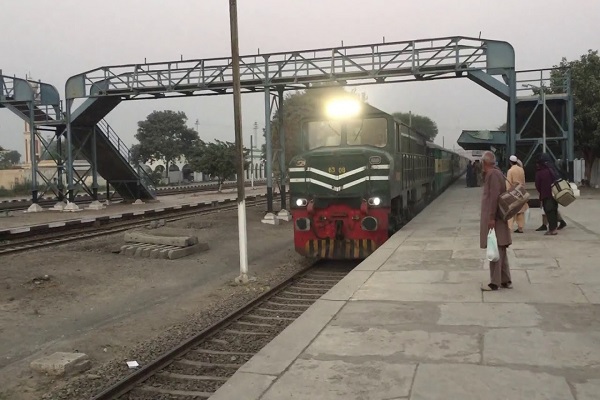
The Chichawatni Railway Station, built during the British Raj, is more than just a transit hub; it’s a piece of living history. Part of the Karachi–Peshawar main line, it played a crucial role in connecting Punjab’s agricultural heartland with major markets across the subcontinent.
The station building, with its red-brick walls, arched windows, and high ceilings, retains its colonial charm. Even today, it is one of the busiest points in the city, where you can see farmers, students, families, and traders embarking on journeys.
For history lovers, the station offers a glimpse into the railway heritage of British India. For photographers, it provides endless opportunities to capture the contrast between old-world architecture and the modern hustle of passengers boarding express trains.
Visitor Tips:
-
Best visited early morning or evening for photography.
-
Purchase platform tickets if you’re not traveling.
-
Tea stalls near the station serve authentic Punjabi chai — a must-try!
The station is not just about travel; it represents Chichawatni’s role in Punjab’s economic and cultural integration.
4. Chichawatni Bazaar – The Soul of the City
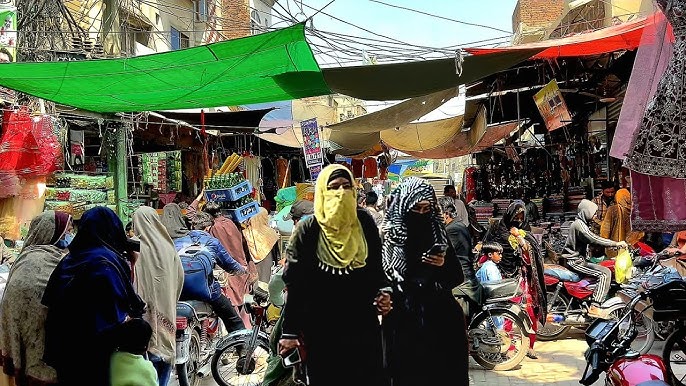
Every Punjabi city has a bazaar that defines its rhythm, and in Chichawatni, the main bazaar is the heartbeat of daily life. Bustling with activity from dawn till late night, the bazaar offers everything from textiles, handicrafts, spices, traditional footwear (khussas), and jewelry to everyday groceries.
What makes the bazaar unique is its authenticity. Here, you’ll hear shopkeepers bargaining in Punjabi, smell the aroma of freshly ground spices, and see vibrant colors of embroidered dresses hanging in stalls.
During festive seasons like Eid or weddings, the bazaar becomes especially lively. Stalls selling bangles, mehndi (henna), and festive clothes attract large crowds. The street food scene here is also remarkable, with vendors offering samosas, jalebis, gol gappay, and seekh kebabs to hungry shoppers.
Shopping Tips:
-
Bargaining is expected; prices often drop after negotiation.
-
Evening visits are best, as the bazaar is more vibrant.
-
Keep cash handy; digital payments are still rare.
The Chichawatni Bazaar is not just a marketplace — it’s where you’ll truly experience the spirit of Punjabi culture.
5. Ravi River Surroundings – Nature and Tranquility
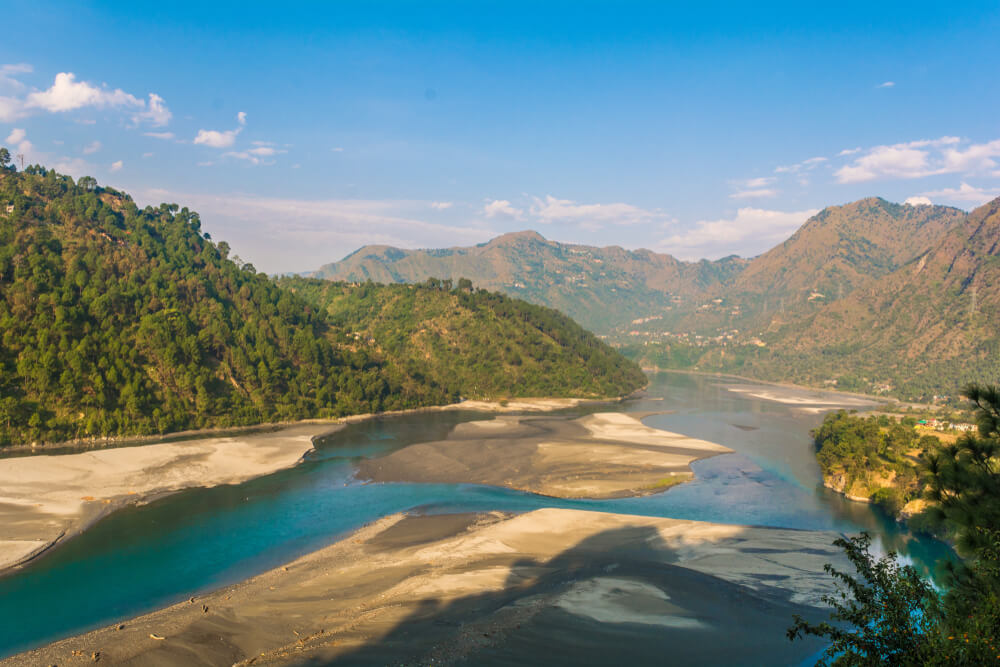
While the Ravi River does not flow directly through the city, its surrounding areas near Chichawatni are a popular escape for those seeking peace and natural beauty. The riverbanks are often used for picnics, fishing, and boating by locals. Farmers in nearby villages depend heavily on the Ravi’s water for irrigation, giving the entire landscape a lush green look.
During spring and post-monsoon months, the river area becomes particularly beautiful, with blooming vegetation and pleasant weather. For birdwatchers, the Ravi is home to migratory birds, especially in winter when flocks arrive from Central Asia.
Travel Note:
-
Accessible via short drives from Chichawatni city.
-
No formal facilities, so carry essentials.
-
Best enjoyed in groups or with local friends who know safe spots.
The Ravi River surroundings combine natural charm with rural simplicity, offering travelers a taste of authentic Punjab away from urban hustle.
6. Eidgah Ground – A Festival Landmark
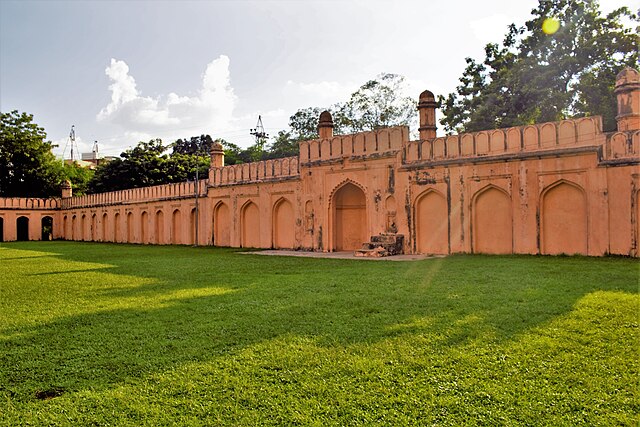
The Eidgah Ground in Chichawatni is more than just an open field — it is the city’s primary venue for religious and cultural gatherings. On Eid mornings, thousands of residents gather here for prayers, creating a moving spectacle of unity.
Outside of Eid, the ground is used for public meetings, fairs (melas), and cultural events. During the Basant festival, kite-flying fills the skies with color, while local circuses and street performers occasionally set up temporary shows.
The open atmosphere, combined with the festive energy, makes the Eidgah Ground one of the most dynamic spaces in the city. Visitors looking to understand the communal spirit of Chichawatni will find this place truly symbolic.
7. Shrines and Sufi Sites
Punjab’s identity is deeply tied to Sufism, and Chichawatni has its share of revered shrines. These shrines attract not only locals but also devotees from nearby towns who come seeking blessings, healing, or simply peace of mind.
Inside these shrines, you’ll often hear qawwali music, smell incense, and see people distributing food as part of their spiritual devotion. The shrines also play an important social role, serving as centers for charity and community support.
For travelers, visiting a shrine in Chichawatni provides a unique insight into the spiritual fabric of Punjab — a place where faith, music, and culture intersect.
8. Educational Landmarks
Chichawatni has long been recognized as an educational hub in Sahiwal District. Institutions like Government Degree College Chichawatni, Divisional Public School, and various private academies are not just schools but also historical sites that reflect the city’s growth.
Many of these institutions were established in the early decades after independence, symbolizing the city’s commitment to progress. Their colonial-inspired architecture, large playgrounds, and libraries are worth visiting for researchers or anyone interested in the city’s intellectual heritage.
9. Parks and Recreational Spots
In recent years, Chichawatni has invested in public parks and green spaces to provide recreational outlets for families. Popular spots include Ladies Park, Children’s Park, and Forest Park, where families gather in the evenings for walks, picnics, and playtime.
These parks feature walking tracks, fountains, swings, and food stalls. While not as large as urban parks in Lahore or Islamabad, they serve as important community spaces where residents unwind after a busy day.
10. Modern Developments – Shopping Plazas and Cultural Centers
Though deeply traditional, Chichawatni is also embracing modernization. New shopping malls, marriage halls, and cultural centers have sprung up in recent years, offering everything from branded clothing stores to modern cafés.
The local cinema and community halls host cultural events, dramas, and musical evenings. These modern spaces reflect a city in transition, where heritage meets contemporary lifestyles.
Climate and Weather in Chichawatni
Chichawatni lies in the heart of Punjab’s fertile plains, where climate plays a defining role in shaping daily life, agriculture, and tourism. Understanding the weather patterns of the city is crucial for travelers planning their visit, as well as for researchers studying the environment of central Punjab. The climate here is classified as semi-arid, characterized by long, hot summers, a distinct monsoon season, and mild winters.
Overview of Chichawatni’s Climate
-
Climate Type: Semi-arid (Köppen classification BSh)
-
Average Annual Temperature: ~24–25°C (75°F)
-
Average Rainfall: ~400–500 mm annually, mostly during July–September
-
Sunshine: Over 3,000 hours of sunshine per year
The weather in Chichawatni is influenced by its location in the Indus River Basin. The city does not experience extreme humidity like coastal areas, but summer temperatures can reach sweltering levels. Winters, on the other hand, are cool and pleasant, making it the ideal time for tourism.
Seasonal Variations in Chichawatni
Summer (April – June)
Summer in Chichawatni is long, hot, and dry. Temperatures begin rising in April, often crossing 35°C (95°F), and peak in May and June, where daytime highs can reach 44–46°C (111–115°F). Nights are slightly cooler but still warm.
-
Impact on Travel: Daytime sightseeing can be challenging due to intense heat. Travelers are advised to schedule activities in the early morning or late evening.
-
Local Life: Farmers prepare for the kharif crop season (cotton, sugarcane, rice), which depends heavily on canal irrigation.
-
Travel Tip: Wear light cotton clothing, carry water bottles, and avoid direct exposure during midday.
Monsoon (July – September)
The arrival of the monsoon season brings much-needed relief from the scorching heat. Rain showers cool down the atmosphere, though humidity levels rise. Average monthly rainfall ranges between 100–150 mm, transforming fields and landscapes into lush greenery.
-
Impact on Agriculture: Rainfall replenishes canals and supports crops like rice and sugarcane.
-
Tourist Experience: The Chichawatni Forest and surrounding countryside look exceptionally beautiful, with fresh vegetation and vibrant colors.
-
Challenges: Occasional heavy downpours may cause waterlogging in some urban areas, affecting local transport.
Autumn (October – November)
Autumn is a transition season, marked by falling temperatures and dry weather. Daytime temperatures average around 25–30°C, while nights become pleasantly cool at 15–20°C.
-
Best Time for Outdoor Activities: Perfect weather for forest picnics, bazaar visits, and rural sightseeing.
-
Cultural Highlights: Autumn coincides with the harvest season, giving visitors a chance to experience rural traditions like cotton picking and sugarcane crushing.
Winter (December – February)
Winter in Chichawatni is mild to moderately cold, with average daytime temperatures of 15–20°C and nighttime lows between 5–8°C. Frost is rare, but fog is common, especially in January.
-
Tourist Advantage: Winter is the peak travel season, offering perfect weather for exploring attractions like the forest, bazaars, shrines, and parks.
-
Fog Effect: Morning trains and buses may experience delays due to thick fog along highways.
-
Clothing Tip: A light jacket or sweater is sufficient for most days, but nights may require warmer clothes.
Spring (March)
Spring is one of the most beautiful seasons in Chichawatni. Temperatures rise to a comfortable 20–28°C, and the landscape bursts into blossoms and greenery.
-
Ideal for Travelers: A perfect time for sightseeing, photography, and outdoor picnics.
-
Festivals: Spring also coincides with traditional Punjabi festivals like Basant (kite-flying), which fill the skies with colorful kites.
Temperature Ranges by Season
| Season | Avg. High (°C) | Avg. Low (°C) | Notes |
|---|---|---|---|
| Summer | 42–46 | 28–32 | Hot, dry, risk of heatstroke |
| Monsoon | 30–36 | 24–28 | Rainy, humid, greener landscapes |
| Autumn | 25–30 | 15–20 | Pleasant, best for sightseeing |
| Winter | 15–20 | 5–8 | Mild cold, occasional fog |
| Spring | 20–28 | 12–16 | Blooming season, ideal weather |
Precipitation Patterns
Chichawatni receives most of its rainfall during the South Asian monsoon (July–September). On average, the city receives 400–500 mm annually, though yearly variation is significant. Winters remain dry, while light spring showers occasionally refresh the landscape.
This rainfall pattern has historically shaped agriculture in the region. Farmers time their crops according to monsoon cycles, and the Lower Bari Doab Canal provides year-round irrigation when rains are insufficient.
Best Times for Outdoor Activities
-
Nature Walks & Forest Tours: Best between October and March when the weather is cool.
-
River Excursions (Ravi surroundings): Ideal after the monsoon, from September to November.
-
Shopping & Bazaars: Pleasant in the evenings throughout the year, but winters make it extra enjoyable.
-
Festivals & Cultural Events: Spring is particularly lively with kite-flying festivals and wedding celebrations.
How Climate Shapes Daily Life in Chichawatni
The rhythm of life in Chichawatni is deeply tied to its weather. Farmers plan sowing and harvesting around seasonal cycles, shopkeepers adjust bazaar hours during peak summer heat, and families choose parks and forest outings according to comfortable weather.
The city’s cuisine also adapts to the climate:
-
Summer: Refreshing drinks like lassi and sattu, along with seasonal fruits (mangoes, melons).
-
Winter: Hearty dishes like sarson ka saag with makai ki roti, and warm gajar ka halwa.
Travel Recommendations Based on Weather
-
For Winter Travelers (Dec–Feb): Pack warm clothes for nights; book hotels early as it’s peak season.
-
For Summer Travelers (Apr–Jun): Stay hydrated, avoid outdoor sightseeing at noon, and use sunscreen.
-
For Monsoon Visitors (Jul–Sep): Carry umbrellas and waterproof footwear; enjoy lush countryside views.
-
For Spring Visitors (Mar): Bring light clothing and a camera — it’s the most scenic season.
Best Time to Visit Chichawatni
When planning a trip to Chichawatni, one of the most important considerations is the time of year. Since the city experiences hot summers, refreshing monsoons, and cool winters, choosing the right season can make your travel experience far more enjoyable.
Ideal Travel Season: October to March
The best time to visit Chichawatni is between October and March, when the weather is mild and comfortable. This period offers clear skies, pleasant temperatures, and minimal rainfall, making it ideal for exploring both the urban attractions and the Chichawatni Forest.
-
October – November (Autumn): Temperatures range between 15–30°C. The cool evenings are perfect for outdoor dining and bazaar walks.
-
December – February (Winter): The most popular season for tourists. Daytime temperatures hover around 15–20°C, ideal for forest picnics, shrine visits, and rural sightseeing.
-
March (Spring): The landscape blooms with flowers, making it a picturesque time for photography and cultural festivals like Basant (kite-flying).
Visiting During Summer (April – June)
Summers in Chichawatni can be intense, with daytime highs often exceeding 42°C. While this season is not ideal for most travelers, it can still be rewarding for those interested in agriculture tours, as farmers prepare their fields for crops like cotton and sugarcane.
-
Travel Tip: If visiting in summer, plan activities early in the morning or late evening, and always carry water.
Monsoon Travel (July – September)
The monsoon season transforms Chichawatni into a lush, green paradise. Although humidity rises, the sight of rain-washed forests, fields, and countryside is breathtaking.
-
Pros: Scenic beauty, cooler evenings, refreshing greenery.
-
Cons: Occasional heavy rainfall may cause waterlogging in some areas.
-
Best For: Nature lovers, photographers, and those seeking a countryside experience.
Monthly Breakdown for Travelers
| Month | Weather Highlights | Travel Suitability |
|---|---|---|
| Jan – Feb | Cold mornings, foggy nights | Excellent |
| Mar | Blooming spring, cultural festivals | Excellent |
| Apr – Jun | Hot, dry, temperatures up to 46°C | Not Ideal |
| Jul – Sep | Monsoon rains, lush landscapes | Good (with caution) |
| Oct – Nov | Mild and pleasant autumn | Excellent |
Best Time by Activity
-
Forest Picnics & Nature Walks: October to March
-
Cultural Festivals (Basant, Weddings): Spring (March)
-
Bazaar Shopping & Street Food: Year-round, but most enjoyable in winter evenings
-
Rural Tourism & Agriculture Tours: Summer planting season (May–June) and autumn harvest (October–November)
Local Cuisine and Restaurants in Chichawatni
Food is at the heart of Chichawatni’s culture. Known for its rich Punjabi flavors, the city offers everything from traditional desi dishes to modern fast food, making it a delightful destination for food lovers. Whether you’re strolling through the bustling bazaars or sitting in a family-style restaurant, the food of Chichawatni reflects the warmth and hospitality of its people.
Traditional Cuisine of Chichawatni
-
Desi Breakfast (Nashta):
The city wakes up to the aroma of parathas fried in desi ghee, served with lassi (buttermilk), halwa, and chana curry. Roadside nashta points are very popular. -
Punjabi Karahi & Handi:
A staple of dinner outings. Chicken or mutton is cooked in a wok with tomatoes, green chilies, and aromatic spices. Desi ghee handi is a specialty here. -
BBQ Culture:
Chichawatni is famous for seekh kebabs, chicken tikka, and malai boti, often served fresh from charcoal grills at night. -
Street Food Delights:
Gol gappay (pani puri), chaat, jalebi, and samosas are evening favorites in Ghala Mandi Bazaar and Railway Road. -
Sweet Traditions:
Local halwai shops sell gulab jamun, rasgulla, patisa, and barfi, perfect with a hot cup of chai.
Modern Food Scene
Alongside desi eateries, Chichawatni has embraced modern dining with cafés, burger joints, and international fast-food chains. Young people often gather at coffee shops or pizza places. Restaurants now offer family cabins, making dining more private and enjoyable.
Top Restaurants in Chichawatni
Here’s a comprehensive SEO-rich table of restaurants to help visitors choose where to eat:
| No. | Restaurant Name | Specialty | Price Range | Location |
|---|---|---|---|---|
| 1 | Al-Kareem Hotel | Desi Nashta, Karahi | Budget | Ghala Mandi |
| 2 | Butt Karahi House | Chicken/Mutton Karahi | Mid-range | Railway Road |
| 3 | Shahbaz Tikka | BBQ, Tikka Boti | Mid-range | Jhang Road |
| 4 | Food Club | Fast Food, Pizza | Mid-range | Mall Road |
| 5 | Royal Taj Restaurant | Biryani, BBQ | Mid-range | Near Bus Stand |
| 6 | Chichawatni Inn | Multi-Cuisine | Mid-range | GT Road |
| 7 | Hafiz Sweets | Jalebi, Gulab Jamun | Budget | Main Bazaar |
| 8 | Chaudary Hotel | Nihari, Paye | Budget | Ghala Mandi |
| 9 | Zaiqa Food Point | BBQ, Fast Food | Mid-range | Near Sabzi Mandi |
| 10 | Grill & Thrill | Burgers, Shawarma | Budget | Jinnah Colony |
| 11 | Bismillah Karahi | Desi Handi | Budget | Railway Road |
| 12 | Cakes & Bakes | Bakery, Snacks | Budget | GT Road |
| 13 | Student Biryani | Biryani, Rolls | Budget | Ghala Mandi |
| 14 | Lahori Dera | Desi Thali, Sajji | Mid-range | College Road |
| 15 | Baba Jee Hotel | Traditional Curry | Budget | Adda Chichawatni |
| 16 | Punjab Tikka House | BBQ | Budget | Near Bus Terminal |
| 17 | Pizza King | Pizza, Burgers | Mid-range | Civil Lines |
| 18 | Pakeeza Restaurant | Family Dining | Mid-range | GT Road |
| 19 | Danish Bakers | Sweets, Cakes | Budget | Mall Road |
| 20 | Anmol Café | Coffee, Snacks | Budget | Near Govt. College |
| 21 | New Sabir Nihari | Nihari | Budget | Ghala Mandi |
| 22 | Dera Restaurant | Sajji, BBQ | Mid-range | By-pass Road |
| 23 | Chai Kada | Tea, Snacks | Budget | Mall Road |
| 24 | City Pizza | Pizza, Pasta | Mid-range | Mall Road |
| 25 | Al-Madina Hotel | Karahi, Paye | Budget | Jhang Road |
| 26 | Aroma Bakers | Bakery Items | Budget | Railway Road |
| 27 | Hameed Sweets | Mithai | Budget | Civil Lines |
| 28 | Sajji Point | Chicken Sajji | Mid-range | Near Bus Stand |
| 29 | Café 24 | Continental Food | Mid-range | College Road |
| 30 | Karachi Biryani | Spicy Biryani | Budget | Railway Road |
| 31 | BBQ Tonight (Local) | Seekh Kebabs | Mid-range | GT Road |
| 32 | Taste Hub | Fast Food | Budget | Near Park Area |
| 33 | Malik Hotel | Halwa Puri | Budget | Ghala Mandi |
| 34 | Student Café | Rolls, Fries | Budget | College Road |
| 35 | Salt’n Pepper Express | Multi-Cuisine | Mid-range | GT Road |
| 36 | Rahat Bakers | Cakes, Pastries | Budget | Civil Lines |
| 37 | Royal Café | Tea, Burgers | Budget | Bus Stand |
| 38 | Sajjad Nihari | Beef Nihari | Budget | Mall Road |
| 39 | Pizza Max | Pizza, Fried Chicken | Mid-range | Civil Lines |
| 40 | Madrisa Hotel | Local Curries | Budget | Adda Area |
| 41 | Biryani Master | Chicken Biryani | Budget | Railway Road |
| 42 | Burger Point | Burgers, Fries | Budget | Jhang Road |
| 43 | Qasr-e-Zaiqa | BBQ, Karahi | Mid-range | GT Road |
| 44 | Al-Fateh Hotel | Tea, Chana Curry | Budget | Ghala Mandi |
| 45 | KFC (Branch) | Fried Chicken | Mid-range | GT Road |
| 46 | Chicken Cottage | Grilled Chicken | Mid-range | Near Bypass |
| 47 | Food Lovers | Shawarma, Pizza | Budget | Civil Lines |
| 48 | Gourmet Bakers | Cakes, Biscuits | Budget | Mall Road |
| 49 | Desi Zaika | Karahi, Sajji | Mid-range | College Road |
| 50 | Village Dera | Punjabi Dishes | Mid-range | Outskirts |
Food Culture in Chichawatni
-
Family Dining: Families prefer restaurants with cabins for privacy.
-
Street Food Craze: Youngsters love evening snacks like shawarma, fries, and ice cream.
-
Tea Culture: Tea stalls are gathering points; people enjoy doodh-patti chai with gossip.
-
Festive Food: During Eid and weddings, sweets and meat dishes dominate the menu.
Dining Recommendations for Travelers
-
For authentic Punjabi BBQ → Shahbaz Tikka, Punjab Tikka House.
-
For desi breakfast → Al-Kareem Hotel, Chaudary Hotel.
-
For fast food cravings → Pizza King, Grill & Thrill, KFC.
-
For sweets → Hafiz Sweets, Gourmet Bakers, Danish Bakers.
-
For a family dinner → Royal Taj, Lahori Dera, Chichawatni Inn.
Accommodation in Chichawatni – Hotels, Guest Houses & Lodges
Chichawatni, being an important commercial and agricultural hub of Punjab, welcomes a steady flow of visitors including businessmen, tourists, students, and families. To accommodate them, the city offers a wide range of lodging options – from budget guesthouses to comfortable mid-range hotels.
While Chichawatni does not have many luxury 5-star hotels like Lahore or Karachi, travelers can still find clean, affordable, and family-friendly stays that provide convenience and hospitality.
Types of Accommodation in Chichawatni
-
Budget Guest Houses & Inns
-
Perfect for solo travelers, traders, and students.
-
Basic rooms with fan/AC, affordable rates, and nearby markets.
-
-
Mid-Range Hotels
-
Ideal for families and business travelers.
-
Offer air-conditioned rooms, Wi-Fi, in-house dining, and family cabins.
-
-
Farmhouse & Village Stays
-
For those who want to experience Punjabi rural life, farmhouses and private guest houses near agricultural lands offer a unique stay experience.
-
-
Highway Motels
-
Located on GT Road and National Highway, these are best for travelers passing through.
-
Clean rest houses with basic amenities and parking.
-
Top Hotels & Guest Houses in Chichawatni
| No. | Hotel/Guest House Name | Category | Price Range | Location |
|---|---|---|---|---|
| 1 | Chichawatni Inn | Mid-Range Hotel | $$$ | GT Road |
| 2 | Royal Taj Hotel | Family Hotel | $$ | Near Bus Stand |
| 3 | Al-Kareem Guest House | Budget | $ | Ghala Mandi |
| 4 | Punjab Hotel | Budget | $ | Railway Road |
| 5 | Zainab Guest House | Mid-Range | $$ | Civil Lines |
| 6 | Al-Madina Hotel | Budget | $ | Jhang Road |
| 7 | Tourist Inn | Mid-Range | $$ | College Road |
| 8 | Green Valley Hotel | Family Hotel | $$ | Near Park Area |
| 9 | City Palace Hotel | Mid-Range | $$ | Mall Road |
| 10 | Al-Safina Guest House | Budget | $ | Sabzi Mandi Area |
| 11 | Hotel Shahbaz | Mid-Range | $$ | Jinnah Colony |
| 12 | Khan Guest House | Budget | $ | Near Bus Stand |
| 13 | Lahore Palace Hotel (Branch) | Mid-Range | $$ | GT Road |
| 14 | Bismillah Hotel | Budget | $ | Adda Chichawatni |
| 15 | Al-Fateh Guest House | Budget | $ | Civil Lines |
| 16 | Qasr-e-Noor Hotel | Family Hotel | $$ | Near Railway Station |
| 17 | Chichawatni Highway Motel | Motel | $ | GT Road |
| 18 | Hotel Executive Inn | Business Hotel | $$ | College Road |
| 19 | Royal Comfort Hotel | Family | $$ | GT Road |
| 20 | Tourist Family Guest House | Family | $ | Civil Lines |
| 21 | Al-Barkat Hotel | Budget | $ | Near Bus Terminal |
| 22 | Green Star Guest House | Budget | $ | Jhang Road |
| 23 | Hotel Deluxe Inn | Mid-Range | $$ | GT Road |
| 24 | Chichawatni Palace | Family | $$ | Mall Road |
| 25 | Madina Guest House | Budget | $ | Ghala Mandi |
| 26 | Al-Haram Hotel | Budget | $ | Railway Road |
| 27 | Noor Mahal Hotel | Mid-Range | $$ | Near College |
| 28 | Crown Guest House | Budget | $ | Civil Lines |
| 29 | Punjab Guest Inn | Budget | $ | Adda Area |
| 30 | City Grand Hotel | Mid-Range | $$ | GT Road |
| 31 | Executive Palace Hotel | Business | $$ | Mall Road |
| 32 | Gulshan Hotel | Budget | $ | Railway Road |
| 33 | Tourist Point Guest House | Family | $ | Near Park |
| 34 | Comfort Inn | Mid-Range | $$ | GT Road |
| 35 | Al-Habib Hotel | Budget | $ | Jhang Road |
| 36 | Chichawatni Star Hotel | Family | $$ | Near Sabzi Mandi |
| 37 | Faisal Guest House | Budget | $ | College Road |
| 38 | Heaven Hotel | Mid-Range | $$ | Civil Lines |
| 39 | Village Stay Guest House | Rural Stay | $$ | Outskirts |
| 40 | GT Road Motel | Motel | $ | GT Road |
| 41 | Al-Rehman Guest House | Budget | $ | Near Bus Adda |
| 42 | Relax Inn Hotel | Family | $$ | Civil Lines |
| 43 | Classic Hotel | Mid-Range | $$ | Mall Road |
| 44 | Traveler’s Inn | Motel | $ | GT Road |
| 45 | City View Guest House | Budget | $ | Near Railway Road |
| 46 | Royal Residency | Mid-Range | $$ | GT Road |
| 47 | Al-Sultan Hotel | Family | $$ | Near College Area |
| 48 | Sunshine Guest House | Budget | $ | Civil Lines |
| 49 | Hotel Grand Palace | Mid-Range | $$ | GT Road |
| 50 | Restwell Guest House | Family | $$ | Near Jinnah Colony |
Accommodation Tips for Travelers
-
For Budget Travelers: Al-Kareem Guest House, Punjab Hotel, Madina Guest House.
-
For Families: Royal Taj Hotel, Green Valley Hotel, Chichawatni Palace.
-
For Businessmen: Executive Inn, Royal Residency, City Grand Hotel.
-
For Highway Travelers: Chichawatni Highway Motel, GT Road Motel, Traveler’s Inn.
-
For Village Experience: Village Stay Guest House (on the outskirts).
Unique Hospitality Experience
Chichawatni is not only about hotels; locals are famous for their Punjabi mehmaan-nawazi (hospitality). Many travelers, especially foreigners, are often invited for home-cooked meals by residents, giving them an authentic cultural experience that no hotel can match.
Frequently Asked Questions (FAQs) About Chichawatni
Below are some of the most commonly asked questions about Chichawatni, covering history, culture, travel, tourism, food, and local life.
1. Where is Chichawatni located?
Chichawatni is a major city in the Sahiwal District of Punjab, Pakistan. It lies along the Lahore–Multan GT Road (N-5) and is located approximately 45 km from Sahiwal city and about 160 km from Lahore.
2. What is Chichawatni famous for?
The city is famous for:
-
Chichawatni Forest – one of the largest man-made forests in Pakistan.
-
Agriculture – cotton, wheat, sugarcane, maize, and fruits.
-
Cattle Market (Mandi Maweshiyan) – one of Asia’s biggest livestock markets.
-
Rich Punjabi culture – folk traditions, food, and hospitality.
3. What is the population of Chichawatni?
According to the 2017 census, the population of Chichawatni tehsil is estimated at over 600,000 people, and it has continued to grow due to urbanization and trade opportunities.
4. How do I reach Chichawatni?
-
By Road: Direct buses and vans connect Chichawatni to Lahore, Multan, Faisalabad, Karachi, and Islamabad.
-
By Train: Chichawatni Railway Station lies on the Karachi–Lahore line, making it easily accessible.
-
By Air: The nearest airports are Multan International Airport (120 km) and Lahore Airport (160 km).
5. Is Chichawatni safe for tourists?
Yes, Chichawatni is generally considered a safe and peaceful city. Like most of Punjab, locals are welcoming and hospitable. Normal precautions such as avoiding late-night travel alone and securing belongings should be observed.
6. What are the best tourist attractions in Chichawatni?
-
Chichawatni Forest 🌳
-
Livestock Market (Mandi) 🐄
-
Canals & Agricultural Fields 🚜
-
Local Bazaars and Markets 🛍
-
Historical Mosques and Shrines 🕌
7. What is the climate like in Chichawatni?
-
Summer: Hot (up to 45°C in May-June).
-
Winter: Mild and cool (as low as 5°C).
-
Monsoon Season: July–September brings heavy rainfall.
The best time to visit is October to March.
8. What languages are spoken in Chichawatni?
-
Punjabi (native & most spoken)
-
Urdu (widely understood)
-
English (spoken by educated locals, especially in schools and businesses)
9. What kind of food is available in Chichawatni?
Chichawatni offers delicious Punjabi cuisine, including:
-
Desi Karahi & BBQ
-
Nihari, Paye, and Haleem
-
Daal Chawal & Tandoori Roti
-
Street Food Snacks like Golgappay, Chaat, and Samosay
-
Sweets such as Jalebi, Gulab Jamun, and Rabri
There are also modern restaurants, fast food chains, and cafes for families and youth.
10. What are the best restaurants in Chichawatni?
Some top food spots include:
-
Usmania Restaurant (BBQ & Karahi)
-
Food Club (Fast Food)
-
Royal Taj (Desi Dishes)
-
Shahi Biryani House
-
Shafi Sweets (local mithai)
11. Are there good hotels in Chichawatni?
Yes, travelers can find budget guest houses, mid-range hotels, and highway motels. Some popular ones include:
-
Chichawatni Inn
-
Royal Taj Hotel
-
Executive Inn
-
Tourist Family Guest House
12. What is the specialty of Chichawatni Forest?
The forest, established in 1923 during the British era, covers thousands of acres and is home to exotic plants, wild animals, and migratory birds. It is also used for timber, honey, and ecological research.
13. What is the biggest festival celebrated in Chichawatni?
Like the rest of Punjab, the main festivals are Eid-ul-Fitr, Eid-ul-Adha, Basant (kite flying in spring), and Independence Day (14th August). Additionally, cattle market fairs draw visitors from across the country.
14. What is the economy of Chichawatni based on?
-
Agriculture: Wheat, maize, cotton, and sugarcane.
-
Livestock: Cows, buffaloes, sheep, and goats.
-
Forestry & Timber: Chichawatni forest supplies wood to industries.
-
Trade & Markets: The livestock mandi is among the largest in South Asia.
15. Can foreigners visit Chichawatni easily?
Yes, foreigners can visit Chichawatni. They should:
-
Carry valid ID/passport.
-
Stay in registered hotels.
-
Prefer to travel with a local guide for deeper cultural experience.
16. What is Chichawatni’s Livestock Market famous for?
Known as “Mandi Maweshiyan Chichawatni”, it is one of the largest cattle markets in Asia, especially popular during Eid-ul-Adha when thousands of animals are bought and sold.
17. Does Chichawatni have educational institutions?
Yes, the city has many reputable schools and colleges, such as:
-
Govt. Degree College for Boys
-
Govt. College for Women
-
Private Schools like The Educators, Allied School, Dar-e-Arqam
-
Universities in Sahiwal and nearby areas serve higher education needs.
18. Is Chichawatni connected digitally (internet, mobile)?
Yes, Chichawatni is connected with 4G internet, mobile networks, and broadband services. Many cafes and hotels also offer free Wi-Fi.
19. What souvenirs can I buy from Chichawatni?
-
Handcrafted wooden items from local carpenters.
-
Traditional Punjabi clothes (shalwar kameez, khaddar fabric).
-
Agricultural produce like honey, jaggery (gur), and fresh fruits.
20. What makes Chichawatni unique compared to other cities in Punjab?
-
Its historic forest, rare in Punjab.
-
Cattle market of international fame.
-
Blend of urban trade and rural culture.
-
A peaceful, green, and culturally rich environment ideal for travelers who love authentic experiences.
Enjoyed this? You might also like:
- From Islamabad to Kutton: A Journey Into the Valleys of Azad Kashmir
- Every Thing You Should Know Abount Buner Kpk: A complete Travel Guide For The First Time Visitors
- Best Restaurants Serving Classic Balti Pakistani Dishes in Skardu
For tours and trip planning across Pakistan, visit De Destination.


