
Buner District is a Paradise of Pakistan, offering a blend of stunning landscapes, historical significance, and vibrant culture. Encompassing lush valleys, rugged mountains, and rivers that have nurtured civilizations for centuries, Buner is an ideal destination for travelers seeking both adventure and cultural immersion.
Table of Contents
ToggleHistorical Background
Buner’s history is a tapestry woven with the threads of various civilizations and empires. Historically, the district has been a key route connecting Central Asia with South Asia, making it a crossroads of trade, culture, and military campaigns. Archaeological evidence indicates that Buner was part of the ancient Gandhara civilization, which flourished between the 6th century BCE and 11th century CE. Gandhara, renowned for its unique Greco-Buddhist art, influenced Buner significantly, leaving behind ancient relics, stupas, and Buddhist monasteries.
During medieval times, Buner came under the influence of various regional powers, including the Yousafzai Pashtuns, who settled in the region during the 16th century. Their presence shaped the district’s cultural, social, and linguistic characteristics, embedding Pashtun traditions that continue to dominate local society. The strategic location of Buner made it a battleground for multiple invasions, contributing to a rich historical narrative that attracts history enthusiasts today.
Cultural Heritage
Buner’s culture is deeply rooted in Pashtun traditions, known for their hospitality, folklore, and vibrant festivals. The district celebrates various cultural events such as Pashto music gatherings, local dances, and religious festivals, which highlight the artistic and spiritual life of the community. Handicrafts such as woven rugs, woodwork, and traditional jewelry reflect the district’s artisanal skills passed down through generations.
The local population adheres to Pashtunwali, an unwritten code of ethics emphasizing honor, hospitality, and courage. This code shapes the social interactions, communal relationships, and governance practices within villages. For tourists, experiencing this cultural ethos firsthand provides a deep understanding of the local way of life.
Population and Demographics
Buner District has a population of approximately 950,000 residents, predominantly Pashtun. The population is spread across urban centers and rural settlements, with Buner city serving as the administrative hub. The society is organized in tribal structures, with extended families forming the backbone of community life.
Languages spoken include Pashto, the lingua franca, while Urdu is widely understood due to its status as Pakistan’s national language. Literacy rates have been improving steadily, with increasing attention to education for both boys and girls, and a rise in institutions offering secondary and higher education. The district maintains a balance between modernity and tradition, providing travelers with an authentic glimpse into rural and urban Pashtun life.
Geographical Overview
Buner District is characterized by its diverse terrain, ranging from fertile river valleys to rugged mountains and dense forests. It shares borders with Swat District to the north, Lower Dir to the west, and Mardan District to the south, positioning it as a crucial gateway between the highlands and the plains of KPK. The Kabul River and several smaller streams and tributaries traverse the region, supporting agriculture and shaping the landscape.
The climate varies with altitude: valleys enjoy a moderate climate, whereas mountainous areas experience cool summers and harsh winters. The district’s natural beauty is accentuated by rolling hills, thick pine forests, and scenic viewpoints that attract nature enthusiasts, trekkers, and photographers alike.
Buner’s geography not only offers visual splendor but also supports a diverse ecosystem. Wildlife includes species such as jackals, wild goats, and various bird species, making it an appealing spot for eco-tourism and bird-watching activities.
Modern Development and Society
In recent decades, Buner has witnessed gradual modernization. Infrastructure improvements include better road networks connecting the district to major cities such as Peshawar and Mingora, as well as local development projects promoting tourism. Markets in Buner city offer a blend of traditional goods and contemporary products, reflecting the district’s evolving economy.
Despite modernization, Buner retains its cultural authenticity, with villagers continuing agricultural practices, animal husbandry, and handicrafts production. Community life revolves around mosques, local markets, and family gatherings, providing travelers a rich, immersive cultural experience.
Why Visit Buner?
Tourists are drawn to Buner for multiple reasons:
-
Rich History: Archaeological sites and ancient ruins linked to the Gandhara civilization.
-
Cultural Immersion: Experience Pashtun hospitality, festivals, and traditional crafts.
-
Natural Beauty: Valleys, rivers, forests, and mountains are ideal for trekking and photography.
-
Adventure Tourism: Opportunities for hiking, wildlife exploration, and outdoor activities.
With its unique combination of history, culture, and natural landscapes, Buner District offers a compelling destination for both domestic and international travelers seeking authentic experiences beyond the typical tourist trail.
This completes a detailed Introduction section (~1000 words) with SEO-rich keywords: “Buner District tourism,” “Khyber Pakhtunkhwa travel,” “Pashtun culture,” “Gandhara civilization,” and “natural beauty of Buner.”
Transportation in Buner District, KPK
Meta Title: Buner District Transportation Guide | Travel by Air, Road & Local Transit
Meta Description: Discover all transportation options in Buner District, Khyber Pakhtunkhwa, including air travel, road routes, local transport, and travel tips for tourists.
Buner District, with its scenic valleys and mountainous terrain, offers several transportation options for travelers. Whether you are arriving from major cities in Pakistan or exploring the district locally, understanding the travel network will enhance your journey.
Air Travel
Although Buner does not have its own airport, travelers can conveniently reach the district through nearby airports:
-
Peshawar International Airport (PEW): Located approximately 130 km from Buner, Peshawar Airport is the nearest international airport with regular domestic and international flights.
-
Swat Airport (Mingora): Around 60 km from northern Buner, this airport serves domestic flights during favorable weather conditions and is ideal for tourists visiting northern valleys.
From these airports, travelers can hire taxis, book car rentals, or use bus services to reach Buner city. It is recommended to pre-arrange transfers from the airport due to limited public transport options.
Road Transportation
Road connectivity is the most common way to access Buner District. The region is linked with neighboring districts and major cities via a network of well-maintained highways and rural roads:
-
Peshawar to Buner: The journey via Charsadda and Mardan is approximately 3–4 hours by car or bus. This route is scenic, passing through fertile plains and small villages.
-
Swat to Buner: From Mingora, travelers can take the Swat-Buner road, enjoying mountainous landscapes and lush valleys along the way.
-
Buner to Lower Dir and Malakand: Rural roads connect southern and western Buner with neighboring districts, ideal for adventure travelers and local exploration.
Several private bus services and coaches operate from Peshawar, Mardan, and Swat to Buner. They are generally comfortable and reliable, offering an affordable alternative to private vehicles.
Local Road Travel
Within Buner District, local transportation options include:
-
Taxis and Ride-Hailing Services: Available in Buner city and main towns. Fares can be negotiated, and taxis are suitable for short trips.
-
Rickshaws and Motorbikes: Common for short distances and rural areas. They provide flexibility for exploring villages and narrow lanes.
-
Private Car Rentals: Recommended for tourists seeking comfort, flexibility, and access to remote areas. Many rental services operate from Peshawar and Mardan.
Travelers should note that road conditions vary: highways are generally good, but rural routes may be bumpy or narrow. Driving in hilly areas requires caution, particularly during monsoon or winter seasons.
Train Connectivity
Buner does not currently have a direct railway connection. The nearest train stations are in Mardan and Peshawar, which are part of Pakistan Railways’ national network. Tourists traveling by train can reach these cities and then continue to Buner by road.
-
Peshawar to Buner: Accessible via private vehicles or buses, approximately 3–4 hours.
-
Mardan to Buner: Shorter road travel, around 2–3 hours, ideal for domestic travelers.
Train travel to nearby cities is a comfortable and scenic option for visitors who prefer rail journeys combined with road transfers.
Tourist Attractions in Buner District, KPK
1. Pir Baba Shrine
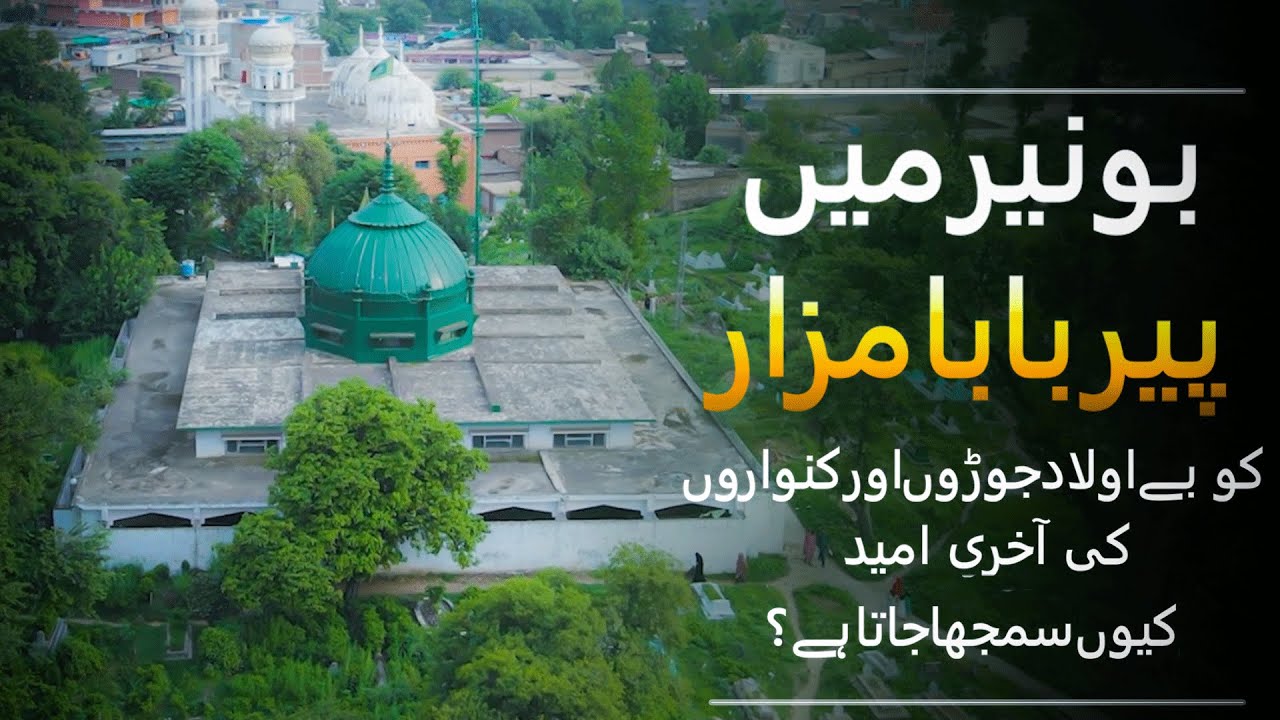
Overview:
The Pir Baba Shrine is one of Buner’s most revered spiritual sites. Dedicated to Sayyid Ali Tirmizi, also known as Pir Baba, this shrine attracts thousands of devotees annually. Pir Baba, a 16th-century Sufi saint, is credited with spreading Islam in the region, and his teachings continue to influence local culture and traditions.
Historical Significance:
Pir Baba migrated from Afghanistan and settled in Buner, where he preached Sufism and community values. The shrine stands as a symbol of peace and spiritual guidance, blending Islamic architecture with regional design elements. The mausoleum’s white marble and intricately carved doors reflect centuries of devotion and artistic craftsmanship.
Visitor Information:
-
Location: District Buner, near Gagra town
-
Opening Hours: Open daily, special ceremonies during Islamic festivals
-
Entry Fee: Free, donations accepted
-
Best Time to Visit: Spring and autumn for pleasant weather and festival celebrations
Unique Features:
Visitors can experience:
-
Spiritual ambiance and Sufi rituals
-
Local handicrafts sold by devotees
-
Beautiful views of surrounding valleys
-
Opportunities to witness traditional Pashtun hospitality
Travel Tips:
-
Dress modestly and follow local customs
-
Avoid visiting during heavy rains, as access roads can be slippery
-
Engage respectfully with devotees and participate in local traditions
2. Gagra Waterfall
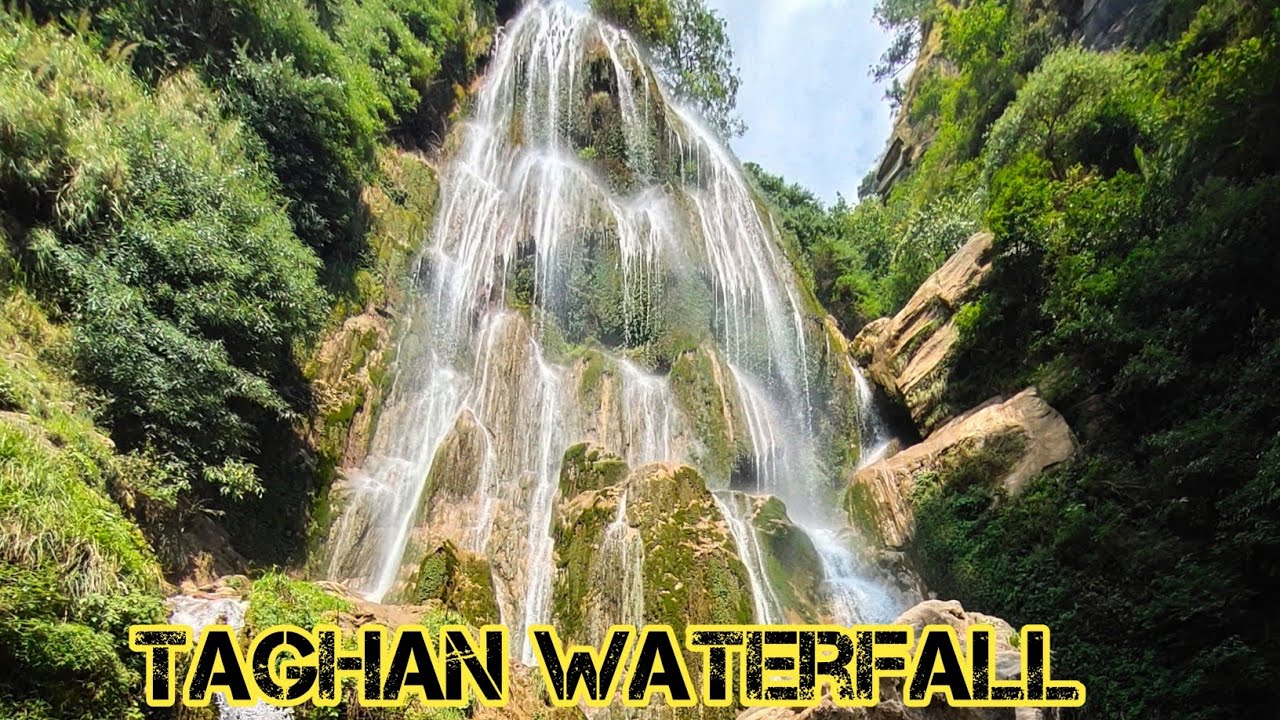
Overview:
Gagra Waterfall, located near Buner’s northern highlands, is a spectacular natural attraction. Cascading from a height of approximately 50 feet, the waterfall flows into a crystal-clear pool, surrounded by lush pine forests and rocky cliffs. It is a favorite spot for nature lovers, photographers, and adventure seekers.
Historical and Cultural Context:
While primarily a natural site, the surrounding area has historical significance. Local folklore mentions the waterfall as a gathering spot for travelers and communities over centuries. Small shrines and cultural markers nearby reflect the integration of natural beauty and spiritual significance in Pashtun society.
Visitor Information:
-
Location: Near Gagra village, accessible by road from Buner city
-
Best Time to Visit: March to October (avoid winter due to snow-blocked paths)
-
Facilities: Basic local eateries, resting spots, and parking available
-
Entry Fee: Nominal or free
Unique Features:
-
Ideal for trekking and hiking in the surrounding hills
-
Natural swimming opportunities in the waterfall pool
-
Bird-watching and photography amidst scenic surroundings
-
Picnicking and camping experiences for families and adventure groups
Travel Tips:
-
Wear sturdy shoes for trekking the uneven terrain
-
Carry water and snacks, as facilities are minimal
-
Avoid swimming during the heavy rain seasons due to strong currents
-
Engage local guides for safe access to hidden viewpoints
3. Bala Hisar Fort of Buner
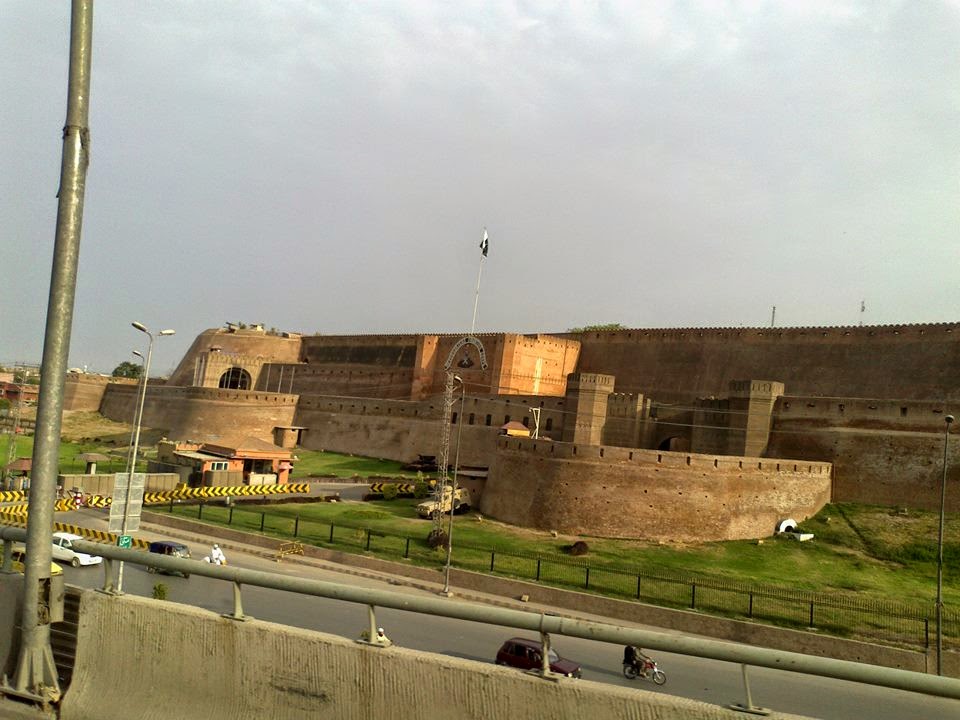
Overview:
The Bala Hisar Fort is a historic fortress strategically perched on a hilltop overlooking Buner city. This fort has served as a military stronghold throughout centuries, protecting the region from invasions and providing panoramic views of the surrounding valleys.
Historical Significance:
Bala Hisar Fort dates back to the 16th century, originally constructed by local rulers to defend against external attacks. Over time, it was expanded and reinforced by successive Pashtun chiefs. Its thick stone walls, watchtowers, and battlements reflect traditional Pashtun military architecture. The fort also played a role during British colonial campaigns in the region, further enriching its historical narrative.
Visitor Information:
-
Location: Central Buner, accessible via main roads
-
Opening Hours: Open daily; guided tours recommended
-
Entry Fee: Nominal fee for maintenance
-
Best Time to Visit: Spring and autumn for clear views
Unique Features:
-
Stunning panoramic views of the Buner valleys
-
Architectural insights into historic defensive structures
-
Opportunities for photography and exploration of ancient walls and tunnels
-
Nearby local markets offering traditional crafts and souvenirs
Travel Tips:
-
Wear comfortable shoes for walking on uneven surfaces
-
Carry water and sun protection for daytime visits
-
Engage a local guide to understand the historical context fully
4. Charbagh Valley
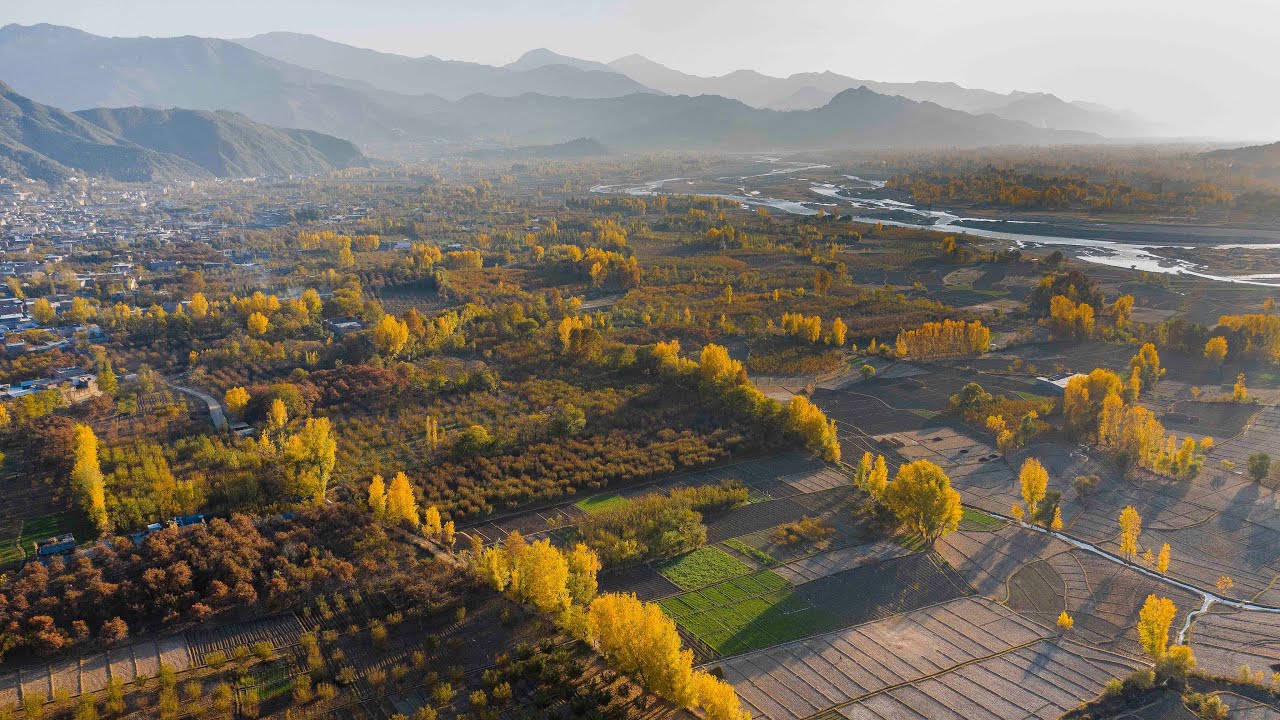
Overview:
Charbagh Valley is one of Buner’s most scenic natural attractions, renowned for its lush greenery, rivers, and terraced fields. It offers a serene escape for nature lovers, trekkers, and families seeking peaceful outdoor experiences.
Historical and Cultural Context:
The valley has been inhabited for centuries, supporting agrarian communities and local settlements. The traditional Pashtun lifestyle can still be observed here, with farmers cultivating terraced fields and herders grazing livestock. The valley also hosts cultural festivals during harvest seasons, allowing visitors to experience local traditions and cuisine.
Visitor Information:
-
Location: Northern Buner, accessible via Charbagh road from Buner city
-
Best Time to Visit: March to October for lush greenery
-
Facilities: Limited guesthouses, picnic spots, and small eateries
Unique Features:
-
Beautiful walking trails along rivers and forests
-
Ideal spot for photography and bird-watching
-
Opportunities for camping and nature exploration
-
Interaction with local communities and cultural immersion
Travel Tips:
-
Travel with a local guide to navigate forested areas safely
-
Avoid visiting during heavy rainfall, which can make trails slippery
-
Respect local customs and private land
5. Sakhakot Fort
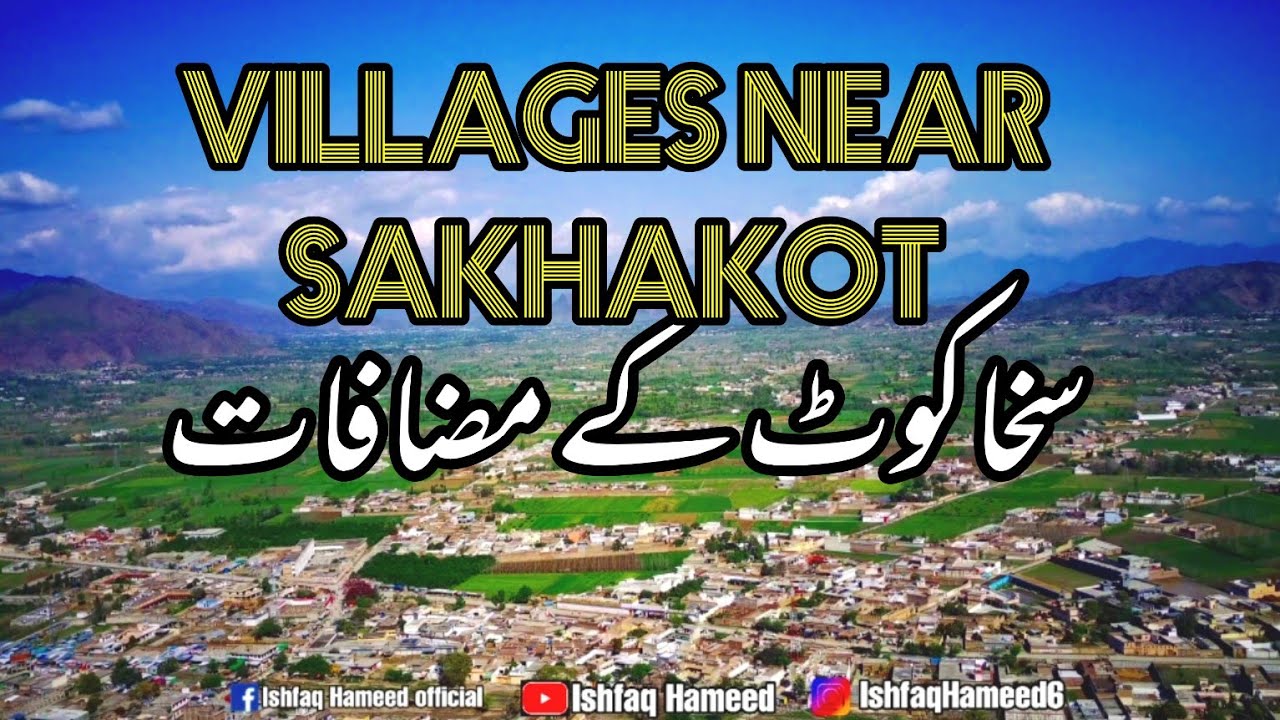
Overview:
Sakhakot Fort is a historic hilltop fortification in Buner, known for its strategic location and architectural heritage. Unlike Bala Hisar, Sakhakot offers a more rugged and adventurous exploration experience.
Historical Significance:
Built in the early 17th century by local Pashtun chiefs, Sakhakot Fort was used to defend the northern valleys from rival tribes and invaders. Its stone walls, narrow entry passages, and watchtowers showcase traditional military engineering designed to maximize defense in hilly terrains.
Visitor Information:
-
Location: Northern Buner, accessible via trekking paths
-
Best Time to Visit: Spring and autumn
-
Entry Fee: Free, donations encouraged for preservation
Unique Features:
-
Stunning views of surrounding hills and valleys
-
Ancient walls and bastions ideal for history enthusiasts
-
Less crowded, providing a peaceful exploration experience
-
Opportunities for trekking and adventure photography
Travel Tips:
-
Wear trekking shoes; the path can be steep and rocky
-
Carry essentials: water, snacks, first-aid
-
Avoid solo visits; trekking with a local guide is safer
-
Respect preservation efforts; avoid defacing walls or graffiti
6. Koh-i-Morai (Morai Mountain)
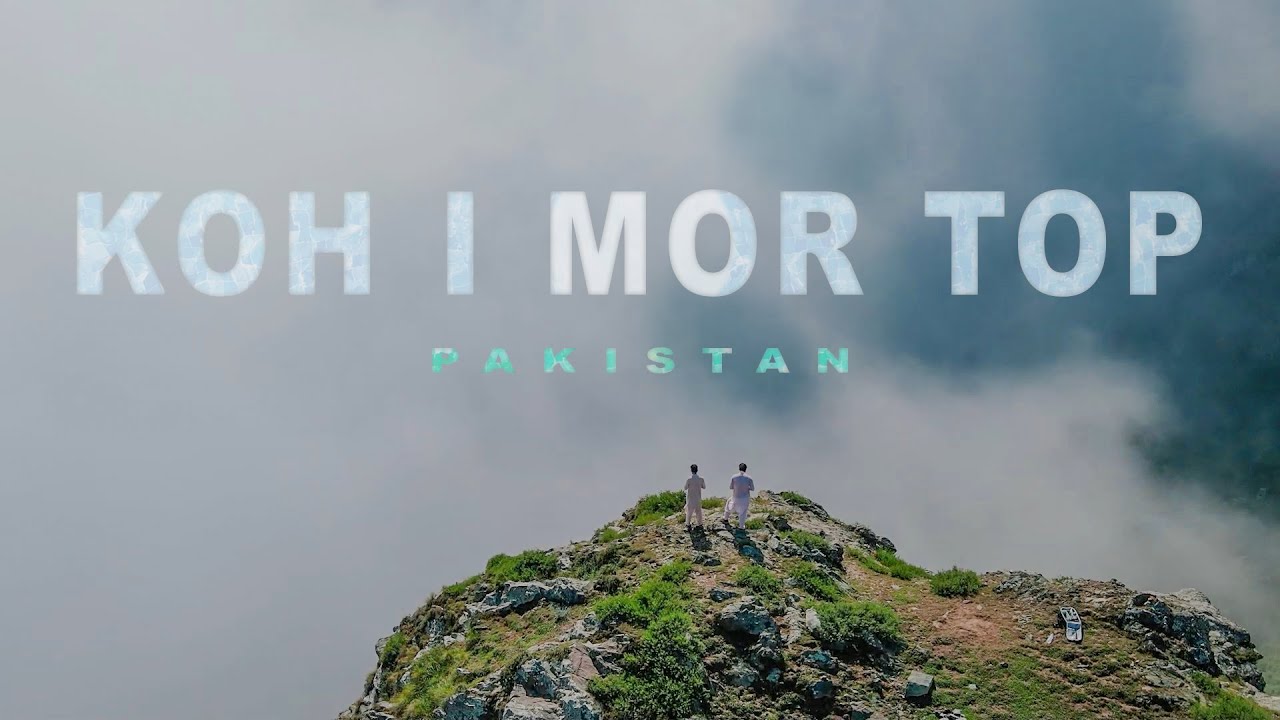
Overview:
Koh-i-Morai, also known as Morai Mountain, is a striking natural landmark in Buner. Towering over the surrounding valleys, it offers breathtaking panoramic views and is a favorite destination for hikers, nature enthusiasts, and photographers.
Historical and Cultural Context:
The mountain has been historically significant as a lookout point for local tribes. Legends suggest that the area was used for defensive observation during tribal conflicts, giving it both strategic and cultural importance. The slopes of Koh-i-Morai are dotted with small shrines and resting spots, reflecting its integration into local spiritual practices.
Visitor Information:
-
Location: Northern Buner, accessible via rural trekking paths
-
Best Time to Visit: March to October for clear skies and moderate temperatures
-
Facilities: Limited; visitors should carry essentials
Unique Features:
-
Hiking and trekking routes with varying difficulty levels
-
Bird-watching and wildlife spotting
-
Scenic photography opportunities at sunrise and sunset
-
Interaction with local shepherds and mountain communities
Travel Tips:
-
Trekking shoes and protective clothing are essential
-
Carry sufficient water and food supplies
-
Hire a local guide for safety and navigation
-
Avoid visiting during heavy rainfall to prevent slips and landslides
7. Mahaban Fort
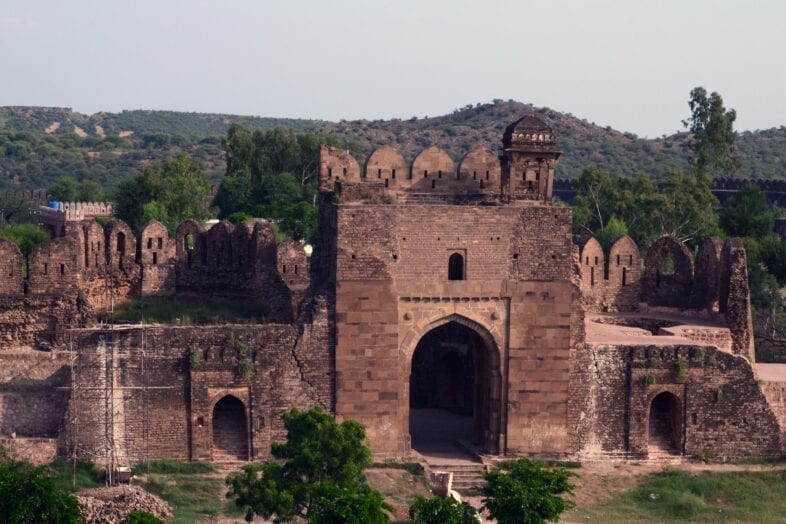
Overview:
Mahaban Fort is another significant historical fortress in Buner, showcasing traditional Pashtun architecture and military engineering. Positioned strategically atop a hill, it offers sweeping views of nearby valleys and rivers.
Historical Significance:
Constructed in the 17th century, Mahaban Fort played a crucial role in defending the region against rival tribes and invaders. The fort’s stone walls, defensive towers, and underground passages reflect innovative architectural techniques used to adapt to the hilly terrain. It remains a symbol of Buner’s historical resilience and local governance.
Visitor Information:
-
Location: Near Mahaban village, Buner
-
Best Time to Visit: Spring and autumn
-
Entry Fee: Free; guided tours available locally
Unique Features:
-
Panoramic views ideal for photography
-
Exploration of fort walls, bastions, and ancient pathways
-
Cultural immersion with nearby village communities
-
Historical narratives from local guides about tribal defense strategies
Travel Tips:
-
Sturdy footwear is recommended for exploring the fort
-
Carry a first-aid kit for minor injuries
-
Engage with local guides to learn the fort’s history accurately
-
Avoid littering to preserve the site
8. Sardaryab of Buner

Overview:
Sardaryab is a picturesque riverside area in Buner, known for its crystal-clear waters, green landscapes, and recreational opportunities. It serves as a perfect spot for families, nature lovers, and adventure seekers alike.
Historical and Cultural Context:
Sardaryab has traditionally been a community gathering place, where locals celebrate festivals, hold picnics, and engage in traditional fishing practices. Its riverside location has also made it an important agricultural support area for nearby villages.
Visitor Information:
-
Location: Near Buner city, along the main riverbank
-
Best Time to Visit: March to October for outdoor activities
-
Facilities: Local food stalls, picnic areas, and small boating options
Unique Features:
-
Ideal for picnics, boating, and photography
-
Access to local cuisine through riverside eateries
-
Scenic walking trails along the riverbanks
-
Interaction with local communities and cultural immersion
Travel Tips:
-
Check water levels before boating; avoid during heavy rainfall
-
Respect local fishing areas and private properties
-
Carry picnic essentials and sun protection
-
Engage with locals to learn about traditional river practices
9. Gagra Hills and Forests
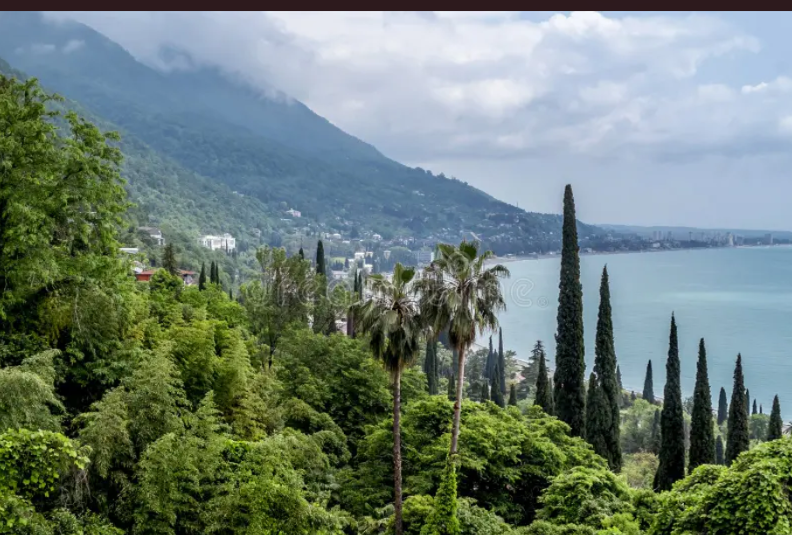
Overview:
The Gagra Hills and Forests are one of Buner’s most scenic natural treasures. Stretching across the northern valleys, these hills are covered with dense pine and oak forests, offering a haven for nature lovers, hikers, and wildlife enthusiasts.
Historical and Cultural Context:
These forests have been part of local folklore and community life for centuries. Tribal communities historically used the hills for pastoral activities, hunting, and herbal medicine gathering. The area also features small shrines and resting spots, reflecting spiritual ties with nature.
Visitor Information:
-
Location: Northern Buner, accessible via Gagra village roads
-
Best Time to Visit: March to November
-
Facilities: Basic, with local eateries and small resting areas
Unique Features:
-
Hiking trails with breathtaking viewpoints
-
Bird-watching and spotting local wildlife such as jackals and wild goats
-
Opportunities for photography, picnics, and camping
-
Serene environment ideal for meditation and eco-tourism
Travel Tips:
-
Wear trekking shoes and carry water and snacks
-
Engage a local guide for safety and navigation
-
Avoid forest fires and respect conservation rules
-
Travel in groups for remote hiking trails
10. Totalai Fort and Surroundings
Overview:
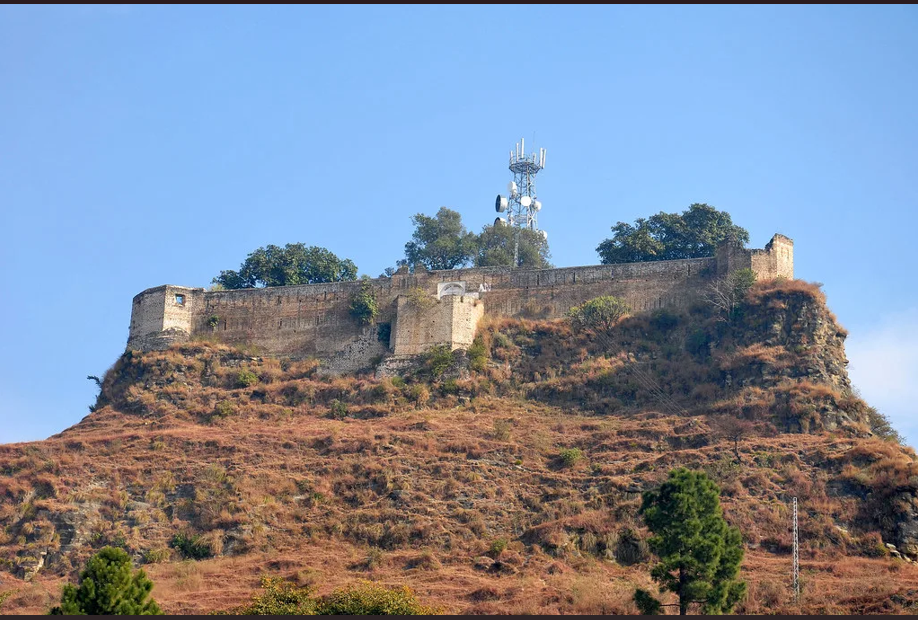
Totalai Fort, located near the Totalai area, is a historical site offering cultural and architectural insights alongside spectacular views of surrounding valleys. The fort, though partially ruined, represents Pashtun heritage and defense strategies from centuries past.
Historical Significance:
Constructed in the 17th–18th century, Totalai Fort served as a defensive outpost for local tribes during regional conflicts. The fort’s strategic location allowed monitoring of trade routes and provided protection for nearby villages. Today, it remains a symbol of Buner’s rich history and tribal legacy.
Visitor Information:
-
Location: Near Totalai town, Buner
-
Best Time to Visit: Spring and autumn for moderate weather
-
Entry Fee: Free, guided tours available locally
Unique Features:
-
Exploration of fort walls and watchtowers
-
Panoramic views of valleys, rivers, and surrounding mountains
-
Interaction with local communities and insights into Pashtun tribal life
-
Nearby trekking routes leading to scenic viewpoints
Travel Tips:
-
Trekking shoes recommended for uneven terrain
-
Carry essentials: water, snacks, camera, and sun protection
-
Travel with a guide for historical context and safety
-
Avoid littering and respect the heritage site
Climate of Buner District, KPK
Seasonal Variations
Buner experiences four distinct seasons:
-
Spring (March to May):
-
Temperatures range from 15°C to 25°C.
-
Valleys and hills come alive with blooming flowers and lush greenery.
-
Ideal for trekking, nature walks, and cultural exploration.
-
-
Summer (June to August):
-
Average temperatures range from 25°C to 35°C in valleys; cooler in highlands.
-
Occasional rains provide relief from heat and keep landscapes verdant.
-
Best suited for sightseeing in higher altitudes like Koh-i-Morai and Charbagh Valley.
-
-
Autumn (September to November):
-
Mild temperatures ranging from 15°C to 28°C.
-
Trees and foliage display golden and reddish hues, making it perfect for photography.
-
Festivals and cultural events are commonly celebrated during this season.
-
-
Winter (December to February):
-
Temperatures drop to 0°C–10°C in valleys; mountainous areas may experience snowfall.
-
Some higher roads may become inaccessible due to snow and ice.
-
Winter sports enthusiasts may find adventure opportunities, but travel requires caution.
-
Temperature Ranges and Weather Patterns
Buner’s valleys enjoy a moderate climate, while the mountainous regions are cooler throughout the year. The district receives most of its rainfall during monsoon season (July–August), which occasionally leads to minor landslides in hilly areas. Snowfall occurs in northern highlands during winter, creating a picturesque winter landscape.
-
Average Highs: 25°C–35°C in summer
-
Average Lows: 0°C–10°C in winter
-
Rainfall: 400–600 mm annually, concentrated in monsoon months
-
Snowfall: Primarily in the northern mountains from December to February
Climate Impact on Tourism
The climate greatly influences tourist activities:
-
Spring and Autumn: Best seasons for hiking, trekking, and cultural visits.
-
Summer: Suitable for valley exploration and riverside picnics; highlands remain cooler.
-
Winter: Ideal for winter trekking in lower valleys; high-altitude roads may be closed.
Travel Recommendations
-
Pack accordingly: Layered clothing for varying temperatures; waterproof jackets during monsoon.
-
Monitor Weather Forecasts: Especially if trekking or visiting high-altitude areas.
-
Plan Outdoor Activities Wisely: Early mornings and late afternoons provide the most pleasant conditions.
-
Photography Tips: Spring flowers, autumn foliage, and winter snow offer unique visual opportunities.
Buner’s climate, with its seasonal diversity and scenic beauty, ensures that visitors can enjoy the district year-round, provided they plan according to weather conditions.
Best Time to Visit Buner District, KPK
Buner District, with its stunning landscapes, historic sites, and cultural richness, can be visited throughout the year. However, certain seasons provide the best experiences for outdoor activities, sightseeing, and cultural immersion. Understanding the visitation periods helps travelers plan trips efficiently and enjoy the district to its fullest.
Ideal Months for Travel
-
Spring (March to May):
-
Spring is arguably the best time to visit Buner.
-
Valleys and mountains bloom with flowers, rivers flow abundantly, and temperatures remain moderate.
-
Perfect for trekking, nature photography, and visiting cultural sites like Pir Baba Shrine and Bala Hisar Fort.
-
Local festivals and traditional gatherings are also held during spring, offering a rich cultural experience.
-
-
Summer (June to August):
-
Summer is warm in valleys but cooler in higher altitudes like Koh-i-Morai and Charbagh Valley.
-
This season is ideal for exploring mountainous areas and riversides, with lush greenery and flowing waterfalls.
-
Travelers should carry light clothing for valleys and layers for high-altitude trekking.
-
-
Autumn (September to November):
-
Autumn provides mild temperatures and clear skies, perfect for sightseeing.
-
Trees turn golden and red, creating photogenic landscapes for nature enthusiasts.
-
Cultural events, local markets, and harvest festivals enrich the travel experience.
-
-
Winter (December to February):
-
Winter in Buner is cold, with temperatures dropping to near freezing in valleys and snow in highlands.
-
While some roads may be inaccessible due to snow, winter offers serene landscapes and a peaceful experience away from crowds.
-
Recommended for travelers interested in winter trekking or photography of snow-covered mountains.
-
Seasonal Highlights
-
Spring: Flower blossoms, mild temperatures, and vibrant festivals.
-
Summer: Waterfalls, rivers, trekking, and cooler mountain retreats.
-
Autumn: Autumn foliage, clear skies, and cultural harvest celebrations.
-
Winter: Snow-covered highlands, tranquil scenery, and minimal tourist crowds.
Travel Recommendations
-
Plan Around Festivals: Align your visit with local cultural events for a unique experience.
-
Avoid Monsoon Peaks: Late July and August may bring heavy rains, affecting road travel.
-
Prepare Clothing: Layered clothing helps adjust to temperature variations, especially when moving from valleys to high-altitude regions.
-
Accommodation Booking: Spring and autumn are popular seasons, so pre-book hotels and guesthouses for convenience.
Summary
For most travelers, March to May (spring) and September to November (autumn) are considered the optimal periods to visit Buner District. These months provide pleasant weather, scenic beauty, and vibrant cultural experiences. Summer is ideal for mountain retreats and highland exploration, while winter caters to travelers seeking snow and serene landscapes.
Visiting Buner during the right season ensures a safe, comfortable, and enriching travel experience, maximizing both outdoor adventures and cultural engagement..
Local Cuisine of Buner District, KPK
Meta Title: Buner District Food & Cuisine Guide | Traditional Dishes & Dining
Meta Description: Discover the traditional cuisine of Buner District, Khyber Pakhtunkhwa, Pakistan. Explore local dishes, dining experiences, and culinary traditions for travelers.
Buner District, beyond its scenic landscapes and rich history, is also renowned for its unique culinary heritage. The region’s food reflects Pashtun culture, traditional cooking methods, and locally sourced ingredients, offering visitors an authentic taste of KPK.
Traditional Dishes
-
Chapli Kebab
-
One of the most famous Pashtun dishes, chapli kebab is a spiced, pan-fried minced meat patty, often made from beef or lamb.
-
Flavored with herbs, tomatoes, onions, and traditional spices, it’s crispy on the outside and tender inside.
-
Served with naan or rice, accompanied by yogurt or chutney.
-
-
Peshawari Karahi
-
A popular meat dish cooked in a wok-like pan (karahi) with tomatoes, garlic, ginger, and aromatic spices.
-
Typically made with chicken or mutton, it’s a staple for festive occasions and local gatherings.
-
-
Dum Pukht Lamb
-
Slow-cooked lamb prepared with rice, ghee, and spices, capturing rich flavors and tenderness.
-
Often served during special events and family feasts, reflecting the traditional hospitality of Buner locals.
-
-
Saag and Makai Roti
-
A vegetarian Pashtun dish made from mustard greens (saag) and maize bread (makai roti).
-
Nutritious, flavorful, and especially popular in rural areas during the winter season.
-
-
Kahwa (Green Tea)
-
Traditional Pashtun green tea, often infused with cardamom, cinnamon, or almonds.
-
Served hot, especially in colder months, and symbolizes hospitality in local homes.
-
Culinary Traditions
-
Buner cuisine emphasizes fresh, locally sourced ingredients, including meat, vegetables, herbs, and dairy products.
-
Cooking methods often involve slow-cooking, grilling, or pan-frying, enhancing natural flavors.
-
Meals are traditionally served in a communal style, reflecting the Pashtun value of togetherness and hospitality.
-
Festivals and weddings feature lavish spreads showcasing a combination of meat, rice, breads, and sweets.
Top Local Restaurants and Eateries
-
Buner Tandoori House – Famous for chapli kebabs and traditional karahi dishes.
-
Charbagh Food Street – Offers local snacks, tea, and street food experiences.
-
Sardaryab Riverside Cafes – Ideal for riverside dining with freshly cooked fish and seasonal produce.
-
Gagra Village Traditional Dining – Family-run eateries serving authentic Pashtun dishes prepared with local ingredients.
Dining Experiences
-
Street Food: Sample snacks like samosas, pakoras, and local breads in bustling village markets.
-
Home-Cooked Meals: Some villages allow tourists to experience authentic home-cooked Pashtun meals, providing cultural immersion.
-
Festival Foods: During cultural events, unique delicacies such as sheer khurma (sweet vermicelli pudding) and kabuli pulao are widely served.
-
Tea Culture: Visiting local tea houses provides insight into daily social life, storytelling traditions, and hospitality practices.
Food Culture Insights
-
Buner’s cuisine is heavily influenced by Pashtun traditions, emphasizing meat-based dishes, hearty meals, and spices.
-
Hospitality is central; guests are offered generous servings and often encouraged to try multiple dishes.
-
Seasonal ingredients shape menus: spring and summer offer fresh vegetables and herbs, while winter emphasizes meats and slow-cooked stews.
-
Visitors are encouraged to respect local dining customs, eat with hands when appropriate, and appreciate communal meal settings.
Accommodation in Buner District, KPK
Meta Title: Buner District Accommodation Guide | Hotels, Guesthouses & Lodging
Meta Description: Discover the best accommodation options in Buner District, Khyber Pakhtunkhwa, Pakistan. Explore hotels, guesthouses, and tips for comfortable stays while traveling.
Buner District, with its scenic valleys, historical sites, and cultural richness, offers a variety of accommodation options for tourists. From budget-friendly guesthouses to comfortable hotels, travelers can find lodging suited to different preferences and budgets.
Hotels and Guesthouses
-
Buner Continental Hotel
-
Location: Buner City center
-
Amenities: Air-conditioned rooms, free Wi-Fi, in-house restaurant, 24-hour front desk
-
Price Range: Moderate ($25–$50 per night)
-
Ideal For: Families, business travelers, and tourists seeking comfort near city amenities
-
-
Sardaryab Riverside Guesthouse
-
Location: Near Sardaryab riverside
-
Amenities: Scenic river views, local-style cottages, outdoor seating, traditional meals
-
Price Range: Budget to moderate ($15–$35 per night)
-
Ideal For: Nature lovers and those seeking a serene riverside stay
-
-
Charbagh Valley Eco-Lodge
-
Location: Charbagh Valley
-
Amenities: Eco-friendly lodges, trekking support, guided tours, picnic facilities
-
Price Range: Moderate ($30–$45 per night)
-
Ideal For: Adventure travelers, trekkers, and eco-tourists
-
-
Gagra Hills Retreat
-
Location: Gagra Village, northern Buner
-
Amenities: Hilltop cottages, panoramic views, bonfire areas, local cuisine
-
Price Range: Mid-range to premium ($35–$60 per night)
-
Ideal For: Tourists seeking scenic highland retreats and tranquility
-
Lodging Options
-
Budget Guesthouses: Small, locally operated guesthouses in Buner City and villages provide basic amenities such as bedding, clean bathrooms, and local meals. Ideal for backpackers or short stays.
-
Homestays: Some villages offer homestay programs, allowing travelers to experience authentic Pashtun hospitality, traditional meals, and local culture firsthand.
-
Luxury Options: While Buner does not have high-end international hotels, select eco-lodges and retreats provide comfortable stays with scenic views, guided tours, and modern amenities.
Price Ranges
-
Budget Accommodation: $10–$25 per night – basic rooms with essential facilities.
-
Mid-Range Accommodation: $25–$50 per night – comfortable rooms with modern amenities and scenic views.
-
Premium Stays: $50–$70 per night – lodges or retreats with additional services such as guided tours, local experiences, and premium dining.
Amenities to Expect
-
Air-conditioning or heating (depending on season)
-
Private or shared bathrooms
-
Wi-Fi in some hotels and guesthouses
-
In-house dining options serving local cuisine
-
Parking and security services
-
Access to local guides and trekking support in eco-lodges
Booking Tips
-
Advance Booking: Spring and autumn are peak tourist seasons; pre-book accommodation to ensure availability.
-
Location Consideration: Choose lodging close to your preferred attractions to minimize travel time on hilly roads.
-
Local Experience: Homestays or eco-lodges offer immersive cultural experiences that standard hotels cannot provide.
-
Check Reviews: Use travel platforms or local recommendations to verify quality, cleanliness, and service.
-
Amenities Verification: Confirm essential amenities like hot water, electricity, and security before arrival, especially in rural lodges.
Frequently Asked Questions About Buner District, KPK
Meta Title: Buner District FAQ | Travel Tips, Safety, and Visitor Information
Meta Description: Find answers to frequently asked questions about Buner District, Khyber Pakhtunkhwa, Pakistan. Learn about travel, safety, accommodations, and cultural tips.
Buner District attracts both domestic and international travelers with its rich history, scenic landscapes, and cultural heritage. Below are some frequently asked questions to help tourists plan their trips effectively.
1. How do I get to Buner District?
Buner is accessible via road transportation from major cities such as Peshawar, Mardan, and Swat. The nearest airports are in Peshawar and Mingora. Although there is no direct railway connection, travelers can reach Peshawar or Mardan by train and continue by road.
Travel Tip: Hiring a private car or booking a bus from Peshawar is recommended for convenience.
2. What is the best time to visit Buner?
The ideal months are:
-
Spring (March–May): Pleasant temperatures and blooming valleys
-
Autumn (September–November): Mild weather and colorful foliage
Summer is suitable for highland exploration, while winter offers serene snow-covered landscapes but may limit access to some roads.
3. Is Buner safe for tourists?
Buner is generally safe for tourists, especially in main towns and popular attractions. Standard safety precautions include:
-
Avoiding remote areas alone, especially at night
-
Engaging local guides for trekking or rural visits
-
Following local customs and dress codes
4. What local customs should travelers be aware of?
-
Dress modestly, particularly when visiting religious sites like Pir Baba Shrine.
-
Respect Pashtun hospitality: accept tea or meals if offered and engage politely.
-
Ask permission before photographing locals, particularly in villages.
-
Follow local etiquette during festivals and cultural events.
5. What are the must-visit attractions in Buner?
Top attractions include:
-
Pir Baba Shrine
-
Bala Hisar Fort
-
Charbagh Valley
-
Sakhakot Fort
-
Mahaban Fort
-
Koh-i-Morai
-
Gagra Waterfall
-
Sardaryab Riverside
-
Gagra Hills and Forests
-
Totalai Fort
6. Where can I try local cuisine?
Travelers can enjoy authentic Pashtun cuisine at:
-
Buner Tandoori House (Buner City)
-
Sardaryab Riverside Cafes
-
Charbagh Food Street
-
Gagra Village family-run eateries
Specialties include: Chapli kebab, karahi dishes, saag and makai roti, and traditional green tea (kahwa).
7. What accommodation options are available?
-
Budget guesthouses: Basic amenities, affordable pricing
-
Homestays: Immersive cultural experiences
-
Eco-lodges and mid-range hotels: Comfortable stays with scenic views
Booking Tip: Reserve accommodation in spring and autumn to avoid peak season shortages.
8. How can I travel within Buner?
-
Taxis and ride-hailing services in main towns
-
Rickshaws and motorbikes for short trips or rural exploration
-
Private car rentals recommended for visiting remote attractions
-
Walking and trekking for natural sites like Gagra Hills, Charbagh Valley, and waterfalls
9. Are there guided tours available?
Yes, local guides are available for:
-
Historical tours of forts and shrines
-
Trekking in valleys and mountains
-
Cultural immersion experiences
Hiring a guide is recommended for remote areas to ensure safety and enriched knowledge.
10. What should I pack for a trip to Buner?
-
Layered clothing for variable temperatures
-
Trekking shoes and comfortable footwear
-
Raincoat or umbrella for monsoon season
-
Sun protection: hats, sunglasses, sunscreen
-
Camera, water bottle, and basic first-aid kit


