
Jamshoro, often referred to as the “Education City of Sindh”, is more than just a hub of universities and institutions. Nestled along the right bank of the Indus River, this growing city offers a fascinating blend of history, culture, and modern development. Located only about 18 kilometers from Hyderabad and roughly 150 kilometers from Karachi, Jamshoro is a convenient and enriching stop for travelers eager to explore Sindh’s cultural heartland.
When you think of travel in Pakistan, places like Karachi, Lahore, or Hunza may immediately come to mind. Yet Jamshoro, with its historical sites, vibrant Sindhi traditions, and unique identity, is quietly becoming a destination for curious travelers, researchers, and cultural enthusiasts.
Historical Overview of Jamshoro
Jamshoro’s history is deeply intertwined with that of Sindh, a region renowned as the cradle of the Indus Valley Civilization. While Jamshoro itself developed more prominently in the 20th century as an educational hub, the land it occupies has witnessed centuries of history.
-
Indus Valley Legacy: Located near Mohenjo-daro and other Indus Valley sites, Jamshoro is part of a landscape that shaped some of the world’s earliest civilizations.
-
Medieval Sindh: The surrounding areas were once influenced by Islamic scholars, Sufi saints, and rulers who contributed to the unique cultural blend of Sindh.
-
Modern Era: In 1955, Jamshoro was officially designated as a district headquarters and quickly developed into a major academic and cultural center.
Jamshoro today serves as a bridge between the ancient and modern, drawing in historians and casual tourists alike.
Cultural Background
The city is a vibrant reflection of Sindhi heritage. Local culture revolves around folk music, Sufi traditions, handicrafts, and language. Festivals, fairs, and shrines contribute to the city’s lively cultural atmosphere.
-
Sindhi Music and Dance: Jamshoro echoes with the soulful sound of Sindhi instruments like the Yaktaro and Alghoza. Folk songs often recount tales of love, devotion, and spirituality.
-
Sufi Influence: Sufism is central to Jamshoro’s cultural identity. The nearby shrine of Shah Abdul Latif Bhittai, one of Sindh’s greatest poets, is an important spiritual and cultural landmark that continues to attract pilgrims and travelers.
-
Handicrafts: From embroidered Sindhi caps and Ajrak (block-printed shawls) to handmade jewelry, Jamshoro showcases centuries-old artistry.
Population and Demographics
Jamshoro’s population is a mix of Sindhi locals, students, faculty members, and professionals who come from across Pakistan. Because the city houses several major universities—including University of Sindh, Mehran University of Engineering and Technology, and Liaquat University of Medical and Health Sciences—its demographics are notably youthful and academic.
-
Languages: Sindhi is the most widely spoken language, though Urdu and English are also common due to the student population.
-
Religion: Predominantly Muslim, with small Hindu communities contributing to the multicultural identity of Sindh.
-
Population Growth: The city has grown rapidly over the past few decades, fueled by migration from rural areas and other cities for education and employment.
This dynamic mix creates a cosmopolitan environment within a traditionally Sindhi setting.
Unique Characteristics of Jamshoro
What sets Jamshoro apart from other Sindhi cities is its fusion of tradition, academia, and accessibility.
-
Educational Capital of Sindh: Home to multiple universities, the city thrives on youthful energy and intellectual discourse.
-
Strategic Location: Its proximity to Karachi, Hyderabad, and cultural heritage sites makes it a perfect base for travelers.
-
Cultural Richness: From Ajrak stalls to shrines, the city embodies Sindhi hospitality and artistry.
-
Natural Beauty: The surrounding landscapes, especially the Indus River and arid hills, offer scenic beauty alongside urban development.
-
Blend of Old and New: Modern campuses and research centers stand alongside centuries-old traditions, making Jamshoro a city of contrasts.
Why Jamshoro Deserves a Spot on Your Travel Map
Unlike some destinations that are over-commercialized, Jamshoro retains its authenticity. Travelers looking for a place that combines education, history, culture, and convenience will find Jamshoro a hidden gem. Whether you’re a researcher tracing the footsteps of the Indus Valley Civilization, a cultural enthusiast seeking Sindhi traditions, or a casual traveler eager to explore off-the-beaten-path locations, Jamshoro has something meaningful to offer.
Travel Logistics – Getting to and Around Jamshoro
Reaching Jamshoro
Jamshoro is strategically located in Sindh, making it relatively easy to reach from major Pakistani cities like Karachi, Hyderabad, and Sukkur. Whether you’re traveling by air, road, or train, Jamshoro offers multiple access points for both domestic and international travelers.
By Air
Jamshoro does not have its own airport, but the nearest major airport is Hyderabad Airport (HDD), located about 25 kilometers away. Another option is Karachi’s Jinnah International Airport (KHI), roughly 150 kilometers from Jamshoro, which serves as the primary international gateway to Sindh.
-
From Hyderabad Airport: Mostly domestic flights; ideal if you’re flying in from other Sindh or Punjab cities. A taxi or private car can get you to Jamshoro in 30–40 minutes.
-
From Karachi’s Jinnah Airport: Handles international and domestic routes. After arrival, travelers can take a private car, app-based ride, or intercity bus to Jamshoro. The drive typically takes 2.5 to 3 hours, depending on traffic.
Tip: For international visitors, it’s usually best to fly into Karachi, then continue by road to Jamshoro.
By Road
Jamshoro is located along the National Highway (N-5), which connects it to Karachi, Hyderabad, and other parts of Sindh.
-
From Karachi: Approximately 150 km (2.5–3 hours) by car. You can rent a car, hire a driver, or use bus services.
-
From Hyderabad: Only 18 km (20–30 minutes) away; easily accessible by car, rickshaw, or local bus.
-
From Sukkur: About 330 km (5–6 hours) drive along the N-5 highway.
Bus Services: Several transport companies, such as Daewoo Express and Indus Coach, operate between Karachi, Hyderabad, and Jamshoro. Buses are affordable, comfortable, and widely used by locals.
By Train
Jamshoro is served by the Jamshoro Railway Station, situated on the Karachi–Hyderabad railway line. This makes train travel a convenient and scenic option for reaching the city.
-
From Karachi: Regular trains take about 2.5 to 3 hours.
-
From Hyderabad: A short ride of around 20 minutes.
-
From Lahore or Islamabad: Long-distance trains connect Punjab to Sindh, usually stopping in Hyderabad, from where you can easily reach Jamshoro.
Tip: If you’re traveling with luggage and want a cost-effective yet comfortable journey, Pakistan Railways offers AC sleeper coaches that provide a smoother experience.
Local Transportation in Jamshoro
Once you’ve arrived, getting around Jamshoro is fairly straightforward. While the city is compact, most attractions are spread out between Jamshoro, Kotri, and nearby Hyderabad.
Rickshaws & Taxis
-
Rickshaws: The most common local transport option. They’re cheap, easily available, and ideal for short distances.
-
Taxis: Not as common as in bigger cities, but private taxis can be arranged through local drivers or hotels.
App-Based Ride Services
-
Services like Careem and InDrive operate in Hyderabad and are slowly extending into Jamshoro. For reliable and transparent fares, these apps are convenient if you’re traveling between Jamshoro and Hyderabad.
Public Buses
-
Local minibuses and vans connect Jamshoro with Hyderabad and Kotri. They’re very inexpensive but can be crowded. For tourists, they offer an authentic experience, but comfort may be limited.
Car Rentals
For travelers who want flexibility, renting a car in Karachi or Hyderabad is a good option. You can drive yourself (with an international license) or hire a driver. Having your own vehicle is particularly useful if you plan to explore beyond Jamshoro, such as Ranikot Fort or rural Sindh.
Walking & Cycling
Within university campuses and smaller parts of Jamshoro, walking or cycling is possible. The roads are generally safe during the day, though less recommended at night due to limited street lighting in some areas.
Travel Tips for First-Time Visitors
-
Language: Knowing a few phrases in Sindhi or Urdu goes a long way, though English is spoken at universities and hotels.
-
Cash vs. Cards: Keep Pakistani Rupees in cash, as most local transport does not accept cards. ATMs are available near universities and in Hyderabad.
-
Safety: Jamshoro is generally safe, but like in any city, avoid late-night travel alone and keep valuables secure.
-
Connectivity: Mobile networks (Jazz, Telenor, Zong) have strong coverage in Jamshoro. Buy a local SIM for data and calls if you’re traveling long-term.
Top Tourist Attractions In Jamshoro Sindh
1; University of Sindh, Jamshoro
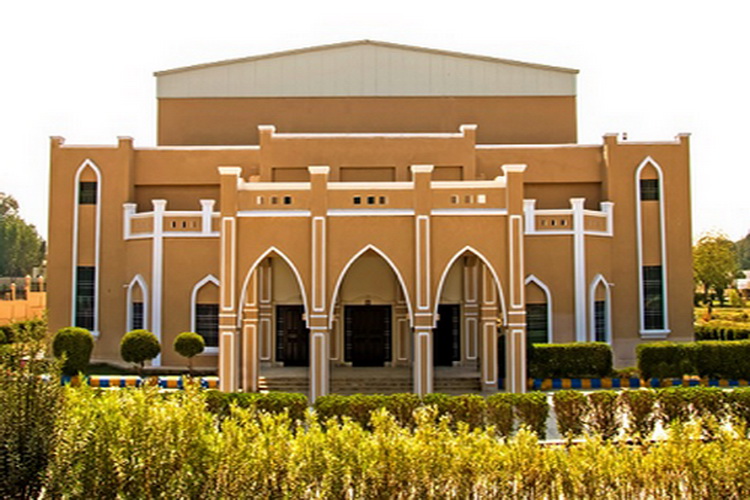
University of Sindh, Jamshoro
The University of Sindh, established in 1947, is not just an academic institution but also one of Jamshoro’s defining landmarks. Spread across a vast campus along the Indus River, it is the oldest university in Sindh and remains central to the city’s identity as the “Education City of Sindh.” For travelers, it offers a unique opportunity to explore a place where education, culture, and history intersect.
Historical and Cultural Significance
The University of Sindh was originally founded in Karachi, shortly after the independence of Pakistan, and was later moved to Jamshoro in 1955. Its relocation marked the beginning of Jamshoro’s transformation into an academic hub. Over the decades, the university has grown into a vibrant community of students, teachers, and researchers.
Beyond academics, the campus serves as a cultural center. Visitors often encounter exhibitions, literary festivals, and Sindhi cultural events hosted here. The university has contributed significantly to the preservation of Sindhi language, literature, and folklore, making it an important site for anyone interested in local culture.
Campus Architecture and Environment
The campus is spread over hundreds of acres, blending modern educational facilities with open landscapes. The central clock tower and university library are among its most photographed landmarks. Wide tree-lined roads, open courtyards, and academic blocks create a calm and studious atmosphere.
For travelers, walking around the campus offers a glimpse into daily life in Jamshoro. Students from across Pakistan bring diversity, while local eateries, bookshops, and cultural stalls around the campus reflect authentic Sindhi lifestyle.
Visitor Experience
-
Entry: Visitors are generally allowed entry, though it’s best to check at the main gate or coordinate with faculty if you’re attending an event.
-
Best Time to Visit: Morning or late afternoon, when classes are in session and campus life is at its most vibrant.
-
Photography: Allowed in most areas, but be respectful of students and faculty. The clock tower and gardens provide excellent photography opportunities.
-
Accessibility: The main areas are accessible by foot, and rickshaws are available for longer distances within Jamshoro if needed.
Why Visit
The University of Sindh is more than just an educational facility; it is a living example of Sindh’s intellectual and cultural growth. For tourists interested in culture, history, and education, it provides a chance to witness a side of Pakistan that often goes unnoticed in mainstream tourism.
2; Mehran University of Engineering and Technology (MUET), Jamshoro
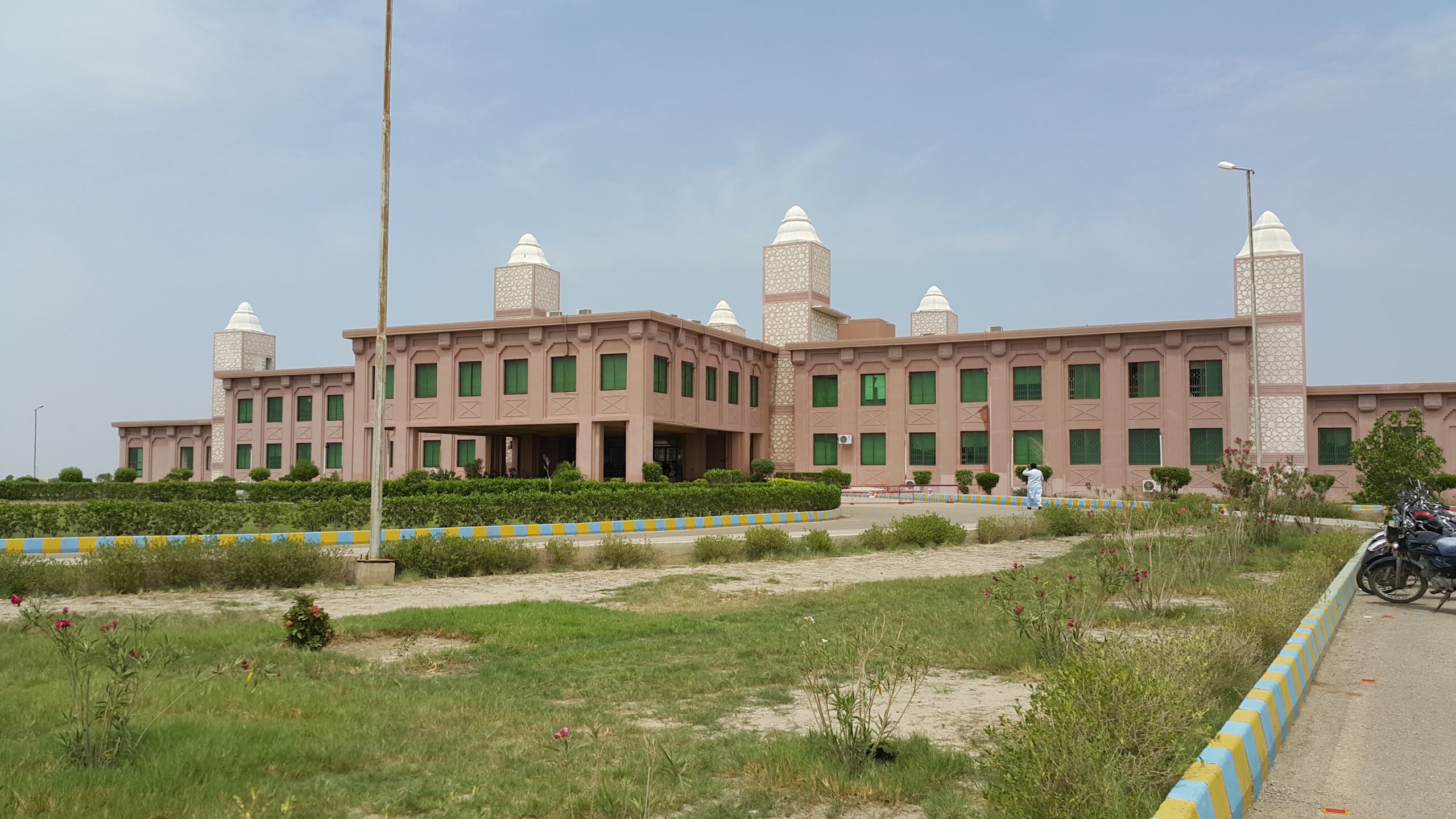
Mehran University of Engineering and Technology (MUET) is one of Pakistan’s premier engineering institutions and a centerpiece of Jamshoro’s identity as the “Education City of Sindh.” Established in 1963 as a campus of the University of Sindh, it gained independent university status in 1977. Today, MUET attracts thousands of students from across Pakistan and abroad, making it a hub of innovation, research, and cultural exchange. For travelers, the university is more than just a place of study — it is a destination that reflects the modern face of Sindh while being deeply rooted in local tradition.
Historical and Academic Significance
MUET was founded to provide specialized education in engineering and technology, fields that were crucial for Pakistan’s industrial development during the post-independence era. Over the years, it has expanded to include a wide range of disciplines, from civil and mechanical engineering to architecture and environmental sciences.
Beyond academics, MUET has contributed to Sindh’s socio-economic progress by producing thousands of skilled engineers, many of whom have gone on to work in national and international projects. This legacy makes the campus not only an educational center but also a symbol of Sindh’s aspirations for modernization and growth.
Campus Layout and Architecture
The MUET campus is spread over a large area and combines functional architecture with green spaces. Key buildings include the Vice Chancellor’s Secretariat, main auditorium, Central Library, and engineering laboratories. The fountain square and wide boulevards are distinctive features of the campus, making it a pleasant place to walk and explore.
For visitors, the campus presents a balance between traditional Pakistani university culture and modern facilities. During academic sessions, the area comes alive with students, cultural events, and academic conferences.
Visitor Experience
-
Access: Entry to MUET is generally open, though visitors may be asked to register at the main gate. Attending public seminars, exhibitions, or cultural events is a great way to experience the campus.
-
Best Time to Visit: Early morning and late afternoon when classes are active and campus life is vibrant. The annual student festivals often feature exhibitions of technology projects, cultural performances, and local Sindhi art.
-
Photography: The university’s main entrance, fountain square, and tree-lined walkways are popular spots for photos. As with all campuses, it’s advisable to remain respectful and avoid disrupting students.
-
Facilities: Cafeterias and small eateries within and around the campus offer local Sindhi dishes and affordable meals. Visitors often enjoy experiencing everyday student life here.
Why Visit
For travelers interested in academic tourism, modern Sindh, or student culture, MUET is an essential stop. It offers insights into how Pakistan’s younger generation is shaping the future while remaining connected to their cultural roots. The campus also reflects the importance of education in Jamshoro’s identity, cementing the city’s reputation as the academic capital of Sindh.
3; Liaquat University of Medical and Health Sciences (LUMHS), Jamshoro
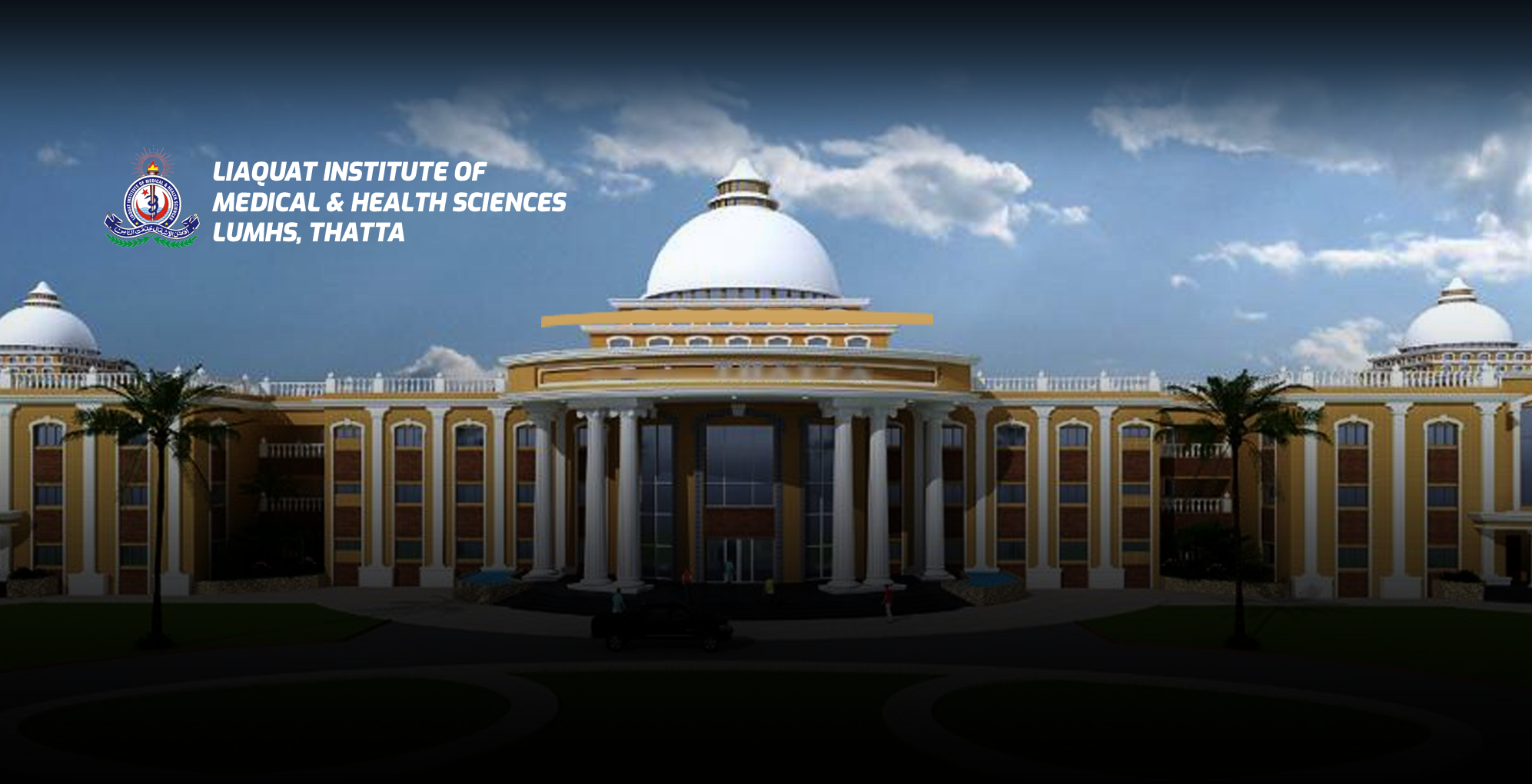
Liaquat University of Medical and Health Sciences, commonly known as LUMHS, is one of Pakistan’s oldest and most prestigious medical universities. Originally founded in 1881 as a medical school in Hyderabad, it was upgraded to a college in 1942 and eventually relocated to Jamshoro in 1963. Today, it stands as a leading institution in medical education and healthcare, drawing students, researchers, and medical professionals from across the country. For visitors, LUMHS is more than just an academic landmark — it represents the history of modern medicine in Sindh and offers insights into healthcare progress in Pakistan.
Historical and Academic Significance
The origins of LUMHS date back to the colonial period, when medical schools were established to meet the growing need for trained doctors in the subcontinent. Over time, the institution expanded, gaining recognition for producing highly skilled physicians, surgeons, and healthcare workers. Its relocation to Jamshoro aligned with the city’s transformation into a university hub.
LUMHS is notable not only for its role in medical training but also for its contributions to research in public health, epidemiology, and clinical sciences. It has played an essential role in combating regional health challenges and continues to support government healthcare initiatives.
Campus and Facilities
The campus of LUMHS is large and self-contained, with teaching hospitals, laboratories, lecture halls, and research centers. The Liaquat University Hospital, affiliated with the university, is one of the largest healthcare facilities in Sindh, serving thousands of patients daily. This hospital makes the university an important destination for medical tourism and health-related study visits.
Visitors will notice that the campus is a mix of functional architecture and medical infrastructure. While less picturesque compared to Jamshoro’s engineering and general universities, it carries a unique energy focused on service, research, and community welfare.
Visitor Experience
-
Access: Visitors are usually required to pass through security and may need prior permission if they plan to tour medical facilities.
-
Best Time to Visit: Weekdays during working hours, when both academic and clinical activities are in full swing.
-
Healthcare Facilities: The university hospital is a major center for medical treatment. While international tourists usually do not visit for healthcare purposes, the hospital showcases Pakistan’s growing healthcare capacity.
-
Photography: Allowed in public outdoor areas of the campus, but restricted in hospital wards and labs due to patient privacy concerns.
Why Visit
Travelers with an interest in medical history, healthcare systems, or academic culture will find LUMHS an essential part of Jamshoro’s story. Its legacy as one of the oldest medical schools in the region and its continued role in training generations of healthcare workers highlight Jamshoro’s broader identity as an academic and professional hub. For researchers, cultural tourists, and students, the university provides a meaningful glimpse into the intersection of healthcare, education, and community development in Sindh.
4; Sindh Museum, Hyderabad (Near Jamshoro)
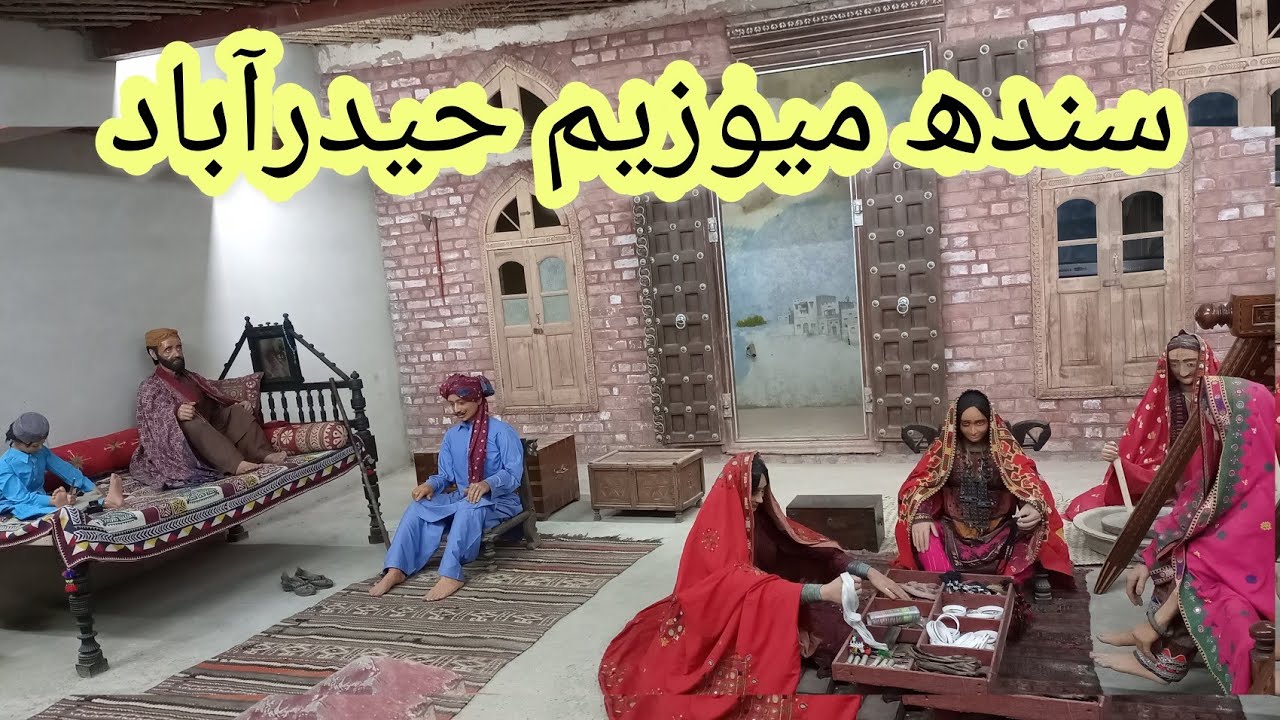
Located in Hyderabad, just a short 20-minute drive from Jamshoro, the Sindh Museum is one of the most important cultural landmarks in Sindh. Established in 1971, the museum is dedicated to preserving and showcasing the rich cultural heritage of Sindh, from the Indus Valley Civilization to contemporary folk traditions. For travelers based in Jamshoro, a visit to the Sindh Museum offers an immersive journey into the art, history, and traditions of the region.
Historical and Cultural Significance
Sindh is one of the oldest cultural regions in the world, home to the Indus Valley Civilization that flourished around 2500 BCE. The Sindh Museum was built to provide a central institution where artifacts, manuscripts, and folk arts could be preserved. Over time, the museum has become an educational and cultural center, hosting exhibitions, festivals, and cultural events.
The museum’s collection spans multiple eras:
-
Indus Valley Civilization: Displays include pottery, tools, seals, and replicas of Mohenjo-daro artifacts.
-
Islamic Period: Exhibits on Sindh’s Islamic heritage, including calligraphy, manuscripts, and traditional architecture.
-
Folk Culture: Life-size dioramas and displays on rural Sindh, featuring traditional huts, crafts, and attire.
By visiting the museum, travelers can gain a comprehensive overview of Sindh’s journey from ancient times to the present day.
Exhibits and Layout
The Sindh Museum is divided into indoor galleries and outdoor display areas.
-
Indoor Galleries: These house archaeological finds, manuscripts, coins, arms, and textile displays. The Ajrak and Sindhi Cap sections are particularly popular, offering insights into traditional craftsmanship.
-
Outdoor Exhibits: Replicas of traditional Sindhi village life, including mud huts and tools, provide a unique, open-air learning experience. These exhibits are especially engaging for those who want to visualize the daily life of Sindhi communities.
-
Special Events: The museum frequently hosts Sindhi Cultural Festivals, which include folk music, dance, and craft exhibitions.
Visitor Experience
-
Location: Situated in Hyderabad, accessible within 20–25 minutes by car or rickshaw from Jamshoro.
-
Opening Hours: Generally open from morning until evening, with Fridays often having shorter hours. Closed on certain public holidays.
-
Tickets: Entry fees are affordable, with lower rates for students.
-
Facilities: On-site guides are available, and nearby cafes in Hyderabad provide refreshment options.
-
Photography: Permitted in most areas, though flash photography may be restricted in sensitive galleries.
Why Visit
The Sindh Museum is one of the best places to understand Sindhi culture in depth. For travelers to Jamshoro, it serves as a cultural complement to the city’s academic atmosphere. Whether you’re interested in archaeology, anthropology, or simply experiencing the soul of Sindh through its crafts and music, this museum provides a complete cultural immersion.
5; Ranikot Fort: The Great Wall of Sindh
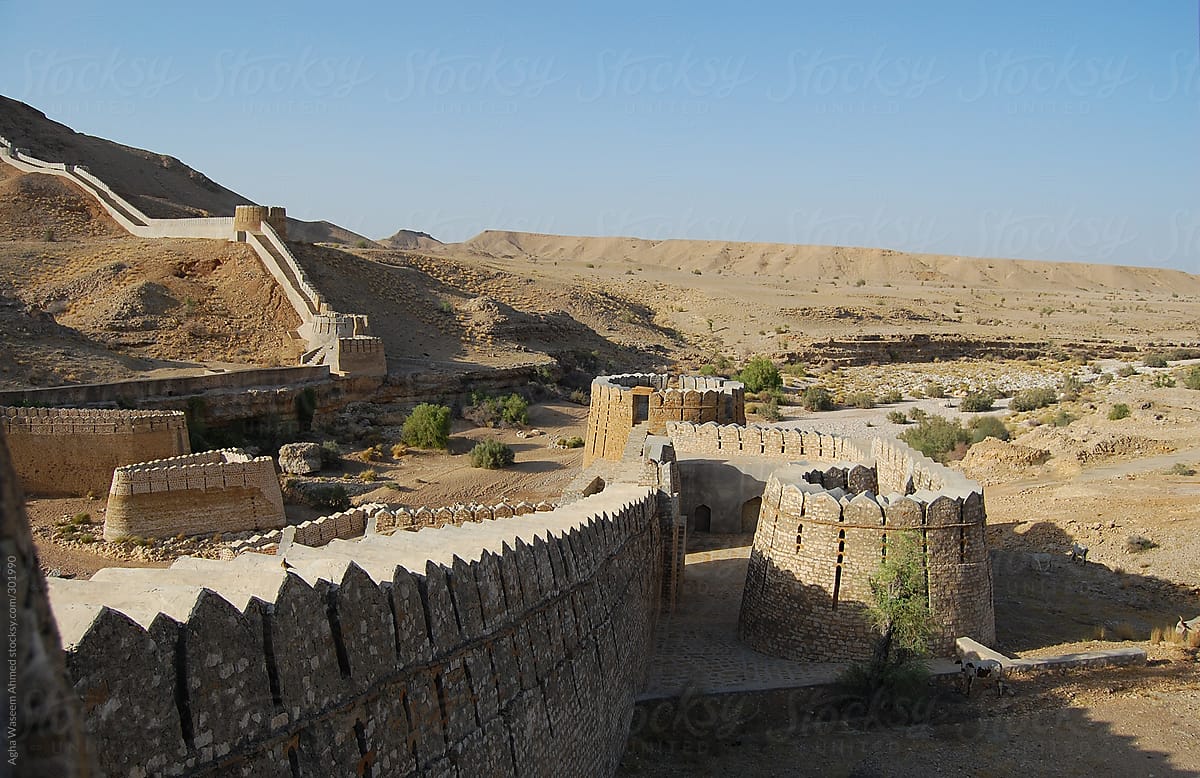
About 90 kilometers from Jamshoro lies Ranikot Fort, often called the Great Wall of Sindh. This sprawling fort is one of the largest in the world, with a circumference of nearly 32 kilometers, making it a breathtaking site for history lovers and adventure seekers alike. Surrounded by rugged hills of the Kirthar Range, the fort is a striking reminder of Sindh’s ancient defensive architecture. For travelers in Jamshoro, a day trip to Ranikot Fort offers both a glimpse into history and an unforgettable outdoor adventure.
Historical Background
The origins of Ranikot Fort remain somewhat mysterious, adding to its intrigue. Some historians trace its construction back to the Sassanian era (3rd century CE), while others attribute major developments to the Talpur rulers of Sindh in the early 19th century. Though its exact purpose is debated, it is believed to have been built as a stronghold to protect local communities and rulers from invasions.
The fort’s massive walls, stretching over the hills like a protective barrier, have drawn comparisons to the Great Wall of China, giving it the nickname “The Great Wall of Sindh.” Despite centuries of erosion, much of the structure still stands, offering a raw and authentic historical experience.
Architectural Highlights
-
Defensive Walls: Constructed with stone and lime mortar, the fort’s walls snake over the hills for kilometers, blending with the natural landscape.
-
Gates: The fort has four main gates — Sann Gate, Amri Gate, Mohan Gate, and Shah-Pere Gate. The Sann Gate is the most accessible and commonly used entrance for visitors.
-
Inner Fort (Meeri Fort): Located within Ranikot, the Meeri Fort served as the residence for rulers and guards. It offers panoramic views of the surrounding hills.
-
Water Reservoirs: Several small ponds and rainwater catchment areas inside the fort suggest it once supported a sizable community.
Visitor Experience
-
Accessibility: Ranikot is accessible by road via the National Highway, followed by a turn at Sann town, leading to the fort. From Jamshoro, the drive takes about 1.5 to 2 hours.
-
Best Time to Visit: The fort is best explored in the cooler months (October to March). Summers can be extremely hot and challenging for long treks.
-
Activities: Popular activities include trekking along the fort’s walls, photography, picnics, and exploring the Meeri Fort. Many travelers enjoy climbing to higher vantage points for sweeping views of the landscape.
-
Facilities: The fort itself has limited facilities, so it is advisable to carry food, water, and sun protection. Basic guesthouses and small eateries are available in Sann town.
-
Photography: The dramatic walls and natural surroundings make Ranikot a paradise for photographers. Early morning or late afternoon light enhances the rugged beauty of the fort.
Why Visit
Ranikot Fort is not only a historical treasure but also an outdoor adventure. Its scale, mystery, and natural beauty make it one of Sindh’s most remarkable attractions. For travelers staying in Jamshoro, visiting Ranikot Fort provides a chance to connect with the ancient heritage of Sindh, explore untouched landscapes, and experience one of the world’s most awe-inspiring fortific
6; Kotri Barrage and Indus River Viewpoints
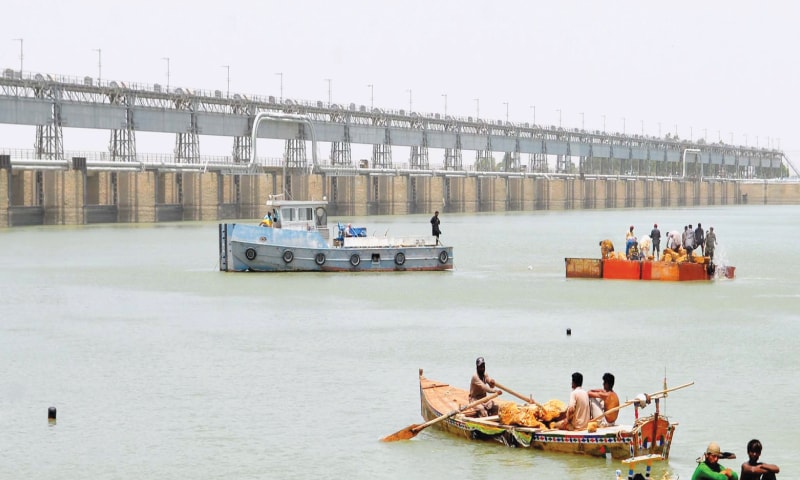
The Kotri Barrage, located on the mighty Indus River, is one of the defining landmarks near Jamshoro. Built in 1955, this large irrigation structure plays a vital role in the agricultural economy of Sindh by diverting river water into canals that irrigate vast tracts of farmland. Beyond its functional importance, the barrage and its surrounding viewpoints have become a popular destination for locals and tourists alike, offering scenic views of the river and a chance to witness life along one of the world’s most historic waterways.
Historical and Functional Significance
The Kotri Barrage was constructed shortly after Pakistan’s independence as part of the country’s irrigation system development. With a length of over 900 meters, it regulates water flow to multiple canals, including the Kalri Baghar Feeder and the Fuleli Canal, both of which are crucial for supplying water to Sindh’s farmlands.
Historically, the Indus River has been the lifeline of Sindh, sustaining civilizations such as the Indus Valley Civilization thousands of years ago. Standing on the Kotri Barrage today, visitors can reflect on how the river continues to shape the economy, culture, and daily life of the region.
Scenic Beauty and Viewpoints
-
River Views: The barrage provides panoramic views of the Indus River, particularly during sunrise and sunset, when the water glows with warm hues.
-
Birdwatching: The wetlands around the barrage attract migratory birds, making it an interesting stop for nature enthusiasts.
-
Fishing and Boating: Local fishermen can often be seen casting nets from the riverbanks, and informal boating options are sometimes available.
Nearby viewpoints along the riverbanks provide relaxing spots for families and travelers to enjoy picnics while taking in the expansive scenery.
Visitor Experience
-
Location: About 12 kilometers from Jamshoro, easily accessible by road. Rickshaws, taxis, or private cars can take you directly to the site.
-
Best Time to Visit: Winter and early spring (November to March) are ideal, as the weather is cooler and the river flow is more manageable.
-
Activities: Photography, sightseeing, birdwatching, and observing local life. Some visitors enjoy small roadside tea stalls and eateries near the barrage.
-
Facilities: There are limited tourist facilities, but Hyderabad city, located just across the river, offers restaurants and accommodation.
-
Safety: Exercise caution when near the riverbanks, especially during high water flow in monsoon season.
Why Visit
The Kotri Barrage and Indus River viewpoints provide travelers with a direct connection to the natural and cultural heartbeat of Sindh. The barrage symbolizes Pakistan’s reliance on the Indus for agriculture and life itself, while the surrounding views offer peaceful escapes and opportunities to engage with local communities. For anyone visiting Jamshoro, a trip to the Kotri Barrage is both educational and scenic, making it a must-see stop.
7; Shrine of Shah Abdul Latif Bhittai: Bhit Shah
Introduction
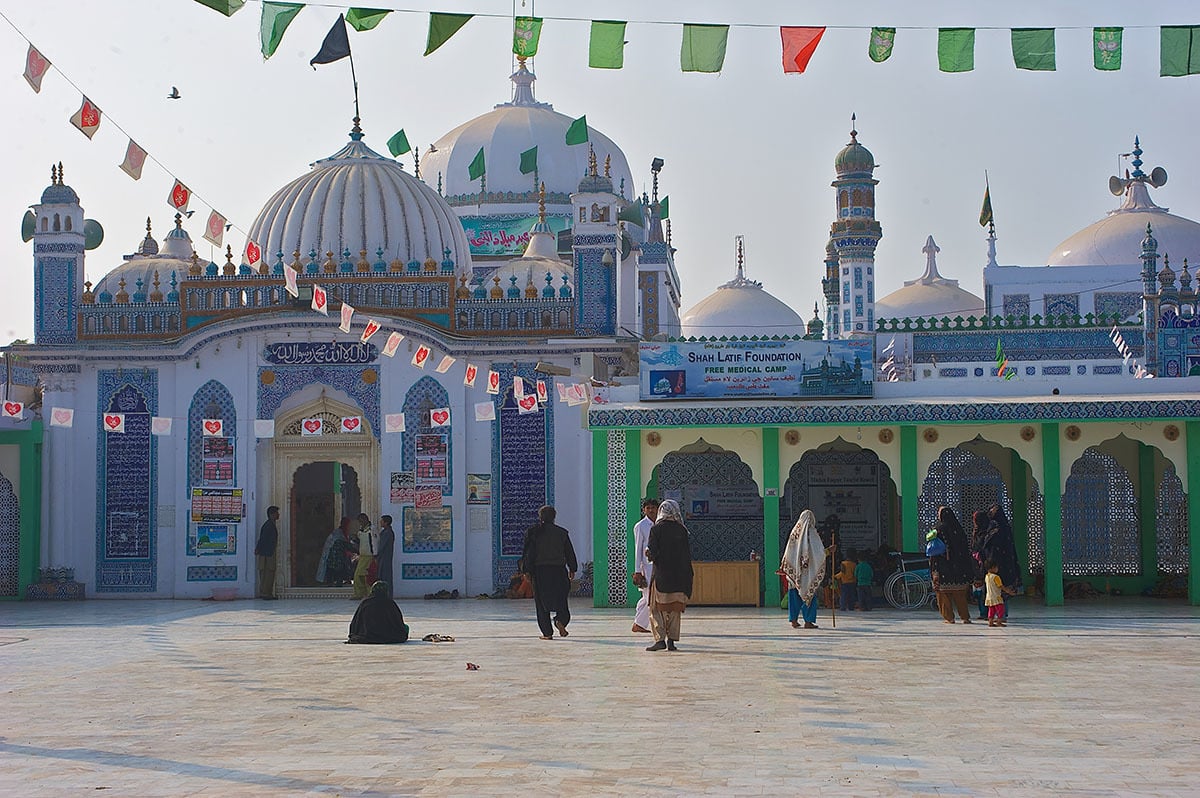
Located about 40 kilometers from Jamshoro in the small town of Bhit Shah, the Shrine of Shah Abdul Latif Bhittai is one of Sindh’s most revered spiritual and cultural landmarks. Shah Abdul Latif Bhittai (1689–1752) was a legendary Sindhi poet, Sufi mystic, and scholar whose poetry continues to inspire generations. His shrine is not only a sacred site for devotees but also a center of Sindhi culture, music, and tradition. For travelers in Jamshoro, a visit to Bhit Shah provides an unforgettable encounter with the spiritual soul of Sindh.
Historical and Cultural Significance
Shah Abdul Latif Bhittai is celebrated as Sindh’s national poet. His magnum opus, the Shah Jo Risalo, is a poetic collection that captures themes of love, mysticism, human struggle, and devotion. His verses are deeply rooted in Sindhi folklore and Sufi philosophy, making him a symbol of unity and peace.
The shrine, constructed soon after his death, has been maintained and expanded over centuries. It is built in traditional Sindhi style with intricate blue tilework, arched doorways, and a large central dome. The site attracts thousands of pilgrims annually, particularly during the Urs (death anniversary) of the saint, which is celebrated with music, poetry recitations, and spiritual gatherings.
Architecture and Layout
-
Main Tomb: The central structure houses the poet’s grave, covered with colorful chadors (sheets) and offerings from devotees.
-
Courtyard: A large open courtyard surrounds the tomb, where visitors gather for prayers, qawwali (Sufi music), and cultural performances.
-
Tilework: The walls are adorned with blue and white glazed tiles, reflecting Sindh’s unique architectural style.
-
Adjacent Rooms: These house Quranic inscriptions, manuscripts, and areas for pilgrims.
Visitor Experience
-
Access: Bhit Shah is about a 45-minute drive from Jamshoro via the National Highway. Public buses, vans, and rickshaws are also available from Hyderabad.
-
Best Time to Visit: The Urs festival, held every year on the 14th of Safar (Islamic calendar), is the most vibrant time to visit, though it can be crowded. Regular visits throughout the year are calmer and more suitable for quiet reflection.
-
Atmosphere: The shrine resonates with devotional music. Musicians play the tambura, an instrument associated with Shah Latif, and sing verses from Shah Jo Risalo.
-
Facilities: Guesthouses, tea stalls, and small eateries are located around Bhit Shah town. Pilgrims often stay overnight during the Urs.
-
Photography: Visitors may photograph the outer areas and courtyards, but it is important to be respectful of worshippers inside the shrine.
Why Visit
The Shrine of Shah Abdul Latif Bhittai is not just a religious site — it is a living embodiment of Sindhi identity, Sufi philosophy, and cultural expression. For travelers, it offers a chance to witness the harmony of faith, music, and literature in Sindh. The shrine is a must-see for anyone seeking to understand the spiritual and poetic heart of Jamshoro’s surroundings.
8; Sehwan Sharif: Shrine of Lal Shahbaz Qalandar
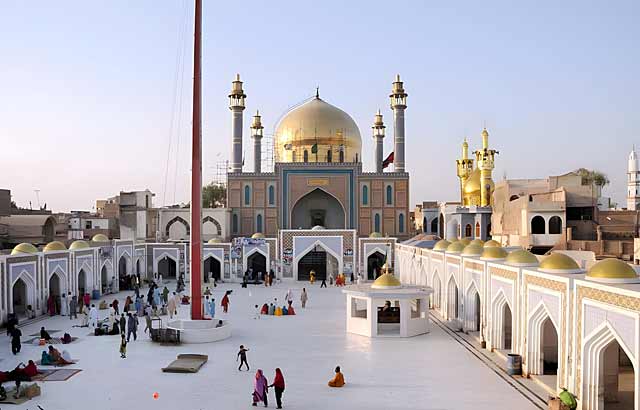
Located about 130 kilometers from Jamshoro, in the historic town of Sehwan, lies the Shrine of Lal Shahbaz Qalandar, one of Pakistan’s most celebrated Sufi shrines. Lal Shahbaz Qalandar (1177–1274), born Syed Muhammad Usman Marwandi, was a revered Sufi saint, poet, and philosopher. Known for his message of love, inclusivity, and human equality, he continues to attract millions of devotees every year. The shrine is a spiritual beacon of Sindh, and visiting it provides travelers with a profound glimpse into the region’s mystical traditions.
Historical and Cultural Significance
Lal Shahbaz Qalandar arrived in Sindh from Marwand (present-day Afghanistan) and devoted his life to preaching peace, tolerance, and spiritual enlightenment. His teachings emphasized the unity of humanity, transcending religious and cultural divides.
The shrine was built in the 14th century and has since been renovated and expanded. It is recognized worldwide for its urs (death anniversary celebrations), devotional music, and vibrant gatherings. His poetry and philosophy have also inspired qawwali songs across South Asia, including the famous refrain, “Jhule Lal Qalandar.”
Architecture and Layout
-
Golden Dome: The shrine is crowned with a striking golden dome, making it one of the most recognizable religious structures in Pakistan.
-
Courtyard: A vast courtyard welcomes devotees and travelers alike, often filled with pilgrims engaged in dhamaal (spiritual dance) to the rhythm of drums.
-
Intricate Tiles: Traditional Sindhi blue tilework, Quranic inscriptions, and mirrored decorations adorn the shrine’s interior and exterior.
-
Tomb Chamber: The saint’s grave lies in the inner sanctum, draped with vibrant chadors and floral offerings.
Visitor Experience
-
Access: Sehwan is about a 2.5–3-hour drive from Jamshoro via the Indus Highway. Public buses and vans also operate regularly between the two cities.
-
Best Time to Visit: The annual Urs festival, held every year in the Islamic month of Sha’ban, is the most vibrant time to experience Sehwan Sharif. The shrine comes alive with millions of devotees, Sufi music, poetry recitals, and devotional rituals. However, for those seeking a quieter visit, weekdays outside festival periods are recommended.
-
Atmosphere: The shrine is most famous for its dhamaal — a spiritual dance performed by devotees to the sound of drums, symbolizing unity with the divine. The energy of dhamaal is deeply moving, even for first-time visitors.
-
Facilities: Sehwan town has numerous guesthouses, restaurants, and shops catering to pilgrims. Food stalls around the shrine serve traditional Sindhi meals.
-
Photography: While photography is allowed in the outer courtyard, it is important to be discreet and respectful, especially inside the shrine.
Why Visit
The Shrine of Lal Shahbaz Qalandar represents the spiritual heartbeat of Sindh. A visit here immerses travelers in centuries-old Sufi traditions, music, and poetry that emphasize love, tolerance, and devotion. For anyone exploring Jamshoro and Sindh, Sehwan Sharif is an essential stop — not only as a religious landmark but also as a cultural experience that connects visitors to the mystical soul of Pakistan.
9; Manchar Lake: The Largest Freshwater Lake in Pakistan
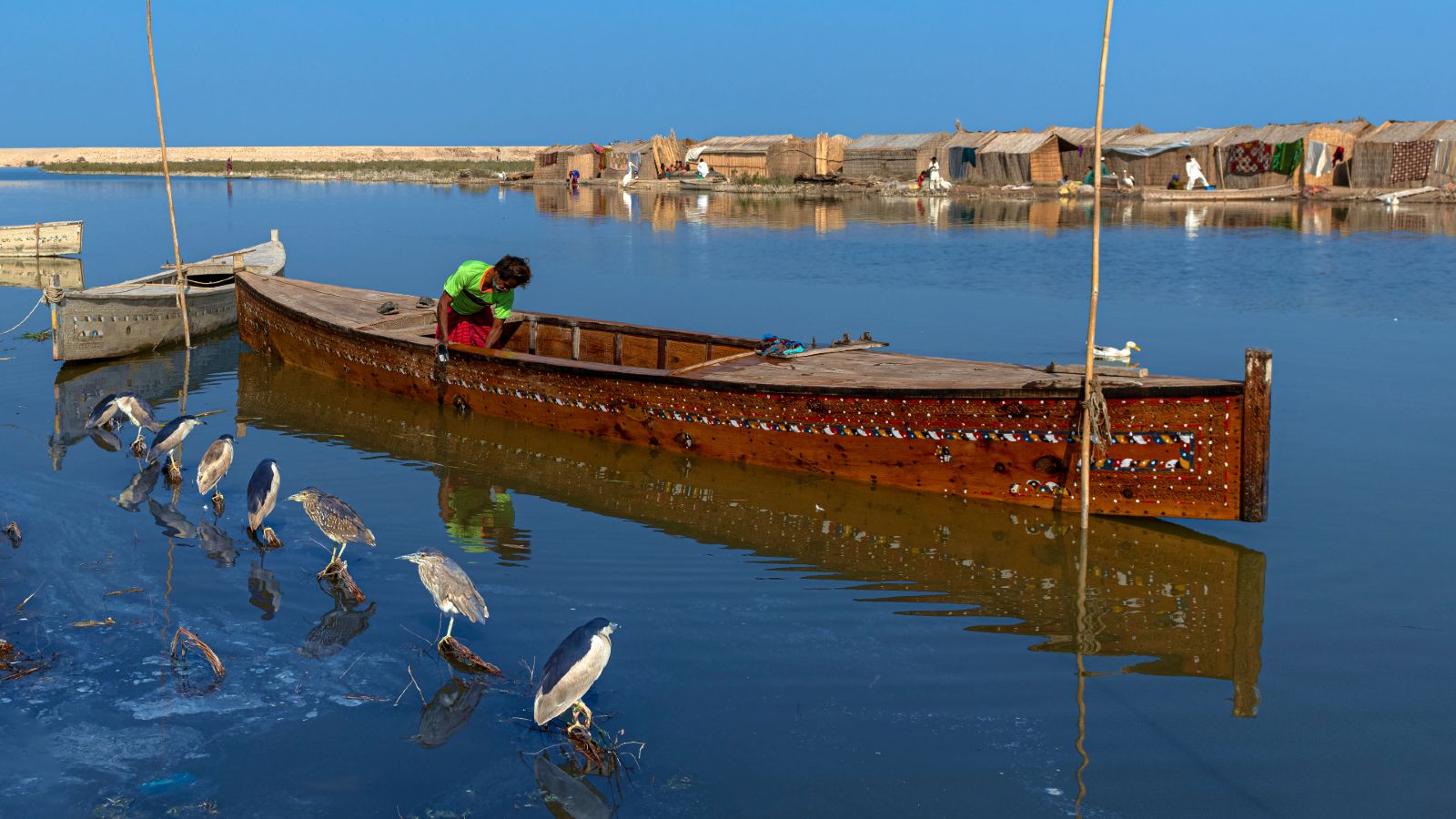
Located about 35 kilometers west of Jamshoro, Manchar Lake is the largest natural freshwater lake in Pakistan and one of the largest in South Asia. Spanning an area that can fluctuate between 350 to over 500 square kilometers depending on the season, the lake is a vital ecological and cultural landmark. It is sustained by seasonal hill torrents from the Kirthar Mountains and connected to the Indus River.
For centuries, Manchar Lake has been home to fishing communities and floating villages, making it not only a breathtaking natural attraction but also a living example of the relationship between humans and water.
Historical and Cultural Significance
Manchar Lake has been mentioned in Sindhi folklore, poetry, and oral traditions for generations. Fishing families known as Mohanas (boat people) have lived on and around the lake for centuries. They inhabit wooden houseboats, earning their livelihood from fishing and weaving intricate nets. This lifestyle, deeply tied to the water, has given Manchar a reputation as the “Venice of Sindh.”
Over the years, the lake has also played a crucial role in sustaining the agricultural belt of Sindh, as it supports irrigation and provides fish to local markets. Despite facing environmental challenges in recent decades, it remains a symbol of Sindh’s natural wealth and resilience.
Scenic Beauty and Activities
-
Boating: Visitors can take boat rides to explore the vast expanse of the lake and witness the floating homes of the Mohana community.
-
Fishing: Traditional fishing techniques, often using handmade nets, can be observed throughout the day. Some fishermen may even allow visitors to participate.
-
Birdwatching: During the winter months, Manchar Lake becomes a haven for migratory birds such as ducks, geese, and flamingos, making it a paradise for nature enthusiasts.
-
Photography: The sunsets over the lake are particularly spectacular, with reflections of boats, birds, and distant hills creating postcard-worthy scenes.
Visitor Information
-
Location: Around 35 kilometers from Jamshoro, accessible by road within one hour.
-
Best Time to Visit: November to March is ideal, when the weather is pleasant, and migratory birds are abundant. Summers can be extremely hot, and the lake’s water quality often declines.
-
Facilities: Basic facilities exist near the shore, including small tea stalls and local eateries. For more developed amenities, visitors may return to Jamshoro or Hyderabad.
-
Safety: It is advisable to use licensed or well-reputed boatmen for safety. Visitors should avoid venturing too far into the lake during storms or high winds.
Why Visit
Manchar Lake is more than a natural wonder — it’s a cultural journey into the lives of Sindh’s water-dwelling communities. It offers travelers a chance to experience tranquility, traditional lifestyles, and biodiversity in one place. For those seeking a balance of natural beauty and cultural immersion, Manchar Lake is a must-visit attraction near Jamshoro.
10; Khirthar National Park: A Wilderness Adventure in Sindh
Introduction
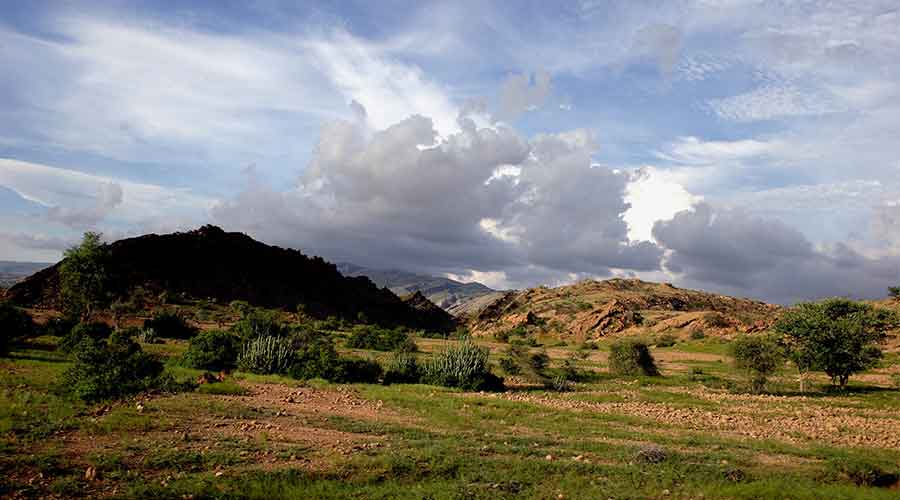
Located about 70 kilometers from Jamshoro, Khirthar National Park is one of Pakistan’s largest protected areas, covering nearly 3,000 square kilometers of rugged landscapes, rocky valleys, and arid mountains. Established in 1974, the park was the first in Pakistan to be included in the United Nations’ list of National Parks.
For travelers seeking natural beauty, adventure, and wildlife, Khirthar offers a unique escape into the wilderness of Sindh, far removed from the hustle of urban life.
Geography and Landscape
The park lies within the Kirthar Mountain Range, which stretches across Sindh and Balochistan. Its terrain is characterized by:
-
Dry riverbeds (nai) and seasonal streams that cut through valleys.
-
Rolling plateaus and limestone ridges.
-
Sparse vegetation of acacia, scrub bushes, and desert flora.
The vast, open spaces provide panoramic views of the rugged landscape, perfect for photography and exploration.
Wildlife and Biodiversity
Khirthar is a biodiversity hotspot in southern Pakistan, providing sanctuary to many rare and endangered species. Some highlights include:
-
Sindh Ibex (wild goats with majestic horns, often spotted on mountain cliffs).
-
Urial Sheep (native wild sheep).
-
Chinkara Gazelle (graceful antelopes of the desert).
-
Wild Boar, Jackals, and Foxes.
-
Bird species such as partridges, vultures, eagles, and migratory birds in certain seasons.
The park once hosted the Asiatic Cheetah, though it is now extinct in the region. Today, conservation efforts are ongoing to protect remaining wildlife.
Cultural and Historical Significance
Khirthar National Park is not just about wilderness; it also holds traces of human history:
-
Ancient rock carvings and petroglyphs can be found in different parts of the park, reflecting the life of early settlers.
-
Local tribes, such as the Baloch and Sindhi communities, still graze livestock and live in scattered settlements within the park, offering cultural insight into the resilience of desert life.
Visitor Experience
-
Access: From Jamshoro, the park is reachable by road, with 4×4 vehicles recommended due to rough terrain.
-
Facilities: Basic rest houses, including the Khar Wildlife Sanctuary Rest House, are available. Travelers should bring food, water, and camping gear if planning extended stays.
-
Activities:
-
Jeep safaris and guided wildlife tours.
-
Hiking and trekking across valleys and mountain trails.
-
Photography of landscapes, wildlife, and tribal settlements.
-
-
Best Time to Visit: November to March is ideal, as summer temperatures often exceed 40°C. Winter and early spring offer cooler, more comfortable weather.
Why Visit
Khirthar National Park is perfect for adventurers, wildlife enthusiasts, and those seeking solitude in nature. Its dramatic landscapes, rare wildlife, and cultural encounters make it one of the top natural attractions near Jamshoro. For anyone exploring Sindh, a trip to Khirthar offers a completely different side of the region — untamed, raw, and deeply memorable.
Climate Overview of Jamshoro
Understanding the climate of Jamshoro is essential for travelers planning a visit to this historically rich and geographically diverse city. Nestled on the western bank of the Indus River in Sindh province, Jamshoro’s climate is shaped by its semi-arid geography, proximity to the river, and seasonal variations that impact everything from travel comfort to outdoor activities.
General Climate Classification
Jamshoro falls under the hot desert/semi-arid climate zone (BWh/BSk, Köppen-Geiger classification). This means the city experiences extremely hot summers, mild to cool winters, and limited rainfall, primarily during the monsoon months.
Seasonal Variations
Summer (April – September)
-
Summers in Jamshoro are long, dry, and extremely hot, with temperatures often soaring above 42°C (108°F) in June, the hottest month.
-
The city can occasionally record highs of 45–48°C, making it one of the hottest regions in Sindh during peak summer.
-
Winds blowing from the Thar Desert contribute to dry, scorching conditions, though occasional breezes from the Indus provide minimal relief.
-
Outdoor travel and sightseeing are generally discouraged during mid-day hours in summer due to the intensity of the heat.
Monsoon Season (July – September)
-
The arrival of the South Asian Monsoon brings some respite from extreme heat, though Jamshoro receives less rainfall compared to coastal Sindh (such as Karachi or Thatta).
-
Average rainfall ranges between 50–150 mm annually, often concentrated in a few heavy showers.
-
Sudden downpours may cause localized flooding near the riverbanks or disrupt road travel.
-
Humidity levels rise, making the heat feel more oppressive, though evenings tend to be cooler after rain.
Autumn (October – November)
-
After the monsoon, Jamshoro experiences a transition into pleasant autumn weather.
-
Temperatures drop to 25–32°C, with cooler nights averaging 15–20°C.
-
This season is considered one of the most comfortable times for sightseeing, especially for historical sites and outdoor activities like visiting Ranikot Fort or Manchar Lake.
Winter (December – February)
-
Winters in Jamshoro are mild and pleasant, with daytime temperatures ranging from 18–25°C.
-
Nights can be chilly, sometimes dipping to 6–8°C, especially in January, the coldest month.
-
The clear skies, cool breezes, and lack of rainfall make winter the peak tourist season, ideal for exploring both cultural and natural attractions.
Spring (March)
-
Spring offers a short but delightful window of mild temperatures before the onset of summer.
-
Average highs range between 28–34°C, with comfortable evenings around 15–18°C.
-
This season is marked by fresh greenery along the Indus banks, making it an excellent time for photography and riverside visits.
Temperature Ranges (Approximate)
-
Summer highs: 42–48°C
-
Summer lows: 28–32°C
-
Winter highs: 18–25°C
-
Winter lows: 6–10°C
These variations highlight the extremes between seasons, reinforcing why timing is crucial when planning a visit.
Precipitation Patterns
-
Annual rainfall: 50–150 mm (low compared to northern Pakistan).
-
Rainfall is concentrated between July and September, with occasional pre-monsoon showers in June.
-
The rest of the year remains dry, contributing to Jamshoro’s arid environment.
Best Times for Outdoor Activities
-
November to March: Best period for cultural exploration, historical site visits, hiking, and wildlife safaris in Khirthar National Park.
-
March and October: Good for balanced weather, especially for riverside picnics and museum visits.
-
Summer months: Not recommended for long outdoor excursions but can be suitable for indoor activities like exploring the Sindh Museum or university campus.
Practical Traveler Tips
-
Clothing:
-
Summer: Light, breathable fabrics, hats, sunglasses, and sunscreen.
-
Winter: Light jackets or sweaters for evenings and nights.
-
-
Hydration:
-
Carry bottled water, especially during warmer months.
-
-
Monsoon Caution:
-
Check weather updates before road trips, as sudden rains may impact accessibility.
-
-
Health Precautions:
-
Avoid direct exposure to afternoon sun in summer to prevent heatstroke.
-
Carry insect repellent during monsoon season.
-
5. Best Visiting Periods for Jamshoro
Choosing the right time to visit Jamshoro can make all the difference between a comfortable, enriching trip and one hampered by harsh weather or limited activities. Because the city lies in Sindh’s semi-arid region, its seasonal extremes demand careful consideration by travelers. Below is a breakdown of the ideal months, festival seasons, and weather factors that influence the best visiting periods.
Ideal Months for Travel
-
November to March:
This is widely regarded as the prime tourist season for Jamshoro. During these months, temperatures range between 18–28°C in the daytime and dip to 8–15°C at night. The climate is mild, skies are clear, and humidity is low, creating perfect conditions for exploring the historical sites, museums, and the Khirthar mountain ranges. Winter also brings a certain vibrancy to local bazaars and riverside areas as residents enjoy the cool weather. -
October and April:
These shoulder months offer a balance between comfort and affordability. Daytime temperatures hover between 28–34°C, while evenings remain cooler. For travelers who prefer fewer crowds, these months are ideal since the peak tourist rush has either not begun (October) or has just concluded (April).
Months to Avoid
-
May to September:
The intense summer heat during this period can be challenging, with daily highs often reaching 45°C or more. While July and August bring occasional monsoon rains, humidity makes outdoor exploration difficult. Unless one’s focus is strictly academic research (such as visiting universities) or attending cultural festivals, these months are generally not recommended for leisure travelers.
Festival and Event Calendar
Cultural celebrations and events play a crucial role in enriching the visitor experience. Planning your trip to coincide with these moments can offer deeper insights into Jamshoro’s traditions:
-
Sindh Cultural Day (First Sunday of December)
Celebrated with vibrant displays of Sindhi culture, traditional music, Ajrak patterns, and folk dances. Jamshoro, being home to University of Sindh, becomes a hub of cultural activity during this time. -
Eid Festivals (Dates vary by Islamic lunar calendar)
Both Eid-ul-Fitr and Eid-ul-Adha bring communal feasts, bustling markets, and family gatherings. Visitors can witness authentic Sindhi hospitality during these festivals. -
Urs Celebrations (Various months)
Sindh has a rich Sufi tradition, and several Urs festivals honoring saints are observed across the province. While not always centered in Jamshoro city, nearby shrines host spiritual gatherings that attract pilgrims and curious travelers alike.
Weather Considerations for Travelers
-
Winter (Nov–Feb): Best for sightseeing, hiking in Khirthar National Park, and riverside picnics.
-
Spring (March): Short but delightful, offering greenery near the Indus River and pleasant walking conditions.
-
Monsoon (July–Sept): Can disrupt travel plans with sudden rains and road blockages.
-
Summer (May–June): Avoid due to heat, unless activities are restricted to indoor sites.
Summary: Best Time to Visit Jamshoro
For leisure travelers, November through March is the best window to visit Jamshoro. These months not only offer the most comfortable weather but also coincide with cultural events that showcase Sindh’s heritage. Spring and autumn provide a quieter, less crowded alternative, while the summer and monsoon months are best avoided unless absolutely necessary.
In essence, timing your visit well ensures that you experience Jamshoro’s history, culture, and landscapes in their most accessible and enjoyable form.
6. Local Cuisine in Jamshoro
Food is one of the most engaging ways to experience Jamshoro and the greater Sindh region. The cuisine here reflects centuries of cultural exchange—from the kitchens of the Indus Valley to Persian, Mughal, and Central Asian influences, and of course, the distinct Sindhi culinary identity that thrives today. Travelers visiting Jamshoro will find everything from traditional Sindhi household recipes to popular Pakistani street food and modern dining options.
Traditional Sindhi Dishes
Sindhi cuisine is bold, flavorful, and deeply tied to local ingredients. Some must-try dishes include:
-
Sindhi Biryani:
Unlike other biryanis in Pakistan, Sindhi biryani stands out for its fiery spices, tangy yogurt base, and generous use of potatoes. In Jamshoro, it’s a staple in local restaurants and is often accompanied by raita and salad. -
Sai Bhaji (Greens and Lentils):
A wholesome dish made with spinach, lentils, and assorted vegetables, slow-cooked with garlic and spices. It is traditionally eaten with rice or roti and reflects Sindhi comfort food at its best. -
Sindhi Karhi:
A tangy, spiced curry made with gram flour and tamarind, often served with rice. This vegetarian dish highlights the balance of sourness and spice unique to Sindhi food. -
Palla Fish (Indus River specialty):
A local delicacy, this freshwater fish from the Indus River is grilled, fried, or curried with spices. Its seasonal availability makes it a prized meal for visitors. -
Roti and Bread Varieties:
Sindhi households prepare different kinds of bread including phulka, koki, and chapati. Bread is central to daily meals and is used to scoop up curries and vegetables.
Street Food and Snacks
Jamshoro’s roadside stalls and eateries provide visitors with a glimpse into local eating habits:
-
Pakoras and Samosas: Deep-fried snacks enjoyed with chutney, especially during evenings and monsoon rains.
-
Chana Chaat: Spiced chickpea salad with onions, tomatoes, and tamarind chutney.
-
Kulfi and Falooda: Sweet, cold desserts perfect for hot summer days.
-
Parathas with Chai: A classic Sindhi breakfast combination, often enjoyed at dhabas (roadside cafes).
Street food in Jamshoro is affordable, with most snacks costing between Rs. 50–200, making it accessible for travelers on a budget.
Top Restaurants and Dining Options
While Jamshoro is not as cosmopolitan as Karachi or Hyderabad, it offers reliable dining options:
-
Al-Manzar Restaurant (near Indus River)
-
Known for fresh barbecue, grilled fish, and outdoor dining with riverside views.
-
-
Sindh University Canteens
-
Popular among students and visitors, serving affordable and authentic Sindhi meals.
-
-
Kotri Barrage Food Stalls
-
Famous for fried fish and local snacks, especially in the evenings.
-
-
Jamshoro Highway Restaurants
-
On the main Karachi–Hyderabad route, travelers can find a range of Pakistani and Sindhi dishes at roadside eateries.
-
-
Hyderabad City (nearby)
-
Just 20 minutes from Jamshoro, Hyderabad expands your dining options with Bombay Bakery cakes, traditional Rabri, and upscale restaurants offering both Pakistani and continental food.
-
Culinary Experiences for Travelers
-
Home-Cooked Sindhi Meals: Some guesthouses and homestay options offer visitors the chance to enjoy freshly cooked Sindhi meals, which are often more authentic than restaurant food.
-
Food Festivals and Cultural Events: During Sindh Cultural Day or university events, traditional food stalls provide an opportunity to taste multiple local dishes in one place.
-
Tea Culture: Tea (chai) is an integral part of Sindhi hospitality. Whether at a family gathering or a roadside dhaba, visitors will often be welcomed with a steaming cup of strong, sweet chai.
Price Ranges and Dining Costs
-
Budget Meals: Rs. 150–400 (street food, university canteens, small dhabas)
-
Mid-Range Meals: Rs. 500–1,200 (sit-down restaurants, barbecue, biryani outlets)
-
Premium Dining: Rs. 1,500–3,000+ (upscale restaurants in nearby Hyderabad)
Travelers will find that Jamshoro offers excellent value for money compared to Pakistan’s larger cities, allowing them to sample a wide variety of dishes without overspending.
Dietary Options
-
Vegetarian Travelers: Sindhi cuisine naturally includes many vegetarian dishes such as sai bhaji, karhi, daal chawal, and vegetable curries.
-
Non-Vegetarian Travelers: Chicken, mutton, and especially river fish are widely available.
-
Special Diets: While gluten-free or vegan meals are not explicitly labeled, travelers can find suitable options by choosing lentils, rice, vegetables, and fresh fruit.
7. Accommodation in Jamshoro
Finding the right place to stay is an important part of planning any trip, and in Jamshoro, accommodation options cater primarily to students, researchers, and travelers visiting for cultural or academic purposes. While the city itself does not yet offer luxury hotels on the scale of Karachi or Islamabad, visitors will find a range of budget guesthouses, mid-range hotels, and nearby upscale options in Hyderabad, just a short drive away.
Types of Accommodation Available
-
Guesthouses and Lodges
-
Jamshoro’s proximity to major universities like the University of Sindh means that many guesthouses cater to visiting faculty, students, and researchers.
-
These accommodations are typically budget-friendly, offering basic rooms, Wi-Fi, and home-style meals.
-
Prices usually range from Rs. 1,500–3,000 per night.
-
-
Mid-Range Hotels
-
Several mid-range hotels are located along the Jamshoro–Hyderabad road and in Kotri.
-
They offer air-conditioned rooms, room service, and moderate dining facilities.
-
Ideal for families or business travelers seeking comfort without high costs.
-
-
University Guesthouses
-
Many universities, particularly the University of Sindh, maintain official guesthouses for visiting academics.
-
With prior arrangements, travelers may be able to book these rooms, which are secure and well-maintained.
-
-
Upscale Hotels in Hyderabad
-
Since Hyderabad is only 20–25 minutes from Jamshoro, many travelers choose to stay there and commute.
-
Hyderabad offers well-known hotels, modern facilities, conference halls, and fine dining options.
-
Recommended Accommodation Options
Here are some reliable options for different budgets:
-
Indus Highway Guesthouses (Jamshoro)
-
Affordable rooms with easy access to the Karachi–Hyderabad Motorway.
-
Best for budget travelers and those stopping overnight.
-
-
Al-Manzar Hotel & Restaurant
-
Located near Kotri Barrage, it combines riverside dining with simple accommodation.
-
Recommended for travelers who want local food experiences and a unique location.
-
-
University of Sindh Guesthouse
-
Suitable for researchers, professors, and students visiting the university.
-
Offers peaceful surroundings and good security.
-
-
Hotel Indus (Hyderabad)
-
A mid- to upper-range hotel offering modern facilities, a restaurant, and family-friendly services.
-
Convenient for travelers who want more comfort and are willing to commute to Jamshoro.
-
-
Hotel Crown Hyderabad
-
Offers comfortable rooms, banquet facilities, and multiple dining options.
-
Ideal for families or groups attending events in Jamshoro.
-
Budget vs. Luxury Choices
-
Budget Travelers:
Guesthouses and lodges in Jamshoro provide the most economical option, with clean rooms and essential facilities. These are best for students, solo travelers, or backpackers. -
Mid-Range Travelers:
Families or couples will find mid-range hotels in Jamshoro and Kotri suitable, especially those that include in-house dining. -
Luxury Seekers:
For a more upscale experience, Hyderabad hotels are the best bet, with amenities such as swimming pools, fitness centers, and fine dining restaurants.
Location Considerations
When choosing accommodation in Jamshoro, travelers should keep the following in mind:
-
Proximity to University of Sindh: Ideal for researchers, students, and academic visitors.
-
Access to Kotri Barrage and Indus River: Good for those who want scenic views and easy access to dining options.
-
Commuting Distance from Hyderabad: Recommended for travelers who want more variety in dining and shopping, along with higher-end facilities.
Amenities to Expect
Most accommodations in Jamshoro and Hyderabad include:
-
Wi-Fi (though speed may vary)
-
Air-conditioning or fans depending on budget
-
Attached bathrooms
-
Room service in mid- to high-range hotels
-
On-site or nearby dining facilities
Upscale hotels in Hyderabad often provide:
-
Business centers
-
Event halls and meeting spaces
-
24-hour security
-
Airport transfer services
Booking Tips for Travelers
-
Advance Booking: Since Jamshoro’s accommodation options are limited, it is advisable to book in advance, especially during university admissions season or cultural festivals.
-
Local Recommendations: Often, the best guesthouses are not listed online. Asking university contacts or local residents can lead to reliable and affordable stays.
-
Transport Considerations: If you plan to explore both Jamshoro and Hyderabad, staying in Hyderabad may be more practical for access to better transport and dining options.
-
Safety and Comfort: Always choose accommodations with good reviews for safety and hygiene, especially if traveling with family.
8. Frequently Asked Questions (FAQ) About Jamshoro
Travelers planning a visit to Jamshoro often have a set of common questions about safety, logistics, cultural norms, and attractions. Below is a comprehensive FAQ designed to address these concerns and provide practical, trustworthy information.
1. Where is Jamshoro located?
Jamshoro is located in the Sindh province of Pakistan, about 18 kilometers northwest of Hyderabad and roughly 150 kilometers from Karachi. The city sits on the right bank of the Indus River and is often referred to as the “Education City” due to the presence of multiple universities.
2. How do I reach Jamshoro?
-
By Air: The nearest airport is Hyderabad Airport, while Karachi’s Jinnah International Airport is about a 2-hour drive away.
-
By Road: Jamshoro is easily accessible via the M-9 Karachi–Hyderabad Motorway.
-
By Train: Travelers can arrive at Kotri Railway Station, located just across the river from Jamshoro.
3. What is Jamshoro famous for?
Jamshoro is known for its academic institutions, such as the University of Sindh and Mehran University of Engineering and Technology. It is also famous for nearby attractions, including the Ranikot Fort (the Great Wall of Sindh), Kotri Barrage, and the Indus River landscapes.
4. Is Jamshoro safe for tourists?
Yes, Jamshoro is generally safe for visitors, especially those traveling for academic or cultural purposes. However:
-
Always stay updated with local travel advisories.
-
Avoid traveling alone at night in remote areas.
-
Keep valuables secure.
-
Choose reputable accommodations for added safety.
5. What is the best time to visit Jamshoro?
The best time to visit is between October and March, when temperatures are cooler and more pleasant. Summers (May–August) can be extremely hot, with temperatures exceeding 40°C, making outdoor exploration uncomfortable.
6. What are the must-see tourist attractions in Jamshoro?
Some of the top attractions include:
-
Ranikot Fort – One of the world’s largest forts.
-
Kotri Barrage – Scenic and vital for irrigation.
-
Sindh Museum (Hyderabad) – Showcasing Sindh’s cultural history.
-
University of Sindh campus – A landmark in education and architecture.
-
Indus River views – Perfect for nature lovers and photographers.
7. What type of accommodation is available?
Jamshoro offers budget-friendly guesthouses and mid-range hotels, while luxury travelers can find high-end hotels in Hyderabad, just a short drive away. Many universities also operate guesthouses for visiting academics.
8. What kind of food can I expect in Jamshoro?
Visitors can enjoy traditional Sindhi cuisine, including Sindhi Biryani, Sai Bhaji (vegetable stew), Sindhi Fish Curry, and Sindhi Pulao. Roadside eateries, local restaurants, and nearby Hyderabad city offer a wide variety of dining options. Both budget and mid-range choices are available, with meals ranging from Rs. 300–1,500 per person.
9. What should I pack for my trip?
-
Light cotton clothes for summer.
-
Warm layers for winter evenings.
-
Comfortable walking shoes for exploring sites like Ranikot Fort.
-
Sunscreen, hat, and sunglasses for daytime outings.
-
Reusable water bottle to stay hydrated in the dry climate.
10. Are there cultural or social etiquettes I should know?
Yes, as Jamshoro is a traditional Sindhi city:
-
Dress modestly, especially when visiting rural areas or religious sites.
-
Always ask permission before taking photos of locals.
-
Respect local traditions and avoid public displays of affection.
-
Greetings with “Salaam” are polite and appreciated.
11. Can I visit Jamshoro as a solo traveler?
Yes, many solo travelers, especially researchers and students, visit Jamshoro without issues. However, solo travelers should plan their stay in advance, choose safe accommodations, and avoid traveling late at night.
12. What languages are spoken in Jamshoro?
The primary language is Sindhi, though Urdu and English are also widely understood, especially within academic institutions. Learning a few basic Sindhi phrases can make interactions with locals friendlier.
13. Is Jamshoro suitable for family travel?
Yes, families can comfortably visit Jamshoro. Families often prefer staying in Hyderabad hotels for better amenities while exploring Jamshoro’s attractions during the day.
14. Are there medical facilities in Jamshoro?
Yes, Jamshoro is home to Liaquat University of Medical and Health Sciences (LUMHS), which has a hospital providing medical care. Basic healthcare facilities and pharmacies are widely available. For advanced care, Hyderabad offers larger hospitals.
15. How many days are enough to explore Jamshoro?
-
1–2 days: Enough for university visits and local attractions.
-
3–4 days: Allows exploration of Jamshoro, Kotri Barrage, Ranikot Fort, and parts of Hyderabad.
Travelers interested in culture, research, and history may extend their stay to a week for a more immersive experience.


